Author: rb809rb

  • For Jacob Whiteduck-Lavoie, Everyday on ‘Sterling Point‘ Was the “Best Day Ever”

    For Jacob Whiteduck-Lavoie, Everyday on ‘Sterling Point‘ Was the “Best Day Ever”

    For Sterling Point star Jacob Whiteduck-Lavoie, filming the Prime Video series brought him right back to his childhood. “It felt like when you’re 9 years old, and you’re at summer camp and every day is the best day ever,“ the 23-year-old tells The Hollywood Reporter on a Zoom.

    The Megan Park-created series is a big step forward in Lavoie‘s career. The actor, much like several of his cast members on the show, has been acting since he was a child. He got his first gig a decade ago after his mom had spotted a Facebook post about an open casting call for a child actor who could speak French and was indigenous. Lavoie, who is of Kitigan Zibi Anishinabeg First Nation heritage and grew up on a First Nation reserve in Quebec, was intrigued but a little apprehensive.

    “I didn’t have any experience whatsoever in theater or acting at all, so it was definitely scary having to learn lines and going into audition,“ says Lavoie. But his mother was persistent and encouraged him to at least give it a try. Thankfully, the team loved his audition and cast him on the spot.

    That 20-day indie film shoot became the moment he fell in love with acting. He signed with an agent in Montreal and continued working on French-speaking productions. Despite leading a show in Canada, Premier Trio, he found he wasn‘t getting English self-tapes. While Lavoie loved his time working on French-speaking roles, he had aspirations to break into the English-speaking productions as it‘s a much smaller industry.

    “[Sterling Point] is the biggest project I’ve ever done in my life,“ he says. The show has allowed him to break into the English-speaking market.

    Lavoie is still grateful to work on the show and get to work with Park and executive producers Josh Schwartz and Stephanie Savage. But perhaps the person he was most grateful to work with was Jeffrey Dean Morgan, or “JDM,” as Lavoie calls him.

    In Sterling Point, Lavoie plays Ellis, a Canadian teen who meets the show‘s leading lady and newcomer to town, Annie, played by Ella Rubin. He becomes one-third of the show‘s main love triangle. Morgan plays his father, Joe, who is later revealed to have his own dealings with Annie‘s family.

    “When I found out that he was going to play my dad, I couldn’t believe it, honestly,” the actor says. “I personally was a fan of The Walking Dead as a kid, so when I found that out, I kind of shat my pants a little bit. I was like, ‘Crap, Negin’s my dad. What?’”

    The young cast of the show, rounded out by Amélie Hoeferle, Daniel Quinn-Toye, Bo Bragason, Keen Ruffalo and Mabel Strachan, were very close during the shoot. Lavoie knew none of the other actors — no one on the cast knew each other before the shoot — but everything felt natural.

    “Everybody got to know each other so well and so quickly. I just love these people so dearly, and everyone’s just such a good actor,“ he continues. “I’ve learned so much working with them.“

    Sterling Point wasn‘t the first show Lavoie had been in that featured a cast full of other actors his age. Premier Trio, the Canadian show he led, was a young-adult hockey show. But his personal experience was very different between the series.

    On Premier Trio, he was the oldest actor, and there was quite a gap between his co-stars — he recalls being 19 and his love interest being four years younger than him — and that made the dynamics different. “I felt like I needed to lead because I just felt like I was the older brother on the show,“ he says.

    Lavoie was the second-youngest on Sterling Point. He jokes that he felt like the “little baby“ of the group. “To work with people your age is just always so much fun and makes the experience just so much more fun,“ he says. “It was like we were just this tight group of friends and did everything together. On our off days, we were playing pickleball and always at the park doing something. It was really magical.”

    Thanks to Park, Lavoie felt extremely comfortable on the set. He admits he was nervous going into the show, but the showrunner, creator, writer and director helped keep him calm — he notes that she has a “young soul“ that makes anyone feel like her best friend instantly. The actor found that attitude take the pressure off of his shoulders.

    Lavoie recalls Park empowering the actors. “She’d let us improvise a lot,“ he says.

    “I remember she told us on the first few weeks, ‘Honestly guys, obviously, I wrote this script, but if you guys want to go off script and just say this line or say this however you feel like, just do it because you guys are the Gen Z and we’re trying to make the Gen Z audience connect and relate,’“ he adds. It seems to have worked, as the authentic dialogue has been a talking point on social media since Sterling Point came out earlier this month.

    Lavoie still has one hope for what‘s next after. He adds, “I hope we get a season two because I want to live it again.“
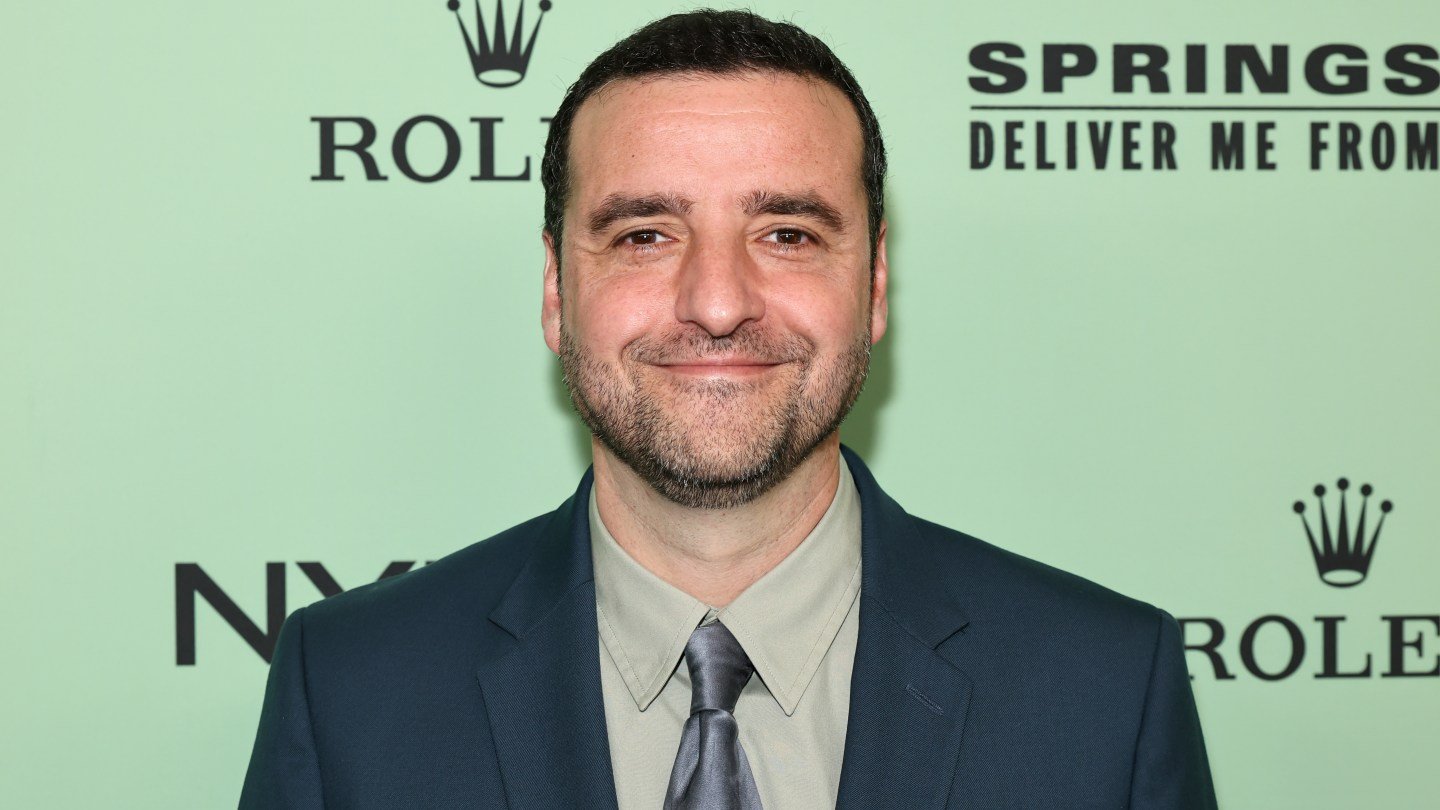
  • David Krumholtz Says He’s Retiring from Acting in Shock Social Post: “Profession Has Lost Its Gleam”

    David Krumholtz Says He’s Retiring from Acting in Shock Social Post: “Profession Has Lost Its Gleam”

    He’s amassed more than 140 credits on an enviable resumé that dates back to the early 1990s, but David Krumholtz seems ready to throw in the towel on his Hollywood career.

    In a shocking announcement posted (and later deleted) on social media, Krumholtz said he’s “frustrated, fed up, fried” with the business, so much so that he already sent an email to declare it done. Once the decision was made, Krumholtz felt a “huge wave of relief” wash over him.

    “I kinda sorta put my acting career on hold the other day. It’s been something I’ve been petrified to do for years. Specifically, the fear was that I’d go broke and not be able to handle being out of the game. But I sent the definitive email,” he shared on Threads. “And gotta say, a huge wave of relief washed over me. Not sure what I’m going to do for money instead, or how I’m going to do it, but I just removed a humongous burden, one that I truly didn’t fathom the weight of until it was gone. Frustrated, fed up, fried.”

    The post received tons of traction immediately, and Krumholtz continued the conversation by responding in comments to fans expressing their disappointment, encouragement or support, as well as posting additional replies. “The love and encouragement re: my last post is overwhelmingly surprising. Acting professionally is a very different concept than the exercise of acting itself. I’ve enjoyed every single minute of exercising the muscle. I’ve enjoyed the fanfare. There was a time when being competitive and self-involved really served my pursuit. That time has passed. Much to MY overwhelming surprise. There will always be great joy in the exercise. But for me, the profession has lost its gleam.”

    Fellow actor Garret Dillahunt was among those who responded by posting, “This is sad news for me. But I am happy for you. I understand completely.” Krumholtz wrote back and further elaborated on his next moves: “Ain’t over, rather, redefining my terms. Hoping to find a new, more rewarding passion. Me, my product, and [my] mentality is not working anymore. I want to try to be of service. No crystal ball.”

    The 48-year-old veteran actor hails from New York and has worked consistently since breaking into the business on both the big and small screens with parts in Law & Order, Life with Mikey, Addams Family Values, The Santa Clause franchise (playing the beloved Head Elf Bernard) and the Ice Storm, to name a few early roles. He had regular roles on such shows as Monty, Chicago Sons, The Closer, The Trouble With Normal and Numb3rs, the latter of which lasted the longest with 119 episodes.

    He also starred in high-profile movies like Slums of Beverly Hills opposite Natasha Lyonne, 10 Things I Hate About You, The Mexican, Sidewalks of New York, Ray, Harold & Kumar Go to White Castle, Crazy for Love, Bobby, Superbad, This is the End, Hail, Caesar! and more. He played Isidor Rabi in Christopher Nolan’s best picture winner Oppenheimer, which earned him rave reviews, and had a busy last couple of years starring in Springsteen: Deliver Me From Nowhere and opposite Seth Rogen in The Studio and Sausage Party: Foodtopia. Most recently, he starred as Zor-El in Supergirl.

    Krumholtz at the Supergirl world premiere in New York on June 22, 2026.

    (Photo by Dimitrios Kambouris/Getty Images for Warner Bros. Pictures)

    David Krumholtz and cast members from Leopoldstadt are seen on stage during the Broadway show’s opening night at New York’s Longacre Theatre on Oct. 2, 2022.

    (Photo by Roy Rochlin/Getty Images)

    David Krumholtz and Rob Morrow celebrate the 100th episode of CBS’s Numb3rs at the LA Center Studios on March 25, 2009.

    (Photo by Michael Buckner/Getty Images)

    Kal Penn, Krumholtz, John Cho and Neil Patrick Harris at the afterparty for the premiere of New Line Cinema’s Harold and Kumar Escape From Guantanamo Bay at the Green Door in L.A. on April 17, 2008.

    (Photo by Kevin Winter/Getty Images)

    Cillian Murphy as J. Robert Oppenheimer and Krumholtz as Isidor Rabi in Christopher Nolan’s Oppenheimer.

    Melinda Sue Gordon/Universal Pictures

  • CFTC seeks feedback on CPO and CTA rule changes

    CFTC seeks feedback on CPO and CTA rule changes

    The CFTC has opened a 45-day comment period on proposals that would double the small-pool exemption threshold to $800,000 and ease registration rules for some fund advisers.

    CFTC proposal would reduce duplicate fund registration

    The Commodity Futures Trading Commission said in an Aug. 18 regulatory announcement that it had proposed amendments to Part 4 of its rules, which govern commodity pool operators, or CPOs, and commodity trading advisers, known as CTAs.

    Under the proposal, certain investment advisers already registered with the Securities and Exchange Commission could avoid separate CPO registration for qualifying commodity pools. The exemption would apply only when the pool meets several conditions, including limits on who may invest.

    A commodity pool combines money from multiple participants to trade futures, options, swaps, or other commodity interests. Its operator generally must register with the CFTC unless an exemption applies, while a person who provides trading advice may also have to register as a CTA.

    SEC-registered advisers can fall under both regulatory systems when the private funds they manage trade commodity interests. According to the CFTC, requiring full registration under both systems may produce overlapping compliance duties without providing enough additional regulatory benefit.

    “By continuing to address overly burdensome and duplicative rules for its registrants, the CFTC is delivering on its mandate to promote U.S. market competitiveness,” CFTC Chairman Michael S. Selig said.

    Selig added that the agency intended to reduce compliance costs for American businesses while preserving market integrity.

    The proposed exemption would not remove all regulatory requirements. Advisers seeking relief would still need to satisfy the SEC’s rules under the Investment Advisers Act, including applicable conduct, examination, disclosure, and reporting requirements.

    CFTC exemption would cover pools for sophisticated investors

    Proposed Regulation 4.13(a)(4) would limit the CPO exemption to SEC-registered investment advisers operating eligible pools for defined groups of sophisticated investors.

    Natural-person participants would generally need to fall within Qualified Eligible Person categories that do not require them to pass the CFTC’s portfolio test. Eligible entities could include QEPs and certain accredited investors listed under the SEC’s Regulation D.

    Rather than changing the financial thresholds used to qualify as a QEP, the proposal uses existing investor categories to determine which pools may receive registration relief.

    The CFTC previously increased the portfolio thresholds attached to some QEP categories in 2024. Under the updated standard, a person subject to the test may qualify by owning at least $4 million in securities and other assets, holding at least $400,000 in required margin and option premiums, or meeting a combination of the two tests.

    Published in September 2024, the final rule doubled the previous thresholds of $2 million and $200,000. Compliance with the new amounts began six months after the rule appeared in the Federal Register.

    Separate conditions in the new proposal would require interests in eligible pools to remain exempt from Securities Act registration. Public marketing in the United States would generally be restricted, although pools using Rule 506(c) could conduct general solicitation when every purchaser is an accredited investor and the issuer takes reasonable steps to verify that status.

    Where SEC rules require a Form PF filing for an eligible private fund, the adviser would also need to file that form to claim the proposed CFTC exemption. Form PF supplies regulators with information used for investor protection and systemic-risk monitoring.

    The CFTC and SEC already operate under a memorandum of understanding that allows them to share Form PF information. The commission said the arrangement could preserve access to fund data without making advisers submit overlapping reports to both agencies.

    Eligible advisers would still have to file an exemption notice through the National Futures Association’s online registration system. Annual notices would be required to confirm continued reliance on the exemption, along with updates when filed information becomes inaccurate or incomplete.

    Proposed rules would formalize temporary CFTC relief

    The plan would place parts of existing staff relief into the CFTC’s regulations, giving qualifying advisers a formal rule instead of leaving them dependent on a no-action position.

    CFTC Market Participants Division Letter 25-50, issued in December 2025, provided interim registration relief for certain SEC-registered advisers managing pools restricted to QEPs. The letter covered some advisers who would otherwise need to register as CPOs or CTAs and also allowed eligible firms to withdraw existing registrations.

    Staff issued the relief after the commission had removed a similar QEP exemption in 2012. The earlier exemption, adopted in 2003, allowed operators of certain privately offered pools to avoid registration when participation was restricted to qualifying investors.

    According to the new proposal, applying Letter 25-50 alongside National Futures Association processes proved complex and time-consuming. Converting the policy into Regulation 4.13(a)(4) would establish a public set of eligibility conditions adopted through the federal notice-and-comment process.

    The CFTC said a final rule would supersede specified no-action positions, including relief provided through Letters 25-50 and 26-06. Until the commission adopts a final rule, however, the proposal does not itself replace the current registration framework or the staff letters.

    A related amendment to Regulation 4.14 would extend CTA registration relief to qualifying advisers serving pools covered by the proposed CPO exemption. The CFTC described the CTA change as a limited expansion because many affected advisers already qualify for relief when serving other permitted clients.

    Small-pool exemption threshold could double

    For smaller fund operators, the proposal would raise the maximum gross capital contributions allowed under the small-pool exemption from $400,000 to $800,000.

    Regulation 4.13(a)(2) currently permits an exemption for operators whose pools have no more than 15 participants and whose total gross capital contributions across all operated or planned pools do not exceed $400,000, subject to exclusions for certain contributions.

    The commission last adjusted the monetary limit in 2003, when it doubled the threshold from $200,000 to $400,000. Using the Consumer Price Index for All Urban Consumers, the agency calculated that $400,000 in January 2003 had the same purchasing power as approximately $735,097 in July 2026.

    Rounding that figure to $800,000 would provide a simpler limit for fund operators, according to the proposal. The 15-participant cap would remain unchanged, as would existing rules that exclude specified contributions from the calculation.

    Operators using the expanded exemption would still need to complete initial and annual notice filings. Anti-fraud provisions of the Commodity Exchange Act would also continue to apply to exempt pools.

    Crypto policy remains on another CFTC track

    The Part 4 proposal does not create a registration system for cryptocurrency platforms or change the CFTC’s authority over digital-asset spot markets. Crypto-focused private funds may still be affected when their trading activity makes them commodity pools, but eligibility for relief would depend on the same conditions applied to other qualifying funds.

    Meanwhile, crypto.news previously reported that the CFTC’s first Innovation Advisory Committee meeting will take place on Aug. 20. Its agenda includes crypto assets, artificial intelligence, and prediction markets, with public statements accepted through Aug. 27.

    The committee’s crypto session will examine federal market-structure questions, overlapping regulatory authority, customer protection, and market integrity. It will not vote on the CPO and CTA proposal or adopt binding digital-asset rules.

    Congress is considering separate legislation that could alter how the SEC and CFTC divide digital-asset oversight. A May review of the CLARITY Act explained that the bill would give the CFTC authority over specified digital commodities while leaving investment-contract assets under SEC oversight.

    For the Part 4 rulemaking, written comments must identify RIN 3038-AF61 and reach the Commission within 45 days after the proposal is published in the Federal Register. The CFTC has requested feedback on the proposed exemptions, their eligibility conditions, expected costs and benefits, and the increase in the small-pool capital limit.

  • Robinhood CEO urges U.S. to clear path for tokenized stocks as overseas markets advance

    Robinhood CEO urges U.S. to clear path for tokenized stocks as overseas markets advance

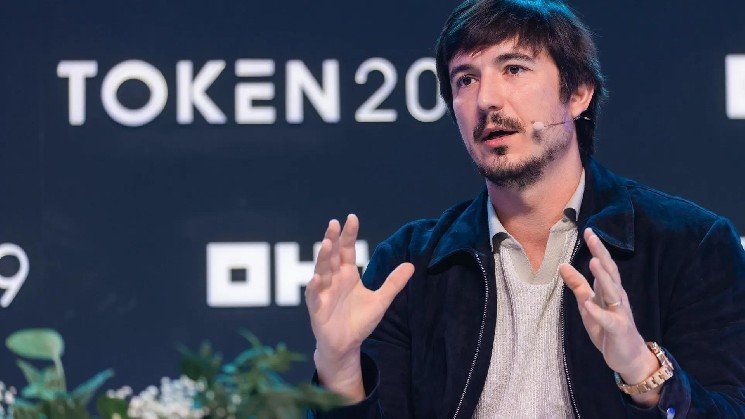
    Tenev argued that focusing only on ownership structure misses the broader market-structure shift. Tokenized assets can potentially trade around the clock, settle in real time and move between compatible wallets and platforms without relying on the transfer systems used by traditional brokers.

    For Tenev, the strongest case is settlement.

    He pointed to the 2021 GameStop (GME) trading frenzy, when Robinhood restricted purchases of some stocks after clearinghouse collateral demands surged. The episode has remained central to Tenev’s argument that legacy settlement infrastructure can create acute pressure during periods of market stress.

    “On the blockchain, Stock Tokens can trade, settle, and move in real time. Real-time settlement means much less risk and pressure on the system, particularly in times of severe market stress,” Tenev said.

    U.S. stock settlement has since moved from two business days to one, known as T+1. Tenev argued that tokenization could further reduce that delay, thereby lowering the risk and collateral requirements that arise between a trade and its settlement.

    He also said tokenization could address two other longstanding frictions in traditional markets: limited trading hours and cumbersome asset transfers.

    Robinhood currently offers 24/5 stock trading in the U.S., but Tenev said blockchain infrastructure could make 24/7 trading native rather than requiring brokers to connect multiple exchanges and alternative trading systems.

  • Paul M. Pollard, Who Handled a Camera on ‘Bound for Glory’ and ‘Heaven’s Gate,’ Dies at 84

    Paul M. Pollard, Who Handled a Camera on ‘Bound for Glory’ and ‘Heaven’s Gate,’ Dies at 84

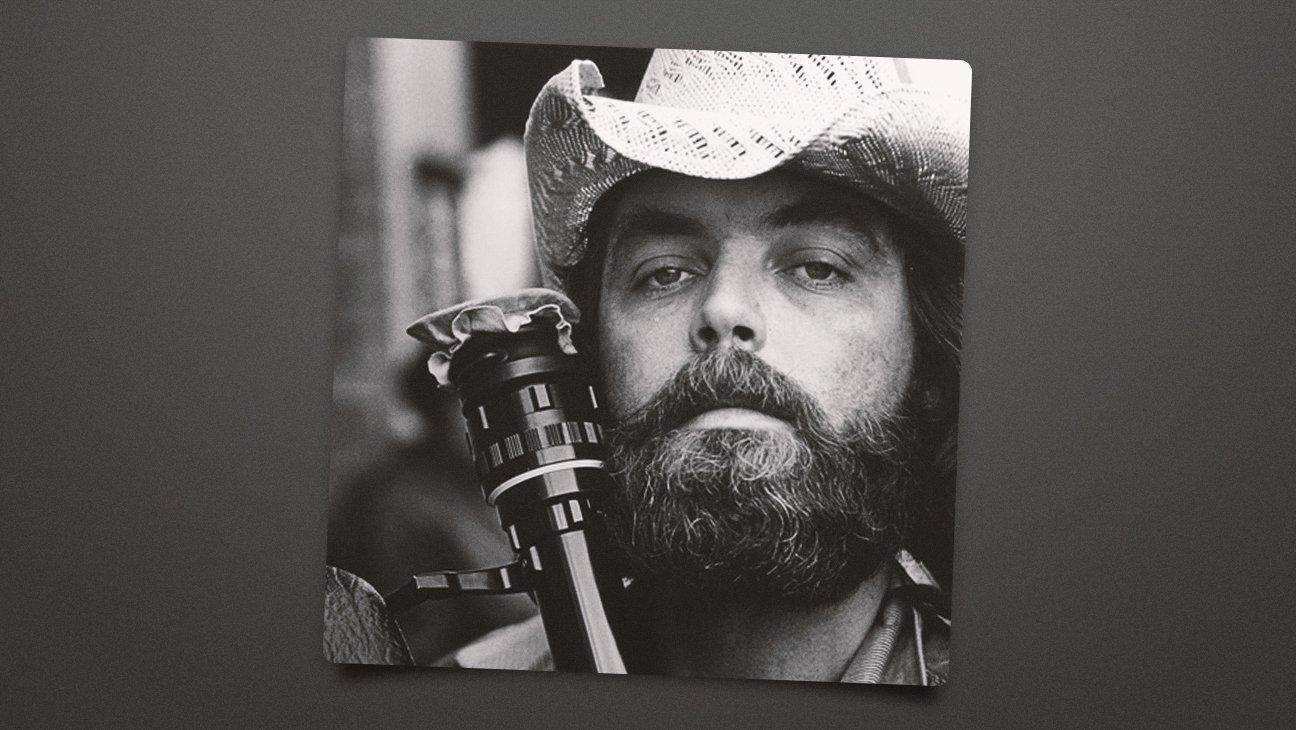
    Paul M. Pollard, a veteran camera operator with credits including Bound for Glory, Heaven’s Gate, Northern Exposure and The Larry Sanders Show, has died. He was 84.

    Pollard died Aug. 1 of heart issues at Southern California Hospital (formerly Brotman Medical Center) in Culver City, his daughter, Georgia Pollard, told The Hollywood Reporter.

    The son of a special effects man at 20th Century Fox, Pollard also shot Bud Greenspan’s 16 Days of Glory (1985), the definitive documentary about the 1984 Los Angeles Olympics, and the 1986 TV special Ozzy Osbourne: The Ultimate Ozzy, which captures the singer live in concert.

    As a camera technician, Pollard worked for famed cinematographer Haskell Wexler on Bound for Glory (1976), the biopic of Woody Guthrie that was directed by Hal Ashby. Wexler won an Oscar for his work, which included a pioneering 2-minute, 15-second Steadicam shot that trailed and then led David Carradine as the folk singer through a crowd of migrant workers.

    He teamed with Wexler again on Richard Pryor: Live on the Sunset Strip (1982).

    Pollard surely kept busy as an operator for cinematographer Vilmos Zsigmond on Heaven’s Gate (1980), the famously over-budget frontier epic that was filmed mainly at a studio-constructed town in Glacier National Park in Montana. Director Michael Cimino ordered up more than 1.3 million feet of film — nearly 220 hours — for that.

    Paul M. Pollard operated a camera from on high in Los Angeles.

    Courtesy Georgia Pollard

    The youngest of three kids, Paul Michael Pollard was born in Los Angeles on April 11, 1942. His father was A. Paul Pollard, who was head of construction at Fox and handled effects on such landmark films as The Manchurian Candidate (1962), The Great Escape (1963), Dirty Harry (1971) and The Outlaw Jose Wales (1976). His mom, Irene, was a homemaker.

    Pollard attended Culver High School and lived with an aunt and uncle in Montana while working on a cattle ranch, then helped out his dad on movie sets.

    He was a greensman on Lewis Milestone’s remake of Mutiny on the Bounty (1962) and as a cable man on the auto racing drama Winning (1969), then graduated to assistant camera on True Grit (1969), They Call Me Mr. Tibbs! (1970) and Martin Scorsese’s Boxcar Bertha (1972).

    Pollard’s big-screen credits also included Luis Valdez’s Zoot Suit (1981), John Landis’ Into the Night (1985), Roger Spottiswoode’s Air America (1990), Mick Jackson’s L.A. Story (1991), Gillies MacKinnon’s A Simple Twist of Fate (1994) and Jon Avnet’s The War (1994).

    And for TV, he worked on In the Heat of the Night, Northern Exposure, Space: Above and Beyond, If Not for You and The Larry Sanders Show and served as director of photography on the 1997 Fox series 413 Hope St.

    Pollard was once involved in a helicopter crash while filming in France, his daughter noted.

    Survivors also include his son, Justin; grandchildren Aurelia and Juliet; sister JoAnn; and nephews Greg, Chris, and Jeff.

    He was married and divorced four times; two of his wives were script supervisor Kathleen Newport and first camera assistant Tama Takahashi.

  • Beth Behrs Joins ABC’s ‘Shifting Gears’ for a ‘2 Broke Girls’ Reunion

    Beth Behrs Joins ABC’s ‘Shifting Gears’ for a ‘2 Broke Girls’ Reunion

    Season three of Shifting Gears will feature another sitcom reunion.

    The ABC comedy has cast Beth Behrs in a guest role for the coming season. She’s set to play a doctor in an episode that will reunite her with her former 2 Broke Girls star, Kat Dennings. There will also be an off-camera reunion: Shifting Gears showrunner Michelle Nader was a writer and executive producer on 2 Broke Girls.

    In the episode, Behrs will play Dr. Johnson, an emergency room physician who treats Riley (Dennings) for a back injury. An airdate for the episode hasn’t been set; season three of Shifting Gears is set to premiere in early 2027 on ABC as part of the network’s midseason lineup.

    The reteaming of Denning and Behrs will be the second sitcom reunion Shifting Gears has staged. Tim Allen’s Home Improvement co-stars Patricia Richardson, Richard Karn and Debbe Dunning guested on the season two premiere in October 2025.

    Allen and Dennings play father and daughter on the series, which also stars Seann William Scott, Daryl Chill Mitchell, Maxwell Simkins and Barrett Margolis. Allen and Nader executive produce with Bob Daily, Jim Patterson, Marty Adelstein, Becky Clements, Richard Baker, Rick Messina and John Amodeo. Dennings is a producer. 20th Television is the studio.

    Behrs is coming off of eight seasons on CBS’ comedy The Neighborhood, which had its series finale in May. Her credits also include voice work on Pixar’s Monsters University and the indie film Hello, My Name Is Doris (which also featured her Neighborhood co-star Max Greenfield). Behrs also hosts the podcast Harmonics. She is repped by CAA, Anonymous Content, Viewpoint and Hirsch Wallerstein.

  • Walmart Touts Free Peacock Access for Walmart+ Members on Heels of Streamer’s Latest Price Hike

    Walmart Touts Free Peacock Access for Walmart+ Members on Heels of Streamer’s Latest Price Hike

    If you purchase an independently reviewed product or service through a link on our website, Variety may receive an affiliate commission.

    Walmart is offering up some new deals, discounts and special offers right now, including a way to get a Peacock streaming subscription for free.

    While Walmart is touting its back to school deals right now, the retailer is also offering access to its Walmart+ membership program for just $1 for your first month. Regularly $12.95/month, the deal saves you a whopping 92% off one of the best shopping subscriptions online.

    Included in your Walmart+ membership are perks like unlimited free delivery, free returns from home, early access to sales like Black Friday, exclusive members-only discounts, free tire repair and free road hazard warranty at Walmart Auto Care Centers, and fuel discounts of up to 10¢ per gallon at 13,000+ Exxon, Mobil, Walmart and Murphy USA gas stations across the country.

    One of the best perks though is the Walmart+ streaming discount, which gets members a free subscription to Peacock. The offer comes as Peacock announced a price hike Tuesday (Aug. 18) to $12.99/month, up from $10.99. That marks the fourth price increase in four years for the NBCUniversal streamer.

    Walmart+ members can now get access to Peacock for free, with no additional fees or restrictions. Simply log into your Walmart+ account and then click “Get Peacock” in the benefits section. You can use the same email and account info to start streaming Peacock’s library of TV shows, movies, live sports and specials for no additional charge.

    This is one of the only ways to get Peacock online for free, as the streamer doesn’t offer a free trial unlike some streaming services, like Prime Video.

    Get Walmart+ for just $1 for a limited time and then use your membership to get Peacock for free (note: your Walmart+ price goes back to the regular $12.95/month rate after your first month. You can also switch to an annual plan after your 30-day trial and pay $98 for the whole year — a $57 savings).

    Don’t need Peacock? Walmart+ members can also choose to get a free subscription to Paramount+, which lets you stream live sports and programming on CBS, in addition to thousands of popular shows and movies like Survivor, Your Honor, Star Trek: Picard and more. Live sports include the NFL on CBS, UEFA Champions League and PGA, among others.

    Walmart also recently teamed up with Burger King, to offer Walmart+ members 25% off orders at the fast food chain.

    And Walmart+ subscribers can also take advantage of new grocery deals (with free home delivery) and travel discounts, including 5% back in Walmart Cash when booking trips with Expedia. Learn more about a Walmart+ membership here.

  • Shawn Hatosy on ‘The Pitt,’ Calls for a Night Shift Spinoff and Projects That Got Away — Including ‘Breaking Bad’!

    Shawn Hatosy on ‘The Pitt,’ Calls for a Night Shift Spinoff and Projects That Got Away — Including ‘Breaking Bad’!

    Shawn Hatosy is a first-rate actor who has been in the business for more than 35 years, working on screens big and small, but primarily making his name on TV drama series.

    Hatosy memorably played an L.A. cop on Southland, which ran from 2009 through 2013, and for which he was nominated for a Critics Choice Award. He was a twisted ex-con on Animal Kingdom, which ran from 2016 through 2022. And, since 2025, he has been playing Dr. Jack Abbot, a former combat medic turned attending physician working the night shift at a Pittsburgh hospital, on HBO Max’s The Pitt, winning the best guest actor in a drama series Emmy for the show’s first season, and landing a currently-pending Emmy nom for best supporting actor in a drama series for its second season, during which he also directed an episode of the massively acclaimed show.

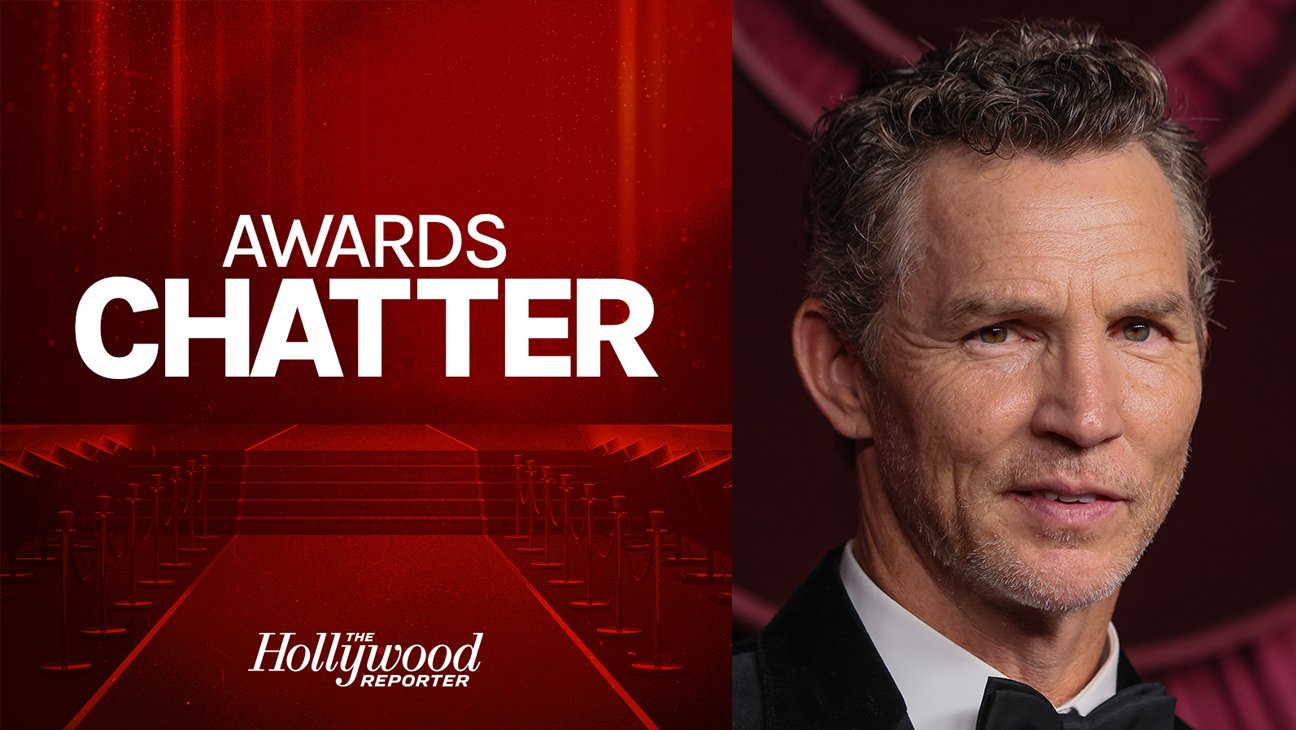
    Over the course of a conversation at the L.A. offices of The Hollywood Reporter, the 50-year-old reflected on his entry into the business in his early teens while he was living in the Baltimore area; his relocation to New York and then L.A., where, in his 20s, he was in particularly high demand for teen-targeted projects; what sparked his lengthy collaboration with TV creator John Wells, which now spans 20 years and five projects, from ER through The Pitt; how he feels about calls for a Pitt-spinoff about the titular hospital’s night shift; plus more.

    You can listen to the full conversation via the audio player above or read excerpts of it — lightly edited for clarity and brevity — below.

    On early parts that got away…

    “There were so many actors that I would brush up against. Tobey Maguire was one of them — Wonder Boys was a big one, and Cider House Rules. American Beauty [the part eventually played by Wes Bentley] was something that I was really wanted — everybody wanted that, and I remember being in the room on that one… I remember getting asked to audition for Breaking Bad [the part eventually played by Aaron Paul], and it was not a time where AMC was anything — Mad Men hadn’t even come out yet — so I wasn’t jumping up and down to do that.”

    On the beginning of his special relationship with TV creator John Wells…

    “I was going through a rough patch personally at that time, and I just was not taking great care of myself. I was drinking a lot and I had just become a father. The ER audition came and I was still in that mindset of, ‘I’m a film actor. I’m not doing that.’ And my manager said, ‘You should take a look at this role. This is a good role. And John’s directing it. And the ones that he directs, they’re really special.’ So I looked at it, and he was right. I went in and had a really great audition for a very challenging role — he’s multiple personalities, and there’s a lot of range in those three characters that I got to play, and it was juicy. I remember doing it. I remember the feeling of how John created space for me to take big risks… And so at the end of it, I felt really, really good. And I reached out and I sent him [Wells] a card and said, ‘I just really enjoyed that. And if something else comes up…’ I’m sure he’s had 7,000 of those letters, but I’m glad I did it.”

    On NBC’s decision to cancel Wells’ Southland, on which Hatosy starred with Ben McKenzie, after one season had aired and a second season had already been largely shot…

    “We had already shot six episodes of season two. We were airing in like three weeks, and they just canceled us. I’ve never been more shocked in my life, honestly. When I got that phone call, we hadn’t even aired season two, and they canceled us. And I knew what was in the chamber, I knew what kind of television we were making. So it was a big surprise. And then TNT came in and rescued it. I think it was great because it sort of shrunk the show. But it was very complicated for us actors. First of all, some of the actors didn’t make it to TNT because they did have to shrink it. I was one of the characters that was on the fence, so I sort of got reduced salary-wise… It was like a good year and a half before we came back up to production. So it was really a terrifying time.”

    On why he experienced the driest stretch of his career after his acclaimed work on Animal Kingdom…

    “It’s a really good question. I think part of it is a result of how the business shifted from in-room casting to self-tape, because I think that actors have a superpower when they’re coming into a room, [whereas] I’ll see a self-tape and you have no idea, ‘How many takes did they do? Is it four hours?’ [I struck out with self-tapes by the] dozens — like over 60, probably more.”

    On the dichotomy of Dr. Abbot on The Pitt…

    “There’s nothing he hasn’t seen, and not only in the ER — he’s a combat veteran and he’s lost his leg, so he’s seen the worst nightmares imaginable to a human being, and that doesn’t phase him. Nothing phases him anymore. And you have two guys [Abbot and Robby] who, when it comes to medicine, there’s nothing they can’t solve. They can do anything. They know what to prescribe. But when they’re dealing with their mental health, they are lost. And that’s just a beautiful, sad truth.”

    On landing his first Emmy nomination — and winning — for season one of The Pitt…

    “I get emotional thinking about it. Just learning that I was nominated really nailed me — emotionally, I was overwhelmed, I was so thrilled. And then to go through that whole experience and have Ron Howard [announce me as the winner and hand me the statuette]? He’s somebody that I look up to. As a kid, when I would stay home from school he was on my TV on The Andy Griffith Show, and when I would come home from school Happy Days was in rerun. That guy is so important to me. Yeah, that was a huge, huge moment. And I won an Emmy before Noah [laughs — Hatosy was presented with his Emmy at one of the Creative Arts Awards ceremonies, whereas Wyle won best actor in a drama series later at the Primetime ceremony].

    On the future of Dr. Abbot and the possibility of a night shift spinoff…

    “You’d have to ask [the show’s creators]. I’m not sure. They’ve really done really a nice job in writing him, and I love playing him, so in whatever capacity they need him I’ll be there, including a night shift spinoff or, if they want to spend more time with the night shift during the day shift, that’s fine.”

    On directing another episode of The Pitt for its forthcoming third season…

    “I actually started directing Friday. Yeah, my first day of production. Number five.”

    On his future beyond The Pitt…

    “I’m still working at getting parts. Nothing’s handed over, and I’m OK with that. I like working. I like proving myself. I’m definitely having conversations with people that I probably wasn’t going to be having before. I just did a great show called Cry Wolf with Olivia Colman and Brie Larson — Sarah Treem is the showrunner, it’s a limited series for FX, and I’m very excited. And I don’t know that I would’ve been in the conversation if it weren’t for The Pitt.”

  • Felicia Day, Wil Wheaton on New Tabletop Gaming Show ‘Conludo,’ How ‘The Guild’ Reunion Movie Will Be Impacted by a Denied California Tax Credit

    Felicia Day, Wil Wheaton on New Tabletop Gaming Show ‘Conludo,’ How ‘The Guild’ Reunion Movie Will Be Impacted by a Denied California Tax Credit

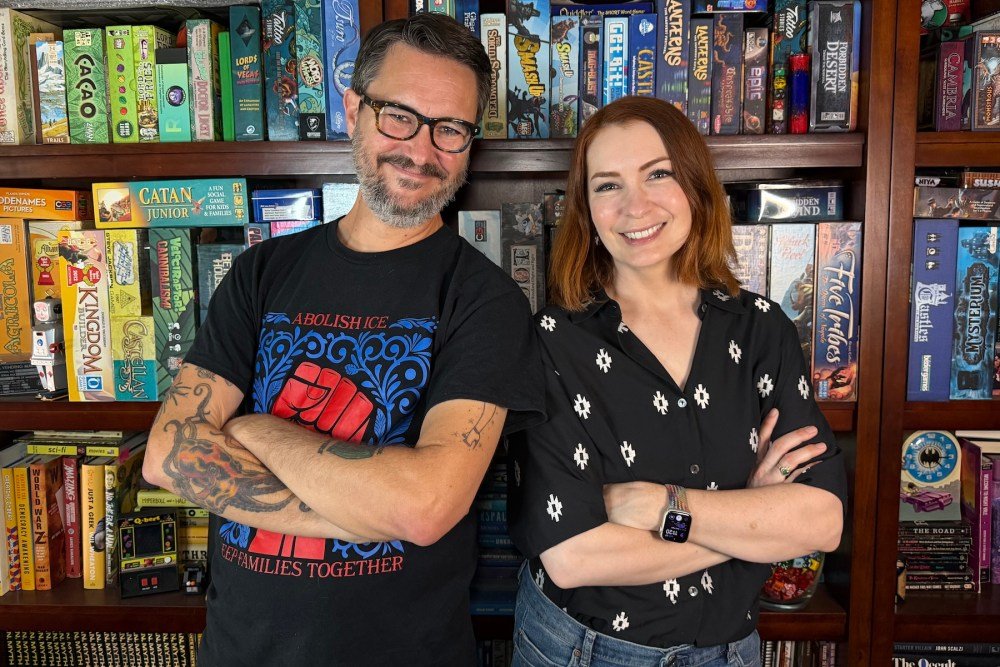
    Reunions all around for Felicia Day these days: Amid a massive fundraiser for a movie reunion of her series “The Guild,” Day is reteaming with longtime friend and collaborator Wil Wheaton for a new kind of board game TV series.

    Launching as fan-unlocked content tied to “The Guild: Ren Faire’d” movie’s ongoing Kickstarter campaign (which has so far raised $5.26 million, surpassing its initial goal of $1.5 million), the new 10-episode series is titled “Conludo,” which is Latin for “play together.” Each episode of the show will feature Day and Wheaton in conversation before they pick a board game that is applicable to their topic and invite some fellow celebs to join them in play.

    Fans will recognize this project as reminiscent of Day and Wheaton’s “TableTop,” a web series that ran for four seasons from 2012-2017 on Day’s YouTube channel, Geek & Sundry.

    “We’ve been FOMO-ing for over a decade, and we just want to play again, especially with some of those new content creators,” Day tells Variety. “Some of them I’ve met in the last couple years, and I want to play with them at the table. It’s a wonderful world to be in and I have faith that hopefully the show can last for a long time, and we highlight tons of different products and people from all walks of life, and that’s what I love about the web.”

    Variety has confirmed exclusively that newly booked “Conludo” guest stars include Todd Stashwick, Anjali Bhimani, Grace Helbig, Mamrie Hart and John Ross Bowie. And this show will be more about Day, Wheaton and those guests than the games they play.

    “With ‘TableTop,’ it was important to me that we showcase games that are in print, that are available,” Wheaton says. “After a few episodes, we realized, oh no, we have to tell distributors so they can up their buys because things are selling out so quickly. ‘Conludo’ will give us an opportunity to come at it differently because if ‘TableTop’ about what’s happening on the table, ‘Conludo’ is about what’s happening around the table while we’re playing the game together. The game is obviously important and fun and joyful, but it’s about the experience that you have when you’re hanging out. We can play games that there are 40 copies of in the world.”

    Day says she’s excited to get back to her roots of making web content with “Conludo” amid the current popularity of actual-play TV series and “let’s play” content.

    “I was really early on everything. I was told that people wouldn’t want to be watching people play board games,” Day says. “I was told that the web was not a place for narrative fiction. I was told that streaming D&D was a waste of money. And these are all things that I did first, so the fact that the actual-play world is so robust and so diverse and so well supported financially and just popular in the world now, it’s a wonderful time to come in and try to do something a little bit different because I just have a contrary nature. I always want to be first, or at least doing something that other people aren’t doing. I would rather stand out from the pack doing something different.”

    When it comes to if and how “Conludo” could live on beyond the 10 episodes that will be produced under the Kickstarter campaign, Wheaton and Day are both interested in finding a home for it to become an ongoing series.

    “It’s a question of whether we want to have our own channel and build that specifically, or we want to use somebody else’s platform to distribute,” Wheaton says. “And that’s something that we’re considering, and we’ll weigh and we’ll do the best thing for the audience because that’s always our first goal. It’s really important to both of us that it’s not difficult for someone to watch — and difficult can mean a lot of different things. It can mean reaching into their pockets for more money. It can mean downloading some app they would rather not have. Felicia has talked extensively about doing this in a nice, flat, democratic way that gets it out to absolutely everybody, which is another thing that very much puts us at odds with the standard business model in the entertainment industry.”

    That said, Geek & Sundry founder Day says she has “no desire to create another company where I’m making dozens of shows.”

    “I’ve highlighted a lot of other people as performers in the past, and now I’m all about just doing things for me and with my friends,” Day says. “‘Conludo’ really will be a focus in that area. I’m hoping that we figure out how to sustain this in as democratically available a way as possible, whether that’s our own YouTube channel or whether that’s another free-to-stream service, we’re going to explore a lot of that.”

    On the topic of distribution partners, Day has made it a priority to first get “Conludo” delivered to the Kickstarter backers behind “The Guild” reunion movie project. Day plans for the movie itself, which will see Day and the rest of “The Guild” cast (including Wheaton) reprise their roles for the first time since the series ended in 2013, to release in 2027.

    “Of course, our backers are No. 1. I want to make sure they’re happy,” Day says. “They get all their fulfilled goods. They get the movie first in exactly the format we promise them. We are talking to distributors about theatrical release, and then distributing past that, we’ll definitely explore other ways that movies are distributed.”

    There are both digital and Blu-ray editions offered as part of the Kickstarter campaign, and Day says it was the Blu-ray option that “put us over the top” in funding.

    “Our fans loved the Blu-ray; it was the minimum requested thing,” Day says. “I didn’t want to fulfill things in two ways, but everybody was OK paying extra shipping, so we’re going to offer that, and it will be available. I do believe that there will still be a different version of the Blu-ray out there in some form and stores, but it will not be this exclusive version that will include extra things.”

    “The Guild: Ren Faire’d” Kickstarter campaign runs through Friday and is currently on track to surpass the “Veronica Mars” movie (which raised $5.7 million in 2013) to break the record for the largest crowdfunded film. But Day says they’re going to need all that funding to make the movie she envisions, as the project was recently denied a California tax credit.

    “We didn’t make it past the first round,” Day says. “We definitely went through all the hoops but it is a very arcane situation. The simple thing is if we said we were going to shoot the majority of the movie in Georgia, we would get the tax credits and sell them to a big company immediately to have the money. So it is such an easy process.”

    Day adds she believes the denial involved “something about the number of jobs that we would create” in comparison to other projects.

    “I’ve talked to many other productions who have not gotten it, and I can’t name people, but they had A-list stars in them,” Day says. “There was an A-list showrunner, the first round they were knocked out. Having learned that only 5% of the money goes to anything under $10 million, that category is extremely competitive.”

    Per the California Film Commission, 5% (or $37.5 million) of the allotted film and TV tax credit funds is earmarked for independent projects under $10 million and another 5% goes to independents above $10 million.

    Day believes the credit “should be automatic for anything under $5 million or $10 million.”

    “That is the way you revitalize this industry, not hoarding all the money for a couple $500 million projects where A-list stars are benefiting and A-list producers and big studios are benefiting, and then indies just don’t have a chance to stay in L.A.,” Day says. “I don’t want to move to Atlanta for two months, so I’m going to have to rewrite my script to make it work here. And if I can’t, then we’ll have to do something. But the fact that it’s so difficult and the price difference is so much is very upsetting.”

    Day continued: “In addition, the California tax credit is not a credit that you get immediately, unlike other states. So essentially, you get the tax rebate — like we would get it in March of 2028, whatever money we would have gotten. Which means, as an independent creator, I would have had to take a loan out to float my production to be able to actually use the money when I need it, which means people are charging up to 20%, 30%, 40% of that money to be able to defer payment. So the mechanics of it are so unfriendly, especially to people who are independent and don’t have millions of dollars in a bank to float that it’s impossible. There’s no way that independent film will ever flourish in the home of film, and that is very sad to me.”