TP-Link is proposing to assemble Wi-Fi 8 routers in the US “as soon as next year,” but the company is still asking for an exemption to the US’s foreign-made router ban.
On Tuesday, the company sent a letter to the Federal Communications Commission about manufacturing the next-gen Wi-Fi routers domestically through a “nearly $1 billion investment in America.”
“As part of this investment, TP-Link would begin assembling these Wi-Fi 8 devices in the United States by next year, and the devices will incorporate software and firmware developed, written, and stored in the United States by TP-Link’s US engineering organization,” the four-page letter says.
Back in March, the FCC announced the controversial ban when nearly all Wi-Fi routers are manufactured outside the US. The White House has since temporarily exempted many major vendors from the restriction — except for TP-Link, which has faced longstanding allegations that the company has ties to its Chinese business and the Chinese government.
TP-Link has denied the allegations. The company has split off from its Chinese counterpart, relocated its global headquarters to Irvine, California, and says it manufactures US products with a factory in Vietnam. Migrating the manufacturing to the US could bypass the current foreign-made router ban. However, TP-Link’s letter to the FCC reveals the company has also applied for an exemption to the ban, known as “conditional approval.” The apparent reason is so that it can start selling new Wi-Fi router models in the US as soon as possible in the interim.
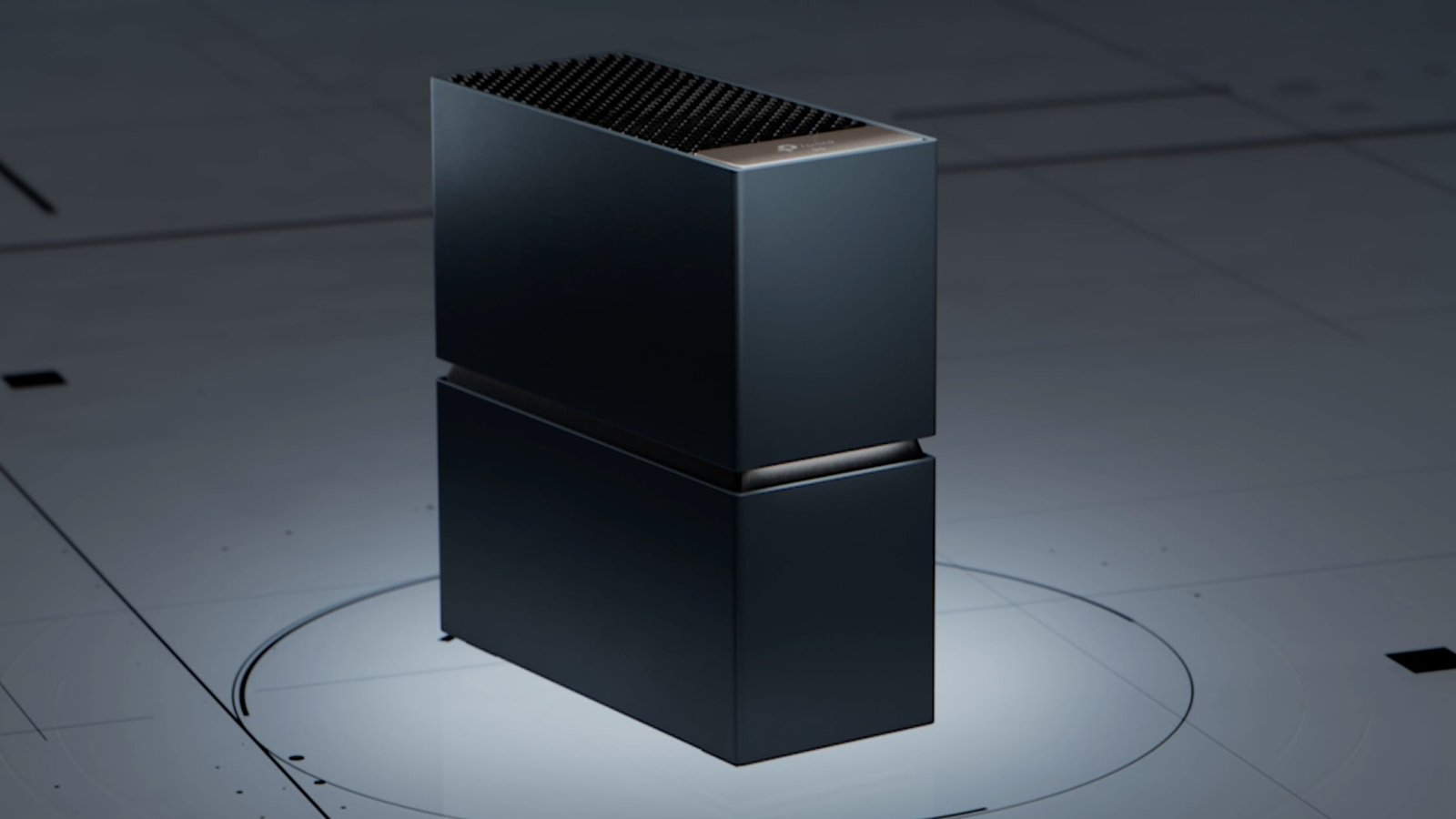
“The application seeks approval for two forthcoming Wi-Fi 8 routers that TP-Link plans to introduce globally later this year,” the letter says. The company has already opened pre-orders for its first and pricey Wi-Fi 8 router, but only for markets outside the US, thanks to the ban.

(TP-Link)
Like it told the FCC back in April, TP-Link seems to tie the near $1 billion investment to receiving conditional approval. The letter adds: “TP-Link was the first company to offer Wi-Fi 7 routers to US consumers and is poised to be the first company to offer Wi-Fi 8 routers as well if its Conditional Approval application is approved. As the United States positions itself as a leader in wireless technology, a Conditional Approval would guarantee American consumers access to the same cutting-edge wireless equipment that will soon be available in other parts of the world.”
We also wonder if TP-Link needs the conditional approval because it might still heavily source components from the electronics supply chain in Asia. The company didn’t immediately respond to a request for comment.
TP-Link’s letter to the FCC also addresses the national security concerns that continue to hound the brand. Last week, attorneys general in four US states filed lawsuits against the company, claiming the router vendor had misled the public about the security of TP-Link Wi-Fi routers and their alleged Chinese origin. In addition, a coalition of 21 state attorneys general sent a letter to the FCC, expressing concerns about TP-Link’s effort to secure an exemption to the ban through the conditional approval.
“First, the amount of manufacturing that occurs in Vietnam appears to be minimal because only 0.5% of TP-Link components are bought in Vietnam, with all other inputs into its Vietnam plant imported from or through China. Bloomberg reported this fact based on trade data and TP-Link confirmed it,” the attorneys general told the FCC. “Second, TP-Link’s Vietnam facility has connections to the Chinese military that TP-Link does not disclose to consumers.”
Recommended by Our Editors

(Photo by Patrick T. Fallon / AFP via Getty Images)
TP-Link’s own letter to the Commission tries to push back, saying the concerns are based on “debunked allegations.” The company further notes its confidential application for conditional approval contains “disclosures regarding corporate structure and the manufacturing and supply chain for the router(s).”
“For the avoidance of doubt, TP-Link complies with US privacy and data protection laws, performs comprehensive security testing, and relies on trusted third-party security labs for additional scrutiny to ensure our products meet the highest security standards,” the letter adds. “TP-Link’s US products is encrypted and housed on Amazon Web Services infrastructure in Virginia. And of course, TP-Link does not, and will not, share customer network data with foreign governments or unauthorized third parties.”
TP-Link’s other concern is that the coalition of 21 attorneys general want to push the Department of Defense and the Department of Homeland Security to reject the company’s application for conditional approval. To receive an exemption to the ban, TP-Link’s application will face review from either the Pentagon or DHS, not the FCC.
TP-Link argues the coalition of attorneys general are treating the company unfairly by “encouraging federal officials to apply a heightened standard to TP-Link’s pending application that would be unattainable to TP-Link or any other router manufacturer in the world. If successful, this approach would undermine fair competition, damage consumer interests, and place at risk American leadership in the router marketplace, a market where the ability for US companies to compete and innovate freely is critical to our national security and infrastructure.”
About Our Expert

Michael Kan
Principal Reporter
Experience
I’ve been a journalist for over 15 years. I got my start as a schools and cities reporter in Kansas City and joined PCMag in 2017, where I cover satellite internet services, cybersecurity, PC hardware, and more. I’m currently based in San Francisco, but previously spent over five years in China, covering the country’s technology sector.
Since 2020, I’ve covered the launch and explosive growth of SpaceX’s Starlink satellite internet service, writing 600+ stories on availability and feature launches, but also the regulatory battles over the expansion of satellite constellations, fights with rival providers like AST SpaceMobile and Amazon, and the effort to expand into satellite-based mobile service. I’ve combed through FCC filings for the latest news and driven to remote corners of California to test Starlink’s cellular service.
I also cover cyber threats, from ransomware gangs to the emergence of AI-based malware. In 2024 and 2025, the FTC forced Avast to pay consumers $16.5 million for secretly harvesting and selling their personal information to third-party clients, as revealed in my joint investigation with Motherboard.
I also cover the PC graphics card market. Pandemic-era shortages led me to camp out in front of a Best Buy to get an RTX 3000. I’m now following how the AI-driven memory shortage is impacting the entire consumer electronics market. I’m always eager to learn more, so please jump in the comments with feedback and send me tips.
Leave a Reply