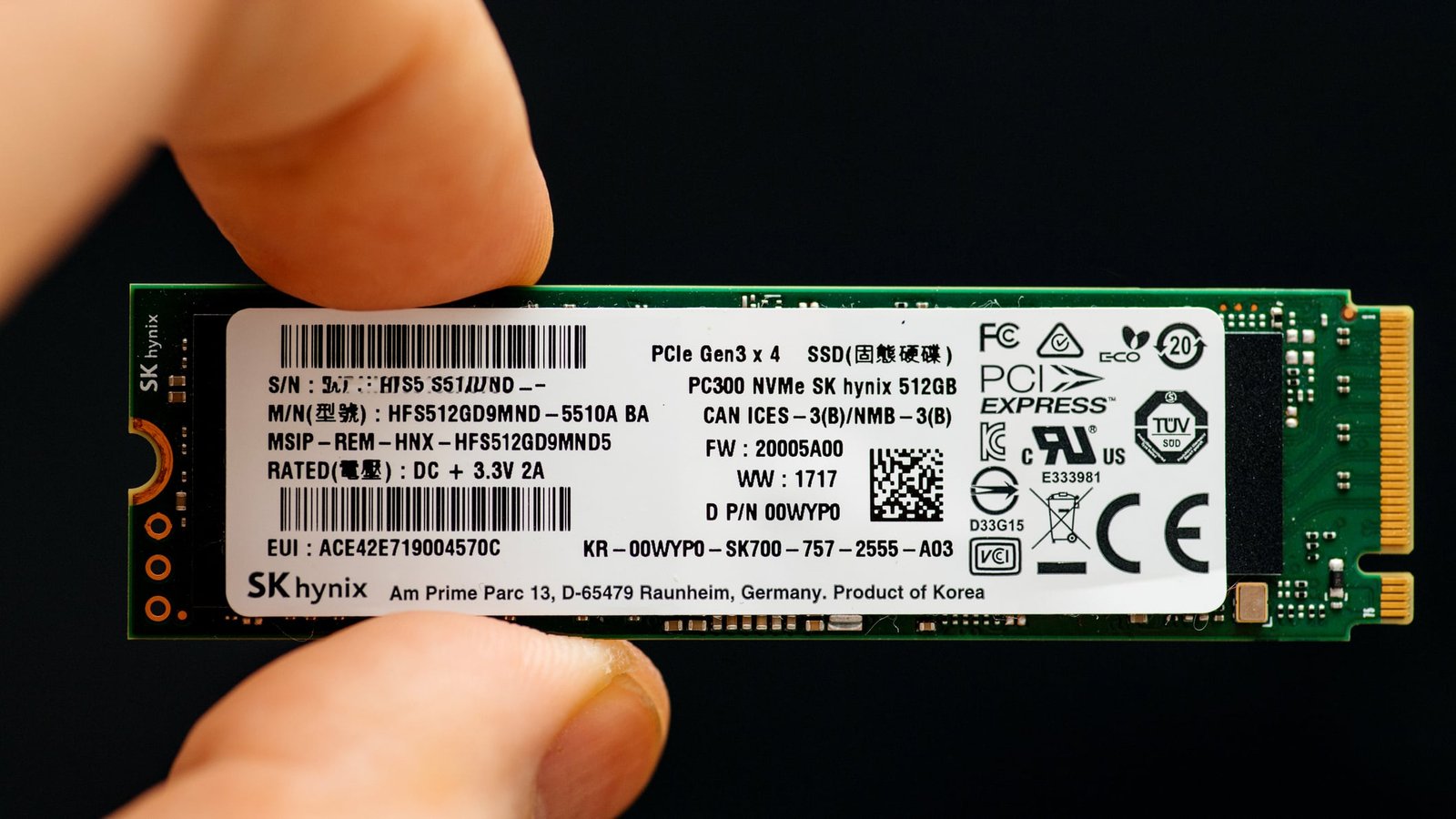
If you’re concerned about spiraling prices for consumer electronics, from smartphones to consoles to PCs, one of the memory chip industry’s most important figures has some seriously bad news.
SK Hynix Chief Executive Kwak Noh-jung told Reuters earlier this week that the global memory industry is heading for “the worst year in the industry’s history from the supply perspective.” Unfortunately, he doesn’t see an end to the problem in sight, predicting that customer demand will remain higher than supply capacity “even beyond 2030.”
“Our customer demand continues to go up, while our capacity has limitations,” he said.
SK Hynix is one of the “big three” suppliers of DRAM, alongside fellow Korean firm Samsung and US-based Micron. DRAM is a key ingredient in many consumer electronics and AI data centers, which are currently gobbling up most of the supply amid the AI boom.
Noh-jung isn’t the only memory chip boss making gloomy predictions about the future. Sanjay Mehrotra, CEO of Micron, anticipates the memory shortage to last through 2027, though he predicts it will eventually ease in 2028.
Many figures, including Nothing CEO Carl Pei, are advising people to stock up on consumer electronics now to avoid future price increases due to more expensive components, telling consumers that the best time to buy a smartphone was “yesterday.” That advice came shortly before Apple raised prices on its Macs, iPads, and more, citing the memory crunch.
Recommended by Our Editors
Still, not everyone is quite as pessimistic about the DRAM problem. Earlier this month, Bloomberg Intelligence analyst Shuli Ren argued that the global memory shortage likely peaked during the second quarter of 2026. She predicts conditions could ease in the second half of 2026 and 2027, and suggests the industry could even see an oversupply in 2028.
Still, the damage has already been done to consumers’ wallets. In addition to Apple, other tech giants like HP, Dell, and Lenovo have already announced major price hikes.
About Our Expert

Experience
I’m a reporter covering weekend news. Before joining PCMag in 2024, I picked up bylines in BBC News, The Guardian, The Times of London, The Daily Beast, Vice, Slate, Fast Company, The Evening Standard, The i, TechRadar, and Decrypt Media.
I’ve been a PC gamer since you had to install games from multiple CD-ROMs by hand. As a reporter, I’m passionate about the intersection of tech and human lives. I’ve covered everything from crypto scandals to the art world, as well as conspiracy theories, UK politics, and Russia and foreign affairs.
Leave a Reply