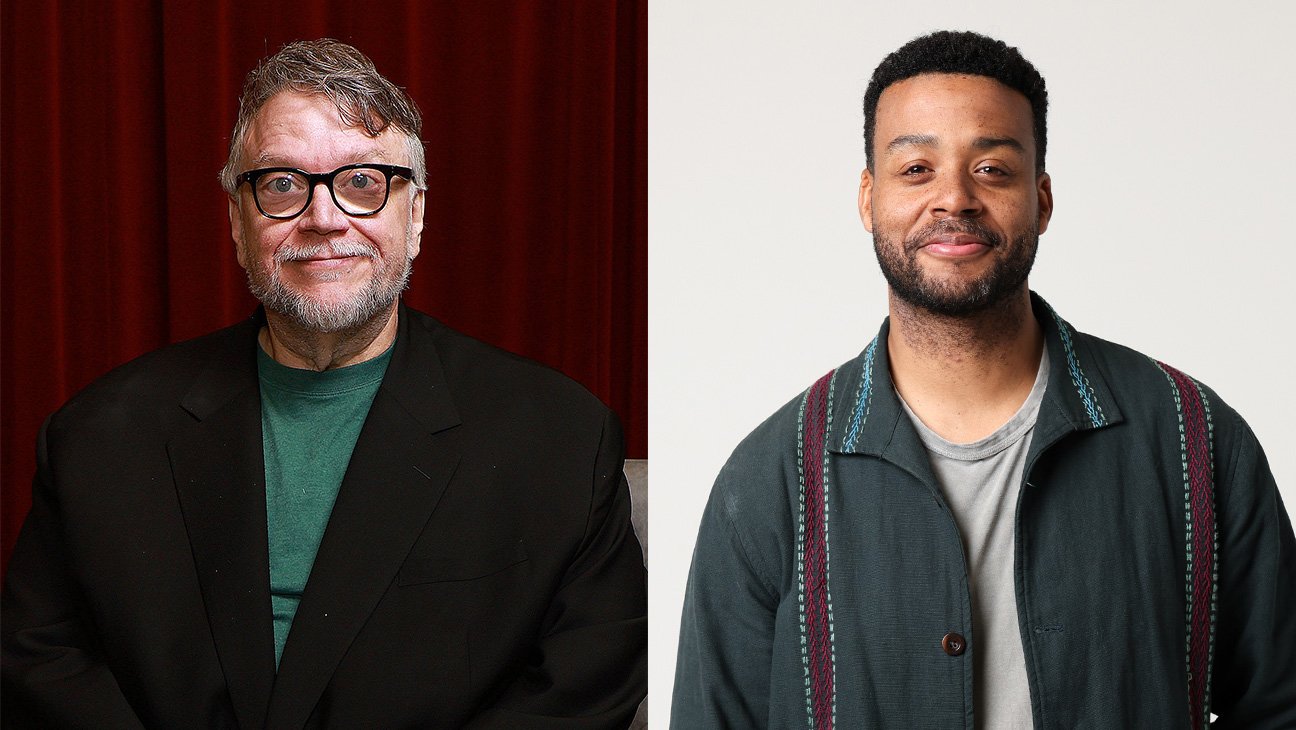
The results are in after members of each of the 19 branches of the Academy of Motion Picture Arts and Sciences cast ballots to determine who will represent them on the organization’s board of governors for the 2026-2027 term: nine incumbent governors were re-elected; five who previously served as governors and then took mandatory two-year hiatuses from the board were re-elected; and nine were elected as governors for the first time. All will be sworn in at the first scheduled board meeting of the new term just weeks from now.
Rookie governors will include three-time Oscar winner Guillermo del Toro (directors branch), who succeeds Ava DuVernay (mandatory two-year hiatus); composer and Oscar-winning short filmmaker Kris Bowers (music branch), who defeated Richard Gibbs (the sole incumbent who sought re-election and lost); and Oscar-nominated La La Land producer Fred Berger (producers), who succeeds Lynette Howell Taylor (mandatory two-year hiatus).
Also elected for the first time: Anne Goursaud (film editors branch), cutter of several Francis Ford Coppola films, who succeeds Stephen Rivkin (mandatory two-year hiatus); Michael Goi (cinematographers branch), a frequent collaborator of Ryan Murphy, who succeeds Ellen Kuras (mandatory two-year hiatus); and Vice Oscar winner Patricia Dehaney (makeup artists and hairstylists branch), who succeeds Linda Flowers (mandatory two-year hiatus).
Additionally, two branches that previously had only one seat on the board, short films and production/technology, have been upped to three seats each. Of those elected to fill those seats, one of the reps of the short films branch, Oscar winner Kim Magnusson (elected for a three-year term), is a first-timer, as are two of the reps of the production/technology branch, David Leitch (elected for a one-year term), the stunt performer and coordinator turned director of The Fall Guy who led the successful effort to convince the Academy to add an Oscar for stunts starting in 2028, and Vic Armstrong (elected for a two-year term), who was Harrison Ford’s stunt man on the Star Wars and Indiana Jones films.
Meanwhile, the following nine incumbents had their terms extended by their constituents: Stand and Deliver Golden Globe nominee Lou Diamond Phillips (actors branch); Oscar nominee Jinko Gotoh (animation branch); Emmy winner Daniel Orlandi (costume designers branch); Netflix’s head of feature animation and family film Hannah Minghella (executives branch); veteran studio executive and Oscar-winning producer David Dinerstein (marketing/public relations branch); tech exec Wendy Aylsworth (production/technology branch), who previously served on the TV Academy’s board of governors; Emmy winner Kalina Ivanov (production design branch); Oscar nominee Mark P. Stoeckinger (sound branch); and The Woman King scribe Dana Stevens (writers branch).
Also returning to the board, following a rules-mandated hiatus, are Toy Story and How to Train Your Dragon producer Bonnie Arnold (animation branch), filling a seat added to the board to bring the animation branch up to three representatives (hers is for a three-year term, whereas Gotoh’s is for a one-year term); Oscar nominee Bob Rogers (short films branch), filling a seat added to the board to bring the short films branch up to three spots (his is for a two-year term); veteran stage and screen talent scout Bernard Telsey (casting directors branch), who succeeds Debra Zane (mandatory two-year hiatus); Oscar winner Roger Ross Williams (documentary branch), who succeeds Simon Kilmurry (the lone incumbent who did not seek re-election); and computer graphics trailblazer Paul Debevec (visual effects branch), who succeeds Rob Bredow (mandatory two-year hiatus).
The 19 winners of elections this cycle will serve on the board alongside 38 governors who did not face re-election this cycle: Pam Abdy (executives branch), Haifaa al-Mansour (governor-at-large), Lesley Barber (music branch), K.K. Barrett (production design branch), Dion Beebe (cinematographers branch), Jason Blum (producers branch), Brooke Breton (sound branch), Effie T. Brown (governor-at-large), Carter Burwell (music branch), Paul Cameron (cinematographers branch), Patricia Cardoso (directors branch), Eduardo Castro (costume designers branch), Annie Chang (governor-at-large), Peter Devlin (sound branch), Jennifer Fox (producers branch), Chris Hegedus documentary branch), Richard Hicks (casting directors branch), Larry Karaszewski (writers branch), Laura C. Kim (marketing/public relations branch), Christina Kounelias (marketing/public relations branch), Peter Kujawski (executives branch), Marlee Matlin (actors branch), Isis Mussenden (costume designers branch), Andy Nelson (sound branch), Missy Parker (production design branch), Gerald Quist (makeup/hairstylists branch), Jason Reitman (directors branch), Nancy Richardson (film editors branch), Andrew Roberts (sound branch), Howard A. Rodman (writers branch), Terilyn A. Shropshire (film editors branch), Chris Tashima (short films branch), Kim Taylor-Coleman (casting directors branch), Jean Tsien (documentary branch), Marlon West (animation branch), Gigi Williams (makeup/hairstylists branch) and Rita Wilson (actors branch).
An important note: the aforementioned Lynette Howell Taylor, who is finishing up her second year as president of the board, has termed-out as a governor of the producers branch, but could still remain a presence in the boardroom for another year or even two. Per a bylaw amendment approved earlier this year with the goal of providing greater consistency and continuity to the board, a sitting Academy president may run for re-election until they have served up to four consecutive one-year terms in the role, even if they would normally be required to take a two-year hiatus after serving two governor terms; they would serve as an “ex officio governor” — a voting member of the board representing the Academy, not a specific branch — until the completion of their term.
Governors may serve up to two three-year terms (consecutive or non-consecutive) before being required to take a two-year hiatus, after which their eligibility renews for up to two additional three-year terms, for a lifetime maximum of 12 years. If a governor was elected in 2026 to a term of fewer than three years, that term will not count against governor term limits.
As a result of this election, the Academy’s board of governors comprises 47 percent women and 32 percent from underrepresented communities, based on self-reporting.
Leave a Reply