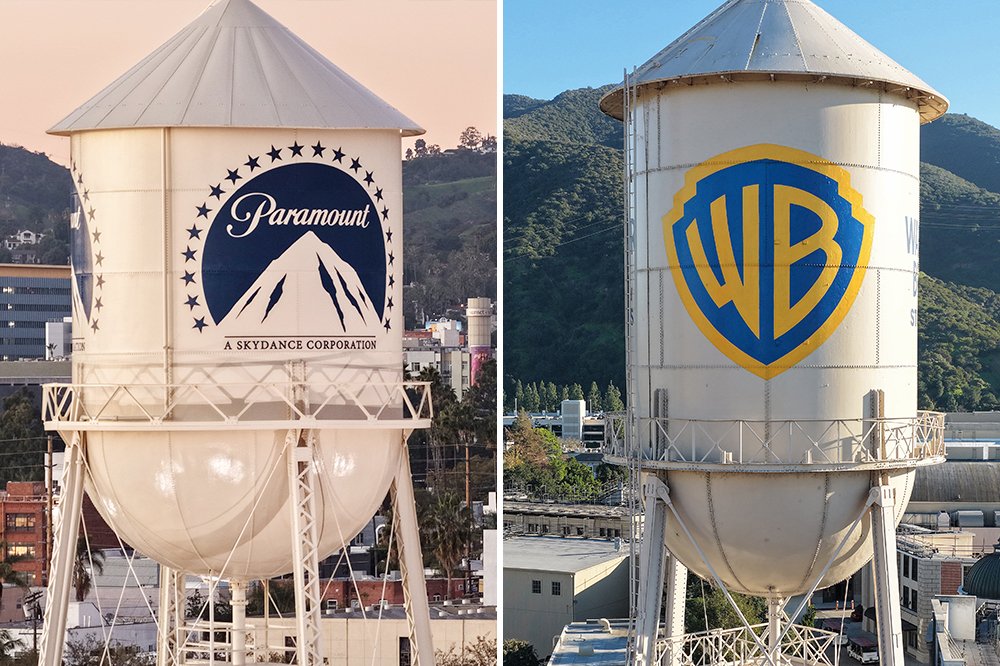
David Ellison’s Paramount Skydance asked the judge overseeing the antitrust lawsuits filed by 12 states and the WGA to force the plaintiffs to pony up a whopping $1.88 billion bond to cover the company’s losses related to the delay in its merger with Warner Bros. Discovery.
Paramount filed the motion Monday with Judge Araceli Martinez-Olguin, who has scheduled a trial start date of March 2, 2027. The $1.88 billion would be payable to Paramount in the event Paramount prevails in the antitrust litigation.
Paramount “hereby moves this Court for an order modifying the Stipulation and Order Not to Close, Dkt.170, to require dissolution of that order unless Plaintiffs post a $1,884,726,092.73 bond by September 30, 2026,” the company said in the motion.
In a statement to Variety, a representative for Paramount said, “Today, Paramount requested that the court enforce the statutory requirement that the plaintiffs post a bond in connection with their pending litigation, which blocks us from closing our merger with Warner Bros. Discovery.”
Variety has reached out to the California Department of Justice and the WGA for comment on Paramount’s motion.
The 12 states, led by California Attorney General Rob Bonta, sued in federal court in July to block Paramount’s $111 billion takeover of Warner Bros. Discovery. The states allege the proposed merger will illegally reduce competition in the markets for theatrical and blockbuster films, as well as basic cable TV. The Writers Guild of America filed its own suit, arguing that the deal also will illegally reduce the number of buyers for writers’ work.
Paramount agreed to put the merger on hold until the trial concludes, after Martinez-Olguin granted a temporary restraining order to pause the deal for 28 days. In granting the TRO, Martinez-Olguin waived a bond requirement because “Plaintiffs have demonstrated that Plaintiff States bring suit to enforce important public interests.”
The antitrust lawsuit by the states and WGA are the only barriers remaining to the closing of the Paramount-Warner Bros. merger, which has received regulatory clearances from 68 jurisdictions.
Paramount execs were confident its deal for Warner Bros. would easily clear regulatory hurdles by the third quarter of 2026. Indeed, as a sweetener in its bid for WBD, Paramount added a provision that requires it to pay Warner Bros. Discovery shareholders a “ticking fee” amounting to roughly $7 million per day, starting Oct. 1, until the merger closes. That would total more than $1.2 billion by the time the trial is scheduled to conclude in March 2027.
Paramount is seeking a bond “based on the straightforward calculation of the maximum potential ticking consideration and financing costs from this litigation,” the company spokesperson said. “But these are not the only costs of delay. By virtue of what will be at least an eight-month delay in closing, there will be no integration and no ramped-up investment in content, production and creative talent by the combined company. Of course, in addition, employees of both Paramount and WBD are also harmed by the uncertainties caused by the delay.”
According to Paramount, the Clayton Act — the federal antitrust law on which the lawsuits by the states and WGA are based — and other federal laws “expressly provide that plaintiffs are required to post a bond covering the potential harm from halting a transaction to litigate, so that if they lose, the injured party has a source of recovery for the damage caused.” In the case of the Paramount-WBD merger, “every month of delay carries substantial and quantifiable financial consequences,” the company rep said.
California’s Bonta has said repeatedly that the states are focused on winning at trial rather than reaching a settlement, and that Paramount’s proposed conditions do not go nearly far enough to address the anticompetitive concerns raised in the lawsuit. Bonta has argued that “behavioral” remedies — such as promises to release a certain number of films — have proven ineffectual in the past, and has said that he is focused on structural changes that Paramount has been unwilling to make.
Bonta, asked about a potential settlement Monday on MS Now’s “State of Play With Peter Alexander,” said that “we prefer to resolve disputes in the boardroom, not the courtroom, if possible.”
“And so coming to the table in this case in good faith to sincerely discuss how to resolve this case has always been on the table and remains on the table,” Bonta said. “But Paramount, Warner Bros. breaking the law and expecting us to let them get away with it, that is not on the table and never will be on the table. And that’s essentially what they’re asking for right now.”
In Paramount’s statement Monday, the company spokesperson said, “We remain confident that plaintiffs’ case is without merit and will defend our pro-competitive transaction in court. We look forward to closing this transaction and delivering its benefits to consumers and entertainment industry workers in California, the United States and around the world.”
Leave a Reply