Three years after a crippling strike by the writers and actors, the Alliance of Motion Picture and Television Producers has already wrapped up deals with both unions, ahead of schedule and with no drama.
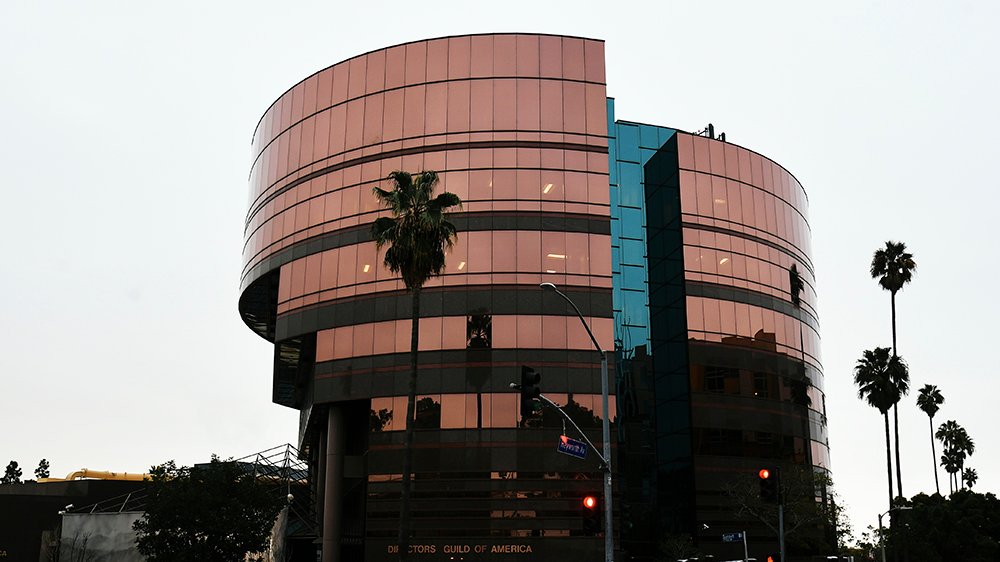
On Monday, the studio alliance will try to make it 3-for-3 as it sits down with the Directors Guild of America, the one guild that didn’t go on strike in 2023.
As with the Writers Guild of America talks, the primary focus will be on healthcare.
DGA members enjoy a gold-plated plan, with no individual premiums and $1,000 out-of-pocket maximums for in-network care. The WGA agreed to a deal in April that significantly increases the cost writers pay for their coverage, including individual premiums for the first time, and the DGA will be under pressure to make similar concessions.
The studios are expected to significantly increase their contribution rate as part of the deal, though the precise balance is still to be seen.
“The employers are going to have to raise their contributions — that’s just a fact of life,” DGA President Christopher Nolan said in a roundtable interview in January, noting that the plan had already imposed some benefit modifications. “We’ll do our part, but the employers are going to have to step up and do theirs.”
The DGA health plan is not doing as badly as the WGA plan was, but it’s not in great shape either. Skyrocketing health costs caused the plan to lose $38.8 million in 2024, following a $4.6 million loss in 2023, according to the plan’s most recent tax returns.
The primary issue facing DGA members — and all film and TV workers — is the scarcity of jobs. The union is expected to offer some proposals to try to safeguard employment for its members, though the union’s tools are somewhat limited in this area.
The other major bargaining priority is artificial intelligence. The WGA and SAG-AFTRA have each sought to protect their members’ creative work from being used to train AI models that can replace human workers, with only limited success.
For now, the studios are not reaping a windfall by licensing copyrighted work to AI companies, and are instead having to spend money on lawyers to try to protect their work from being taken and repurposed for free. A deal between Disney and OpenAI to license characters for use on Sora fell apart when OpenAI discontinued the platform.
The AMPTP has essentially agreed to notify the unions and bargain in the future if AI training does become a source of revenue, but has not been willing to prejudge what such training might be worth.
The studios’ top priority in negotiations this year has been to extend the standard three-year contract term to gain stability and labor peace. In the interview in January, Nolan was cool to the idea of going as long as five years, saying it was not a realistic proposal.
Since then, the WGA and SAG-AFTRA have agreed to four-year deals, increasing the likelihood that the DGA will end up there as well.
“The DGA prides itself on being open to anything,” Nolan said.
The DGA contract expires on June 30, though the expectation is that talks will not take that long to wrap up.
Leave a Reply