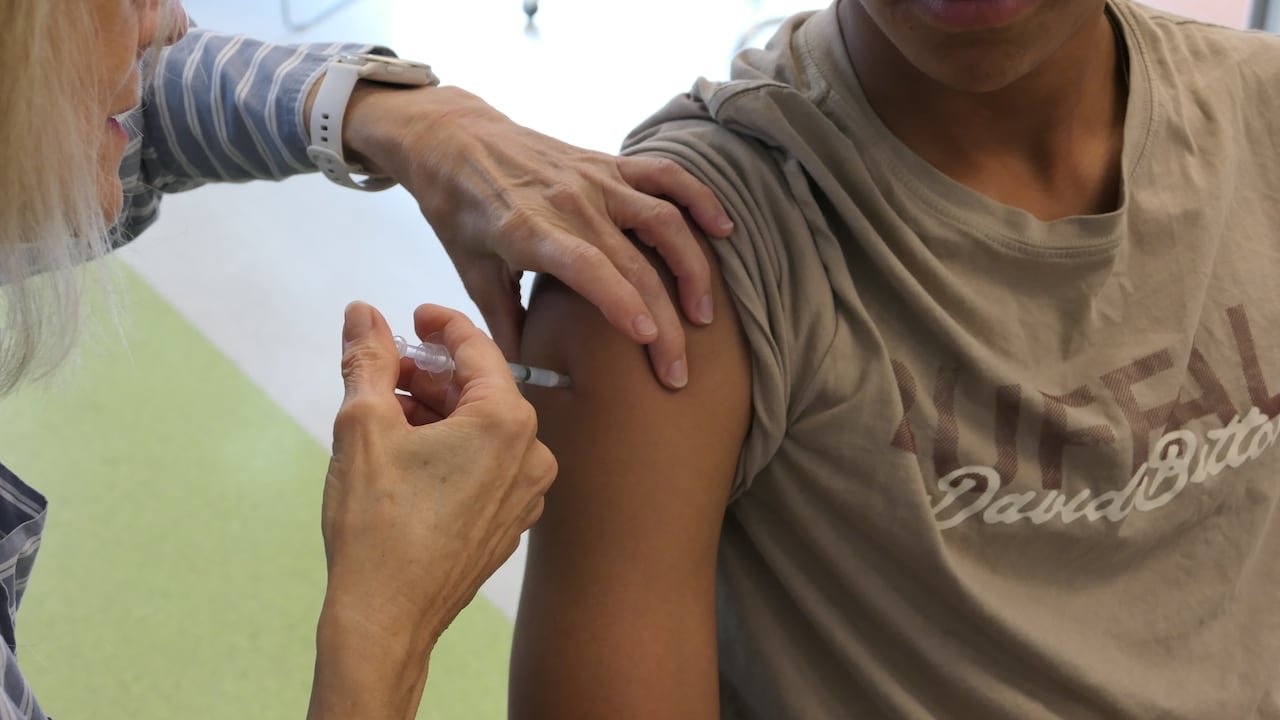
The COVID-19 vaccine is probably not in your mind the way it was when the global pandemic was in full swing.
But given this year’s influenza season is off to an early start — and that respiratory viruses could already be causing school and work absences in your household — you may be wondering if it’s time to think about getting an updated shot.
Here’s what you need to know.
How common is COVID right now?
The Canadian respiratory virus surveillance report on COVID-19 shows that for the week of Nov. 14, the most recent for which data is available, there were 2,170 laboratory confirmed cases.
The number is rising from previous weeks, but that level is still considered low.
However, infectious disease specialists say there’s plenty of reason to get the vaccine to reduce risk of severe infection either for yourself or someone around you who may be at higher risk.
“Some people think COVID is gone and forgotten, and it absolutely isn’t,” said Dr. Isaac Bogoch, a professor at the University of Toronto. “It’s still a very dangerous pathogen, especially for people over the age of 80.”
McMaster University professor Dawn Bowdish, who researches respiratory diseases, notes that in 2024, COVID-19 was still among the top 10 causes of death in Canada, “which I think a lot of people are surprised by.”

MRNA vaccines are effective and safer than getting COVID-19, according to a large-scale review published in The Lancet, which looked at all clinical trials, real-world data, research and case reports from 2020 to 2025.
Where are outbreaks happening?
According to the respiratory virus surveillance report, 61 confirmed outbreaks of COVID-19 were reported by participating provinces and territories for the week of Nov. 14.
The majority were in congregate settings like acute care (52 per cent) and long-term care facilities (33 per cent).
Who should get the COVID-19 vaccine this fall?
Canada’s National Advisory Committee on Immunization (NACI) strongly recommends the vaccine for anyone who is at increased risk of exposure to the SARS-CoV-2 virus or who is vulnerable to severe COVID-19 disease.
That includes everyone over the age of 65 and those living in long-term care or in other congregate settings like retirement homes.
NACI also strongly recommends vaccination for those over the age of six months who have underlying health conditions that put them at higher risk of severe infection, as well as health-care workers and others employed in community settings.
Those who are pregnant, or who are from First Nations, Inuit, Métis and other equity-denied communities are also at higher risk of severe infection and should get the vaccine.
Lynora Saxinger, an infectious disease specialist and professor at the University of Alberta in Edmonton, says people sometimes underestimate their own vulnerability to severe COVID-19 infection, thinking of only the very elderly and ill as at-risk.
“But it honestly could just be someone in the community who’s on cardiac medications and is 66 years old,” she said.

More than 300,000 British Columbians live with long COVID, with many relying on virtual appointments to access the care they need. But with changes coming to the Medical Services Plan, a long COVID clinic is warning this could result in extended wait times and cutbacks to vital programs. The CBC’s Ruby Cornish reports.
Can I get the vaccine if I’m not in one of those groups?
Yes. NACI says vaccines may be offered to other individuals aged six months or older based on individual risk assessment or preference.
Even if you remove the most severe outcomes from the equation, COVID disrupts schools and health-care systems, says Bowdish, “so we have the power to reduce those.”
Saxinger says those in frequent contact with higher-risk people should consider getting the vaccine.
A COVID-19 infection could fly under your radar as a minor cold, but it could have “really terrible consequences” when you visit, for example, a grandparent or someone undergoing chemotherapy, Saxinger said — an important consideration heading into the holiday season.
Another thing to ask yourself is how long it’s been since your last COVID-19 vaccine.
“If your last booster was in 2022 … it’s a good idea to get a repeat vaccination this season,” says Saxinger.
Some provincial health ministries, including those in Quebec and Alberta, no longer make COVID-19 vaccines universally available for free, something Bowdish describes as “a huge equity issue.”

Alberta pharmacists are reporting delays, confusion and missing orders related to the province’s distribution of COVID-19 vaccines. Pharmacists say they must cancel appointments and close bookings due to unpredictable vaccine supply. The Alberta government says there is no vaccine shortage in the province. We are joined by Edmonton-area pharmacist Fayaz Rajabali. He is the President of the Alberta Pharmacists’ Association.
What will the vaccine do for me?
While the vaccine will vastly reduce your risk of getting a severe case of COVID-19, or of infecting someone else, it won’t reduce your risk of catching the virus in the first place, in the way the first COVID-19 vaccines did, says Bogoch.
When the virus was brand new and the global population had no immunity whatsoever, those first vaccines were game-changers that did “a remarkable job in reducing the risk of infection,” he said.
But as the different variants emerged, “the vaccines’ ability to reduce the risk of infection was curtailed.”
“So, really, the vaccines are there to mitigate the risks of severe infections, such as hospitalization and death,” Bogoch said.
Does it matter which vaccine I get?
Right now there are two mRNA-based vaccines available in Canada — from Moderna and Pfizer — and a protein-based vaccine from Novavax.
Supply may vary based on how much of each vaccine a provincial or territorial health ministry has chosen to order. Links to appointment information for each jurisdiction can be found on this federal government hub, or you can ask your local pharmacy about which vaccines are available near you.
But Bowdish says all three vaccines have met rigorous safety standards, so there’s no reason to shop around.
“The best vaccine is the one that’s in your arm,” she said.
However, some people may be more comfortable sticking with a vaccine they’ve previously had — and if that brings them back for routine immunization, that’s a good thing, says Bogoch.
On the flip side, if people have been put off by flu-like symptoms they’ve experienced after having an mRNA vaccine, they may prefer to try Novavax instead, says Bowdish.

Health Canada has approved two new Moderna mRNA vaccines — one for flu, the other for both flu and COVID-19. So far they’re only approved for those 50 and older.
What about that combo vaccine?
You may have heard about a shot that combines influenza and COVID-19 vaccines.
Health Canada approved Moderna’s combination mRNA vaccine earlier this month, but the company said it won’t reach pharmacies in time for this respiratory virus season.
Saxinger says anything that makes it easier to get immunized against respiratory viruses is a plus.
“I myself usually get [flu and COVID vaccines] at the same time, and having one sore arm instead of two seems like a bonus.”
Leave a Reply