
Listen to this article
Estimated 4 minutes
The audio version of this article is generated by AI-based technology. Mispronunciations can occur. We are working with our partners to continually review and improve the results.
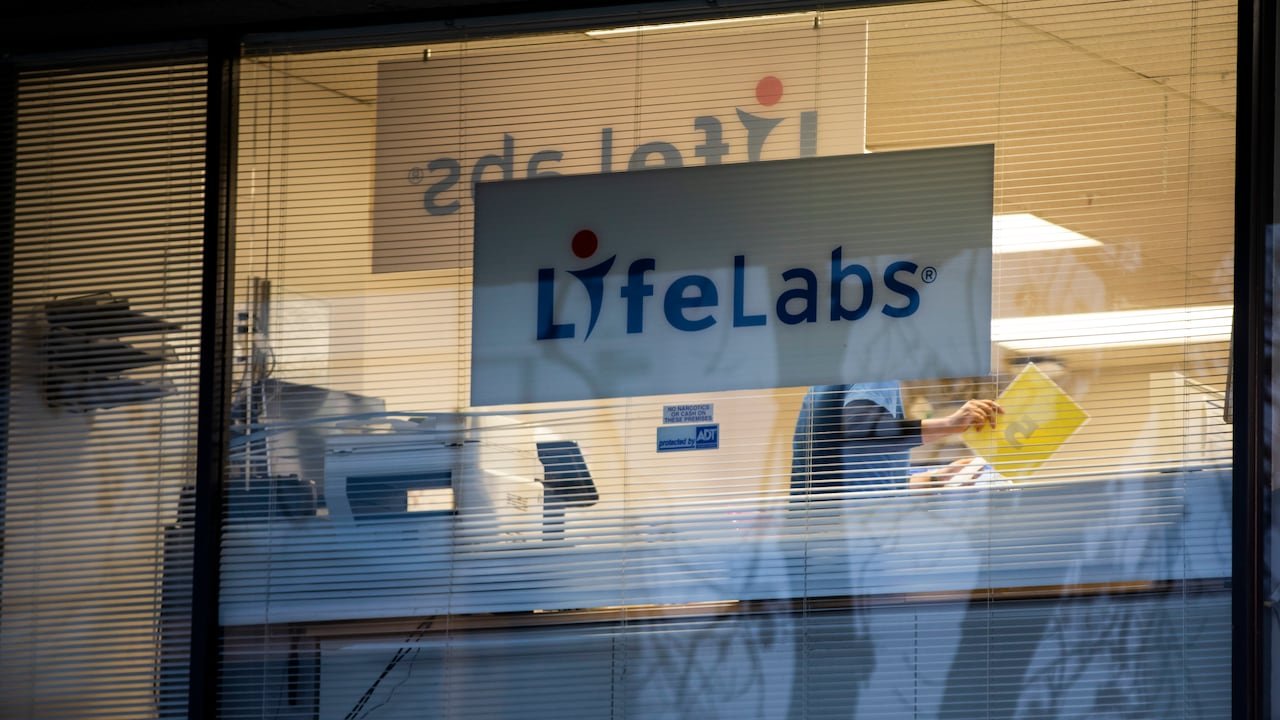
B.C.’s Human Rights Tribunal has ordered LifeLabs and a subsidiary to pay $32,000 to three transgender and non-binary people for “injury to their dignity” after separate instances of discrimination.
Tribunal member Theressa Etmanski said in her decision, posted last week, that LifeLabs and its subsidiary Excelleris Technologies misgendered and outed the three patients at service centres in Vancouver and Burnaby in 2019.
Etmanski also ordered LifeLabs to pay almost $3,000 in lost wages and $11,100 for an expert report.
‘Exhausted and upset’
In one of the incidents, LifeLabs “refused to recognize” a person’s non-binary gender identity and misgendered them, according to the tribunal decision.
Noa Moses said they brought a lab requisition form to a LifeLabs location in Vancouver in October 2019.
The form, which was filled out by their doctor, did not have “M” or “F” in the sex field, but staff repeatedly asked Moses whether they were male or female in front of the waiting area, where Moses believed other people could hear.
Moses said they were neither, but the response wasn’t accepted and staff repeated the question.
Moses testified they weren’t offered a private space to have the conversation.
Another staff member said they were going to call Moses’ doctor to “find out which gender marker to use.”
When LifeLabs staff couldn’t reach Moses’ doctor over the phone, staff “informed Noa that if they did not choose a male or female gender marker, staff would not draw their blood.”
After responding “10 to 15 times” that neither binary marker was appropriate, the decision says a staff member approached Moses with a piece of paper with “M” and “F” written on it. They asked Moses to point to one.
“Noa says they were so exhausted and upset by that point that they just pointed to a letter on the paper.”
LifeLabs staff wrote a binary gender marker on Moses’ requisition form.
Moses testified that their experience was demeaning and made them feel like a child being chastised, according to Etmanski’s decision.
More instances of misgendering, outing
The tribunal also found that LifeLabs wouldn’t allow Devan Snow to update his gender identity in their system and instead used the sex assigned to Snow at birth.
Snow also said he was forced to discuss his gender identity at the counter in front of an occupied waiting area at a LifeLabs centre in Burnaby in October 2019.
“Snow said everyone in the waiting room could hear what he was saying, and that his requests had become a ‘huge thing.’”
Snow described feeling othered and unimportant because of the experience at LifeLabs, according to the decision, and also felt embarrassed because the incident was public.
Etmanski also found that Vincent Viezzer was discriminated against at a LifeLabs location in Vancouver in 2019 when, despite his gender marker typed as “M,” Etmanski said staff added the letters “FTM” to the form. LifeLabs disputed this, but Etmanski accepted Viezzer’s evidence.
Viezzer understood the letters to mean “Female to Male” and told the tribunal he had an emotional, physiological reaction to seeing the letters and scribbled them out with a black marker. He left LifeLabs without having his blood tested that day, according to the decision.
Etmanski said while the initials “may not appear to be particularly egregious or virulent,” and can still be used in some settings, they also can be an “oversimplified and inaccurate way to describe some peoples’ lived transgender experience.”
She said there is no requirement that something be understood as universally offensive for it to have a discriminatory impact.
Etmanski also noted disclosing someone’s transgender or non-binary identity publicly “can place them at risk of harm.”
Etmanski awarded $15,000 each to Snow and Moses and $2,000 to Viezzer.
LifeLabs was also ordered to correct the misgendering of Moses and Snow and to ensure transgender and non-binary patients have a private space to discuss their sex or gender within six months.
LifeLabs must also develop training on trans and non-binary patients’ privacy considerations and give it to all staff and management in B.C. within a year.
Leave a Reply