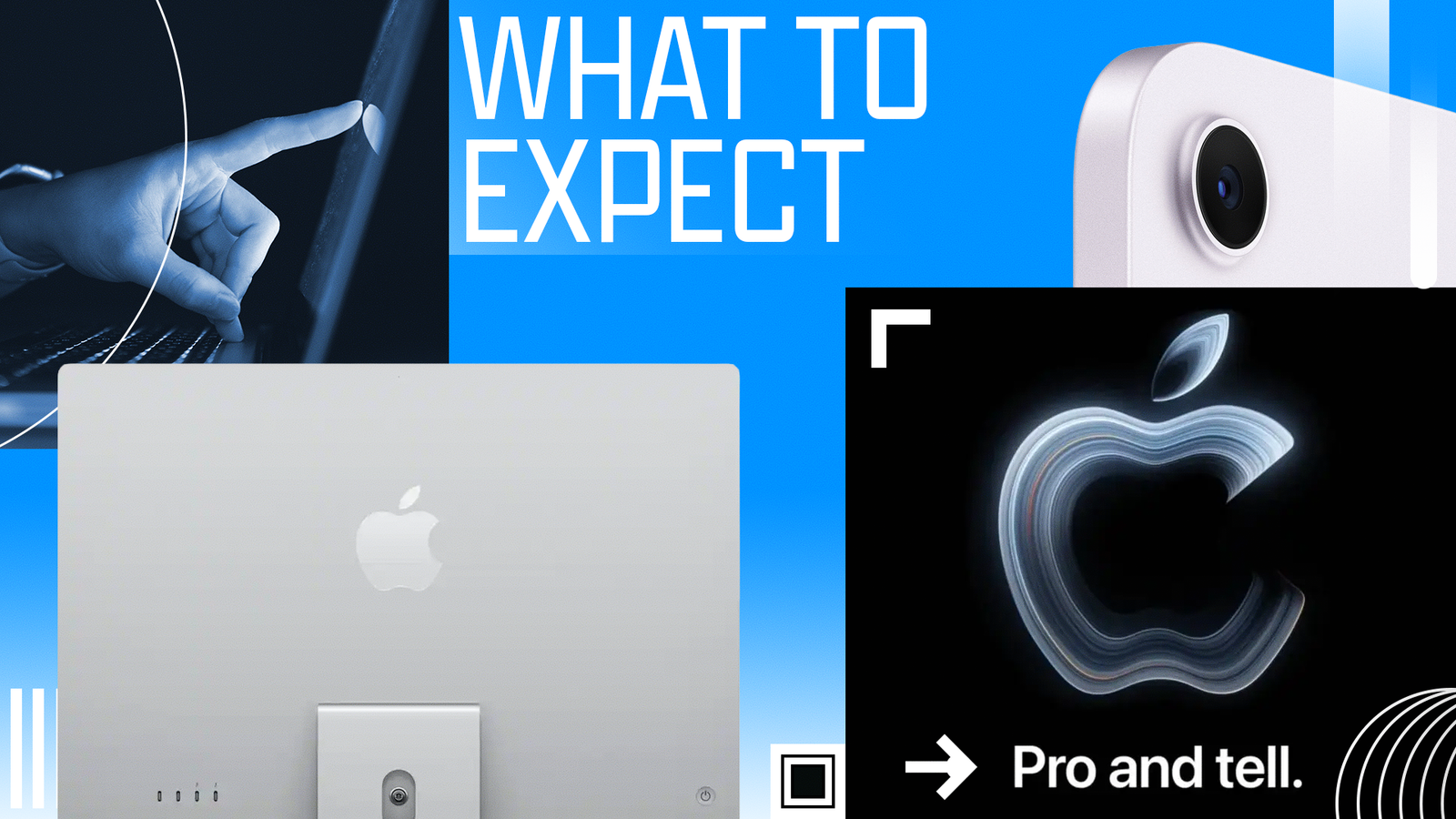
Apple’s set to kick off one of its most anticipated product unveilings since, well, the iPhone Duo launch last week: its first-ever MacBook Pro with not just a touch screen, but one using an OLED panel. The reveal could mark a 180-degree turn for the company on its stance regarding touch screens for laptops, but the surprises may not stop there.
Yes, rumors have Cupertino slated to announce a few more new Mac products than that, even more than the 2026 iPad mini, just announced today, Monday morning. Based on a blizzard of rumors and some leaks from reputable sources, I’m anticipating a new entry-grade MacBook Pro and an updated iMac desktop, both with the freshest M6 Apple silicon.
I’ll be at the showing in Los Angeles to get my hands on all the newly unveiled devices and report my first impressions. So, let’s set the stage for Apple’s plans to end 2026 with a bang.
MacBook Pro OLED: The First-Ever Touch-Screen Mac?
Like everyone else, I expect the star of the show will be two new MacBook Pro laptops (likely differentiated by two flavors of the Apple M5 processor) with OLED touch screens. These products will mark two firsts for the professional-grade Apple laptop line, both centered in the display: OLED screen tech, and touch-screen controls.
The first, OLED (defined as “organic light-emitting diode”), is the cutting edge for laptop display color reproduction, thanks to its ability to directly light or dim pixels via light-emitting diodes with specific colors, rather than broader areas of the screen as IPS panels do. This generates superior color coverage and deeper black levels than traditionally lit IPS or LED panels can achieve.
This is especially important for media and digital design professionals who rely on accurate colors for their work. As a bonus, OLED makes movies, photos, and games look far superior to those on screens without this backlighting tech. It’s been a long time coming for MacBook Pro laptops that have until now relied on the impressive, but still lesser, mini LED solution.

(Credit: Joseph Maldonado)
As for touch-screen controls, assuming this debuts, this will be a massive about-face for Apple, which for ages has shrugged aside the effectiveness and necessity of touch screens on laptops. Myself, I’m inclined to agree despite being a near-daily user of an iPad with a keyboard, but it will be exciting to see how Apple will implement touch technology with macOS.
You can count on Apple not simply slapping a touch screen on a MacBook Pro and calling it a day. No, Apple will have thought this through, possibly to the point of overthinking it, possibly even tailoring an updated version of macOS 27 to support the technology. I fully expect Apple’s desktop software to change, even if only slightly, to accommodate the presence of a touch screen.
Rumors are also swirling around about the later iPhones’ Dynamic Island camera housing coming to these MacBook Pro models. The Dynamic Island separates the previous “camera notch” from the display bezel, creating an independent area on the screen where the camera lens sits behind a thin layer of pixels. The “Dynamic” part: The interface can morph around that camera housing to show additional controls or content. This would be similar to how it works on more recent iPhones.
The laptop-based Dynamic Island is probably the piece of these rumors I’m least bullish on, though, because I’m failing to see the utility in such a feature on a laptop screen, touch-controlled or not. I’ve never been much bothered by the “dreaded” screen notch on MacBooks, as it doesn’t take up any usable screen space, anyway. I’m happy to be proven wrong here, though.

(Credit: Joseph Maldonado)
Additionally, Apple is expected to update the MacBook Pro chassis with an even sturdier hinge than before to withstand lid wobble from tapping the screen for touch input. The company will also likely make these models lighter than previous MacBook Pro laptops, if that’s even possible. If this comes to pass, it will likely stem from reducing the amount of metal used in the frame, rather than from substantial internal changes.
Finally, one oddity surrounding the rumors around the new touch/OLED MacBook Pros is that these laptops will run on Apple’s recently released M5 Pro and M5 Max processors—not Pro and Max versions of the even more recent M6 chip. This might be because these products were in development well before the M6 processor arrived, but it will be a bit incongruent if that’s the case. Surely, pros will want more power served up with these design upgrades. We’ll see!
A New 14-Inch MacBook Pro Model With the M6 Processor
To address this possible incongruency, rumor has it that Apple will also launch a new 14-inch MacBook Pro laptop with the M6 chip inside. Rather than a big-news upgrade to the screen or chassis design, this would be solely an internal upgrade to the M6 silicon.
If true, this will likely be a tough sell to anyone who recently picked up an M5 14-inch MacBook Pro, or even an M4 model, for that matter. This product will likely be positioned for folks just getting into Apple’s pro-grade laptops or for someone upgrading from further back in the MacBook Pro lineup (from the M3 model or older).

(Credit: Joseph Maldonado)
A new wrinkle: Apple has traditionally introduced new M-series silicon in the entry-level MacBook Pro model. However, the 2026 Mac mini desktop threw that cadence out the window this year, emerging as the first M6 model you could buy. So even if this comes to pass, it won’t be the first M6 Mac.
A Fresh iMac All-In-One Desktop…With M6?
Next up: Rumor has it that we’ll see the return of the colorful iMac all-in-one computer, moving up from the existing 2024 M4 iMac to M6 processing. The iMac targets general consumers and home-office users, dating way back to the iMac G3 that came in several colors in the early aughts.
This product is definitely due for an upgrade, but rumor has it that it won’t receive any other changes than the silicon inside. That will be a bit of a bummer if true, because the iMac could use some improvement in screen adjustability. I’d like to see height adjustment added, rather than just tilt. (Also, the bezels are still quite large for an Apple product.)
Recommended by Our Editors

(Credit: Joseph Maldonado)
More than a few folks on the PCMag team lament the loss of the 27-inch iMac, hoping for the return of a larger Mac desktop screen. While I personally don’t mind either way (my preference is a Mac mini paired with any size of screen I choose), I’m sure plenty more people would be pleased by the return of an iMac with a larger screen.
The Next iPad mini Tablet: It Showed Up Early, With OLED
Finally, Apple confirmed some of the iPad rumors circulating last week with the Monday morning launch of a brand-new Apple iPad mini, which hadn’t been revamped since 2024. (iPads are often updated more frequently than some Macs.) The previous version ran on the A17 Pro chip, and the new model now runs on the hottest Apple mobile processor, the A20 Pro. The new iPad mini starts with 128GB of solid-state storage, with upgrades to 256GB and 512GB available.
This new iPad not only has the latest A20 Pro chip found in the newest iPhones, but Apple has also considerably updated the iPad mini’s design. For starters, the iPad mini now has an OLED Super Retina XDR display for the first time, which has traditionally been exclusive to iPad Pro models. The touch screen is also larger now, at 8.5 inches, with a $100 nano-texture anti-glare option for the 256GB and 512GB models. Whether the screen’s refresh rate received a bump to Apple’s 120Hz ProMotion tech is unclear, but I’ll make sure to check if I’m able to get my hands on it later this week.

(Credit: Apple)
As expected, Apple also moved the FaceTime camera (the one you’d typically use for video chatting) from the “top” of the iPad mini display to the longer edge, just as it has done with previous iPad revisions across the board. (This is to favor video chats in horizontal rather than vertical orientation.) Also, this is the first iPad to receive an IP rating (IP67) for water and dust resistance. That’s thanks to what Apple calls an Acoustic Display. It has vibration-focused speakers underneath that eliminate the need for holes in the sides to let through audio.
All of these changes coincide with a spike in the iPad mini’s starting price: from $599 to $699. The new iPad mini goes on preorder starting Oct. 28, with full availability beginning Nov. 6. Myself, I’ve never quite understood the iPad mini’s appeal, especially as Apple’s phones have gradually increased in size and in cost relative to this smaller iPad. Why someone would want an iPad that’s simultaneously smaller, but more powerful and more feature-rich (and therefore much pricier!), than the regular-size mainstream iPad is beyond me. But more power to you if such a product excites you. Here it is.
Apple’s Big End-of-Year Blowout Is Almost Here
Whichever of the rumors and leaks pan out, this product showcase is bound to be just as big, if not even bigger, than Apple’s previous fall 2026 unveilings of devices like the iPhone Duo and Apple HomeView. Apple breaking tradition and launching a laptop with a touch screen is bound to turn heads throughout the tech world, and I’ll be there live to report it all.
Stay with PCMag before, throughout, and following the unveiling for the latest news and my impressions of all the products. Then stick around for fully tested reviews of all these products, with our recommendations for Apple newbies and upgraders alike.
About Our Expert

Joe Osborne
Deputy Managing Editor, Hardware
Experience
After starting my career at PCMag as an intern 16 years ago, I’m back as one of its editors, focused on managing laptops, desktops, and components coverage. With more than 15 years of experience, I have been on staff and published in technology review publications, including PCMag (of course!), Laptop Magazine, Tom’s Guide, TechRadar, and IGN. Along the way, I’ve tested and reviewed hundreds of laptops and helped develop testing protocols. I have expertise in testing all forms of laptops and desktops using the latest tools. I’m also well-versed in video game hardware and software coverage.
Leave a Reply