President Donald Trump endorsed lower interest rates and declared that growth does not cause inflation before walking out of a Meet the Press interview with NBC’s Kristen Welker.
The walkout clip now dominates social feeds. However, the policy signals buried in the exchange matter far more for Bitcoin (BTC), oil, and equities.
The Walkout Buried a Clear Message on Rates
In the interview, Welker pressed Trump on whether the Federal Reserve may need to raise rates under new Chair Kevin Warsh.
The Senate confirmed Warsh on May 13 by 54 votes to 45, the narrowest margin for any Fed chair. He chairs his first policy meeting on June 16 and 17, with rates at 3.50% to 3.75%.
Trump pushed the opposite way.
“There’s no reason to raise interest rates. The country becomes great. We built the country by doing great and having rates low.”
Fresh data gives the President his talking point. May payrolls rose by 172,000, roughly double the 85,000 consensus, while unemployment held at 4.3%.
Trump drew a conclusion that rejects decades of Phillips curve thinking, which links hot labor markets to rising prices.
“Growth is the greatest thing you can have and growth does not cause inflation.”
The stance revives a first-term pattern. Trump publicly hammered then Chair Jerome Powell through 2018 and 2019 to force cuts.
This time the pressure lands on an awkward target. Warsh built his reputation as a hawk and quit the Fed board in 2011 after opposing quantitative easing.
“I think Kevin is fantastic, and I want to do whatever he wants and I don’t want to have a big influence on him…”
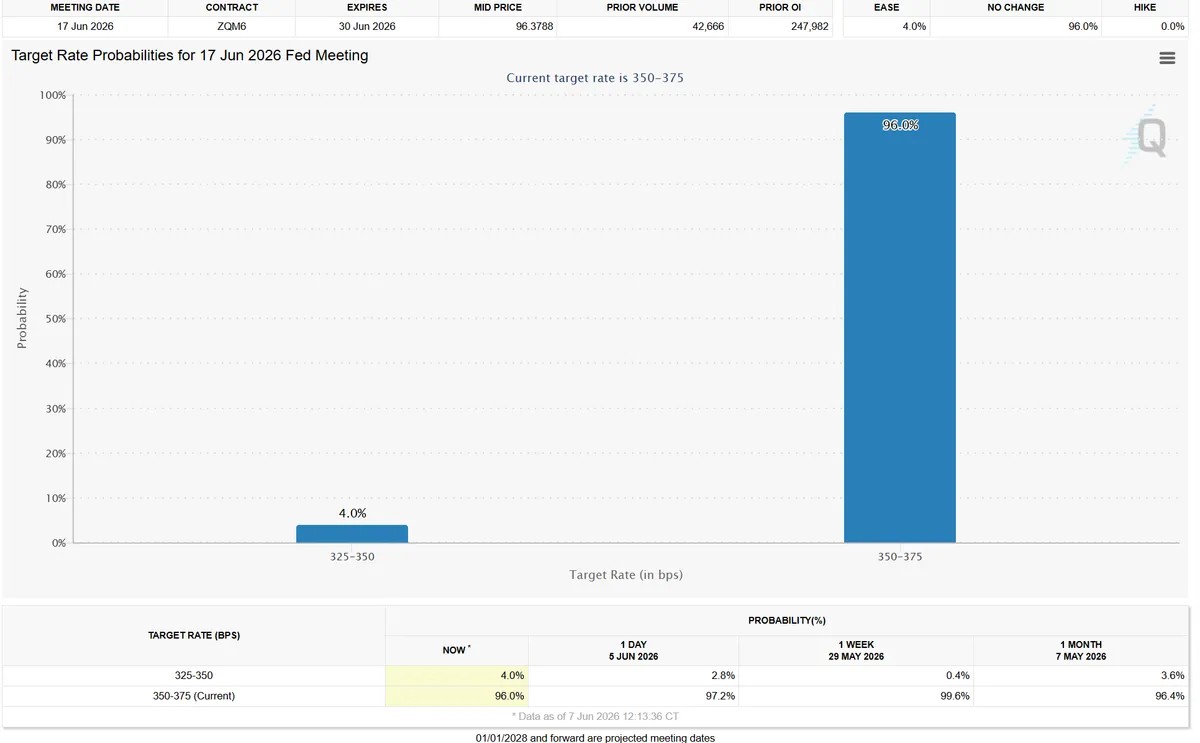
Markets are not listening yet. CME FedWatch prices a 96% chance of a hold this month.
Follow us on X to get the latest news as it happens
Oil Prices Hinge on the Iran Endgame
The war has rewritten energy math since late February. Brent crude jumped from about $72 per barrel to nearly $120 before easing to about $94 on Friday.
AAA puts the national gas average at $4.17 per gallon, up $1.16 since the Iran war began.
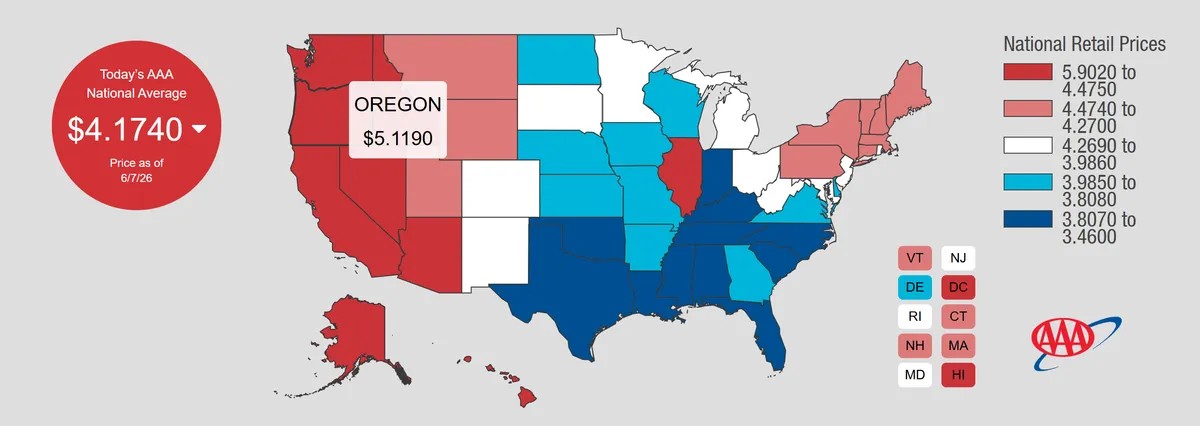
That is the inflation pressure Warsh inherits. Asked whether gas prices have peaked, Trump refused to commit.
“It depends. It depends where the war goes. It could be after I give them a shot, and it could be if we sign an agreement it will go down now otherwise it will go down after we finish.”
Either path ends the same way, he argued, with gasoline prices set to “drop like a rock.”
A deal would also reopen the Strait of Hormuz, the corridor carrying roughly 20% of global oil supply.
Bigger Budgets, Bigger Liquidity
Trump also signaled more military spending on top of a record base.
“We have debt and other thing, we have things we want to take care of. I want to go bigger on the military. I really do.”
The FY2027 budget already requests $1.5 trillion for defense, the largest single-year total since World War II, per CSIS.
The OMB projects a $2.06 trillion deficit this fiscal year, rising to $2.17 trillion next. Funding that gap forces the Treasury to issue more than $166 billion in debt every month.
Lower rates plus heavier issuance point to expanding liquidity, the variable Bitcoin traders watch most.
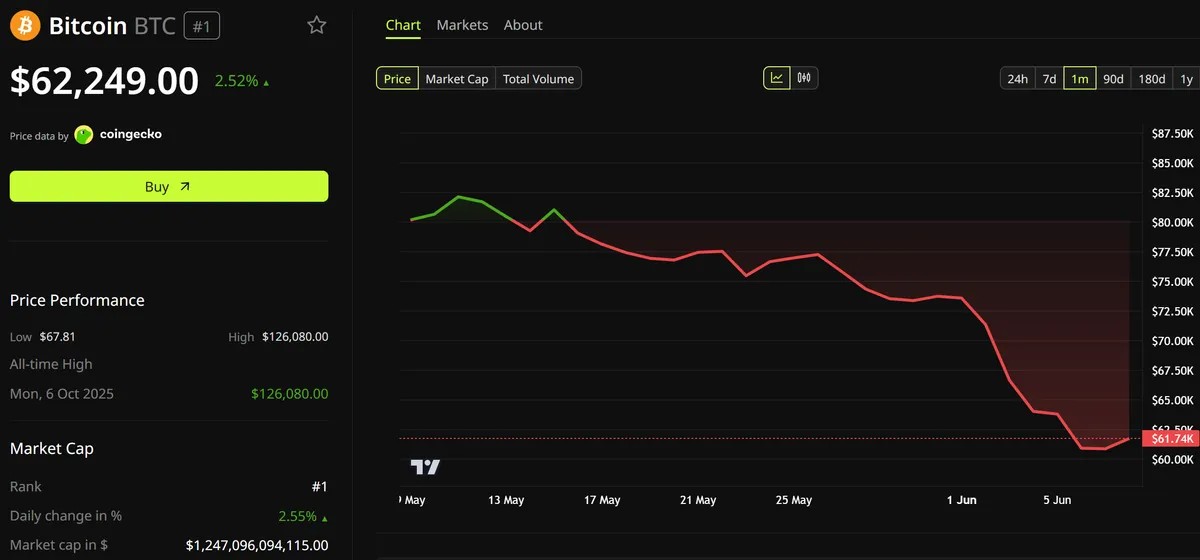
However, the trade has a catch. A prolonged oil spike could push inflation higher and force a hawkish Warsh to act like one.
The June 17 decision offers the first test of whether the President’s message moves his new chair.
Leave a Reply