Tag: HollywoodReporter

  • ‘Manhunt’ Director Says His Haunting Exploration of Alienation, Masculinity Is “a Film About Fascism”

    ‘Manhunt’ Director Says His Haunting Exploration of Alienation, Masculinity Is “a Film About Fascism”

    Michif filmmaker Wayne Wapeemukwa isn’t afraid to use visceral visuals and sound to question the world we’ve built, training his spotlight on those pushed to society’s margins.

    His debut feature, Luk’Luk’I, followed five residents of Vancouver’s poverty-stricken Downtown Eastside during the 2010 Winter Olympics, with a screenplay the Canadian writer-director developed alongside his actors. The film won best Canadian feature at the Toronto International Film Festival in 2017, and Wapeemukwa took home the Directors Guild of Canada’s DGC Discovery Award.

    This week, he opens the international competition at the 79th edition of the Locarno Film Festival with his sophomore feature, Manhunt — a mesmerizing, unsettling journey into social and psychological terrain that’s likely to shake viewers to the core.

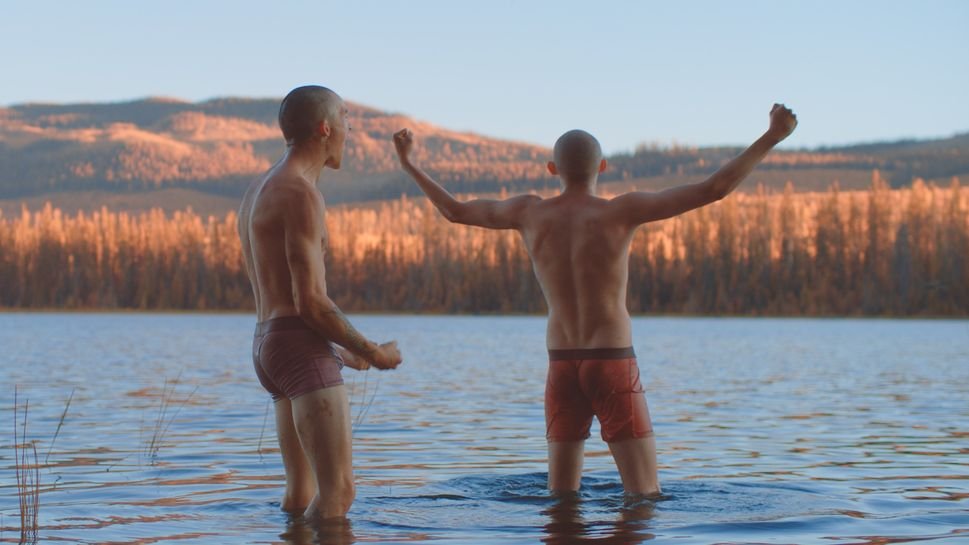
    Inspired by real-life murders in Canada in 2019, the film follows two young men on a road trip through the country’s northern frontier, fleeing their dead-end lives. Rather than reconstruct the facts behind the killing spree, Manhunt asks harder questions — about disconnection, alienation, modern masculinity, far-right and digital fantasies, and colonial echoes — to probe where such violence actually comes from.

    As the two men drive through empty towns and vast forests, their lives dissolve between digital fantasy and offline reality. The Locarno website teases what’s ahead: “Reframing true crime as a parable, Manhunt probes loneliness, masculinity and the colonial dream of beginning anew — until the search for meaning erupts into violence.” Or, as the press notes put it more bluntly: “Two boys discover they can’t outrun what they’ve become.”

    Sorrow curdles into hatred; the longing for connection turns violent. In the end, the two men find not salvation, but the barren land inside themselves.

    Manhunt, which Wapeemukwa wrote with Anna-Lena Theobald, stars Harris Lowe, Landon Tunold, Bianca Foscht and Dilara Foscht, with cinematography by Jonathan Glendon and editing by Coline Debray. Wapeemukwa produced alongside Nathan Drillot and Matt Drake. Vaka Street Casting — also behind the Canadian hit Blue Heron — handled casting. Cinetic Media acquired North American sales rights, while Aspect Ratio is handling international sales.

    ‘Manhunt’

    Courtesy of Locarno Film Festival

    Locarno artistic director Giona A. Nazzaro, in a recent interview with THR, praised Manhunt as a film that “questions the colonial myth of what is beyond the frontier and how this myth still affects people.”

    Ahead of the film’s Locarno premiere, Wapeemukwa spoke with THR about his deep dive into human emptiness, darkness and fascism, how his Michif heritage shapes his thinking on disconnection from land, and his growing interest in genre work.

    Manhunt is inspired by Northern British Columbia murders in July 2019. Why did you want to make a film about them and why in the specific way you chose, which is very different from traditional true crime narratives?

    At the same time as the actual events that unfolded in 2019, I was road tripping through my indigenous homeland. My dad’s white, and my mom is Michif, and so I was going through places in Saskatchewan and Manitoba, while watching this unfold at the same time in cafes and bars and whatever. I guess I was meditating a lot at the time about themes similar to my first feature — about how our attention in society is diverted away from certain problems and towards other kinds of low-hanging fruit.

    So, I was meditating on these events with these two young boys and why our society focuses so heavily on this sort of violence, which is terrible. I do not want to diminish the significance of this at all in any way, shape, or form, but it’s interesting to me that our attention, especially in Canada, so gravitates towards that spectacle versus the ongoing femicide of Indigenous women, for example.

    Why do you think that is?

    That’s a very complicated question. … If the question is why do we block out an understanding of that versus other narratives, why is our attention so misdirected, I think there are a lot of reasons for that. Fundamentally, it’s to do with the fact that our society in Canada persists because of that ignorance. If that ignorance was really confronted in what it really meant, Canada as a country, as an idea, would become intolerable.

    The press notes for Manhunt mention that you feel that there is a lack of connection to land that is one of the drivers behind the two young men we follow in the movie. Is that something you thought about as a Michif filmmaker or where does this idea come from?

    In my research for this film, which took place over seven years, I was talking about it with elders in my community and getting their take. And one of the elders mentioned to me that when she thinks about these boys, she thinks about how they have no connection to land, and that doesn’t just mean some sort of blood and soil connection. Indigenous peoples generally understand connection to land in much broader normative terms, and what I understood her to be actually saying was: “These young men are disconnected from community.”

    ‘Manhunt’

    Courtesy of Manhunt Productions

    It’s about a communal way of relating with each other and relating to the environment and where we are from. In my subsequent empirical research about these boys that the 2019 story is animated around, I couldn’t see anything otherwise. They worked at Walmart; they were disconnected; there were lots of social pressures on them. Society disconnected them through poverty, etc. And as I researched other mass murderers and white supremacists, I found that this was actually a lot more common than I had first anticipated.

    Do you think of Manhunt as a timely universal tale more than a specific Canadian story?

    I consider it as a sort of parallax, as both. There’s a similarity with my first feature as well. It is a story that’s super localized and grounded, but at the same time is stretching at least for a global and especially an international audience. This is a reason why I feel so privileged to be invited to open the competition at Locarno. This was a film that I intended from the very beginning to reach beyond Canada.

    Oftentimes, I find that Canadian cinema is provincialized and sequestered, but I wanted to do something beyond that, and, unfortunately, the topic of white supremacy is especially international.

    Can you maybe share some more of your thoughts on that?

    It really seems like the Nazis are back, and I do not say that enthusiastically in any way, shape, or form. And this film effectively became something about that. The film is its own fictional portrayal of the actual 2019 story, right? It became, for me, a film about fascism and also, because of my politics, anti-fascism. What we’re witnessing here in my movie is a homegrown form of Canadian National Socialism or Canadian Nazism. There’s a sort of boomerang effect in the way that [Afro-Martinican French poet, author and politician] Aimé Césaire was talking about, except the fascism has gone from Africa to Europe and now finally to the Americas. And we see these young men as sort of stand-ins for figures we see all around the world.

    I grew up in Austria, where we learned about World War II and the Holocaust. But I guess education in history is not enough…

    I’ll speak to Canada. I obviously can’t speak to your experience, although I do know a thing or two about how the Holocaust was taught in Germany because I read a lot of German Critical Theory. But the understanding that we have is one that’s ideological and educational. But really, the things that gave birth to fascism in the 20th century were systemic and economic, and those problems haven’t gone away. Therefore, we see the problem repeating itself again and in worse form.

    I read that you had a personal experience with a friend who became a white supremacist or nationalist?

    Yeah, it’s sad. I grew up on the West Coast in Canada, and my indigenous homelands are more in the interior. So I grew up with culture and with cousins and people who practice Métis culture, but we all grew up away from our homelands. So we grew up in a diasporic setting that was extremely white, extremely rural, and, at the time I did not know this, poor also. And I suppose there was just really big cultural amnesia and ignorance about these sorts of issues, growing up in an environment like that. Then learning otherwise and growing and developing myself gave me a better perspective on this topic.

    ‘Manhunt’

    Courtesy of Locarno Film Festival

    I witnessed a friend I grew up with in high school who, because of the poverty and social crisis related to drugs, turned to prejudice as an explanation. It reminds me a lot about — you have to forgive me, I’m a philosopher — Jean-Paul Sartre’s Anti-Semite and Jew. My friend didn’t really have a prejudice against people on the basis of their race, but it became something to do with drugs. We often look for scapegoats and people to blame when we’re not doing well ourselves. And that’s not to say there isn’t anyone to blame. I do think there are people to blame, specifically the sorts of people who are in charge of our society, not a racial group nor a gendered or sexual group. But fascism thrives on distracting us from the real culprits and directing our attention to those social categories.

    I experienced the imagery and visuals in Manhunt as beautiful and also scary at times. You also include video game scenes as a virtual world. And I noticed that in the beginning and at the end, you show Indigenous people who don’t have a bigger role elsewhere in the film. I assume having them on the periphery was a conscious choice?

    You’re absolutely correct. I decided to bookend the film with a sort of Indigenous prologue and epilogue. And yes, you noticed that in the entirety of the middle section of the film, there are no Indigenous people. What we have instead is evidence of their presence, such as empty tipis and, sadly, missing and murdered signs. So what we see in the middle is an absence. What I’m trying to think through here is an idea of Indigenous dispossession and Indigenous genocide through absence.

    But in the very beginning and the very end of the film, of course, there is no lack. Our focus is on an Indigenous woman who is a Secwépemc, or Shuswap, medicine woman and her husband, who is a white guy, but I cast him as a Métis person by giving him some Indigenous jewelry. I feel okay with that because I’m Métis myself.

    The idea of putting the Indigenous content at the beginning and the end of the film came to me from an Indigenous anthropologist. Her name is Audra Simpson, and she’s Kanien’kehá:ka, which is the Indigenous way of saying Mohawk. In her book Mohawk Interruptus, she describes the Mohawk Nation as nested between settler states in Canada and the United States in a sort of zero-sum relationship, where one begins where the other ends. And I wanted to convey that cinematically in my film by positioning Indigenous peoples at the beginning and the end of the project as bookends, as people who border and who are actually containing the settlers for once.

    Writer-director Wayne Wapeemukwa on the set of ‘Manhunt.’

    Courtesy of Emilia Voudouris

    What do you want audiences to feel and take away from Manhunt? Or are you more of the persuasion that you have made your film, and now it’s up to audiences to decide what they make of it?

    I definitely am in the branch of caring about how my audience feels, even though my films tend to be bleak and traumatizing, and this is intentional. So the question is: Why is it that I want to make people feel “bad”? It’s not that I want to punish people. I’m not a sadist. I actually, as far as I can, try to have the identical perspective that your fellow Austrian Michael Haneke does. Haneke is on a different, galactic level than me, but he is my North Star on this issue. So, for me, the question isn’t whether the audience feels good or bad, but their relationship to the violence on screen.

    Because I want to make political cinema. I have political things to say. But I also know that despite my philosophical education, cinema is not a thesis-driven medium, and that the form of cinema at its best is feeling and emotion. So I need to have my audience work through emotions in order to process what’s happening on screen. So actually, my relationship to this subject is more psychoanalytical than it is philosophical.

    A lot of the films that tackle this subject matter don’t talk to people that the film’s about in a way that’s legible to them. You were describing the sort of nihilism at the heart of these boys’ lives. Online, we call it being blackpilled. So this is a film that is trying to actually be at that level with people like this in order to show them that filmmakers can understand and talk to them, and that as a matter of fact, the problems that are animating these boys’ lives, their choices are reprehensible and awful, but the causes to their actions are objective, and they exist in our society and need to be talked about seriously. So that’s the wager that I want to take with this film.

    ‘Manhunt’

    Courtesy of Locarno Film Festival
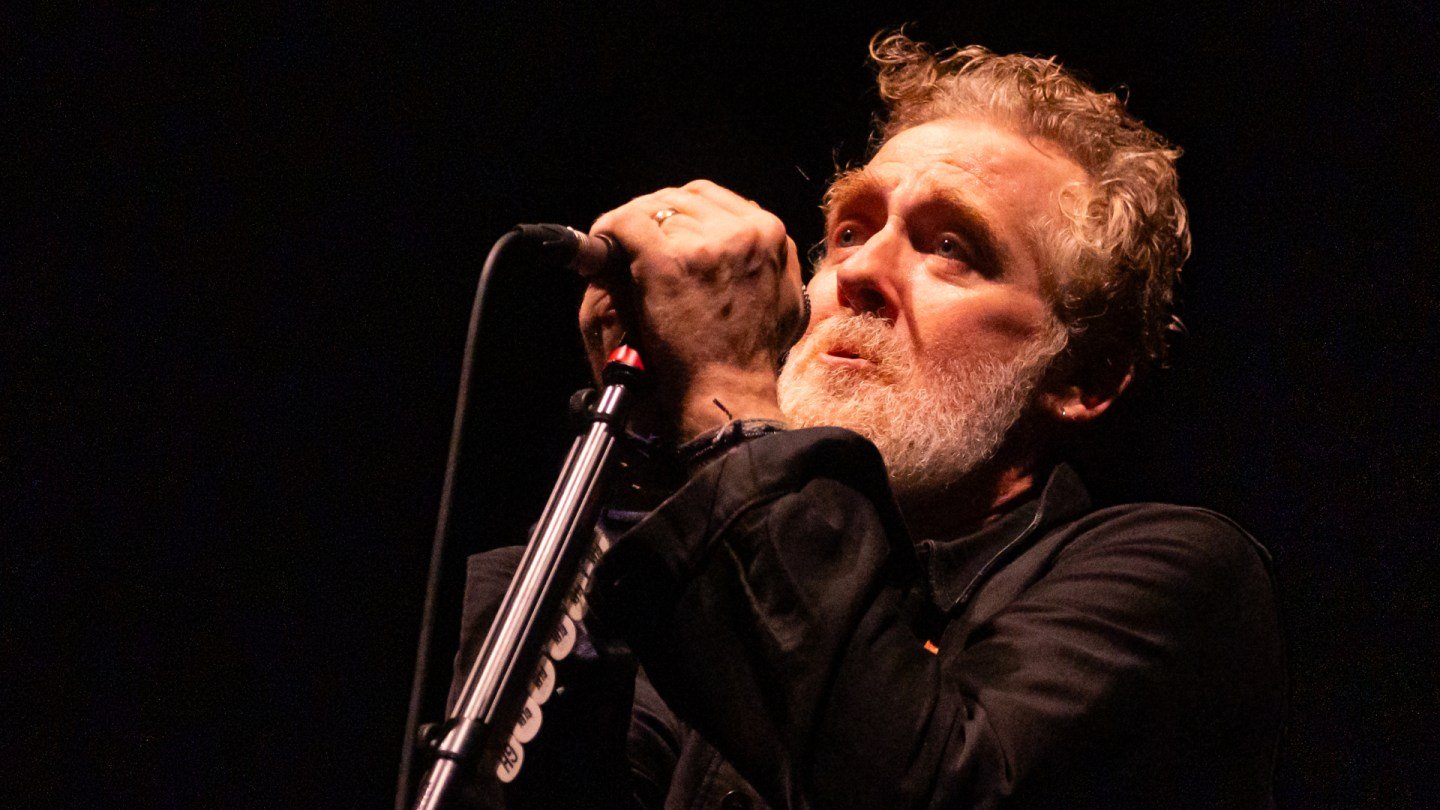
  • Glen Hansard’s Funeral Draws Hundreds of Stars and Civilians as Markéta Irglová, Eddie Vedder Perform

    Glen Hansard’s Funeral Draws Hundreds of Stars and Civilians as Markéta Irglová, Eddie Vedder Perform

    Hundreds of mourners, including high-profile politicians, actors and musicians, gathered in Dublin for the funeral of Glen Hansard, who died on July 29 in a motorcycle crash at the age of 56.

    Access to St. Patrick’s Cathedral on Tuesday was limited given the size of the crowd who came to celebrate the Irishman’s life, but stars Bono, Steve Coogan, Chris O’Dowd, Declan O’Rourke, Imelda May, Hozier, BP Fallon, Mundy, Damien Dempsey and Jake Clemons were among those photographed entering the venue.

    Hansard was best known as the frontman for the rock band the Frames, though he had successful solo albums with 2012’s Rhythm and Repose and 2015’s Didn’t He Ramble. He also wrote music for film, appearing in the BAFTA-winning The Commitments (1991) and Irish music drama Once (2007), in which he and co-star Markéta Irglová played a dramatized version of their real-life musical pairing, folk rock duo The Swell Season. It won them the Oscar for best original song the following year, for the track “Falling Slowly.”

    Irglová performed at the funeral service alongside Eddie Vedder of Pearl Jam. Together, they sang Hansard’s The Song of Good Hope alongside Thomas Bartlett and the Frames.

    Before that, Hansard’s wife, Maire, reflected on the loss and became visibly emotional. “I can find no adjective for the kind of support the family has been shown this past week,” she began. “The word is hidden somewhere in the look in people’s eyes and in the depth of their good deeds. None of this could have been done without you. Most of whom I’ve not even met yet. I owe my deepest gratitude to all our good friends who have spared no effort to guide me through this time.”

    “As Glen’s wife, I want to thank him for the life we shared, searching for truth and beauty side by side, [which] we found in our son,” she continued, saying that their three-year-old is “too young to witness or understand” an event of such scale. “The bright spirit he inherited from his father is with us,” she added.

    An array of performers and speakers took to the lectern inside the cathedral to pay tribute to Hansard, described by Irish poet Breandáin Ó Beaglaoich as “generous and truthful” and “a one-off person.” He said after reading a dedicated piece of work to Hansard: “I’ll be fond of you forever, Glen. You beautiful, beautiful man.”

    One of Hansard’s younger brothers, Richard, led a particularly powerful speech, telling attendees that an evening with his sibling would be an “evening filled with songs, with stories, with tea, with chips and egg. Whatever happened, you knew that you were gonna be completely felt, heard, understood and filled with fresh excitement and possibly hope.”

    “Glen made me feel that the world was a far more magical place than it seemed at the time to a young, shy boy from North Dublin. He sang songs. He was a storyteller. He would come in and turn the evening around, and it was easy to look up and be inspired. But also, he did the hard work. He wanted us to be better when we realized more than we realized that we could be. For his little brothers, he did those hard stuff. He instilled morals, a moral compass. He took responsibility and would say, ‘You’re not doing that. You’re not missing school. You’re not spray-painting walls. You’re not getting tattoos on your belly of a Finnish goth metal band you only listened to for two months,’” he said, prompting laughter from the room.

    Hansard continued: “Glen said once that when you lose someone, you don’t really lose them. If you have the strength and the will, you will gain them back, and you inherit the best parts of them. We have inherited all the magical, colorful words, hugs, talks, madness, sadness, insightful, manic beauty that a brother, an uncle, a husband and a father could ever give. Thank you, Glen. Thank you, brother. Thank you, thank you, thank you, thank you, thank you.”

    The star’s other brother, Gary, also stood up to thank attendees and well-wishers before performing a short song. Colm Mac Con Iomaire and Liam Ó Maonlaí sang, as did Ó Beaglaoich. “He was so well known on the big stages of Ireland and all over the world, [an] ordinary kind-hearted Ballymun man,” said Ó Beaglaoich. “A true Dub.”

    The Hollywood Reporter reflected on Hansard’s legacy — and why he was a hero straight out of the movies — on Monday.

  • Scary World News Has Auteur Directors Looking Onwards and Inwards at Toronto Film Festival

    Scary World News Has Auteur Directors Looking Onwards and Inwards at Toronto Film Festival

    After Cannes was dominated by international auteurs amid Hollywood’s retreat from the Croissette, the Toronto Film Festival will also foreground artist-driven films in its upcoming Wavelength section unveiled on Tuesday.

    “When we look at the newspaper, and it’s filled with bad news and cruelty, a lot of these filmmakers are looking inwards. There’s a lot of introspection and personal investment in the films,” Andréa Picard, curator of Wavelengths, TIFF’s avant-garde film showcase, told The Hollywood Reporter. Auteurs moving onwards and inwards include Beatrice Gibson with her debut feature, At Night, shot in 16mm for BBC Films. The director plays a filmmaker struggling to make sense of the film she’s making as six women in Paris meet up and discuss the anxiety and psychic exhaustion of the iconic French city after dark.

    At Night will have a North American premiere in Toronto after bowing in Locarno. There’s also inward-looking discovery with Biografía de Jorge Luis Borges (Life of Jorge Luis Borges), a five-and-a-half-hour documentary by Argentinian director Mariano Llinas headed to Toronto after a world premiere in Venice.

    The film, while about the Argentine writer and poet Jorge Luis Borges and drawing on his papers, books he read and global cities he visited, also has director Llinas wrestling over how to capture a literary great known for endless reinvention. “It’s about the making of that film, and Mariano is in the film and he’s often called a Borgesian filmmaker himself, and so it’s almost a self-portrait as much as it’s a portrait of Borges,” Picard argues.

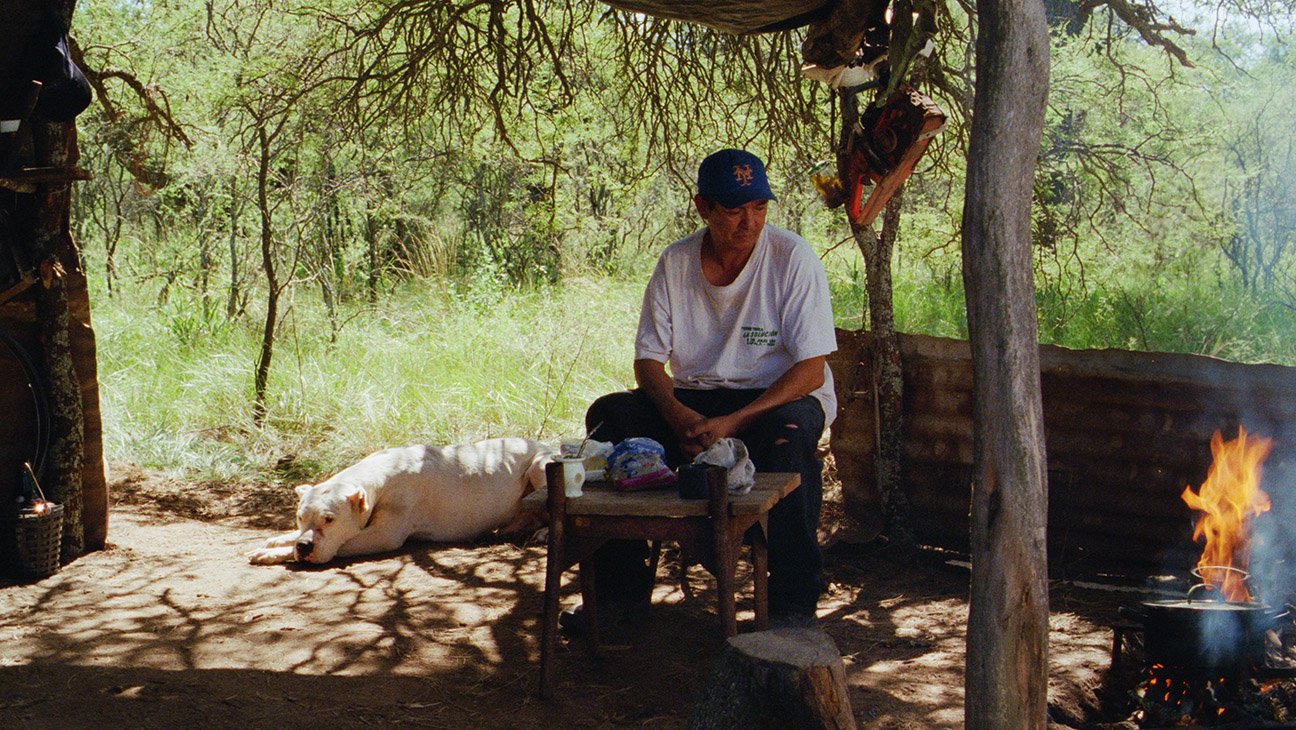
    Fellow Argentine auteur Lisandro Alonso is bringing La Libertad Doble (Double Freedom) to Toronto for a North American showing after a Cannes world premiere. The movie shot in 35mm film revisits the main character and setting of the director’s minimalist first feature, Freedom, that 25 years earlier chronicled a few days in the life of a solitary woodcutter in the remote Pampas mountains. The loosely-inspired sequel has echoes of Argentina’s ongoing economic crisis today.

    “The original film was very much isolated in the sort of very rural part of La Pampa in Argentina, and this one still is, but we feel these reverberations in very explicit ways – how the government austerity policies are impacting the lives of people even as far away from the metropole as this character in La Pampa,” Jesse Cumming, associate curator for the Wavelengths program, adds.

    The TIFF section has also booked North American premieres for three Berlin titles: Sebastian Brameshuber’s London; Nicolas Pereda’s comedic film Lo demás es ruido (Everything Else is Noise), set around a musician friend’s TV interview in an apartment in Mexico City; and German auteur Angela Schanelec’s Meine Frau Weint (My Wife Cries), an austere romantic tragedy.

    There’s also a North American bow for prolific Romanian auteur Radu Jude’s Cannes entry, Le Journal d’Une Femme de Chambre (The Diary of a Chambermaid), a French-language and highly political film that adapts the classic 19th-century book by Octave Mirbeau.

    And TIFF has a Canadian premiere for William and David Greaves’ posthumous historical documentary Once Upon a Time in Harlem, which captures a 1972 gathering of surviving notables from the original Harlem Renaissance. Williams Greaves died in 2014, so the film was finished by son David and granddaughter Liani.

    The Wavelengths section has two world premieres, one for Toronto-based artist and filmmaker Yuula Benivolski’s The Black Box is Orange, a first feature, and another for John Torres’ The Remotes, a film comprising behind-the-scenes footage of films shot in the Philippines and artfully combined to resemble a fictional story.

    This year’s Wavelengths short and mid-lengths lineup includes Kamal Aljafari with Masao Adachi Takes a Passport Photo, a portrait of the legendary Japanese iconoclast; Maryam Tafakory’s Ghazal-e Sorkh, an essay film that recounts the 1976 boycott of the Shiraz Art Festival; and Zheng Lu Xinyuan’s nocturnal Fire Flies, where a filmmaker is led on a flashlight-illuminated stroll through the mountains. 

    There’s also world premieres for Parastoo Anoushahpour’s Peacocks Come with the Clouds; Rita Ferrando’s After Image, which traces the director’s family history of migration from Argentina to Canada; Mustafa Uzuner’s The Address Book, shot in 16mm; Ben Russell’s La Prospettiva (1653); Jiaqi Yu’s Moon Palace; and Simon Liu’s ghost tale Splits in Two.

    The Toronto Film Festival is set to run from Sept. 10 to 20. Additional film lineup announcements will be made in the coming weeks.

  • Cabo Verde Looks Beyond the World Cup, Ivory Coast Gets Animated, Zimbabwe Has Ambition: A Chat With Locarno Open Doors Film Producers

    Cabo Verde Looks Beyond the World Cup, Ivory Coast Gets Animated, Zimbabwe Has Ambition: A Chat With Locarno Open Doors Film Producers

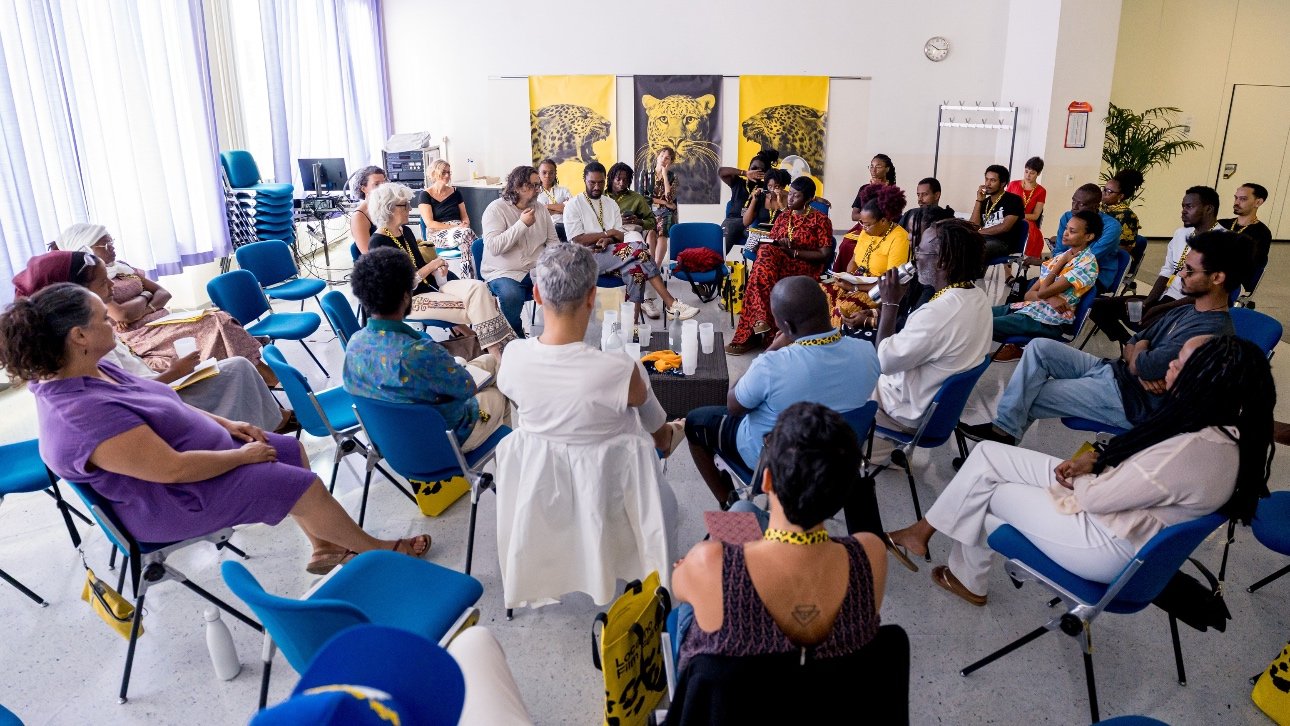
    Open Doors, the Locarno Film Festival‘s co-production platform and talent development program for filmmakers from equity-seeking communities and regions where artistic expression is at risk, is ready for its 2026 edition. It is its second that is putting a spotlight on African cinema.

    The Open Doors Producers program supports producers in their efforts to build sustainable careers and cross-border networks, bringing to the Swiss city six participants. They are Tapiwa Chipfupa of Ambidextrous Pictures in Zimbabwe, an EAVE alumn who recently launched the international training and mentorship program Audiovisual Entrepreneurs Laboratory (AVEL); Adja Mariam Mahre Soro from the Ivory Coast, or Côte d’Ivoire, who leads Studio Kä, an animation studio she founded in Abidjan; Natasha Craveiro from Cabo Verde, whose company Korikaxoru Films produced Omi Nobu, which featured in the Open Doors Screenings at Locarno 2025; veteran Mamounata Nikiema of Pilumpiku Production in Burkina Faso; Nigerian producer David Ikeata of Vox Cinematic Films; and Rua Osman from Sudan, whose Helomur Picture has been behind such festival favorites as Goodbye Julia (Cannes, 2023).

    Yanis Gaye, a French-Senegalese creative producer, co-founder of the boutique production houses Goree Cinema in Senegal and Strange Fruit Production House in France, also co-founded Yetu (Un)Limited, a multi-venture African film studio. At Locarno, he serves as head of studies at Open Doors. And he connected THR with some of the producers attending this year’s edition.

    “It’s interesting because you see a lot of territories represented that you would think have a lot of challenges in terms of infrastructure and local industry itself,” he explained about the Open Door 2026 participants. “But this is where you actually see the resilience and the most innovative models. Because you have to be bold in a way that allows you not just to produce content, but also to shape your own ecosystem.”

    Continued Gaye: “The nature or the profile of the African producer is much closer to an entrepreneur and social entrepreneur. … It’s about working on multiple things at the same time, so usually those producers and their companies tackle many verticals at the same time.”

    Running Aug. 5-10, the Open Doors program offers hands-on training, mentoring and networking, along with public screenings and events during the Locarno Film Festival and its industry arm Locarno Pro. Before they all dive into a busy week in Switzerland, THR talked to Soro from the Ivory Coast, Zimbabwe’s Chipfupa and Craveiro from Cabo Verde about what projects they are currently working on and what they expect from the Open Doors experience in Locarno.

    What’s your hope for the Open Doors experience?

    NATASHA CRAVEIRO I am really, really happy that I will get this opportunity to be in Locarno to meet people, to be in this program that is so very well designed, and they are so attentive to our needs. My expectation is to meet people with whom we can collaborate and who get to know Cape Verde from another point of view that is not the football [FIFA World Cup] point of view. Not that it’s not a good opportunity. People still have the name [of our country] in their heads. It’s a good opportunity to say, yes, we have football, but we do have cinema too.

    TAPIWA CHIPFUPA Like Natasha, I am extremely excited. The online program has been really awesome for me already. It has been curated for me or around me. So, I already have so much that I’ve learned. I’ve gotten to know the other producers a little bit, so I’m really excited to actually see them face-to-face and to have more discussions. The program they’ve outlined to us for Locarno looks so exciting. I feel that if we apply ourselves, we’ll be able to develop it into something so much bigger. So, I’m feeling really privileged.

    Tapiwa Chipfupa of Ambidextrous Pictures in Zimbabwe

    Courtesy of Locarno Open Doors

    ADJA MARIAM MAHRE SORO I’m also very happy to be part of this program and to be selected. We do animation, which is not necessarily the kind of work and projects for which they used to have producers in Open Doors. I was curious to see how our reality can fit with the program, and online, it was already very, very interesting. So I look [forwward to] Locarno and will just follow the flow, meet new people, make good experiences and enjoy the moments.

    Are you bringing specific projects to Locarno?

    SORO I am coming with a young adult animated series. That is not something that we used to have coming from Africa for a global audience, with taekwondo and murder and many things in it. So I’m curious to see how the the producers at Locarno who focus more on feature films see this kind of opportunity.

    CRAVEIRO I’m also coming with projects, two hybrid features. And I am looking, of course, for financing, for co-producers. Both are talking a lot about our reality in Cape Verde. One is more related to environmental protection and the worries we have now that we are seeing tourism exploding. We are getting more worried every day. And of course, we are happy for the World Cup, but it’s an extra worry for us because we know we are not even prepared for the numbers of tourism we have already. The other project is about the post-colonial Cape Verde. It’s a country that doesn’t talk about the colonial traumas. And that is sticking with us generation after generation, 50 years after our independence [in 1975 from Portuguese colonial rule].

    Natasha Craveiro of Korikaxoru Films in Cabo Verde

    Courtesy of Locarno Open Doors

    CHIPFUPA I’m coming with a supernatural thriller based in a village. It’s about a young girl who defies the patriarchy and tradition to ultimately become the unlikely savior of the village. I am obviously looking for financing partners, people who are interested in developing a short as a proof of concept. But I’m also in the process of trying to contribute to the local ecosystem here in Zimbabwe, as our industry is still really developing. I’ve been developing some initiatives for which I would really love to find people to partner with. The first one is a producers’ lab that is already supported by Berlinale Talents, and I am looking for ways to continue that and keep that alive. And recently, I started an initiative for young women and girl creatives in the film and art sector. Locarno is an opportunity not just to showcase our films, but to look at how else we can help or we can contribute to the development of the continental sector as well.

    CRAVEIRO We do have these kind of projects too because we are also still struggling to build a healthy ecosystem. We have the Cine Club project because we feel that the audience needs to be educated, and you have to go get them. We have so we have the Cinet Club. Our company also has this academy through which we try to help young people who have an idea to transform it into a project. And we do have this festival that we started last year. So, I’m also looking for partners who are interested and who can help us to take these steps, these baby steps that we need to take.

    Adja Mariam Mahre Soro of Studio Kä in Ivory Coast

    Courtesy of Locarno Open Doors

    SORO In Côte d’Ivoire, until last year, it was a real challenge. There was a real gap between what we know about animation and what our government knew about animation. They had to understand that we need to build an ecosystem to have talents who know how to make animation, we need to have schools, we need to have a real ecosystem. But now they have started to understand it. For example, I have the chance to collaborate with the Ministry of Communication on an animation school pilot for 25 young animators and see how that can be a way to improve our schools that already exist and their curriculum. Last year, we also signed a treaty of co-production with Belgium, and we are also having a conversation with Canada. So there is movement now. We also have an event in November where we invite Japan in Côte d’Ivoire to talk about animation, so there is a real desire to do something in Côte d’Ivoire.

  • Alan Ritchson on What He Learned About Fame From Working With Arnold Schwarzenegger

    Alan Ritchson on What He Learned About Fame From Working With Arnold Schwarzenegger

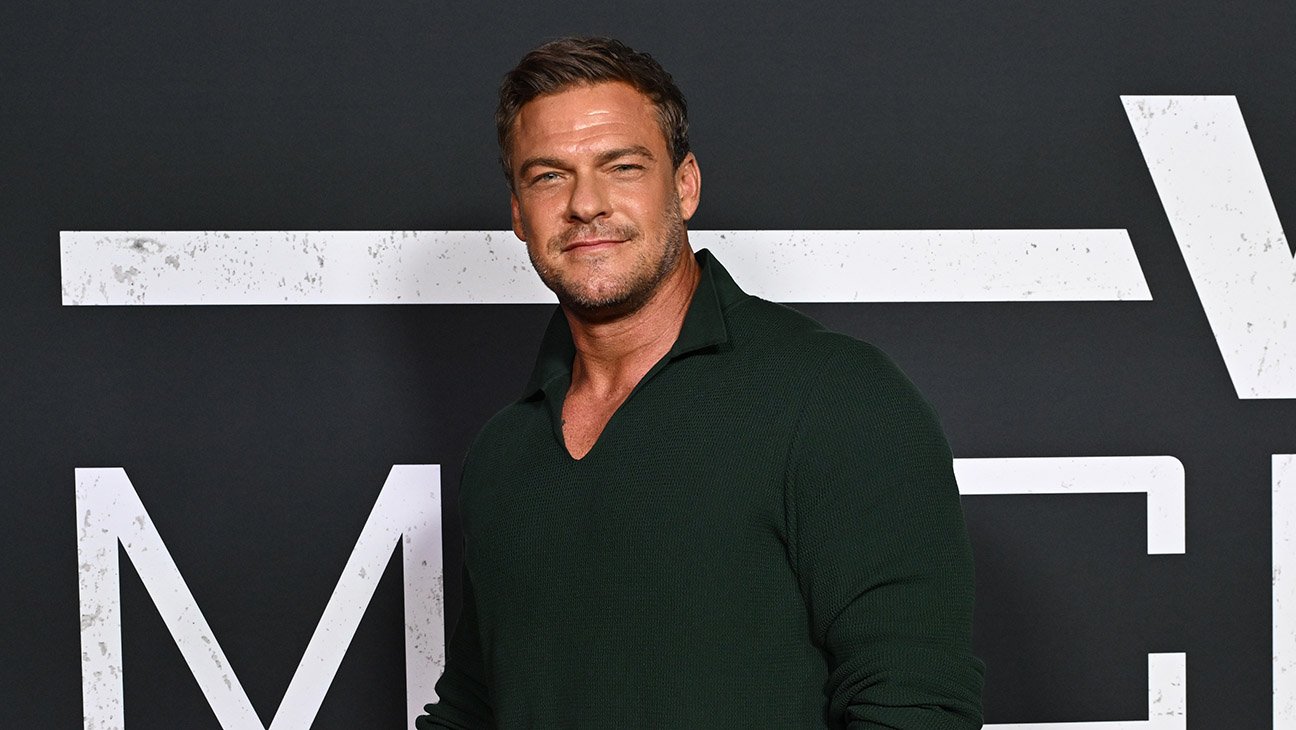
    Alan Ritchson took a break from his Reacher duties to star opposite Arnold Schwarzenegger in the upcoming holiday film The Man With the Bag.

    Directed by Adam Shankman and due to hit Amazon Prime Video on Dec. 2, the family comedy casts Schwarzenegger as Santa Claus who goes on a journey to retrieve his magic bag after its stolen. In order to get it back, he turns to his naughty list on which he finds a former thief, played by Ritchson, who comes along for the expedition.

    After filming with the action icon, Ritchson said he was the one who left with a valuable gift. “It was a treat,” the Reacher star told Dax Shepard and Monica Padman on a recent episode of Armchair Expert. “He taught me a lot about how gratitude should manifest in the life of somebody dealing with fame.”

    Ritchson said he’s transitioning to a part of his life and career where he’s aware of “how present fame is and how toxic and intrusive” it can be, not only for him but his wife, Cat, and their young boys. But he was able to watch how Schwarzenegger moved through the world and dealt with his own fans while on set and off, and that helped him shift his perspective.

    “I worked with Arnold, who deals with this on a degree that I will probably never experience,” he explained. “He’s dealt with it for decades on a degree that I can’t quite understand. He stops for everybody. We would be in the middle of a scene in a diner and people would be banging on the glass because our lockup wasn’t tight enough. They’re like, ‘Oh my God, will you take a picture with us?’ [He says], ‘Oh, be right there. Come outside and take a picture with us.’ He has no problem. He makes time for everybody. And so I look at that and I’m like, ‘Cat, if this is his attitude, I have no excuse.’ … He showed me something really interesting in the way that he approaches life and his lot in life. And I really deeply admire how he treats people.”

    Schwarzenegger and Ritchson filming a scene for Man with the Bag in New York on Jan. 15, 2025.

    Jose Perez/Bauer-Griffin/GC Images/Getty Images

  • Disney+ Sets Release Date for Hit Thriller Series ‘Made in Korea’

    Disney+ Sets Release Date for Hit Thriller Series ‘Made in Korea’

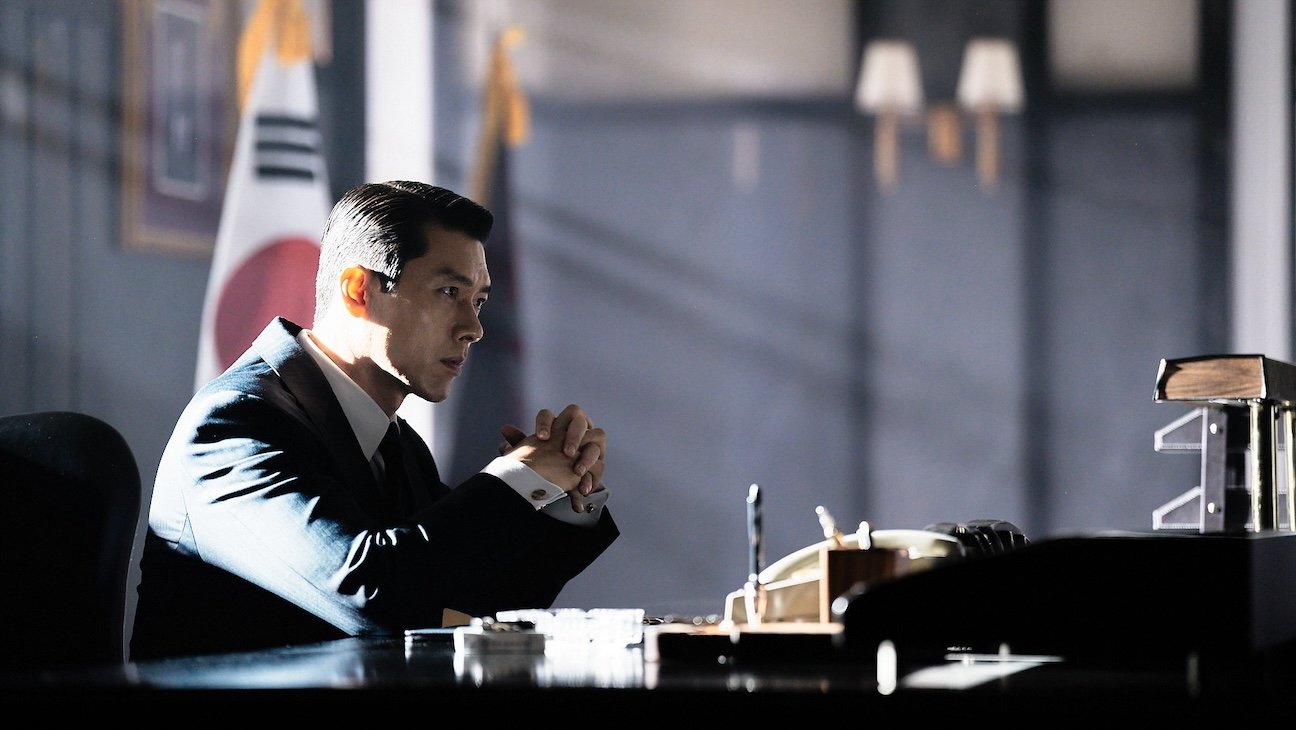
    Hyun Bin and Jung Woo-sung’s hit cat-and-mouse thriller series is entering its endgame. Made in Korea, Disney+’s prestige period crime drama, will return Sept. 9 for a second and final season, with the streamer dropping a teaser trailer for the six-episode conclusion on Tuesday.

    Season two picks up nine years after the first season’s events. Baek Kitae (Hyun Bin), having framed the one prosecutor he couldn’t buy, has risen to deputy director of the KCIA, growing his fortune and expanding his drug operations across the region. But as political turmoil spreads, his old nemesis Jang Geonyoung (Jung Woo-sung) steps out of the shadows to enact a carefully plotted revenge — with both men, as Disney puts it, prepared to “break every rule and cross every line to eliminate the other once and for all.”

    The first season, which premiered in December 2025, introduced Kitae as an ambitious KCIA agent living a double life: government operative by day, smuggler by night, using his illicit empire to consolidate power, protect his brother and enrich the agency — until he collides with a prosecutor who couldn’t be bought or bribed. Disney renewed the show for a second season before the first had even aired, and the series eventually ranked as the most-viewed Korean original premiere of 2025 on Disney+ across Asia-Pacific.

    The new season reunites the same core creative team. Park Eun-kyo, co-writer of Bong Joon Ho’s Mother, again scripted every episode, with filmmaker Woo Min-ho, known for his political thrillers The Man Standing Next and Inside Men, returing to direct. Park is also in business with Disney as the writer of The Koreans, Hulu and Disney+’s high-profile forthcoming local reimagining of FX’s The Americans. Woo Dohwan (Bloodhounds) returns to the series as Kitae’s brother, Baek Kihyun. The series is again produced by local powerhouse Hive Media Corp. 

    The final season opens with two episodes on Sept. 9, followed by two new episodes each Wednesday through the Sept. 23 finale, streaming on Disney+ and Hulu. 

  • ‘Ice Cream Man’ Review: Eli Roth’s Small-Town Horror Flick Is for Diehard Slasher Fans, and Absolutely No One Else

    ‘Ice Cream Man’ Review: Eli Roth’s Small-Town Horror Flick Is for Diehard Slasher Fans, and Absolutely No One Else

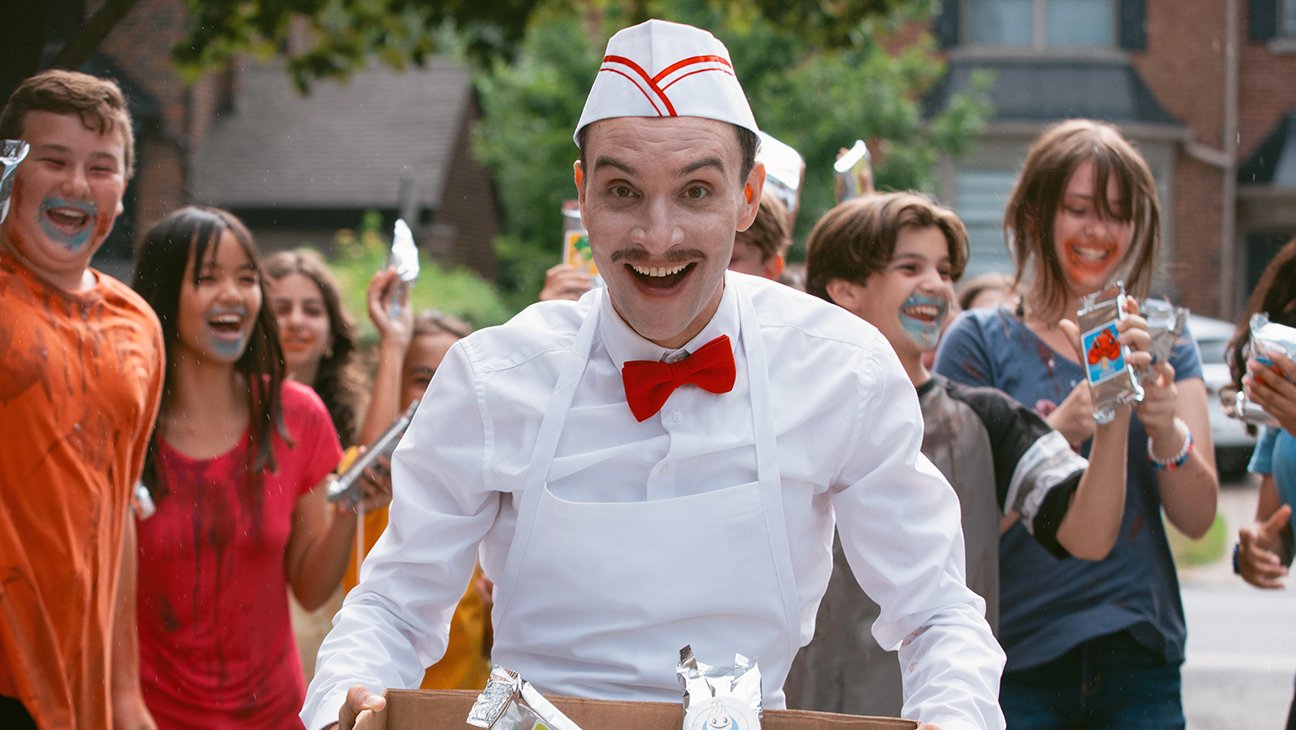
    If you’re looking up the credits for Ice Cream Man on IMDB, you might as well skip past director/co-screenwriter Eli Roth and the extensive cast list. Because the real stars of this ultra-gonzo horror film are the folks in the makeup department, especially prosthetics designers Steve Newburn and Adrien Morot (the latter an Oscar winner for his work on The Whale). Sure, Roth came up with the story and co-wrote the screenplay. But his efforts would have been for naught if you didn’t fully believe the sights of young children dismembering their parents’ bodies or playing games of tetherball and tag with human heads. Not to mention the tug of war using human intestines.

    If all of that sounds like a euphoric cinematic experience, then this the film for you. It’s certainly the film for its auteur, who conceived the idea more than two decades ago and has been trying to make it ever since. Since the major studios passed on his idea about a townful of kids turned into crazed, murderous zombies, Roth formed his own company, The Horror Section, to distribute his labor of love. Not surprisingly, the film is being released unrated.

    Ice Cream Man

    The Bottom Line

    Catnip for gorehounds.

    Release date: Friday, August 7
    Cast: Ari Millen, Benjamin Byron Davis, Eli Roth, Karen Cliche, Dylan Hawco, Sarah Abbott, Shiloh O’Reilly, Kiori Mirza Waldman, Charlie Zeltzer, Charlie Storey
    Director: Eli Roth
    Screenwriters: Eli Roth, Noah Benson

    1 hour 26 minutes

    The film doesn’t feature a particularly complicated scenario. The strange-looking driver of a weirdly decorated ice cream truck driving through the sort of idyllic American small town painted by Norman Rockwell distributes his frozen wares to the local children, and they promptly turn into homicidal little creatures staring blankly into space and sporting severely discolored lips. They go after their adult prey with such demonic enthusiasm it makes you wonder why George Romero never thought of the idea, a sort of “Bugsy Malone of the Living Dead.”

    One hopes Roth has gotten his worst instincts out with this effort, which, considering that it comes from the maker of such films as Cabin Fever, Hostel and Thanksgiving, is saying something.

    The silent, perpetually smiling ice cream truck vendor, played chillingly by Canadian actor Ari Millen (Orphan Black), is certainly a creepy figure who could give Art the Clown in the Terrifier movies a run for his money. Except that the Ice Cream Man is less a psycho killer than an evil enabler, one whose frozen treats turn otherwise normal children into pint-sized killing machines displaying remarkable ingenuity in their methods of slaughter. The Ice Cream Man does pitch in at times, including serving a teacher’s scooped-out brains to him in a cone.

    The little darlings, who include a girl who walks around the neighborhood holding her mother’s severed head like a trophy, display the usual playfulness of summer campers. They also seek to swell their ranks by force-feeding the ice cream to any fellow children who haven’t yet been infected. Their carnage — exemplified in a lengthy, virtuosic sequence in which they attack the adult teachers and employees at their grade school with frenzied abandon — includes the sort of gruesome playground activities involving severed body parts that makes one hope the child actors had recourse to on-set psychiatric counseling.

    There’s a backstory of sorts, told by a local priest (Benjamin Byron Davis) and involving a travesty of justice followed by revenge facilitated by a necromancer. But it almost seems unnecessary, since the film’s true raison d’etre is demonstrating the amazing talents of its prosthetics designers, who have created such a relentless series of horrific bodily images that it’s easy to imagine blood-crazed audiences applauding them like musical numbers. The reliance on practical effects rather than the CGI employed by so many current horror films at least proves refreshing.

    The visuals are also packed with throwaway jokes, including one drive-by decapitation that should be accompanied by a rim shot, and deadpan visual flourishes like a crow pecking out the eyes of a corpse in the foreground of a shot.

    There have been plenty of horror movies involving murderous children over the years, such as Village of the Damned and its sequel and, of course, Children of the Corn. But Roth doesn’t hide his desire to outdo them all with this effort that can only be described as sick and twisted. And I’m sure he’ll take that as a compliment.    

  • Ariana Grande Wants to “Clear the Air” About Upcoming Break From Public Eye: “Not a Reactive or Impulsive Thing”

    Ariana Grande Wants to “Clear the Air” About Upcoming Break From Public Eye: “Not a Reactive or Impulsive Thing”

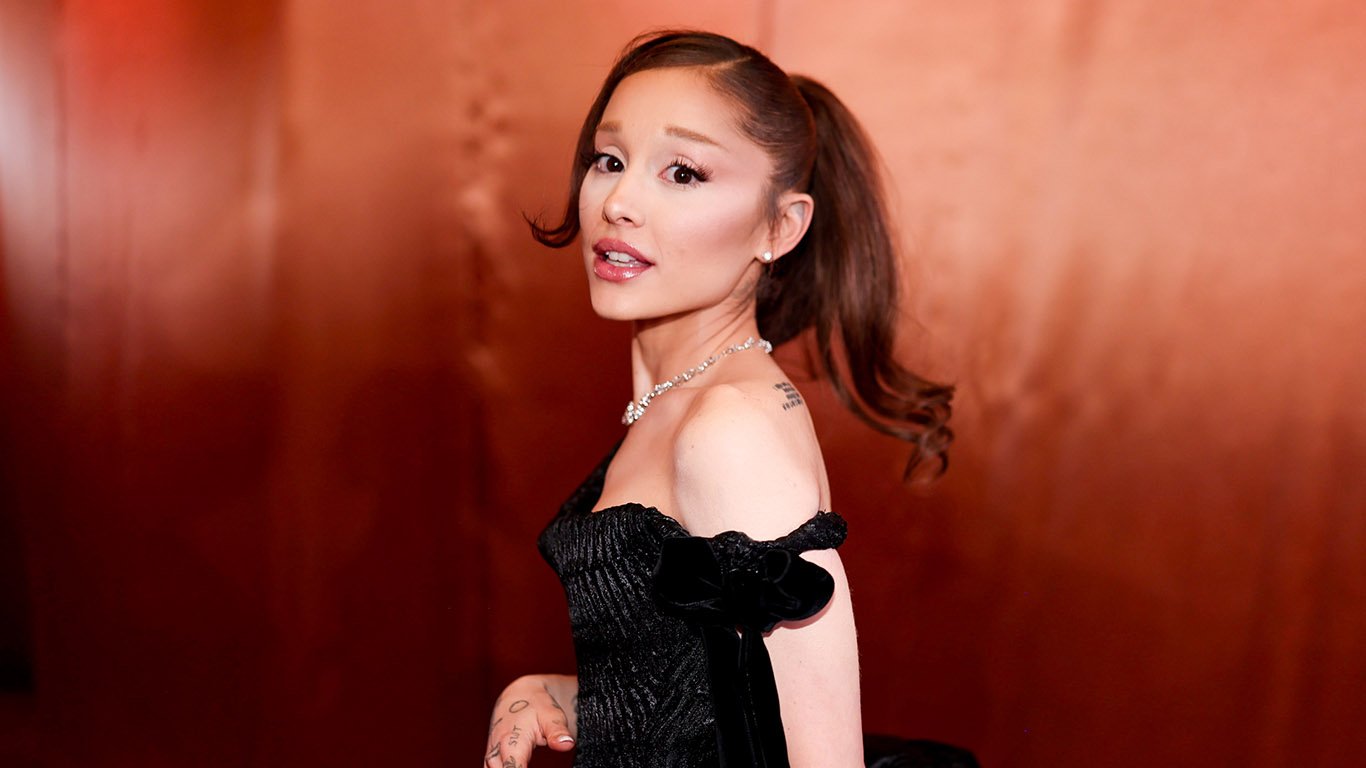
    Ariana Grande is offering some clarifications for her fans after it was revealed on Sunday that she will be “taking a step back from visibility” after her Eternal Sunshine Tour wraps.

    The singer-actress took a moment during her concert on Monday night at the United Center in Chicago to “clear the air about a few things.”

    “Sometimes when a story comes out that’s not directly from me, things can get a little blown out of proportion, so I just wanted to speak to my fans directly tonight because I love you so much,” Grande began, via videos shared on social media. “The announcement that was made yesterday was not a reactive or impulsive thing. It was something that I have decided. A plan that I had quietly made a long time ago. It was a decision that was made from a thoughtful and empowered place. And I want you to know that many things can be true at the same time.”

    “I heard that my fans were worried that negativity was ruining things for me, but I just have to say that could not be more the far opposite. This is not what that is. And I just want to be very, very clear, multiple things can be true at the same time: boundaries need to be set, human beings can need a break sometimes and also, this can be and will continue to be the greatest experience of my professional and creative life,” she continued, drawing loud cheers from the audience. “No matter what noises exist out there, nothing will ever be able to distort my reality or be real to me or louder to me than this love that we share, or even how it feels to make art with the people that I love and respect.”

    “This is what I will always take with me and carry with me, because the rest of that shit is not mine to carry so I don’t carry it. And I wanted you to hear that from me. I needed to get out here and differentiate that from my truth for all of you because I love you and this tour has been the most healing, beautiful, corrective, magnificent, special experience of my life,” Grande concluded.

    The Wicked star’s new comments came a day after her rep told The Hollywood Reporter that she will be stepping back from the public eye after her tour concludes on Sept. 1, following her 10-show residency in London.

    “She looks forward to finishing the tour and ending it on a high note, both healthily and happily, and then taking a much-deserved break from public-facing work and appearances, which has led to endless, ongoing public scrutiny,” the rep added. “This tour has been a beautiful experience for her. She loves her fans and has loved every minute of this tour so much.”

    THR also learned that Grande dropped out of the West End revival of Stephen Sondheim’s Sunday in the Park With George, which is set to open next summer.

    The “petal” singer has had a busy few years, between starring in Wicked: For Good and Wicked, the latter of which earned her an Oscar nomination for her role as Glinda. She’s also released two albums over the last two years, including 2024’s Eternal Sunshine and Petal, which dropped last month. Grande next stars in Focker-in-Law, hitting theaters on Nov. 25.

  • Nordstrom Anniversary Sale Ends Soon — 27 Steals From Hollywood’s Most-Loved Labels

    Nordstrom Anniversary Sale Ends Soon — 27 Steals From Hollywood’s Most-Loved Labels

    If you purchase an independently reviewed product or service through a link on our website, The Hollywood Reporter may receive an affiliate commission.

    From discounted designer gems to the best of premium beauty, summer’s steepest savings are served courtesy of Nordstrom’s Anniversary Sale — but come Monday, Aug. 10, prices will be right back where they began.

    Ahead, 27 of the most sought-after styles for this season and beyond, but for even more tailored recommendations, check out The Hollywood Reporter‘s category-specific shopping guides here:

    Nordstrom Anniversary Sale 2026: Shop 27 Best Deals

    An everyday staple, this limited-edition silhouette is structured with a hint of slouch.

    Smart shoppers know to grab Le Labo’s rarely-discounted fragrances. This set includes Another 13, Rose 31, Santal 33, Thé Matcha and Thé Noir (a personal favorite).

    It always pays to invest in a timeless pair of everyday diamond studs. Price per wear will be minuscule, especially given the 25 discount. These natural diamond earrings are available (and on sale) in a variety of carat weights.

    Or test the waters by getting the look for less.

    We’ve said it before, and we’ll say it again: Diptyque is worth every penny.

    Uggs under $70 are far and few between.

    Give those chunky trainers a break with a streamlined pair of low-profile leather and suede sneakers.

    While Nordstrom’s fashion and beauty deals may first come to mind, homeware is a sleeper hit year after year.

    online trunk show-exclusive

    Features a 0.35ct. lab grown diamond paired with 18k gold vermeil.

    These classic Frye knee highs will serve you from festival season well into fall.

    No explanation needed.

    Test out two of the cult-favorite clean makeup brand’s most-loved shades: blush in shade Petal and highlighter in shade Nectar.

    Another cheek duo for those partial to a liquid formula.

    Discounted in all three colorways.

    Prep for summer showers with Barbour’s water-repellant jacket, available in both olive and black.

    Therabody can do no wrong.

    Transition from chilly summer nights to breezy fall days with Faherty’s trending rugby shirt, available in three striped varieties.

    Also available in pink stripe.

    A summer-friendly alternative.

    Hop on the animal print wave with four patterned variations of the limited-edition Nordstrom x Flabelus collab.

    Nordstrom Credit Card Benefits​ and Sign Up Bonus

    For those considering signing up for Nordstrom’s credit card, now is the most strategic time to do so: Through Aug. 9, new cardmembers will receive $60 off their next purchase. Card members also get automatic Influencer status, which grants early sale access for future events (since the early access window has already concluded for this event). See all benefits and apply for a credit card now at Nordstrom.com.

    Nordstrom Anniversary Sale Dates and Early Access

    While the 2026 Nordstrom Anniversary Sale opened to the general public on Saturday, July 18, rewards members could enjoy early access as soon as Tuesday, July 14. Customers’ access dates depend on their membership tier in The Nordy Club, the retailer’s free-to-join loyalty program. Access dates for the 2026 sale are as follows:

    • Icons: July 14
    • Ambassadors: July 15
    • Influencers: July 16
    • Everyone: July 18

    Influencer status can be achieved either by opening a Nordstrom Credit Card or reaching a purchase balance of $500. Ambassador status is unlocked with a minimum annual spend of $5,000, and Icon status is achieved once reaching a minimum annual spend of $15,000 using your Nordstrom card. The sale ends for everyone on Sunday, Aug. 9.

  • St. Vincent Wraps Orchestra-Backed Tour With Cinematic Hollywood Bowl Show

    St. Vincent Wraps Orchestra-Backed Tour With Cinematic Hollywood Bowl Show

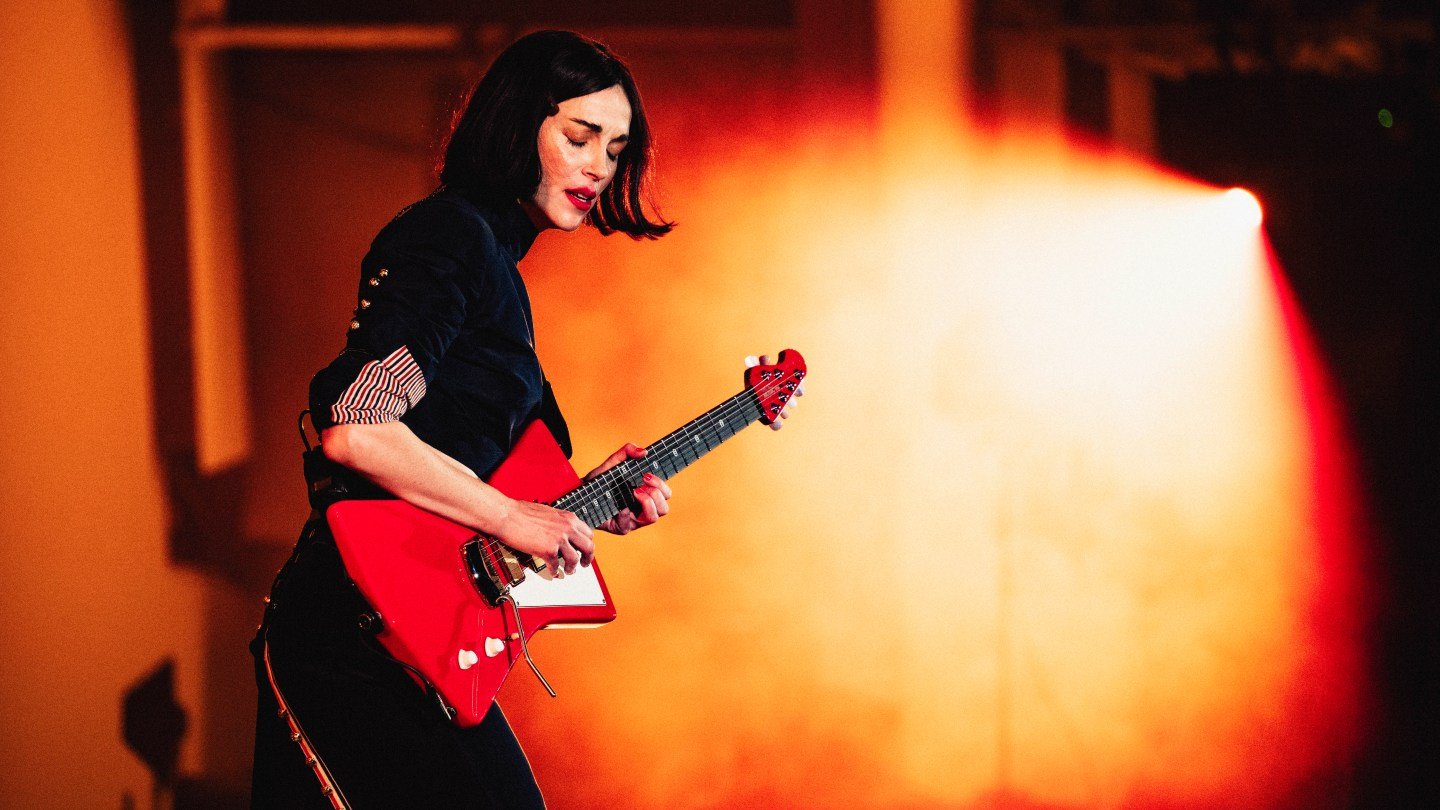
    St. Vincent wrapped up her critically lauded orchestral tour run in her “adopted hometown” of Los Angeles at the Hollywood Bowl Sunday night, enlisting the venue’s famed orchestra to help turn her discography into a full-on theatrical experience.

    The concert marked the culmination of a concept years in the making, starting with when the singer-songwriter — real name Anne Clark — was first invited last year for BBC Proms, where she collaborated with conductor Jules Buckley for a concert at Royal Albert Hall. That resulted in St. Vincent’s latest album, Live in London!, which dropped in March, and a now-completed two-month trek that had her and Buckley playing with local symphony orchestras all over the country from Pittsburgh, Philadelphia, Boston, New York and Detroit, among many more.

    Still, the Hollywood Bowl is the only locale appropriate to wrap up something as cinematic as this, and Clark delivered, bringing an hour-and-a-half set that flew by as she added yet another layer to her already genre-bending mix of art-rock and pop.

    The orchestral accompaniment lends itself well to St. Vincent’s music, adding a certain dramatic flair to an already very visual discography. The strings help bring out the Bond Theme quality of “Violent Times.” “Smoking Section” gets a bit more grandiose and takes on an almost Spaghetti Western vibe, while “Los Ageless” gets scaled back, going much more intimate from its hardened industrial rock, with swelling strings and piano emphasizing the longing in the song’s chorus: “how could anybody have you and lose you and not lose their minds, too?”

    And while an orchestra of dozens of players can make it harder for any one instrument to stand out, it only further emphasized Clark’s inventive guitar work, adding a Zeppelin-esque light and shade quality where her heavily distorted six-string could suddenly cut through the daintier score, only to disappear again as she went back to a verse.

    She emphasized the drama with her own physical performance too. During show opener “We Put a Pearl in the Ground,” she held her arm out, fingers crossed for much of the track. On “Marrow,” she hits the body of her guitar like she’s thumping her chest as she spells “H-E-L-P.” And during “The Bed,” she kept her fingers on the vein on her left arm by the pit of her elbow, as if to check her pulse.

    For an Orchestra-backed show, Clark was never above getting loose. Toward the end of the set during “New York,” Clark had taken to the edge of the stage, walking just above the concert-goers in the pool circle section, grabbing someone’s popcorn and pouring it all over herself. She reached for another before pulling back. “The popcorn bit only works once,” she said, soon after grabbing someone’s glass of wine and splashing that all over her chest and waist as well.

    As she’s done throughout much of the tour, she wrapped up her set with the fitting, string-laden Masseduction standout “Slow Disco.”

    Setlist:
    “We Put a Pearl in the Ground”
    “Hell Is Near”
    “Reckless”
    “Violent Times”
    “Black Rainbow”
    “Marrow”
    “The Bed”
    “Smoking Section”
    “Now, Now”
    “Live in the Dream”
    “The Nowhere Inn”
    “Digital Witness”
    “Los Ageless”
    “New York”
    “Paris Is Burning”

    Encore:
    “Slow Disco”