Tag: HollywoodReporter

  • ‘It Will Happen Tonight’ Review: Italian Auteur Nanni Moretti’s Searing and Sea-Sawing Romance Is Passionate to a Fault

    ‘It Will Happen Tonight’ Review: Italian Auteur Nanni Moretti’s Searing and Sea-Sawing Romance Is Passionate to a Fault

    Did celebrated Italian auteur Nanni Moretti, known at home and abroad for his leftist political satires and introspective human comedies, just make his first straight-up soap opera? The answer is mostly yes, which begs yet another question: Is that actually a good thing?

    With a hefty filmography that includes one Palme d’Or winner, a Silver Lion and a Silver Bear among countless Italian prizes, the 73-year-old director clearly has nothing left to prove when it comes to arthouse cinema, for which he’s been his country’s most consistent commodity since the 1980s. Not unlike Woody Allen, but minus the disastrous personal life, Moretti puts out a new film as often as he can, testing out different genres while maintaining his deadpan humor and personal touch. Not all Moretti movies are created equal — and some deserve more praise, such as his 2011 Vatican dramedy, We Have a Pope — but they’re always made with intelligence and a fair amount of levity undercut by darker currents swirling beneath the surface.

    It Will Happen Tonight

    The Bottom Line

    High-end arthouse soap with a dash of humor.

    Venue: Venice Film Festival (Competition)
    Cast: Louis Garrel, Jasmine Trinca, Hippolyte Girardot, Angela Finocchiaro, Melina Akerman, Elena Lietti, Andrea Lattanzi, Antonio De Matteo, Nanni Moretti
    Director: Nanni Moretti
    Screenwriters: Nanni Moretti, Federica Pontremoli, Valia Santella, based on Hungry Heart by Eshkol Nevo

    1 hour 43 minutes

    That hot and cold, funny and tragic tone is present throughout the early parts of his searing 17-year romance, It Will Happen Tonight (Succederà questa notte), until the film swerves into pure melodrama later on, taking Moretti to places he hasn’t necessarily gone before — except, perhaps, in The Son’s Room, which remains one of his biggest successes to date.

    The sharp and luminous Jasmine Trinca (also headlining Venice competition title The Spiral) made her screen debut in that 2001 movie and is well-served here by a role in which she has to constantly contain her passion for a total stranger, until finally deciding it’s time to go for it. Her paramour is played by hunky French charmer Louis Garrel, who flexes his Italian skills, as well as a handlebar mustache that makes him look like a forgotten member of the Red Brigades, as a man so smitten with an unknown woman that he never forgets her despite all the time gone by.

    Is the film often cheesy and a tad ridiculous? Certo. But it’s also rather watchable if you accept its mass of coincidences, hopping as easily as an Alitalia frequent flyer to multiple destinations (Rome, Oslo, Turino, San Sebastian and Mumbai) and spanning several decades to tell the tale of two lovers who keep serendipitously crossing paths. As the years go by, babies are born, parents get sick and die, careers are started then ended, wives and husbands are thwarted, and, eventually, sheets are strewn and booties are tapped. Despite some questionable hair styles, Trinca and Garrel remain agelessly attractive throughout all of this, proving that their characters’ undying love, whether unrequited or not, is all they ever needed.

    Adapted by Moretti, Federica Pontremoli and Valia Santella from the stories of Israeli writer Eshkol Nevo, the script requires a sizeable leap of faith from the get-go, although the director sprinkles early scenes with just enough humor to make the medicine go down.

    We are simultaneously introduced to Matteo (Garrel) and Greta (Trinca), two 20-somethings undergoing major romantic crises in two parts of the globe. The former just had a kid in Oslo with his younger Norwegian girlfriend (Melina Akerman), who abandons them when Matteo decides to move back to Rome to spend more time with his domineering Italian mother (Angela Finocchiaro). Greta, meanwhile, is living in India when her expat boyfriend proposes to her out of the blue, making her question whether she wants a marriage and prompting her to ask her father (Moretti, providing most of the movie’s laughs) to swoop in and act as a sounding board.

    The film then skips ahead to seven years later: Matteo is out playing tennis in Rome with his brother and, what do you know, Greta just happens to be getting married to a new man (Antonio De Matteo) in the garden right next door. She strolls onto the court in her wedding dress for a quick game with Matteo, who falls head over heels for her but is unable to jump in like Dustin Hoffmann in The Graduate to break up the ceremony. Did I say this film is corny?

    Several more improbable twists occur over the next decade, throwing Matteo and Greta into each other’s paths until they can no longer quell their burning mutual attraction. Before that happens, the film takes a long detour to focus on Matteo’s relationship with his cancer-stricken French father (Hippolyte Girardot), who’s dying wish is to attend a Bruce Springsteen concert. Off they go to Spain, where Matteo somehow runs into Greta a second time, then heads over to see The Boss with his dad, prompting a teary-eyed singalong of “Hungry Heart” (also the title of Nevo’s short story collection) before the inevitable death scene that follows.

    Moments like these can definitely be a bit overwrought (and humor-wise, Moretti should probably refrain from the Viagra jokes), but they’re also handled with a fair amount of tongue-in-cheek tact despite the unbelievable circumstances. The director has always excelled at shifting moods from light to dark and back again — his most beloved work, Caro Diaro, is all about that — and It Will Happen Tonight benefits from that tone until the gloves finally come off along with all the clothes, and the movie starts laying on the sauce too thickly.

    By then, Greta and Matteo have been through a lot — there’s a whole subplot involving Greta’s depressed teenage daughter (Elisabetta Traversa), but it feels too sketched out to carry weight — and this in part explains why they’ve never been available for each other, even if they’ve clearly had a few too many chances over the years. The gloomy reality of not getting what you want, because life keeps getting in the way, is the main ingredient that holds this otherwise tawdry romance together, though not entirely.

  • Robert Pattinson’s ‘Primetime’ Unveiled at Venice Film Festival to Nearly 8-Minute Standing Ovation

    Robert Pattinson’s ‘Primetime’ Unveiled at Venice Film Festival to Nearly 8-Minute Standing Ovation

    You see how this looks, right? Now we do.

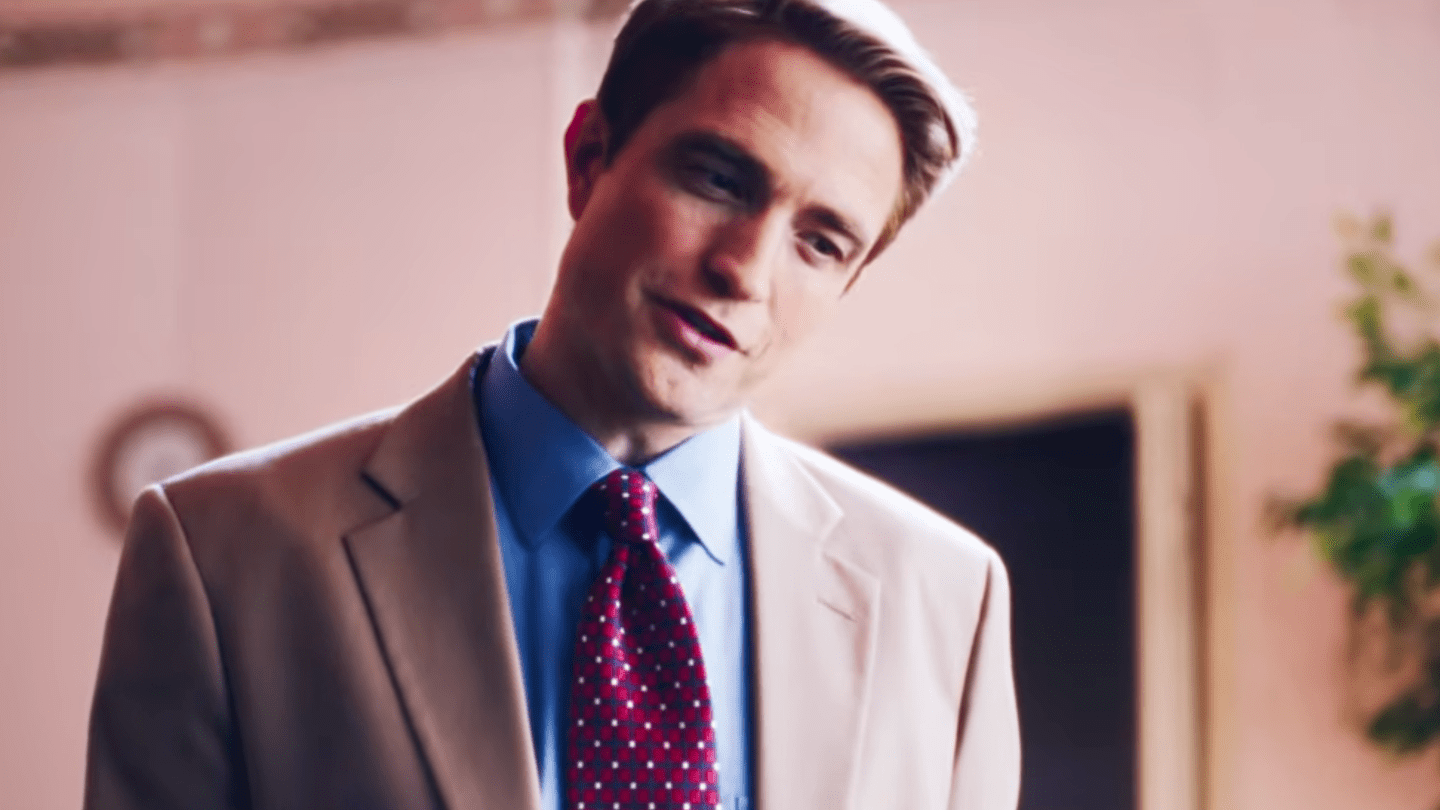
    Lance Oppenheim‘s Primetime hit the big screen inside Sala Grande Saturday for a much anticipated world premiere at the Venice Film Festival. The A24 pic casts Robert Pattinson as To Catch a Predator host Chris Hansen — who repeatedly uttered that phrase to alleged pedophiles after they were confronted by camera crews — and the audience caught what they put down and responded with a nearly eight-minute electric standing ovation.

    It was a packed house inside the theater with the entire cast joining Oppenheim and Pattinson as well as some notable Hollywood auteurs and stars. A few rows back behind the film’s creative team were Ari Aster, Chloe Zhao, Mona Fastvold and Amanda Seyfried (who snuck in after the lights went down before the premiere) and others. At one point, Aster was among a group of attendees that began chanting “Lance! Lance! Lance! Lance!” in honor of Oppenheim.

    Shortly before that, Pattinson turned to around to greet his partner, Suki Waterhouse, with a kiss after she had been cheering enthusiastically for the film. Spotted capturing the scene on his iPhone was Jeff Zucker, the former NBC chief who plays himself in the film and hit the Lido in support of Primetime as he oversaw the run of To Catch a Predator as a Dateline franchise.

    Oppenheim’s film was among the most sought after tickets of the first weekend at this year’s festival. In his official director’s statement for Venice, the filmmaker, whose previous works include the series Ren Faire and films Spermworld and Some Kind of Heaven, said he set out to make “an institutional portrait of To Catch a Predator at the height of its success.”

    He added: “I wanted to trace the disparate ambitions of people who existed inside this apparatus — a journalistic crusader, a mercenary TV producer and a wide-eyed Hollywood dreamer — converging into a moment of crisis. And I liked the idea of revisiting the media culture of the early 2000s, before the news landscape fractured, when a “primetime” slot felt like a matter of life or death. For some, it was.

    In doing so, he drafted a cast to star opposite Pattinson that included Merritt Wever, Skyler Gisondo, Phoebe Bridgers and Bokeem Woodbine. Fun fact: Oppenheim also directed Bridgers’ recently released music video “Lost Boys,” the lead single off her new album Lost Weekend. During the film’s standing ovation, after the aforementioned group shouted “Lance!” they turned their attention to Bridgers with “Phoebe! Phoebe! Phoebe!”

    The Hollywood Reporter’s David Canfield broke the first interview with the film’s creative team. Primetime is loosely adapted by first-time screenwriter Ajon Singh from an Esquire article by Luke Dittrich, and it dramatizes the darkest year in Hansen’s tenure on To Catch a Predator.

    “I always loved the way To Catch a Predator mixed truth and fiction — creating this apparatus, blending artifice actors with fake decoy houses and props like the sweet tea and the pepperoni pizza, that would then collide with very, very real stakes,” Oppenheim told Canfield. “How do you create something that captures the darkest feelings of humanity mixed with the feeling you would get when you’d hear Chris Hansen say one of his all-time great one-liners?”

    Primetime marks Pattinson’s first producing credit, and in an interview with THR, he said it marked the first time he boarded a project pre-director through release. And he dove deep into the research to create his version of the investigative journalist/entertainment news host.

    “I watched a ton of the show, every episode of his podcast, every interview I could find,” Pattinson explained. “But I knew from the first read of the script that the character in the movie was going to be a conceptual figure based on the public persona of ‘Chris Hansen’ as he’s been portrayed and perceived across all mediums and internet culture — a reconfigured egregore of sorts.”

    Hansen was not involved in making the movie, and he said he declined an invitation to see it because he was asked to sign an NDA. As reported by THR’s Seth Abramovitch, Hansen purchased pre-show advertising on every screen showing the A24 release, as a way to promote TruBlu, his streaming network devoted to the same kind of predator investigations.

    During Saturday afternoon’s press conference, Pattinson said that despite Hansen’s objections, “Obviously, I hope he likes the movie.”

    The 83rd edition of the Venice Film Festival concludes with an awards ceremony on Sept. 12.

  • Victor Miller, ‘Friday the 13th’ Screenwriter, Dies at 86

    Victor Miller, ‘Friday the 13th’ Screenwriter, Dies at 86

    Victor Miller, the screenwriter behind Friday the 13th, has died. He was 86.

    Miller died Monday, his son, Ian, announced in a post on Instagram. No cause of death was made immediately available.

    “Yesterday my father, Victor Miller, went to his final reward. He was almost always the smartest, funniest person in whatever room he was in. He inspired in me, and many others, a love of photography, music, and storytelling,” he wrote. “He had a helluva run and will be missed dearly.”

    Miller’s son added that a celebration of life will be held in November, “on Friday the 13th, of course.”

    He penned the script for Sean S. Cunningham’s beloved 1980 horror classic alongside Ron Kurz. The first film paved the way for a number of sequels, though Miller only served as the screenwriter for the original. He also worked with Cunningham again on 1982’s A Stranger Is Watching, and lent his talents to a myriad of television shows.

    Some of the TV projects Miller wrote for include One Life to Live, Another World, Guiding Light, General Hospital and All My Children.

    “Visionary screenwriter Victor Miller unequivocally etched his name in the classic horror film genre pantheon by penning the original script for the first Friday the 13th film,” Professor Rel Dowdell, director of film studies at Hampton University, said in a statement shared with The Hollywood Reporter. “The screenplay, along with the film’s taut direction and production, launched one of the most famed and enduring franchises in history for over four decades.”

    Miller is survived by his wife, two sons and his grandson.

  • ‘The Idiot(s)’ Review: Aimee Lou Wood and Johnny Flynn Sparkle in a Playful, Indulgent Tribute to Fyodor Dostoevsky’s Underappreciated Wife

    ‘The Idiot(s)’ Review: Aimee Lou Wood and Johnny Flynn Sparkle in a Playful, Indulgent Tribute to Fyodor Dostoevsky’s Underappreciated Wife

    As she finishes transcribing what will become one of her husband’s most enduring masterpieces, Anna Dostoevskaya (Aimee Lou Wood) cannot contain her excitement: “This is our best novel yet!” She quickly corrects herself, of course — “I mean, your best novel” — but by then, we understand she had it right the first time.

    Sure, those might be Fyodor’s words on the page, and his name on the cover. But as Malgorzata Szumowska and Michal Englert’s shrewd, playful The Idiot(s) reminds us, not even singular geniuses really do it all alone. If the film ultimately overstays its welcome, it’s hard to fault it for wanting to let this unsung companion luxuriate, for once, in the spotlight.

    The Idiot(s)

    The Bottom Line

    Sharp and fun, even if it overstays its welcome.

    Venue: Telluride Film Festival
    Cast: Aimee Lou Wood, Johnny Flynn, Vicky Krieps, Christian Freidel
    Directors: Malgorzata Szumowska, Michal Englert
    Screenwriters: Malgorzata Szumowska, Michal Englert, Kasper Bajon, Brid Arnstein

    2 hours

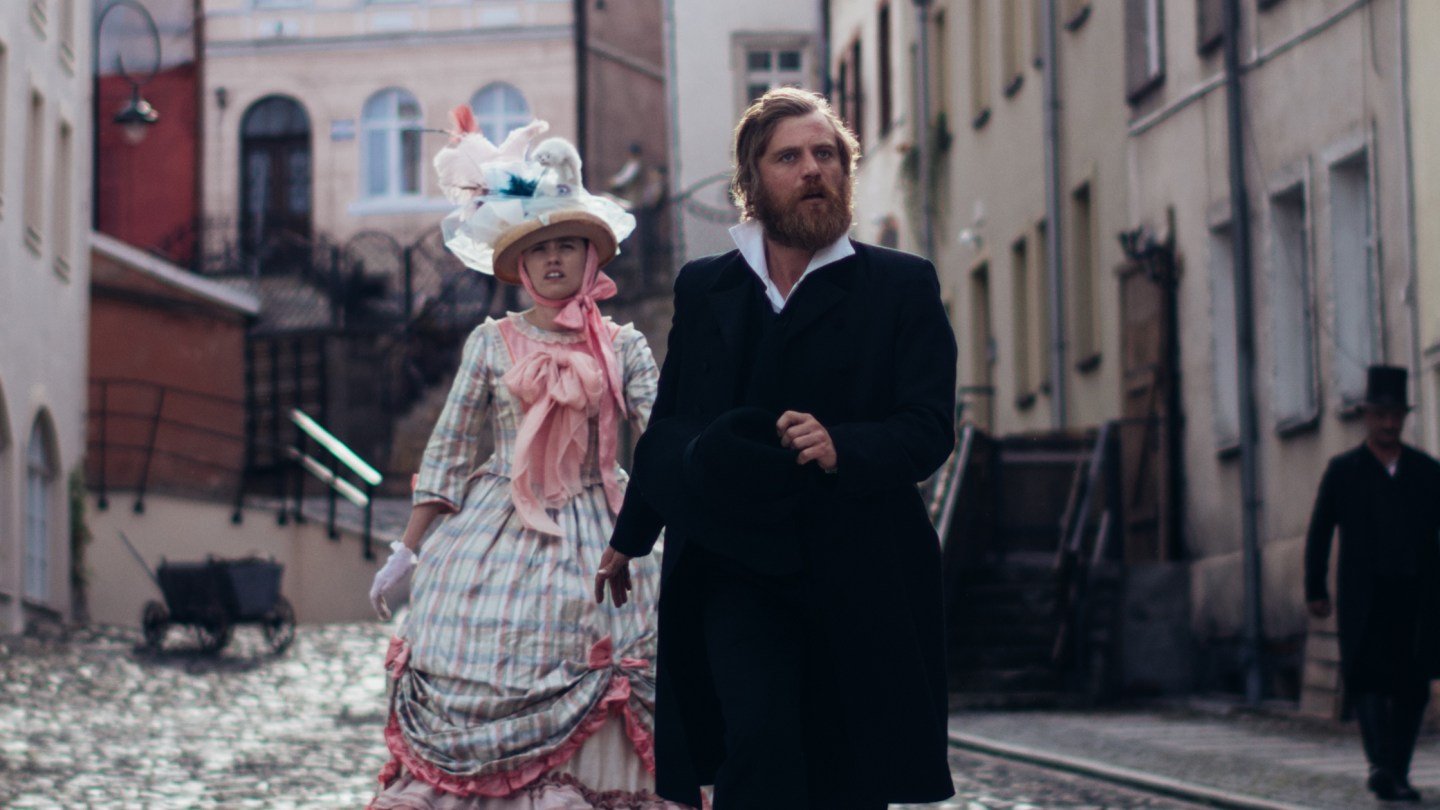
    As Anna, Wood projects both unpolished brightness and an impressive force of will; it’s a mesmerizing combination that keeps the character from ever feeling like a mere victim of her circumstances, even as her life takes the harsh turns of, well, a Russian novel. If anything, the character’s initial introduction calls to mind Wood’s earlier breakout role on The White Lotus. Here as there, she’s the sweetly enthusiastic romantic partner to a grumpy older dude who seems determined to hate the new country they’re visiting from the moment he sets foot on it.

    It’s just that in this case, her S.O. is not some revenge-driven man of mystery but a writer drowning in debt and stymied by writer’s block. But The Idiot(s) makes clear right away that it isn’t interested in the usual serious biopic clichés about serious men doing serious things. This Fyodor, played by Johnny Flynn as a comically exasperating combination of buffoonish confidence, abject self-pity and childish petulance, is first seen glowering at a woman peeling hard-boiled eggs on the train, a fantastically overwrought classical soundtrack underlining the unreasonable intensity of his moods.

    He says things like “Tolstoy’s gonna shit himself” (of the novel he, Fyodor, is definitely for sure gonna start writing any day now) and “Kick me in the face” (to Anna, as part of a kinky foot-fetish debasement ritual). It’s not that the filmmakers doubt his talent as an author — the caption to that aforementioned opener, “9 a.m., the last days of November, during the thaw,” is the first of multiple affectionate nods to Dostoevsky’s The Idiot — so much as they recognize that reverence for a person’s work need not necessarily translate to admiration for his personality.

    The couple have arrived in Germany ostensibly so Fyodor can work on his next project. The creatively tortured, easily distracted Fyodor, quicky sets about doing anything but. When he’s not out partying with the very upper-crust literati he claims to disdain, including rival scribe Ivan Turgenev (Christian Friedel) and his coquettish girlfriend (Vicky Krieps, alluring but underused), he’s blowing all his money at the roulette table. When he is at home, he oscillates between drunken glee and utter despair. Whenever Anna sneaks a peek at his notebooks, she finds either blank pages or doodles of naked women, not a word of The Idiot in sight.

    It would all be very depressing for poor Anna, were it not for the fact that The Idiot(s) does its best to keep the phrase “poor Anna” from entering your mind for as long as it can. For one thing, the film is too busy having fun to let itself stew in misery. It’s stuffed with mischievous anachronisms like a 19th-century performance of “Take On Me,” the A-Ha hit whose pleading lyrics could double Fyodor’s entreaty to a fed-up Anna. And it delights in outrageous rococo details, like a restaurant dessert that’s essentially chocolate mousse being squeezed out the anus of a porcelain dog.

    More crucially, the screenplay, by Szumowska, Englert, Kasper Bajon and Brid Arnstein, paints Anna not as some passive observer to Fyodor’s bad behavior but an active (albeit only fitfully successful) guardrail against it. As her husband gives himself over to his worst impulses, it’s Anna who nudges him to work, who tries to get the bills paid, who even, as things get dire, secretly writes and submits pages on his behalf to mollify his angry publisher. While Anna may not always be in control of her own fate, there’s never any doubt she’s in possession of her own agency.

    True, she’s making the choices she does in part because she has few others: Living in a foreign land without even enough cash for a train ticket home, Anna would have a tough time leaving Fyodor even if she’d wanted to. But, The Idiot(s) makes it clear, she doesn’t especially want to.

    Anna loves Fyodor truly and stubbornly, and he loves her back in his own inconsistent and imperfect way. Key to the film’s portrait of their marriage is the frisky chemistry that courses between them when they’re holding hands in bed or engaging in silly dirty talk about hard-boiled eggs. For all the relationship’s intolerable flaws and harrowing lows, it’s not without true affection.

    Anna’s indulgence for his antics is another thing, however. As the situation deteriorates to the point that Anna’s pawning off her chamber pots and eating scraps off the streets, it becomes harder and harder for us as viewers to forgive his sins. Perhaps that’s why The Idiot(s) gives over large chunks of its bleaker second half to absurd dream sequences.

    But arriving as they do in the umpteenth iteration of the same repetitive cycle (Fyodor losing his money, begging Anna for more, losing it all again and then some), these sequences land not only as unnecessary drags on an already puffy run time but as an uncharacteristic failure of confidence. We don’t require a clip of Fyodor fleeing from a boulder-sized roulette ball to tell us he’s being crushed by his gambling addiction when we’ve already seen that he is; we don’t need to see him plead against charges of chauvinism before a guillotine when we know exactly how poorly he treats Anna.

    Then again, if the clunky pacing of the film’s latter chapters remind us of anything, it’s how long Anna toiled to help bring The Idiot into the world. Compared to all those long years, what’s a few extra minutes of sitting and watching her struggles on a screen? “Every Russian writer should have a wife like you,” Ivan marvels at one point, moved by Anna’s strenuous efforts to help her ungrateful and oblivious husband. What The Idiot(s) impishly suggests, by demonstrating all the invisible but essential labor Anna’s poured into his books, is that a lot of them probably already did.

  • ‘Elsinore’ Review: Andrew Scott Is Shattering as British Actor Ian Charleson, Throwing Himself Into Playing Hamlet While Succumbing to AIDS

    ‘Elsinore’ Review: Andrew Scott Is Shattering as British Actor Ian Charleson, Throwing Himself Into Playing Hamlet While Succumbing to AIDS

    The late British stage and screen actor Ian Charleson, who died of AIDS-related causes in 1990 at age 40, is mostly remembered for his role in the 1981 Oscar winner Chariots of Fire. That inescapable attachment haunts Charleson, played with raw determination, grace and an almost overwhelming depth of feeling by Andrew Scott in Elsinore, a tremendously moving account of the final year in the Scottish actor’s life. When his agent reminds him that he starred in one of the most celebrated films of all time, Charleson shoots back: “And all anybody can remember about it is the theme music.” 

    Scott’s searing dual performance — as Charleson and as Hamlet in a National Theatre production that became both the ultimate challenge and fulfillment of his professional career — makes Simon Stone’s film an emotional powerhouse even if it doesn’t avoid inspirational cliché. But it’s a vivid picture of London at the height of the AIDS crisis and a stirring gesture of gratitude to art, specifically theater, as a lifeline even when death looms large.

    Elsinore

    The Bottom Line

    A hymn to the theater powered by a towering lead turn.

    Venue: Telluride Film Festival
    Release date: Friday, Nov. 20
    Cast: Andrew Scott, Olivia Colman, Billie Piper, Johnny Flynn, Luke Thompson, David Dawson, Matthew Beard, Joe Locke, Monica Dolan, Georgie Glen, Sadie Soverall, Juliet Stevenson, Peter Mullan
    Director: Simon Stone
    Screenwriter: Stephen Beresford

    1 hour 51 minutes

    While Charleson’s heroic run of 24 performances in the title role of Hamlet is as much a part of London theater lore as the abrupt exit from Richard Eyre’s 1989 production of Daniel Day-Lewis, it will be less familiar to audiences farther afield.

    The script by Stephen Beresford (Pride) lives and breathes the stage community and its cozy familial camaraderie, from actors and directors to wardrobe, makeup and tech personnel. The bustle of theater luvvies all fondly addressing one another as “darling” will be especially amusing for audiences with any exposure to that world.

    As a film about a painful chapter in queer history, it mines considerable humor from the extent to which gay slang seeps into the entire milieu, regardless of sexuality.

    One hilarious example is Monica Dolan, marvelous as Linda Tolhurst, the National’s stage door supervisor for 50 years and counting. Charleson was already chummy with the building’s fixtures after playing Sky Masterson in the company’s smash 1982 Guys and Dolls revival; when he arrives for the first table read after being cast to replace Day-Lewis as Hamlet, Linda greets him dryly with, “’Ere she is, Takeover Tina!”

    While Charleson initially established himself as a stage actor, his primary international recognition came from back-to-back best picture Oscar winners Chariots of Fire and Gandhi. But despite working steadily, he struggled to keep the momentum of a screen career going. Growing tired of all the waiting around on film shoots for mostly unrewarding projects, Charleson became anxious to get back to the theater, especially given the ticking clock of his HIV+ diagnosis.

    Stone’s film shows the confusion of backstage workers and fellow cast when Day-Lewis collapses and then walks offstage during the Act I scene on the castle ramparts in which Hamlet encounters his father’s ghost. While the screenplay doesn’t go into the then-rising star’s reasons for abandoning the production, it’s no secret that Day-Lewis was unsettled by a connection to his own father’s absence, even if his exit was widely attributed to exhaustion. 

    That footnote in London theater history creates an opportunity for Charleson, who previously played Hamlet though believed he was neither famous nor posh enough ever to land the role at the National. When he is approached by Eyre — identified only as Richard (Johnny Flynn) — who had directed him in Guys and Dolls, Ian feels duty-bound to inform him of his medical condition. 

    The first appearance of a lesion on his forehead — after inspecting every inch of his body with a hand mirror each day — marked Ian’s progression to full-blown AIDS. Richard automatically assumes he will be unable to take on the demanding role, but Ian’s passion and drive convince him, with both men agreeing to keep his illness quiet. 

    A lovely scene on cruisy Hampstead Heath takes creative license with the formation of the London chapter of the Sisters of Perpetual Indulgence, drag nuns advocating for AIDS awareness and safer sex practices. (In reality, that group didn’t appear in the British capital until the early ‘90s.) Ian asks Sister Frigidity of the Nocturnal Emission (Kadiff Kirwan) how long he has left, prompting the veiled activist to summon a young man from elsewhere in the park, still alive two years after his first lesion appeared. 

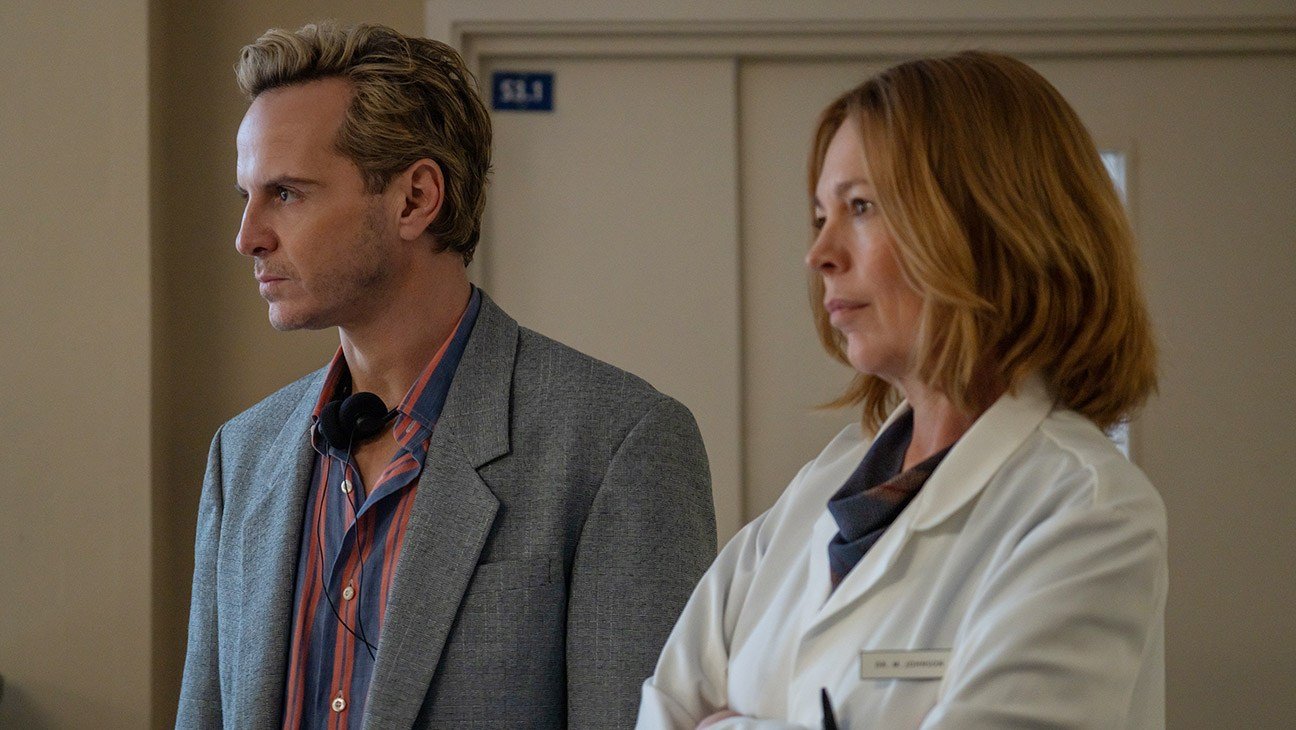
    Instantly recognizing the mark on Charleson’s face for what it is, the National’s wardrobe master (Paul Chahidi) sends him to see Dr. Margaret Johnson (Olivia Colman), a U.K. pioneer of HIV and AIDS treatment. Colman is in blazing form, her clipped manner contrasting with the medic’s self-evident compassion. Instructing Ian to start coming for daily clinic checkups, she makes no effort to hide her anger that the actor is increasing his risk of decline by placing himself in a high-pressure situation. Developments with the terse character later in the film are profoundly affecting.

    Scenes at the clinic, where gay men constantly encounter friends and ex-lovers receiving treatment at various stages of the illness, are a sharp evocation of a time when the proliferation of men looking suddenly gaunt and weak sparked terror in the entire queer community.

    Charleson’s vibrantly drawn inner circle of friends is led by his bestie, casting director Patsy Pollock (Billie Piper), her daughter Alice (Sadie Soverall) and his constant companion Sean (Matthew Beard). The latter is identified, like Eyre, only by his first name, but the character is based on Sean Mathias, who directed Charleson that year in an all-star benefit performance of Martin Sherman’s play Bent, about pink-triangle persecution in Nazi Germany.

    One of the most fascinating insights into queer history comes with the appearances of iconoclastic director Derek Jarman (David Dawson), a friend for whom Charleson had played a punk angel in 1978’s Jubilee. As his own illness progresses, Derek urges Ian to go public about his health, to help destigmatize AIDS and hammer home the reality of the plague for Brits outside of LGBTQ circles. 

    This brings up the conflicts for gay actors at the time who felt the need to keep their sexuality hidden for fear of career damage. “You have a responsibility to the dead, to the dying,” Derek tells him. Reflecting on his choice to stay silent (until after his death) Ian says, “Of course, in the theater no one gives a fuck.” But there was more at stake back then — and still to some extent now — for actors seeking on-camera work.

    For anyone who recalls Jarman’s seismic influence on queer cinema with uncompromising films like Sebastiane, The Angelic Conversation, Caravaggio and Edward II, hearing the director say “Ian, remember me” with the knowledge that any encounter could be their last cuts deep. The same goes for Charleson visiting him at the fisherman’s cottage in coastal Dungeness where he lived at the time, when Jarman tells him that he’s going blind. His loss of vision shaped his experimental swan-song feature, 1993’s Blue.

    If all this makes Elsinore sound like a film primarily for a niche audience of queer historians, that’s not the case. As Charleson digs into Hamlet rehearsals, insisting on working late even when he’s physically diminished, Scott conveys the actor’s dedication to his craft with both self-sacrifice and hubris. As Richard says of the play: “It’s about being alive and becoming dead.” 

    While Stone is not always the most subtle of directors and Beresford’s dialogue often doesn’t tread lightly, a scene in which Ian gathers the entire cast to give an honest account of his condition — after being forced into a hiatus when he is hospitalized during previews — is as heartwarming as it is wrenching. But it’s in the performance scenes that Scott truly elevates the material, drawing on intersections between the Shakespearean role and Ian’s own thoughts of mortality.

    Many audiences will be wrecked by pretty much the entire second half of the movie, the final scenes in particular, in which editor Valerio Bonelli crosscuts between the stage performance and Ian’s bedroom at home, where he is fading fast, comforted by Patsy. When Laertes tells the wounded prince at the end of the Act 5 sword fight, “Hamlet, thou art slain,” I was a mess.

    While the fire at the core of the film is all Scott, in a physical, psychological and emotional performance that leaves nothing on the table, there’s gorgeous work throughout the ensemble. Colman superbly nails the seeming contradiction between professional medical detachment and humaneness. Piper — whom Stone directed on stage to huge acclaim on both sides of the Atlantic in his adaptation of Lorca’s Yerma — embodies the cherished female friend who is a sustaining force in the lives of so many gay men. And an unrecognizable Flynn makes Eyre a shining example of the director as nurturer and protector. 

    There are standout moments for Luke Thompson as Georgie, a composite character representing Ian’s past relationships; Juliet Stevenson as Sylvia Sims, portrayed as a grand dame of British thespianism while playing Gertrude in the National production; Beard as a friend whose selfless devotion to Ian’s care is on par with Patsy’s; and Heartstopper’s Joe Locke as an admiring young actor hungry for mentorship, befriended by Ian at the clinic. 

    The most devastating scenes for many will be those with Ian’s parents, Jean (Georgie Glen) and Jack (Peter Mullan), working-class Scots confronted with the double whammy that their son is not only gay but dying, a confessional ordeal common to many AIDS patients at the time. Both actors are wonderful, with Jean’s anguish immediately apparent and Jack’s sputtering to the surface in a delayed reaction in the hospital car park.

    It’s a nice touch that one of Charleson’s surviving Chariots of Fire castmates, Nigel Havers, pops up as an AIDS clinic donor, alongside Ian’s close friend and University of Edinburgh classmate, fellow actor Hilton McRae. The latter is the longtime husband of Lindsay Duncan, Charleson’s co-star in a landmark 1988 National Theatre production of Cat on a Hot Tin Roof. There’s a nice “friends and family” aspect to these and other connections.

    Whatever weaknesses there are in the direction and script, the film makes enormous gains in intimacy and authenticity by eliminating any of the barriers of outsider observation. The full-throated investment in the parallel queer, theatrical, medical and outpatient communities is unquestionably personal. 

    Stone relies more than necessary on Stefan Gregory’s lush orchestral score to push emotional buttons. But the strategic use in one joyously tender scene of The Ethel Merman Disco Album — once a cringey embarrassment, now a beloved bit of queer pop cultural kitsch — will spark fun associations for many gay men over a certain age. The Merm belting out “There’s No Business Like Show Business” to a disco backbeat might be a million brassy miles from Shakespeare, but Elsinore lovingly folds those two extremes together.

  • ‘The Gentlemen’ Star Theo James Is Ready to Talk About That Bloody Season 2 Ending

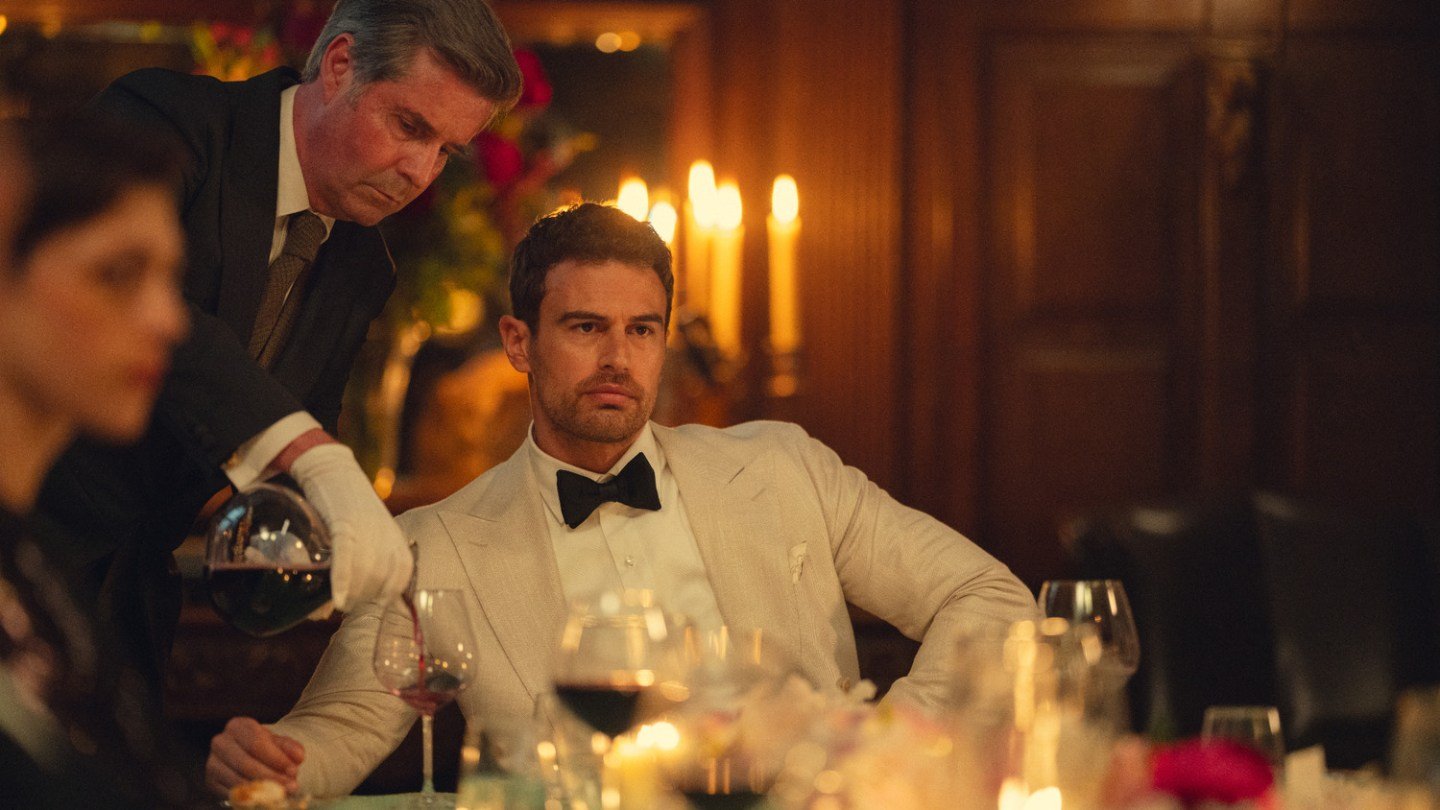
    ‘The Gentlemen’ Star Theo James Is Ready to Talk About That Bloody Season 2 Ending

    [This story contains MAJOR spoilers from season two of The Gentlemen.]

    When The Gentlemen first introduced Eddie Horniman (Theo James), he was a reluctant aristocrat who unexpectedly inherited his late father’s dukedom, only to discover that his old man had been involved in a vast weed empire for years. Back then, the dutiful former Army captain was just trying to extricate his family from the criminal enterprise and protect the Halstead country estate. But by the time the dust settles at the end of the newly released second season, Eddie has transformed into a ruthless mob boss in the vein of Michael Corleone.

    In the sophomore season of the Guy Ritchie-created action dramedy series, which launched Thursday on Netflix, Eddie and his business partner Susie Glass (Kaya Scodelario) — on the instructions of Susie’s imprisoned crime boss father Bobby (Ray Winstone) — expand their weed operations beyond the U.K. into Italy. The moves puts Eddie and Susie in direct conflict with the elegant but lethal Italian Mafia boss Marco Moretti (Sergio Castellitto) and an ego-driven local fixer named Cico Maldini (Michele Morrone), whose slippery nature ultimately leads to his demise at the hands of Marco’s pet tiger. Yikes!

    Wanting to seek more independence, Eddie quietly distances himself from Susie and Bobby to work directly with Marco, even going as far as to carry out a hit on an innocent accountant as a demonstration of his loyalty to their partnership. During that time, Eddie quickly becomes enamored with and marries Marco’s goddaughter, Countess Isabella “Bella” Soranza de Parme (Benedetta Porcaroli) — another aristocrat who understands the dangerous criminal underworld because of her familial connections, but is not personally interested in that lifestyle.

    However, Eddie and Bella’s marital bliss is cut short. Following their wedding at Lake Maggiore in episode six, the couple sets off on their honeymoon, with Bella piloting a scenic seaplane alone while Eddie drives along the road below. Tragically, a hidden bomb detonates on the aircraft mid-flight, killing Bella instantly and plunging a devastated Eddie into a quest for vengeance. Although Eddie initially suspects Bobby or other criminal rivals for the attack, the finale reveals that the ultimate betrayal came from within Eddie’s own family.

    While staying at a religious rehab center, Eddie’s mercurial older brother, Freddy (Daniel Ings), falls under the spiritual and toxic influence of Gospel John (Pearce Quigley) — the fantastical crime lord who sought revenge on Freddy in season one for killing his brother. Feeding into Freddy’s deep-seated resentment over losing the Halstead inheritance to Eddie, Gospel John convinces Freddy to help orchestrate an armed assault on the Halstead estate, an attack that results in an attempted kidnapping of Eddie and Freddy’s younger sister Charly’s (Jasmine Blackborow) newborn baby in episode seven.

    After uncovering Freddy’s complicity, Eddie enlists Susie to help capture Gospel John and wipe out the rest of his syndicate. Eddie then goes to confront Freddy himself — beating him up and even holding a gun to his head. But instead of executing his own flesh and blood, Eddie orders his traumatized brother into the back of a black van, where Gospel John is tied up and another man is holding a chainsaw. “Someone’s gotta die, Freddy,” Eddie tells him. To save his own life, Freddy is forced to behead Gospel John. The season concludes with a blood-soaked Freddy holding the severed head, while Eddie lights a cigar and coldly calls his brother a “good boy.”

    Eddie’s descent into an unhinged crime lord was particularly appealing to James, who has long been interested in examining the corruptibility of power among the most privileged. “It often happens with kings or leaders of religious cults,” James tells The Hollywood Reporter in the conversation below. “They kind of start off in a version of trying to help, but by the end, power degrades their sense of self so much that they become poisoned by it and become numb to violence and everything that happens around them.”

    Calling in from London earlier this week, star and co-executive producer James opened up to THR about collaborating with Ritchie on a thematically deeper and darker second season (and how that shocking ending sets up the already renewed season three), why he thinks an Eddie-Susie romance may never be in the cards — and, yes, the rumored casting of the real-life Duchess of Sussex.

    ***

    What kinds of creative conversations did you have with Guy Ritchie to figure out how you all wanted to evolve the story in season two?

    After season one, and honestly while I was doing it, I felt we had a great conceit, a really good story and some great actors, but there were perhaps depths that we hadn’t yet plumbed. With] season one, there’s a world where [the story’s] kind of wrapped up. So if you’re going to go back for a second bite of the apple, the reason is to try and make it better and more complex, take bigger swings and learn from the things that worked from season one and evolve as much as possible.

    The methodology with Guy and [executive producer] Matthew [Read] and I is a pretty complex one, but good in the sense that there are a lot of conversations. We start with a sitdown in London, and we have a four-hour conversation that ranges from everything from the existential to the minutiae. But we start with an initial big-picture chat. We don’t solve everything in that single chat, but we start thinking about the larger themes.

    But the ability to understand Eddie a bit more, to have him be challenged, to have him have more emotional depth, to have him fall in love, to have him broken both spiritually and physically, and then have him completely betrayed — those were the touch points we started with and then carried on developing. It’s a unique process — one I have never done in another job — in that we are tinkering in the trailer in the morning and during the scene, so it’s an ever-evolving process.

    You have spoken in the past about how Eddie was very much on the back foot in the first season. He was not exactly a fish out of water, but he was still trying to get his bearings in this criminal enterprise that his father was involved in. This season, he seems to really embrace and almost become seduced by the promises and trappings of wealth that he was born into — and he is left to wrestle with the cost of his actions. How do you think his moral compass bends over the course of the season? Do you think he believes the end justifies the means?

    I think he believes that the end ultimately justifies the means. What I was interested in exploring is a story of ascension — like some of the great stories and the classic stories, from biblical to Walter White — and what cost that incurs on a person. In season one, in many ways, he’s a moral man. He’s a civilian adapting to scenarios on the back foot and being thrown into a world he doesn’t understand with a bunch of characters who are larger than life. His job is to navigate through it and come out the other end with an ability to save his family from the clutches of poverty and villainy. [But] what happens is, he realizes he’s fairly adept at it.

    What I wanted to do in season two is to take a man filled with privilege because of multiple centuries of landed gentry — and what that [familial background] gives him is ego and entitlement. There’s an ascension story where he thinks [rising to a higher state of power] should be granted to him because he thinks it’s his kind of right. That’s a kind of ego story, and also a kingship story. That’s a story that Guy’s interested, in too.

    In terms of playing with morality, episode two is the moment he steps over the edge and commits a crime to ostensibly an innocent man for his own means. He justifies it as the end justifies the means for him, but ultimately it has corroded some of his moral purity. He’s a good person and now he’s far from it, and that is going to weigh on his conscience for the rest of the season.

    But what I also like playing with — and this is all within the caveat of entertaining in a slightly heightened world, so not to be too portentous about it, but [I’m interested in] privilege, power and the idea that there’s an apathy and an erosion of empathy that comes with that. It often happens with kings or leaders of religious cults. They kind of start off in a version of trying to help, but by the end, power degrades their sense of self so much that they become poisoned by it and become numb to violence and everything that happens around them. We’re going to do another season, and in that season I want to continue exploring that: How far has he lost himself, and how much has he corroded his soul?

    One of the people who remarks just how much Eddie has changed is Susie. Multiple characters start to question the nature of Eddie and Susie’s relationship — whether their connection is purely platonic and professional, or something more. How consciously have you, Kaya and the rest of the creative team tried to play up the will-they-won’t-they of that relationship?

    Our touching point in the beginning was always Moonlighting — Cybill Shepherd and Bruce Willis — and the idea of two people who kind of are in love, but never quite get together. That’s a baseline. But in season two, we like the idea that they’re connected, but their distance is one of mistrust. On one hand, they’re the other’s greatest ally. But they are also heading to a path where one of them has to usurp the other because we’re talking about a kind of ascension story and how that’s going to happen, and who’s going to fail and who’s going to win.

    Then beyond that, I think the realities of an indentured Duke and then peer of the realm getting with a gangster’s daughter who runs a criminal empire is pretty unlikely. (Laughs.) There’s a sadness [to the relationship] because maybe they would, but ultimately they probably never can.

    Eddie’s relationship with Susie briefly takes a back seat to his unexpected romance with an Italian countess named Bella. Eddie and Bella quickly get married, which helps strengthen Eddie’s standing in his expanding international operations, but she is killed instantly when a bomb explodes on the seaplane that she was piloting on her way to her and Eddie’s honeymoon. How did you think about playing Eddie’s reaction to her death?

    I like that storyline. It touches on what’s happened for centuries in European aristocracy and nobility. People marry strategically — they marry for alliance, they marry for land mass, for power. This [show] has got a modern touch on that. Is he marrying to consolidate his power? Yes. But is he marrying for love? Of course. He’s also from landed gentry, from aristocracy, so he’s seen that world of being presented a marriage for reasons beyond love, for one’s strategy. I think ultimately he does kind of fall in love with her, but perhaps he doesn’t expect to.

    In terms of the ending [of episode six], we actually shot a bunch of [versions]. Eddie sees what’s happened, and there’s an aftermath. Guy wanted a bit more mystery, so we don’t understand where he is or what’s happening to him until the end of episode seven — and then he starts this story of ultimate revenge fueled by anger.

    That’s the fun as well of being able to do a third season. He’s betrayed by his brother [who was involved in Bella’s killing]. He loses his wife on his wedding day, but he also ascends to a higher place of power, so he’s going to be more ruthless and deadly. And at what point is the barrier between a vaguely good person or a complete monster? Kaya’s character says that she thinks he’s evolving into something else, and I think that’s fun territory to be in.

    The ending of the season feels particularly shocking.

    That was something we had talked about with Guy and Matthew for a long time. He can’t murder his brother straight up and straight out because then he loses his family, but he has to have some semblance of revenge. So that [ending] came from trying to figure out: How do you do both in one? How do you punish him without killing him? [We settled on] forcing [Freddy] to do the most atrocious crime and also removing the head of his God in a way. He looks up to this man as a man of faith and then he has to fucking chainsaw his head off. (Laughs.)

    Earlier in the finale, Eddie’s own mother, Sabrina (Joely Richardson), remarks that he has become almost unrecognizable to her. What does that tell you about where he’s going — and where the story will go — in season three?

    From an audience perspective, I think he’s beginning to wander into territory of rich and problematic darkness and moral quandary. But in terms of the reality of his family, he’s just about saved himself because he hasn’t had to murder his own brother, and he’ll be able to still remain a semblance of himself.

    Ultimately, he’s on a path to surpass Bobby [as a drug lord], but also get complete vengeance from his brother. How that enacts itself is still in the process [of being determined]. But on top of that, I think we’re going to expand the world further. We’ll be touching on lots of different countries and new countries. I won’t spoil it because it’s a big part of the storyline, but we’ll be in a very different cinematic planet, shall we say.

    The Gentlemen was officially renewed for season three last week, but you and your creative team had reportedly known about the renewal for a while. Do you know when you will begin production for the next season? Are you going to be filming later this year or early next year?

    Yeah, pretty soon. It’s very soon to the point where I’m like, “Fuck, we need to really get this shit together before we start filming.” (Laughs.) So, yes, it’s happening very soon because I think we’re also cognizant of the fact that nowadays you don’t want massive lulls. There was a large break between season one and two, and I think we don’t want to be in that position again. That happened because people were available and then they weren’t. Then I did a film, then Guy would do a film, and [schedules didn’t align]. But I think we’re all aligned with the fact that if we want to keep momentum and also just tell the story and finish the story, then we should leave less of a gap between the seasons.

    The show has obviously made headlines in the last couple of weeks because of the potential casting of a certain real-life duchess, Meghan Markle, in season three. As both a star and a producer, how privy are you to those kinds of casting conversations, and what do you know about her involvement at this point?

    I think that’s mostly hot air. To me, it’s fascinating how [those reports] exploded that much, and how intrigued people are, and how much kind of cultural significance [Meghan and Harry] have. I guess it’s inevitable in some way. We talk about casting all the time, but, I mean, the practicalities of that are also complex for a show like ours. Can you imagine the amount of attention, paparazzi, and so forth you’d have? So I would say it’s pretty unlikely.

    ***

    The first two seasons of The Gentlemen are now streaming on Netflix.
  • ‘Tender Loving Care’ Review: Kate O’Flynn Lights Up Mike Leigh’s Warm, Gently Wrenching Study of Solace and Solidarity

    ‘Tender Loving Care’ Review: Kate O’Flynn Lights Up Mike Leigh’s Warm, Gently Wrenching Study of Solace and Solidarity

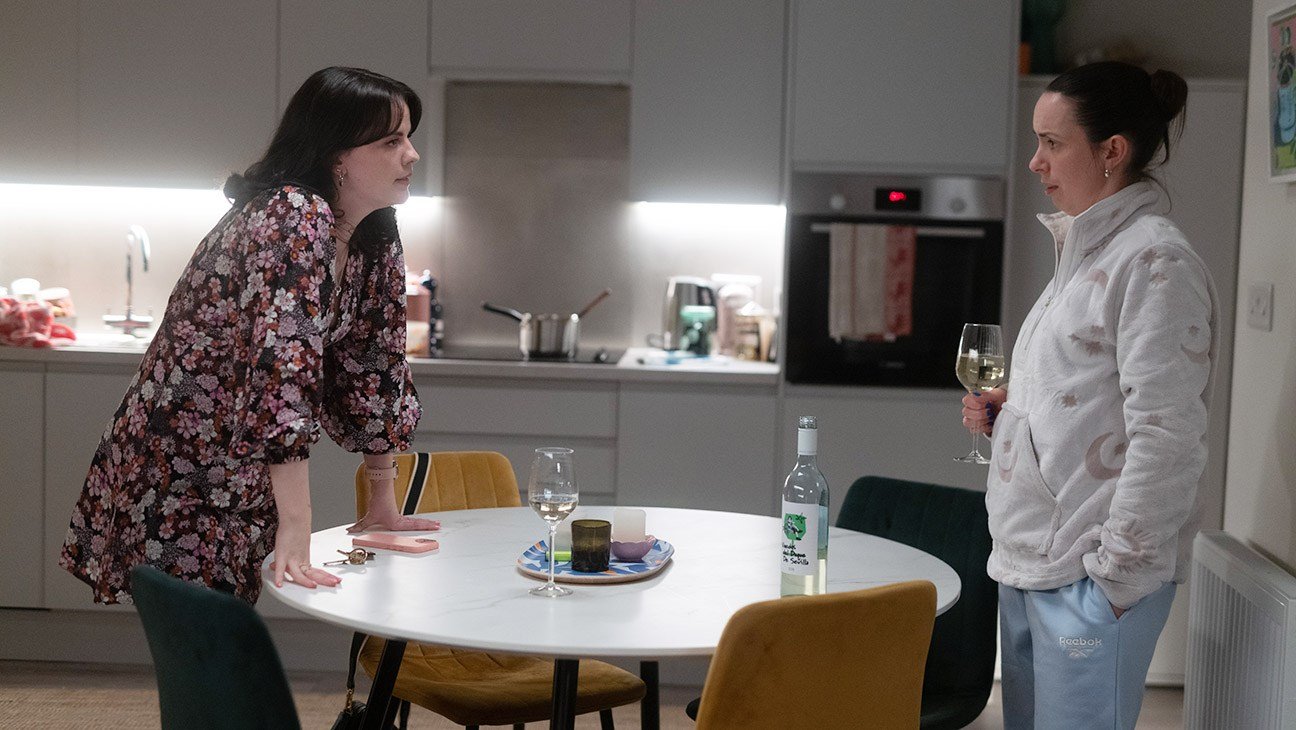
    A drama dotted with laughs (or a comedy blotted with pain?) in which everyday problems are confronted, and avoided, over steaming cuppas and brimming glasses of white wine, Tender Loving Care explores friendship, family dynamics and England’s fraying social safety net. In other words, it’s a Mike Leigh film, and a lovely one at that.

    If it ends up being his last, as the 83-year-old writer-director has indicated, it’s a fitting and stealthily powerful way to go out — a low-key mic drop of sorts. The movie is warm and inviting, filled with giggles and gossip and gentle gallows humor; it’s also wrenching, with a topical urgency simmering just beneath the jovial surface. While Leigh’s left-wing politics inform the story, the filmmaker, unlike his contemporary Ken Loach, mostly avoids playing ventriloquist; the chit-chatting, chortling, sobbing, seething souls who populate his work tend to be too complicated, too insistently human to serve as mere spokespeople for their creator’s ideas.

    Tender Loving Care

    The Bottom Line

    A lovely addition — and likely conclusion — to an exceptional career.

    Venue: Telluride Film Festival
    Cast: Marion Bailey, Paul Jesson, Kate O’Flynn, Alice Bailey Johnson
    Director-screenwriter: Mike Leigh

    1 hour 47 minutes

    In Tender Loving Care, those ideas concern compassion, solidarity and support — what it means to look out for one another at this (angry, angering) point in history, specifically in a country whose public services have been eroded by an ethos of self-reliance codified by Thatcher and further cemented, or perverted, by Brexit. As is often the case in Leigh’s films, the thematic framework is conspicuous; characters, on occasion, turn subtext into text, delivering mini-disquisitions on the failures of the state and the isolation of urban life today.

    Those statements might register as distractingly didactic if they didn’t sound wholly believable coming out of these particular people’s mouths; two of the four central figures, childhood BFFs Amy (Kate O’Flynn, Widow’s Bay scene-stealer) and Rosie (Alice Bailey Johnson), are overextended, underappreciated social workers — and seasoned compartmentalizers, lest the despondency they witness daily on the job pull them under.

    Amy and Rosie, as well as Amy’s kindly parents Birdie (Marion Bailey, Leigh’s longtime partner) and Geoff (Paul Jesson), arrive onscreen fully formed, alive with personal and relational histories we can intuit beyond what’s in the frame. If it feels like we’ve known these folks forever — from Amy and Rosie’s mutual hype sessions to Birdie and Geoff’s puttering and banter — that’s a credit to Leigh’s legendary rehearsal process, during which he and his actors build the characters from scratch through weeks of improvisation and discussion.

    Nothing and everything happens over the course of Tender Loving Care. Unceremoniously dumped by a boyfriend who’s gone back to his wife and child, Amy moves in with single-and-mingling Rosie. Birdie frets about Amy’s romantic and reproductive prospects, though she and Geoff console themselves with their certainty that she’s better off sans her ex. Amy and Rosie endure stressful days on the job (Amy works mainly with children, Rosie with the elderly), retreating to their flat in the evenings to swap horror stories or decompress over girl talk, dance-offs and other bursts of booze-infused silliness. Geoff’s health takes a sudden turn for the worse.

    The tone here is mellower, the pitch less heightened than in Leigh’s more volatile domestic tragicomedies, like Secrets & Lies and Life Is Sweet, to say nothing of the bludgeoning All or Nothing. That’s in large part a reflection of the new film’s main quartet, who sit at the opposite end of the temperamental spectrum from Pansy, the ferocious protagonist of Leigh’s previous effort, 2024’s Hard Truths. Amy, Rosie, Birdie and Geoff are indeed among the most amiable characters Leigh has ever created, their darker feelings — loneliness, jealousy, rage, dread — tucked safely beneath chipper smiles and cheerful pleasantries.

    But Leigh has never been one to flinch at life’s cruelties. The simplicity of Tender Loving Care’s narrative, the sweetness of the people it portrays, and the ticklish good vibes they generate belie a toughmindedness about both the private disappointments and the larger societal injustices that shake our respective worlds. When moments of anguish arrive — a neighbor’s tormented account of her husband’s funeral; a tirade by a paranoia-gripped hoarder Rosie is assigned to visit; a hard-drinking mother’s fury at the foster care system for which Amy is assessing her — they have a rawness and force that slice right through the movie’s congeniality.

    The film is in direct conversation with Hard Truths, as well as Leigh standouts Another Year and Happy-Go-Lucky, in its consideration of what determines happiness — the degrees to which choice, disposition, luck and broader structural or socioeconomic forces play a part. Like so much of Leigh’s work, Tender Loving Care ponders how people of different circumstances and constitutions coexist: how we make each other feel and act, how our perception of each other’s lives shapes our perception of our own.

    It’s also about how we proceed with the business of living amid hardships both mundane and momentous. Like Ozu, a clear influence, Leigh is one of the medium’s great observers of human behavior, from the small talk that drowns out the terror of our worst anxieties to the self-delusions that sustain us during our most vulnerable moments to the way we accept or refuse help — the latter sometimes misguidedly. “I can’t put it on them,” Amy tells Rosie, explaining her reluctance to let her parents know of her break-up. Like all the film’s principals, Amy is an expert practitioner of Britain’s famed stiff upper lip, but here she’s sparing Birdie and Geoff a burden they’re more than ready to share.

    O’Flynn is an expressive marvel, her kooky lightheartedness periodically clouding over with a melancholy that cuts to the bone. The swirl of conflicting emotions that play out across Amy’s face as she gulps champagne while listening to her mother reminisce about her courtship with Geoff is astonishing — a piercing pantomime of the oft-cited notion that millennials are the first generation to have fewer opportunities than their parents.

    Bailey Johnson, a casual charisma bomb, makes Rosie so radiant and grounded and fun that you may realize only late in the film — when she reveals she no longer speaks to her own mom and dad — that her generosity toward the other characters is more symbiotic than selfless. Rosie is the very definition of a ride-or-die, but she needs Amy and her family as much as they need her.

    The beautifully synced Bailey and Jesson, meanwhile, offer a duet of endearments, confidences, worries and innocuous shit-talk, conjuring the ineffable mix of intimacy and distance that makes a long-term marriage. When the rhythm of their relationship is disrupted in the film’s second half, the effect is devastating.

    Visually, Tender Loving Care is characterized by Leigh’s typical unfussiness, with Lucy Bristow taking over DP duties from frequent Leigh collaborator Dick Pope, who died in 2024. As usual, there’s mastery in how the filmmaker uses facial close-ups to add notes of tension, encouraging the viewer to locate truths undisclosed by the dialogue. Ditto in how he deploys a single overhead shot — serene but conspicuous — to foreshadow an unlucky swerve in the story.  

    A touching penultimate scene feels like a natural conclusion to this portrait of people devotedly closing ranks when crisis strikes. But Leigh doesn’t stop there, instead punctuating his film with a final image of uncommon bluntness and despair. At first impression, it seems an incongruously — if not unjustifiably — hopeless way to go out. Yet given the dogged humanism that is the throughline of Leigh’s extraordinary filmography, perhaps a less pessimistic reading is due: Leigh is ending his movie, possibly his career, with a plea for individuals to lift up those they know and love, of course, but also to fight for a society that lifts up those they don’t.

  • Telluride Film Fest Kicks Off with Brunch, ‘Wild Horse Nine’ North American Premiere

    Telluride Film Fest Kicks Off with Brunch, ‘Wild Horse Nine’ North American Premiere

    The 53rd Telluride Film Festival got underway on Friday with its annual Patron Brunch, a gathering of the fest’s biggest-name talent and highest-dollar supporters, followed by the annual Patron Preview, a screening of one of the fest’s most anticipated titles.

    Among the big names on hand for the brunch were Elsinore star Andrew Scott, The Debut director Jesse Eisenberg and star Julianne Moore, The Man I Love star Rami Malek, Wild Horse Nine stars John Malkovich and Sam Rockwell, Ink director Danny Boyle and star Jack O’Connell, Fatherland and Rose star Sandra Hüller, Avedon director Ron Howard and Léa Seydoux, star of a record-breaking three fest films, Alpha Gang, Gentle Monster and The Unknown.

    A large contingent of the Club Kid team were also present, including director/star Jordan Firstman, stars Cara Delevingne and Diego Calva and scene-stealer Colleen Camp, who many know for hosting swanky awards season shindigs of her own.

    Tender Loving Care’s legendary writer/director Mike Leigh, who is 83 and in fragile health, was not able to make it to this year’s fest, but his film is being represented here by its entire principal cast, save for Kate O’Flynn. Leigh was present, in a way, via “A Film by Mike Leigh” hats that Tender Loving Care distributor Bleecker Street handed out to brunch attendees.

    Some who were at the brunch, like Boyle, are festival regulars — he previously was here with Slumdog Millionaire, 127 Hours and Steve Jobs. Others, such as Moore, had gone decades since their last visit — she said she was last here in 1994 with Vanya on 42nd Street. And, surprisingly enough, a few veteran makers of high-quality films were at the fest for the first time — among them, the legendary cinematographer Caleb Deschanel, here as part of the team behind the not-yet-completed animated film Wildwood, clips of which are being shown at the fest.

    The Ink and Wild Horse Nine teams were still acclimating to the high altitude after flying in directly from Venice, where their films were greeted with lengthy standing ovations. They, like most other talent at the fest, will have little time to rest or watch movies, as the fest’s official Q&As and panels, and adjacent press opportunities, will consume most of their waking hours. Eisenberg lamented to THR about being so close to screenings of so many top-notch movies, but not having time to see them. Elsinore’s Scott, however, said he would try to see as many of the “gay movies” at this year’s fest as possible, citing La Bola Negra, Club Kid and A Long Winter as top priorities.

    The belles of the ball, or at least two of them, were “Los Javis,” the exes who co-directed La Bola Negra, for which they were honored at Cannes, and which is Netflix’s primary contender this season. Speaking of Netflix, the streamer held a listening party late Thursday night celebrating its documentary feature The Disciple, which is about the Wu-Tang-Clan’s infamous Once Upon a Time in Shaolin album. Only one copy of the album was ever produced, and it has rarely been played, but an arrangement was strucky whereby it was blasted at this cool gathering.

    The first big screening at the fest is always the Patron Preview, the title of which is not revealed until festivalgoers are seated inside the Werner Herzog Theatre. This year, it turned out to be Wild Horse Nine, hot off its world premiere in Venice. The film is screening now, and it will screen again on Saturday night at the Palm Theatre, after which THR will moderate an on-stage Q&A with McDonagh, Malkovich, Rockwell, supporting actors Steve Buscemi and Mariana di Girolamo and producer Graham Broadbent.

  • ‘Adults’ Star Malik Elassal on the Scene That Took Him 40 Takes and That Surprise Finale Hookup

    ‘Adults’ Star Malik Elassal on the Scene That Took Him 40 Takes and That Surprise Finale Hookup

    It’s hard to scroll social media at the moment without seeing Adults star Malik Elassal. The FX sitcom returned for its second season last week, and between some creative show marketing and meme-able scenes, Elassal and his costars are seemingly everywhere.

    Season two of Adults is just as funny as the first, if not more, and apparently just as delightful to make. “Seeing these people again is exciting,” Elassal tells The Hollywood Reporter on a Zoom. It’s late on a Friday and the 30-year-old’s fresh from a mid-press cycle nap — more on that later, though. He adds, “It just feels like we’re doing a good thing.”

    Throughout much of the season Elassal plays the dutiful friend to his core group — Lucy Freyer’s Billie, Owen Thiele’s Anton, Amita Rao’s Issa and Jack Innanen’s Paul Baker — and dutiful boyfriend to Rachel Marsh’s Carly. Well, except when he’s not, particularly in the season’s sixth episode “Pop Girlie.” Thanks to some bad advice from Anton, Marsh’s Carly decides to ditch dental school and focus on her real passion — becoming a K-pop star.

    “That was actually a tough one to play,” says Elassal. The comedian notes how unlikeable it is for a character to not support their girlfriend and try to manipulate her into finding her new endeavor, even if he’s right. The song “Hiccups (Body Go Crazy)” is a fan favorite online right now, so maybe he wasn’t completely right.

    But the angst makes for good comedy. “It was just a very conflicting thing, which is the best thing for a sitcom. I think somehow, just because he thinks he’s a good person, that he thinks he can do no wrong. Even if the thing is messy, you see that he feels that way about himself a little bit,” Elassal says. He quickly adds, “I didn’t know that I felt that way until I just said that.”

    “It just feels like we’re doing a good thing,” Elassal says of making ‘Adults.’

    Courtesy

    It’s strange to see himself acting out things he remembers shooting. It’s not his own life, but it does feel real at times. He and the cast will work tirelessly to get something just right, only for it to play for mere seconds onscreen, but that’s just the way it works. “It is really odd, but we just all really care about making this thing so much,” he says.

    There’s never been a “phone it in” day for Adults, but there are plenty of days where it’s hard to not break on set. The show just released a blooper reel that proves just how much laughter is happening while the team is shooting. But no portion of season two made Elassal laugh harder than Julian Manjerico’s Zac Carlos.

    “I cannot convey to you how hard every single person was laughing on that day and how hard it was to do that, to watch Julian Manjerico dance like that,” the comedian says. “I was specifically watching Jack try so hard not to laugh, that literally tears were stress falling from his eyes from trying not to ruin the take.”

    Another highlight of season two was the introduction of Paul Baker’s “bro” friends, a gaggle of stereotypical, although well-meaning, dude bros. Those bros also happened to witness one of the hardest days on set for Elassal. In the show’s dramatic and jam packed finale, his character Samir and Marsh’s Carly call it quits before she moves to Seattle.

    Elassal and the ‘Adults’ cast never phone it in, but they do struggle not to break during particularly funny moments: “I was specifically watching Jack try so hard not to laugh, that literally tears were stress falling from his eyes from trying not to ruin the take.”

    Courtesy

    Unfortunately, Samir was in the middle of trying to make a grand romantic gesture when the breakup happened, which included the bros, Julia Fox and a basketball. Elassal had to shoot the ball “like 40 times” on set. “All these bros have to watch him hit a basketball shot. I hit it once in rehearsal and thought, no worries,” he says.

    “When it came time, I was just fucked. I had to do it 40 times and keep a tear in my eye. I didn’t have any thoughts in my head,” the actor continues, lamenting on how ridiculous it was to be wasting Fox’s time. “It was like being on mushrooms. There was no time or space. There’s a hundred crew members looking at me. There’s just money flying around my head.”

    After that finale breakup comes another big plot moment for Samir — hooking up with Billie. It’s the first time Elassal’s talking about it with someone not involved in the show, and he’s not totally sure how he feels about it.

    “I’m worried for Billie and Samir,” he says. “I’ve had that happen in a friend group before, where two people hooked up. They either got to get married or this is bad.”

    The actor’s hopeful that it’ll be sweet and turn out well. But as the actor playing Samir, he’s a little nervous his character is going to “fuck this up.” He was also very surprised when he got that final script, even though he saw the breadcrumbs along the way. The team chose not to tell the actors beforehand, so they wouldn’t play towards that throughout the season.

    Elassal as Samir and Freyer as Billie in the season two finale of ‘Adults.’

    FX

    “The fans already think we’re doing that all the time, and we’re really not. We’re just playing the scenes out,” he says. Elassal’s seen plenty TikTok edits of himself with long looks that he doesn’t even remember. “Where did you even get that footage? I didn’t even do that,” he jokes.

    The comedian and actor is trying to find moments of rest amidst the busy promotion schedule for the season, which has been extensive. But he’s also found that he sometimes needs a little bit of structure. He was late for the scheduled start time of this interview, for instance: He was trying out being a “nap guy,” but it didn’t work out.

    “Can you include this?” he asks. “He took his retainer out and locked in for the interview. This guy needs to be working at Walmart again. I’m too off leash.”

    ***

    All episodes of Adults season two are streaming on Hulu. The show also airs weekly on FXX.

  • What a Way to Make a Legacy: Cities Declare 9/25 Dolly Parton Day

    What a Way to Make a Legacy: Cities Declare 9/25 Dolly Parton Day

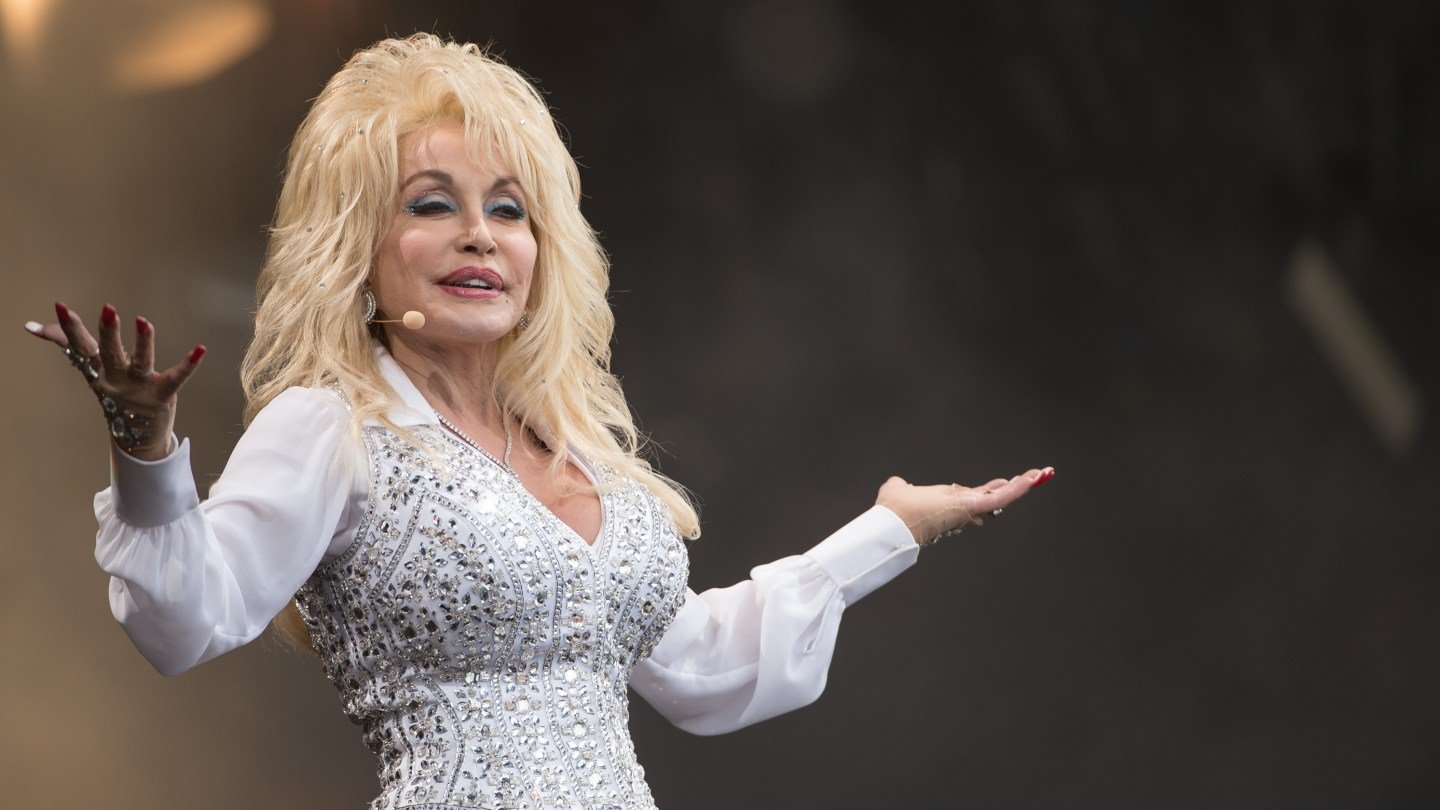
    Given that late country icon Dolly Parton was one of the most beloved people in the world — no, she really was — it’s a no-brainer that cities across the nation are making Sept. 25 Dolly Parton Appreciation Day.

    The date that’s chosen isn’t the date of her birth (Jan. 19, 1946) or her death at age 80 on Aug. 25, after a brief battle with cancer, but a date that will forever remind fans old and new of one of the legendary songwriter’s hands-down classic songs and her role in the beloved 1980 comedy film. In case you haven’t grasped it yet, 9/25 is kind of like “9 to 5.”

    On Friday in New York, Manhattan Borough President Brad Hoylman-Sigal was the latest local leader to officially proclaim Sept. 25 as Dolly Parton Appreciation Day. The day will honor the country superstar’s enormous contributions to music, entertainment and philanthropy.

    The borough of Manhattan joins several cities that have decided, with little to no debate, to honor Parton with a day of her own. New Orleans city officials also designated Sept. 25 as Dolly Day on Friday; the upcoming celebration includes a city-supported parade and a slew of musical events hosted by the Krewe of Dolly.

    Lexington, Kentucky, has also established official community events on Sept. 25 to recognize and celebrate her legacy and philanthropy benefiting local literacy programs.

    In her home region of East Tennessee, multiple counties have made local proclamations for Dolly Parton Day, with the most recent designation in Cocke County on Sept. 25. Parton and her legacy already have broader state-level recognitions in Tennessee tied to her birthday on Jan. 19.

    While it’s not on Sept. 25, Nashville has also celebrated Parton with her official day for seven years. In 2019, former Mayor David Briley signed an official proclamation declaring Aug. 5 Dolly Parton Day to recognize her legendary career and her major philanthropic efforts during her lifetime.