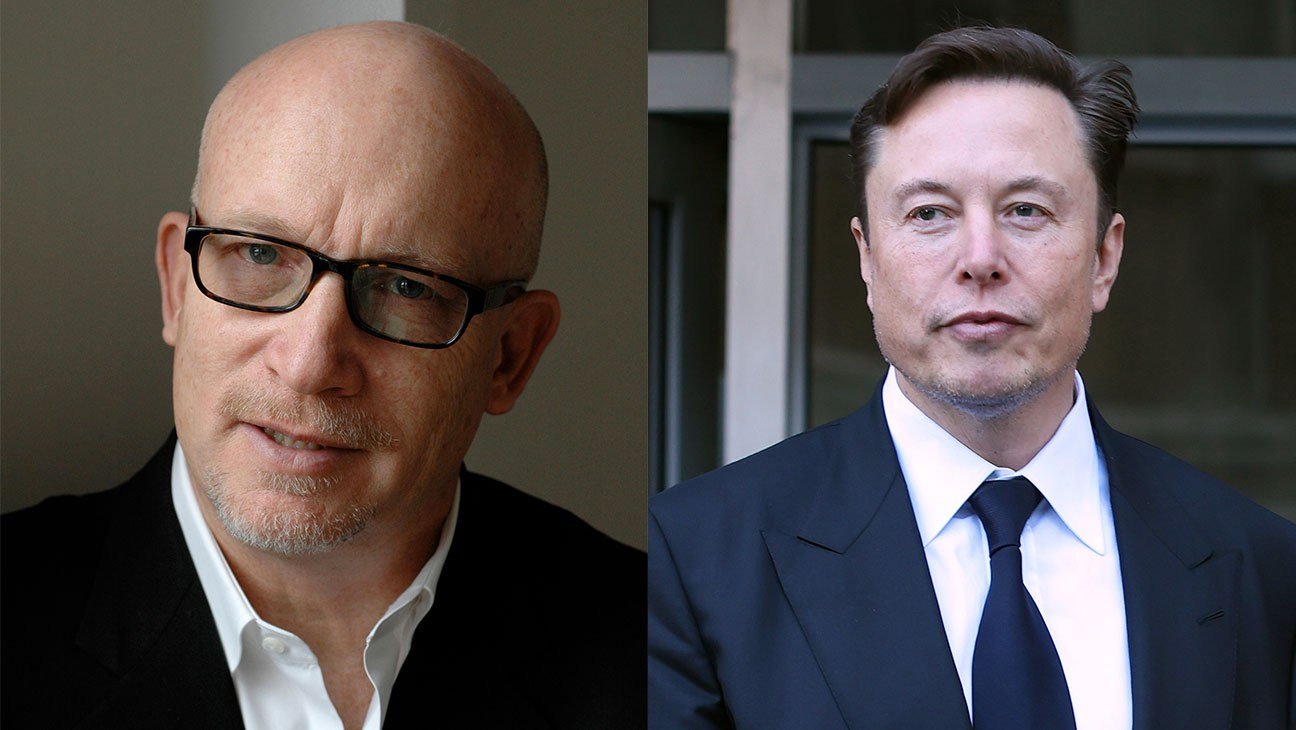
Musk documentary filmmaker Alex Gibney responded Sunday to a documentary legal threat from Elon Musk.
“I reached out immediately… But he clearly wasn’t interested in talking. We made so many formal outreaches to him, and with the exception of his remarks on Twitter, we received nothing back,” Gibney said during a keynote conversation in Toronto.
The veteran doc maker said Musk was heavily lawyered and fact-checked, so he’s confident about the veracity of his account of the tech billionaire. But he told the TIFF audience he has “great concern” that Bleecker Street will be able to theatrically release the near-four hour documentary in October and HBO Max will be able to stream the film, as planned, before Warner Bros. Discovery is taken over Paramount as part of an ongoing merger and acquisition process.
“I do worry about the storm clouds on the horizon and the fact that they (HBO) are in the midst of a takeover battle by Paramount. Larry Ellison, who is cited in the film, is one of Elon’s friends and one of the investors in his takeover of Twitter… But so far, so good,” Gibney said. “It’s a great concern and the consolidation of the media and also the aggressive editorial takeover of the media by the tech barons is really deeply concerning,” he added.
Gibney’s comments follow the Musk film world premiering in Venice before shifting to TIFF for a North American bow on Monday. The world premiere was followed by attorney Alex Spiro, acting for Musk, sending Gibney and his production team a letter, alleging they had misrepresented facts about the tech mogul.
And Musk himself blasted the film as a “boring … hit piece” on X. The letter — confirmed by The Hollywood Reporter — focuses on what Spiro says is an insinuation in the film that Musk used his Starlink satellites to somehow influence the 2024 presidential election to boost Donald Trump.
Earlier, Jigsaw Productions issued a statement after receiving Spiro’s letter: “Alex Gibney’s films are consistently recognized for their in-depth, fact-driven explorations of influential figures and corporations, coupled with his bold and engaging directorial style. This approach has garnered him international praise, an Academy Award among other accolades, and a reputation that The Times of London recently lauded as the ‘gold standard for fearless journalistic integrity.’ The right to engage in open debate and fact-based examinations of powerful public figures is protected by the First Amendment — something that should be recognized and defended by all Americans, including the associates of Elon Musk, who has proclaimed himself to be a ‘free speech absolutist.’”
Musk is Gibney’s most recent film and follows a career making documentaries that investigate powerful institutions and individuals. In Musk, Gibney looks at the tech mogul behind electric cars, space travel, social media, AI, and more.
During his keynote, Gibney discussed Elon Musk’s infamous DOGE purge and its impact on the independence and financing of USAID, the foreign aid agency. “When you’re into hundreds of thousands of people who are killed by performative cruelty, it’s really a staggering moral stain on Elon Musk and the federal government,” he argued.
Gibney also discussed Musk’s use of stock manipulation, as well as securing government handouts and energy credits, as part of his exploitation of financial markets. “You’ve got a con artist who has put in the White House another con artist, and they just keep running bigger and bigger cons, because there’s no Department of Justice or FBI to tell them to do otherwise,” he told the TIFF audience.
Gibney is also a producer of Edward Said: Between Worlds, a film about the Palestinian scholar, that is also screening at the Toronto Film Festival. “I just find him such a compelling public intellectual at a time when there’s a dearth of public intellectuals who engagement with such a sense of humanism, and obviously this is one of the great global scandals of this moment, the genocide in Gaza and the horrific things that are happening on the West Bank,” he said.
Gibney’s other films include the Oscar-winning Taxi to the Dark Side, The Last Gladiators, Mea Maxima Culpa: Silence in the House of God, The Armstrong Lie and Citizen K.
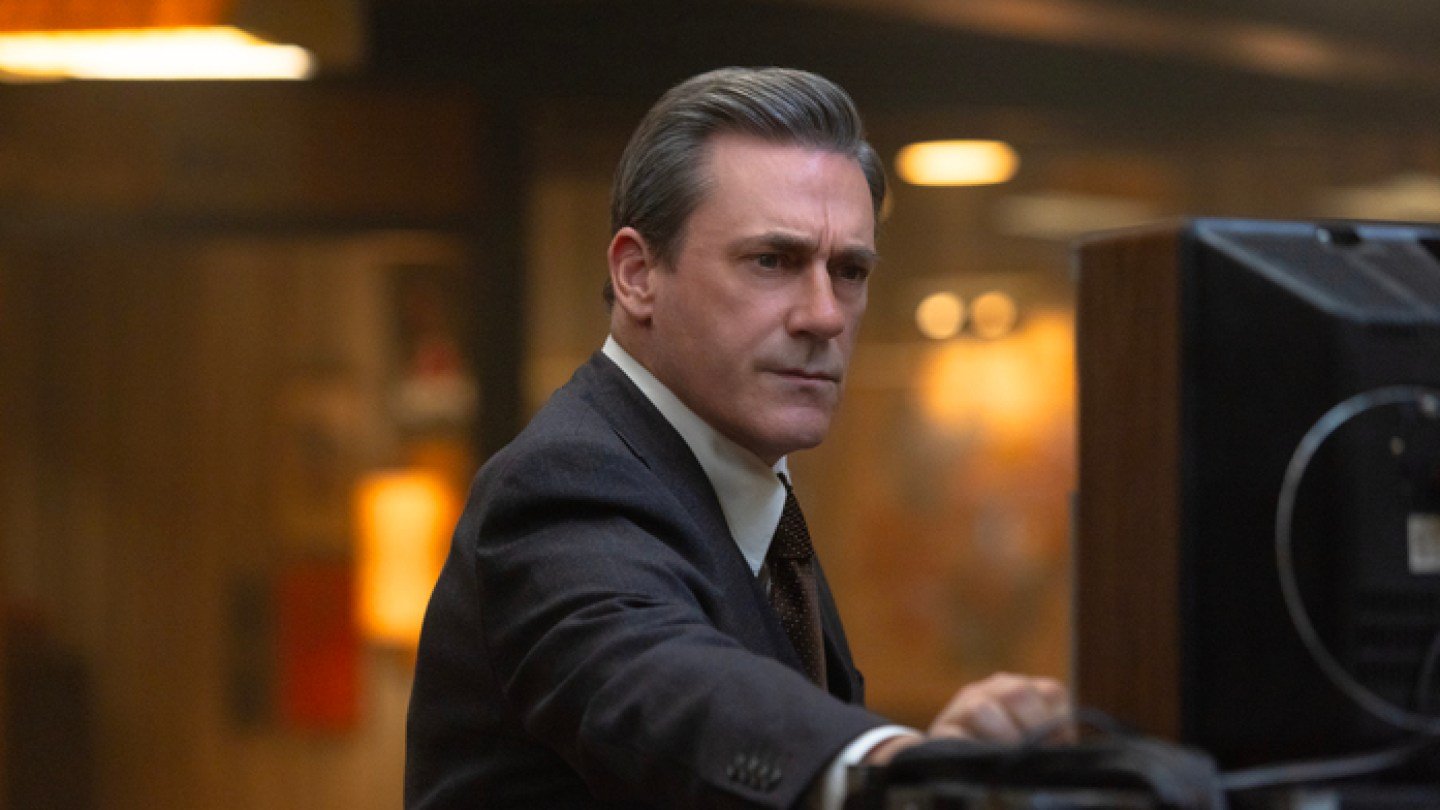
In Jon Hamm’s new series, American Hostage, he stars as a local news broadcaster who finds himself in the middle of a hostage situation when a disgruntled borrower kidnaps a mortgage broker.
The 1977 true crime story, which was chronicled on a narrative podcast of the same name also starring Hamm, is decades old, but its political themes closely mirror today’s world, Hamm told The Hollywood Reporter on Sunday.
“ I think that there’s some thematic devices that resonate in the culture politically now,” Hamm said at The Hollywood Reporter’s Studio at 1 Hotel during TIFF, presented by sponsor Canada Goose. “I think the idea of a certain segment of the population being overlooked, or feeling overlooked or feeling under-addressed, in their wants and needs and desires. The show is called American Hostage. We fought very hard for that title because we thought it really spoke to the story on several occasions. This man obviously takes a person hostage, but is he in fact hostage to his American Dream?”
“There’s a lot of resonance to the title,” the Emmy winner added. “I think that’s why the story, for whatever reason, feels — even though it’s a 50-year-old true story — it feels very relevant, given the current political climate.”
Co-created by Shawn Ryan and Eileen Myers, American Hostage is described by Sony as a “psychological thriller that tells the harrowing true story of Fred Heckman, a beloved Indianapolis radio reporter who is thrust into the middle of a life-or-death crisis when hostage-taker, Tony Kiritsis, demands to be interviewed on his popular radio news program.”
The news story on which the series is based made headlines at the time and reflected a changing media landscape, where live local stories made national news. For Hamm, the local news story he remembers as being the most significant is O.J. Simpson’s infamous police chase in June 1994.
“ I think probably most people’s first experience of any of that was the O.J. situation because it happened in the middle of a huge sporting event,” Hamm said. “It was national. Most of us live in L.A., and L.A. had a car chase kind of every day, but it was very local. That became a very daily kind of thing in the ’90s. Some helicopter would chase some car going somewhere. The original one was most likely the O.J. situation.”
“If you go back in time, this [1977 Tony Kiritsis case] is one of the first times we kind of see a local story explode nationally,” Hamm continued. “Another similar thing that happened was the Patty Hearst situation, where when they raided the house down in South Central Los Angeles. … It was the beginning of where we are now. I think the salacious part of this story — through no fault of its own — [it became] this life or death story. [It’s] kind of where we have landed now, where everything is maximized for the salaciousness of its content.”
American Hostage also shows how audiences previously trusted the information delivered by their news organizations, in stark contrast to today where trust in the media remains at record lows, according to data from Gallup. Ryan emphasized that the “journalistic aspect to the show” is “very pertinent today.”
“Right now, we live in a very fractured journalist world,” Ryan explained. “You can kind of choose your news more than the news really informing you these days. Back then, I’m old enough to remember what it was like for journalists to be trusted and for the news to be something that was sacred.”
Ryan added that Hamm’s character is “stuck in a very precarious position” in the series because he’s a journalist “who has invested decades into building his reputation as telling the truth … and now he’s also expected to be a hostage negotiator and to try to save two lives.”
American Hostage is scheduled to premiere on MGM+ on Sept. 20.
The title characer in Chris Rock’s sure-footed fourth feature as director, Misty Green, is having a rough week. An actress still best known for a TV series that ended years back, she’s about to be evicted, her bipolar brother is fresh out of a psych ward and in need of both emotional and financial support, a pimpy former colleague dangles a lucrative sex-work gig, and while her undeniable gifts might very well help her book an acting job, the many axes she has to grind in the entertainment industry keep getting in the way.
In a star-making performance, Rosalind Eleazar — best known as the tough MI5 operative grieving for her partner on Slow Horses — bites into this gift of a role with grit, tenacity and zero-fucks-given scrappiness. It’s a revelatory turn in a sensitively observed drama that depicts Los Angeles as both a shimmering beacon of fame and success and a soul-sucking grind of constant rejection, where disparities of race, class and gender are as much an obstacle as that casting director who seems to hate you. Following its premieres at the Toronto and New York film festivals, A24 will release the movie Oct. 9.
Misty Green
The Bottom Line
Simultaneously breezy and steeped in melancholy.
Venue: Toronto International Film Festival (Gala Presentations) Release date: Friday, Oct. 9 Cast: Rosalind Eleazar, Adam Driver, Daniel Kaluuya, Anna Kendrick, Chris Rock, Topher Grace, Alexandra Shipp, Amy Landecker, Tracie Thoms, Necar Zadegan, Rich Sommer Director-screenwriter: Chris Rock
Rated R,
1 hour 44 minutes
Coming 12 years after Rock’s last feature as writer-director, Top Five, a highly entertaining account of the quest to be taken seriously of a standup comic with a history of substance abuse issues, Misty Green is both an extension of certain themes explored in the 2014 film and a departure. While Andre Allen, Rock’s character in the earlier movie, had a fear of not being funny when sober, Eleazar’s Misty is more of a dabbler than an addict. But her problems with impulse control make it hard for her to say no to a night of hard partying, which tends to mess with her professional obligations.
The biggest difference, however, is that Misty Green is a significantly more mellow and thoughtful movie, the work of a mature director who knows what he wants to say and has full command of the tone of voice in which to say it. The film is frequently funny, but Rock and his actors never push for comedy. The wry humor is undergirded by melancholy, darkness, despair — by an awareness that even when you appear to have made it in Hollywood, maintaining that perch on the success ladder is not a given. Talent alone often is not enough.
Misty appears to have been floundering for years, bristling every time some young up-and-comer tells her how much their mom and dad loved her in her Emmy-winning role on a show called Red Eye. She’s handed a deadline to pull herself out of her rut when Celine (Amy Landecker, hilariously caustic) bursts in unannounced to kick Misty out of her late husband’s apartment. Dazed and hungover, Misty protests that Celine’s husband gave her the apartment, but the unmerry widow is not buying it, giving her a week to find new digs. The industry town’s monomania makes it seem almost normal when Celine starts running audition lines with her before begrudgingly agreeing to the seven-day grace period.
With no money and no friends or exes willing to help her out, Misty needs to book a role, pronto. But given her abrasive reputation — she was once fired off a film for punching the wardrobe woman in the face — that’s not easy.
Things are further complicated by the reappearance of her loose-cannon brother Jay (Daniel Kaluuya), released from a psych ward but still only tenuously in control of his mental health. Her occasional hook-up, the slick and insincere Zach (Adam Driver), tempts her out on the town the night before an important audition, offering her a chance at big money if she’s willing to put aside her moral qualms and be part of the “entertainment” for a frisky emir at a lavish party in Dubai. Driver has often been fearless about playing unlikable characters, but Zach takes him to new lows of douchiness when he’s tossing Birkin bags, jewels and cash to a screaming crowd of paid models.
Her least complicated relationship is with straight-talking bestie Naomi (Anna Kendrick), with whom she works out at a gym near the Santa Monica Pier. Naomi serves as a sounding board and support system for Misty’s anxieties. That’s more than she gets from her agent Randy (Topher Grace), who throws up his hands in defeat after another abortive audition, telling her, “No one wants to work with you. You’re too difficult!”
While this is very much an ensemble piece, with a bright constellation around Eleazar’s blazing supernova, Rock gives himself a choice suporting role as the one person in the industry who might not have given up on Misty. Jordan is a director who was forced to fire Misty some years back for her anger issues. He’s now staying in her apartment building while holding auditions for a Dreamgirls remake, and while he’s wary about working with the volatile Misty again, he doesn’t rule it out.
That remains true even after she gets high with Zach while on an impromtpu date with Jordan, getting them both banged up in a car accident. She goes back to her apartment — where the eviction clock keeps ticking — and tips her stash of booze and pills down the drain, probably not for the first time, but maybe the last?
Jordan often gets to channel classic Rock humor (“All civil rights movies suck, you wanna know how I know? Because white people like them!”), but the character is also notable for his sensitivity, even soulfulness. Jordan is an industry veteran with genuine empathy for people like Misty, coughed up and spat out while trying to sustain a career in the face of endless closed doors. The chemistry of Eleazar’s scenes with Rock is sublime.
Eleazar’s layered, brittle but also vulnerable performance makes Misty’s depths as a performer apparent, notably in two songs. She sings with moving expressiveness on a torchy version of “One Night Only” in her Dreamgirls audition and a stunningly heartfelt take on Radiohead’s “Creep,” in a Hollywood Roosevelt lounge bar gig.
Naturally, her propensity for self-sabotage means her path is one step forward, two steps back, through no fault of her own when Jay loses his cool after being pulled over twice by the same Black cop (Anthony Anderson, one of a handful of cameos) in both cases with no cause beyond racial profiling. When Jay lands in prison, the fiercely protective Misty feels obligated to come up with his exorbitant bail, prompting desperate choices that nudge her career goals aside.
Throughout all this, Eleazar keeps us firmly in Misty’s corner in a bold performance that simultaneously pushes the audience away while pulling us in. The tenderness with which Rock has built this vehicle around character, actress and a milieu he clearly knows intimately imbue the material with an aching depth of feeling that stayed with me for days.
Misty Green is a poignant snapshot of one woman sweating on the showbiz treadmill, in a town where glittering dreams, crushing defeat and emergency compromise solutions often walk in tandem — the latter echoed in constant local crime news reports heard on car radios. Misty’s personality flaws are what make her so captivating in a smart, refreshingly understated movie that’s very much an insider’s view — jaded, but also clear-eyed — and a credit especially to Rock and Eleazar.
Exactly a half-century ago, in the year of the American bicentennial, a low-profile film — the story of a small-time boxer who, against all odds, went the distance against the champ — became a gigantic hit and ended up vanquishing the likes of All the President’s Men, Network and Taxi Driver to win the best picture Oscar. That film was John G. Avildsen’s Rocky, which was written by and starred Sylvester Stallone.
Eight years ago, another film with a low-profile premiered at the Toronto International Film Festival, where it polarized critics but played through the roof with festivalgoers and ended up winning the TIFF audience award en route to several Oscar nominations, including one for best picture, which it ultimately won. That film was Peter Farrelly’s Green Book.
On Saturday night, Farrelly returned to TIFF for the world premiere of I Play Rocky, a film about the inspiration for and making of Rocky. Like Green Book, it polarized critics, but delighted festivalgoers — indeed, it generated numerous instances of mid-film applause, as well as a lengthy standing ovation at the end — and it will probably follow in the footsteps of Rocky and Green Book to a best picture Oscar nom, if not a win.
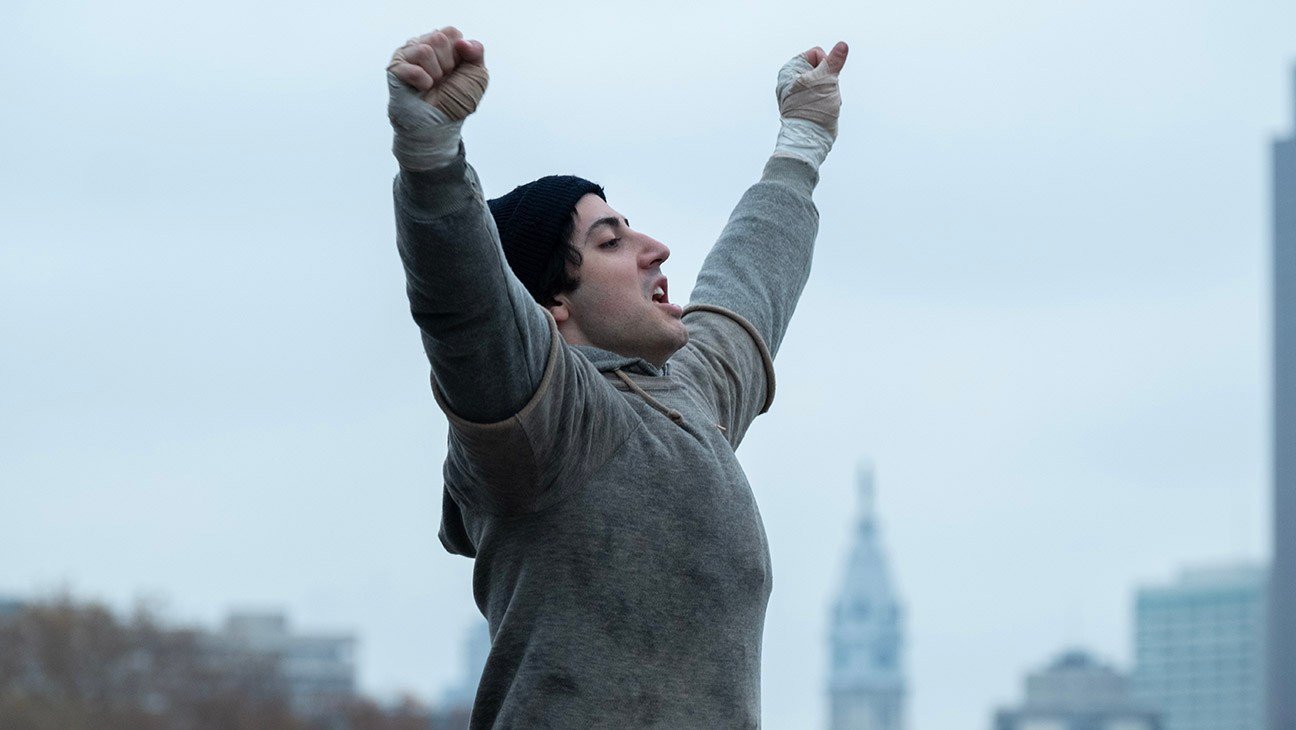
If nothing else, I Play Rocky will catapult its little-known star, Anthony Ippolito, who plays Stallone, into the thick of a crowded best actor Oscar race. The 27-year-old eerily channels Sly’s unconventional but iconic appearance and manner of speaking, and, as was the case with Stallone 50 years ago, the story of his path to his career-changing part will have many rooting for him as much as the character he plays.
Anthony Ippolito as Sylvester Stallone in ‘I Play Rocky’
Claire Folger/Amazon MGM Studios
The biggest hazard for I Play Rocky, which Amazon/MGM is set to begin rolling out in the U.S. on Nov. 6, is Stallone himself.
In THR’s TIFF lounge, Ippolito said he had spoken with Stallone before playing him and Farrelly said he had shown Stallone the finished film and Stallone was pleased with it. And during remarks from the TIFF stage just before the film unspooled, Farrelly gave a shout out to Stallone.
But Stallone was not directly involved with — nor does it seems he will financially benefit from — I Play Rocky. And if the recent past is any indication, he believes he deserves a cut of anything Rocky-related: indeed, in 2022, he publicly blasted Irwin Winkler, one of the two producers of the original Rocky, who helped to give him his big break, for not giving him an equity stake in the franchise.
Winkler and the other producer, Robert Chartoff, who died in 2015, are both portrayed in the film (by P.J. Byrne and Toby Kebbell, respectively) rather sympathetically. The real Winkler, now 95, also makes a cameo in it. And Chartoff’s widow was at the premiere. In other words, it seems that the Winklers and Chartoffs are happy with the film.
If Stallone, who turned 80 in July, were to publicly lash out against I Play Rocky, that could really harm its Oscar prospects. But if he were to publicly champion it, that could really help them. And to be honest, he has a lot of reason to be happy about the film: written by Peter Gamble, it is essentially a celebration of his smarts, tenacity and talent — plus, it basically prints the legend about the origin of Rocky that Stallone has been repeating for the past half-century, not all of which stands up to close scrutiny.
In addition to Gamble’s script and Ippolito’s star turn, other strong work in the film is done by supporting performers AnnaSophia Robb (as Stallone’s first wife), Tracy Letters (as the head of United Artists) and Jay Duplass (as Avildsen); cinematographer Sean Porter (who also shot Green Book); production designer Anthony Gasparro; makeup artist Jackie Risotto; and hairstylist Nakoya Yancey.
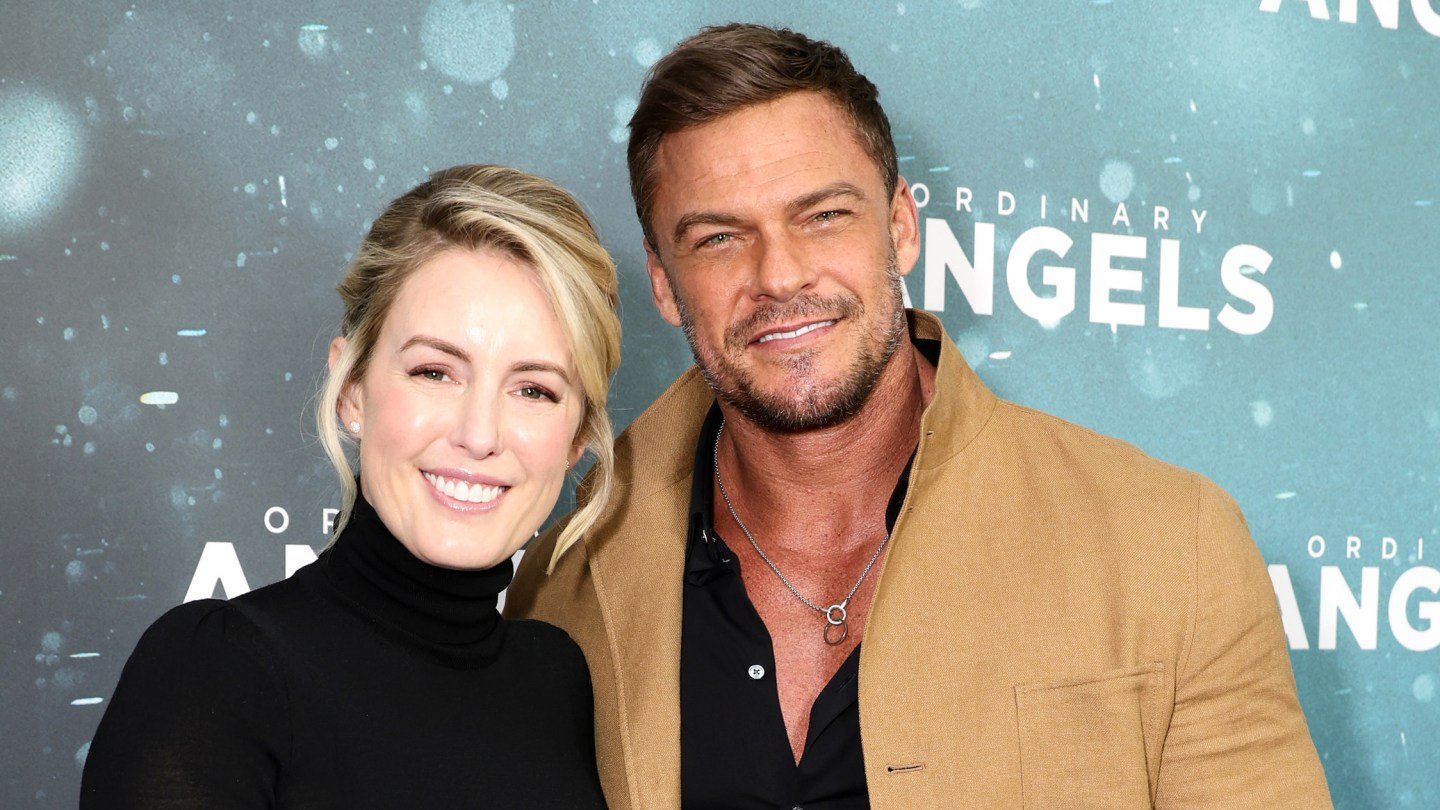
Alan Ritchson and his wife, Catherine Ritchson, are ending their marriage after two decades together.
The couple announced their separation Saturday in a joint message on social media, saying that their children “will always be at the center of our world.”
“After twenty years together, Cat and I have decided to end our marriage and continue alongside one another in a different way,” reads the Instagram post. “We grew up together. We built a life and a family together. And we are raising three incredible boys who will always be the center of our world.”
The Reacher star and Catherine share three sons.
“Nothing can diminish what these years have meant to us — or the love and respect we will always share,” the statement continued. “The best gift we can give one another — and our boys — right now is friendship, grace and a commitment to becoming the strongest co-parents we can be.”
The pair also noted that they “want to give each other room to grow into the people we are becoming,” and asked for privacy while they navigate co-parenting.
Ritchson’s rep declined further comment when reached by The Hollywood Reporter.
In a 2024 interview with THR, Ritchson opened up about how he first met Catherine while they were both in high school taking classes at a state college.
“I thought she was a college student, so I was afraid to talk to her. I figured there was no point because she’s going to be older than me, but I found out she was doing the exact same thing that I was. We finally spoke and then did a play together that summer,” he said. “We ended up dating and I was madly in love, but she also lived far enough away that when the play was over, I figured we were never going to see each other again.”
The remained friends after their initial split and reconnected years later before tying the knot in 2006.
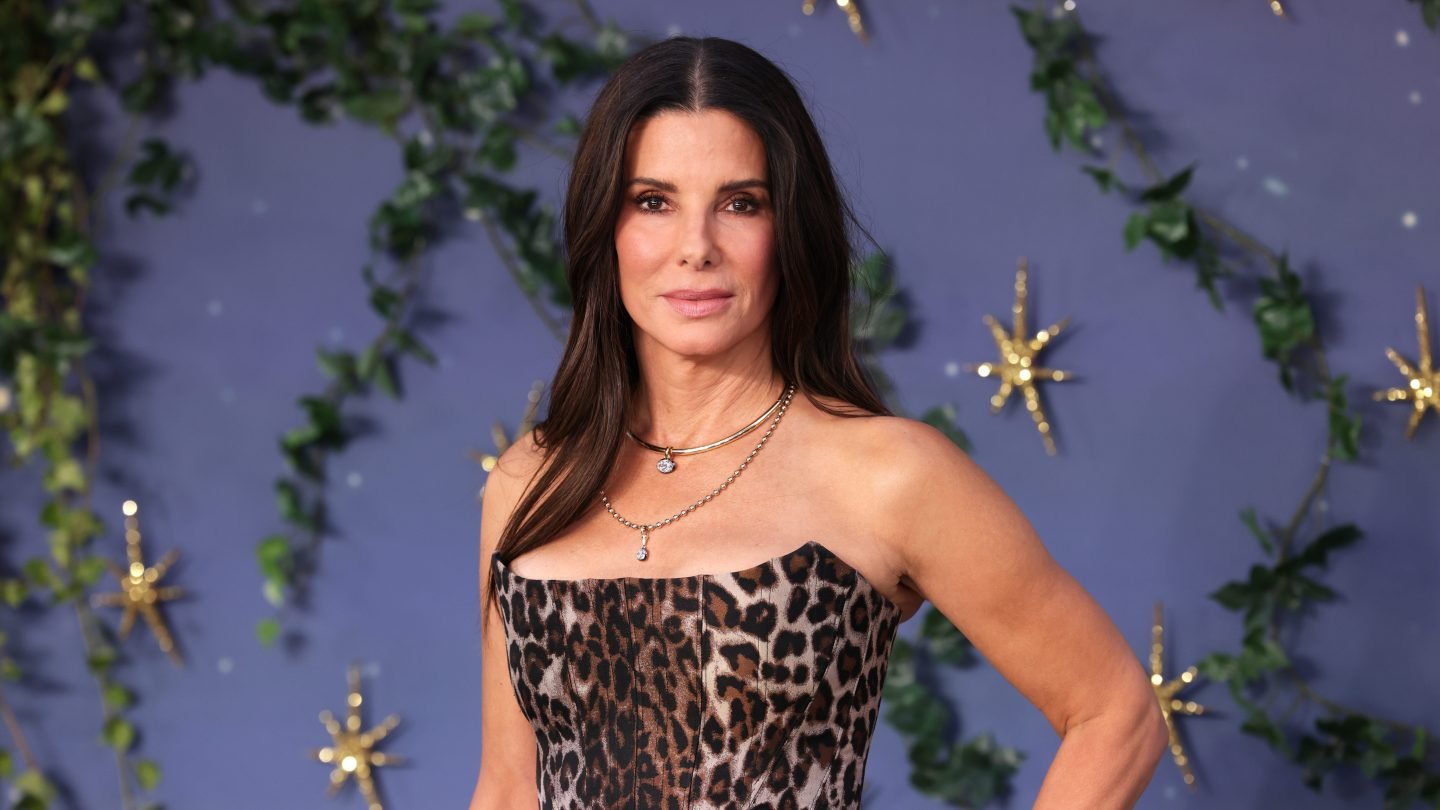
Sandra Bullock looked back on the duration of her career in the entertainment industry in conversation with Jennifer Aniston for Interview magazine, where she recalled making a decision that she did not want to take on roles that required her to audition for “perverts” who would ask her to “drop my pants.”
The Practical Magic 2 star chatted with her dear friend, the Friends actress, for Interview‘s Tuesday cover. They discussed Bullock’s return to the big screen, why the Practical Magic sequel is a “love letter” to Bullock’s own daughter and navigating life in the public eye.
Aniston asked Bullock if there was a “moment when you made a deliberate choice about the kind of career you wanted, or did it just evolve?” The Oscar winner cited a time when she was living in New York, working as a waitress.
“I was auditioning for every pervert that existed, asking me to drop my pants. I was like, ‘Nope, not the role for me,’” Bullock said. “I was working my way up. Every working actor thinks you will never work again so you just take what you can get and make the most of it.”
She added that “the only time I was intentional about my career” was when she decided to pivot away from rom-coms. “I said, ‘I need to stop right now with the rom-coms,’ because I was getting so much shit for them. And I took a role in this film called Crash,” Bullock said.
Crash would go on to win the Oscar for best picture in 2006; four years later, in one of her most renowned dramatic roles, Bullock won the Academy Award for best actress for her performance in The Blind Side.
Bullock is currently starring in Practical Magic 2, which released Friday, marking her first film in four years. She last appeared in 2022’s The Lost City with Channing Tatum.
Seth Rogen has starred in films that mirror his life, but none have hit as close to home as Babies.
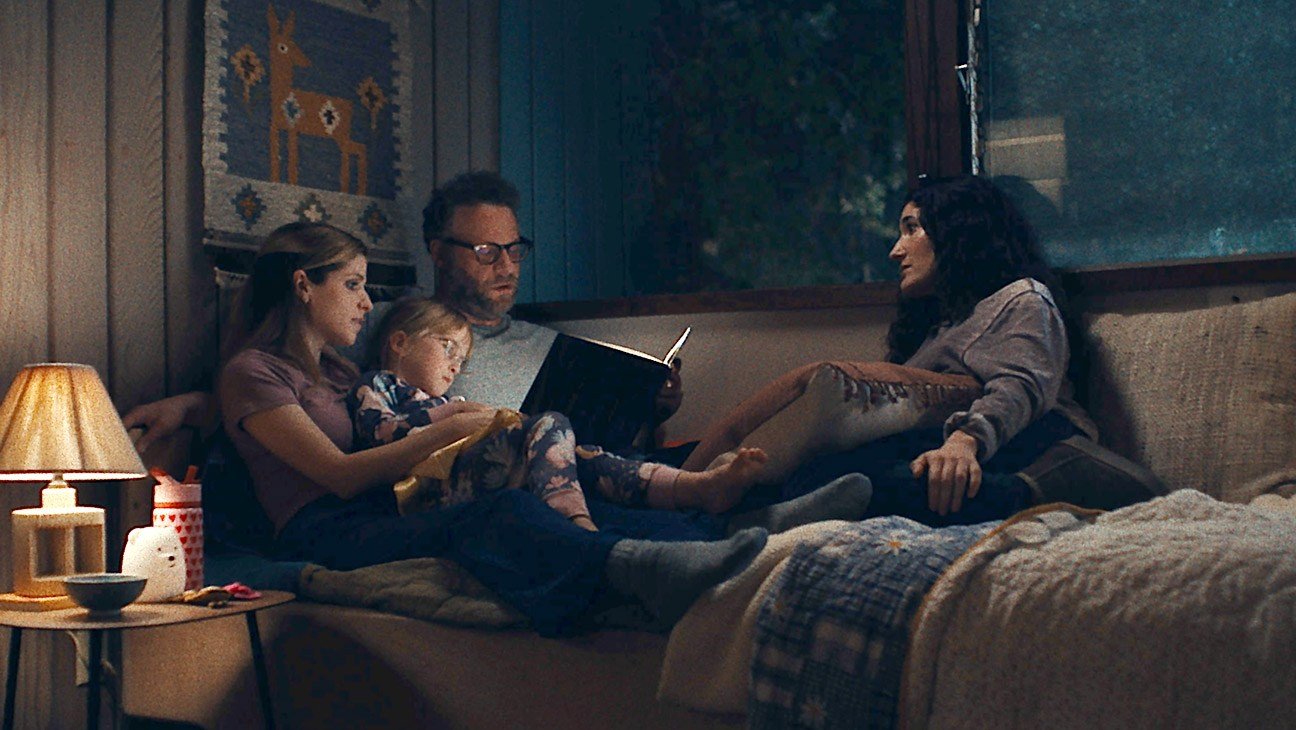
Directed and written by Lauren Miller Rogen, the comedy drama follows a husband (Seth) and wife (Anna Kendrick) who are questioning whether parenthood is the right path for them. For married couple Seth and Lauren, the film was a deeply personal project that reflected their own journey toward a child-free life.
“ I think this movie is much more personal and much more reflective of my actual experiences,” Seth said at The Hollywood Reporter’s Studio at 1 Hotel during TIFF, presented by sponsor Canada Goose, on Saturday. “I think Lauren has really made a very honest film in regards to her thought process and our thought process as a couple. When I look at it, it’s shocking how personal it is, honestly, and about very personal things in our lives. But, to me, it’s very brave to put yourself out there like that and to write about the things that are kind of the most personal things.”
Lauren was first inspired to make the film when her friend, a divorced mother of one, moved in with the couple for one year about a decade ago. The director initially thought the experience would make for a great television series (“That’s an interesting setup for a TV show. People who don’t know if they want to have kids, has someone move in with a kid”) but the idea didn’t go anywhere, in part because Lauren wasn’t sure how her own story was going to end.
“I didn’t know the ending at that point,” Lauren told THR. “I think once we had the kajillion conversations and done all the work and sort of found our own conclusion, then I was like, ‘Oh, now it’s a movie because I know the ending of it.’ I really started working on it as a movie not that long ago. I wrote the script pretty fast in January of 2025; it was done in the spring and we were shooting the next fall.”
In Babies, happily married couple Annie and Aaron (named after Lauren and Seth’s middle names) welcome their friend (Kate Berlant) and her young daughter to stay with them after she separates from her husband. The couple get a chance to see the realities of parenthood up close, while Annie navigates her mother’s battle with Alzheimer’s disease (Lauren’s own mother died from complications of early onset Alzheimer’s disease in 2020).
Anna Kendrick, who stars as Annie, joked that being that open about her own life on screen would cause her to have a “dissociative experience.”
“I don’t know how [Lauren] did it because some of it felt so close to reality and so intense. I was like, ‘I think I’d be setting myself on fire on set,’” Kendrick said with a laugh.
For Seth, Babies also reflects people’s attitudes about parenthood — including the usage of the phrase “dad duty,” which he finds “obnoxious” — and his friend’s experiences being a parent.
“A lot of these are conversations we’ve had with our friends in real life,” Seth shared. “We hang out with our friends and their kids a lot. An interesting perspective the film has, is that, you can like kids and be good with kids, and be very responsible people, and be in a very happy marriage, and tick every box that one would think you need to tick in order to be the perfect parent in many ways, and you could still just maybe not really want it. That’s a very under-shared perspective in a lot of ways.”
Babies explores the decision to remain child-free, but Lauren wants audiences to know the movie was also made for “people who are choosing parenthood.”
“We’ve been around our friends who have had beautiful families. We have amazing relationships with their kids,” Lauren concluded. “I think that it was about not just making [Babies] feel real and grounded to us, but also sort of honoring [what] we’ve witnessed so many times, and how beautiful that relationship is.”
Babies premiered at TIFF on Saturday and is scheduled to hit theaters in 2027.
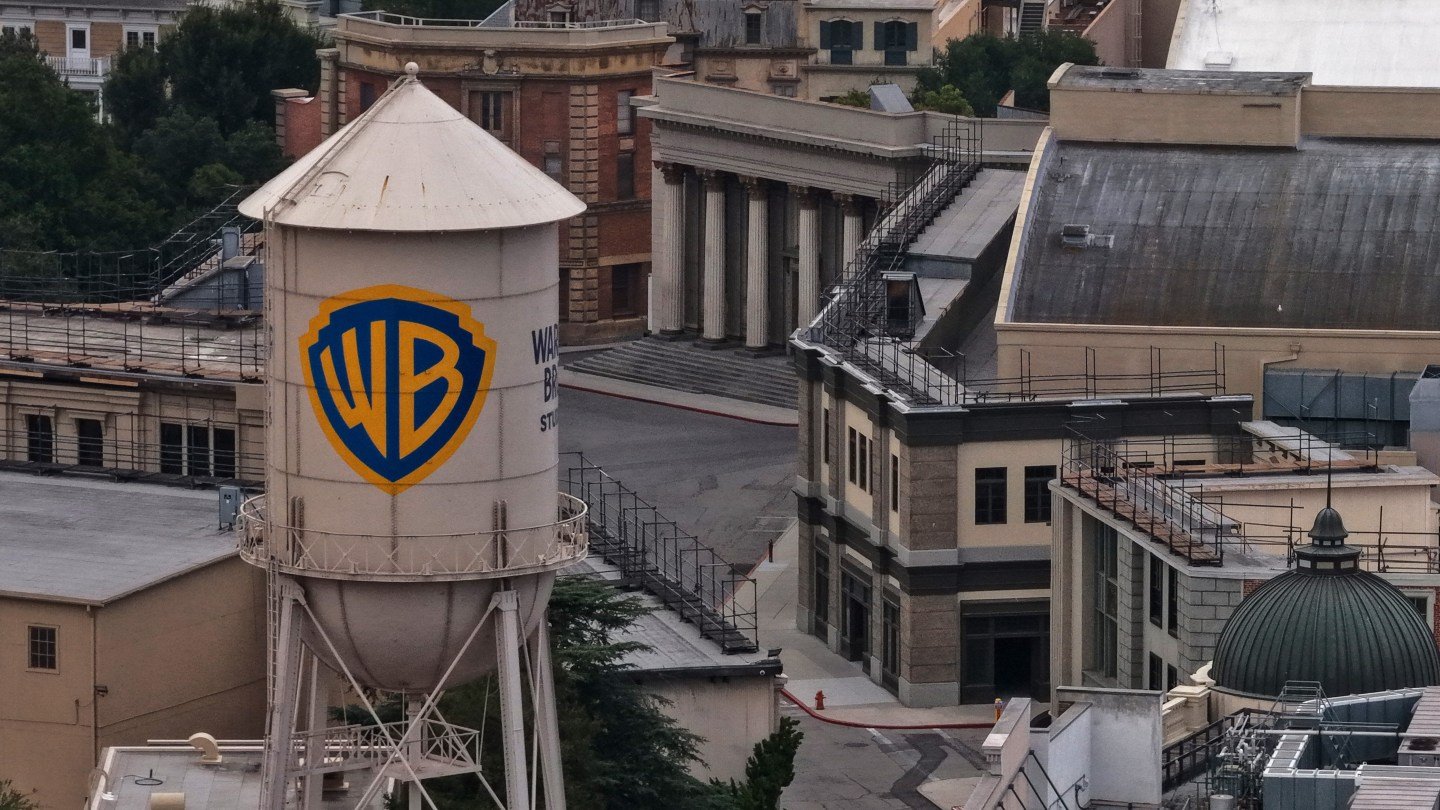
As the legal battle over the $110 billion Paramount Skydance–Warner Bros. Discovery merger drags on, a coalition of state attorneys general is fighting to block the sale on antitrust grounds — and the buyer is threatening to leave California if the lawsuit succeeds. A leaked report now puts a number on the fallout: As many as 58,000 lost jobs and up to $21 billion a year in losses for California.
The report — from the Los Angeles Economic Development Corporation’s Institute for Applied Economics, commissioned by Paramount itself — was leaked Saturday by Politico and lays out grim numbers for the motion picture industry. Leadership at Paramount-Skydance is negotiating with the gaggle of AGs, led by California’s Rob Bonta, and racing against an Oct. 1 deadline: If the merger hasn’t closed by then, the deal’s “ticking fee” kicks in, paying Warner Bros. Discovery shareholders $7 million a day. Paramount’s threat to relocate the studio to Georgia, Tennessee or Texas has been one of its central negotiating tactics — and has drawn uproar across the industry.
The new report quantifies just how much California stands to lose. It finds the state “would experience the permanent loss of approximately 28,990 to 57,980 full-time job-years statewide across all industries, and losses of between $10.6 billion and $21.2 billion annually in economic output.”
But Paramount’s post-merger commitment to produce 30 features a year for three years would generate an estimated 1,020 to 2,760 job-years in California, and between $377.7 million and $1.01 billion in economic output between Oct. 1 and Sept. 30, 2031. The totals reflects between 340 and 920 job-years and between $125.9 million and $337.2 million in statewide output every year for three years.
The estimated job losses include direct, indirect and induced jobs — accounting for ripple effects through Paramount’s California supply chains and the broader economic activity tied to household spending. In other words, the total reflects job losses across all industries, not just film and TV.
An added blow would come from converting Warner Bros.’ soundstages to commercial or residential property, which the report says would “permanently strip” California of infrastructure built over a century — infrastructure that supports the vendors, crews and post-production facilities built up around it.
California remains the world’s fourth-largest global economy, with a nominal gross domestic product of about $4.1 trillion to $4.4 trillion. If Paramount were to exit, the report states, the best-case scenario would see the company slow-walk its departure as it reduces its spending in California. But the worst-case scenario would involve Paramount “substantially or entirely” relocating to another state, which would tank the state’s economy in terms of tax revenues.
U.S. District Judge Araceli Martinez-Olguin has set a Sept. 24 hearing to consider Paramount’s $1.88 billion bond request of the 12 states and the Writers Guild of America, which is also suing to block the merger. The studio made the bond requests as security to cover losses it would incur if the deal is not completed until after the trial.
If the parties do not settle ongoing negotiations, both are moving toward a March 2027 trial date.
Mahershala Ali and filmmaker Bassam Tariq were all set to make Blade, a Marvel film centered on the titular anti-hero, when the project spectacularly fell apart before being removed from Disney’s line-up in 2024.
The project, which Ali officially walked away from in July, left him prepared and ready to perform action on-screen. Luckily, the connection he formed with Tariq laid the groundwork for their new film, Your Mother, Your Mother, Your Mother, which allowed Ali to show the physicality he has been perfecting for years.
“I think [the movie] spoke to me so deeply,” Ali said at The Hollywood Reporter’s Studio at 1 Hotel during TIFF, presented by sponsor Canada Goose. “It offered up an opportunity to engage and commit to the type of difficult I want to commit to because this work is gonna be hard regardless — whether you’re in a good film or a bad film. [The film] was something that was very exciting to me. It asked all of us to go very deep emotionally, but it also checked sort of an action, movement, physicality box for me that I had been really yearning to really invest energy in.”
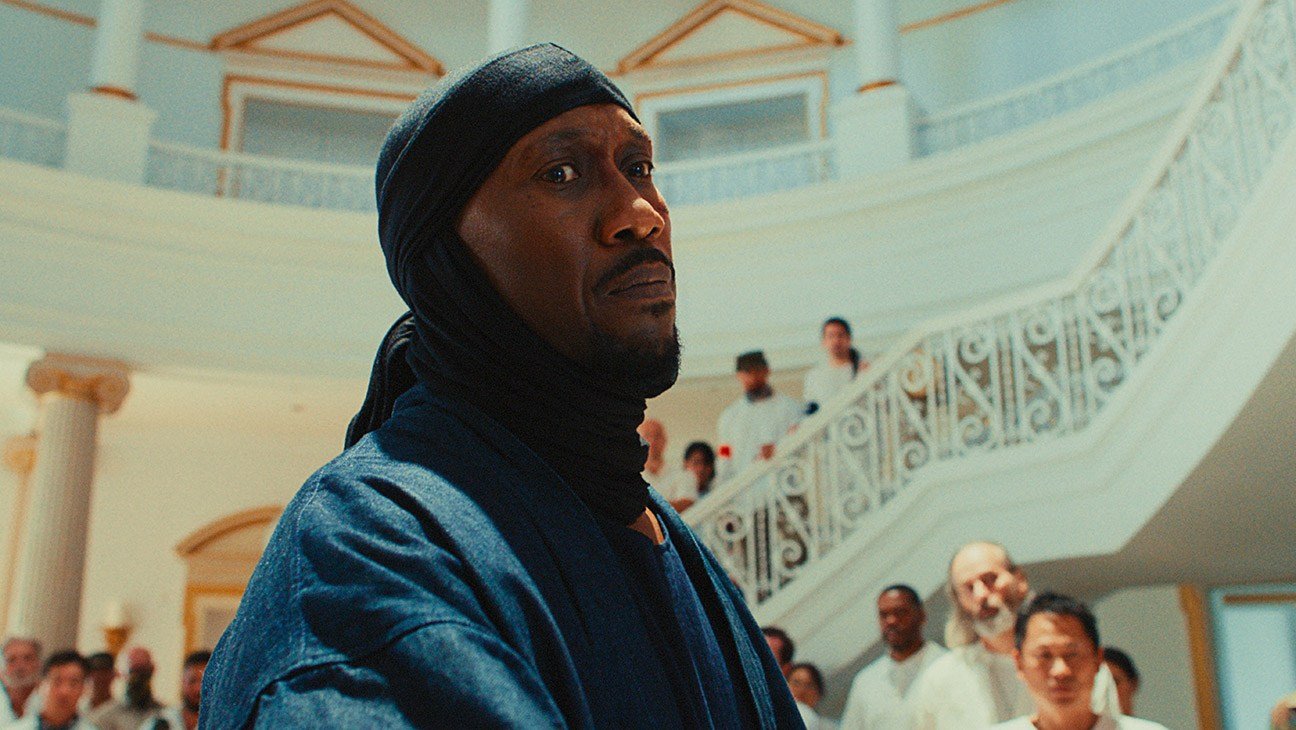
In Your Mother, Your Mother, Your Mother, Ali starsas Latif, a devout Muslim and contract killer who travels across Houston in an effort to protect his three children following the death of his wife. He is confronted with a series of dangerous obstacles, including John Cho’s Haun Yoon, an Army veteran and militant church leader who is determined to destroy what he deems are great evils.
The action film was partly inspired by Tariq’s experience as a new father and “ not feeling like you’re enough as a provider,” the director told THR. Ali said that he was struck by Tariq’s vision when he first read the script.
“Sometimes, you read things and energy starts going off,” Ali said. “It just resonates in a way where you feel called to it — almost as if you don’t even have a choice. You just know that when you read certain things. If anything, it was just more of me having questions about how Bassam was gonna stitch very different worlds together. … You just had to dive in and trust. He is an amazing filmmaker and he was able to, in my humble opinion, stitch that world together in such a fascinating way.”
Ali is also set to star in the season two of HBO’s action-packed series Task, which began filming in July. The Oscar winner said that Emmy-nominated show allowed him to expand on the action techniques he wanted to perform on screen.
“ I’ll just say that there is some physical work in that as well,” Ali teased. “It’s challenging in a very different way, but I’m getting through it.”
Your Mother, Your Mother, Your Mother premiered Sept. 12 at TIFF before being released by Amazon MGM.
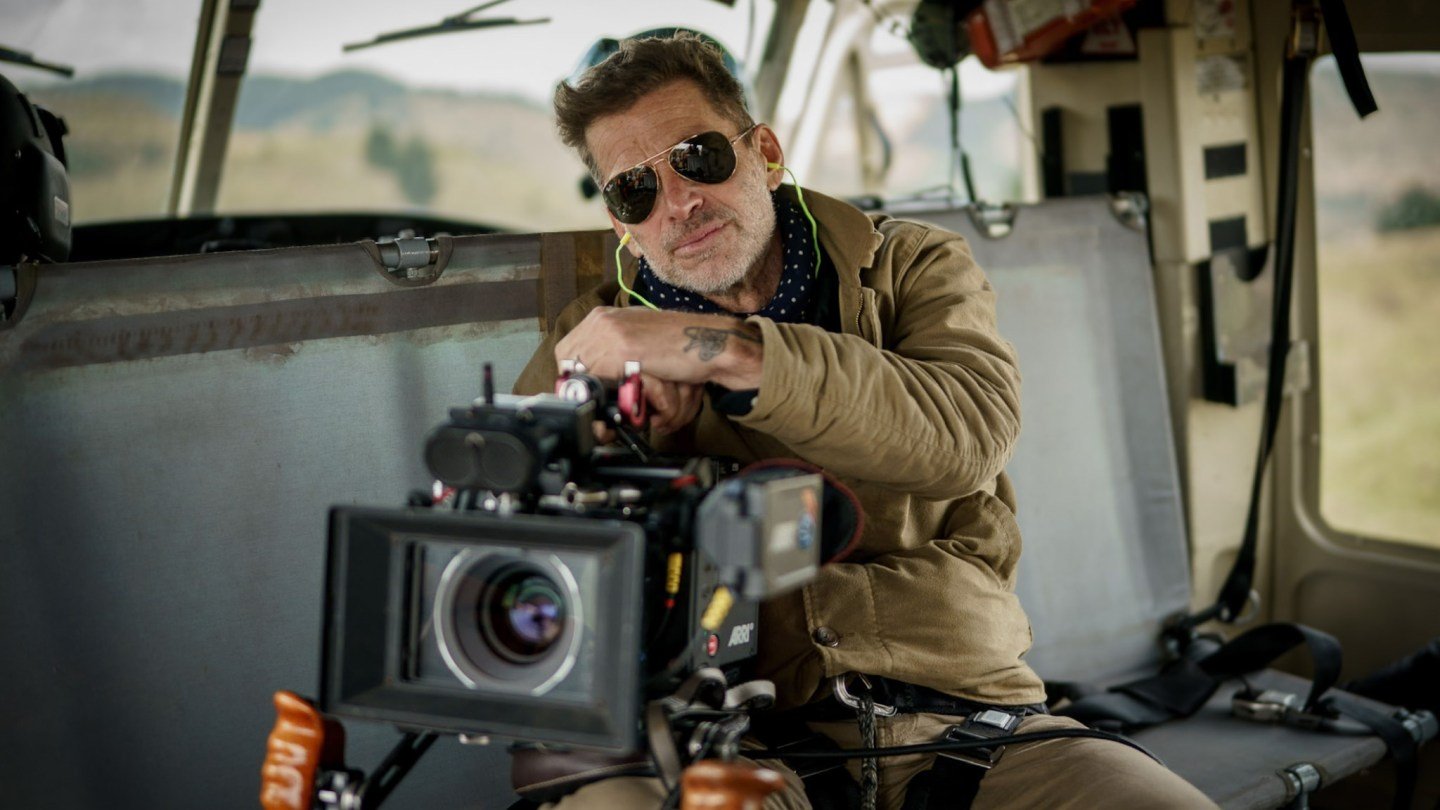
Zack Snyder sat in the back of a cramped, beat-up van, drenched in sweat. Perspiration waterfalled down his face. His back was soaked. He was on the verge of passing out.
It could have been the triple-digit jungle heat. He was in the southern reaches of Colombia after all. It could have been from the triple-digit degree fever that he didn’t know he had. (He would later find out he contracted COVID.) But he had a camera on his shoulder and what he did know was that he could not afford to stop shooting the scenes he needed to get that day. He was in the middle of finally making his passion project, The Last Photograph, and he was both director and cameraman. The movie was figuratively and literally on his shoulders.
When he returned to Leticia, Colombia’s southernmost city that sits on the Amazon River, a woman offered a trembling Snyder cough drops. “Halls is the answer?!” he thought to himself. “OK, fine. Fuck it.”
When I ask him if he tried wearing a mask, Snyder scoffs, “There are no masks in the Amazon. They don’t… there’s no masks. That’s hilarious.”
It’s now just under a year later. Snyder is sitting in his sleek, modern, aerie office high in the hills of Pasadena, prepping to go to the Toronto International Film Festival where Last Photograph will premiere Sunday. The score from Escape from New York is playing on a record player, adding mood to a day that surprisingly becomes rainy.
It’s been a 20-year journey to make the movie and in that time, Snyder went from a commercials and video director to a big Hollywood studio director, to then directing some of the biggest-budgeted, most heavily scrutinized movies of the century, Warner Bros.’s DC movies of the 2010s. His journey still not done, he endured a personal tragedy and the loss of control of DC mega-movie Justice League, followed by the storied affair of the #SnyderCut, and then a return via a pair, or maybe a trio, depending on how you want to count, of Netflix movies, Army of the Dead and the two-part Rebel Moon.
But Last Photograph saw Snyder working in a way he has never been before: As an independent filmmaker. There is no studio or streamer backing him. The scale is small, the budget smaller than some of the commercials he worked on earlier in his career.
“There’s no agenda to the movie. When you make a big studio movie, there’s a lot of things to consider about the product that you’re creating. Because it really is like a product much more than a thing that’s really a tone poem, you know what I mean?” he says.
He continues, “Like, the stakes are lower, right? You’re not trying to sell the audience something. You’re just giving them an experience and that experience doesn’t necessarily have to end with a sequel. I’m not trying to get them to go to another movie or buy a toy. The why of the movie is completely different.”
Making Last Photograph, he says, “was really singular and intimate and that was cathartic for me, to get the experience of making a movie that was really just true to itself and owed nothing but to the moments that we were trying to create.”
Snyder filming The Last Photograph in Colombia.
Daniel Billington
The story is set in an unnamed South American country and follows a heroin-addled war photographer who is the surviving witness to a mass murder that included a diplomat and his wife. When the diplomat’s brother shows up, the two men find themselves on a journey that takes them further and further away from the city and civilization, in search of the family’s kidnapped children. There is almost a mist-shrouded Knights of the Round Table searching for the Holy Grail quality at times, with the pair looking for their own Grail that can heal them.
Last Photograph began life as more of a spy or war thriller, but it was always a two-hander. At one point, it had A-listers like Sean Penn and Christian Bale attached to star, when it was set up at Warner Bros., Snyder’s once-longtime production home. But after the suicide of his daughter Autumn in 2017, however, and in the years after leaving the studio, Snyder began approaching the material differently.
“Yes, the framing is very similar and the events are similar, but what it became was a meditation on death and redemption,” he explains, “And, for me, about how people see the world in different ways.”
Snyder acquired the rights to Last Photograph back from Warners (the studio let it go after it was clear Snyder would not be taking it to a competitor). Unshackled from a studio, and with a limited budget, he assembled a small crew, marshaling his longtime partners — wife and producing partner Deborah Snyder and executive Wesley Coller — along with Gianni Nunnari, the Italian producer with whom he worked on the 2007 adaptation of Frank Miller’s 300. For his leads, Snyder tapped Scottish actor Stuart Martin and Irish actor Fra Fee, both co-starred in Snyder’s Rebel Moon.
In Last Photograph, none of the well-worn Snyder hallmarks appear: no slow motion or green-screen shot. (There is, however, a commando raid where a helicopter gets blown up.) The movie is beautifully photographed and artfully composed. Snyder decided he wanted act as cinematographer, something he did when he was starting out and directing commercials and finally returned to with Army of the Dead.
“The budgets got bigger, the movies got bigger, and he would find himself further and further away from the camera,” says Deborah Snyder, who has produced her husband’s projects since first working with him on a Reebok commercial in the ’90s. With Snyder behind the camera, there was an intimacy to the shoot.
“It almost harkens back to his commercial and music video roots,” she says. “You have this smaller crew, but your visuals still look stunning. He knows how to make beautiful visuals, but you just don’t need all the bells and whistles, and all the people. You can move faster and shoot more. And I feel like that’s the evolution of him as a filmmaker.”
She adds, “When [the movies] got so big, you think you have more creative freedoms, but you actually have less, because you can’t move with agility.”
And agile Snyder was. It was a 32-day shoot, “the shortest by half of any movie I ever made,” he says. The crew averaged 40 set-ups a day.
“On our first day of shooting, I did 72 real camera [setups],” he says enthusiastically. “That’s insane. On Justice League, there were times when I did just four setups a day.”
Most of the movie is shot handheld, minus a dolly or two. Forget about any crane shots. Or a video village. Snyder remembers, “No trailers, no chairs, no nothing. It was just me and the camera, and literally a handful of people.” There was craft services, and the hotel everyone was staying in would offer live beetle grubs once a week for breakfast.
In our conversation, Snyder is energetic, bounding up and describing capturing a shot on the river against a setting sun. He reenacts shooting the commando raid and goes into detail about the process of using gas guns. And he talks about how Harvey Penick’s The Little Green Golf Book can also apply to filmmakers, especially the part about how you have to be good enough to give luck a chance. Luck and skill were on hand in the making of Last Photograph, even getting through the 100-plus degree fever.
“I really see in Zack a general,” says Nunnari, who recalls Snyder working through a sick wintery set in Montreal during the making of 300. “He knows he has to create something and he does it.”
Past the premiere of Last Photograph, Snyder is already putting the pieces in motion to return to IP filmmaking, currently puzzling over how to do a remake of the John Carpenter classic Escape from New York. (See, there was a reason why he had the movie’s record lying about.) The original, made in 1981, was set in a dystopian future in 1997. Snyder’s will also be set in 1997, a sort of futuristic period movie. The original captured his imagination as an impressionable 13-year-old Snyder and never let go.
“It is genre-defining and genre-defying at the same time because no one’s really been able to duplicate the kind of audacity that the movie has,” he notes.
He recently returned to Warner Bros for a special screening of one his favorite movies, John Boorman’s Excalibur. It was part of the private on the lot screening series led by studio heads Pam Abdy and Michael De Luca conduct. He was thrilled to be back — “I’m a huge fan of the vibes of that lot,” he says — and even subjected himself to an hour-long Q&A.
“There was some hard-hitting questions, too, like ‘What adversity have you faced in your career?’” Snyder thought about the irony of being asked this on the very studio lot where he lost his superhero universe. “I was like, ‘That’s a strange question to ask me in this room, but it’s cool.’”
One thing he has not fully returned to is watching DC movies. He has not, for example, watched James Gunn’s Superman.
“I just haven’t gotten around to it yet,” he says, letting out a little laugh. He quickly adds he is a supporter of Gunn’s and wants the DC division to do well.
Just as Last Photograph finds Snyder at his most contemplative, so too are his views on his DC legacy and the popularity of Marvel movies. Batman, Superman and Wonder Woman are the most popular and most recognized superheroes in the world, with the exception of Spider-Man. That should, theoretically, make them easier to sell to audiences.
In his view, Marvel has cracked the code on how to bend its characters into a very marketable way. He, on the other hand, was interested in what he believed was their inner and iconic core.
“[Marvel is] like an amusement park ride, right? The ups, the drops, the kind of cruising part, and then another drop. At the end, you’re like, ‘Wow, that was crazy, that was awesome.’ I had no interest in that. And you know, maybe that was a mistake. But I don’t think that way. I can’t do that. I’d rather just kind of talk about the mythology of them. And maybe that’s not as fun,” he muses.