Tag: HollywoodReporter

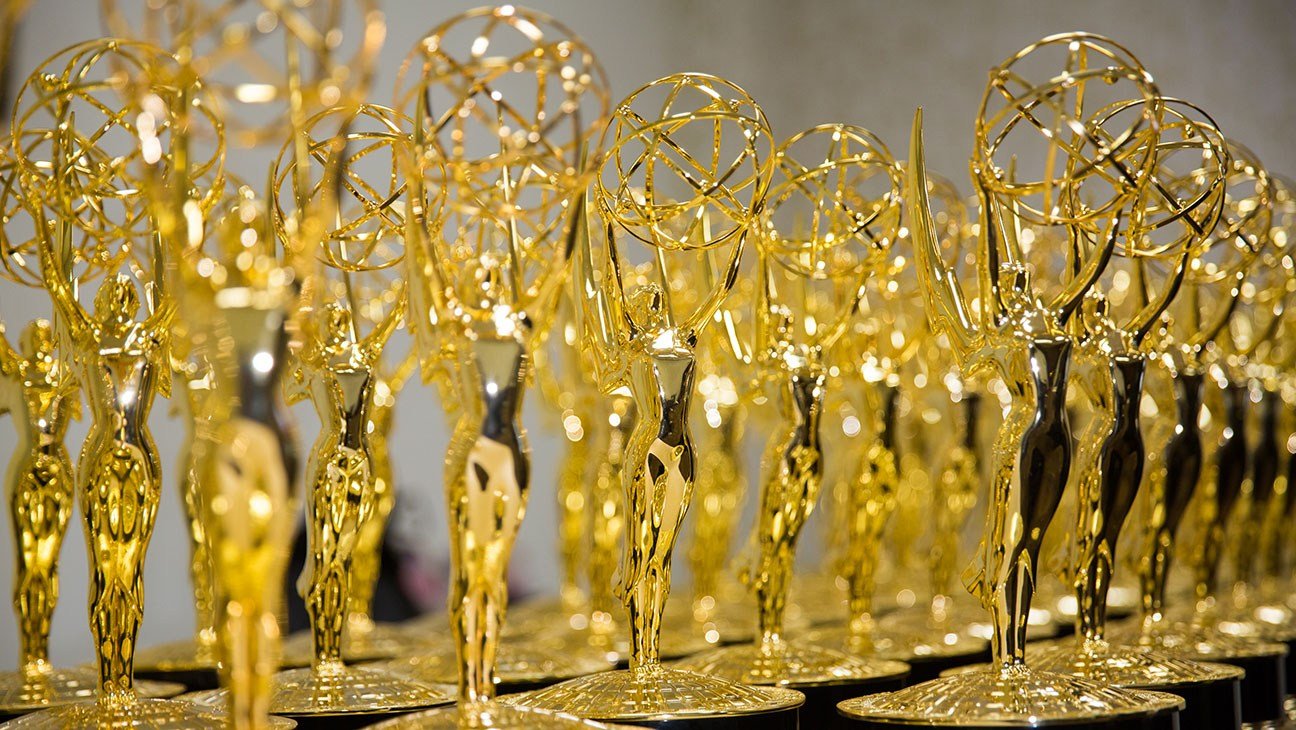
  • Emmy Awards: Winners List (Updating Live)

    Emmy Awards: Winners List (Updating Live)

    Abbott Elementary • ABC • Delicious Non-Sequitur Productions and Fifth Chance in association with Warner Bros. Television and 20th Television
    Quinta Brunson, Executive Producer
    Justin Halpern, Executive Producer
    Patrick Schumacker, Executive Producer
    Randall Einhorn, Executive Producer
    Brian Rubenstein, Executive Producer
    Brittani Nichols, Executive Producer
    Ava Coleman, Supervising Producer
    Josh Greene, Supervising Producer
    Justin Tan, Producer
    Kate Peterman, Producer
    Joya McCrory, Producer
    Richie Edelson, Producer
    Scott Sites, Produced by

    The Bear • FX/Hulu • FX Productions
    Josh Senior, Executive Producer
    Joanna Calo, Executive Producer
    Christopher Storer, Executive Producer
    Tyson Bidner, Executive Producer
    Matty Matheson, Executive Producer
    Cooper Wehde, Executive Producer
    Rene Gube, Executive Producer
    Courtney Storer, Co-Executive Producer
    Carrie Holt de Lama, Producer
    David Woods, Producer

    Hacks • HBO Max • Universal Television in association with Paulilu, First Thought Productions, Fremulon Productions, 3 Arts Entertainment
    Jen Statsky, Executive Producer
    Paul W. Downs, Executive Producer
    Lucia Aniello, Executive Producer
    Michael Schur, Executive Producer
    David Miner, Executive Producer
    Morgan Sackett, Executive Producer
    Joe Mande, Executive Producer
    Aisha Muharrar, Executive Producer
    Nate Young, Executive Producer
    Ashley Glazier, Executive Producer
    Guy Branum, Co-Executive Producer
    Andrew Law, Co-Executive Producer
    Pat Regan, Co-Executive Producer
    Samantha Riley, Co-Executive Producer
    Ariel Karlin, Producer
    Adam Bricker, Producer
    Jeff Rosenberg, Producer
    Nicholas Perez, Producer

    Margo’s Got Money Troubles • Apple TV • A24 in association with Apple
    Sam French, Executive Producer
    Phoebe Zimmer, Executive Producer
    Alli Reich, Executive Producer
    Boo Killebrew, Executive Producer
    Rufi Thorpe, Executive Producer
    Brittany Kahan-Ward, Executive Producer
    Matthew Tinker, Executive Producer
    Nicole Kidman, Executive Producer
    Per Saari, Executive Producer
    Elle Fanning, Executive Producer
    Dakota Fanning, Executive Producer
    Michelle Pfeiffer, Executive Producer
    Dearbhla Walsh, Executive Producer
    Eva Anderson, Executive Producer
    David E. Kelley, Executive Producer
    Briar McQuilkin, Co-Executive Producer
    Jes Anderson, Producer
    Caroline James, Produced by

    Nobody Wants This • Netflix • 20th Television in association with Steven Levitan Productions for Netflix
    Erin Foster, Executive Producer
    Jenni Konner, Executive Producer
    Bruce Eric Kaplan, Executive Producer
    Kristen Bell, Executive Producer
    Nora Silver, Executive Producer
    Jeff Morton, Executive Producer
    Oly Obst, Executive Producer
    Sara Foster, Executive Producer
    Danielle Stokdyk, Executive Producer
    Steven Levitan, Executive Producer
    Sarah Heyward, Co-Executive Producer
    Lindsay Golder, Co-Executive Producer
    Michael C. Bolton, Producer
    Andrew Brooks, Producer

    Only Murders In The Building • Hulu • 20th Television
    Dan Fogelman, Executive Producer
    Jess Rosenthal, Executive Producer
    Ben Smith, Executive Producer
    J.J. Philbin, Executive Producer
    Steve Martin, Executive Producer
    Martin Short, Executive Producer
    Selena Gomez, Executive Producer
    John Hoffman, Executive Producer
    Kristin Bernstein, Co-Executive Producer
    Kristin Newman, Co-Executive Producer
    Taylor Cox, Co-Executive Producer
    John Enbom, Co-Executive Producer
    Max Searle, Co-Executive Producer
    Jill Risk Wolfe, Producer

    Shrinking • Apple TV • Warner Bros. Television in association with Apple
    Bill Lawrence, Executive Producer
    Jason Segel, Executive Producer
    Brett Goldstein, Executive Producer
    Neil Goldman, Executive Producer
    Jeff Ingold, Executive Producer
    Liza Katzer, Executive Producer
    Randall Keenan Winston, Executive Producer
    James Ponsoldt, Executive Producer
    Rachna Fruchbom, Executive Producer
    Brian Gallivan, Executive Producer
    Bill Posley, Executive Producer
    Ashley Nicole Black, Executive Producer
    Kip Kroeger, Co-Executive Producer
    Emily Wilson, Co-Executive Producer

    Widow’s Bay • Apple TV • Apple Studios / Chum Films
    Katie Dippold, Executive Producer
    Hiro Murai, Executive Producer
    Carver Karaszewski, Executive Producer
    Claudia Shin, Executive Producer
    Matthew Rhys, Executive Producer
    Joanne Toll, Co-Executive Producer
    Kelly Galuska, Co-Executive Producer
    Mackenzie Dohr, Co-Executive Producer
    Neil Casey, Supervising Producer
    Colton Dunn, Supervising Producer
    Kaitlin Waldron, Producer
    Christian Sprenger, Producer

  • Angie Harmon to Keynote MIPCOM Cannes’ Women in Global Entertainment Power Lunch

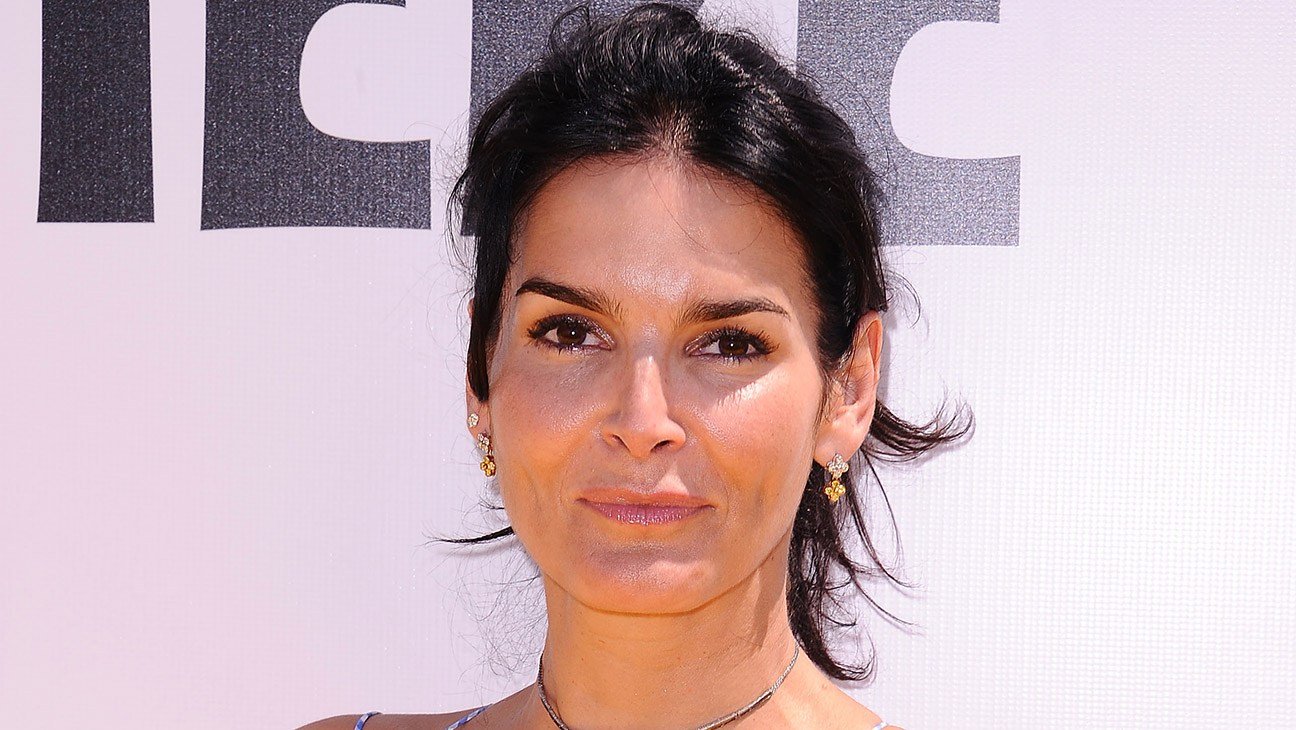
    Angie Harmon to Keynote MIPCOM Cannes’ Women in Global Entertainment Power Lunch

    Law & Order alum Angie Harmon is set to deliver the keynote address at MIPCOM Cannes’ annual Women in Global Entertainment Power Lunch, co-hosted by A+E Networks in partnership with The Hollywood Reporter.

    The Women in Global Entertainment Power Lunch, now in its 14th year, will take place at the Majestic Hotel on Oct. 12.

    “A+E Global Media has a long history of championing women and supporting their voices across our industry. For more than a decade, this lunch has been an important part of that commitment. We’re proud to continue the tradition with MIPCOM Cannes and THR, welcoming Angie Harmon, an extraordinary storyteller and creative partner, in conversation with acclaimed author and broadcaster Elizabeth Day,” Deborah Bradley, executive vp of global content sales at A+E Global Media, said Monday in a statement.

    Day, a British novelist, journalist and broadcaster, will moderate the informal conversation with Harmon, whose credits include Agent Cody Banks, Baywatch Nights, Batman Beyond: Return of the Joker, Women’s Murder Club, Seraphim Falls and Rizzoli & Isles. 

    “Marking its 14th anniversary at MIPCOM Cannes, the Women in Global Entertainment Power Lunch has become an important moment for women from across the international entertainment industry to come together, connect and celebrate their collective influence on our business. We’re proud to continue this tradition with A+E Global Media and The Hollywood Reporter and delighted to welcome Angie Harmon to this year’s gathering. As an actress, director and producer, she brings a valuable perspective to a conversation that reflects the breadth of talent, leadership and experience of women at MIPCOM,” Lucy Smith, director of MIPCOM Cannes, added in her own statement.

    MIPCOM Cannes is set to run Oct.12-15.

  • Dave Chappelle Announces Fall 2026 Arena Tour

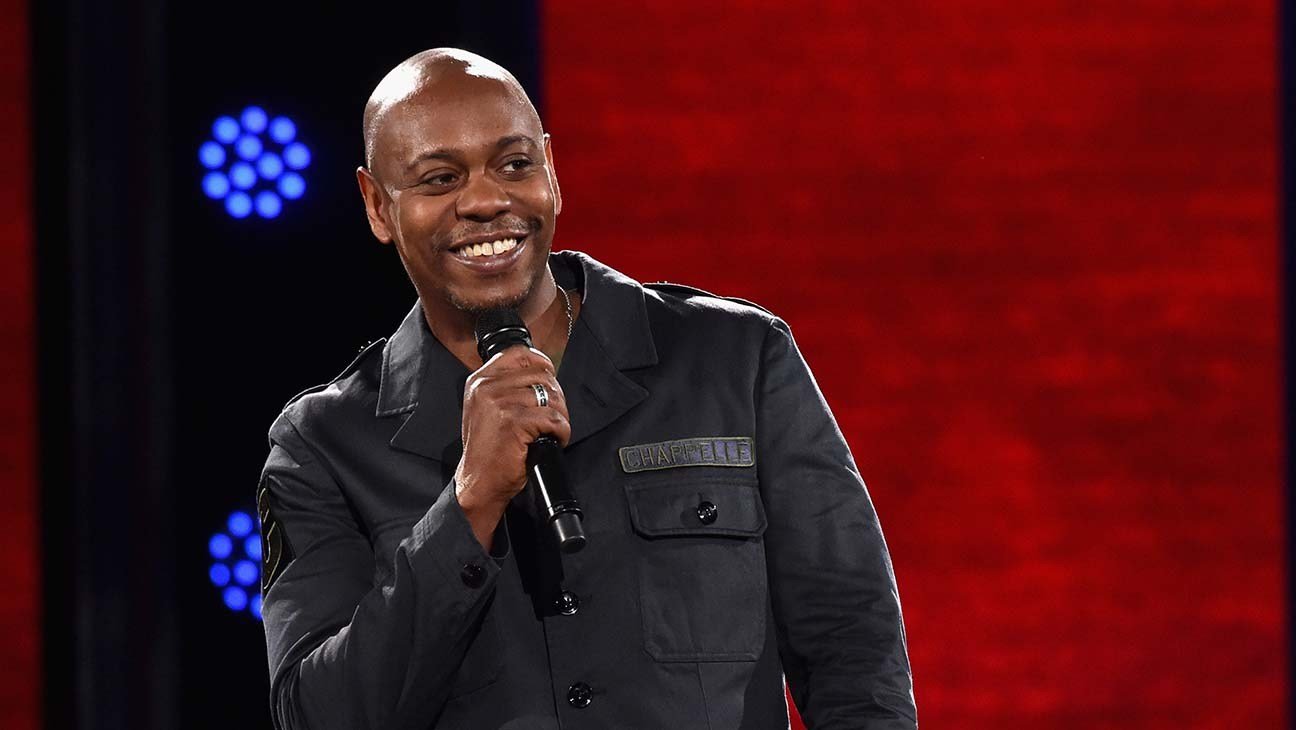
    Dave Chappelle Announces Fall 2026 Arena Tour

    Dave Chappelle has announced a series of arena shows around the U.S. and Canada this fall, which will see the comedy icon close his tour by headlining the opening night of the New York Comedy Festival.

    Chappelle’s tour will make stops in Nashville, Charlotte, Toronto, Louisville, Austin and Houston, in addition to the New York date on Nov. 6. The comic and actor will be performing solo as he brings his trademark wit and fearless social commentary to crowds that can’t get enough of him.

    “Dave is one of the defining comedians of his generation and, without question, one of the greatest stand-up comedians of all time,” said Caroline Hirsch, founder and owner of the New York Comedy Festival. “To have Dave close out his tour by opening our festival is spectacular.”

    This will be a quick return to the road for Chappelle after his arena run in June, which took him through Baltimore, Detroit, Cleveland, Chicago and San Diego before the comedian returned to his hometown of Yellow Springs, Ohio. It’s here that, for the sixth year, he hosted Dave Chappelle’s Summer Camp, his series of intimate shows that take place at the outdoor Wirrig Pavilion.

    The controversial and beloved stand-up closed out his summer season of shows across the pond, heading off to London for the Pulling Up Tour. Chappelle sold out two nights at the Eventim Apollo before hosting Lauryn Hill’s inaugural UK Diaspora Calling! Festival at the Milton Keynes National Bowl.

    See Chappelle’s upcoming tour dates below.

    Tuesday, Oct. 20 — Nashville, TN — Bridgestone Arena
    Wednesday, Oct. 21 — Charlotte, NC — Spectrum Center
    Friday, Oct. 23 — Toronto, ON — Scotiabank Arena
    Saturday, Oct. 24 — Louisville, KY — KFC Yum! Center
    Monday, Oct. 26 — Austin, TX — Moody Center
    Wednesday, Oct. 28 — Houston, TX — Toyota Center
    Friday, Nov. 6 — New York, NY — Madison Square Garden (New York Comedy Festival)

  • Zack Snyder’s ‘The Last Photograph’: First Reactions

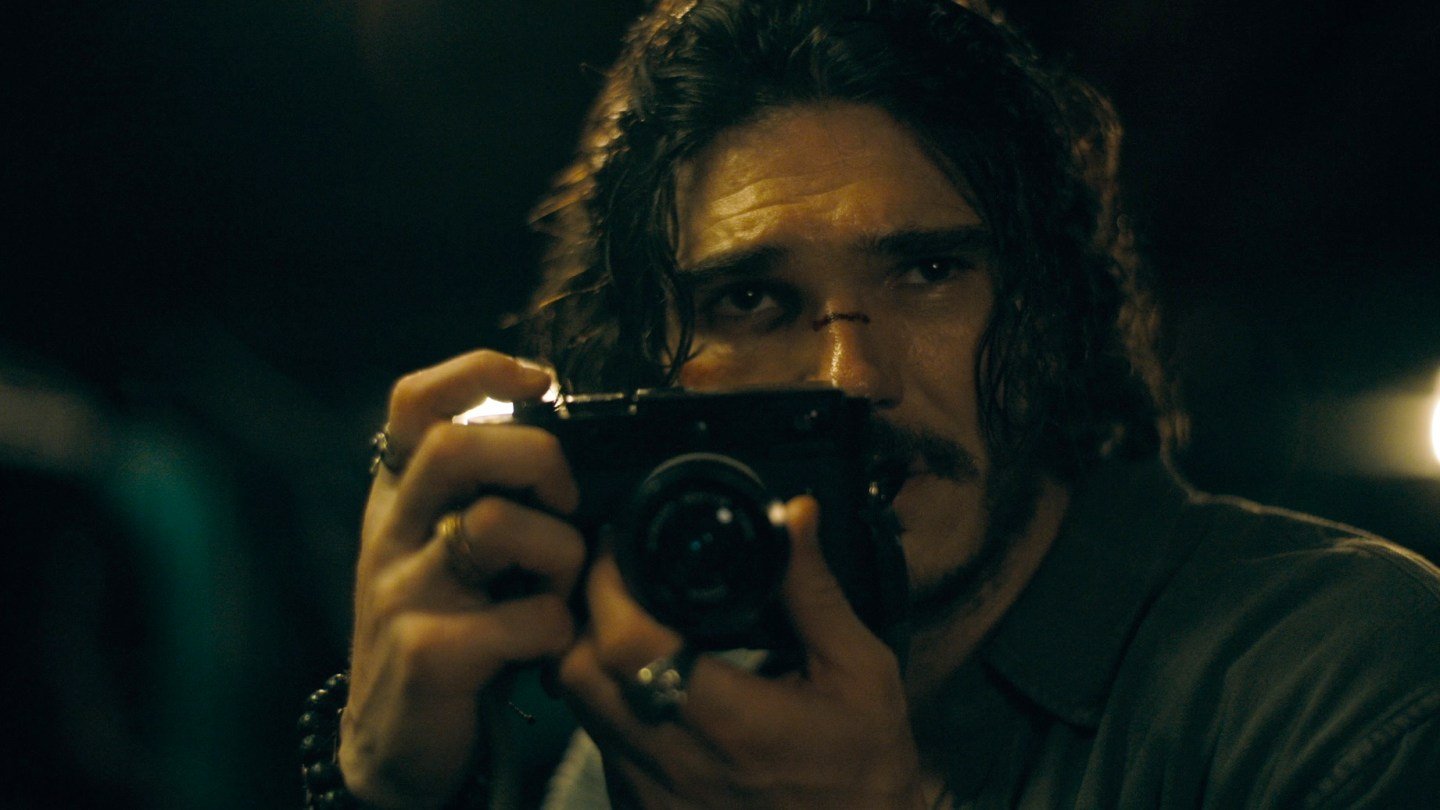
    Zack Snyder’s ‘The Last Photograph’: First Reactions

    Zack Snyder‘s The Last Photograph had its premiere at the Toronto Film Festival on Sunday, and the first reactions to the filmmaker’s 13th feature are decidedly mixed.

    Debuting in TIFF‘s “special events” section, The Last Photograph is an action thriller that Snyder directed from a screenplay by Kurt Johnstad, who co-wrote Snyder’s previous two features, 2023’s Rebel Moon – Part One: A Child of Fire and 2024’s Rebel Moon – Part Two: The Scargiver.

    A plot synopsis for the film reads, “An ex-DEA agent searches South American mountains for his murdered diplomat siblings’ children, aided by a junkie photographer who saw the killers, confronting past demons as reality blurs in remote wilderness.”

    The Last Photograph stars Scottish actor Stuart Martin and Northern Irish actor Fra Fee. Snyder’s longtime collaborator Hans Zimmer, alongside Omer Benyamin and Steven Doar, composed the film’s music.

    A passion project for Snyder, The Last Photograph is based on an original story from the filmmaker and he has been developing the idea for two decades. He also served as cameraman and cinematographer on the project.

    Notably, this is also Snyder’s first independent film, as no studio or streamer was involved in the production. The move was produced by Snyder and Deborah Snyder’s The Stone Quarry and Gianni Nunnari’s Hollywood Gang Productions.

    Read below for first reactions to The Last Photograph.

  • A Bland ‘60 Minutes’ Season Premiere Suggests a Limited Bari Weiss Effect (So Far)

    A Bland ‘60 Minutes’ Season Premiere Suggests a Limited Bari Weiss Effect (So Far)

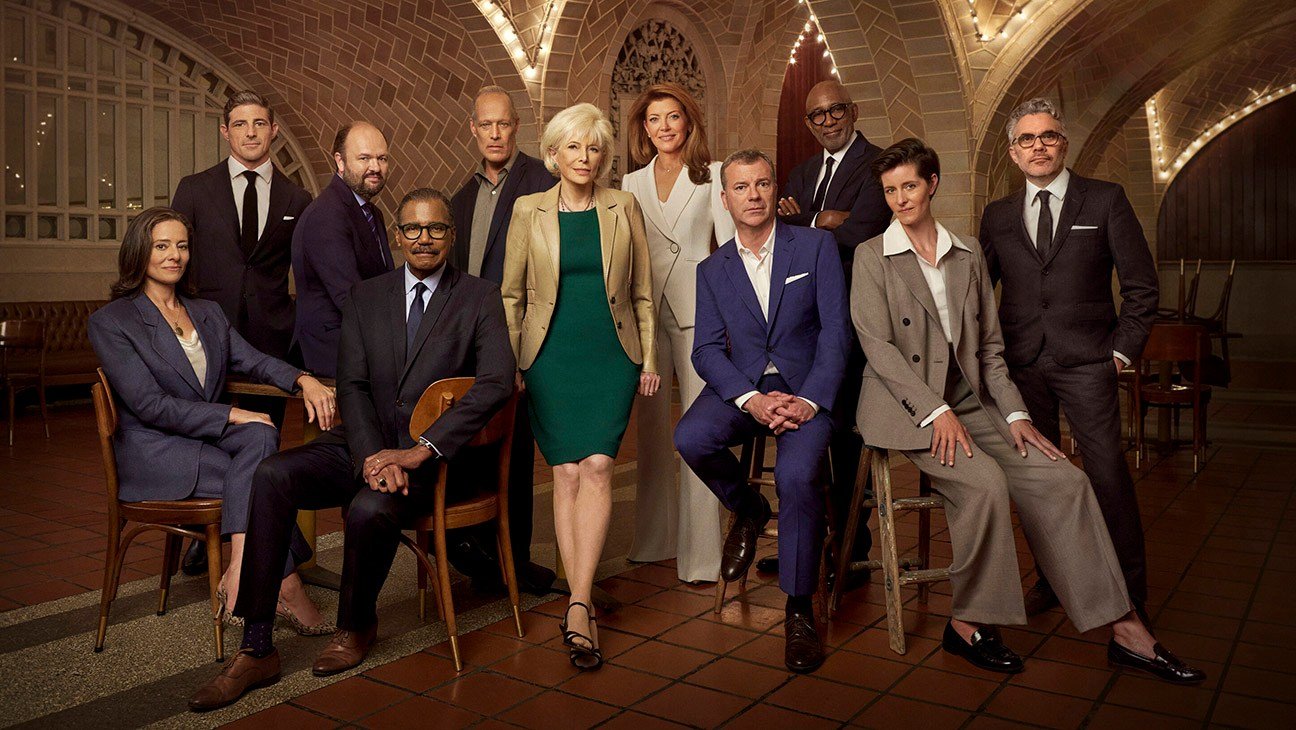
    There have been months of controversy, outrage and general conversation regarding alterations to CBS’ 60 Minutes franchise under new CBS News editor-in-chief Bari Weiss. But the venerable newsmagazine returned Sunday night to start its 59th season with a premiere that will probably offer very, very limited confirmation to both the pessimistic and optimistic biases espoused by pundits on the left and right.

    I’m supposed to want to rend my garments over changes to 60 Minutes because I have an earnest belief that Weiss’ tenure at CBS News has rendered the nightly news broadcast and its overall coverage unwatchable; because every quote from new executive producer Nick Bilton has been glib and disheartening; and because circumstances surrounding the departure of respected on-air talent, particularly Scott Pelley, were handled with, at best, a lack of respect and little regard for professional optics.

    The reality is that the 99.999 percent of 60 Minutes viewers who watched the show because they were too lazy to change the channel after CBS’ late NFL game ended, who watched out of tradition or casual curiosity or complacency, will not have noticed anything even vaguely notable or different in Sunday night’s premiere. Someone could write a thousand words pretending that aspects of Sunday’s 60 Minutes were earthshaking or infuriating or disgraceful, when the truth is that the premiere was mediocre but rarely in shocking or horrifying or new ways.

    It was just a flat episode of television with some obvious problems. If I were going to write about those problems without awareness of the behind-the-scenes tumult, I’d probably lead by making fun of the third segment. That Jon Wertheim-fronted puff piece about Sean McVeigh and the Los Angeles Rams spent 15 minutes celebrating the NFL’s marquee franchise and presumptive Super Bowl favorites, just days after they were humiliated by the 49ers in a game that either was or wasn’t decided in part by McVeigh’s questionable choice to have the team travel Down Under slightly over a day ahead of taking the field (rather than allowing time to acclimate to the new time zone/hemisphere). It was a segment that aged instantly and poorly, and dodged ongoing controversies involving Rams star Puka Nacua entirely. But it was a puff piece of the type 60 Minutes has always sprinkled in around harder-hitting and more provocative pieces of reporting. By no stretch did it feel different.

    Wertheim has been a part of the 60 Minutes rotation since 2017. The other key reports in the premiere were fronted by Lesley Stahl, with the show since 1991, and Norah O’Donnell, whose tenure began as a part-time correspondent back in 2015. Much was made of the new contributors and correspondents brought in by Weiss and Bilton, but other than New York Times veteran Ross Douthat — whose 60 seconds at the closing of the episode were dull and charisma-free, but not meaningfully — the premiere was designed to ease viewers through the transition in the least obtrusive way possible.

    The series’ iconic ticking stopwatch was given a backdrop more white than red, but there have been minor cosmetic shifts periodically. You can’t make me pretend that this is better or worse than when the backdrop became red and the clock’s orientation was changed 20 years ago. The introduction of the correspondents was tweaked in minor ways, again not for better or worse. There were pre-season rumors about minor aesthetic changes to the way the show uses establishing shots and behind-the-scenes footage during reports, but based on one episode, those felt like they could just as easily have been a preference from an individual segment producer rather than a top-down fiat.

    Look, there was much to be annoyed about when it came to the O’Donnell-centric opening segment, a piece of administration competence porn loosely masquerading as a military thriller. But I’m not journalistically attuned enough to put my finger, as a simple viewer, on how access to and participation by this White House in telling the story of a mission to rescue the two-man crew of a fighter jet shot down over Iran made this ethically different from countless similar 60 Minutes pieces over the years.

    There has always been a gap between 60 Minutes reports that felt like they were in full accord with the official version of events and 60 Minutes reports that felt like they were pushing back against that official version; this was neither the first of the former kind, nor will it be the last. There was no depth and only limited insight, and Secretary of Defense Pete Hegseth was present because 60 Minutes clearly thought it would be cool to have him there and not because anything he said was the least bit revealing. Nothing in the reporting of the story amplified the inherent heroism of the rescue, nor was it dynamically propagandistic. It was just an unremarkable recounting of a remarkable event.

    The Stahl-centric segment on pardon brokers was comparably bland. But nobody critical of the “Shot Down Over Iran” segment as being low-key propagandistic could deny that “The Pardon Economy” emphasized that, even if there have always been whiffs of pay-for-play or quid pro quo when it comes to the pardon process, the optics in the current administration are different and uglier.

    So-called lobbyists Jacob Wohl and Jack Burkman have been described as con artists and fraudsters before, and that’s how they came across here. Ed Martin, former head of Trump’s pardon office at the DOJ, came across as halfway between disingenuous and clueless. Stahl asked follow-up questions, and the overall sense of injustice was palpable.

    The only part of the segment that felt like actively bad journalism was Stahl’s assertion that “We have learned that the White House has become sensitive to the perception that the president is selling pardons” — a statement made without sourcing or an iota of corroborating evidence of what that “sensitivity” even entails. Should that one sloppy line of text be blamed on Weiss? I haven’t the faintest idea, and I’m not going to claim that that, or the comically pugnacious Trump statement closing the segment, necessarily have anything to do with the new 60 Minutes regime.

    Ultimately, I am a regular 60 Minutes viewer, but not a religious 60 Minutes viewer, which is to say that I’ve always watched the segments that interested me and skipped the ones that didn’t, at the risk of appearing intellectually incurious. I did have a lot of respect for Pelley, and his absence will probably reduce the amount I tune in going forward. But if you ask me the question, “Did anything in the Season 59 premiere of 60 Minutes make it more or less likely that you’ll watch 60 Minutes going forward?” the answer, leaving all pre-season scuttlebutt out of it, is: “Yes, the Ross Douthat stuff made me less likely to watch, but otherwise? Nah.” This new 60 Minutes may get worse as the current leadership pushes it forward, or it may get better, but pretending this was a markedly different show for this one hour would be silly.

  • Netflix to Stream Lee Chang-dong’s Films Globally as ‘Possible Love’ Awards Campaign Heats Up

    Netflix to Stream Lee Chang-dong’s Films Globally as ‘Possible Love’ Awards Campaign Heats Up

    Netflix is offering global cinephiles a deeper dive into the work of Korean master Lee Chang-dong as it ramps up the awards-season rollout of his acclaimed new drama Possible Love.

    Fresh off Possible Love’s Silver Lion Grand Jury Prize win at the Venice Film Festival over the weekend, the streamer said Monday that it is expanding the availability of all six of Lee’s previous features across various international markets. The rollout includes Green Fish (1997), Peppermint Candy (1999), Oasis (2002), Secret Sunshine (2007), Poetry (2010) and Burning (2018), although availability and timing vary by country.

    Green Fish and Secret Sunshine began streaming in late August in Italy, the U.K., France, Australia and New Zealand, while Peppermint Candy and Oasis launched on Netflix in Italy and Spain on Sept. 4. Poetry and Burning are slated to become available on the service in markets including the U.S., Canada, Japan, Australia and New Zealand. Netflix says the films will be offered with subtitles in as many as six languages, depending on the territory.

    Taken together, the films represent one of Korean cinema’s most beloved bodies of work. Lee made his feature debut with Green Fish in 1997, followed by Peppermint Candy, which screened in Directors’ Fortnight at Cannes in 2000. Oasis earned Lee the Silver Lion for best director at Venice in 2002, with star Moon So-ri receiving the festival’s Marcello Mastroianni Award. Jeon Do-yeon later won best actress at Cannes for Lee’s Secret Sunshine in 2007, and Poetry took Cannes’ best screenplay prize in 2010. And Lee’s most recent feature, Burning, competed for the Palme d’Or in 2018 and landed on many critics’ best-of lists that year.

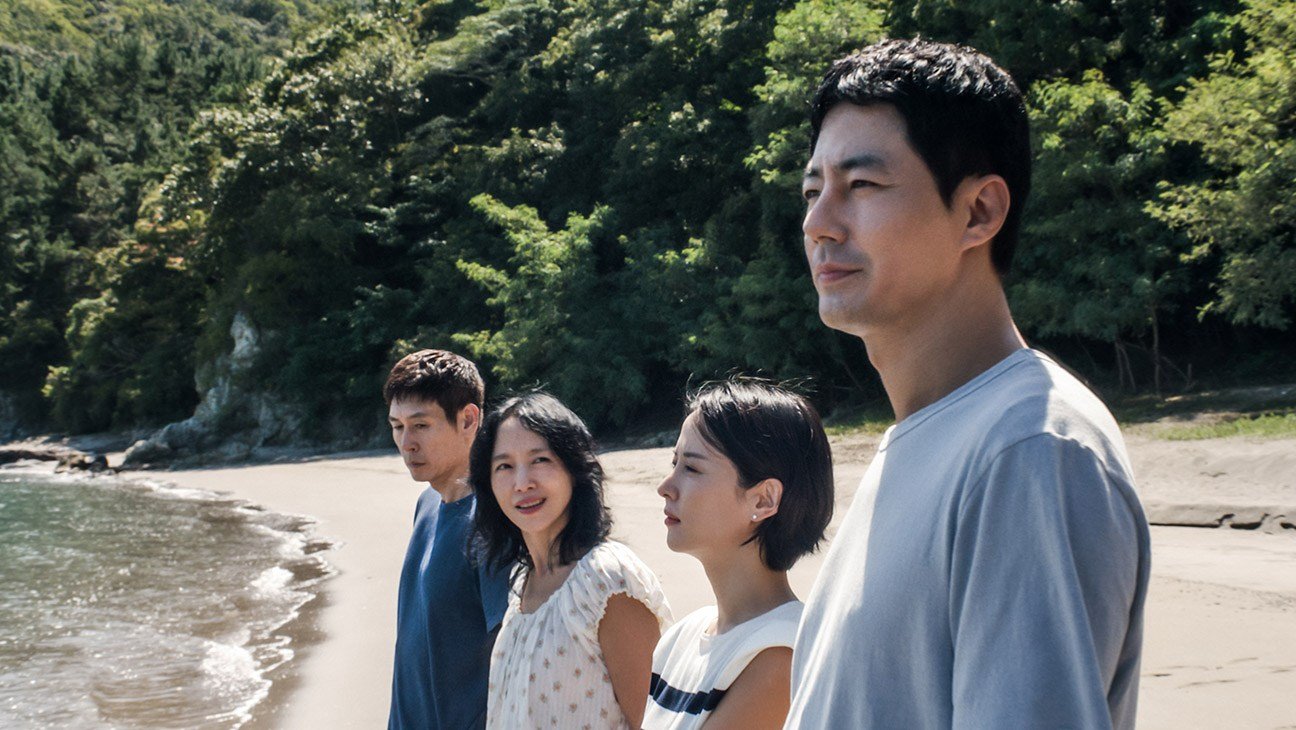
    Possible Love premiered to widespread acclaim in Venice before taking the festival’s Silver Lion Grand Jury Prize Saturday. The win marked the first time a South Korean film has received the honor and the first prize for a Korean film at Venice since Kim Ki-duk’s Pieta won the Golden Lion in 2012.

    (From L) Director Lee Chang-Dong, actors Sul Kyung-gu, Jeon Do-yeon, Cho Yeo-Jeong and Zo In-Sung on the red carpet at the Venice screening of ‘Possible Love’.

    Stefano Rellandini / AFP via Getty Images

    The searing drama reunites Lee with two of his most celebrated early collaborators: Jeon, the Cannes best actress winner from Secret Sunshine, and Sul Kyung-gu, who starred in Peppermint Candy and Oasis. They are joined by rising leading man Zo In-sung and Parasite co-star Cho Yeo-jeong.

    Possible Love follows two married couples from opposite ends of Korea’s class divide whose lives become unexpectedly intertwined. Blue-collar Ho-seok (Sul), a man traumatized by losing his factory job after a workers’ strike, lives a quiet life with his determinedly optimistic wife, Mi-ok (Jeon). A chance encounter brings them into contact with Ye-ji (Cho), a documentary filmmaker working on a project about displaced laborers, and her affluent husband, Sang-woo (Zo). The two wives soon strike up a tentative friendship as Ye-ji expresses interest in telling Ho-seok’s story — but the group dynamic grows increasingly complicated by their extreme class differences and subtly conflicting desires.

    South Korea selected Possible Love as its submission for the best international feature Oscar, and Netflix is positioning the film as one of its major awards contenders of the season.

    The film opens theatrically in South Korea on Sept. 23, followed by Australia and New Zealand on Oct. 22 and the U.K., Japan, U.S. and Canada on Oct. 23. It will launch globally on Netflix on Nov. 6.

  • Reba McEntire Expected to Perform Tribute to Dolly Parton at 2026 Emmys

    Reba McEntire Expected to Perform Tribute to Dolly Parton at 2026 Emmys

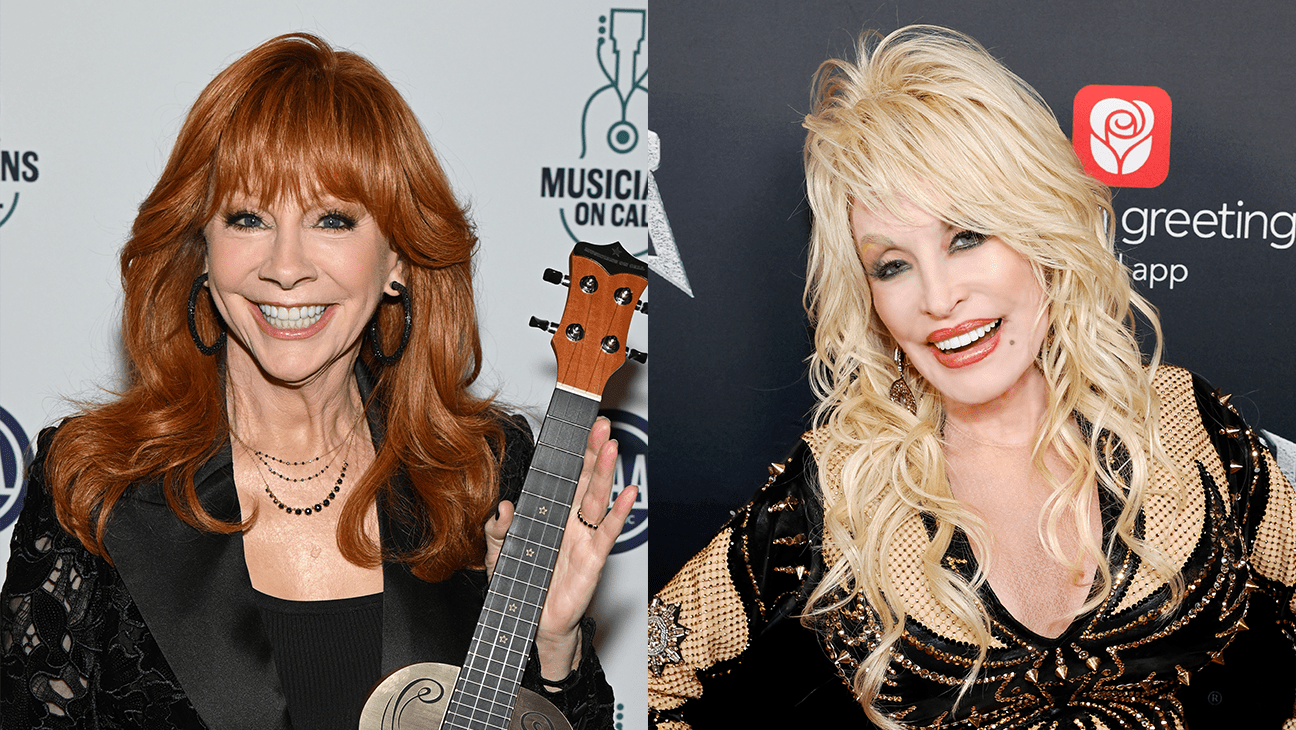
    Reba McEntire has been tapped to perform a special tribute to the late Dolly Parton during the 2026 Emmy Awards on Monday night, The Hollywood Reporter has learned.

    The Grammy winner is expected to sing a song by the Queen of Country Music, who died last month at age 80 after a brief battle with cancer. In addition to McEntire’s performance, New York Knicks point guard Jalen Brunson is also expected to make a guest appearance during a pre-taped segment at the beginning of the telecast.

    It’s no secret that host Mariska Hargitay is a longtime Knicks fan, regularly spotted sitting courtside at games at Madison Square Garden. However, when THR caught up with Hargitay ahead of the ceremony, she wouldn’t confirm whether Brunson would make a special appearance.

    “Not sure, but maybe OG will come flying in with 1.2 seconds left,” Hargitay said at the time.

    It was previously announced that the awards ceremony will also feature a performance by Noah Kahan for the In Memoriam segment, as well as celebrations for the 30th anniversary of Buffy the Vampire Slayer with David Boreanaz and Sarah Michelle Gellar and the 50th anniversary of Charlie’s Angels with Kate Jackson, Cheryl Ladd and Jaclyn Smith.

    Heading into the ceremony, HBO Max‘s The Pitt leads the Emmy nominees with 25 nominations, followed by HBO Max’s Hacks (with 24 nominations), Apple TV+’s Widow’s Bay (19), Apple TV+‘s Pluribus (18 nominations), Netflix’s Beef (16), HBO Max’s DTF St. Louis (13) and NBC’s Saturday Night Live and Amazon Prime Video’s Spider-Noir with 11 nominations each.

    The 78th Emmy Awards, hosted by Law & Order: Special Victims Unit star, will air live from the Peacock Theater on Monday, Sept. 14, at 8 p.m. ET/5 p.m. PT on NBC and Peacock.

  • Chris Rock Reveals Paul Thomas Anderson Gave Notes on ‘Misty Green’: “A Tweak Here or There”

    Chris Rock Reveals Paul Thomas Anderson Gave Notes on ‘Misty Green’: “A Tweak Here or There”

    Chris Rock revealed on Sunday that filmmaker Paul Thomas Anderson provided feedback on his latest directorial project, Misty Green.

    The comedian mentioned during the film’s premiere at the Toronto International Film Festival on Saturday that Anderson watched the movie, which Rock wrote and directed, before telling The Hollywood Reporter that he watched Misty Green as a friend and critic.

    “Both,” Rock said when asked if Anderson watched as “a bud” or to give notes. “But it’s always for notes. It’s like, what do I have you — what’s the use of having a friend like you who can’t help me?” 

    Rock would say not what Anderson changed or where in the film audiences may see his changes but did share that the Oscar-winning director provided “a tweak here or there.” 

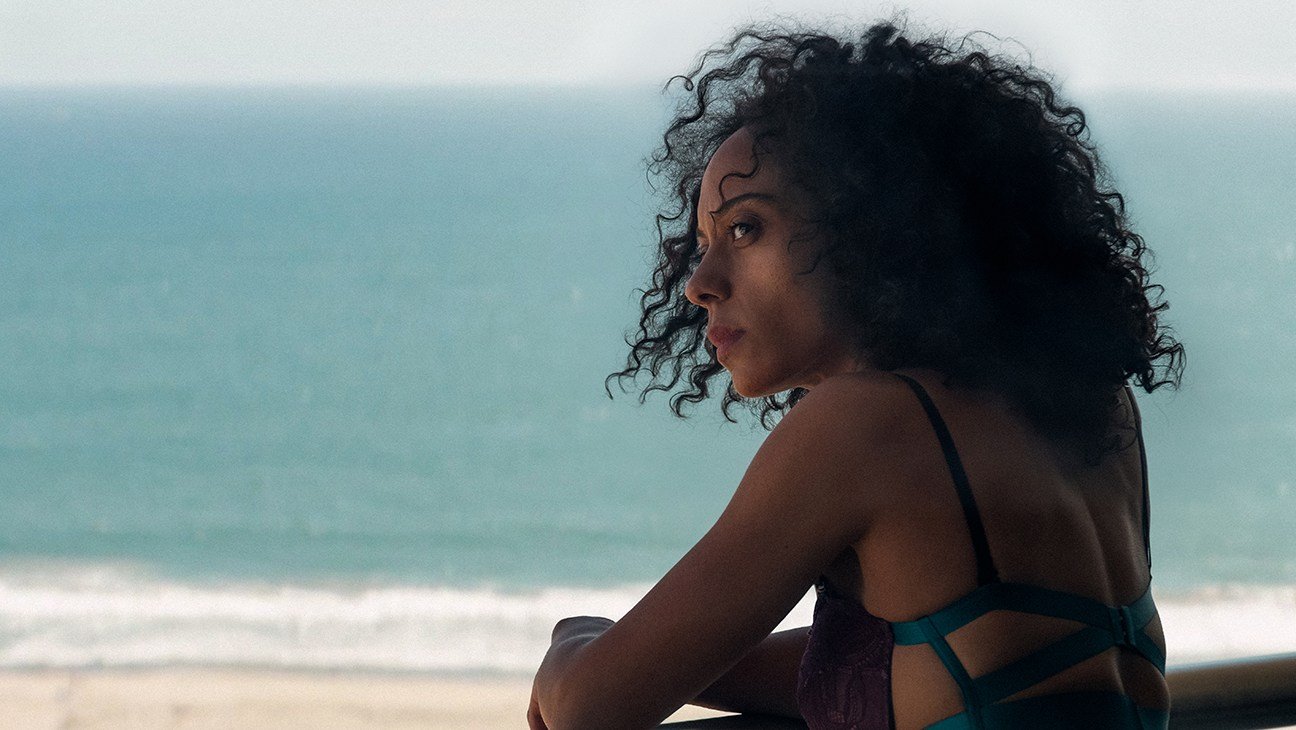
    Distributed by A24, Misty Green follows an award-winning actress (Rosalind Eleazar) whose career has faded. Determined to make peace with her past, Misty attempts a career comeback after reconnecting with her former talent agent (Topher Grace). In addition to Eleazar and Grace, the comedy-drama also stars Adam Driver, Daniel Kaluuya, Anna Kendrick and Rock in a small role.

    Rock told THR he was inspired to write the film after watching a former A-list actress perform in a “loop group,” an ensemble of voice actors who provide sound effects or background conversations for film and TV. 

    “ I was editing a movie, or something, and I was doing a loop group,” Rock explained at The Hollywood Reporter’s Studio at 1 Hotel during TIFF, presented by sponsor Canada Goose. “ You’re almost done with the movie, right? And you need extra sound effects, [so] you ask for a loop group. In the loop group was a formerly famous actress. I was like, ‘Wow, what is she doing here?’ Because you don’t really get paid for loop group.” 

    Rock said that he’s “never” going to share who the actress was, but “something about watching her sparked the initial [idea].” 

    “Like, ‘oh, this is a whole movie here,’” Rock added. “What happened in her life that she’s here at the loop?”  

    Misty Green is scheduled to be released in theaters on Oct. 9. 

  • ‘Prima Facie’ Review: Cynthia Erivo Stars as a Lawyer Who Becomes a Rape Victim in This Misfire of an Adaptation

    ‘Prima Facie’ Review: Cynthia Erivo Stars as a Lawyer Who Becomes a Rape Victim in This Misfire of an Adaptation

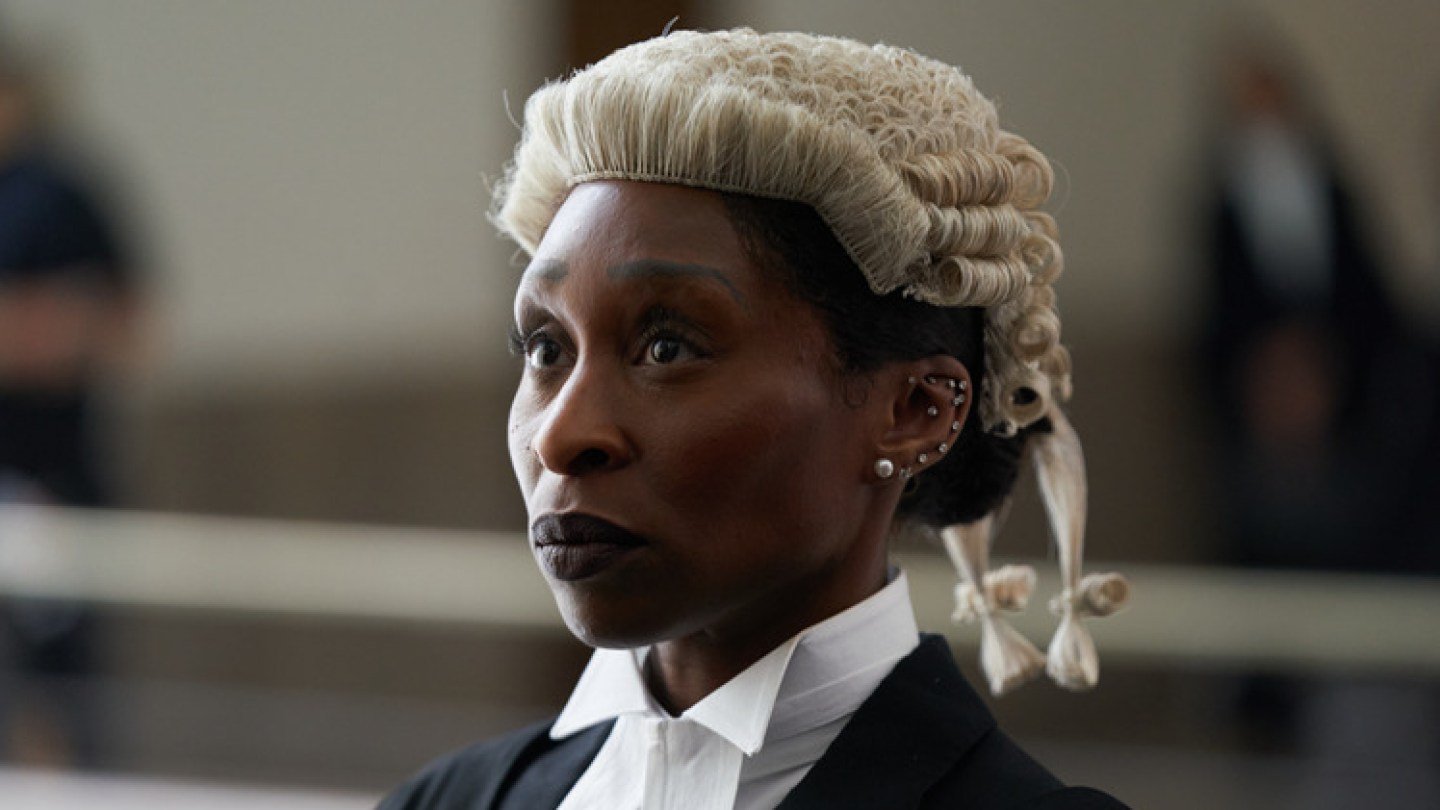
    Prima Facie carries a bracing, important, timely lesson about getting justice for victims of rape. Cynthia Erivo plays Tessa Ensler, a rising star among British barristers, who often deals with assault cases, and whose world crumbles along with her belief in the legal system when she herself is assaulted by a colleague she was dating. Suzie Miller wrote the screenplay, expanding on her one-woman stage version, which won the 2023 Olivier for Best New Play, along with the Best Actress Olivier and a Tony for Jodie Comer, and its easy to see how well it might have worked in the theater with a galvanizing performance. But there is no use sugar-coating the huge disappointment the film turns out to be.

    As a message, Prima Facie is still a howl of rage and a plea for change. But as a film it is a near-total muddle, from the clunky recurring voiceover to the cringey, obvious visuals and a preachy ending, with only some stunning supporting performances and a brief, powerful middle section to redeem it.

    Prima Facie

    The Bottom Line

    A well-intentioned mess.

    Venue: Toronto International Film Festival (Gala Presentations)
    Cast: Cynthia Erivo, Daniel Ings, Toheeb Jimoh, Noma Dumezwemi
    Director: Susanna White
    Writer: Suzie Miller

    1 hour 46 minutes

    Directed by Susanna White, whose smart works include the series Generation Kill and the thriller Our Kind of Traitor, the film opens with some of its heaviest-handed imagery. As Tessa bounces up the steps of the Old Bailey courthouse, already wearing her robe and white courtroom wig, the camera focuses on her out-of-place black-sequined sneakers. She steps into a room full of sleek, posh-looking women lawyers and in the first of her voiceovers, many taken directly from the play, says, “Thoroughbreds, that’s how I see them.” The film then cuts to images of — really, it’s this literal — horses.

    She goes on to say, “But I’m here too.” Although she’s a working-class girl who got through Cambridge on a scholarship, she fits in well with her colleagues. As they walk out for drinks together, she explains to a young coworker — in clumsy exposition and foreshadowing that is really for us — that legally it doesn’t matter if an assault victim didn’t consent, as long as the accused believed there was consent.

    Before long she has sex in the office with another rising-star lawyer, the privileged Julian. “I want this,” her unnecessary voiceover says. Julian is played with winning charm by Daniel Ings in a role that stretches him from his usual parts, like the buffoonish screw-up brother in the series The Gentlemen. Casting is not one of this film’s problems.

    A shrewd element of Miller’s story is that she sets up the rape to be as legally thorny as possible. After a terrific date and sex with Julian, Tessa feels ill from too much wine and food, and refuses when Julian wants sex again. There is no doubt that what happens next is a violation. It is also another example of how little White trusts the audience to grasp anything. The focus blurs, Julian’s expression becomes furious and we see images of shattered glass. In a director’s statement, White says she wanted the images and sound throughout to express Tessa’s inner thoughts, which seems like a fine idea on paper but lands on screen with as much of a thud as the thumping sound effects that hammer home the point during the attack. And the surreal touches, appearing sporadically, are an odd fit with the pedestrian voiceover.

    After the rape, the film temporarily gains the impact it should have. Erivo walks stiffly through the first section, but here eloquently displays the pain and self-doubt Tessa is feeling when she goes to a police station to report the assault. The camera stays close on her face as she answers the officers’ questions, and for once the voiceover works effectively to tell us what she doesn’t say out loud: that she knows she was foolish to have taken a shower and washed away the evidence, that she should not have deleted a text from Julian, that she had been drinking. She has been on the other side of this kind of case, and knows she is not in a strong position to prove what happened.

    But the film quickly moves on to become a courtroom drama with blurrier focus, with Tessa on the stand giving the kind of speech that is a cliché of the genre. Erivo delivers a monologue, as Tessa makes the point that expecting logic and consistency from rape victims runs counter to their experience. They know what happened, but the details can be foggy due to the trauma, she says, and the legal system ought to account for that. Despite her visceral anger, what should have been a stirring dramatic moment seems stage bound.

    In opening up the film, Miller deftly brings to life characters only mentioned in the play. Noma Dumezwemi, so strong in so many supporting roles, notably in The Undoing, is moving as Tessa’s mother, a cleaning woman who has little grasp of her daughter’s world but who stands solidly by her side, even as she worries that reporting the rape will ruin her brilliant future. Toheeb Jimoh (Sam on Ted Lasso) adds to the effective picture of class difference as Tessa’s brother, whose response to learning about the rape is to try to beat up Julian. Like everyone else involved in this well-meaning dud, they deserved so much better.

  • ‘I Play Rocky’ Review: Anthony Ippolito Is an Endearing Pre-Stardom Sylvester Stallone in Peter Farrelly’s Crowd-Pleasing Making-Of Drama

    ‘I Play Rocky’ Review: Anthony Ippolito Is an Endearing Pre-Stardom Sylvester Stallone in Peter Farrelly’s Crowd-Pleasing Making-Of Drama

    The winning idea behind screenwriter Peter Gamble and director Peter Farrelly’s I Play Rocky was to retrace the making of a classic 20th century triumph-of-the-underdog saga by fashioning the behind-the-scenes story into its own rousing shot of underdog triumph. Sure, Rocky was the quintessential boomer movie — the top-grossing film of 1976 and an Oscar winner for best picture the following year. But pretty much every generation since has ensured that it remains an influential pop-culture landmark half a century later, its message of self-belief, resilience and determination against stiff odds still a resonant evocation of the American Dream. Who cares if it’s pure fiction?

    The strongest asset the new movie has in its corner is actor Anthony Ippolito, who had previously appeared as another member of the Hollywood star firmament, Al Pacino, in the miniseries The Offer, about the chaotic development and production of The Godfather. Having heard about the Rocky project before casting had even begun, Ippolito sent in a self-taped audition that convinced the filmmakers they had found their guy. That decision turns out to have been unquestionably right, potentially sparking debate as to whether he’s a better actor than Stallone. (Seriously, have you tried watching Stop! Or My Mom Will Shoot?)

    I Play Rocky

    The Bottom Line

    A big-hearted movie about moviemaking, if not an artful one.

    Venue: Toronto International Film Festival (Special Presentations)
    Release date: Friday, Nov. 6
    Cast: Anthony Ippolito, AnnaSophia Robb, Toby Kebbell, P.J. Byrne, Jay Duplass, Matt Dillon, Stephan James, Tracy Letts, Kiki Seto, Erik Palladino, Robert Morgan
    Director: Peter Farrelly
    Screenwriter: Peter Gamble

    Rated PG-13,
    2 hours 8 minutes

    Gamble’s script starts out in New York, where frustrated young actor Sylvester, then going by Mike, works a series of dead-end jobs while auditioning for the same thankless bit parts as thugs and cops. One of those jobs is ticket taker at a movie theater, where pretty blonde box office cashier Sasha (AnnaSophia Robb), who would become his first wife, catches his eye. 

    Stallone’s infamous early foray into softcore porn on a film quaintly titled The Party at Kitty and Stud’s — later re-released as Italian Stallion after Stallone had found fame — is given sanitized treatment as an economic necessity when he is kicked out of his grungy rooming house over unpaid rent and forced to sleep on the street.

    The film jumps ahead 16 months, when Sylvester and Sasha have relocated to Los Angeles, still struggling to stay afloat. A friendly customer at the restaurant where Sylvester works as a valet parking attendant gives him an “in” with his producer buddies Robert Chartoff (Toby Kebbell) and Irwin Winkler (P.J. Byrne). The meeting yields nothing concrete, but Sylvester slips his script for Paradise Alley into a slush pile on the way out. Chartoff and Winkler are impressed, though not quite enough to option it — the movie would resurface elsewhere two years later as Stallone’s directing debut, greenlit on the strength of his Rocky fame — but they invite him to come back and show them anything else he has written.

    Inspired after watching the 15-round Muhammed Ali-Chuck Wepner fight in a bar, Sylvester goes home fired up and cranks out the Rocky script in three-and-a-half days. Chartoff and Winkler immediately go for it and start tossing around possible names to star as the southpaw boxer of the title — Charles Bronson, Burt Reynolds, Clint Eastwood, Ryan O’Neal. But Sylvester rejects the deal, stating his one condition: “I play Rocky.”

    There are fun insights into the art of the moviemaking deal, first in Chartoff and Winkler’s negotiations with irascible Sandy Maddox (Tracy Letts), a composite studio exec, and next in a protracted back and forth with Stallone, as their offer to buy the script climbs to $360,000, an astronomical fee back then for a first-time screenwriter. But still Sylvester refuses to budge, insisting that he poured his heart and soul into the role and refusing to hand it off to another actor.

    While Gamble’s script isn’t exactly subtle about it, the themes of perseverance and force of will that are so essential to Rocky are traced back to Stallone’s unwavering commitment to a part that’s in his bones. Refusing to let the commercially promising project wither and die, the producers opt to halve the already meager $2 million budget agreed to by Maddox, allowing them to cast anyone they want.

    The extent to which Chartoff and Winkler are on board with Maddox’s contractual loophole is kept vague. But the budget and shooting schedule are so tight that any overage means Sylvester can be fired immediately and replaced by another actor. To help bring the film in on time, they hire director John G. Avildsen (Jay Duplass), known for his efficiency with fast, frugal shoots.

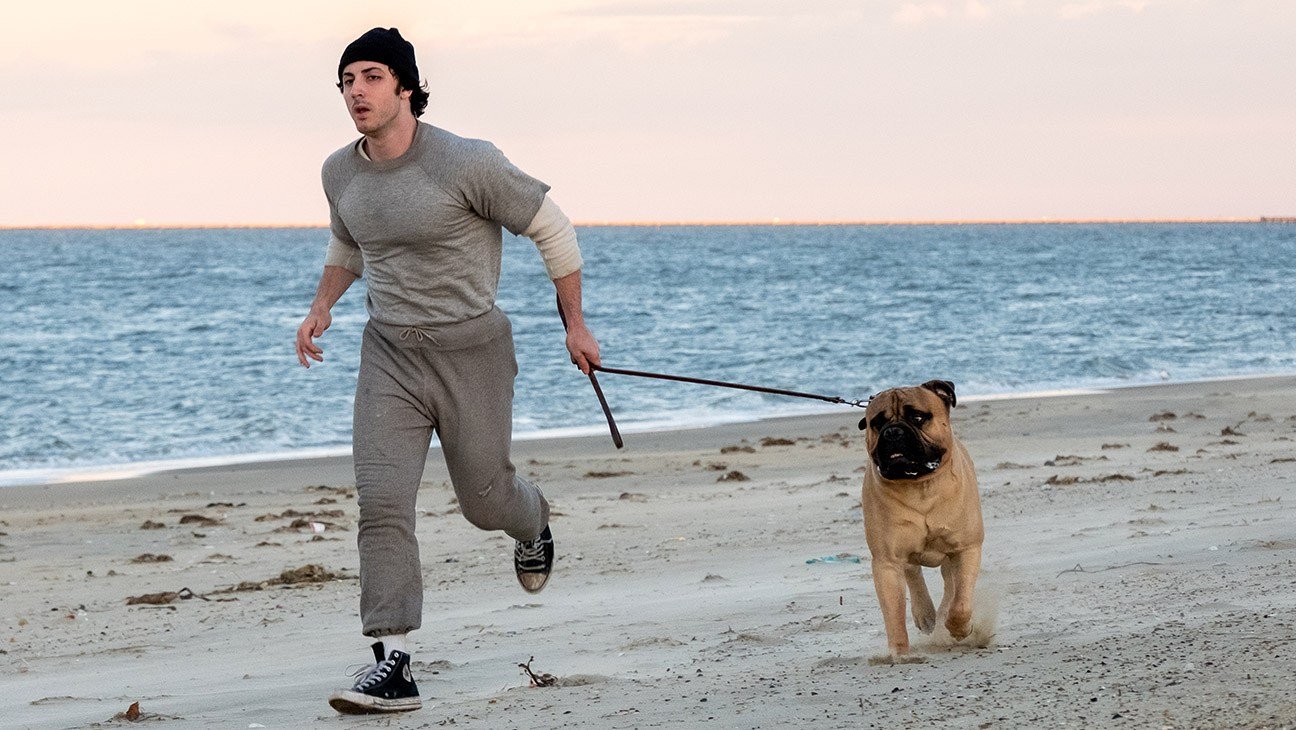
    Since every underdog story needs an antagonist trying to beat them down, Sasha believes the filmmakers are conspiring to sabotage her husband’s involvement by breaking him physically, pushing him to the point of exhaustion. On top of six hours a day of intensive boxing training, they have him run some 20 miles all over the city on the first day of location shooting in Philadelphia (New York was prohibitively expensive). A doctor advises him to stay off his feet for two weeks due to a pulled tendon. But Sylvester knows that would get him kicked off the film.

    The most iconic scenes from Rocky — notably the training montage; the sprint up the steps of the Philadelphia Museum of Art, Rocky raising his arms in triumph at the top; the bare-knuckle pounding at frozen sides of beef in a meat storage room; the ice rink interlude with Talia Shire (Kiki Seto) — are recreated with reverential respect for the original, some more effectively than others. But even when all this plays like visual karaoke, anyone with a soft spot for Rocky will likely find themselves hit by a wave of warm nostalgia.

    As he showed in his 2018 solo directing debut, Green Book, which won the best picture Oscar the following year, Farrelly is a populist director who feels no compulsion to challenge his audience. In that case, he offered a soft, conciliatory take on the racial divide, while in I Play Rocky, he doesn’t shy away from sentimental excess and even a slight shlockiness. The sainthood of Stallone here is shamelessly manipulative, but it works, restoring a likable everyman quality that’s been obscured by decades of celebrity baggage.

    There are stirring breakthrough moments built into the movie, such as a confrontation between Rocky and Mickey, the old-timer who wants to manage him, played by Burgess Meredith (Robert Morgan). Avildsen says the scene as written is not delivering, prompting Stallone to step away for five minutes and return with a semi-improvised reworking of it that socks across the emotional stakes.

    The action again jumps forward, to the premiere of Rocky, “ten months and one baby later.” The jittery artist too anxious to sit still and watch his work on opening night is a hoary trope of showbiz movies. But when the movie’s premiere audience stands and cheers in a moment of glory, clumps of the Toronto audience at I Play Rocky’s first screening did the same. Irrespective of Stallone’s political affiliations, this is a feel-good movie that should play equally well across red and blue states.

    Farrelly coaxes solid performances from the ensemble, particularly Robb, who makes Sasha the opposite of a mousy wife, lovingly supportive but also tough-talking and opinionated. Kebbel and Byrne are an amusing double-act as Chartoff and Winkler, the latter now 95 and still producing, recently with the Creed movies and Martin Scorsese’s The Irishman. Letts was born to play this kind of brutally blunt, ruthless-when-necessary businessman, and Duplass brings a kind of impish spark to Avildsen, making him seem a director who thrives under pressure.

    There are strong moments also with Matt Dillon as Sylvester’s verbally abusive father Frank, who became a hairdresser when his acting career failed to take off; and Stephan James, who has a hilarious intro scene as Carl Weathers, strutting into his audition with the natural authority of Apollo Creed, his muscles packed into a superfly 1970s denim outfit, with his bare torso oiled and glistening.

    The element that holds the movie together is Ippolito, who nails the garbled, rumbling diction, hangdog expression and hulking physicality of Stallone while never losing sight of his insecurities at this unproven point in his career. I Play Rocky repurposes most of its emotional uplift from the movie within the movie, but anyone with fond memories of the boxing drama — perhaps those who first saw it back in the day most of all — will feel a surge of elation from the moment Bill Conti’s theme music is folded in.