Tag: Entertainment – Variety

  • John Irvin, Director of ‘Hamburger Hill,’ ‘Tinker Tailor Soldier Spy,’ Dies at 86

    John Irvin, Director of ‘Hamburger Hill,’ ‘Tinker Tailor Soldier Spy,’ Dies at 86

    John Irvin, the British director of “Hamburger Hill,” the “Tinker Tailor Soldier Spy” miniseries and 1981’s “Ghost Story,” died Aug. 11. He was 86. 

    His producers confirmed he died at the home of his sister-in-law in the U.K. 

    The award-winning director’s career spanned several decades, each punctuated by a different focus. By the end of his career, Irvin had amassed over 30 films and three BAFTA nominations, with notable credits including “Turtle Diary,” “A Month By the Lake,” “City of Industry” and “Widow’s Peak.” 

    His 1987 Vietnam film “Hamburger Hill,” which starred Don Cheadle, Dylan McDermott, Michael Boatman, Steven Weber and Courtney B. Vance, is seen as one of the most realistic depictions of that war.

    Irvin, along with his twin brother David, was born in Newcastle upon Tyne, Northumberland on May 7, 1940. He graduated from the London Film School in the late 1950s.

    In the 1960s, he created numerous documentaries, including his 1967 short “Mafia No!,” about Italian social activist Danilo Dolci, which was nominated for a BAFTA Award for Best Short Film. Many of these documentaries were created for his own company Mithras Films, the BBC and ITV. 

    “When I did my documentaries, I would have dealings with the security services from time to time but that was MI6 not MI5,” Irvin said of his time shooting a documentary on the North Yemen War. “When I came back from Yemen, where I shot a documentary on the Civil War I was debriefed. There wasn’t much I could tell them, but I was never part of that world or paid. I was far too left-wing, for a start, but was anti-apartheid, anti-war, anti-nuclear. They were probably well aware of my leftwing activities, so I was certainly not involved in any hanky-panky.”

    In the ’70s, he shifted to television shows and made-for-TV-films. One of the most notable was the BBC miniseries adaptation of John le Carré’s “Tinker Tailor Soldier Spy,” which was nominated for a BAFTA Award for Best Drama Series and a Primetime Emmy Award for Outstanding Limited Series. After working with him, Alec Guinness wrote about Irvin that he “admired a director with balls behind the camera!” 

    By the 1980s and 1990s, he was fully immersed in Hollywood directing big names like Patrick Swayze (“Next of Kin”), Arnold Schwarzenegger (“Raw Deal”) and Uma Thurman 1991’s (“Robin Hood”). 

    “Not many filmmakers directed both Fred Astaire and Patrick Swayze,” Roel Haanen wrote in a 2021 interview. “Or followed up a tender, thoughtful film written by Harold Pinter with an Arnold Schwarzenegger action flick. But John did …”

    After his work with Hollywood, he shifted back to indie films in Europe including “Shiner” starring Michael Caine and “The Boys and Girl from County Clare” starring Andrea Corr and Colm Meaney.

    Most recently, he worked with producer Claire Evan’s on “Mandela’s Gun,” and at the time of his death was working on a new edit of the political thriller.

    In 1970, Irvin married Sophie (née Litchfield) who died of cancer in 1991. Together, John and Sophie had three children; Emilie, Luke, and Amy Irvin, who survive him, and two grandchildren, Finn and Isla Irvin. 

  • ‘Supergirl’ Star David Krumholtz Posts and Deletes Plans to Retire From Acting: ‘And Now, New Life’

    ‘Supergirl’ Star David Krumholtz Posts and Deletes Plans to Retire From Acting: ‘And Now, New Life’

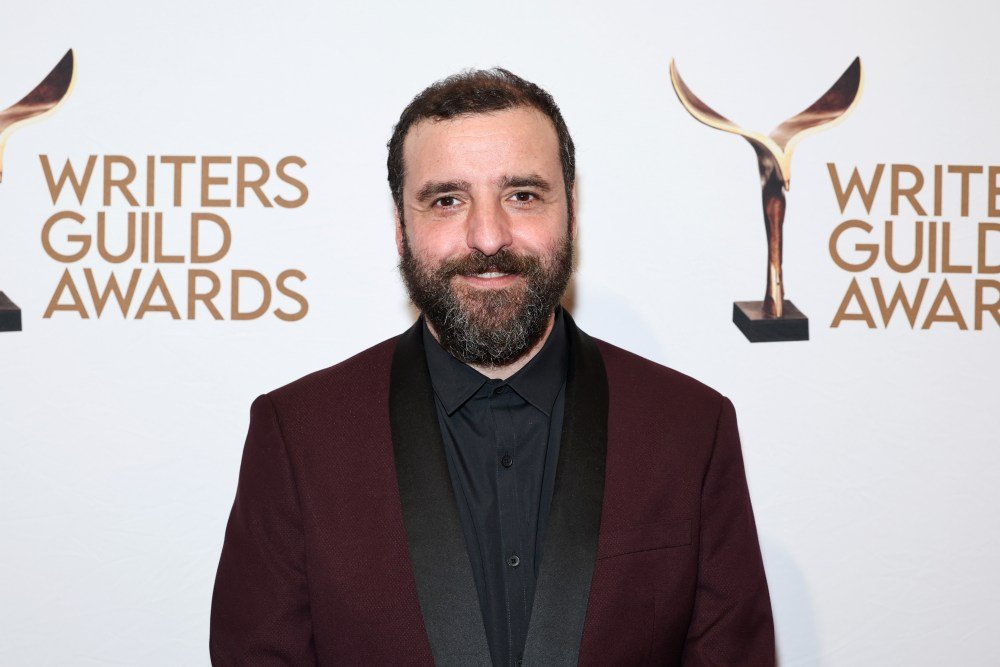
    David Krumholtz, who played Kor-El in this year’s “Supergirl” and appeared in “Oppenheimer” and “The Studio,” said on Threads Monday that he’s done with acting and ready to start a “new life.”

    However, he later deleted the posts that spoke of his frustration with getting jobs in Hollywood, leading fans to speculate whether he is truly ready to turn in his SAG/AFTRA card.

    Krumholtz, who also starred in “Addams Family Values,” wrote, “I kinda sorta put my acting career on hold the other day. It’s been something I’ve been petrified to do for years. Specifically, the fear was that I’d go broke and not be able to handle being out of the game.”

    The post said he “sent the definitive email” that would put his career on hold for now. “A huge wave of relief washed over me. Not sure what I’m going to do for money instead, or how I’m going to do it, but I just removed a humongous burden, one that I truly didn’t fathom the weight of until it was gone. Frustrated, fed up, fried,” he wrote.

    It’s not the first time he has been ready to hang it up, however. Seth Rogen told a story on the “Diary of a CEO” podcast about how Krumholtz, a longtime friend, once told him he was going to quit acting and move to Riverside and start selling BMWs.

    Krumholtz went on to add in his post, “It became clear to me this year, that if I were to continue fighting for parts (what I used to call ‘auditioning’), I’d be doing so for roles that exploit my talent and reputation for a drastically diminishing return. Exploitative art isn’t art. And artists deserve a fair pay percentage for work that assists their employers in making profits. I came up in a time where movie studios and TV networks, no matter how big, were still mom & pop store entities.”

    Reps for Krumholtz did not immediately respond to a request for comment.

    Credits for Krumholtz, who has appeared in more than 100 film and TV projects, include “10 Things I Hate About You,” “Freaks and Geeks,” “ER,” “The Trouble with Normal,” “The Santa Clause 2,” “Harold & Kumar Go to White Castle,” “Ray,” “Tenacious D in the Pick of Destiny,” “Superbad,” “Walk Hard: The Dewey Cox Story,” “Numb3rs,” “Raising Hope,” “Childrens Hostpital,” “This Is the End,” “Key and Peele,” “The League,” “The Good Wife,” “The Deuce,” “Springsteen: Deliver Me From Nowhere,” “Forelock” and “The Rookie.”

  • Walmart Touts Free Peacock Access for Walmart+ Members on Heels of Streamer’s Latest Price Hike

    Walmart Touts Free Peacock Access for Walmart+ Members on Heels of Streamer’s Latest Price Hike

    If you purchase an independently reviewed product or service through a link on our website, Variety may receive an affiliate commission.

    Walmart is offering up some new deals, discounts and special offers right now, including a way to get a Peacock streaming subscription for free.

    While Walmart is touting its back to school deals right now, the retailer is also offering access to its Walmart+ membership program for just $1 for your first month. Regularly $12.95/month, the deal saves you a whopping 92% off one of the best shopping subscriptions online.

    Included in your Walmart+ membership are perks like unlimited free delivery, free returns from home, early access to sales like Black Friday, exclusive members-only discounts, free tire repair and free road hazard warranty at Walmart Auto Care Centers, and fuel discounts of up to 10¢ per gallon at 13,000+ Exxon, Mobil, Walmart and Murphy USA gas stations across the country.

    One of the best perks though is the Walmart+ streaming discount, which gets members a free subscription to Peacock. The offer comes as Peacock announced a price hike Tuesday (Aug. 18) to $12.99/month, up from $10.99. That marks the fourth price increase in four years for the NBCUniversal streamer.

    Walmart+ members can now get access to Peacock for free, with no additional fees or restrictions. Simply log into your Walmart+ account and then click “Get Peacock” in the benefits section. You can use the same email and account info to start streaming Peacock’s library of TV shows, movies, live sports and specials for no additional charge.

    This is one of the only ways to get Peacock online for free, as the streamer doesn’t offer a free trial unlike some streaming services, like Prime Video.

    Get Walmart+ for just $1 for a limited time and then use your membership to get Peacock for free (note: your Walmart+ price goes back to the regular $12.95/month rate after your first month. You can also switch to an annual plan after your 30-day trial and pay $98 for the whole year — a $57 savings).

    Don’t need Peacock? Walmart+ members can also choose to get a free subscription to Paramount+, which lets you stream live sports and programming on CBS, in addition to thousands of popular shows and movies like Survivor, Your Honor, Star Trek: Picard and more. Live sports include the NFL on CBS, UEFA Champions League and PGA, among others.

    Walmart also recently teamed up with Burger King, to offer Walmart+ members 25% off orders at the fast food chain.

    And Walmart+ subscribers can also take advantage of new grocery deals (with free home delivery) and travel discounts, including 5% back in Walmart Cash when booking trips with Expedia. Learn more about a Walmart+ membership here.

  • Felicia Day, Wil Wheaton on New Tabletop Gaming Show ‘Conludo,’ How ‘The Guild’ Reunion Movie Will Be Impacted by a Denied California Tax Credit

    Felicia Day, Wil Wheaton on New Tabletop Gaming Show ‘Conludo,’ How ‘The Guild’ Reunion Movie Will Be Impacted by a Denied California Tax Credit

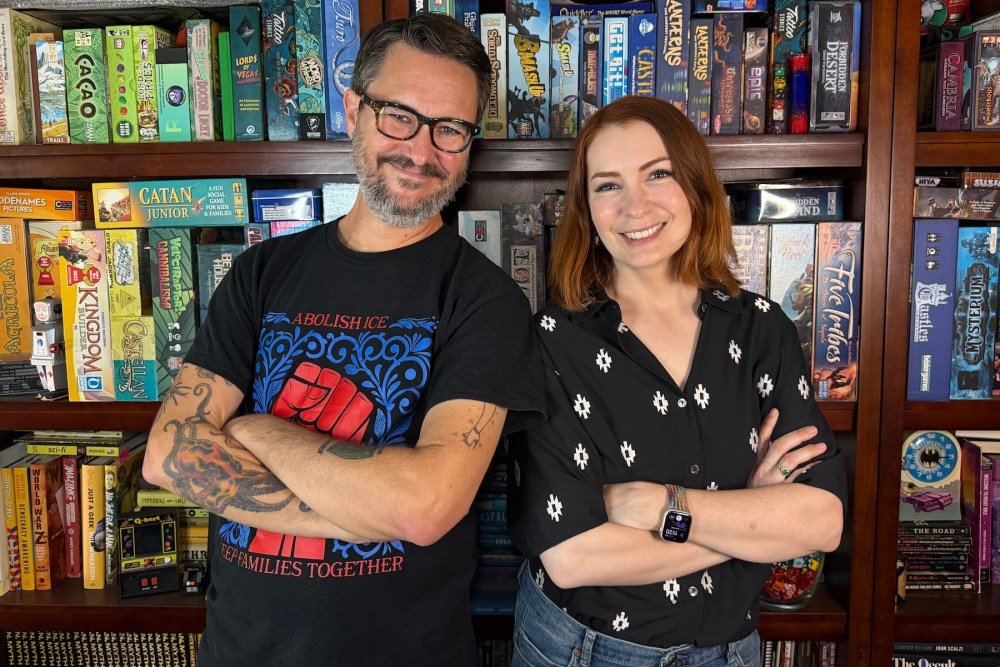
    Reunions all around for Felicia Day these days: Amid a massive fundraiser for a movie reunion of her series “The Guild,” Day is reteaming with longtime friend and collaborator Wil Wheaton for a new kind of board game TV series.

    Launching as fan-unlocked content tied to “The Guild: Ren Faire’d” movie’s ongoing Kickstarter campaign (which has so far raised $5.26 million, surpassing its initial goal of $1.5 million), the new 10-episode series is titled “Conludo,” which is Latin for “play together.” Each episode of the show will feature Day and Wheaton in conversation before they pick a board game that is applicable to their topic and invite some fellow celebs to join them in play.

    Fans will recognize this project as reminiscent of Day and Wheaton’s “TableTop,” a web series that ran for four seasons from 2012-2017 on Day’s YouTube channel, Geek & Sundry.

    “We’ve been FOMO-ing for over a decade, and we just want to play again, especially with some of those new content creators,” Day tells Variety. “Some of them I’ve met in the last couple years, and I want to play with them at the table. It’s a wonderful world to be in and I have faith that hopefully the show can last for a long time, and we highlight tons of different products and people from all walks of life, and that’s what I love about the web.”

    Variety has confirmed exclusively that newly booked “Conludo” guest stars include Todd Stashwick, Anjali Bhimani, Grace Helbig, Mamrie Hart and John Ross Bowie. And this show will be more about Day, Wheaton and those guests than the games they play.

    “With ‘TableTop,’ it was important to me that we showcase games that are in print, that are available,” Wheaton says. “After a few episodes, we realized, oh no, we have to tell distributors so they can up their buys because things are selling out so quickly. ‘Conludo’ will give us an opportunity to come at it differently because if ‘TableTop’ about what’s happening on the table, ‘Conludo’ is about what’s happening around the table while we’re playing the game together. The game is obviously important and fun and joyful, but it’s about the experience that you have when you’re hanging out. We can play games that there are 40 copies of in the world.”

    Day says she’s excited to get back to her roots of making web content with “Conludo” amid the current popularity of actual-play TV series and “let’s play” content.

    “I was really early on everything. I was told that people wouldn’t want to be watching people play board games,” Day says. “I was told that the web was not a place for narrative fiction. I was told that streaming D&D was a waste of money. And these are all things that I did first, so the fact that the actual-play world is so robust and so diverse and so well supported financially and just popular in the world now, it’s a wonderful time to come in and try to do something a little bit different because I just have a contrary nature. I always want to be first, or at least doing something that other people aren’t doing. I would rather stand out from the pack doing something different.”

    When it comes to if and how “Conludo” could live on beyond the 10 episodes that will be produced under the Kickstarter campaign, Wheaton and Day are both interested in finding a home for it to become an ongoing series.

    “It’s a question of whether we want to have our own channel and build that specifically, or we want to use somebody else’s platform to distribute,” Wheaton says. “And that’s something that we’re considering, and we’ll weigh and we’ll do the best thing for the audience because that’s always our first goal. It’s really important to both of us that it’s not difficult for someone to watch — and difficult can mean a lot of different things. It can mean reaching into their pockets for more money. It can mean downloading some app they would rather not have. Felicia has talked extensively about doing this in a nice, flat, democratic way that gets it out to absolutely everybody, which is another thing that very much puts us at odds with the standard business model in the entertainment industry.”

    That said, Geek & Sundry founder Day says she has “no desire to create another company where I’m making dozens of shows.”

    “I’ve highlighted a lot of other people as performers in the past, and now I’m all about just doing things for me and with my friends,” Day says. “‘Conludo’ really will be a focus in that area. I’m hoping that we figure out how to sustain this in as democratically available a way as possible, whether that’s our own YouTube channel or whether that’s another free-to-stream service, we’re going to explore a lot of that.”

    On the topic of distribution partners, Day has made it a priority to first get “Conludo” delivered to the Kickstarter backers behind “The Guild” reunion movie project. Day plans for the movie itself, which will see Day and the rest of “The Guild” cast (including Wheaton) reprise their roles for the first time since the series ended in 2013, to release in 2027.

    “Of course, our backers are No. 1. I want to make sure they’re happy,” Day says. “They get all their fulfilled goods. They get the movie first in exactly the format we promise them. We are talking to distributors about theatrical release, and then distributing past that, we’ll definitely explore other ways that movies are distributed.”

    There are both digital and Blu-ray editions offered as part of the Kickstarter campaign, and Day says it was the Blu-ray option that “put us over the top” in funding.

    “Our fans loved the Blu-ray; it was the minimum requested thing,” Day says. “I didn’t want to fulfill things in two ways, but everybody was OK paying extra shipping, so we’re going to offer that, and it will be available. I do believe that there will still be a different version of the Blu-ray out there in some form and stores, but it will not be this exclusive version that will include extra things.”

    “The Guild: Ren Faire’d” Kickstarter campaign runs through Friday and is currently on track to surpass the “Veronica Mars” movie (which raised $5.7 million in 2013) to break the record for the largest crowdfunded film. But Day says they’re going to need all that funding to make the movie she envisions, as the project was recently denied a California tax credit.

    “We didn’t make it past the first round,” Day says. “We definitely went through all the hoops but it is a very arcane situation. The simple thing is if we said we were going to shoot the majority of the movie in Georgia, we would get the tax credits and sell them to a big company immediately to have the money. So it is such an easy process.”

    Day adds she believes the denial involved “something about the number of jobs that we would create” in comparison to other projects.

    “I’ve talked to many other productions who have not gotten it, and I can’t name people, but they had A-list stars in them,” Day says. “There was an A-list showrunner, the first round they were knocked out. Having learned that only 5% of the money goes to anything under $10 million, that category is extremely competitive.”

    Per the California Film Commission, 5% (or $37.5 million) of the allotted film and TV tax credit funds is earmarked for independent projects under $10 million and another 5% goes to independents above $10 million.

    Day believes the credit “should be automatic for anything under $5 million or $10 million.”

    “That is the way you revitalize this industry, not hoarding all the money for a couple $500 million projects where A-list stars are benefiting and A-list producers and big studios are benefiting, and then indies just don’t have a chance to stay in L.A.,” Day says. “I don’t want to move to Atlanta for two months, so I’m going to have to rewrite my script to make it work here. And if I can’t, then we’ll have to do something. But the fact that it’s so difficult and the price difference is so much is very upsetting.”

    Day continued: “In addition, the California tax credit is not a credit that you get immediately, unlike other states. So essentially, you get the tax rebate — like we would get it in March of 2028, whatever money we would have gotten. Which means, as an independent creator, I would have had to take a loan out to float my production to be able to actually use the money when I need it, which means people are charging up to 20%, 30%, 40% of that money to be able to defer payment. So the mechanics of it are so unfriendly, especially to people who are independent and don’t have millions of dollars in a bank to float that it’s impossible. There’s no way that independent film will ever flourish in the home of film, and that is very sad to me.”

  • ‘Heroes’ Creator Tim Kring Pays Tribute to Hayden Panettiere as a ‘Singularly Talented Actor’ With a ‘Deep Understanding of Human Nature’

    ‘Heroes’ Creator Tim Kring Pays Tribute to Hayden Panettiere as a ‘Singularly Talented Actor’ With a ‘Deep Understanding of Human Nature’

    Hayden Panettiere was a seasoned professional by the time she auditioned for “Heroes” at the age of 16.

    But unlike many actors who start working as kids, Hayden had no sense of jaded child actor quality to her. Although confident in her abilities, she was still guileless, sweet and always open to suggestions. It was a fait accompli that she would embody the role of Claire Bennet, aka the Cheerleader, from the moment we met her.

    Hayden was a true team player, which was important for a show with a large ensemble cast. She was levelheaded beyond her years as a person and singularly talented as an actor, with an almost savant-like quality about her work. It wasn’t just that Hayden could learn lines with ease — it was her rare ability to find and explore the nuances of drama and humor and pathos in any scene she was in.

    Looking back, her performance in “Heroes” was amazing. She was playing her actual age, which made for kind of a meta quality to the role because she had to understand her own teenage emotions in order to access them.

    Most 16-year-olds don’t know how to interpret or articulate these emotions, let alone embody them. But she had a deep understanding of human nature that belied her age. As a result, she could find moments within a scene that always made it deeper, or funnier, or more powerful than it was on the page. As a writer, you yearn for a relationship with an actor who elevates everything that you write and finds hidden nuances that you didn’t realize were there. That happened very, very often with her.

    RELATED STORY: Hayden Panettiere, Star of ‘Heroes’ and ‘Nashville,’ Dies at 36

    I remember vividly that if a scene called for Hayden to cry, we would all marvel at how she could cry with intensity for 12 takes in a row. When the director yelled “Cut,” she’d go back to texting her friends or laughing with her castmates right up until the moment the director called “Action” for the next take. Then out would come the waterworks again.

    She was a delight to work with, professional, joyful and willing to go out on a limb and experiment with a scene. She had this bull-in-a-china-shop quality — a determination that really influenced how we wrote her character. The best characters always meet you halfway between the actor and what’s on the page. And in “Heroes,” where Claire Bennet ended and Hayden started became a blurred line. She never had to change how she would say something to be Claire Bennet. It was the Hayden voice cadence that we got used to writing for.

    “Heroes” was a success from the start, and there was no question that Hayden was a breakout star. Yet she always understood the ensemble nature of the show and had a genuine sense of gratefulness for everyone involved. I think she just liked being a part of the ensemble. She enjoyed her sudden success but never seemed enamored with it. She wanted to represent the show itself. And the cast members were very protective of her too. We all understood that she was a unique talent, and we felt the responsibility to caretake that talent for the short time we had with her on the show.

    Hayden and I didn’t have too much contact after “Heroes” ended in 2010. A few years later, however, when I inquired with her agent about her availability for another project, Hayden called immediately and teasingly admonished me. “You don’t have to call my agent. Don’t be Hollywood about it. Just pick up the phone and call me,” she insisted.

    As a showrunner, I have come to appreciate how rare it is to cross paths with a talent like Hayden’s. But more importantly, I will remember her as a kind and gentle person who was always a joy and an inspiration to work with.

    Writer-producer Tim Kring created and served as showrunner and executive producer of NBC drama “Heroes” from 2006 to 2010.

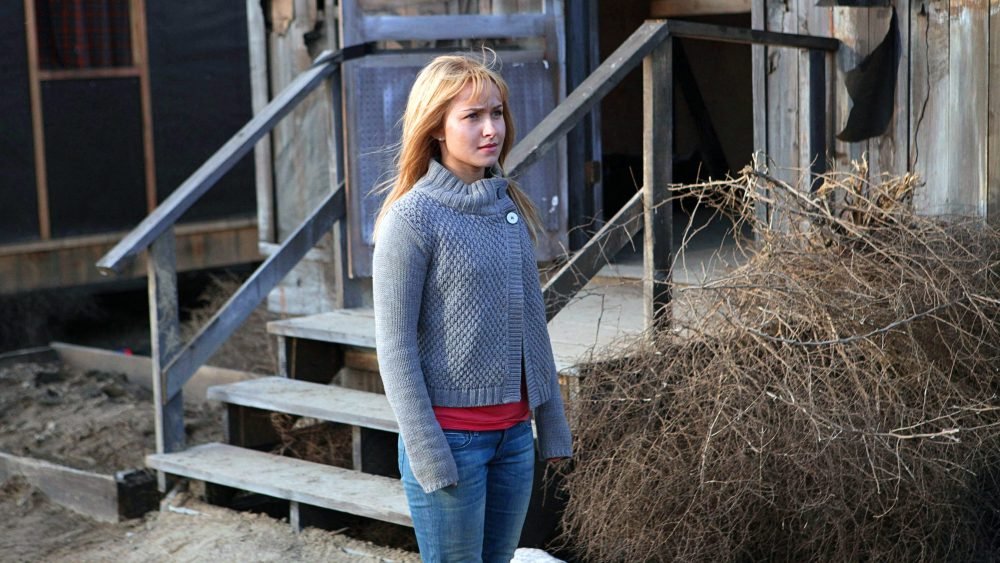
    (Pictured: Hayden Panettiere in Season 3 of NBC drama “Heroes” in 2009)

  • Motion Picture Academy Names Sean Baker and Samantha Quan as Chairs of Marquee Theater Committee

    Motion Picture Academy Names Sean Baker and Samantha Quan as Chairs of Marquee Theater Committee

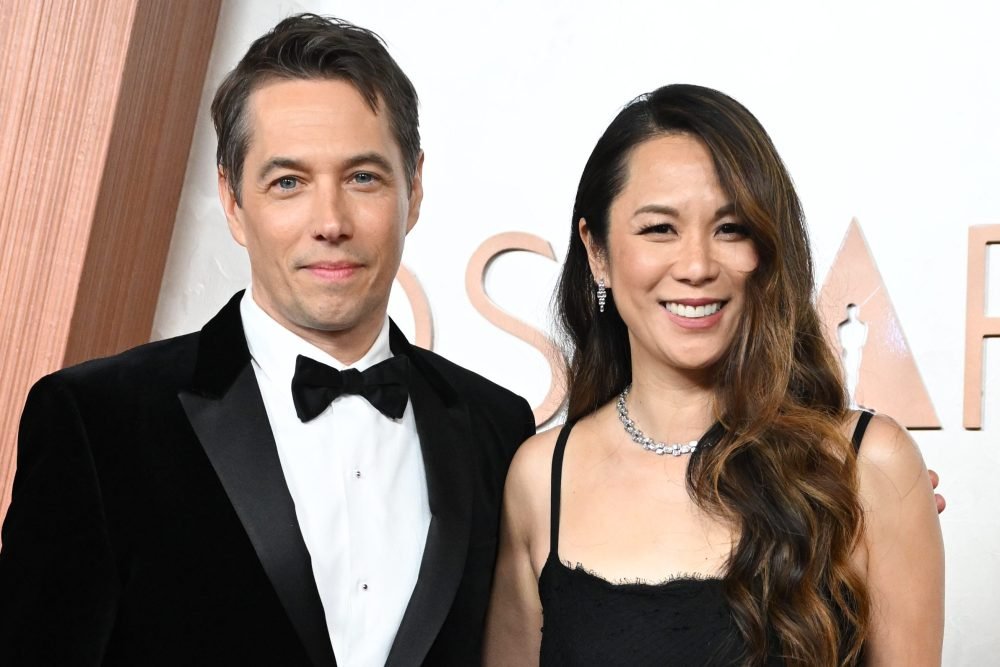
    The Academy of Motion Picture Arts and Sciences announced Sean Baker and his partner, producer Samantha Quan, as the co-chairs of the new Marquee Theater Committee, which reviews submissions and recommends venues to be included on the Academy Marquee Theater List. 

    Additional chairs and vice chairs for the 2026-27 committees and affinity groups were also named, each serving a one-year term. The Academy’s committees and affinity groups are aimed to advance key initiatives and inform Academy policy while serving the interests of its memberships. 

    “As a member-led organization, we are deeply grateful to all our chairs and vice chairs for their leadership and engagement across the Academy’s work,” said Academy President Lynette Howell Taylor and Academy CEO Bill Kramer. “Their dedication helps advance our mission while ensuring that the Academy is well-positioned for the future.” 

    Baker won four Academy Awards in 2025 for his film “Anora.” Clockwork recently bought the distribution rights to Baker’s next project, “Ti Amo!,” which he previously told Variety was ”my love letter to the Italian sex comedies of the ’60s and ’70s.”

    See the full list of Academy committees and affinity groups, along with an explanation of their purpose, and who is leading them below.

    The International Feature Film Executive Committee oversees the awards rules, submission requirements and eligibility of the Oscars International Feature Film category. 

    Michèle Ohayon (Documentary Branch), co-chair, International Feature Film Executive Committee
    James Wilson (Producers Branch), co-chair, International Feature Film Executive Committee

    The Short Films Qualifying Festivals Selection Committee determines festival eligibility criteria and reviews global applications to select which festivals and awards should be deemed Oscar-qualifying in the animated, documentary and live action short film categories. 

    Summer Joy Main-Muñoz (Short Films Branch), chair, Short Films Qualifying Festivals Selection Committee

    The Scientific and Technical Awards Executive Committee reviews submissions and makes recommendations for individuals and companies to receive Scientific and Technical Awards.

    Darin Grant (Visual Effects Branch), co-chair, Scientific and Technical Awards Executive Committee
    Rachel Rose (Visual Effects Branch), co-chair, Scientific and Technical Awards Executive Committee

    MEMBERSHIP COMMITTEES

    Branch and Category Executive Committees oversee branch-and category-related business, including awards rules, eligibility and the review of candidates considered for Academy membership.

    Branch and Category Executive Committee chairs (alphabetically by branch and category):

    Rita Wilson (chair, Actors Branch Executive Committee)
    Marlon West (chair, Animation Branch Executive Committee)
    Kim Taylor-Coleman (chair, Casting Directors Branch Executive Committee)
    Paul Cameron (chair, Cinematographers Branch Executive Committee)
    Daniel Orlandi (chair, Costume Designers Branch Executive Committee)
    Patricia Cardoso (chair, Directors Branch Executive Committee)
    Jean Tsien (chair, Documentary Branch Executive Committee)
    Pam Abdy (chair, Executives Branch Executive Committee)
    Terilyn A. Shropshire (chair, Film Editors Branch Executive Committee)
    Gerald Quist (chair, Makeup Artists and Hairstylists Branch Executive Committee)
    Laura C. Kim (chair, Marketing and Public Relations Branch Executive Committee)
    Lesley Barber (chair, Music Branch Executive Committee)
    Effie T. Brown (chair, Producers Branch Executive Committee)
    Annie Chang (chair, Production and Technology Branch Executive Committee)
    Kalina Ivanov (chair, Production Design Branch Executive Committee)
    Chris Tashima (chair, Short Films Branch Executive Committee)
    Andy Nelson (chair, Sound Branch Executive Committee)
    Brooke Breton (chair, Visual Effects Branch Executive Committee)
    Howard A. Rodman (chair, Writers Branch Executive Committee)
    Keya Khayatian (chair, Artist Representatives Category Executive Committee)

    The International Engagement Committee helps guide global Academy membership initiatives, promoting connectivity among members worldwide.

    Peter Devlin (Sound Branch), chair, International Engagement Committee
    Khadija Alami (Producers Branch), vice chair, International Engagement Committee

    The London Committee provides advice and guidance on UK member screenings and special events.

    Maggie Todd (Marketing and Public Relations Branch), chair, London Committee
    May Leung (Visual Effects Branch), vice chair, London Committee

    The New York Committee provides advice and guidance on New York member screenings and special events. 

    Mia Neal (Makeup Artists and Hairstylists Branch), chair, New York Committee
    Dana O’Keefe (Executives Branch), vice chair, New York Committee

    MEMBERSHIP AFFINITY GROUPS

    Academy Affinity Groups bring together members from shared backgrounds and affinities, with a focus on underrepresented and marginalized communities. They offer guidance on membership, awards and programming while fostering community and promoting networking and educational opportunities.

    Academy Affinity Group chairs and vice chairs (alphabetically by affinity group):

    Stephanie Lowry (Music Branch), chair, Asian Affinity Group
    Guneet Monga (Producers Branch), vice chair, Asian Affinity Group
    Taura Stinson (Music Branch), chair, Black Caucus
    Renard T. Jenkins (Production and Technology Branch), vice chair, Black Caucus
    Àlex Lora (Short Films Branch), chair, Disability & Accessibility
    Chelsea Winstanley (Producers Branch), chair, Indigenous Alliance
    Howard Berger (Makeup Artists and Hairstylists Branch), co-chair, Jewish Heritage Affinity Group
    Steven Raphael (Marketing and Public Relations Branch), co-chair, Jewish Heritage Affinity Group
    Carlos López Estrada (Directors Branch), chair, La Agenda
    Carla Gutiérrez (Documentary Branch), vice chair, La Agenda
    Andrew Ahn (Directors Branch), co-chair, LGBTQ+ Coalition
    Kimberly Reed (Documentary Branch), co-chair, LGBTQ+ Coalition
    Haifaa al-Mansour (Directors Branch), chair, MENA & WANA Alliance
    Edie Ichioka (Film Editors Branch), chair, Women’s Affinity Group
    Gennie Rim (Animation Branch), vice chair, Women’s Affinity Group

    ACADEMY FOUNDATION COMMITTEES

    The Academy Museum Inclusion Advisory Committee helps to ensure the Academy Museum experience is inclusive for all visitors by bringing diverse perspectives to programmatic discussions. 

    Bird Runningwater (Production and Technology Branch), chair, Academy Museum Inclusion Advisory Committee

    The Student Academy Awards Executive Committee guides the direction of the Academy’s international college student filmmaking competition, including approving rules and setting standards for judging the films.

    Brooke Breton (Visual Effects Branch), chair, Student Academy Awards Executive Committee

    The Nicholl Fellowships in Screenwriting Executive Committee reads finalist screenplays for the Academy’s international program that supports emerging screenwriters and selects the recipients of the annual fellowships.

    Kim Taylor-Coleman (Casting Directors Branch), chair, Nicholl Fellowships in Screenwriting Executive Committee

    The Science and Technology Council helps to guide Academy initiatives connected to scientific and technological standards and developments in filmmaking.

    Annie Chang (Production and Technology Branch), chair, Science and Technology Council
    Nick Cannon (Production and Technology Branch), vice chair, Science and Technology Council
  • Sundance Prizewinner Blerta Basholli on Kosovar War Drama ‘Dua’: ‘Teenagers Growing Up in Conflict Zones Are No Different From Any of Us’

    Sundance Prizewinner Blerta Basholli on Kosovar War Drama ‘Dua’: ‘Teenagers Growing Up in Conflict Zones Are No Different From Any of Us’

    Kosovar filmmaker Blerta Basholli’s debut “Hive” won the Grand Jury Prize, the Directing Award and the Audience Award in the World Cinema Dramatic Competition at the Sundance Film Festival in 2021. In May, she premiered her second feature film, “Dua,” in Cannes’ Critics’ Week, and this week the film screened at Sarajevo Film Festival. Variety spoke to her about the film.

    Set in late 1990s Kosova during the war, “Dua” is a coming-of-age film that follows 13-year-old Dua, who has to deal with the ongoing reality of war and the growing pains of becoming a young woman. As she navigates the daily violence and the possibility of having to leave her beloved country, Dua must learn how to protect herself physically and emotionally from the constant barrage of challenges thrown at her.

    Basholli explains that the film is semi-autobiographical: “Most of the scenes in the film are based on what I experienced and what happened to me. Witnessing protests, watching the news, being part of all the discussions at home, leaving the country, it’s all based on my life.”

    She adds: “When you’re making a film about small countries like Kosova, there’s always a temptation to explain because it’s complicated. There are two nations, two languages, nobody can tell the difference between them, and not many people know what really happened. They just know there was a war. In this sense, we tried to focus on Dua and to tell that journey through her.”

    Basholli cites the Dardenne brothers’ “Rosetta” as a source of inspiration, along with Andrea Arnold’s “Fish Tank” and Lucrecia Martel’s “La Niña Santa.” The film is filled with long shots, most of the scenes being shot in one take. “Naturally, I want beautiful lighting, but I don’t want the hand of the DP, the camera, or the director to be felt. For me, it is very important that we believe in the atmosphere. I want people to feel that we are with an Albanian family in 1998 and not to make it feel like a beautiful film,” says Basholli.

    Pinea Matoshi, who plays Dua with a vulnerable yet understated intensity, was discovered during a search through every primary school and high school in Prishtina, Kosova, Basholli’s hometown. She and her second assistant director Dafina Gjikolli auditioned around 5,000 children. “She’s a little bit like me when I was a teenager: she doesn’t talk much. I prefer actors who express themselves with expressions or attitudes. I think Pinea has this ability to talk with her eyes,” says Basholli.

    The film also stars Yllka Gashi as Dua’s mother, who was the lead in “Hive.” Basholli says Gashi “has the same quality as Pinea: she expresses a lot by not saying much. I love working with her and she’s going to be in my next film.”

    The rest of the cast includes Kushtrim Hoxha as Bekim, Vlera Bilalli as Maki, Andi Bajgora as Veggie, Fiona Abdullahu as Mimi, Kaona Matoshi as Tina (who happens to be Pinea’s sister), Arben Bajraktaraj as Pinea’s Judo trainer and Mila Savic as Mrs. Tomic.

    A Kosova/Switzerland/France co-production, “Dua” is produced by Ikonë Studio, Alva Film, Kazak Productions, ARTE France – Unité Cinéma and RTS Radio Télévision Suisse. The film’s producers are Valon Bajgora, Britta Rindelaub, Thomas Reichlin, Amaury Ovise, Yll Uka, Agon Uka and Jean-Christophe Reymond.

    World sales are being handled by The Party Film Sales; Frenetic Films Distribution is handling distribution in Switzerland.

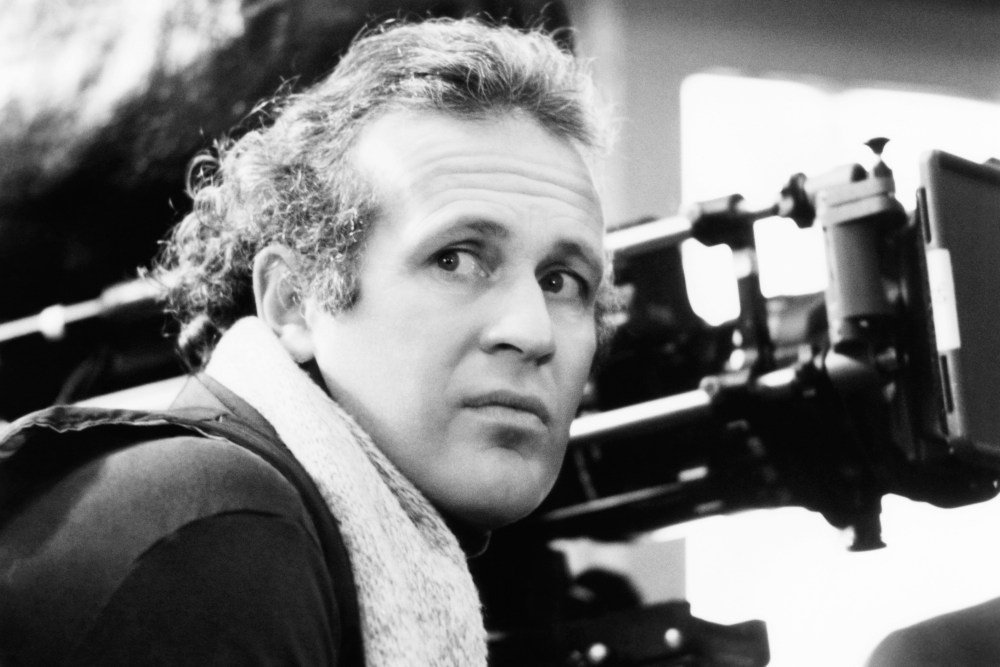
    Blerta Basholli. Photo by Artan Korenica

    Variety speaks with Basholli about the film:

    How has Kosova and its people changed since the war? “Hive” dealt with misogyny in the village, for example. Do you think the status of women has improved?
     
    Blerta Basholli: Yes, Kosova has changed tremendously. Women have played a crucial role, both before and after the war, in shaping society and pushing forward the position of women. Today we see women leading the country, women in politics, business and filmmaking. But in everyday life, and not only in Kosova, I believe there is still a long way to go. These structures and mentalities come from history, and change takes time.
     
    The film is more relevant than ever considering all the conflicts that are happening around the world. What would be your message to the teenage girls growing up right now in Ukraine, Palestine and other war zones?  
     
    Basholli: Unfortunately, yes, the film is more relevant than ever, and that is exactly why I felt it was important to tell this story now. My message to teenage girls growing up in Ukraine, Palestine and other conflict zones would be: Keep dreaming, never give up, and never feel less than anyone else. You are equal to every person in this world: intelligent, capable and deserving of every opportunity. The fact that you are growing up in conflict should not stop you from becoming who you are. As painful and unfair as it is, I hope it becomes a source of strength, resilience and courage. And yes, I am sorry we are only watching and not helping you more. 

    Can you tell us a bit about what happened to your own family after the war and where are they now? 
     

    Basholli: Me, my mother, and my brother left Kosova by train. We first went to refugee camps in Macedonia, where we stayed for five days, and then we signed up to fly to Germany. We were placed in Braunschweig, near Halle, as refugees. We stayed there for four months and returned home after Kosova was freed.

    My father and my two sisters stayed behind in Prishtina. They had moved from our apartment to our cousin’s apartment because it was becoming too dangerous. Later, they also tried to leave by train, but Milošević’s forces turned the train back, trying to create the false image to the world that people were voluntarily returning to Kosova. No trains were allowed to leave the country after that and our car got stolen by the Serbian forces, so they could not leave.

    They went through a very difficult period. At one point, the police took my father to the station without any reason and later released him. Thankfully, despite everything, we all survived and were reunited.

    What are your hopes for “Dua”?
     

    Basholli: I just hope that our little film helps remind the world that teenagers growing up in conflict zones are no different from any of us. They have dreams, talents and knowledge. They listen to the same music, want to fall in love, go to concerts, laugh with their friends and imagine a future for themselves. I hope the film encourages people to see them not as distant victims of war but as human beings exactly like us. And maybe, in some way, it can make us all think about what more we can do to stop these conflicts. No one deserves to live through war — no one.

  • Round Hill Music Sues Suno, Anthropic for Copyright Infringement, Seeking Up to $1 Billion in Damages

    Round Hill Music Sues Suno, Anthropic for Copyright Infringement, Seeking Up to $1 Billion in Damages

    The independent music publisher Round Hill Music sued Suno and Anthropic, accusing the two AI companies in a federal court in California of infringing its copyright by illegally scraping hundreds of its songs to train their models without permission.

    Round Hill, which owns the rights to songs such as Bonnie Tyler’s “Total Eclipse of the Heart, the Goo Goo Dolls’ “Iris” and more than 10,000 other compositions and recordings, claimed the two companies’ decision to lift the recordings violated the Copyright Act through its scraping. It listed 500 songs it alleged were part of the scraping, though promised that the complaint would be amended to reflect at least 10,000 songs pulled without permission. Such violations, it wrote, would demand damages in the “hundreds of millions of dollars and may ultimately approach or exceed $1 billion.”

    “We are not against artificial intelligence,” Round Hill CEO Josh Gruss said in a statement. “We are against the idea that you can build a business worth billions on top of other people’s creative work and pay the creators nothing. Licensing isn’t an obstacle to innovation – it is there to protect the legal owners of the raw material, their property.”

    Representatives for Suno and Anthropic did not respond to immediate requests for comment.

    The lawsuit marks the latest filed against the two companies by a music publisher or label, reflecting the legally murky waters these companies operate in as they train and power their models. Suno has been sued by all three of the major labels – Warner Music Group, Universal Music Group and Sony Music – though it settled with WMG last year. Suno last week struck a licensing agreement with the music company BMG, which itself sued Anthropic earlier this year for allegedly using its recordings to train its models in what it called a scheme of “widespread and systematic infringement.”

    Round Hill Music is demanding a jury trial, signaling (at least for now) it has no intention to follow the other music companies in settling or striking a licensing agreement with the AI generators.

    “The question in these cases is not complicated,” said Richard S. Busch, the lawyer representing Round Hill Music who previously won the landmark music rights case against Robin Thicke’s “Blurred Lines” on behalf of the Marvin Gaye estate, in a sttaement. Copyrighted works have been used to build multi-billion dollar businesses, and in the case of Anthropic a company now valued at more than a trillion dollars, while the songwriters and publishers who created the foundations of that value have received nothing. There is nothing fair about that use, and we look forward to making our arguments to the Court and in front of a jury.”

  • Nominated TV Producers Shed Light on Network Notes and Industry Changes at Variety’s Showrunners Breakfast; Ryan Murphy Emotionally Accepts Norman Lear Award

    Hollywood’s top showrunners and creatives snuck out of their respective writers’ rooms for Variety’s annual Showrunner Breakfast on August 14. The intimate gathering was held at Oleander at The Sun Rose Hotel in West Hollywood, California, honoring top showrunners, including some listed in Variety‘s 2026 Showrunners Impact Report.

    As the room finished munching on their breakfast quiches and sipping cups of coffee, top showrunners and producers from Apple TV’s “Your Friends & Neighbors,” Netflix’s “The Diplomat,” Apple TV’s “Shrinking,” FX’s “Welcome to Wrexham” and Adult Swim’s “Rick and Morty” joined Variety‘s executive TV editor Michael Schneider for a panel discussing the timely topics on everyone’s minds — from network notes, the changing state of the writers’ room to AI.

    When it comes to navigating network notes, showrunners are often tasked with getting their version of the show across against what the network exec’s version might be. For “Your Friends & Neighbors” boss Jonathan Tropper, the most helpful notes ask about the writer’s intention.

    “You know, ‘I don’t know if that emotion is landing the way you think it is,’ or ‘I don’t understand, he seems to be acting like a dick here. Do you mean for him to be acting like a dick here?’” Tropper recalled. “Those are helpful because it’s somebody outside the brain trust reading it and reacting fresh. So I always divide notes into: Are they trying to write or direct the show? Or are they just trying to help me write the show?”

    Many of the panelists are hard at work on new seasons of their shows, including “Shrinking” executive producer Ashley Nicole Black, who has a lot to live up to after Season 3 nabbed 10 Emmy nominations.

    “It’s pretty daunting at first, but I find that once you make one decision, it sort of begets a bunch of other decisions,” Black said. “Now, in Season 4, Gabby’s moving into practicing a different kind of therapy, so we started working with a different therapist, Dr. Andrea Barthwell, who practices that kind of therapy. Once you start hearing her stories and her philosophies, the stories start to come out of that.”

    “The Diplomat” showrunner Debora Cahn said it has taken her four seasons of working on the show to learn the most valuable lesson.

    “I’m starting to get that the panic doesn’t go away because we’re still trying to do something we haven’t done. We’re still looking to do something slightly different and more,” Cahn said. “Panic is what it’s supposed to feel like.”

    “Rick and Morty” co-creator Dan Harmon heavily relies on his younger staff writers, especially to honor the canon of his show’s past seasons.

    “The kids, they go, ‘Well, I think Evil Morty should come back!’ And I say, ‘Says you, have fun writing that crap!’” Harmon quipped. “Thank God you’re here. Thank God we tend to promote our writers’ assistants so that they have everything on file.”

    Schneider ended the panel by bringing up the inevitable topic of AI. It’s of particular importance to these showrunners who work alongside the younger writers and assistants hoping to one day create their own show. But how will the next generation of showrunners fare?

    “It does start to feel like work is getting more and more temporary. A couple of years ago, it’d be like, ‘OK, I have to work on two or three shows a year.’ But there has to be two or three shows in order to make that work,” Black said.

    Tropper, meanwhile, said he “hesitates” to talk about AI because his mindset shifts based on the latest podcast or documentary he’s tuned into.

    “However fast we think it’s going to change things, it’s going to be faster,” Tropper said. “I cling to the hope that art will still have to be created by the vision of humans, and whether they’re using AI to realize that or not is going to fracture a lot of things.”

    The event closed out honoring Ryan Murphy, the prolific showrunner known for creating groundbreaking shows like “American Horror Story,” “Nip/Tuck” and “Glee,” with the Norman Lear Award. It was presented to him by another trailblazing showrunner in his own right, Greg Berlanti.

    While accepting the award, Murphy recalled how watching Lear’s landmark sitcom “All in the Family” helped him realize how television “can change hearts and minds.”

    “TV characters really become like friends, which we all know because they’re beamed at your house. And if you do it right, you can reach hearts,” Murphy said. “I got to tell Norman that story about the impact it had on me and how I realized so young that tackling important, if controversial, topics was necessary. And the amazing thing is when I told him that, he burst into tears like nobody had ever said a nice word to him in his life. But that was Norman.”

    Check out photos from Variety‘s Showrunner Breakfast below.

    Mike Schneider, Ryan Murphy and Greg Berlanti

    Tomasso Boddi

    Jeff Luini and Dan Harmon

    Tomasso Boddi

    Ashley Nicole Black

    Tomasso Boddi

    Howard Gordon, Cynthia Littleton and Karey Burke

    Tomasso Boddi

    Debora Cahn and Mike Makowsky

    Tomasso Boddi

  • Laci Mosley’s ‘Scam Goddess’ Comedy Podcast Launches Video Episodes on YouTube, Joins Will Ferrell’s Big Money Players Network at iHeart

    Laci Mosley’s ‘Scam Goddess’ Comedy Podcast Launches Video Episodes on YouTube, Joins Will Ferrell’s Big Money Players Network at iHeart

    “Scam Goddess,” comedy podcast in which Laci Mosley and friends feast on crazy stories about frauds past and present, is now coming at you in video.

    “Scam Goddess” has joined iHeartMedia and Will Ferrell’s Big Money Players comedy podcast network — and the show has expanded into video, with a new YouTube channel where fans can watch full-length episodes going forward.

    In each episode, Mosley — the self-proclaimed Queen of Scam — covers the hottest scams on the streets today while also breaking down the wildest robberies, grifts and assorted capers through history. Mosley is joined on the podcast to mull over the malfeasance by guests who have included Conan O’Brien, Jameela Jamil, Miranda Cosgrove, Lamorne Morris, Ayo Edebiri, Gayle King, JB Smoove, Nicole Byer and Matt Rogers.

    Mosley launched the “Scam Goddess” podcast in 2019. She penned a bestselling book of the same name that was published in 2024 and expanded the franchise with a Hulu original series that premiered last year. Mosley also staged a “Scam Goddess” sold-out national live tour with Live Nation. Her TV acting credits include “A Black Lady Sketch Show,” “Going Dutch” and “iCarly.”

    The first “Scam Goddess” video episode, “F.R.A.U.D. Is Dope the Jonathan Dupiton Con With Langston Kerman,” premieres today and features comedian and “My Momma Told Me” host Langston Kerman. He joins the show to break down AI ads, “beach ab” shots and the “shoddy merch” Jonathan Dupiton released for Dupiton’s podcast “Rich and Unemployed.”

    “Scam Goddess” is now available through Big Money Players, distributed by iHeartPodcasts via the iHeartRadio app and major podcast platforms. The first full-length video episode premieres Aug. 18 on YouTube at 12 p.m. PT. New episodes are released weekly on Tuesdays (and archive episodes are re-released each Friday).

    Listen to the latest episode of “Scam Goddess” on iHeart: