Tag: Entertainment – Variety

  • Taylor Swift to Be Honored at 2026 MTV VMAs With Inaugural Artist-Director Award

    Taylor Swift to Be Honored at 2026 MTV VMAs With Inaugural Artist-Director Award

    Taylor Swift has been pegged to receive a key award at Sunday night’s MTV Video Music Awards. CBS and MTV announced Monday morning that Swift will be the recipient of the inaugural MTV VMA Artist Director Honors, a newly minuted award set to go to artists who direct some or all of their own music videos.

    The networks said that the award is being earmarked for artists “whose work behind the camera has expanded the possibilities of music video and advanced the art of visual storytelling,” and “celebrates a sustained and influential body of work from artists who have pushed creative boundaries and developed a clear directorial voice.”

    Swift has directed all her music videos in recent years, and she has been nominated seven times for Best Director and won it four times at the VMAs. Her directorial efforts include “The Fate of Ophelia,” “Opalite,” “The Man,” “Cardigan,” “Willow,” “All Too Well: The Short Film,” “Anti-Hero,” “Bejeweled,” “Fortnight (feat. Post Malone),” “I Can See You (Taylor’s Version) (From The Vault),” “Karma (feat. Ice Spice)” and “Lavender Haze.”

    While there was no confirmation in the announcement that Swift would attend the ceremony at the Peacock Theatre in Los Angeles in person, her attendance would seem to be all but a given, offering the telecast some additional superstar firepower. The news comes on the heels of an announcement that Madonna will open the show with her first performance on the VMAs in 23 years.

    It will also heighten anticipation among fans that she might use the occasion to announce a much-rumored upcoming release. There is precedent for that: Swift used her climactic acceptance speech on the 2022 VMAs telecast to announce her “Midnights” album, the memory of which will no doubt assure a massive Swiftie tune-in to see if she wants to drop any fresh news four years later.

    Speculation has run rampant, entirely unconfirmed to date, that Swift might be targeting this fall to release a deluxe edition of her 2006 debut album. When she bought her Big Machine-era master recordings in May 2025, Swft told fans that of the two remaining vintage albums that did not have ‘Taylor’s Version” editions out, she had still not re-recorded “Reputation” and did not feel the need to, but had done a new version of the self-titled “Taylor Swift” and would likely put it out eventually. Swifites are convinced that the 20th anniversary year will yet be the occasion for that.

    Sunday night’s show is being hosted by Snoop Dogg. It will air live from L.A. in a two-hour slot from 7:30-9:30 p.m. ET/4:30-6:30 p.m. PT) on CBS and MTV and will stream on Paramount+ (Premium) in the U.S. The telecast will also be available globally the next day on Paramount+ and MTV.

  • Chile’s ‘Erratics,’ Blending Denis Lavant, Speculative Fiction and Ghost Cinema, Bows at San Sebastián New Directors Competition

    Chile’s ‘Erratics,’ Blending Denis Lavant, Speculative Fiction and Ghost Cinema, Bows at San Sebastián New Directors Competition

    Blending speculative fiction, ghost cinema and Patagonian hauntology, Chilean Thomas Woodroffe’s debut feature “Erratics” (“Bloques erráticos”) holds its world premiere at the San Sebastian Festival’s New Directors sidebar.

    It tracks the ghost of French filmmaker Lucien Castelnau who wakes up in the stunning landscapes of Patagonia where he has spent a century trapped inside a glacier. “As he wanders through a technological society built upon the remnants of forgotten histories, he encounters traces of indigenous memory, displaced communities and visions of a world that no longer resembles the one he left behind,” the synopsis goes, exploring “what becomes of images, memories and artworks that fail to find their audience…. can a film truly exist if it is never seen?”

    “Like an erratic boulder carried by ice and abandoned in a place where it does not belong, Lucien becomes a wanderer between times, searching for meaning, recognition, and a place for his unfinished legacy,” it says.

    Castelnau is played by French actor Denis Lavant (“Beau Travail”) whose evocative voiceover adds to the haunting imagery of the film.

    The origins of “Erratics” lie in an unexpected act of serendipity, says Woodroffe. “Six years ago, a friend told me about an academic research on ancient photographs of Patagonia. When I asked her to send it to me, she got confused and sent me the wrong paper. The research was about a recent discovery of the ethnographic documentary ‘La Terre de Feu’ (1925), at La Cinémathèque de Toulouse. This serendipity was the starting point of ‘Erratics.’”

    Reflecting on the film’s spirit, Woodroffe says: “I believe in the possibility of cinema to be a ghost, to invoke voices from remote times and bring them back to life in the present.”

    As a director, screenwriter, cinematographer and colorist, Woodroffe has sought to bridge filmmaking and film preservation. He first broke out with his short “Astral Fever,” which had its world première at 1976 Biennale, and won a special mention in the Nest competition at San Sebastián. He served as cinematographer on Diego Céspedes’ “The Summer of the Electric Lion,” a Grand Prize winner at Cannes’ Cinéfondation. He has been pursuing a Master’s degree in Film Preservation at Elías Querejeta Zine Eskola in San Sebastián.

    Paris-based MPM Premium handles the international sales of “Erratics,” bolstering the company’s commitment to some of the most original voices in modern-day Latin American cinema. Recent titles it has represented include “Rains Over Babel” (Sundance 2025), “The Red Hangar” (Berlinale Perspectives 2026) and “The Riverbank“ (“A Margem do Rio,” Locarno Competition 2026).

    Says Natalia Isotta, head of festivals & Ibero-American sales at MPM Premium: “As a sales company, our work is to help films find their audience. Rarely do we encounter a film that turns that very journey into the heart of its own story.”

    “Erratics” is produced by Fiebre SpA (Chile), La Belle Affaire Productions (France) and Un Puma (Argentina). Aside from Lavant, the cast includes Francesca Bozzano, Dominique Legoupil, Reinaldo Caro, Daniel Muñoz, and distinguished film directors Dominga Sotomayor (“La Perra”) and Felipe Gálvez (“The Settlers”).

    ‘Erratics’

  • ‘Hot Ones’ Producer First We Feast Sets New Series ‘Hot Ones: Game Night’ Hosted by Joe Santagato (EXCLUSIVE)

    First We Feast is preparing to launch a new show in the “Hot Ones” franchise dubbed “Hot One: Game Night,” Variety has learned exclusively.

    The new series will be hosted by The Basement Yard’s Joe Santiago and will premiere Sept. 30 at 7 a.m. ET on the First We Feast YouTube channel. The guest in the first episode will be Doctor Mike, with upcoming guests including Neil deGrasse Tyson, Frank Alvarez and more.

    The official description of the series states “the new show brings the heat of ‘Hot Ones’ to a custom-themed board game. Celebrity guests will roll the dice, move across the board, and take on challenges and questions inspired by their personalities and backstories, winning prizes in the process…As the stakes get higher, Joe and his guests work together to conquer the game. Falling behind comes with a painful consequence: taking on the infamous Wings of Death.”

    This marks the latest original series from First We Feast, which includes the smash hit show “Hot Ones,” “Hot Ones Versus,” “Hot Ones Wing Pong,” “Pro Moves,” “Heat Eaters” and more.

    “I’ve always been a huge fan of “Hot Ones,” so joining the universe and working with the First We Feast team has been incredible,” said Santagato. “I grew up having game nights with friends and family, so using that as an interview format is so cool to me. You never really know someone until you’ve played a board game with them so you really get to see a new side of these guests when they’re competing and trying to win. I also really appreciate the fact that they trust me as an executive producer because it gives me the opportunity to be involved creatively and help shape the game and each episode. I was so excited when I signed on that I forgot I’d actually have to eat insanely spicy wings every episode. You never really get used to the spice but it’s totally worth it!”

    Originally launched in 2012 at Complex Media, First We Feast has grown into a major cultural hub thanks to the popularity of “Hot Ones.” The brand now boasts more than 27 million followers across platforms.

    “’Game Night’ marks an exciting new chapter for First We Feast,” said Chris Schonberger, CEO of First We Feast. “For the first time we’ll be welcoming a new host into the Hot Ones cinematic universe. In Joe and his COO Greg Dybec we’ve found our ideal partners—true creative collaborators who share our vision for producing the most innovative celebrity interview formats on the internet.”

  • Peter Krause’s ‘Line of Fire’ Is a Promising and Engaging NBC Procedural Drama: TV Review

    Peter Krause’s ‘Line of Fire’ Is a Promising and Engaging NBC Procedural Drama: TV Review

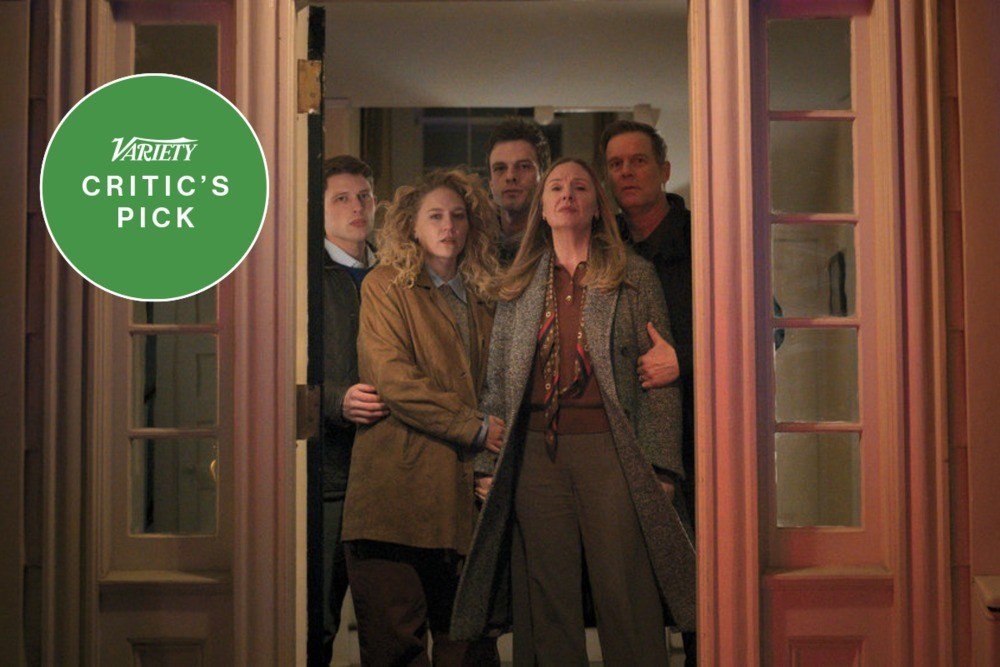
    For decades, law-enforcement procedurals have been staples on television, and when they are done well, these series build loyal fanbases that stick with them for years. NBC’s newest drama, “Line of Fire” is from “Quantico” creator Joshua Safran and loosely based on executive producer Jenna Bush Hager’s experiences with the United States Secret Service. The show has all the makings of becoming a classic in the canon of beloved police procedurals. “Line of Fire” follows the Hollingsworth family: Secret Service Agent Mike Hollingsworth (Peter Krause); his estranged wife, U.S. Marshal Jane Hollingsworth (Hope Davis); and their three adult children, FBI Agent Clare Hollingsworth (Kat Cunning), Secret Service Agent Mike “Micah” Hollingsworth Jr. (Tommy O’Brien) and DOJ analyst Russ Hollingsworth (Taylor Bloom). Mike, Jane and their children try to keep things professional, but continually cross personal boundaries because of their agencies’ proximity. Boasting intense family dynamics and several truly intriguing cases, “Line of Fire” has a depth, intensity and a hint of soapiness that works perfectly within the genre.

    The 10-episode first season (two episodes were available for review) opens in Crozet, Virginia. A U.S. Marshal, under the guise of being a delivery driver, attempts to track down a missing fugitive. Unfortunately, before the morning breaks, both the Marshal and the outlaw lay dead in the woods. The next day, Jane arrives at the crime scene, determined to figure out what happened. Needing a bit more reach than the Marshals can offer, Jane calls in her daughter, Clare, for her expertise and for the FBI’s resources. Though Clare is eager to help, Jane’s team is not exactly pleased that the FBI is encroaching on her territory. For her part, Clare isn’t thrilled when her mother badgers her about bringing her mysterious new boyfriend to dinner to finally meet the family.

    Back in Washington, D.C., Mike is set to finish out his final week at the Secret Service Headquarters before retiring. Yet, he’s increasingly concerned Micah is skirting his professional duties for a personal relationship with Sydney (Savannah Lee Smith), the president’s college-age daughter. Elsewhere, Russell is ready to get his feet wet at the DOJ, but his family’s constant requests complicate his role. Chaos and dysfunction are par for the course for the Hollingsworths. But when a seemingly standard case unearths long-buried secrets that threaten the family’s safety, each person must decide whether their jobs are worth more than the people they love.

    From bank robberies to cartel killings and even contending with the First Family’s drama in the White House, all of the cases the Hollingsworths handle are interesting. Still, the Hollingsworth family dynamic anchors “Line of Fire.” Though they’ve been long separated, Jane and Mike have a solid friendship; one that can only be formed after knowing and loving someone intimately for half your life. Not only do the former couple share children, but Mike and Jane also share secrets — shocking ones they keep close to their chests. The siblings, each with unique relationships with their parents and each other, are also well mapped out.

    Though only two episodes were available to screen, the family feels well lived-in: a boisterous clan with varied personalities becomes the ecosystem that shapes the series. In the pilot, Mike and the siblings arrive at Jane’s house for a chaotic and hilarious family dinner to meet the beau Clare has avoided introducing them to. Immediately, the audience gets a full sense of who these people are and how this family functions. Yet, that doesn’t make any of the cases sprinkled within the show any less worthwhile. In fact, it makes the conspiracy sitting at the center of “Line of Fire” even more gripping.

    “Line of Fire” has all of the essential elements that make procedural dramas so fun. With a stellar cast and some detailed mysteries which will likely stretch across the season (and into the next, assuming there is one), changing the Hollingsworth family dynamic as we know it, it’s clear NBC has a gem on its hands.

    “Line of Fire” debuts Sept. 21 on NBC, with the remaining episodes airing weekly on Mondays.

  • Pablo Larraín Ventures Into Argentina With His San Sebastián Golden Shell Contender ‘My Sad Dead’

    Writer-director Pablo Larraín, best known for his trilogy “Jackie,” “Spencer” and “Maria,” ventures into Argentina for the first time in “My Sad Dead” (“Mis muertos tristes”), based on three stories by Argentinean writer Mariana Enriquez. It stars some of Argentina’s brightest talent, led by Mercedes Moran, Dolores Fonzi, Alejandra Flechner and Carolina Álvarez. Not unlike his 2023 feature “The Count” (“El Conde”), “My Sad Dead” enters into genre territory.

    The Netflix four-part miniseries produced by Larraín’s btoher Juan de Dioas Larraón and their label Fabula, was made into a feature version of nearly three hours to vie for the Golden Shell in San Sebastian’s official competition.

    The story follows Ema (Moran), a recently retired doctor who can see and hear the dead. She is haunted by her mother’s death and her own unfinished business. When her niece Julie arrives and three teenagers are murdered in the violence-ridden neighborhood of Piedrabuena, something strange begins to spread, tearing apart the fragile boundary between the living and the dead. What was once Ema’s burden becomes everyone’s nightmare. The dead are making themselves heard – and no one can escape their ghosts.

    In an interview with Variety in San Sebastian, Larraín and Enriquez held forth on their adaptation, which they co-wrote with Chilean playwright Guillermo Calderón, a coscribe on “The Club,” “Neruda” and “El Conde,” and Anastasia Ayazi (“Patagonia”)

    Mariana, what inspired you to write these stories? Are they purely sourced from your imagination or inspired by events and people you know?

    Enriquez: Like Ema, my mother is a doctor who has worked in a public hospital, and the neighborhood in the book is based on a real neighborhood. It’s different, but quite similar to my idea of the periphery, outside the city, kind of a forgotten place. Many of the violent situations are real situations, distorted a bit to make them more or less fictional. Of course, the woman who can speak to the dead is fictional, but it’s not that far removed from reality.

    But these stories of women or people who can speak to the dead – do you actually know people who see them?

    Enriquez: My aunt used to see my grandmother everywhere. My mother is very peculiar, she smells things, which is very weird. Like, she would be here, for example, and suddenly smell gasoline. And that means something. Not that the car is going to explode, but the smell isn’t supposed to be there. It’s not a phantom smell. It alerts her that something is going to happen. My aunties are more straightforward, seeing ghosts, that kind of thing.

    And how did you come up with the character of the niece who engages in sex with ghosts.

    Enriquez: Well, I’m very interested in genre in general. There was a famous movie in the ’80s called ‘The Entity,’ a horror movie where a woman is visited by spirits and has sex with them. You could see the hands touching her in a very cool special effect, but it was not consensual. I remember being very upset watching it and through the years I kept thinking: what if it was consensual? And I started thinking about the saints who said they were married to the Holy Spirit and this idea of a woman being able to touch the other side and actually have a physical relationship with it – not a relationship of fear, but of pleasure, of ecstasy, of sanity, in a way.

    Pablo, This is your first time to shoot in Argentina, how was that experience?

    Larraín: Of course, Argentina is our neighbor, but growing up, I was always more aware of our differences than our similarities. Then there’s always a moment when things can change. I’ve been to Argentina to travel around the country and I know it quite well, especially Buenos Aires. But doing this, working there, really looking around the city and engaging with local people, the local crews and everybody, I started to understand that the things that are similar are way more than the things that are different. There’s so much in common. It was fascinating. I really felt at home in a way. I know that for foreigners it’s obvious – they look down there in South America and think they must be very similar. But for me, it was a whole process to discover that.

    I interviewed Gael Garcia Bernal a few weeks ago who’s worked with you on several films [“No,” “Ema”, “Neruda”] and he said that what he admires about you is your fearlessness in filmmaking – this attitude of, ‘Let’s just go for it. Let’s try. Let’s break it.’ Would you care to comment on that?

    Larraín: Well, that’s kind and generous of him. He’s a friend, so I understand that, but I don’t really see it like that. I work with what feels comfortable. For example, when we approached Mariana and said, ‘Would you be okay? Would you join us? Would you want to be part of this adaptation?’ I had really got into her narrative and into the idea of trying to express visually what she wrote somehow. You could call it an adaptation, but there’s something about traveling from the book towards a visual representation that was very relevant.

    What did you find the most challenging and interesting aspects of this project?

    Larraín: I do think there’s something very beautiful and very unusual about the sound space, the number of things that are relevant for the story that we don’t see, but only hear. It’s massive, very unusual and very challenging, especially knowing that most people will see this on television. Everything that is not in the frame but has a sound that is relevant for the story, is very intriguing to me to work with. I think that was one of the most challenging things: to bring into the sound space things that are never seen in the story.

    I think what I really found interesting and maybe discovered later in the process, is that when we talk about dead people and about the memory we have of them and how we experience them – whether we feel them, remember them in dreams, physically see them, or hear them – it’s always from the perspective of the living person.

    What I think Mariana has found in this narrative is that now we get to know what the dead are also feeling when they’re claiming their presence and saying, ‘Hey, I’m here.’ They’re also saying, ‘Please, I need your attention.’ And so, it’s interesting because now we get to understand them a little bit more. There’s empathy towards them and I think that’s very gracious.

  • ‘A Teacher’s Gift’ Lands U.K. Distribution Deal With Peccadillo Pictures (EXCLUSIVE)

    ‘A Teacher’s Gift’ Lands U.K. Distribution Deal With Peccadillo Pictures (EXCLUSIVE)

    British South Asian drama “A Teacher’s Gift” has landed U.K. theatrical distribution through Peccadillo Pictures, the independent distributor known for its LGBTQ+ and world cinema output.

    The deal confirms the film’s BIFA-qualifying status and puts it in contention for the British Independent Film Awards.

    Eric Ollerenshaw produces the film, which was shot in the Midlands with Wolverhampton company New Lion Films co-producing, giving the project a regional footprint outside London. Artur Ribeiro (“Terra Nova”) directs from a script he co-wrote with Rajdeep Choudhury and Will D. Parry.

    The film is backed by India’s National Film Development Corporation (NFDC) and British-South African entrepreneur Richard Murray. Its cast is led by Rajdeep Choudhury (“Simulacra”), Anthony Calf (“The Madness of King George”), Anjali Patil (“Newton”), Paula Lobo Antunes, Dhruv Sehgal, Virgilio Castelo and Varun Buddhadev.

    The story unfolds across London and India, centering on Rohan, an ambitious Hindi teacher caught between family expectations and his own wants. A connection forms between him and an older, cultured Englishman over a mutual passion for books and cricket, and their relationship pushes both men toward a reckoning with who they are, cutting across age, culture and convention. The film examines identity, belonging and the ties between generations within Britain’s South Asian community.

    “A Teacher’s Gift” has built a substantial festival record ahead of its U.K. release. It premiered at Tribeca Festival Lisboa before playing the Iris Prize LGBTQ+ Film Festival, earning a best feature Film nomination there, and picked up a special mention for best feature film at the BIFA-qualifying Unrestricted View Film Festival. The film went on to its Asian premiere at the 56th International Film Festival of India (IFFI) and its Latin American premiere at the Guadalajara International Film Festival, where it competed for the Premio Maguey.

    Peccadillo Pictures’ U.K. theatrical release will bring “A Teacher’s Gift” to cinemas across the country.

    Tom Abell, founder of Peccadillo Pictures, said: “‘A Teacher’s Gift’ is exactly the kind of nuanced, globally minded British cinema we’re passionate about bringing to audiences. Artur Ribeiro, Will D. Parry and Rajdeep Choudhury have crafted a tender, quietly radical story that traverses generations, continents and cultures without ever losing sight of its deeply human core. We’re proud to champion this film in U.K. cinemas and thrilled that our theatrical release secures its eligibility as a serious BIFA contender.”

    Ollerenshaw said securing U.K. theatrical distribution with Peccadillo Pictures marks another remarkable step for an independent British film, adding, “This release doesn’t just qualify us for the BIFAs, it ensures the film and its story can be experienced on the big screen, where its themes of culture, care and connection really belong.”

    “A Teacher’s Gift” is set to open theatrically in the U.K. in mid-November.

  • Red Sea Film Festival Cancels 2026 Edition, Will Return Next Year

    Red Sea Film Festival Cancels 2026 Edition, Will Return Next Year

    Saudi Arabia’s Red Sea Film Festival, the most prominent film event and market in the Arab world, has canceled its sixth edition that was scheduled to take place from Dec. 3 to 12.

    The event will return in the fourth quarter of 2027 with a “renewed vision and a program that continues to celebrate cinema and filmmakers from Saudi Arabia, the region and around the world,” according to a press release.

    “The decision follows a comprehensive review of a range of considerations relating to the timing of the next edition, including the logistical requirements involved in staging an international event of this scale,” the release continues. “It reflects the [Red Sea Film] Foundation’s commitment to ensuring the Festival takes place at the right time and under the right conditions to deliver the experience for which the Red Sea International Film Festival has become known.”

    Earlier this year, the Saudi Arabian Formula One Grand Prix auto race, scheduled to take place at the Jeddah Corniche Circuit from April 17 to April 19, was canceled due to the fallout from the war in Iran.

    Saudi Arabia is currently facing a sharp escalation in its conflict with Yemen’s Iran-backed Houthi rebels, who have targeted several Saudi cities. Last week, Saudi officials said they had shot down a Houthi drone near Mecca, Islam’s holiest city, which is located roughly 50 miles from Jeddah. The Houthis have been targeting oil production infrastructure in the Saudi kingdom, which supports Yemen’s government, and oil shipments on the Red Sea.

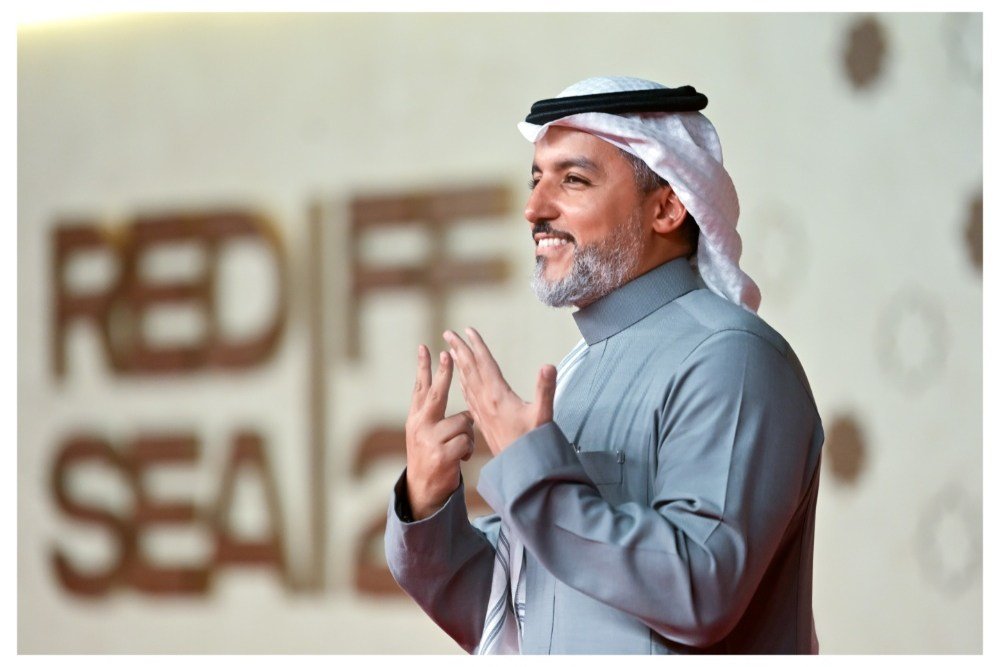
    The decision to cancel the fest’s 2026 edition is believed to have been taken by Saudi Culture Minister Prince Badr Bin Abdullah Bin Farhan (pictured above).

    The Red Sea fest and market was established in 2019, with its inaugural edition taking place in 2020, two years after Saudi Arabia lifted its 35-year ban on commercial movie theaters. The event has since grown to become a cornerstone of Saudi Arabia’s ambition to become a major international film and TV hub, which in turn is touted as a pole of the country’s 2030 strategy aimed at opening the country up and shifting the economy away from a reliance on oil.

    Last year’s edition of the Red Sea Fest was also the first one held under the watch of Saudi Arabian film industry pioneer Faisal Baltyuor, who in May 2025 was appointed CEO of the Red Sea Foundation that oversees the festival as well as the Red Sea Fund and its year-round Red Sea Labs.

    The Red Sea Fund and Red Sea Labs will continue despite the festival’s cancellation, Monday’s announcement stated, and year-round programming at Culture Square in Jeddah will be introduced in November to establish it as an “ongoing destination for film screenings, cultural events and specialized film industry programs.”

    Sean Baker presided over the jury of a star-studded 2025 edition of the Red Sea Fest that kicked off with Dakota Johnson, Uma Thurman, Ana de Armas, Queen Latifah, Vin Diesel and Michael Caine among stars on the red carpet.

    The Red Sea Film Festival’s film market, known as the Red Sea Souk, saw senior executives from major Hollywood players such as Netflix, Amazon, Disney and regional giant MBC head to Jeddah to take part in dozens of panels.

    Sitting a year out will allow Red Sea Film Festival to undergo a necessary re-organization following the exit in June of its general manager, former Dubai Film Festival manager Shivani Pandya Malhotra, who had played an instrumental role in building the event from scratch. Her position remains to be replaced.

    It is believed that Baltyuor’s vision for the fest going forward clashed with Pandya Malhotra’s mode of operation, according to sources.

    Speaking at the recent Lumiere Summit in France, where global industry leader convened to explore the future of film, Baltyuor underlined in a speech that the Red Sea Film Festival Foundation “is not just a festival,” as he put it. “The foundation is building an ecosystem,” the Red Sea chief added, noting that he had just come from the Venice Film Festival where the selection comprised 11 films from the region supported by the Red Sea fund and that there were also eight Arab films supported by the fund in Toronto.

    One big question is: where will the Arab films that had been slated to have their regional premieres at Red Sea (that is a prerequisite to get Red Sea funding) now get their Middle East fest launch?

    The Marrakech Film Festival, which runs Nov. 20-28 — and also features a robust regional market — will certainly absorb some of these Arab titles. Other options for regional premieres will be the nascent new-format Doha Film Festival that will run Nov. 19-27, almost concurrently to Marrakech. Then there is also Egypt’s El Gouna Film Festival, running Oct. 15-23, and the Cairo Film Festival slated to take place Nov. 11-20.

    Next year, the Red Sea Fest will have to compete with the revived Dubai International Film Festival that will hold its first edition starting Dec. 8, 2027.

    Though the Red Sea Fest’s one-year hiatus is certainly bad news for the Arab film industry and for international film executives interested in doing business in Saudi, the pause will allow the event to be properly reconfigured according to the vision of Baltyuor. He has been a driving force in the Saudi film industry ever since a religion-related ban on cinema was lifted in late 2017, holding posts as the first head of Ithra Cinema, which is financed by Saudi Aramco Oil Company, and then by founding and running Saudi distributor CineWaves Films, which has the biggest library of Saudi films, as well as holding the post of CEO at Muvi Studios, the production arm of Saudi’s biggest cinema chain.

  • Ready, SETT, Go: SETT Execs Drill Down on the Spanish Sovereign Venture Capital Fund That Will Drive Industry Conversation at San Sebastián

    Ready, SETT, Go: SETT Execs Drill Down on the Spanish Sovereign Venture Capital Fund That Will Drive Industry Conversation at San Sebastián

    One of the major industry narratives at this year’s San Sebastián Festival, running Sept. 18-26, will be the presentation of SETT, the venture capital fund of Spain’s Ministry for Digital Transformation.
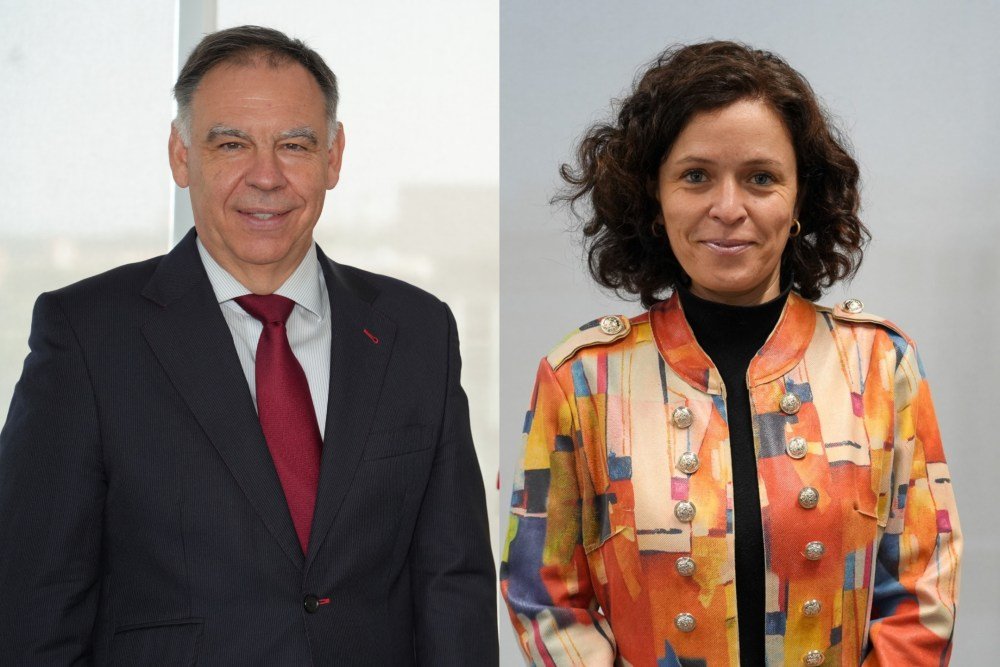
    SETT director general Javier Ponce and its audiovisual director María Coronado deliver a practical guide to Spain’s governmental investment drive powering up companies in Spain: What it’s doing, why, and where it could go in the future. The companies it s investing in – with more to be revealed – are likely to be among the most dynamic in Spain.
    What, explained very briefly, are the objectives of SETT’s Spain Audiovisual Hub strategy?
    Javier Ponce: SETT is a public investment entity that manages investments in strategic, transformative sectors, including the audiovisual industry. It serves as a public catalyst for growth, employment, innovation and talent—all core elements of the audiovisual sector. SETT has managed the Spain Audiovisual Hub Fund, an instrument established under Spain’s Recovery Plan and financed through the European Union’s Next Generation funds.
    Through the Spain Audiovisual Hub Plan, SETT provides financing and equity or quasi-equity investments, either directly to companies in the sector or through financial intermediaries active in the audiovisual industry. The objective has been to attract private investment and improve access to finance for projects related to films, television, animation, multimedia and interactive content, among others. Priority has been given to high-impact projects focused on creating audiovisual content and intellectual property rights while ensuring that those rights remain with the production companies.
    And the rationale of a sovereign venture capital fund’s co-investment model?
    Ponce: It is based on public-private collaboration to launch transformative initiatives that, because of their innovative nature, involve additional risks that make it difficult to attract purely private funding. Only highly liquid, large-scale markets with a long-established audiovisual industry are able to mobilize sufficient capital to finance major new productions or transformative industry initiatives.
    SETT’s Spain AVS Hub fund could draw down up to €1.5 billion ($1.75 billion) from NextGeneration E.U. funding. According to María Gonzalez Veracruz, investments made are just under €250 million. Her explanation is that you simply ran out of time. Could you comment?
    Ponce: Indeed, European funds have been fundamental for Spain, and the Recovery Plan has played a key role in driving major structural reforms and stimulating economic growth. However, it is also true that these funds came with specific requirements, including strict implementation deadlines, which made optimal execution more challenging.
    For the audiovisual sector, the possibility of co-investing alongside a public entity represented a major innovation. Time therefore became a critical factor, as market participants first needed to understand the role and implications of partnering with a public investor that shared both risks and returns.
    The next challenge is to ensure that these investments continue to thrive, identify new opportunities, and maintain confidence in the talent and ambition of Spanish audiovisual companies, which now benefit from SETT’s backing.
    SETT, however, is not over, I believe. Obviously it has to exercise governance over investment accords now struck. I believe as well that there are plans to launch a new program España Crece, with a €13.3 billion ($15.6 billion) budget, held by ICO, but whose investments will be handled in part by SETT, if I understand correctly. Could you comment?
    Ponce: The audiovisual sector will remain one of SETT’s strategic areas of activity and will continue under new fund “España Crece”. We have begun discussions with ICO to define the procedures and framework for collaboration between the two institutions, ensuring the continuation of co-investment in strategic technologies and sectors.
    SETT has represented a significant shift in the way public investment in strategic industries is conceived. Through SETT, the State acts as a catalyst and partner in the most innovative areas of the economy, with the objective of positioning Spain at the forefront of transformative industries. That is why we invested in the audiovisual sector and why we will continue to do so.
    Its ability to generate industrial activity, employment and broad economic impact makes it a strategic sector that will continue to enjoy our support.
    Could you illustrate the rationale of SETT’s co-investment model in one or two of the investments made and the obvious benefits it could bring to the companies Spain’s film-TV industry.
    Coronado: The SETT model has been built on three pillars. First, it adopts an industry-wide approach, rather than a project-based one, addressing the entire audiovisual business ecosystem. Second, its investment facilities are directed at the equity capital of companies or regulated investment vehicles. Third, it promotes public-private partnership instruments on a medium-long term.
    Under this model, promoters must convince a genuinely private investor that their company represents a worthwhile investment opportunity. SETT co-invests alongside the private investor on a pari passu basis: public investment is intended to support companies, but always under the same terms and conditions as private capital.
    This approach strengthens both domestic and international private investment in companies based in Spain, while also attracting foreign businesses that see Spain as an attractive location to establish their operations. Clear examples include the South African transactions involving The Refinery and Moonlighting, with a combined investment of €25 million, as well as Amuse Labs and Milo, two leading examples of Spain’s animation industry, which have mobilised €13 million and €19 million respectively.
    My sense is that SETT investors can indeed help companies scale, create more such expertise and build infrastructure. But would you agree?
    Coronado: In my view, the main challenge for the coming years is to consolidate the model we have been promoting and supporting. It is essential to continue strengthening and diversifying support policies so that Spain can establish itself as a global hub for the audiovisual industry over the long term. This means supporting every segment of the industry according to its specific needs.
    Scale is undoubtedly part of the challenge, as is ensuring the availability of the infrastructure needed to accommodate medium- and large-scale productions, strengthening technical training, and fostering talent across the industry. It will also be important to continue enhancing the tax framework and the legal and regulatory environment to maintain Spain’s competitiveness, while further developing public-private investment instruments.
    In addition, it will be essential to understand the cash-flow financing needs of projects to address the full range of companies’ financing requirements. Finally, the industry’s ability to adapt and diversify will remain critical, both in terms of technology and creativity, as well as business models and corporate structures.
    In your view, does the introduction of sovereign venture capital in the Spanish film and TV industry encourage a change of mindset in the industry?
    Coronado: Yes, absolutely. It creates new opportunities. It is essential to think in terms of medium- and long-term business strategy, rather than focusing only on immediate projects. It enables companies to strengthen their capital base, making them more ambitious, better able to protect their intellectual property, diversify, expand internationally, and bring their products to market more effectively.
    What have you learnt in the two years of the Spain AVS Hub Phase II which you would like to apply in future investments by SETT under España Crece?
    Coronado: The main learning here is the confirmation that SETT has a clear and necessary purpose for the industry, both in attracting private investment and foreign companies, and in creating opportunities for the local industry. It is important to allow more time for business plans to mature and for companies to secure private investment.
    Can you outline very briefly what the SETT event at San Sebastián Festival will consist of?
    Coronado: As you would expect, we will have a strong presence at the festival, with a wide range of activities. On Sept. 20, the Secretary of State for Digitalisation and Artificial Intelligence, through the Ministry for Digital Transformation and the Civil Service, which is leading the Government’s Spain Audiovisual Hub Plan, will host an event in which SETT will present the huge progress we have made in financing the audiovisual sector and new ongoing projects. Additionally, on 22 September, I will take part in a panel discussion at the conference organised by the CAA as part of Spanish Screenings Investment & Tech. That same day, we will also host an exclusive roundtable with investment funds and banks specialising in the audiovisual sector, bringing together both international and Spanish participants. We also have a few more surprises in store, which we will unveil throughout this very important festival for the industry.

  • Ed Sheeran Addresses Macklemore Controversy While on Stage at First Concert Since Rapper Dropped From Tour: ‘What Is Happening in Gaza Is Catastrophic and Unjustifiable’

    Ed Sheeran Addresses Macklemore Controversy While on Stage at First Concert Since Rapper Dropped From Tour: ‘What Is Happening in Gaza Is Catastrophic and Unjustifiable’

    Ed Sheeran addressed the controversy surrounding Macklemore’s removal from his Loop Tour on Saturday night, speaking from the stage at Philadelphia’s Lincoln Financial Field during his first concert since the rapper was dropped from the trek.

    “Before I play some songs tonight, I hope it’s okay if I say a few words about this last week,” Sheeran said at the top of Saturday’s show. “I’m used to my music being criticized, and I’m always happy to take that because I’m lucky. A lot of you like my stuff, and to be honest, I’m surprised. I’m not surprised that I’ve even done it. You know, it’s normal. But this week, the criticism was about something much more important, and I’ve had to take and make difficult decisions, and I am making mistakes, and I’m so, so sorry.”

    Sheeran continued: “I don’t want to disappoint fans, and I’ve never wanted to be an activist musician, but this has put me in the middle of an important and passionate argument about freedom of speech and the most complex political issue on the planet. My concerts have always been a safe space for everyone, and that matters hugely to me. Honoring my commitment to my fans is also completely essential to who I am, and that is why I’m here tonight on my own and continuing my current tour.”

    Saturday’s concert marked Sheeran’s first performance since a tumultuous week for the U.S. leg of his Loop Tour, which saw Macklemore removed from the remaining dates following the rapper’s onstage remarks in support of Palestinians during Sheeran’s Sept. 4 and 5 shows at MetLife Stadium in New Jersey.

    During his MetLife performances, Macklemore spoke about the war in Gaza and the West Bank and told the stadium crowd, “Free Palestine.” His set also included “Hind’s Hall,” his 2024 protest song supporting Palestinians. The remarks drew criticism from some Jewish and pro-Israel organizations, including the Israeli-American Council, which called for Macklemore to be removed from the tour.

    Messina Touring Group, the promoter behind the U.S. leg of the Loop Tour, subsequently announced that Macklemore would no longer appear on the remaining dates. The company said venues had informed the promoter that they would not allow concerts featuring Macklemore to proceed, a situation it said could have resulted in cancellations affecting hundreds of thousands of ticket holders.

    While Sheeran addressed the decision in a statement earlier this week, stressing that Macklemore’s removal was made by the promoter and venues rather than by him, he again acknowledged that he is “deeply worried about the idea that venues pre-approve content for performance.” “This happens in so many places that I perform around the world, but it should never happen in the free world,” he said.

    At the time of his initial statement, Sheeran said he was “appalled by the conflict between Israel and Palestine,” describing the suffering caused by the war as a “human tragedy,” while explaining that he has generally sought to keep his concerts focused on “unity, joy, escapism, love” rather than his own political views. On Saturday, he restated these feelings, though also speaking more explicitly about where he stands on the Israel-Palestine conflict.

    “I have tried in my career not to be a political commentator of any kind, because I want my music and shows to be about unity, not division,” he said. “But this is a humanitarian issue, and I cannot hide how I feel about it anymore. What happened in Israel and at the Nome Museum Festival on Oct. 7 was horrific and compounded centuries of Jewish pain. What is happening in Gaza is catastrophic and unjustifiable, and disproportionate. Our hearts can be broken by the scale of devastation and loss of civilians’ lives, children’s lives and the systemic injustice we’re seeing unfold in the West Bank cannot be overlooked.”

    He continued, “I am already speaking to people across the spectrum to work out how to make a contribution that helps victims of these terrible times, and listening and learning because I do not know enough.”

    After Macklemore was dropped, he responded to his removal in a statement, saying that he and Sheeran had held “difficult conversations” in the aftermath of the MetLife shows. While expressing respect for Sheeran personally, the rapper challenged the singer’s preference for remaining publicly neutral and said he did not regret using the tour stage to speak in support of Palestinians. Macklemore has since said he will donate $1 million to Palestinian relief organizations.

    The fallout quickly spread beyond Macklemore. Singer-songwriter Aaron Rowe and Danish band Lukas Graham, who had been expected to support Sheeran on upcoming North American dates, both withdrew from the tour. Finneas, who was scheduled to join Sheeran for a run of South American dates later this year, also pulled out, while Irish folk group Beoga — longtime collaborators who had been performing as part of Sheeran’s live show — exited as well. All four cited Macklemore’s removal in announcing their decisions.

    The Philadelphia date nevertheless proceeded as scheduled Saturday at Lincoln Financial Field, kicking off the next stretch of Sheeran’s U.S. stadium run.

  • ‘Ride or Die’ Canceled by Prime Video After One Season

    ‘Ride or Die’ Canceled by Prime Video After One Season

    “Ride or Die” has been canceled by Prime Video after one season, Variety can confirm.

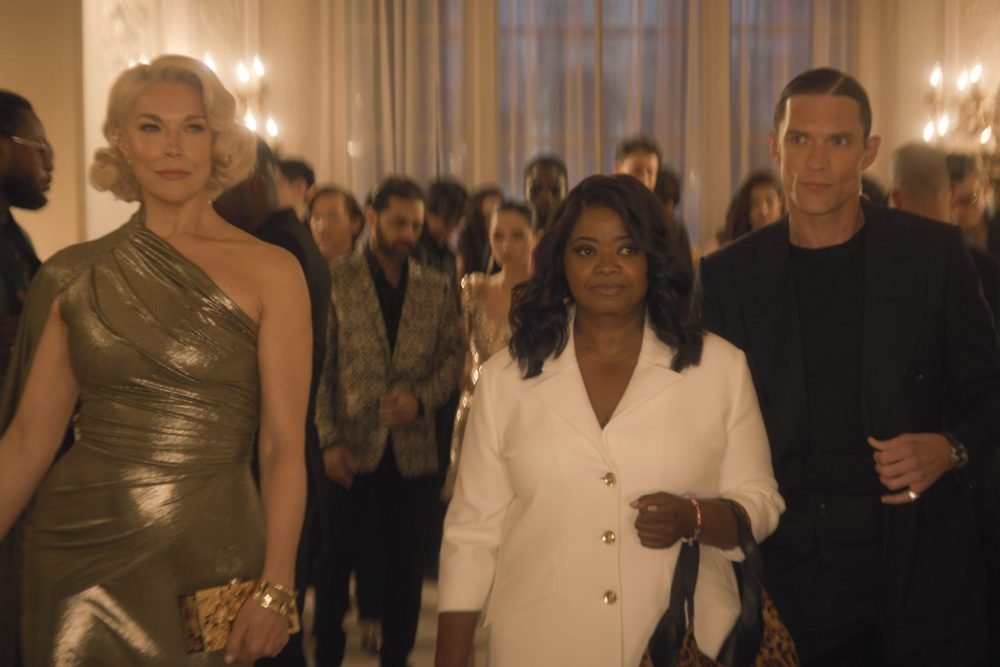
    The streamer’s Hannah Waddingham and Octavia Spencer-led buddy dramedy premiered in July of this year. It was first reported that Spencer and Waddingham were teaming up for the series in December 2023.

    Per the show’s official logline, “‘Ride or Die’ follows best friends Debbie Claybourne (Spencer) and Judith Burton (Waddingham) who thought they knew everything about each other, except Judith turns out to be an international assassin. When a mysterious figure emerges from Judith’s past and a hit goes horribly wrong, both of their worlds are turned upside down as they’re forced to go on the run together. It’s a race against time and a road trip across Europe, with law enforcement, highly trained assassins, and some very dangerous criminals at their heels.”

    In her review of Season 1, Variety’s Aramide Tinubu wrote that “‘Ride or Die’ works best when it fully leans into the ‘Thelma & Louise’ aspects of the central storyline… Spencer and Waddingham have a robust and genuine chemistry — a companionship that will undoubtedly resonate with countless viewers. Moreover, watching Waddingham as a full-fledged action star is something everyone should be witnessing on a daily basis.”

    Other cast members included Ed Skrein, Calam Lynch, Savannah Steyn, Jamie Parker, and Jacky Ido, with Sylvia Hoeks and Bill Nighy.

    Tessa Coates created the series and serves as executive producer and showrunner along with Matt Miller and director Peyton Reed. The show is produced by Paramount Television Studios, Amazon MGM Studios as well as Andy and Barbara Muschietti’s Double Dream and Octavia Spencer’s Orit Entertainment. Coates, Miller, and Reed executive produce alongside Spencer for Orit Entertainment; Waddingham; Andy Muschietti, Barbara Muschietti, and Irene Yeung for Double Dream; Brian Clisham; and Stephanie Kluft.