Formula 1: Drive to Survive, Sesame Street, Adolescence: The Making of Adolescence and The Wizard of Oz at Sphere have won the first four honors of 2026 Producers Guild of America Awards.
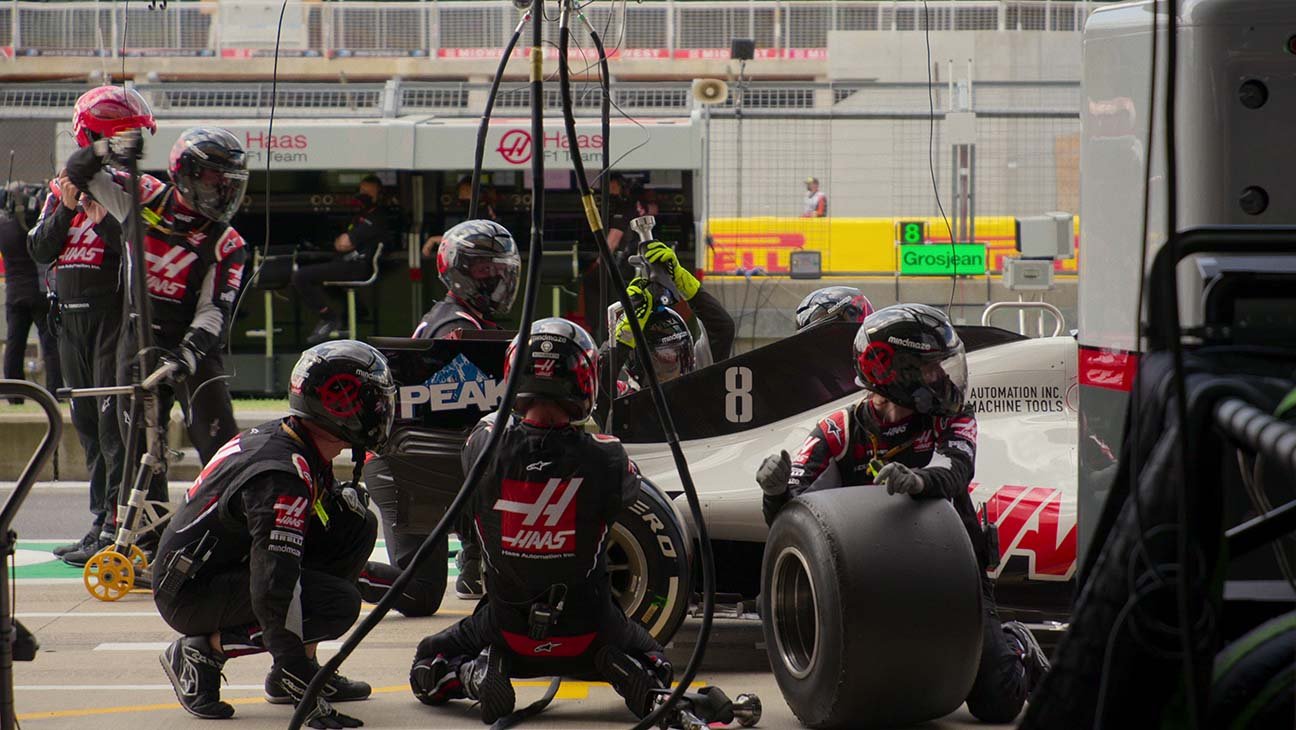
Formula 1: Drive to Survive was recognized best sports program; Sesame Street for best children’s program; The Making of Adolescence for best shortform program; and The Wizard of Oz at Sphere (Sphere Entertainment Co.) received the PGA Innovation Award. The awards were handed out Thursday night at The Aster in Hollywood.
Due to inclement weather in New York City, the categories were all announced Thursday night instead the two planned separate ceremonies (the first was initially scheduled for Monday, to announce the children’s and sports categories; and Thursday’s event to announce the shortform and PGA Innovation Award).
Also on Thursday night, Lydia Dean Pilcher was recognized with the Vance Van Petten Entrepreneurial Spirit Producing Award. Jessica Li was additionally announced as the recipient of the Debra Hill Fellowship supporting emerging producers.
The full slate of 2026 PGA Awards winners will be announced on Saturday at the Fairmont Century Plaza in Los Angeles. The nominees for the, Darryl F. Zanuck award for outstanding producer of theatrical motion pictures, which has historically mostly corresponded with the Oscars’ best picture winner, include Bugonia, F1, Frankenstein, Hamnet, Marty Supreme, One Battle After Another, Sentimental Value, Sinners, Train Dreams and Weapons. (Last year, Anora won the award before dominating the 2025 Academy Awards.)
See below for the winners in the four PGA Awards categories announced on Thursday night.
The Award for Outstanding Sports Program
100 Foot Wave Big Dreams: The Little League World Series 2024 Formula 1: Drive to Survive (WINNER) Hard Knocks: Training Camp with the Buffalo Bills Surf Girls: International
The Award for Outstanding Children’s Program
LEGO Star Wars: Rebuild the Galaxy – Pieces of the Past Phineas and Ferb Sesame Street (WINNER) Snoopy Presents: A Summer Musical SpongeBob SquarePants
The Award for Outstanding Shortform Program
Adolescence: The Making of Adolescence (WINNER) The Daily Show: Desi Lydic Foxsplains Hacks: Bit By Bit Overtime with Bill Maher The White Lotus: Unpacking the Episode
The PGA Innovation Award Finalists
ASTEROID (Doug Liman’s 30 Ninjas / Google’s 100 Zeros) Big Wave: No Room for Error (Cosm) D-Day: The Camera Soldier (TARGO / TIME Studios) territory (Double Eye Studios / Kinetic Light) The Wizard of Oz at Sphere (Sphere Entertainment Co.) (WINNER)
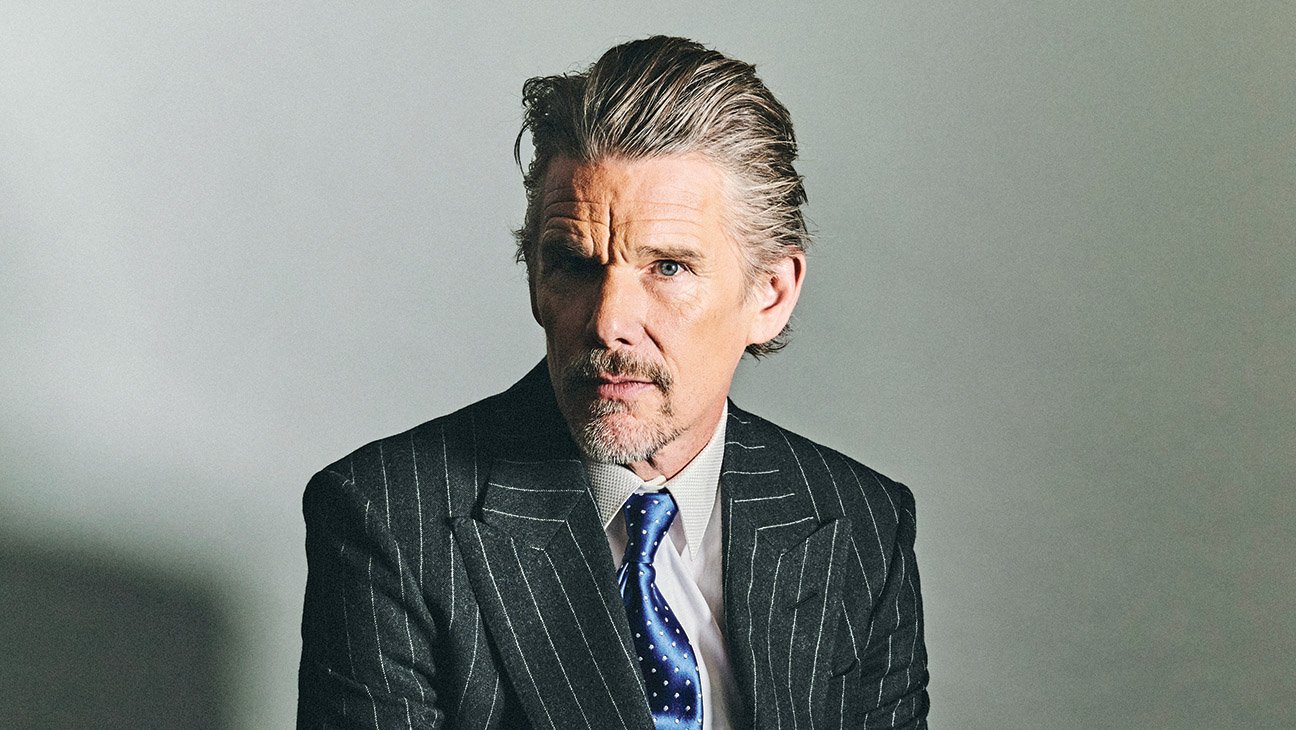
After getting an Oscar nomination for his role as famed Broadway composer Lorenz Hart in Blue Moon, Ethan Hawke couldn’t help but reminisce on his long-lasting friendship with the film’s director, Richard Linklater. “I have to express my gratitude to Linklater because my first acting award I ever won was a bong from High Times magazine for my performance in Tape as the best stoned performance of the year. And, Rick just keeps giving me these things, so I’m incredibly grateful,” Hawke says.
In the indie film, Hawke transforms himself into the diminutive composer, who regales attendees at Sardi’s bar with anecdotes about his career highs in the theater and bemoans the loss of his former partnership with Richard Rodgers. Set during the opening-night party for Oklahoma!, the film almost always trains the camera on Hawke as he vacillates between charm and pleas for continued relevance in the theater world.
Hawke, who calls the role one of the hardest he’s taken on in his long career, speaks about becoming Hart and why the physical transformation was akin to skiing down a hill that makes you think, “Holy shit, I’m going to die.”
What keeps drawing you back to working with Richard Linklater?
Oh, that’s totally uncomplicated. It’s just friendship. We met in ’93, I think, and we just started talking and talking. We’ve been talking for 30 years, and every now and then these movies grow out of that friendship.
He pitched this movie to you more than a decade ago and waited for you to age into the role. But was there more that happened over that decades-plus process?
I think his intuition was that we weren’t ready to make it. And I don’t know if he could have articulated exactly why. Part of it had to do with me getting older. Part of what happened in the last decade is that I’ve gotten more and more interested in what people call character acting, and I’ve gotten better at it, and so the time wasn’t wasted. We also knew what a razor’s edge the film walks. A movie set in real time, in one party. It’s a very difficult filmmaking accomplishment, and it needed a lot of meditation about how to pull something like that off.
What made you become more interested in character acting?
It’s just life’s relationship to this profession. I’d probably say my friendship with [Philip Seymour] Hoffman had a lot to do with it, but a lot of it was continuing to try to grow. You’ve got to figure out, “Well, all right, what if I did something totally different?” and you start pushing the boundaries of the box.
You worked on this character during a series of workshops over several years. What did you learn through that process?
It really all comes back to my friendship with Linklater. We would just read it and work on it. We would talk about Larry, about the people we know that were like this, or what the film is about, and what do we think he’s thinking about that? Then we’d send each other records and be like, “That’s an interesting line, where does that line come from?” And we started kind of seeing the movie as a Rodgers and Hart song, like, “What if we made a movie that was a 90-minute Rodgers and Hart song?” In a lot of ways, Rick’s job was to create the architecture and skeleton and musculature the way that Richard Rodgers would for the song, and my job was the lyrics to sit on top of it and dance and play. Because what’s so powerful about their music is that it has all the strength and gravitas and, at the same time, it’s completely silly. And when you can be silly and strike a note that’s profound, it’s a magic trick.
Ethan Hawke in his Oscar-nominated role as Broadway composer Lorenz Hart in Blue Moon.
Sabrina Lantos/Sony Pictures Classics
You’ve called this the hardest role you’ve ever done. Why is that?
There have been a handful that have been extremely challenging. It’s just one of the few jobs that’s used everything I’ve learned over the years, from the physical stuff, to the vocal work, to the movement work, to the verbiage, to the text, to the ideas that we’re trying to communicate. It was not a light lift.
How did you find his voice?
When you become a professional actor, there’s a great push to just always stay in the same box. You stop letting yourself play as much, and the play is where really good things happen. So in that way, I love that Rick was giving me a chance to really jump out of the normal sandbox … so I could really find a voice that matched his wit and his energy and his soul, for lack of a better word, and making all that language feel like it was my own.
You also had a big physical transformation to become Lorenz Hart, including shaving your head, wearing a comb-over and adjusting your posture to help appear about a foot shorter. How did it feel taking that on?
If you’ve ever skied, and you ski down a slope that’s way too difficult, while you’re doing it, you’re absolutely miserable. And when it’s over, you’re like, “Wow, that was fun.” Once you survive, you’re like, “That was pretty interesting. I love that.” But while you’re doing it, it’s like, “Holy shit, I’m going to die.”
You’re a big theater person. Is that what drew you to this story?
Absolutely. The legend of Broadway looms large in my psyche. So any time you get to touch those myths — and even some of the final shots of all the portraits of the artists on the Sardi’s wall — it’s like the way the baseball player feels about the Hall of Fame. You want to know what they were thinking, and what they were doing, and how did they do that? How did they feel about it? Trying to make all that come alive for the audience is a game I find thrilling.
You have been doing a lot of campaigning for this movie. Do you now see this as the end of the campaign trail or is there more to come?
Ask me in a couple of months. It was amazing to get the nomination, and it was even sweeter that [writer] Robert Kaplow was nominated because that makes me feel like people really saw the movie. Because if you see the movie, it’s one of the most staggering pieces of writing Rick and I’ve ever come across in 30 years of working, and it’s just an absolutely brilliant screenplay. I really feel my job is like an ambassador of independent film. I want movies like this to get made. I want there to be a future in my life and other people’s lives for movies like this to exist, so people have choices in what they’re seeing.
This story appeared in the Feb. 23 issue of The Hollywood Reporter magazine. Click here to subscribe.
In a surprise deal, Apple and Netflix are teaming up for select Formula 1 programming.
The deal will include Netflix simulcasting the F1 Canadian Grand Prix May 22-24 (it will also be on Apple TV, of course), and with Apple TV getting streaming rights to season eight of Drive to Survive alongside Netflix.
Drive to Survive will land on Apple TV at midnight tonight, the same day it debuts on Netflix.
Eddy Cue, Apple’s senior VP of services, announced the deal in a conference call with reporters Thursday.
As the UFC continues its planning for its blockbuster UFC bout at the White House in June, parent company TKO is warning investors that it is a one-time event that will likely cost it tens of millions of dollars … and that’s just fine.
On TKO’s earnings call Wednesday, president and COO Mark Shapiro told Wall Street analysts that the White House event, currently slated for June 14th on the South Lawn, will cost “upwards of $60 million.”
“I think by the time we get done, all is said and done with the event, and with what we pay the fighters and the fan fest we’re gonna have, that could move north,” Shapiro added. “It’s definitely not moving south.”
He said that the company is engaging corporate partners and others who he thinks can offset about half the cost of the event, meaning that the company is planning for $30 million in losses, or more if the costs continue to rise.
That being said, the company is also framing it as a one-time spectacle that could be a huge draw to the mixed martial arts promotion, which is just kicking off its multi-year deal with Paramount global.
“I wanna be clear about something: We will not profit from the White House event independently. We will not be making money on America’s 250th anniversary,” Shapiro said. “This is an investment for the long term. This is about earned media.
“This is about sampling, new fans, casual viewers, a spectacle on a stage that will ultimately expand our audience, our viewership, and our success on Paramount+,” he added. “We see this once-in-a-lifetime stage as a strategic investment to drive subscriber acquisition at Paramount+, massive audience sampling for the UFC overall, and Super Bowl-like earned media across the globe.”
UFC, of course, hosted a one-off event at the Sphere in Las Vegas in 2024, and Shapiro indicated that, while the focus is on the White House fight, TKO will have its eyes open for other one-offs that can drive attention to the sport.
“We’ll be the first one and maybe the only one ever on the South Lawn of the White House,” he said. “I can’t tell you that we have any events coming up at the Kremlin, but we will definitely be looking for more one-time events.”
Jury Duty is returning for its highly anticipated second installment, and Prime Video is giving viewers a first look at its latest unbeknownst star, Anthony.
Entitled Jury Duty Presents: Company Retreat, Prime Video released the first trailer for the docu-comedy on Thursday, introducing the audience to Anthony, the man who has no idea that he’s surrounded by a bunch of actors. Instead, Anthony believes he’s been hired as a temporary worker attending an annual company retreat for hot sauce company Rockin’ Grandma’s.
The trailer sees Anthony introduced to the new, outlandish group of employees. At part of the center of the season’s drama is the potential sale of Rockin’ Grandma’s, which was originally slated to be taken over by the company head’s son.
“If they think they can just come in and do whatever they feel like they wanna do, they’re in for a rude awakening,” Anthony says at one point in the trailer when the potential buyers of the hot sauce company are introduced. “I care about y’all. This is a family.”
Season two of Jury Duty will hit Prime Video on March 20, with a drop of three episodes. Two additional episodes will hit the streamer on March 27, followed by a three-episode finale on April 3.
Alex Bonifer, Blair Beeken, Emily Pendergast, Erica Hernandez, Jerry Hauck, Jim A. Woods, LaNisa Renee Frederick, Marc-Sully Saint-Fleur, Rachel Kaly, Rob Lathan, Ryan Perez, Stephanie Hodge, Warren Burke and Wendy Braun make up the ensemble cast of Jury Duty Presents: Company Retreat.
The debut season of Jury Duty was a beloved hit, spotlighting Ronald Gladden as the unbeknownst star, and James Marsden, who joined to play himself. Going off the name of the show, season one depicted a faux jury selection and trial full of actors who knew the case was fake, except for Ronald, who believed he was in the middle of a real scenario.
A breakout from the series, Gladden landed a two-year overall deal with Amazon MGM Studios in November 2023. The show itself earned four Emmy nominations (including a nod for Marsden), becoming the first title from Amazon’s Freevee to score an Emmy nomination
It was confirmed that the series was renewed for a second season in February 2025, and that said season had already been filmed.
Season two is executive produced by David Bernad (The White Lotus, Bad Trip), Lee Eisenberg (Lessons In Chemistry, The Office), Gene Stupnitsky (Hello Ladies, The Office), Todd Schulman (The Chair Company, Who Is America?), Nicholas Hatton (Borat Subsequent Moviefilm, Who Is America?), Jake Szymanski (7 Days in Hell, Mike and Dave Need Wedding Dates), Anthony King (The Afterparty, Silicon Valley), Chris Kula (Wrecked, Community) and Marsden. Eisenberg and Stupnitsky co-created the series, while Szymanski directs.
The White House Correspondents Association is swapping a comedy act for mindreading at this year’s dinner.
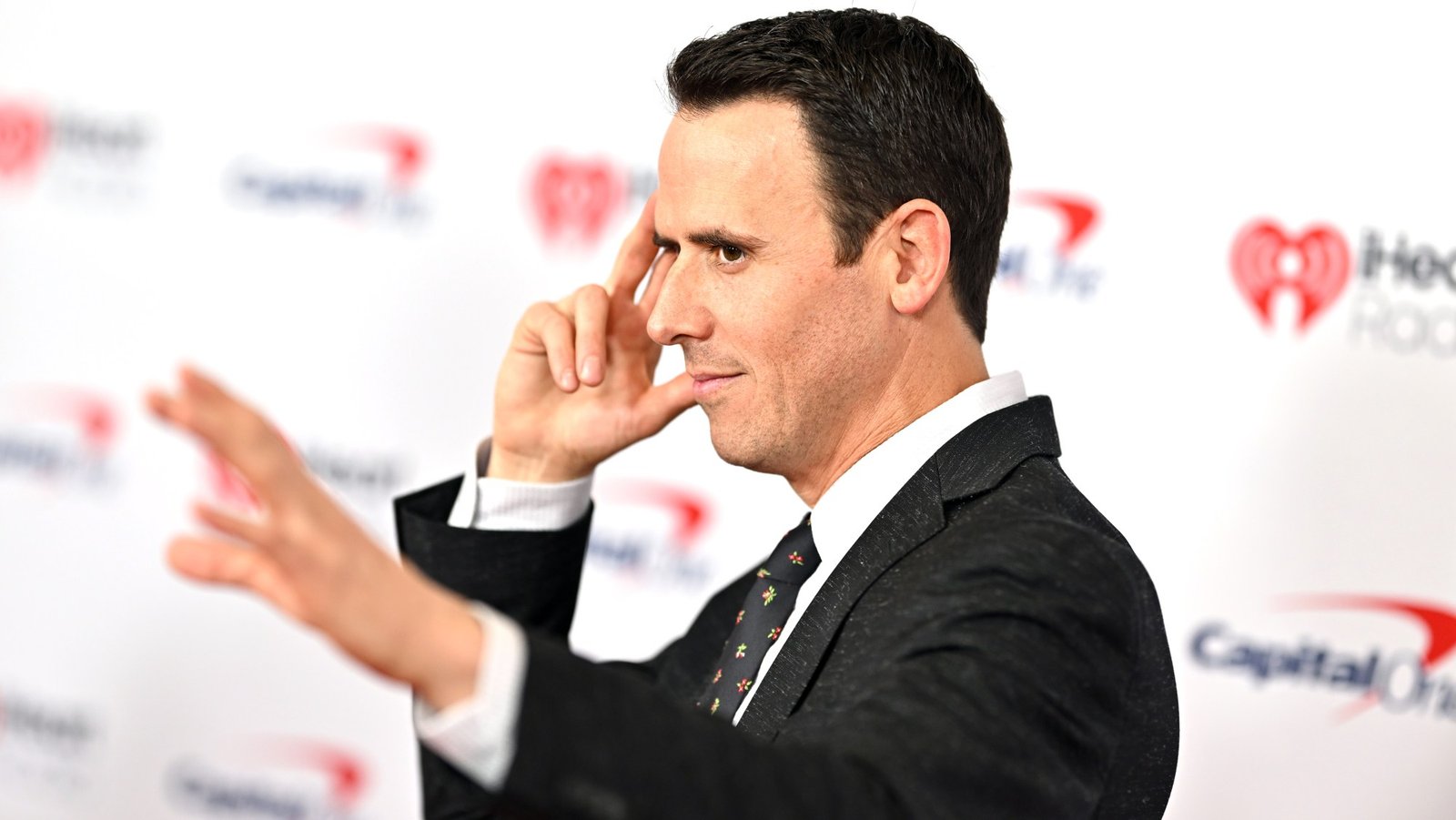
The WHCA said Thursday that mentalist Oz Pearlman, whose exploits have gone viral on TikTok and YouTube and have made him a frequent guest on channels like CNBC and Fox News, will be this year’s featured entertainer at the White House Correspondents Dinner.
“As the world’s most celebrated mentalist, Oz Pearlman will offer a fascinating glimpse into what’s truly on the minds of Washington’s newsmakers,” said CBS News correspondent Weijia Jiang, president of the association. “We look forward to an exciting, fresh, and interactive evening as we celebrate the First Amendment and Washington news coverage together.”
The WHCD, of course, is typically attended by the White House press corp and members of the administration, including the President of the United States. That being said, President Trump has not attended most of the dinners in his time in office, which shouldn’t be too surprising given the frequent sparring between the journalists that cover the White House and his administration.
Last year’s event was no exception, and in fact the WHCA had to cancel the planned appearance from comic Amber Ruffin, who had been targeted for criticism by the White House. Pearlman’s act is not about politics, but he does cater it to the audience, as his appearances on CNBC and in front of NFL teams show.
“I am thrilled to be the featured entertainer at this year’s WHCA dinner and join the ranks of Frank Sinatra, Jay Leno and Conan O’Brien, among many other legends,” said Pearlman. “This is a rare opportunity to gather so many accomplished, perceptive people in one place and invite them to share moments of wonder, surprise and awe.”
There’s plenty of suspense in the seventh installment of the venerable Screamhorror movie franchise. Unfortunately, most of it involves the backstory and corporate intrigue. Did Melissa Barrera deserve to be fired? What was the real reasonJenna Ortega departed? What kind of hardball did Neve Campbell play to be enticed back to the series? Will series creator Kevin Williamson do a good job directing one of the films for the first time? Which veteran franchise performers, representing characters both living and dead, return for cameos? And most importantly, why did the title switch back to an Arabic numeral after they used a Roman one the last time?
Sorry, but you need to have something to think about during this latest edition of a franchise that is dead creatively if certainly not commercially. You can rest assured that Ghostface, sporting that perennially creepy mask and dependably voiced by Roger L. Jackson, will slash his way through most of the cast, whose survival will depend on contract negotiations. There will be fake-out scares, followed by real ones, and plenty of self-referential discussions in which the characters comment ironically on their situation. “It’s always someone you know,” one observes about the real identity of the killer behind the mask. “This was too easy,” another comments after Ghostface is seemingly dispatched at one point. “There’s always more than one.”
Scream 7
The Bottom Line
Dead creatively, if not commercially.
Release date: Friday, February 27 Cast: Neve Campbell, Isabel May, Jasmin Savoy Brown, Mason Gooding, Anna Camp, David Arquette, Roger L. Jackson, Michelle Randolph, Jimmy Tatro, Mckenna Grace, Asa Germann, Celeste O’Connor, Sam Rechner, Mark Consuelos, Tim Simons, Matthew Lillard, Joel McHale, Courteney Cox Director: Kevin Williamson Screenwriters: Kevin Williamson, Guy Busick
Rated R,
1 hour 54 minutes
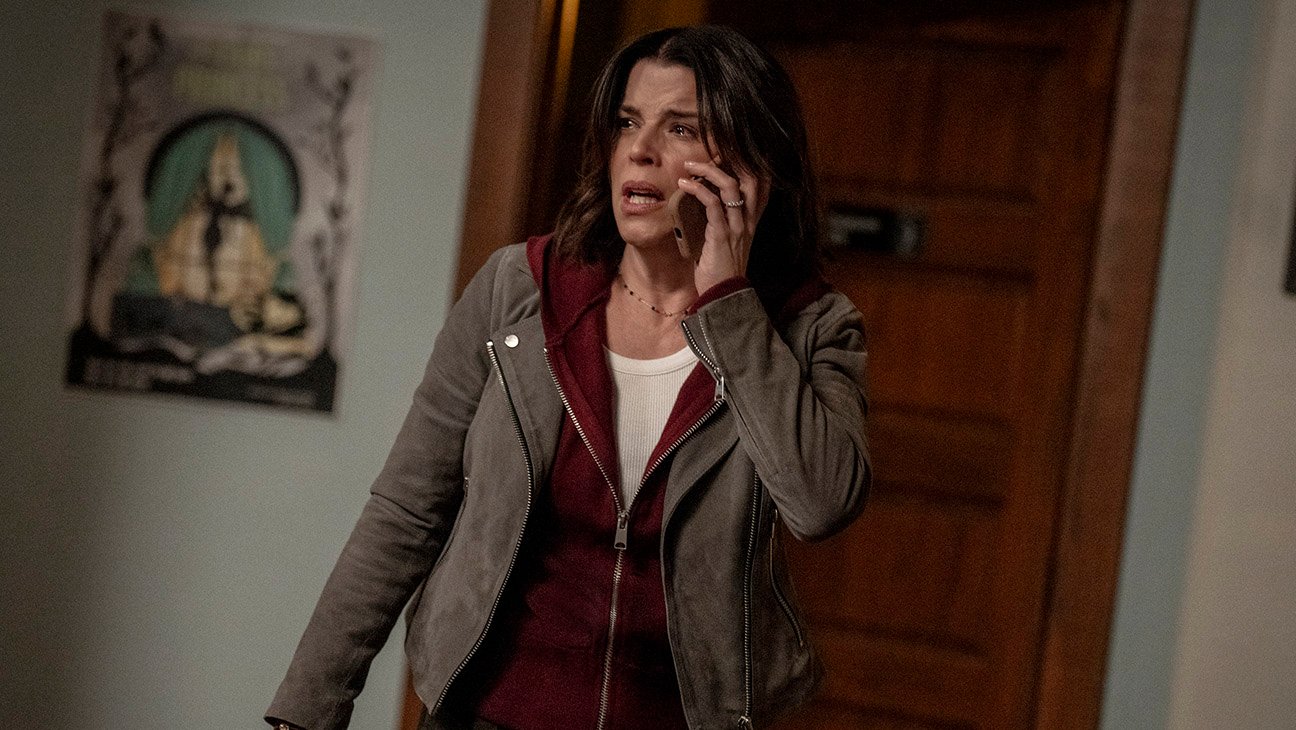
By now the mechanics of the series have become so numbingly familiar that the films have the stale feel of Pink Floyd cover bands. The big news about Scream 7, of course, is the return of Campbell as Sidney Prescott, who was sorely missed in the last one. Not surprisingly, screenwriters Williamson and Guy Busick make sure to let us know we’re in on the joke when Courteney Cox’s intrepid television reporter Gale Weathers, who was seriously injured in Scream VI(but of course survived), tells Sidney, “You were missed in New York, it’s not the same without you,” adding, “You’re lucky you sat that one out. It was brutal.” And Sidney is naturally described as a “scream queen,” on par with Jamie Lee Curtis of the Halloween films.
Sidney has made a new life for herself in another town: She’s now happily married to local cop Mark (Joel McHale) and has a teenage daughter, Tatum (Isabel May), named after Sidney’s friend, who met an untimely end in Scream. Tatum’s boyfriend (Sam Rechner) has just the sort of devilish looks to make him a suspect when Ghostface returns to wreak havoc. Not that Ghostface seems to be shy about revealing his identity, since Sidney receives a series of taunting, threatening videos from Stu (Matthew Lillard), Ghostface’s accomplice in the first film, who supposedly died.
Or did he? Hard to tell, since the series is so fond of resurrecting former characters despite their deceased status that you practically need a spreadsheet to keep track of them all. You can rest assured that there are many more of them on display in this installment, with only Paramount’s threats of sending Ghostface to my home preventing me from revealing them. But it’s hopefully not too much of a spoiler to say that the series has kept up with modern technology, AI proving a key element in this go-around.
Other new characters who may or may not survive include Sidney’s solicitous neighbor Jessica (Anna Camp); her son Lucas (Asa Germann), who’s obsessed with the previous Ghostface murders; Tatum’s perky friend Hannah (Mckenna Grace); and mental institution employee Marco (Ethan Embry), who provides useful information about some of the former inhabitants. Feel free to place your bets as to which of them, or whomever else, is the person, or persons, behind the mask, but you can rest assured it’s a letdown.
The overfamiliarity would be more palatable if the dialogue were as fresh and funny as it was in the early installments, or if the kills were more creatively staged. But there’s a rote quality to the proceedings that makes Scream 7 feel like a slog despite its high body count and copious gore. The supporting players, particularly the younger ones, lack the flair of their predecessors, with Campbell and Cox picking up the slack to fine but unsurprising effect. Although it must be said that the latter gets to make one hell of an entrance.
Heated Rivalryis likely to return to television screens in the spring of 2027.
Show creator Jacob Tierney and executive producer Brendan Brady joined Gayle King on CBS Mornings Thursday, where the pair talked about the highly anticipated second season of the show. Tierney said they’re writing the second season now and are shooting in August. King revealed that the show is expected to return in April 2027.
“There will be more Heated Rivalry on your TVs, like, truly, as soon as humanly possible,” Tierney said. Brady added that “like the best parts of this show” that fans should “enjoy the yearn” of waiting for the show’s next season.
Tierney and Brady also spoke about making the show with Crave, the Canadian streamer that they’d worked with previously for shows like Letterkenny and Shoresy. “They trusted me, but they also trusted the material and the audience already loved this,” Tierney said. “What struck me was that there’s a lot of people who think that they’re smarter than the audience that loves the book, and I don’t think they are.”
The writer, director and producer also added that he felt Heated Rivalry was a “very faithful adaptation” of Rachel Reid’s source material. “This was a Canadian book. We’re Canadian producers,” Tierney told King earlier in the segment.
Tierney and Brady have long been advocating for taking the story and the fans of the story seriously. “This is what I told Rachel [Reid] — the thing I want to do with it is take it seriously, which is to say I don’t want to do what I think a lot of people do when they look at adapting romance, which is simplify, truncate, shorten,” Tierney told The Hollywood Reporter ahead of the show’s premiere in November. Added Brady, “[We] wanted to elevate this to the level that it deserved.”
The show has made certifiable stars out of Williams and Storrie. The leading men have also seemingly snagged their first post-Heated Rivalry roles with Williams joining the Crave series Yaga and Storrie, who is hosting Saturday Night Live this week, eyeing a role in the A24 film Peaked.
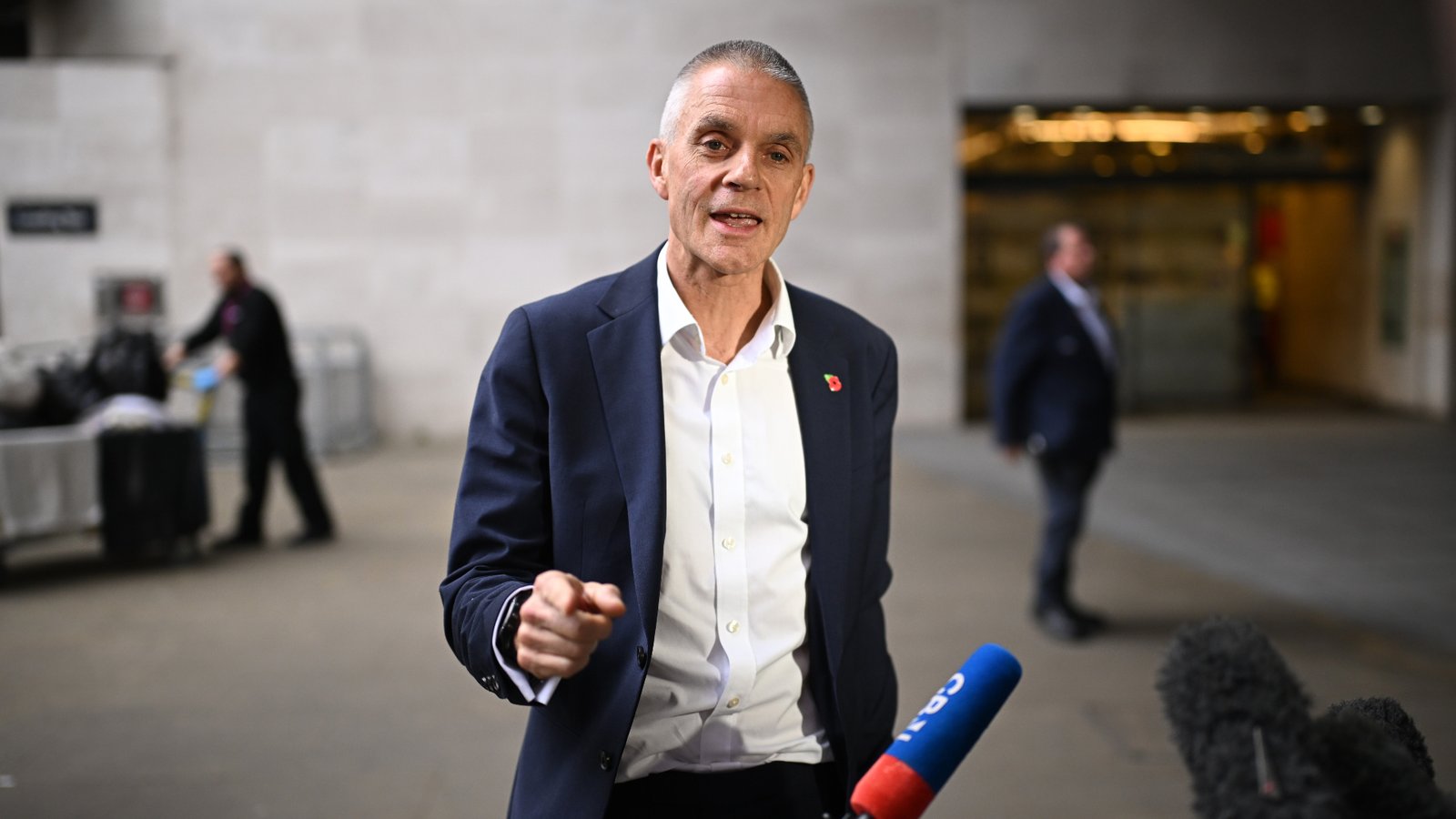
U.K. media bosses have formed a coalition over AI publishing rights and penned an open letter pleading with fellow global leaders to join them.
Outgoing director-general at the BBC Tim Davie, Sky News executive chairman David Rhodes, CEO at the Telegraph Media Group Anna Jones, CEO of The Guardian Anna Bateson, and CEO of the Financial Times Jon Slade published the letter on Thursday, inviting others to come aboard SPUR — the Standards for Publisher Usage Rights coalition.
“We write to you at a pivotal moment for our industry. Artificial intelligence is fundamentally reshaping how content is created, distributed, discovered and monetised,” the letter began. “We believe we need to come together to protect original journalism and secure the long-term sustainability of our industry.”
“AI brings opportunities for publishers and our audience,” said the SPUR members. “Our organisations are already at the forefront of using AI in responsible ways to benefit our audiences. But AI also raises urgent questions about fairness, consent, attribution, transparency and trust.”
Across the industry, they say, “our reporting, our archives, our original content, have become foundational training material for AI systems.” This material has been “scraped, copied and reused with no common standards to enable permission or payment, weakening the economic model that supports journalism.”
The lack of transparency about how AI answers are created “risks eroding public trust in both the news and the technologies used to access it,” they add.
The SPUR mission is to establish shared technical standards and licensing frameworks that ensure AI developers can access high-quality, reliable journalism in “legitimate, responsible and convenient ways,” while guaranteeing publishers “retrain practical control of their content.” They vow to “bridge the gap” between publishers and AI developers, and ensure content can be accessed through rights-cleared, accountable channels.
The letter calls the issue “a global challenge, and SPUR’s ambition is to be a global coalition.”
Paramount‘s second quarterly earnings report under the leadership of CEO David Ellison is in, but Wall Street attention remains focused on the company’s attempts to acquire Warner Bros. Discovery, in a showdown with Netflix, via a sweetened bid.
Ellison highlighted in a letter to shareholders after the Wednesday market close that he and his team see the potential mega-deal as a key strategic focus. “While we are confident in our standalone strategy and growth trajectory for Paramount, we view WBD as an accelerant to achieving these goals more quickly,” he highlighted.
Wall Street analysts on Thursday started dissecting Paramount’s results and latest management commentary. Here is The Hollywood Reporter‘s look at their takeaways.
Analyst: Michael Morris, Guggenheim Stock rating and price target: neutral, $16, down $5 Key takeaways: “Early Skydance playbook on track,” Morris highlighted in the headline of his report, noting that results were “largely in line” with management guidance. And he shared this takeaway: “Strong cost discipline at TV Media offset weaker than forecast operating income before depreciation and amortization at direct-to-consumer/film.”
The analyst said he cut his price target by $5 after applying a lower earnings multiple, which he noted was “in line with the current media peer group average, which has also declined.” And Morris noted: “We believe that the outcome of bidding for WBD will continue to impact investor sentiment on Paramount shares, with concern toward a potentially higher bid and/or failure to win the asset as overhangs on investor confidence during the bid process.”
The Guggenheim analyst’s conclusion: “While we view a WBD combination as potentially transformational, significant execution and regulatory hurdles remain.”
Analyst: Laurent Yoon, Bernstein Stock rating and price target: underperform, $12 Key takeaways: “TV Media declined 9 percent in fiscal year ’25, Filmed Entertainment was down 5 percent, but direct-to-consumer (DTC) grew 12 percent, driven by subscription revenue,” Yoon summarized in his report. “Consistent with industry trends, TV Media will continue to face headwinds, and the company’s growth will rely primarily on DTC, with some support from Filmed Entertainment. … DTC still has a long road, but progress is visible.”
The analyst put that into the broader M&A context, concluding: “It’s a tough setup, and the headline numbers underscore the challenges ahead and the urgency of accelerating DTC growth – hence the pursuit of WBD.”
Yoon also highlighted what he called the “NFL overhang” for the stock. “The NFL renegotiation continues to be a thorny issue for Paramount and peers,” he explained. “Although the topic received limited attention in the [earnings] call – given ongoing uncertainty around timing, package, and participants – we anticipate a potential material step-up in costs to remain an overhang throughout the year. It does not appear that anyone will emerge from the process unscathed.”
Analyst: Doug Creutz, TD Cowen Stock rating and price target: hold, $13, down $2 Key takeaways: After the earnings update, Creutz’s key takeaway for the company’s financial outlook was simple: “Management reiterated prior 2026 guidance, with improving profitability for DTC, a return to profitability at studios, and stable linear contributions, helped by cost cutting.” The analyst kept his 2026 revenue estimate unchanged, but raised his earnings per share forecast for the year from 62 cents to 71 cents, while cutting his stock price target.
He also highlighted the continued investor deal focus in the title of his report: “Management maintains outlook for 2026 while we wait on WBD outcome.”
Creutz summarized his investment view this way: “Paramount Skydance has some attractive video content assets, including the most-viewed network in the United States. We believe the company has enough high-quality content to continue to survive in an increasingly challenging video content ecosystem. New management’s plan to invest aggressively in content offers the chance for meaningful upside if the company can grow share, but could also accelerate problems if new projects fail to capture sufficient audience attention.”
Analyst: Robert Fishman, MoffettNathanson Stock rating and price target: neutral, $14 Key takeaways: It may have been earnings time for Paramount, but Fishman highlighted that “investor focus remains on what comes next with the company’s revised bid” for WBD. “The key question is whether Paramount’s revised bid is truly ‘best and final,’ or whether further back-and-forth lies ahead before WBD’s fate is decided.”
The analyst also shared his take on the company’s studio segment outlook: “Without a marquee blockbuster comparable to last year’s Mission Impossible: The Final Reckoning, the segment theatrical revenue is set to be down but offset by Skydance revenue consolidation and higher licensing revenues.”
Plus, Fishman addressed “softness” at Paramount’s advertising-supported streaming service Pluto TV, “with weaker monetization despite growing monthly average users.” He expects the company “to right-size the platform over the course of the year as engagement grows and older content libraries continue to be added.” But he emphasized: “The bigger question is how effectively the company can integrate its DTC offerings more holistically – for example, leveraging Pluto TV as an entry point for future Paramount+ subscribers.”