Tag: Deadline News

  • Stefano Pozzebon Named CNN International Correspondent Based In Rome

    Stefano Pozzebon Named CNN International Correspondent Based In Rome

    CNN has named Stefano Pozzebon as an international correspondent based in the network’s Rome bureau.

    Pozzebon previously was a contributor for CNN in Bogota, Colombia and Caracas, Venezuela, providing coverage across Latin America in English and Spanish. He most recently reported from Venezuela on the devastating twin earthquakes that killed thousands of people.

    Pozzebon will cover major stories in Italy and across Europe for the network’s platforms. He will work alongside Christopher Lamb, CNN Vatican correspondent, who leads coverage of the papacy.

    Pozzebon studied International Journalism at City University, London. He also is fluent in Portuguese in addition to his native Italian.

  • Donald Trump Disagrees “100%” With U.S. Attorney Jeanine Pirro On Reflecting Pool Damage, Writes  “VANDALS!”

    Donald Trump Disagrees “100%” With U.S. Attorney Jeanine Pirro On Reflecting Pool Damage, Writes “VANDALS!”

    UPDATE, with Trump statement: President Donald Trump is sticking with his go-to explanation of vandalism for the peeling lining of the Reflecting Pool that U.S. Attorney Jeanine Pirro has concluded was the result of the no-bid contractor’s botched installation.

    On Truth Social today, Trump writes, “I disagree 100% with Jeanine Pirro, the U.S. Attorney for the District of Columbia, on the Reflecting Pool. I don’t know what she was thinking? To me, it was a pure case of VANDALISM, that included the grass, which had a big 86 47 emblazoned in giant letters on it, and other elements of the surrounding area. There may have been some contractor difficulty, but the major damage was caused by VANDALS! President DJT”.

    Trump, in the post, is conflating the Reflecting Pool damage with an apparent marking of the number 8647 on the nearby National Mall last month. No evidence has been presented that the two situations were connected. Trump maintains that the number is an assassination threat.

    PREVIOUS: Contradicting claims made repeatedly by President Donald Trump, U.S. attorney Jeanine Pirro now says she will seek to dismiss a felony charge against former Olympic canoeist David Hearn who had been accused of ripping up a small square piece of new blue lining from the renovated Lincoln Memorial Reflecting Pool.

    In a motion filed Friday evening, federal prosecutors conceded that damage to the pool was “the result of a botched installation and not vandalism.” In the build-up to the Trump-renovated pool’s intended July 4 unveiling, the new blue lining began peeling as the water turned green with algae bloom – the very problem the Trump-ordered restoration project was to have fixed.

    Just last month following Hearn’s indictment on July 2, Pirro stated that prosecutors had “tremendous evidence” of Hearn’s guilt and that he faced up to 10 years in prison. Hearn has consistently denied the accusations.

    The cost of Trump’s pool renovation has ballooned to more than $14 million.

    Yesterday, federal prosecutors blamed the contractors hired by the the Interior Department on a no-bid contract for the mess, saying that the renovation itself had caused “widespread damage” to the lining. Pirro now accuses he Interior Department of misleading prosecutors on key facts, including that the Department withheld evidence that the lining had begun to peel within two days of the project’s completion. Pirro said the Department had insisted that “nearly all of the damage” had been the work of vandals.

    Pirro’s new stance on the matter marks a significant break from her usual lockstep siding with Trump. The former Fox News on-air personality said in her motion last night that contractor Atlantic Industrial Coatings rushed “to complete the [renovation] project prior to events associated with the America 250 celebration.” Trump had repeatedly said the newly blue pool would be unveiled before the July 4 celebration.

    “Given all of this newly discovered information,” Pirro writes, “it is difficult to attribute the widespread damage to the Reflecting Pool to vandalism.”

    Of the seven people that had been arrested on vandalism charges in connection to the pool, only Hearn was charged with felony destruction of property. A trial was supposed to have started September 28.

    On Friday, lawyers representing Hearn said in a statement that the dismissal of charges “does not erase the abuse of government power in arresting and charging a patriotic American who did nothing wrong. The government’s approach was ready, fire, aim. The administration owes Mr. Hearn an apology.”

  • MS NOW Sets Debut For Peter Alexander’s Weekday Show

    Peter Alexander‘s new show on MS NOW will debut on Aug. 10, marking his switch from NBC News earlier this year.

    State of Play with Peter Alexander will air weekdays at 11 a.m. ET. Alexander also will serve as the MS NOW’s chief national reporter and breaking news anchor. The show will be based in Washington, with Sandi Cohen as executive producer.

    In a memo to staffers, Greg Kordick, MS NOW’s senior vice president of programming, wrote, “Built around Peter’s trusted reporting, deep experience covering Washington, and unmatched relationships across government and beyond, the program aims to help audiences better understand not only what is happening, but why it matters.”

    Alexander announced his departure from NBC News in March after 22 years, a tenure that included not just stints on the White House beat but as co-host of Today on Saturdays. MS NOW has been building out its own news operation following its split from Comcast. The new parent company, Versant, also includes CNBC, the Golf Channel and USA Sports. Alexander also will contribute to sports and lifestyle programming in the company’s portfolio.

    MS NOW’s Antonia Hylton has been anchoring the 11 a.m. in the interim, and Kordick said that plans will be announced for her own program.

    The networks rolled out a schedule overhaul earlier this summer, including Stephanie Ruhle’s new morning show, Money, Power, Politics with Stephanie Ruhle, airing from 9 a.m. ET to 11 a.m. ET. Alicia Menendez hosts On the Line with Alicia Menendez at noon ET.

  • Donald Trump Says He’s “Really Disappointed” In Jeanine Pirro After She Moved To Dismiss Reflecting Pool Case: “She Folded Like An Umbrella”

    Donald Trump Says He’s “Really Disappointed” In Jeanine Pirro After She Moved To Dismiss Reflecting Pool Case: “She Folded Like An Umbrella”

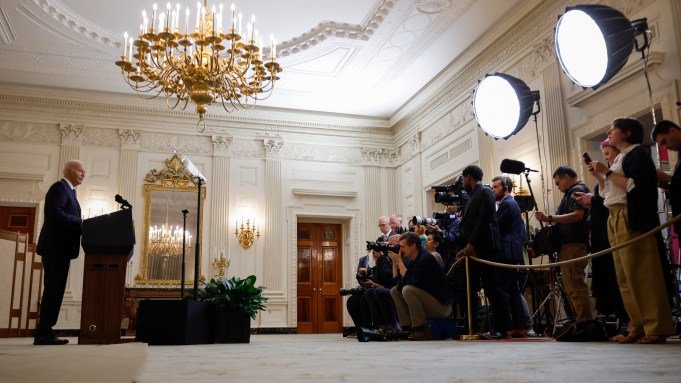
    Donald Trump lashed out at Jeanine Pirro, the former Fox News host serving as U.S. attorney for the District of Columbia, after she moved to dismiss a felony indictment of the alleged vandal of the Lincoln Memorial reflecting pool.

    Speaking to reporters on Monday, Trump said that he “was disappointed in Jeanine Pirro. Really disappointed with Jeanine Pirro. She folded like an umbrella, and people get away with things, and it is a disgrace.”

    On Friday, Pirro submitted a court filing moving to dismiss the indictment against David Hearn, a former Olympian who was charged earlier in the month for vandalizing the reflecting pool. The pool has been one of Trump’s pet projects in D.C. But soon after a contractor completed work on a protective blue liner, and the pool was refilled, there were reports of coating floating at the surface. In her filing, Pirro wrote that after Hearn’s indictment on July 2, the Department of the Interior provided additional information that the damage was “the result of a botched installation and not vandalism.” The filing pointed to the rush to complete the work by the time of America 250 celebrations.

    “Had DOI been forthcoming with the information clearly in its possession, the government would not have sought a grand jury indictment,” the filing stated.

    Trump continued to insist that the problems with the pool are the fault of vandalism. But he acknowledged that “we weren’t necessarily thrilled with the contractor, but they did a job, and they were fixing any problems.” He also said that in video footage, it is difficult to discern who individuals are as they reach down into the pool and perhaps pull something out. Trump claimed that the video was proof that the pool was cut, but the footage hardly offers that explicit evidence. FactCheck.org posted in June, “The White House has not provided evidence of people causing long gashes or a series of gashes.”

    Trump also claimed the D.C. Superior Court judge in the case was “extremely unfriendly” to Pirro. “Frankly, I think she choked,” Trump told reporters, referring to Pirro.

    Secretary of the Interior Doug Burgum also has continued to insist that the damage was caused by vandals.

    CNN reported on Monday that Trump was considering removing Pirro. A Justice Department spokesperson did not immediately return a request for comment.

    Attorney Norm Eisen, representing Hearn, posted on X on Monday, “We’re considering all options to deal with this miscarriage of justice, because a president who can’t let a case go is a president who might try to bring it back.”

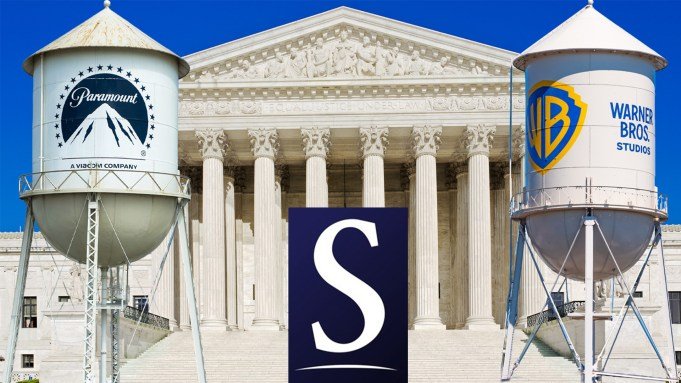
  • Paramount Pitches Judge On November Start Of WBD Merger Antitrust Trial, While State AGs & WGA Propose April

    Paramount Pitches Judge On November Start Of WBD Merger Antitrust Trial, While State AGs & WGA Propose April

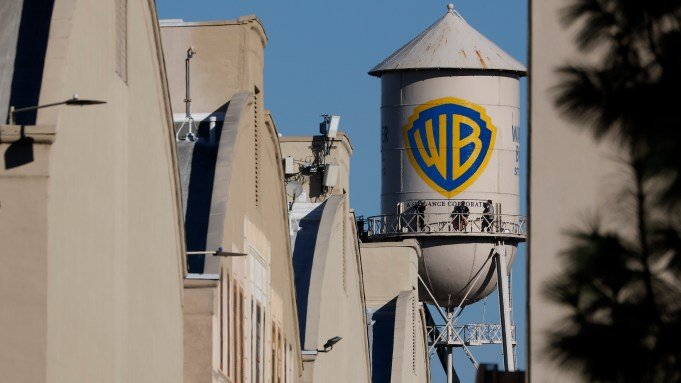
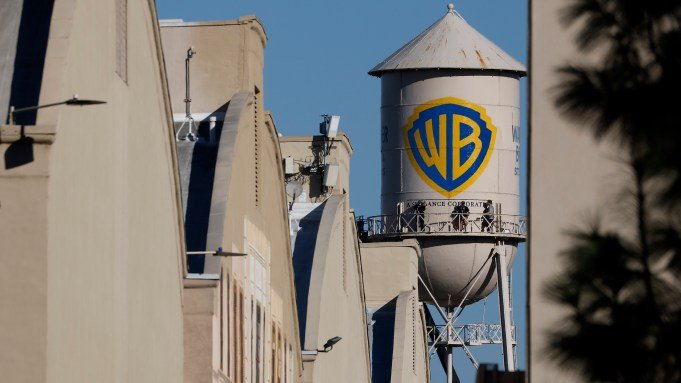
    Paramount wants a trial to start in November in the antitrust lawsuit brought by a dozen state attorneys general and the Writers Guild America. Not surprisingly, the state AGs and the guild want an April start to the proceedings.

    The sides outlined their proposals in a joint filing Friday, with the ultimate decision on scheduling left to the federal judge in the case, Araceli Martinez-Olguin.

    “The parties have discussed the trial schedule, but they have not reached agreement,” the parties wrote.

    The trial dates are hugely important for the transaction, and even Paramount’s proposed date likely will cost the company hundreds of millions. After September 30, Paramount will be on the hook for about $7 million for every day that the transaction doesn’t close, under an agreement with WBD that was a sweetener to the deal.

    A Paramount spokesperson said, “Our request for a November trial date is more than sufficient to give both sides the time they need to conduct discovery, gather evidence, and prepare for trial. Plaintiffs’ request to delay proceedings until April is nothing more than a stonewalling tactic that goes well beyond the timelines sought in similar prior proceedings and ignores the substantial evidence plaintiffs have already received in this matter. Delay will also harm the many individuals outside this courtroom who will be denied the expanded content offerings and industry stability that a combined Paramount-WBD promises to bring.”

    California Attorney General Rob Bonta, who is leading 12 states in the lawsuit, said in a statement, “Our challenge to the unlawful Warner Bros./Paramount merger is a clean-cut antitrust challenge through and through: it’s about protecting the vibrancy of an industry, the pockets of consumers, and the quality of films and television programs that take center stage in many of our lives. This challenge deserves careful and thorough review and today my office and attorneys general across the country asked the court for a trial date next spring. We are eager to continue to make our case and look forward to a final determination of the schedule by the court.”

    Last week, Paramount said it would not close the merger until June 1, 2027, or until days after the legal issues are resolved, and indicated it wanted to go directly to trial. Its announcement came just days after the judge granted the state AGs a temporary restraining order that prohibited the transaction from closing for 14 days, an order that was later extended to 28 days.

    The company spokeswoman said a trial “on the merits is the best and most direct way for us to prove what we’ve said from the start — this transaction is lawful, pro-competitive, and raises no antitrust concerns.”

    In the filing Friday, Paramount proposed a 12-day trial starting November 4 that would encompass the cases brought by the states and the WGA.

    Paramount also noted that the later date would give the judge “much less time to decide” the case by June, the outside date it had set for the merger to close, as well as time for the company to appeal.

    Among other things, they noted that the DOJ’s antitrust case seeking to block AT&T’s merger with Time Warner went to trial on March 19, 2018, four months after the federal government brought the case. Makan Delrahim, who is Paramount’s chief legal officer, was then the chief of the DOJ’s antitrust division; on the other side was attorney Daniel Petrocelli, representing Time Warner, and now representing WBD in this case.

    The company also noted that Bonta had last week favored a January trial start, but now was proposing a date four months later.

    “Given the stakes of this case, there is no basis and no time to delay for the sake of delay, particularly when delay significantly prejudices Defendants and the Hollywood ecosystem more broadly,” Paramount’s legal team wrote in the filing.

    The company also argued that Paramount and the WGA will have had sufficient time for discovery.

    Paramount’s legal team wrote, “State Plaintiffs had six-plus months before they filed their complaint to conduct unilateral discovery regarding the proposed transaction. State Plaintiffs also had the benefit of waivers granted by Defendants to enable the U.S. Department of Justice (DOJ) to share with State Plaintiffs all information and materials that Defendants produced to the DOJ. In sum, the discovery that State Plaintiffs received many months ago includes over two million documents from more than 80 of Defendants’ employees.”

    The company’s legal team noted that the later date would require them to refile merger materials with the Justice Department, which has already cleared the transaction, and that it would leave the creative community in a period of uncertainty, as Paramount plans to boost production to 30 films per year.

    The state AGs and WGA proposed a start of April 5, 2027, lasting at least 12-15 days, with each plaintiff presenting their cases sequentially.

    The state plaintiffs wrote that extensive discovery is needed, including of “the definition of the relevant product and geographic markets, the nature and scope of harm in those markets, whether expansion by other firms will prevent harm in those markets, and whether the merger will produce verifiable, merger-specific efficiencies sufficient to outweigh harm in those markets.”

    They pointed specifically to areas like Paramount’s assertion that the merger will generate billions in synergies, “a claim that Plaintiff States are entitled to test in discovery, including discovery of Defendants’ integration plans for their merged company.”

    The states noted that Paramount’s document productions “largely cut off” before the merger agreement was signed in February, leaving the plaintiffs with few internal documents about post-closing plans.

    The state AGs wrote, “Defendants’ pre-complaint productions also do nothing to address the need for discovery from third party customers and competitors. Importantly, no depositions of percipient fact witnesses from Defendants or third parties have occurred.”

    The states also contended that their schedule was “reasonable,” claiming that the 402 days from the signing of the merger agreement on February 27 to the proposed trial date “moves this case to trial more rapidly than virtually every merger case in recent history.” The AT&T-Time Warner trial started 513 days after the merger deal was signed, they noted, as opposed to when the DOJ lawsuit was filed. The state AGs also wrote that an April trial would still leave the judge with time to decide the case by June.

    The state AGs also called Paramount’s proposed schedule “one-sided,” arguing, “Their extraordinarily truncated schedule unfairly favors Defendants because they (1) have information Plaintiff States need to prove their case and (2) do not bear the burden of persuasion.”

  • Paramount Pitches Judge On November Start Of WBD Merger Antitrust Trial, While State AGs & WGA Propose April

    Paramount Pitches Judge On November Start Of WBD Merger Antitrust Trial, While State AGs & WGA Propose April

    Paramount wants a trial to start in November in the antitrust lawsuit brought by a dozen state attorneys general and the Writers Guild America. Not surprisingly, the state AGs and the guild want an April start to the proceedings.

    The sides outlined their proposals in a joint filing Friday, with the ultimate decision on scheduling left to the federal judge in the case, Araceli Martinez-Olguin.

    “The parties have discussed the trial schedule, but they have not reached agreement,” the parties wrote.

    The trial dates are hugely important for the transaction, and even Paramount’s proposed date likely will cost the company hundreds of millions. After September 30, Paramount will be on the hook for about $7 million for every day that the transaction doesn’t close, under an agreement with WBD that was a sweetener to the deal.

    A Paramount spokesperson said, “Our request for a November trial date is more than sufficient to give both sides the time they need to conduct discovery, gather evidence, and prepare for trial. Plaintiffs’ request to delay proceedings until April is nothing more than a stonewalling tactic that goes well beyond the timelines sought in similar prior proceedings and ignores the substantial evidence plaintiffs have already received in this matter. Delay will also harm the many individuals outside this courtroom who will be denied the expanded content offerings and industry stability that a combined Paramount-WBD promises to bring.”

    California Attorney General Rob Bonta, who is leading 12 states in the lawsuit, said in a statement, “Our challenge to the unlawful Warner Bros./Paramount merger is a clean-cut antitrust challenge through and through: it’s about protecting the vibrancy of an industry, the pockets of consumers, and the quality of films and television programs that take center stage in many of our lives. This challenge deserves careful and thorough review and today my office and attorneys general across the country asked the court for a trial date next spring. We are eager to continue to make our case and look forward to a final determination of the schedule by the court.”

    Last week, Paramount said it would not close the merger until June 1, 2027, or until days after the legal issues are resolved, and indicated it wanted to go directly to trial. Its announcement came just days after the judge granted the state AGs a temporary restraining order that prohibited the transaction from closing for 14 days, an order that was later extended to 28 days.

    The company spokeswoman said a trial “on the merits is the best and most direct way for us to prove what we’ve said from the start — this transaction is lawful, pro-competitive, and raises no antitrust concerns.”

    In the filing Friday, Paramount proposed a 12-day trial starting November 4 that would encompass the cases brought by the states and the WGA.

    Paramount also noted that the later date would give the judge “much less time to decide” the case by June, the outside date it had set for the merger to close, as well as time for the company to appeal.

    Among other things, they noted that the DOJ’s antitrust case seeking to block AT&T’s merger with Time Warner went to trial on March 19, 2018, four months after the federal government brought the case. Makan Delrahim, who is Paramount’s chief legal officer, was then the chief of the DOJ’s antitrust division; on the other side was attorney Daniel Petrocelli, representing Time Warner, and now representing WBD in this case.

    The company also noted that Bonta had last week favored a January trial start, but now was proposing a date four months later.

    “Given the stakes of this case, there is no basis and no time to delay for the sake of delay, particularly when delay significantly prejudices Defendants and the Hollywood ecosystem more broadly,” Paramount’s legal team wrote in the filing.

    The company also argued that Paramount and the WGA will have had sufficient time for discovery.

    Paramount’s legal team wrote, “State Plaintiffs had six-plus months before they filed their complaint to conduct unilateral discovery regarding the proposed transaction. State Plaintiffs also had the benefit of waivers granted by Defendants to enable the U.S. Department of Justice (DOJ) to share with State Plaintiffs all information and materials that Defendants produced to the DOJ. In sum, the discovery that State Plaintiffs received many months ago includes over two million documents from more than 80 of Defendants’ employees.”

    The company’s legal team noted that the later date would require them to refile merger materials with the Justice Department, which has already cleared the transaction, and that it would leave the creative community in a period of uncertainty, as Paramount plans to boost production to 30 films per year.

    The state AGs and WGA proposed a start of April 5, 2027, lasting at least 12-15 days, with each plaintiff presenting their cases sequentially.

    The state plaintiffs wrote that extensive discovery is needed, including of “the definition of the relevant product and geographic markets, the nature and scope of harm in those markets, whether expansion by other firms will prevent harm in those markets, and whether the merger will produce verifiable, merger-specific efficiencies sufficient to outweigh harm in those markets.”

    They pointed specifically to areas like Paramount’s assertion that the merger will generate billions in synergies, “a claim that Plaintiff States are entitled to test in discovery, including discovery of Defendants’ integration plans for their merged company.”

    The states noted that Paramount’s document productions “largely cut off” before the merger agreement was signed in February, leaving the plaintiffs with few internal documents about post-closing plans.

    The state AGs wrote, “Defendants’ pre-complaint productions also do nothing to address the need for discovery from third party customers and competitors. Importantly, no depositions of percipient fact witnesses from Defendants or third parties have occurred.”

    The states also contended that their schedule was “reasonable,” claiming that the 402 days from the signing of the merger agreement on February 27 to the proposed trial date “moves this case to trial more rapidly than virtually every merger case in recent history.” The AT&T-Time Warner trial started 513 days after the merger deal was signed, they noted, as opposed to when the DOJ lawsuit was filed. The state AGs also wrote that an April trial would still leave the judge with time to decide the case by June.

    The state AGs also called Paramount’s proposed schedule “one-sided,” arguing, “Their extraordinarily truncated schedule unfairly favors Defendants because they (1) have information Plaintiff States need to prove their case and (2) do not bear the burden of persuasion.”

  • Paramount Pitches Judge On November Start Of WBD Merger Antitrust Trial, While State AGs & WGA Propose April

    Paramount Pitches Judge On November Start Of WBD Merger Antitrust Trial, While State AGs & WGA Propose April

    Paramount wants a trial to start in November in the antitrust lawsuit brought by a dozen state attorneys general and the Writers Guild America. Not surprisingly, the state AGs and the guild want an April start to the proceedings.

    The sides outlined their proposals ina joint filing Friday, with the ultimate decision on scheduling left to the federal judge in the case, Araceli Martinez-Olguin.

    “The parties have discussed the trial schedule, but they have not reached agreement,” the parties wrote.

    The trial dates are hugely important for the transaction, and even Paramount’s proposed date likely will cost the company hundreds of millions. After September 30, Paramount will be on the hook for about $7 million for every day that the transaction doesn’t close, under an agreement with WBD that was a sweetener to the deal.

    A Paramount spokesperson said, “Our request for a November trial date is more than sufficient to give both sides the time they need to conduct discovery, gather evidence, and prepare for trial. Plaintiffs’ request to delay proceedings until April is nothing more than a stonewalling tactic that goes well beyond the timelines sought in similar prior proceedings and ignores the substantial evidence plaintiffs have already received in this matter. Delay will also harm the many individuals outside this courtroom who will be denied the expanded content offerings and industry stability that a combined Paramount-WBD promises to bring.”

    California Attorney General Rob Bonta, who is leading 12 states in the lawsuit, said in a statement, “Our challenge to the unlawful Warner Bros./Paramount merger is a clean-cut antitrust challenge through and through: it’s about protecting the vibrancy of an industry, the pockets of consumers, and the quality of films and television programs that take center stage in many of our lives. This challenge deserves careful and thorough review and today my office and attorneys general across the country asked the court for a trial date next spring. We are eager to continue to make our case and look forward to a final determination of the schedule by the court.”

    Last week, Paramount said it would not close the merger until June 1, 2027, or until days after the legal issues are resolved, and indicated it wanted to go directly to trial. Its announcement came just days after the judge granted the state AGs a temporary restraining order that prohibited the transaction from closing for 14 days, an order that was later extended to 28 days.

    The company spokeswoman said a trial “on the merits is the best and most direct way for us to prove what we’ve said from the start — this transaction is lawful, pro-competitive, and raises no antitrust concerns.”

    In the filing Friday, Paramount proposed a 12-day trial starting November 4 that would encompass the cases brought by the states and the WGA.

    Paramount also noted that the later date would give the judge “much less time to decide” the case by June, the outside date it had set for the merger to close, as well as time for the company to appeal.

    Among other things, they noted that the DOJ’s antitrust case seeking to block AT&T’s merger with Time Warner went to trial on March 19, 2018, four months after the federal government brought the case. Makan Delrahim, who is Paramount’s chief legal officer, was then the chief of the DOJ’s antitrust division; on the other side was attorney Daniel Petrocelli, representing Time Warner, and now representing WBD in this case.

    The company also noted that Bonta had last week favored a January trial start, but now was proposing a date four months later.

    “Given the stakes of this case, there is no basis and no time to delay for the sake of delay, particularly when delay significantly prejudices Defendants and the Hollywood ecosystem more broadly,” Paramount’s legal team wrote in the filing.

    The company also argued that Paramount and the WGA will have had sufficient time for discovery.

    Paramount’s legal team wrote, “State Plaintiffs had six-plus months before they filed their complaint to conduct unilateral discovery regarding the proposed transaction. State Plaintiffs also had the benefit of waivers granted by Defendants to enable the U.S. Department of Justice (DOJ) to share with State Plaintiffs all information and materials that Defendants produced to the DOJ. In sum, the discovery that State Plaintiffs received many months ago includes over two million documents from more than 80 of Defendants’ employees.”

    The company’s legal team noted that the later date would require them to refile merger materials with the Justice Department, which has already cleared the transaction, and that it would leave the creative community in a period of uncertainty, as Paramount plans to boost production to 30 films per year.

    The state AGs and WGA proposed a start of April 5, 2027, lasting at least 12-15 days, with each plaintiff presenting their cases sequentially.

    The state plaintiffs wrote that extensive discovery is needed, including of “the definition of the relevant product and geographic markets, the nature and scope of harm in those markets, whether expansion by other firms will prevent harm in those markets, and whether the merger will produce verifiable, merger-specific efficiencies sufficient to outweigh harm in those markets.”

    They pointed specifically to areas like Paramount’s assertion that the merger will generate billions in synergies, “a claim that Plaintiff States are entitled to test in discovery, including discovery of Defendants’ integration plans for their merged company.”

    The states noted that Paramount’s document productions “largely cut off” before the merger agreement was signed in February, leaving the plaintiffs with few internal documents about post-closing plans.

    The state AGs wrote, “Defendants’ pre-complaint productions also do nothing to address the need for discovery from third party customers and competitors. Importantly, no depositions of percipient fact witnesses from Defendants or third parties have occurred.”

    The states also contended that their schedule was “reasonable,” claiming that the 402 days from the signing of the merger agreement on February 27 to the proposed trial date “moves this case to trial more rapidly than virtually every merger case in recent history.” The AT&T-Time Warner trial started 513 days after the merger deal was signed, they noted, as opposed to when the DOJ lawsuit was filed. The state AGs also wrote that an April trial would still leave the judge with time to decide the case by June.

    The state AGs also called Paramount’s proposed schedule “one-sided,” arguing, “Their extraordinarily truncated schedule unfairly favors Defendants because they (1) have information Plaintiff States need to prove their case and (2) do not bear the burden of persuasion.”

  • Paramount Pitches Judge On November Start Of WBD Merger Antitrust Trial, While State AGs & WGA Propose April

    Paramount Pitches Judge On November Start Of WBD Merger Antitrust Trial, While State AGs & WGA Propose April

    Paramount wants a trial to start in November in the antitrust lawsuit brought by a dozen state attorneys general and the Writers Guild America. Not surprisingly, the state AGs and the guild want an April start to the proceedings.

    The sides outlined their proposals ina joint filing Friday, with the ultimate decision on scheduling left to the federal judge in the case, Araceli Martinez-Olguin.

    “The parties have discussed the trial schedule, but they have not reached agreement,” the parties wrote.

    The trial dates are hugely important for the transaction, and even Paramount’s proposed date likely will cost the company hundreds of millions. After September 30, Paramount will be on the hook for about $7 million for every day that the transaction doesn’t close, under an agreement with WBD that was a sweetener to the deal.

    A Paramount spokesperson said, “Our request for a November trial date is more than sufficient to give both sides the time they need to conduct discovery, gather evidence, and prepare for trial. Plaintiffs’ request to delay proceedings until April is nothing more than a stonewalling tactic that goes well beyond the timelines sought in similar prior proceedings and ignores the substantial evidence plaintiffs have already received in this matter. Delay will also harm the many individuals outside this courtroom who will be denied the expanded content offerings and industry stability that a combined Paramount-WBD promises to bring.”

    California Attorney General Rob Bonta, who is leading 12 states in the lawsuit, said in a statement, “Our challenge to the unlawful Warner Bros./Paramount merger is a clean-cut antitrust challenge through and through: it’s about protecting the vibrancy of an industry, the pockets of consumers, and the quality of films and television programs that take center stage in many of our lives. This challenge deserves careful and thorough review and today my office and attorneys general across the country asked the court for a trial date next spring. We are eager to continue to make our case and look forward to a final determination of the schedule by the court.”

    Last week, Paramount said it would not close the merger until June 1, 2027, or until days after the legal issues are resolved, and indicated it wanted to go directly to trial. Its announcement came just days after the judge granted the state AGs a temporary restraining order that prohibited the transaction from closing for 14 days, an order that was later extended to 28 days.

    The company spokeswoman said a trial “on the merits is the best and most direct way for us to prove what we’ve said from the start — this transaction is lawful, pro-competitive, and raises no antitrust concerns.”

    In the filing Friday, Paramount proposed a 12-day trial starting November 4 that would encompass the cases brought by the states and the WGA.

    Paramount also noted that the later date would give the judge “much less time to decide” the case by June, the outside date it had set for the merger to close, as well as time for the company to appeal.

    Among other things, they noted that the DOJ’s antitrust case seeking to block AT&T’s merger with Time Warner went to trial on March 19, 2018, four months after the federal government brought the case. Makan Delrahim, who is Paramount’s chief legal officer, was then the chief of the DOJ’s antitrust division; on the other side was attorney Daniel Petrocelli, representing Time Warner, and now representing WBD in this case.

    The company also noted that Bonta had last week favored a January trial start, but now was proposing a date four months later.

    “Given the stakes of this case, there is no basis and no time to delay for the sake of delay, particularly when delay significantly prejudices Defendants and the Hollywood ecosystem more broadly,” Paramount’s legal team wrote in the filing.

    The company also argued that Paramount and the WGA will have had sufficient time for discovery.

    Paramount’s legal team wrote, “State Plaintiffs had six-plus months before they filed their complaint to conduct unilateral discovery regarding the proposed transaction. State Plaintiffs also had the benefit of waivers granted by Defendants to enable the U.S. Department of Justice (DOJ) to share with State Plaintiffs all information and materials that Defendants produced to the DOJ. In sum, the discovery that State Plaintiffs received many months ago includes over two million documents from more than 80 of Defendants’ employees.”

    The company’s legal team noted that the later date would require them to refile merger materials with the Justice Department, which has already cleared the transaction, and that it would leave the creative community in a period of uncertainty, as Paramount plans to boost production to 30 films per year.

    The state AGs and WGA proposed a start of April 5, 2027, lasting at least 12-15 days, with each plaintiff presenting their cases sequentially.

    The state plaintiffs wrote that extensive discovery is needed, including of “the definition of the relevant product and geographic markets, the nature and scope of harm in those markets, whether expansion by other firms will prevent harm in those markets, and whether the merger will produce verifiable, merger-specific efficiencies sufficient to outweigh harm in those markets.”

    They pointed specifically to areas like Paramount’s assertion that the merger will generate billions in synergies, “a claim that Plaintiff States are entitled to test in discovery, including discovery of Defendants’ integration plans for their merged company.”

    The states noted that Paramount’s document productions “largely cut off” before the merger agreement was signed in February, leaving the plaintiffs with few internal documents about post-closing plans.

    The state AGs wrote, “Defendants’ pre-complaint productions also do nothing to address the need for discovery from third party customers and competitors. Importantly, no depositions of percipient fact witnesses from Defendants or third parties have occurred.”

    The states also contended that their schedule was “reasonable,” claiming that the 402 days from the signing of the merger agreement on February 27 to the proposed trial date “moves this case to trial more rapidly than virtually every merger case in recent history.” The AT&T-Time Warner trial started 513 days after the merger deal was signed, they noted, as opposed to when the DOJ lawsuit was filed. The state AGs also wrote that an April trial would still leave the judge with time to decide the case by June.

    The state AGs also called Paramount’s proposed schedule “one-sided,” arguing, “Their extraordinarily truncated schedule unfairly favors Defendants because they (1) have information Plaintiff States need to prove their case and (2) do not bear the burden of persuasion.”

  • Savannah Guthrie Posts New Message Following Release Of Ransom Notes In Mother’s Kidnapping: “Someone Knows Something”

    Savannah Guthrie Posts New Message Following Release Of Ransom Notes In Mother’s Kidnapping: “Someone Knows Something”

    Savannah Guthrie issued a new plea for information on Saturday, after authorities released two ransom notes received in the days after her mother Nancy’s disappearance six months ago.

    Guthrie wrote on Instagram, “We are begging for help. We are desperate. We need someone to come forward. Someone knows something. Someone suspects something. Someone recognizes the writing in the ransom demand notes. Someone has noticed something different, strange, troubling or just unusual – perhaps with someone they deeply love. Perhaps they are afraid to come forward. Perhaps they are conflicted. Perhaps they are angry or upset for being in this situation. There is a way out – to tell what you know. You can do so anonymously. The reward is available. There is a way to end this situation and do the right thing.”

    The Today co-host added, “We are real people, facing real grief, doing the best we can, and counting our many blessings along the way – most especially the prayers and love from good people, which we feel deeply. We need your prayers, we need your kindness. We need the good to be stronger than the evil. If you are following this story for entertainment or for profit, you are not on her side – you are part of the harm perpetrated against her.”

    Nancy Guthrie was last seen on Jan. 31, after she was dropped off at her Tucson area home.

    On Friday, the Pima County Sheriff released two ransom notes allegedly sent by her kidnappers, an effort to generate new leads in the case.

    The first note, sent to Tucson news outlet KOLD-TV a day after her disappearance, was addressed to Savannah Guthrie, and said that she was “safe but scared” and would not be released until payment, $4 million in bitcoin, is received, according to the full messages released by the Pima County Sheriff’s Department and the FBI Phoenix Field Office. The note said that she would be held for a maximum of seven days.

    The second note, sent Feb. 6, also to KOLD, stated that Guthrie died shortly after she was taken.

    That note read, “We did not fully grasp the seriousness of her physical condition. We never intended to hurt her, that was not our intention. She perished shortly after she was taken. We believe it was heart related. She is buried in nature now. Nothing you could have done could have changed the outcome. We want your family to know this and hope you all can find peace. We are truly sorry.”

    Anyone with information is urged to contact 1-800-CALL-FBI (1-800-225-5324). The Guthrie family is also offering a $1 million reward for the return of their mother.

    Savannah Guthrie’s complete message is below:

  • Paramount Pitches Judge On November Start Of WBD Merger Antitrust Trial, While State AGs & WGA Propose April

    Paramount Pitches Judge On November Start Of WBD Merger Antitrust Trial, While State AGs & WGA Propose April

    Paramount wants a trial to start in November in the antitrust lawsuit brought by a dozen state attorneys general and the Writers Guild America. Not surprisingly, the state AGs and the guild want an April start to the proceedings.

    The sides outlined their proposals ina joint filing Friday, with the ultimate decision on scheduling left to the federal judge in the case, Araceli Martinez-Olguin.

    “The parties have discussed the trial schedule, but they have not reached agreement,” the parties wrote.

    The trial dates are hugely important for the transaction, and even Paramount’s proposed date likely will cost the company hundreds of millions. After September 30, Paramount will be on the hook for about $7 million for every day that the transaction doesn’t close, under an agreement with WBD that was a sweetener to the deal.

    A Paramount spokesperson said, “Our request for a November trial date is more than sufficient to give both sides the time they need to conduct discovery, gather evidence, and prepare for trial. Plaintiffs’ request to delay proceedings until April is nothing more than a stonewalling tactic that goes well beyond the timelines sought in similar prior proceedings and ignores the substantial evidence plaintiffs have already received in this matter. Delay will also harm the many individuals outside this courtroom who will be denied the expanded content offerings and industry stability that a combined Paramount-WBD promises to bring.”

    California Attorney General Rob Bonta, who is leading 12 states in the lawsuit, said in a statement, “Our challenge to the unlawful Warner Bros./Paramount merger is a clean-cut antitrust challenge through and through: it’s about protecting the vibrancy of an industry, the pockets of consumers, and the quality of films and television programs that take center stage in many of our lives. This challenge deserves careful and thorough review and today my office and attorneys general across the country asked the court for a trial date next spring. We are eager to continue to make our case and look forward to a final determination of the schedule by the court.”

    Last week, Paramount said it would not close the merger until June 1, 2027, or until days after the legal issues are resolved, and indicated it wanted to go directly to trial. Its announcement came just days after the judge granted the state AGs a temporary restraining order that prohibited the transaction from closing for 14 days, an order that was later extended to 28 days.

    The company spokeswoman said a trial “on the merits is the best and most direct way for us to prove what we’ve said from the start — this transaction is lawful, pro-competitive, and raises no antitrust concerns.”

    In the filing Friday, Paramount proposed a 12-day trial starting November 4 that would encompass the cases brought by the states and the WGA.

    Paramount also noted that the later date would give the judge “much less time to decide” the case by June, the outside date it had set for the merger to close, as well as time for the company to appeal.

    Among other things, they noted that the DOJ’s antitrust case seeking to block AT&T’s merger with Time Warner went to trial on March 19, 2018, four months after the federal government brought the case. Makan Delrahim, who is Paramount’s chief legal officer, was then the chief of the DOJ’s antitrust division; on the other side was attorney Daniel Petrocelli, representing Time Warner, and now representing WBD in this case.

    The company also noted that Bonta had last week favored a January trial start, but now was proposing a date four months later.

    “Given the stakes of this case, there is no basis and no time to delay for the sake of delay, particularly when delay significantly prejudices Defendants and the Hollywood ecosystem more broadly,” Paramount’s legal team wrote in the filing.

    The company also argued that Paramount and the WGA will have had sufficient time for discovery.

    Paramount’s legal team wrote, “State Plaintiffs had six-plus months before they filed their complaint to conduct unilateral discovery regarding the proposed transaction. State Plaintiffs also had the benefit of waivers granted by Defendants to enable the U.S. Department of Justice (DOJ) to share with State Plaintiffs all information and materials that Defendants produced to the DOJ. In sum, the discovery that State Plaintiffs received many months ago includes over two million documents from more than 80 of Defendants’ employees.”

    The company’s legal team noted that the later date would require them to refile merger materials with the Justice Department, which has already cleared the transaction, and that it would leave the creative community in a period of uncertainty, as Paramount plans to boost production to 30 films per year.

    The state AGs and WGA proposed a start of April 5, 2027, lasting at least 12-15 days, with each plaintiff presenting their cases sequentially.

    The state plaintiffs wrote that extensive discovery is needed, including of “the definition of the relevant product and geographic markets, the nature and scope of harm in those markets, whether expansion by other firms will prevent harm in those markets, and whether the merger will produce verifiable, merger-specific efficiencies sufficient to outweigh harm in those markets.”

    They pointed specifically to areas like Paramount’s assertion that the merger will generate billions in synergies, “a claim that Plaintiff States are entitled to test in discovery, including discovery of Defendants’ integration plans for their merged company.”

    The states noted that Paramount’s document productions “largely cut off” before the merger agreement was signed in February, leaving the plaintiffs with few internal documents about post-closing plans.

    The state AGs wrote, “Defendants’ pre-complaint productions also do nothing to address the need for discovery from third party customers and competitors. Importantly, no depositions of percipient fact witnesses from Defendants or third parties have occurred.”

    The states also contended that their schedule was “reasonable,” claiming that the 402 days from the signing of the merger agreement on February 27 to the proposed trial date “moves this case to trial more rapidly than virtually every merger case in recent history.” The AT&T-Time Warner trial started 513 days after the merger deal was signed, they noted, as opposed to when the DOJ lawsuit was filed. The state AGs also wrote that an April trial would still leave the judge with time to decide the case by June.

    The state AGs also called Paramount’s proposed schedule “one-sided,” arguing, “Their extraordinarily truncated schedule unfairly favors Defendants because they (1) have information Plaintiff States need to prove their case and (2) do not bear the burden of persuasion.”