The audio version of this article is generated by AI-based technology. Mispronunciations can occur. We are working with our partners to continually review and improve the results.
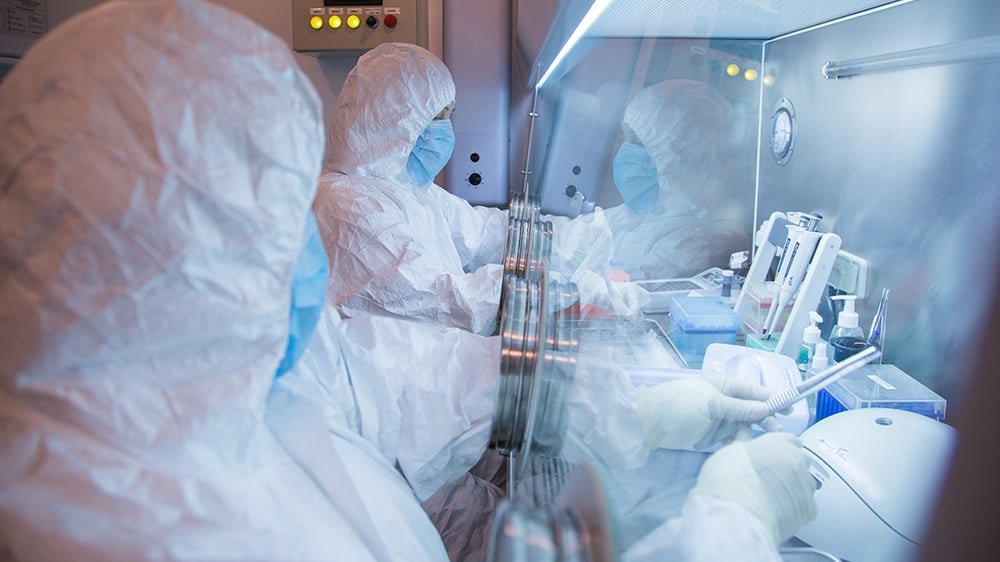
The World Health Organization (WHO) says Russian authorities told it that no cases of plague had been detected among anyone who had come into contact with a Siberian plague institute laboratory worker who died last week.
In a statement to CBC News, the WHO said Russia had informed the agency on Tuesday that the woman’s illness appeared to be a “typical acute respiratory viral infection,” but that “no case of plague has been recorded in Irkutsk, either in her or in anyone else.”
Authorities in Irkutsk previously said the 28-year-old woman, identified in Russian media as Darya Shipilova, died on Friday from pneumonia of an as-yet unestablished origin, leading to speculation she had been infected with pneumonic plague — a virulent form of the bacteria-borne illness.
Shipilova was reported to be a technician at the Irkutsk Anti-Plague Research Institute of Siberia and Far East.
The WHO said it had requested further information from Russian authorities about which pneumonia-causing pathogen is believed to have led to the woman’s death.
Rospotrebnadzor, the Russian government’s public health and consumer watchdog, also said in a statement that no infectious diseases had been reported among the staff of the same plague research institute in Irkutsk over the past 10 days and that extensive testing had found no microorganisms in the deceased woman’s body linked to her work.
“A comprehensive set of anti-epidemic measures was immediately organized and implemented in full in accordance with public health legislation,” the watchdog said.
“This included identifying the widest possible circle of individuals who had been in contact with the patient and arranging for them to be placed under medical observation in hospital with daily laboratory tests.”
It said the results had revealed two cases of COVID-19 and two cases of rhinovirus infection, but that no pathogens causing other infectious diseases had been detected.
“None of the contacts showed any changes in their state of health associated with infectious disease.”
Locals not phased by plague rumours
Elena Sofina, deputy head of the Shelekhov district near Irkutsk, where a local hospital was placed under quarantine, said what she called a “dangerous diagnosis” had not been confirmed.
She added that 60 per cent of those placed under quarantine as a precaution had already been released. Local media said around 200 people had previously been quarantined.
Locals in the town said their lives had barely been disrupted, although they said some people in shops had initially worn surgical face masks as a precaution.
A resident who gave her name only as Anna said the situation was calm and that people had been prepared for restrictions to be introduced, but that life had gone on pretty much as usual.
“Everyone had face masks at home and wore them for no more than 24 hours,” she told Reuters.
Denis, another resident, said news of the lab worker’s death had been widely discussed in the town and that the local hospital had temporarily stopped doing diagnostic tests but had since resumed normal business.
A May 2025 satellite image shows the Anti-Plague Institute of Siberia and the Far East in Irkutsk, Russia, where 28-year-old Darya Shipilova before her death last week. According to Russian officials, Shiplova died from pneumonia of an as-yet unestablished origin, prompting authorities to quarantine about 200 people and causing public health fears on social media. (Google/Airbus/Handout/Reuters)
Kremlin thanks Trump for offer to help
Kremlin spokesman Dmitry Peskov expressed appreciation for an offer of help on Monday from Trump, although without making clear if Moscow planned to accept it.
“It’s always good when mutual assistance is offered,” Peskov told reporters.
Trump on Monday described the situation as a “big problem for Russia.” U.S. Secretary of State Marco Rubio said on Tuesday it was incumbent on Moscow to share more information.
Health Canada told CBC News it is also monitoring the situation, though it sees no risk to Canada at this time.
WATCH | Questions, concern surround death of Russian anti-plague lab technician:
What we know about the suspected plague death in Russia
Two-hundred people have been placed under medical observation in Siberia, Russia, after a laboratory worker died after a reported accident at a plague research facility. The World Health Organization says the public health risk remains low.
The audio version of this article is generated by AI-based technology. Mispronunciations can occur. We are working with our partners to continually review and improve the results.
Ontario’s medical regulator is proposing sweeping changes to prescribing safer supply drugs, The Canadian Press has learned.
The College of Physicians and Surgeons of Ontario is looking to clamp down on the practice and is set to hold a board of directors meeting next week to decide on the proposed changes.
Safer supply refers to prescribing medications as an alternative to opioids obtained on the streets to those who are at high risk of overdose.
The most common form of safer supply is hydromorphone, a powerful opioid often prescribed for pain but significantly less potent than fentanyl and its derivatives that dominate the illicit drug supply chain. Fentanyl is often found laced with other drugs such as benzodiazepines, a depressant, and xylazine, often used to tranquilize animals.
One change the regulator has proposed in a document tucked away on its website is that “physicians must only prescribe safer supply medications in conjunction with opioid agonist therapy.” The therapy uses medications such as methadone to treat opioid addiction.
The college is also proposing an eight-week time limit for physicians to prescribe safer supply, and mandating that it be consumed in front of health-care professionals.
The regulator previously made changes to its drug prescription policy in May that mandated physicians to perform an in-person assessment before prescribing narcotics for safer supply, as well as making it mandatory for doctors to offer opioid agonist therapy before prescribing safer supply drugs and perform follow-ups every three months.
The rationale behind the new proposed changes centres largely on diversion of patients’ prescription pills to the black market.
“The proposed amendments build on targeted changes introduced in May and respond to ongoing concerns about the diversion of safer supply medication and the resulting risks to patients and communities,” Mickey Cirak, spokesperson for the College of Physicians and Surgeons of Ontario, wrote in an email.
“In response, the college has proposed amendments intended to strengthen oversight of safer supply prescribing and enhance safeguards related to physician prescribing practices, consistent with its role as Ontario’s medical regulator.”
WATCH | Fifth Estate dives into Canada’s opioid crisis:
Canada’s opioid crisis has led to the deaths of tens of thousands of people, costing the health and justice systems billions. Many health providers say there were solutions that could have helped. We reveal how politics got in the way.
Health minister supports changes
The college said it has consulted with a broad range of people and organizations, including physicians, municipalities and health-care partners, as well as the office of Ontario’s chief medical officer of health, Dr. Kieran Moore.
Moore’s office did not respond to a request for comment or an interview. Moore has never granted The Canadian Press an interview about the province’s opioids crisis, despite more than a dozen requests since he took the role in 2021.
The College of Physicians and Surgeons said the initiative to change safer-supply prescription rules is its own and did not come from the provincial government.
WATCH | Ontario ends funding for supervised drug consumption sites:
Moss Park drug consumption sites to close as Ontario ends funding
Two supervised drug consumption sites in Moss Park received letters on Friday from the Ontario Ministry of Health saying that their provincial funding will end in 90 days. CBC’s Ali Chiasson spoke to advocates who are concerned this could lead to more open drug use in the area.
Cirak said the college also received feedback from doctors with expertise in addiction medicine.
The proposal has the support of Health Minister Sylvia Jones.
“Our government does not and will never support the distribution of illegal drugs, including the illicit use of hydromorphone masked as ‘safer supply,’” said Satnam Grewal, a spokesperson for Jones.
“We welcome any action from Ontario’s 27 regulatory colleges who set standards and obligations for health-care professionals, including the College of Physicians and Surgeons of Ontario, to crack down on the predatory prescribing of addictive drugs.”
Changes ‘dangerous’: harm reduction worker
Ontario has moved to an abstinence-based model under Premier Doug Ford in its approach to the ongoing opioid crisis. The province closed provincially funded supervised consumption sites and passed a law banning them within 200 metres of schools and daycares.
The province has since opened 29 homelessness and addiction recovery treatment hubs, which the government calls HART hubs. It has spent more than $500 million on that plan, which offers primary and mental health care, addiction services and peer supports.
Word of the proposed changes has reached some people who depend on safer supply, said Lorraine Lam, an organizer with the Shelter and Housing Justice Network and a longtime harm reduction worker.
WATCH | ‘HART’ hubs replace supervised drug consumption sites:
Ontario opens homelessness and addiction hubs, replacing consumption sites
After passing a law closing numerous supervised consumption sites, the province opened nine of its HART hubs on Tuesday. But critics say Ontario’s new approach is off to a bumpy start. Shawn Jeffords explains.
“The changes are really dangerous and very destabilizing,” Lam said.
“People are really, really scared and people are really, really anxious and very angry.”
She said some people using safer supply got jobs or returned to school and she’s worried what will happen to them when they’re cut off.
“The reality is people who are on safe supply are going to be de-prescribed really, really quickly, which will increase the chances of people turning to the street unregulated supply, which will then therefore increase the risk of overdoses and deaths,” Lam said.
The college’s board of directors is set to meet on Oct. 13, when it is expected to vote on the proposed changes.
The audio version of this article is generated by AI-based technology. Mispronunciations can occur. We are working with our partners to continually review and improve the results.
Kenyan authorities on Tuesday confirmed the country’s first imported Ebola case from Congo, making Kenya the latest country affected by the fast-moving outbreak.
Health Minister Aden Duale said a Kenyan citizen who arrived in the country on Saturday from Congo, via its neighbour Uganda, had been isolated and treated at Nairobi Hospital, where he tested positive for the Ebola virus and died late Monday.
Ebola is highly contagious and spreads in the human population through contact with bodily fluids such as vomit, blood or semen, and with contaminated surfaces and materials, such as bedding and clothing.
The current outbreak was declared in mid-May, months after it had been spreading in a remote part of eastern Congo. At least 8,400 cases have been recorded, including more than 4,000 deaths, according to government data, making it the fastest-growing outbreak of the disease in history.
Kenya had never had an outbreak of Ebola, according to the Kenya Medical Research Institute. Dozens of contacts have either been identified or are being traced.
Duale said Kenya was well-prepared to respond to Ebola cases, having trained nearly 5,000 health workers across the country on prevention and management.
Kenya is the fourth country to record an Ebola case in the current outbreak.
Tracing of flight passengers begin
Uganda has recorded 20 cases and France one. Before Kenya reported its case, there had been no active cases outside Congo since Uganda declared its outbreak over in late August.
Health authorities in Kenya have placed the country’s border points on high alert and are monitoring for possible additional cases.
Kenya’s Health Minister Aden Duale holds a news conference in Nairobi on Tuesday, announcing the first case of Ebola in the country. (Monicah Mwangi/Reuters)
Duale said 28 contacts, including family members and health workers who cared for the patient, had been identified. Another 23 passengers who travelled on the same flight from Uganda were being traced.
He said the patient had been living in Congo for the past seven years and fell ill about a month ago. He was treated at various hospitals before travelling by road to Kampala, where he boarded a flight to Nairobi, arriving on Saturday afternoon.
The contacts will remain in isolation for 21 days and will be released after testing negative for the virus, the Health Ministry’s director, Patrick Amoth, said.
WATCH | Congo’s record Ebola outbreak :
Ebola outbreak now deadliest in Congo’s history
The Ebola outbreak in the Democratic Republic of Congo is officially the deadliest in the country’s history, and health officials worry the crisis will only get worse when children return to school.
The patient’s relatives later took him in a private vehicle to Nairobi Hospital, where he was immediately isolated. He will be buried within 24 hours in accordance with recommended public safety protocols.
The minister said Kenya had tested 267 samples at five laboratories across the country since May before this first case was detected.
Congo’s outbreaks ‘like fighting a megafire’
In Congo, where the outbreak has spread to seven provinces, conditions are difficult. Responders have faced attacks on health teams, misinformation about the virus, a failure by locals to report symptoms and rebel violence that has limited access to treatment centres.
While cases have slowed in Ituri province, the epicentre, the outbreak is spreading in emerging hot spots in North Kivu and South Kivu provinces.
“It is like fighting a megafire. Multiple outbreaks are developing at the same time, with varying intensity and in different locations,” Stephanie Hoffmann, with Doctors Without Borders, said in a statement.
The World Health Organization has warned this could surpass the deadliest Ebola outbreak in history, which erupted more than a decade ago and killed some 11,000 people in West Africa.
An Indigenous health leader in Niagara is hoping that a deep-seated fear that many Indigenous people feel in hospital is something that is being chipped away.
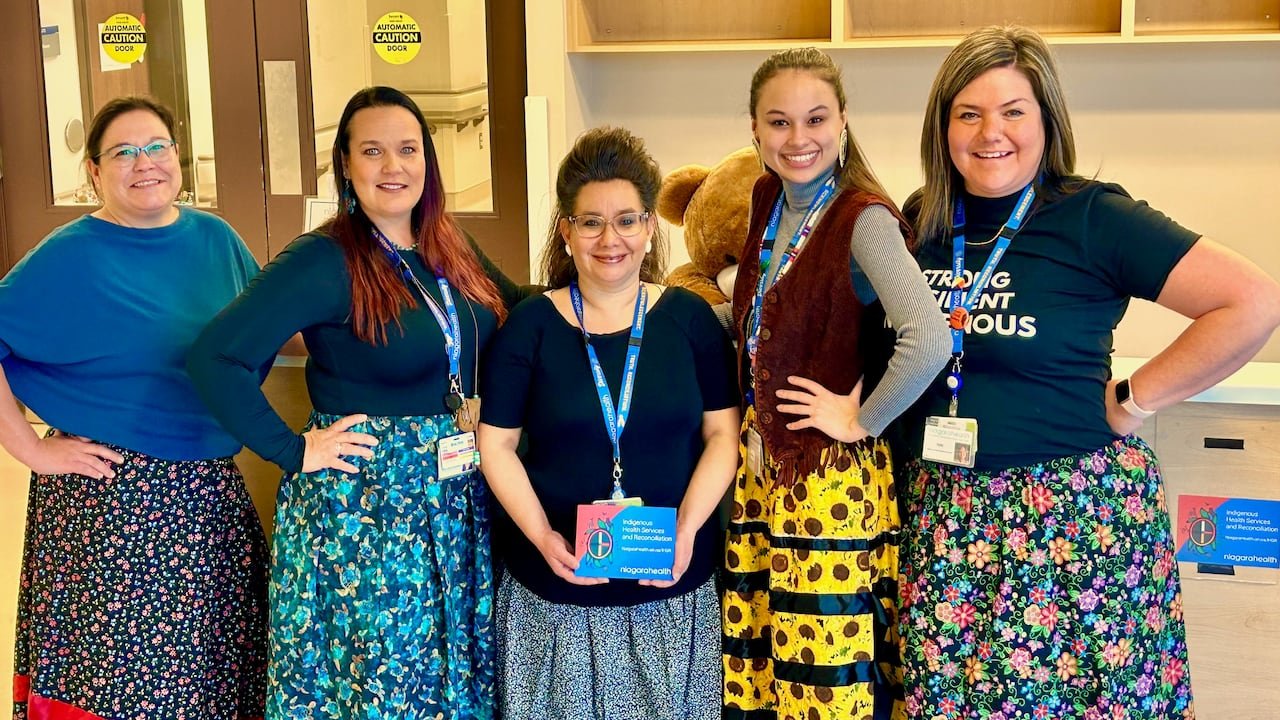
Charity Beland, who is a member of Six Nations of the Grand River, Mohawk, Turtle Clan, is the manager of Indigenous Health Services and Reconciliation at Niagara Health, which operates three hospitals and two urgent care centres. There, she leads a team who make it their mission to create hospital settings where Indigenous people feel safe and valued.
The ongoing efforts by Niagara Health to improve Indigenous patients’ experience has earned the acknowledgment of a major Indigenous umbrella group in Ontario, with the caveat that there is still a long road ahead to regain trust.
It was the death of Heather Winterstein in 2021 at Niagara Health’s hospital in St. Catharines — now known as the Marotta Family Hospital — that led the hospital system to embark on a process of self-examination on the experience of Indigenous patients.
At the coroner’s inquest into her death earlier this year, testimony revealed that Winterstein, 24, sought care for extreme pain on two consecutive days but ended up collapsing after languishing for hours in the emergency department waiting room.
The inquest jury ruled she died from septic shock due to sepsis with delayed treatment, caused by a bacterial infection.
Testimony at the inquest suggested treatment decisions by some hospital medical staff may have been influenced by Winterstein’s Indigenous background, her history of substance use and anxiety.
Ingrained racism a reality, expert says
Suzanne Shoush, a family physician who examines the experiences of Indigenous people trying to access care, testified at the inquest that bias in the healthcare system, where fewer than one per cent of doctors are Indigenous, makes many Indigenous people fearful of seeking care.
For generations, many Indigenous people have felt a sense of dread if they had to seek treatment for a medical condition at a Canadian hospital, where they often came face-to-face with anti-Indigenous bias or outright discrimination, says Shoush.
Shoush, Indigenous faculty lead at the University of Toronto’s department of family and community medicine, said that ingrained racism contributes to shorter lifespans, increased chance of preventable death and longer wait times for Indigenous people.
She stressed that cultural safety training must apply to everyone working in a hospital, from security and housekeeping staff, to top management and board members.
After Winterstein’s death, Niagara Health conducted an internal review and initiated an independent, third-party emergency department review that resulted in recommendations such as instilling cultural safety throughout Niagara Health’s staff, physicians and volunteers; promoting an Indigenous patient navigator team; seeking out Indigenous representation for governance; working on recruiting and retaining Indigenous employees, doctors and volunteers; and creating a separate Indigenous space for reflection and gatherings.
Niagara Health accepted all the recommendations.
In 2024, Niagara Health launched its first Indigenous health services plan to improve hospital services and experiences for Indigenous patients and their families.
The plan includes initiatives designed to improve access to healthcare services, enhance cultural safety, promote traditional healing practices within the hospital, strengthen relations with Indigenous groups, outline strategies for recruiting and retaining Indigenous healthcare professionals, and provide education and training for staff on cultural safety.
Among the initiatives launched by Niagara Health is allowing smudging ceremonies on hospital sites. (Niagara Health)
Some of the initiatives launched by Niagara Health include:
Installing Indigenous artwork at all its sites.
Allowing smudging ceremonies, which any patient or family member identifying as Indigenous can request. At the Marotta hospital, ceremonies can take place in patients’ rooms.
Opening of an Indigenous community room, the Gathering of Good Minds, at the Marotta hospital.
Launching specialized training focused on cultural sensitivity and awareness.
Planning an Indigenous healing centre at the new South Niagara hospital under construction in Niagara Falls. The hospital will also have an Indigenous healing garden.
Cultural sensitivity and awareness training
Beland said cultural sensitivity and awareness training began with top leadership, and has moved on to front line staff. The training is mandatory.
“Last I checked, I think we were at 77 per cent completion,” she said. “For a large organization we’ve had really, really good buy-in.”
Sean Longboat, chief executive officer of the Ontario Federation of Indigenous Friendship Centres, acknowledged the efforts of Niagara Health.
“We are encouraged to see the direction Niagara Health has taken to advance Indigenous health equity within their network system,” he said in a statement to CBC News. “Other hospital systems can and should learn from Niagara Health’s efforts.”
Other hospital systems can and should learn from Niagara Health’s efforts.– Sean Longboat, chief executive officer of the Ontario Federation of Indigenous Friendship Centres
But, “it will take time to regain Indigenous people’s trust, especially after losing a treasured family and community member like Heather Winterstein,” Longboat said.
Trust can only be repaired through sustained action and allowing Indigenous people to exert their autonomy and self-determination in the design and delivery of health services, he said.
“More importantly, trust can only be regained when Indigenous people directly see the benefits of these initiatives on their lives and in their community.”
In 2025, Niagara Health entered a formal partnership with the Indigenous Primary Health Care Council to develop joint initiatives aimed at improving Indigenous health outcomes and addressing healthcare inequities. It was the first agreement of its kind with a hospital system, Niagara Health said.
The health council works with Indigenous primary healthcare organizations across Ontario to promote the health and well-being of First Nations, Inuit and Métis communities.
“This partnership is an important step towards creating a healthcare system that is responsive and respectful of Indigenous needs,” Caroline Lidstone-Jones, CEO of the health council, said last year.
Beland said it’s important not to shy away from using terms such as racism and discrimination when describing the Indigenous experience in hospitals, as uncomfortable as that may be.
“If we don’t use the words and we don’t use the language… then we’re doing the work a disservice,” she said.
Niagara Health now allows smudging ceremonies at its hospitals including the Marotta Family Hospital in St. Catharines, and has opened an Indigenous community room at the Marotta facility as part of other changes. (Diona Macalinga/CBC)
Beland said it’s “been really inspiring and surprising” to see a major hospital system commit to and follow through on efforts to policies aimed at improving the Indigenous experience.
“Our driving force is really making sure that the approaches we’re taking and initiatives that we’re moving forward are based on what the community identifies as important to them,” she said.
Coroner’s recommendations
The coroner’s inquest jury made 68 recommendations, most of which target Niagara Health alone or in conjunction with other agencies.
Longboat said the inquest recommendations provide a “roadmap for meaningful change” that other hospital systems should take seriously, and said discrimination and anti-Indigenous racism must be confronted head-on.
Longboat said the provincial government, which plays a key role in accountability mechanisms that govern healthcare, must commit to holding itself to a higher standard to ensure the healthcare system cares for everyone living in Ontario.
“We cannot have another death like Heather Winterstein’s.”
Niagara Health president and CEO Lynn Guerriero, who testified at the inquest that discrimination and biases are ingrained in the healthcare system in Ontario and Canada, said in a statement to CBC News in April that Niagara Health will move forward in a “careful and deliberate way” to implement the recommendations.
“We know that systemic racism exists in healthcare, and addressing it is essential to improving safety, trust and outcomes for Indigenous patients and their families,” she said.
The most comprehensive study yet of maternal health in Canada has found Black Canadians face a much higher risk of serious complications during pregnancy, labour, delivery and postpartum than white people — underlining the urgent need for better data tracking and tools to eliminate systemic anti-Black racism in our health-care system, researchers and advocates say.
The research, published Monday in the Canadian Medical Association Journal (CMAJ), looked at more than 108,000 in-hospital deliveries to Black people, and more than 1.3 million in-hospital deliveries to white people across the country between 2012 and 2023.
Researchers found that severe maternal morbidity, encompassing complications such as pre-eclampsia, hemorrhage and sepsis, occurred at a rate of 47.8 out of 1,000 live births for a Black parent compared to 27.7 out of 1,000 live births for a white parent.
Even when researchers accounted for other factors like age, immigration status or other health conditions, Black people still had a 66 per cent higher chance of experiencing these potentially life-threatening complications.
The data lines up with what advocates have been saying for years — that Black women have their pain dismissed and routinely face barriers when navigating maternal care.
“It’s huge to finally have this, you know, so-called proof and evidence that we’ve been told that we need to have in order to really prioritize Black communities and reproductive health,” said Cheyenne Scarlett, co-founder of the Black Birth Project, a non-profit aimed at improving reproductive outcomes for Black people in Canada.
Cheyenne Scarlett told CBC News that she’s experienced first-hand the cracks in Canada’s maternal care. (Gina Ayanna)
She told CBC News that she has first-hand experience with the cracks in Canada’s maternal care: She once went to the ER with an ectopic pregnancy, and says she was sent home without receiving proper treatment.
“This report is not at all shocking to me,” she said.
‘Less equitable outcomes’
Official data shows Black women in the U.S. are three times more likely to die in pregnancy or childbirth than white women. They are twice as likely in the U.K., while a 2021 study from The Lancet found that Black women had a 43 per cent higher risk of miscarriage.
But similar long-term demographic data has been lacking in Canada until now, despite years of calls for it.
“As Canadians … we’ve been able to distance ourselves from the very real reality of the fact that although universal health care is so important, it still doesn’t mean universal access for everyone,” Giulia Muraca, associate professor of obstetrics and gynecology at McMaster University, told CBC News.
The higher rates of complications for Black people persisted when researchers controlled for conditions that occur in different rates in Black and white populations, such as sickle cell disease, with authors noting in the study that the consistent disparity “suggests broader structural influences on maternal health.”
WATCH | Advocates fight for better data in 2021:
Calls for more data about health risks to Black women in pregnancy
Black women in Canada face more risks in pregnancy compared to other demographics, but there’s little data in this country compared to the U.S. and U.K. on what is causing the inequities.
And while a higher income correlated with an improvement in maternal outcome for white parents, the study found that rates of severe complications increased for Black parents along with their income — an example of a “diminishing returns” phenomenon, Muraca suggested, in which those who experience structural marginalization don’t receive the same advantages of an increased income.
The study didn’t look at causes, but its authors stress that these differences don’t stem from race itself.
“Being Black is not the cause of these differences,” Muraca said. The evidence that Black patients are experiencing “less equitable outcomes,” she said, should prompt us to start examining “inequities in access … differences in communication, in escalation of care, in differences in treatment, for example.
“These are things that we can start to now collect routine data on and hold institutions accountable for.”
‘We are dying’
The struggles Black people face in Canada just trying to access health care is something that community organizations have been studying independently for years.
“So me, as a Black woman, when I go into the hospital, when I’m in front of a practitioner, how are they responding to me?” Kearie Daniel, executive director and founder of the Black Women’s Institute for Health, said. “Are they going to see my pain the same way that they’re seeing someone else’s?”
A national survey released by the Black Women’s Institute for Health in 2025 looked at the experiences of nearly 2,000 Black women and girls with Canada’s health-care system. It found that 42 per cent avoid seeking medical care because they were afraid of how they might be treated.
When it came to maternal care, some women reported fearing their children might be taken from them after staff summoned social workers with no justification, Daniel said. Others dealt with miscarriages at home rather than risk poor treatment at the hospital. Many reported their pain was ignored.
Kearie Daniel, seen here speaking at an event as executive director of the Black Women’s Institute for Health, says it’s imperative to track race-based data to make sure interventions to improve health outcomes are actually working. (The Black Women’s Institute for Health)
“They’re giving birth in the emergency bathroom, in the waiting room, they are being turned away,” Daniel said.
She said during her own pregnancy, her mother kept stressing she needed to dress well when going to the hospital, concerned that she wouldn’t be taken seriously.
“Having to go into a system that really isn’t seeing your full humanity when you’re depending on them to do so for your survival and the survival of your baby is just so — ‘demoralizing’ is not the right word. It’s not a heavy enough word to really articulate just how excruciating it is.”
WATCH | Ancestral Hands Midwives opens its doors in this 2024 video:
Scarborough facility offers prenatal and postpartum midwifery care for Black families
Ancestral Hands Midwives is a new facility in Scarborough that offers prenatal and postpartum midwifery care for Black families. CBC’s Shannon Martin spoke to the team behind the organization to learn more about how they’re striving for better accessibility, education and empowerment around Black maternal health.
Government action needed: advocates
Research has shown that Black people in Canada often suffer higher risks of negative health outcomes, including with breast cancer and during the COVID-19 pandemic. Enduring disparities have their roots in historical injustices that shaped modern medicine, according to a recent report in the Canadian Ethnic Studies journal.
To ensure equitable maternity care, what’s needed now, Daniel said, is real action from governments and health-care organizations.
A crowd gathers for a talk during Black Maternal Health Week in April 2026. (Black Maternal Health Collective Canada)
Better staff training is important, but it must be paired with the tracking of race-based data along with other socioeconomic differences, she said, to monitor if interventions are actually improving health outcomes for Black people.
Although some regions began tracking race-based health data after the pandemic, it’s still fractured across the country.
“There has to be accountability,” Daniel said. “We are dying as a result of not having that.”
WATCH | Documentary digs into the need for race-based data:
Canada’s health-care system also needs to work with community organizations to create truly informed care, advocates say.
Althea Jones founded Ancestral Hands Midwives in 2024, meant to help Black people get better pregnancy care. She said it’s frustrating to have to prove what community members have known for years, but she’s still hopeful this study might lead to more funding for interdisciplinary, Black-led care.
“I think people need care that reflects them,” she said. “They need to be seen and heard.”
Althea Jones, founder and executive director of Ancestral Hands Midwives, says it’s time for real action to be taken to improve Black maternal care. (Gina Ayanna)
Jenelle Ambrose Dash, chair of the Black Maternal Health Collective Canada, echoed the call. Every April, her organization runs Black Maternal Health Week in Toronto, bringing together groups like Ancestral Hands to share research and educate others.
She added that there needs to be more funding for health care in general, noting that the current “overwhelmed” system only exacerbates inequity.
When she heard about the CMAJ study, she saw her own story — a previous traumatic experience with pre-eclampsia — reflected in the data. She’s determined to ensure that no Black parent has to go through what she did.
Jenelle Ambrose Dash, seen here with her husband, Gevon, helps run a Black Maternal Health Week every April to spread awareness. (Jenelle Ambrose Dash)
“There are real people behind the numbers,” she said.
“I hope that something will be done coming out of this study. We’re well past the point of awareness. We are looking for accountability now.”
The audio version of this article is generated by AI-based technology. Mispronunciations can occur. We are working with our partners to continually review and improve the results.
You may be having second thoughts about eating the berries in your fridge after CBC News spoke with a whistleblower who made a startling claim about the amount of chemicals on fruit that a U.S. company allegedly shipped to Canada.
David Harada, a former employee for California-based Driscoll’s, alleged in a lawsuit that about half of the company’s exports to Canada contained pesticide levels that exceeded Canadian Food Inspection Agency (CFIA) standards.
Driscoll’s supplies raspberries, strawberries, blueberries and blackberries that are largely grown in California and Mexico, but with some products coming from other places seasonally — including parts of Canada.
Harada says the excess chemical levels were due to over-spraying and the removal of food safety compliance parameters for berries sent to Canada.
The CFIA confirmed higher-than-permissible levels of pesticides on the company’s berries. Driscoll’s has said that it’s amended its controls to comply with Canadian standards.
But that may not be enough to put some Canadian consumers’ minds at ease, especially parents. Meanwhile, food safety experts say this has prompted an important conversation about the chemicals used on the produce we eat.
Here’s a quick look at what you need to know.
Are the berries in my fridge safe to eat?
Harada’s lawsuit alleges that millions of pounds of berries with chemical levels exceeding CFIA guidelines were imported between 2022 and 2024, so it’s highly unlikely those would have survived in your fridge since then — and you certainly shouldn’t eat them if they are still in there.
Maria Corradini, an associate professor in the University of Guelph’s food sciences department, says the chemical compounds sprayed on produce do degrade over time.
But the issue, she says, is ensuring that the right amount is applied and that enough time has passed so that there isn’t leftover residue come harvest time.
WATCH | Driscoll’s berries shipped to Canada with excess chemicals, lawsuit alleges:
Driscoll’s sent berries with excess chemicals to Canada: whistleblower
A whistleblower lawsuit in California alleges millions of trays of fruit containing non-compliant levels of pesticides and chemicals crossed the border between 2022 and 2024. The suit also accuses Driscoll’s fruit company of trying to cover it up.
Environmental toxicologist Daniel Green says that even if you actually consumed berries with higher than permissible levels of chemical residue, it probably wouldn’t be enough to harm you.
You would likely need to eat something like 19 kilograms of berries in a short period of time to really feel any adverse effects.
“This issue isn’t one serving of berries,” he told CBC Montreal’s Gloria Henríquez, explaining that it’s like “one speck” of the chemicals to which people are exposed in their daily lives.
What chemicals were found on the berries?
The three chemicals found were bifenthrin, iprodione and captan.
Iprodione is used to prevent and control mould, mildew and stem and root rot on a variety of crops. Captan is also a fungicide that is used on field, greenhouse and orchard crops.
A worker at an unidentified farm in Mexico’s Guanajuato state sprays a field of strawberries that will be distributed to different states in Mexico and exported to the U.S. (Mario Armas/AFP/Getty Images)
Bifenthrin is considered to be of low toxicity to humans, though large quantities can induce adverse effects, including headaches, dizziness or skin or nasal irritations when inhaled, or a sore throat, nausea and vomiting if ingested.
However, Corradini says that workers on berry farms would be more likely to face any sort of health risks from acute exposure.
Can I wash these chemicals off berries?
It may not do much, Corradini says, especially when it comes to berries, because of how soft they are and all of the tiny crevices in their skin.
She says there have been some studies showing that soaking them for a few minutes in a mixture of water and sodium bicarbonate (baking soda) may help, but that there’s not enough evidence to conclusively say it’s effective.
Are organic berries better?
Buying organic is your best bet in avoiding these chemicals, but it’s not foolproof, Corradini says.
“If you are in a facility that is having half of the production organic and half not, well, there is always a risk that there is a mistake,” she said.
Driscoll’s also markets a line of organically grown berries, including strawberries, that it says adhere to U.S. Department of Agriculture standards. (Michael M. Santiago/Getty Images)
She also pointed out that chemical pesticides are why fruits and vegetables can be grown so plentifully and at a relatively affordable cost.
Organic crops, she says, may also be more prone to infestations. And like non-organic produce, organic foods are not immune to pathogens and parasites that can cause food-borne illnesses such as E. coli and norovirus.
WATCH | The parasite that caused a nationwide outbreak in the U.S.:
What is cyclospora? A diarrhea-causing parasite
A diarrhea-causing parasite has led to a growing outbreak in the United States that has sickened more than 1,000 people and sent dozens to hospital. As of Wednesday, multiple states had reported cyclospora infections, which can cause watery diarrhea, bloating, fever and nausea. While cases are common in the spring and summer, the current outbreak has led to an unusually high number, making it one of the largest the country has seen. No deaths have been reported.
Is Driscoll’s facing any sort of investigation?
Driscoll’s says that it “never knowingly shipped product that we believed to be unsafe.”
Harada’s lawsuit is still in progress and the company wouldn’t comment on it other than to deny his allegations.
Driscoll’s is also facing a separate class-action lawsuit filed earlier this year by six plaintiffs living in New York, New Jersey, Massachusetts and Illinois.
SFGate reported that the suit accuses the company of consumer fraud and deceptive practices by allegedly “greenwashing” the amount of so-called forever chemicals, known as PFAS, on its strawberries.
LISTEN | Driscoll’s faces scrutiny, lawsuits over some of the chemicals on their berries:
Let’s Go9:44Did Driscoll’s try to cover up chemicals in their products?
The Food and Drug Administration (FDA) said on Friday it has found a potential source of the cyclosporiasis outbreak that was tied to lettuce over the summer.
The agency collected samples during its onsite inspections of Taylor Farms de Mexico facilities, it said.
Two samples tested positive for the parasite, Cyclospora, according to the FDA. One positive sample was from a tank that held outgoing wastewater from a processing facility, the agency said. The second positive sample was from a drainage ditch of an iceberg lettuce grower, it noted.
“While there is currently not enough evidence to conclusively determine how contamination occurred in this outbreak, the positive samples show that Cyclospora was present in the environment where lettuce was grown and processed,” the FDA wrote in an update on its website.
“This adds to the strong epidemiological data and traceback convergence supporting the link between this outbreak and recalled shredded iceberg lettuce from Taylor Farms de Mexico,” the update continued.
The FDA said its investigation has closed. Health officials say they are confident that all recalled lettuce associated with this outbreak is off the market.
In a statement, a Taylor Fresh Foods spokesperson said its facility in central Mexico remains closed as the company works with its research team to implement enhanced safety protocols.
“The independent grower where a positive sample was found is no longer part of our supplier program,” the spokesperson said. “The sample FDA referenced came from discharged waste and sewer water outside of our processing facility. As FDA noted in its report, there is currently not enough evidence to conclusively determine how contamination occurred or how results for these samples relate to ongoing genotyping of clinical specimens.”
The statement concluded: “We remain concerned for the people and families impacted by this outbreak. Millions of families rely on the safety of Taylor Farms produce and we take that responsibility seriously. We know trust is earned by what we do, and we will continue to learn, improve and take action to keep our food fresh and safe.”
The logo of the Food and Drug Administration (FDA) is seen on a sign outside the agency’s White Oak campus in Silver Spring, Md., July 17, 2025.
Issam Ahmed/AFP via Getty Images
At least 12,883 people were infected with cyclosporiasis across 21 states after eating the recalled lettuce, according to the Centers for Disease Control and Prevention (CDC). Thousands more cases were reported but health officials noted difficulties in tying infections to the recalled foods.
A total of 570 people were hospitalized and two people in Michigan died.
In mid-July, the FDA and the CDC announced they were investigating a multi-state outbreak of cyclosporiasisillnesses linked to shredded iceberg lettuce served at some Taco Bell restaurants.
The lettuce was supplied to Taco Bell by Taylor Farms and sourced from central Mexico.
Taylor Farms de Mexico issued a voluntary recall of all iceberg lettuce sourced from central Mexico, with the recall affecting 27 states. The recalled products were distributed from June 29 through July 16 and have best-if-used-by dates up to Aug. 3.
On the surface, Nick Cholmsky looked like a thriving teenager.
Growing up in Ottawa, he says he was athletic and heavily involved in basketball, had friends and a close relationship with his family.
But underneath all that he says he was deeply depressed. The symptoms began in middle school and became much worse by Grade 11.
At 16, he had begun entertaining suicidal thoughts.
Nick Cholmsky, who grew up in Ottawa, experienced depression as a teen. He says online messaging encourages boys and men to stay silent about their psychological struggles. (CBC)
Even as his depression and anxiety grew stronger, Cholmsky believed he couldn’t say anything, because “being a man” meant pushing negative thoughts down, and that any sign of weakness would cause him shame.
“Looking back, so much of that [congenial attitude] was for sure just a performance, me acting the way I thought I was supposed to act as a man,” said Cholmsky, now 21.
There’s a common problem everywhere and it’s how men and boys are feeling. And they are not feeling great.– Federal Health Minister Marjorie Michel
Earlier this year, the federal government reported on a wide range of data showing that the mental health of young men has deteriorated since 2012. Between 2012 and 2022, the number of men aged 15 to 24 who self-reported mood disorders increased from 11 per cent to 16 per cent, while self-reported generalized anxiety disorders increased from four per cent to 10 per cent.
Those who reported their mental health as “very good” or “excellent” plummeted from 70 per cent to 52 per cent in that same time period.
A separate report shows that men are three times as likely as women to commit suicide and that it’s the second-leading cause of death in boys aged 15 to 34 (after unintentional injuries).
“There’s a common problem everywhere and it’s how men and boys are feeling. And they are not feeling great,” federal Health Minister Marjorie Michel told CBC News.
“There is a lot of anxiety [about] their role as men and boys.”
Social media use, gambling major issues
Research implicates a variety of factors in men’s depression, most prominently social isolation, social media use and online sports betting.
Data from the Canadian Medical Association Journal shows a huge rise in young men calling helplines with gambling addictions. (Health Canada reports men are three times more likely than women to have a gambling problem.)
Canada legalized single-event sports betting in 2021. In 2022, Ontario became the first province to allow private companies to operate alongside government-regulated industry.
A separate report released this month by the Institute for Clinical Evaluation Sciences (ICES) showed that since 2022, emergency room visits for gambling disorders had doubled — largely with young men showing up in a psychological crisis, such as suicidal ideation or psychosis, as a result of gambling losses.
“The gambling stats didn’t surprise me at all when I heard them,” said Cholmsky. “I saw kids in middle school gambling.”
WATCH | Investor and podcast Scott Galloway on male potential:
Scott Galloway on male potential
U.S. investor and podcaster Scott Galloway talks to CBC News about the impacts of the manosphere and the loss of ‘off-ramps to the middle class,’ and how young men are being impacted.
Whether the stress is the result of gambling or something else, Cholmsky says online messaging encourages boys and men to stay silent.
“When I was going through some of my worst mental health times, I was online a lot and it was really the height of Andrew Tate,” Cholmsky said.
The U.S.-born Tate is one of the best-known influencers in the manosphere, famous for espousing strict rules for being an alpha male, such as maximizing fitness, maintaining control over relationships and emotions and making as much money as possible.
He retains a large following despite being in U.S. detention on multiple criminal charges, including sex trafficking.
“[Tate’s] message, and a lot of that manosphere messaging for boys, is ‘be a man, be tough, make lots of money,’” Cholmsky said.
There are also trends like “looksmaxxing.” Influencer Braden Peters, also known as Clavicular, has amassed a huge following telling young boys sometimes to smash their own faces with hammers to be more conventionally beautiful. His content has more than 40 million likes. Peters was charged with rape last month.
Experts warn dangerous role models like this can have real-world impacts.
“The manosphere is radicalizing young boys who don’t know where they fit — and that should concern us all,” said John Oliffe, Canada research chair in men’s health promotion at the University of British Columbia.
Oliffe says this was “amplified” by the earliest parts of the COVID-19 pandemic when global lockdowns increased isolation and the loss of social connection. Vulnerable teenagers often found themselves lost online.
“There continues to be a whole world of pain in some of that unregulated content,” Oliffe said.
John Oliffe, Canada research chair in men’s health promotion at the University of British Columbia, says the radicalizing effects of the manosphere should worry us all. (Nav Rahi/CBC)
Adam Kunder, a 33-year-old former firefighter who lives in Toronto, says he also felt he needed to keep his problems quiet. He suffered mental health issues and hit “rock bottom” before beginning to find help in the summer of 2024.
“As a man, you think you are supposed to be strong, push any bad feelings down, suppress depression or sadness or fear,” he said.
Kunder says he has lost multiple friends to suicide and says you never would have known they were suffering.
Gender roles and ‘toxic masculinity’
Kunder said the world is changing in ways that are becoming confusing for many men.
The emphasis on women’s parity in the labour force and society, as well as a greater acceptance of non-traditional gender identities, has upended expectations.
“At one point we knew we were supposed to be the provider and protector, and the idea of ‘toxic masculinity’ wasn’t a thing,” he said.“I think men are really trying to figure out what it means to be a man in today’s world.”
WATCH | Why manosphere influencers appeal to young men:
Why ‘manosphere’ influencers are appealing to young men
Critic Amil Niazi joins Commotion with Elamin Abdelmahmoud to discuss Louis Theroux: Inside the Manosphere, a documentary about the online world of toxic masculinity, and examine the rising popularity of “manosphere” influencers among young men.
Oliffe pointed to other troubling patterns for young men.
“There are increasing lower rates of boys heading to universities, and very serious challenges in male-dominated industries such as construction, that as a society, we should not ignore.”
Oliffe said that while the trades offer good careers, they often see high rates of substance use and mental health issues, as the necessary physical labour and harsh working environments can “heighten these risks.”
Oliffe said that in the last decade, there has been “low government investment in men’s mental health.”
“I think the theme of silence is a very regrettable period in history, where on one side we talked about equity and inclusion, and then in effect ostracized 50 per cent of the population,” Oliffe said.
Health Minister Michel said that when she brought this issue to the federal cabinet, she was met with some resistance. Some colleagues told her it took “courage” to broach the mental health of boys and men, given it could even be politically risky to talk publicly about the issue.
“I said ‘courage’? This is not courage. We are ministers of health, it is our job to take care of the entire population,” she said.
“Men don’t know how to ask for help. And when they are struggling, they don’t know how to express it.”
Government strategy to come by early 2027
The federal government will soon launch its first-ever mental health strategy for boys and men.
The agency told CBC that some of what they hope to invest in will be “mentorship, peer support, sport and recreation,” while “promoting healthy relationships, positive social norms and safer online environments.”
Toronto resident Adam Kunder says he feels it’s his duty ‘to show up for men who are suffering and to hear them out and just let them know it’s all OK.’ (CBC)
For Robert Whitley, a men’s health expert and professor of psychiatry at McGill University in Montreal, part of the problem is the way society now views masculinity.
“Traditional masculinity has been denigrated in the popular mind whether it’s through the media, through influencers, through commentators,” he said. “The problem sometimes is a lack of masculinity.”
He says there’s a need for positive male role models.
“I’ve said many times before, it’s not a crisis of masculinity, there’s a crisis of mentorship,” said Whitley.
For example, data from Statistics Canada shows only 25 per cent of teachers across elementary and high school systems in Canada are men. And at the organizations that step in to fill the mentorship gap — like the Big Brothers and Big Sisters of Canada — 70 per cent of volunteers are women.
“We’re getting young men who are getting to the age of 18, 19, 20, who have never had a male role model in their lives,” Whitley said.
Kunder and Cholmsky both say their mental health began to recover after they started asking for help, and they’re now working to be role models for other young men.
“I feel like it’s my duty in a way to show up for men who are suffering and to hear them out and just let them know it’s all OK,” said Kunder, who coaches and works with other men.
Last month in Ottawa, Cholmsky was awarded top 21 under 21 for his work in mental health advocacy and challenging “harmful stereotypes around masculinity and mental health.”
“We all need to be doing our part to talk about this stuff,” he said.
The audio version of this article is generated by AI-based technology. Mispronunciations can occur. We are working with our partners to continually review and improve the results.
Scientists Karl Deisseroth, Peter Hegemann and Georg Nagel won the 2026 Nobel Prize in Physiology or Medicine for “discoveries concerning light-gated ion channels and optogenetics,” the award-giving body said Monday in Stockholm.
Optogenetics “makes it possible to switch on, or off, the activity of individual nerve cells in a living brain,” said Thomas Perlmann, secretary general of the Nobel Assembly at Karolinska Institutet.
“This method is now being used in laboratories around the world to reveal the brain’s mysteries,” he said.
Deisseroth, a 54-year-old American, Hegemann, a 71-year-old German, and Georg Nagel, a 73-year-old German, were all surprised to learn they had won, Perlmann said.
“All three said the same thing, that they thought it was absolutely wonderful to receive the prize with the other two, and they call them … friends. That it’s such an honour to receive them together. So that’s something they conveyed,” Perlmann said.
The Nobel Prizes come with a prize amount of 12 million Swedish crowns ($1.7 million Cdn), which the three scientists will split. Deisseroth is based at Stanford University in California, with Hegemann at Humboldt University in Berlin and Nagel at Germany’s University of Wurzburg.
In clinical trials, researchers are restoring vision to people blinded by a condition called retinitis pigmentosa by inserting a light-sensitive protein in the retina.
Researchers also hope optogenetics could improve cochlear implants, allowing more precise stimulation of the auditory nerve than current electrical devices.
Advancements over decades
In the early 1990s, Hegemann investigated how the alga Chlamydomonas reacts to light in half a millisecond. He hypothesized that a single protein captured light and acted as an ion channel. Nagel tested this by injecting Chlamydomonas genes into frog eggs, discovering channelrhodopsin-2 — an ion channel that opens when exposed to light.
In 2003, they published that this protein could be introduced into human and hamster cells to generate electrical impulses using light. In 2005, Deisseroth demonstrated the technique in rat nerve cells, and the method was named optogenetics a year later.
Prizes for chemistry and physics will be awarded Tuesday and Wednesday, literature on Thursday and the peace prize on Friday. The economics prize will be announced Oct. 12.
The Nobel Prize was created by wealthy Swedish chemist and entrepreneur Alfred Nobel, who in his will dictated that the bulk of his estate should be used to fund “prizes to those who, during the preceding year, have conferred the greatest benefit to humankind.”
A bust of Alfred Nobel in the Nobel Forum in Stockholm on Oct. 5, 2026. (Tom Little/Reuters)
Nobel is best known as the inventor of dynamite, but also wrote poetry and drama and could speak Russian, French, English and German by the age of 17. The five original prize categories reflect the interests closest to his heart.
Nobel died in 1896, with the first prizes bearing his name following five years later.
The Nobel prizes are presented to the laureates on Dec. 10, the anniversary of Nobel’s death.
On the surface, Nick Cholmsky looked like a thriving teenager.
Growing up in Ottawa, he says he was athletic and heavily involved in basketball, had friends and a close relationship with his family.
But underneath all that he says he was deeply depressed. The symptoms began in middle school and became much worse by Grade 11.
At 16, he had begun entertaining suicidal thoughts.
Nick Cholmsky, who grew up in Ottawa, experienced depression as a teen. He says online messaging encourages boys and men to stay silent about their psychological struggles. (CBC)
Even as his depression and anxiety grew stronger, Cholmsky believed he couldn’t say anything, because “being a man” meant pushing negative thoughts down, and that any sign of weakness would cause him shame.
“Looking back, so much of that [congenial attitude] was for sure just a performance, me acting the way I thought I was supposed to act as a man,” said Cholmsky, now 21.
There’s a common problem everywhere and it’s how men and boys are feeling. And they are not feeling great.– Federal Health Minister Marjorie Michel
Earlier this year, the federal government reported on a wide range of data showing that the mental health of young men has deteriorated since 2012. Between 2012 and 2022, the number of men aged 15 to 24 who self-reported mood disorders increased from 11 per cent to 16 per cent, while self-reported generalized anxiety disorders increased from four per cent to 10 per cent.
Those who reported their mental health as “very good” or “excellent” plummeted from 70 per cent to 52 per cent in that same time period.
A separate report shows that men are three times as likely as women to commit suicide and that it’s the second-leading cause of death in boys aged 15 to 34 (after unintentional injuries).
“There’s a common problem everywhere and it’s how men and boys are feeling. And they are not feeling great,” federal Health Minister Marjorie Michel told CBC News.
“There is a lot of anxiety [about] their role as men and boys.”
Social media use, gambling major issues
Research implicates a variety of factors in men’s depression, most prominently social isolation, social media use and online sports betting.
Data from the Canadian Medical Association Journal shows a huge rise in young men calling helplines with gambling addictions. (Health Canada reports men are three times more likely than women to have a gambling problem.)
Canada legalized single-event sports betting in 2021. In 2022, Ontario became the first province to allow private companies to operate alongside government-regulated industry.
A separate report released this month by the Institute for Clinical Evaluation Sciences (ICES) showed that since 2022, emergency room visits for gambling disorders had doubled — largely with young men showing up in a psychological crisis, such as suicidal ideation or psychosis, as a result of gambling losses.
“The gambling stats didn’t surprise me at all when I heard them,” said Cholmsky. “I saw kids in middle school gambling.”
WATCH | Investor and podcast Scott Galloway on male potential:
Scott Galloway on male potential
U.S. investor and podcaster Scott Galloway talks to CBC News about the impacts of the manosphere and the loss of ‘off-ramps to the middle class,’ and how young men are being impacted.
Whether the stress is the result of gambling or something else, Cholmsky says online messaging encourages boys and men to stay silent.
“When I was going through some of my worst mental health times, I was online a lot and it was really the height of Andrew Tate,” Cholmsky said.
The U.S.-born Tate is one of the best-known influencers in the manosphere, famous for espousing strict rules for being an alpha male, such as maximizing fitness, maintaining control over relationships and emotions and making as much money as possible.
He retains a large following despite being in U.S. detention on multiple criminal charges, including sex trafficking.
“[Tate’s] message, and a lot of that manosphere messaging for boys, is ‘be a man, be tough, make lots of money,’” Cholmsky said.
There are also trends like “looksmaxxing.” Influencer Braden Peters, also known as Clavicular, has amassed a huge following telling young boys sometimes to smash their own faces with hammers to be more conventionally beautiful. His content has more than 40 million likes. Peters was charged with rape last month.
Experts warn dangerous role models like this can have real-world impacts.
“The manosphere is radicalizing young boys who don’t know where they fit — and that should concern us all,” said John Oliffe, Canada research chair in men’s health promotion at the University of British Columbia.
Oliffe says this was “amplified” by the earliest parts of the COVID-19 pandemic when global lockdowns increased isolation and the loss of social connection. Vulnerable teenagers often found themselves lost online.
“There continues to be a whole world of pain in some of that unregulated content,” Oliffe said.
John Oliffe, Canada research chair in men’s health promotion at the University of British Columbia, says the radicalizing effects of the manosphere should worry us all. (Nav Rahi/CBC)
Adam Kunder, a 33-year-old former firefighter who lives in Toronto, says he also felt he needed to keep his problems quiet. He suffered mental health issues and hit “rock bottom” before beginning to find help in the summer of 2024.
“As a man, you think you are supposed to be strong, push any bad feelings down, suppress depression or sadness or fear,” he said.
Kunder says he has lost multiple friends to suicide and says you never would have known they were suffering.
Gender roles and ‘toxic masculinity’
Kunder said the world is changing in ways that are becoming confusing for many men.
The emphasis on women’s parity in the labour force and society, as well as a greater acceptance of non-traditional gender identities, has upended expectations.
“At one point we knew we were supposed to be the provider and protector, and the idea of ‘toxic masculinity’ wasn’t a thing,” he said.“I think men are really trying to figure out what it means to be a man in today’s world.”
WATCH | Why manosphere influencers appeal to young men:
Why ‘manosphere’ influencers are appealing to young men
Critic Amil Niazi joins Commotion with Elamin Abdelmahmoud to discuss Louis Theroux: Inside the Manosphere, a documentary about the online world of toxic masculinity, and examine the rising popularity of “manosphere” influencers among young men.
Oliffe pointed to other troubling patterns for young men.
“There are increasing lower rates of boys heading to universities, and very serious challenges in male-dominated industries such as construction, that as a society, we should not ignore.”
Oliffe said that while the trades offer good careers, they often see high rates of substance use and mental health issues, as the necessary physical labour and harsh working environments can “heighten these risks.”
Oliffe said that in the last decade, there has been “low government investment in men’s mental health.”
“I think the theme of silence is a very regrettable period in history, where on one side we talked about equity and inclusion, and then in effect ostracized 50 per cent of the population,” Oliffe said.
Health Minister Michel said that when she brought this issue to the federal cabinet, she was met with some resistance. Some colleagues told her it took “courage” to broach the mental health of boys and men, given it could even be politically risky to talk publicly about the issue.
“I said ‘courage’? This is not courage. We are ministers of health, it is our job to take care of the entire population,” she said.
“Men don’t know how to ask for help. And when they are struggling, they don’t know how to express it.”
Government strategy to come by early 2027
The federal government will soon launch its first-ever mental health strategy for boys and men.
The agency told CBC that some of what they hope to invest in will be “mentorship, peer support, sport and recreation,” while “promoting healthy relationships, positive social norms and safer online environments.”
Toronto resident Adam Kunder says he feels it’s his duty ‘to show up for men who are suffering and to hear them out and just let them know it’s all OK.’ (CBC)
For Robert Whitley, a men’s health expert and professor of psychiatry at McGill University in Montreal, part of the problem is the way society now views masculinity.
“Traditional masculinity has been denigrated in the popular mind whether it’s through the media, through influencers, through commentators,” he said. “The problem sometimes is a lack of masculinity.”
He says there’s a need for positive male role models.
“I’ve said many times before, it’s not a crisis of masculinity, there’s a crisis of mentorship,” said Whitley.
For example, data from Statistics Canada shows only 25 per cent of teachers across elementary and high school systems in Canada are men. And at the organizations that step in to fill the mentorship gap — like the Big Brothers and Big Sisters of Canada — 70 per cent of volunteers are women.
“We’re getting young men who are getting to the age of 18, 19, 20, who have never had a male role model in their lives,” Whitley said.
Kunder and Cholmsky both say their mental health began to recover after they started asking for help, and they’re now working to be role models for other young men.
“I feel like it’s my duty in a way to show up for men who are suffering and to hear them out and just let them know it’s all OK,” said Kunder, who coaches and works with other men.
Last month in Ottawa, Cholmsky was awarded top 21 under 21 for his work in mental health advocacy and challenging “harmful stereotypes around masculinity and mental health.”
“We all need to be doing our part to talk about this stuff,” he said.