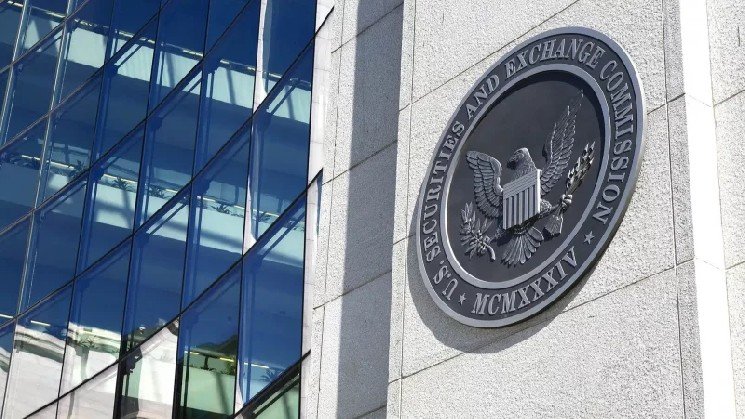
The SEC’s 2026 regulatory agenda lays out proposed amendments to broker-dealer rules that would reshape how crypto exchanges, alternative trading systems, and custodians operate under federal securities law.
What the agenda actually contains
The centerpiece of the SEC’s 2026 agenda is a set of proposed amendments filed under RIN 3235-AN48. These amendments target the financial responsibility, recordkeeping, and reporting rules that govern broker-dealers handling crypto assets.
The agenda also contemplates changes to rules governing crypto trading on alternative trading systems (ATS) and national securities exchanges. Custody standards are on the table too.
On March 17, 2026, the SEC issued an interpretive release that introduced a five-category token taxonomy that sorts digital assets into digital commodities, collectibles, tools, stablecoins, and securities.
Then on April 13, 2026, SEC staff declared a conditional no-action position for what it calls “Covered User Interface Providers.” These are entities that provide front-end interfaces for crypto trading but don’t necessarily execute trades themselves. Under the no-action letter, these providers can operate without full broker-dealer registration, provided they meet certain conditions.
The broader context
Under former Chair Gary Gensler, the SEC pursued an enforcement-heavy strategy. The agency filed dozens of actions against crypto firms, often without providing clear guidance on what compliance actually looked like. Firms faced lawsuits for operating as unregistered exchanges or selling unregistered securities, while the SEC simultaneously declined to create a workable registration framework for digital assets.
No specific companies, tokens, or protocols are named in the agenda. The rules are still in the proposal stage, meaning they’ll go through public comment periods before anything becomes final.
What this means for investors and market participants
The SEC’s five-category taxonomy could unlock significant activity. By distinguishing stablecoins and digital commodities from securities, the agency is creating lanes that different types of crypto projects can operate in without the constant threat of an enforcement action.
The no-action position for user interface providers suggests the SEC is willing to take an activity-based approach to regulation rather than treating every crypto-adjacent business as a broker-dealer.
Early stakeholder feedback on the proposals has been cautiously positive, with industry participants indicating these measures could meaningfully support compliance efforts. But the final rules haven’t been written yet, and the gap between proposed and final rules in securities regulation can be substantial.
Leave a Reply