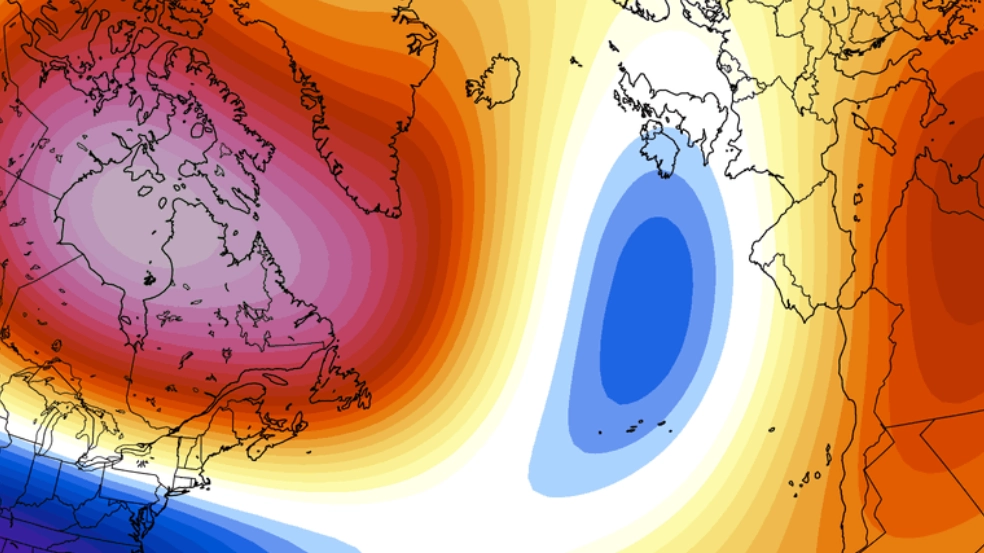
A fresh warning has been issued over the potential impact of the Polar Vortex with fears it could create another unexpected impact on Brits this winter.
There has been plenty of talk about the polar vortex, a large region of very strong winds that sit high above the Arctic during the winter, and its possible impact on our weather here in the UK.
It traps the air high in the atmosphere, keeping it near the North Pole, but when it weakens and breaks up there is a risk of it pushing colder air to the south, which could result in colder weather conditions.
However meteorologists and experts have explained how the winds splitting into two, which is pushing Arctic air towards Britain and parts of Europe.
After some of the hottest days on record this summer, and fears about the El Niño phenomenon and its impact on vital food production globally, sparking stockpiling warnings, exactly what’s in store for us this winter still can’t be confirmed just yet, although it is predicted so far to be colder and drier.
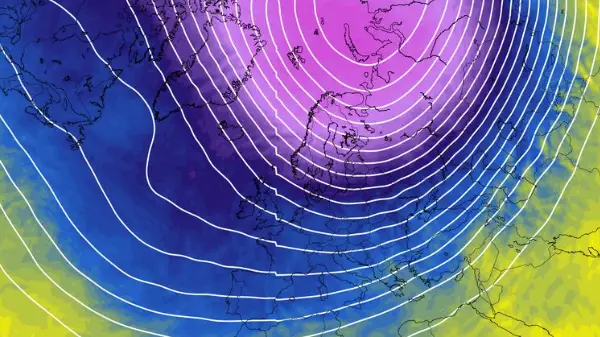
Polar Vortex map (MetCheck)
This is an event called a ‘sudden stratospheric warming (SSW)’ which is also developing, created due to the difference in freezing Arctic and warmer areas further south.
This could could cause a huge impact on the weather this winter, as weather patterns lower down in the atmosphere push upwards and interfere with polar vortex winds.
Meteorologists mark earliest-ever stratospheric warning event
Specialists have already explained how SSW is occurring the earliest on record. Scientists remarked they had ‘never seen anything like this’, with the Polar Vortex collapsing early and marking the earliest sudden stratospheric warming event ever recorded in modern observational history.
LADbible reported last week how one unexpected impact of this over the winter months would be continued drought, which remains at ‘severe’ levels in some part of the UK.
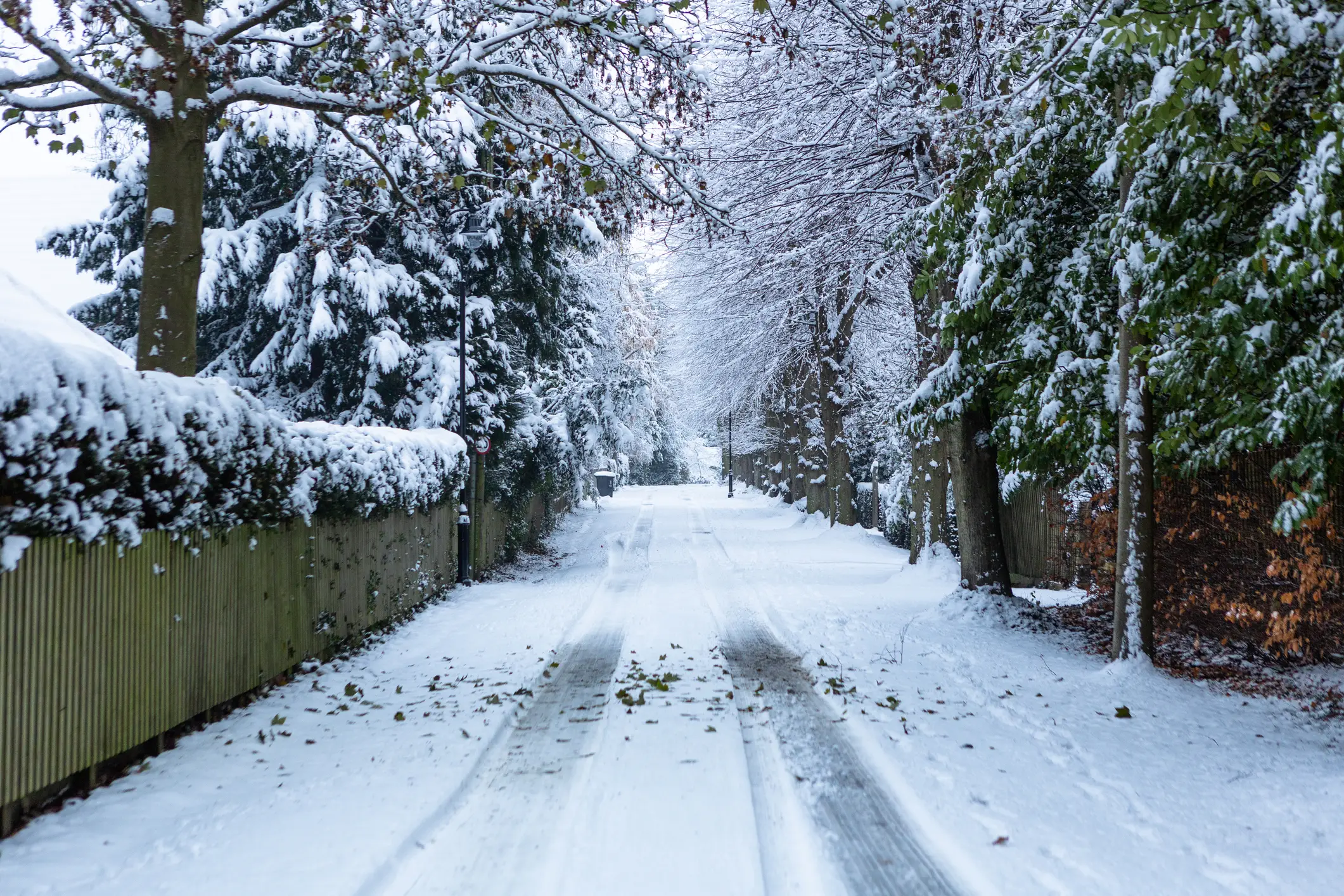
The weather phenomenon could bring colder weather to the UK (Getty Stock)
Professor Andrew Charlton-Perez, a meteorologist, explained this would impact water levels continuing into next year, adding: “Perhaps a bigger concern would be a long dry spell. Our water resources in some parts of the UK are very low after an exceptionally dry and warm summer.
“Some parts of the UK are still in drought or even severe drought, and we need more than 120 percent of our usual rainfall every month over the winter to come out of it.
“If this event or other SSW events during winter bring prolonged periods of dry weather, it could stop our reservoirs from refilling over the winter. That could have extremely significant impacts on water supplies for homes, businesses and farmers next summer.”

Professor Andrew Charlton-Perez (University of Reading)
Brits could face another unexpected impact this winter
However there is another warning that has been issued over the possible impact of the Polar Vortex and it’s high winds being broken up by the SSW event – and that’s the demand on energy.
A new 2026 study has found that sudden stratospheric warming events increase the likelihood of extreme electricity demand across northern and central Europe by 1.5 to three times.
This is another blow to Brits already facing hiking energy costs. In January, it was predicted the energy price cap could increase by up to 27 percent, which could increase typical bills by as much as £450 each year.

Energy bills in the future could remain high (Getty Stock)
When temperatures plunge, heating demand rises, however researchers have warned that the transition from gas heating to electric heat pumps could make future cold spells more challenging for energy systems down the line.
Dr Hannah Bloomfield, NUAcT Fellow in Climate resilience at Newcastle University’s School of Engineering, discussed the study along with the University of Exeter.
It found a breakdown of normal polar winds in winter raises the chance of extreme cold and a resulting spike in energy demand in Europe.
Dr Bloomfield explained: “The UK is relatively well adapted to cold weather at present due to our reliance on gas central heating.
“However, as we transition to net-zero, a lot of the traditional gas heating must be electrified, i.e replaced with heat pumps.
“Then periods of cold weather with low wind will become increasingly challenging to keep the lights on at a low cost to consumers.”
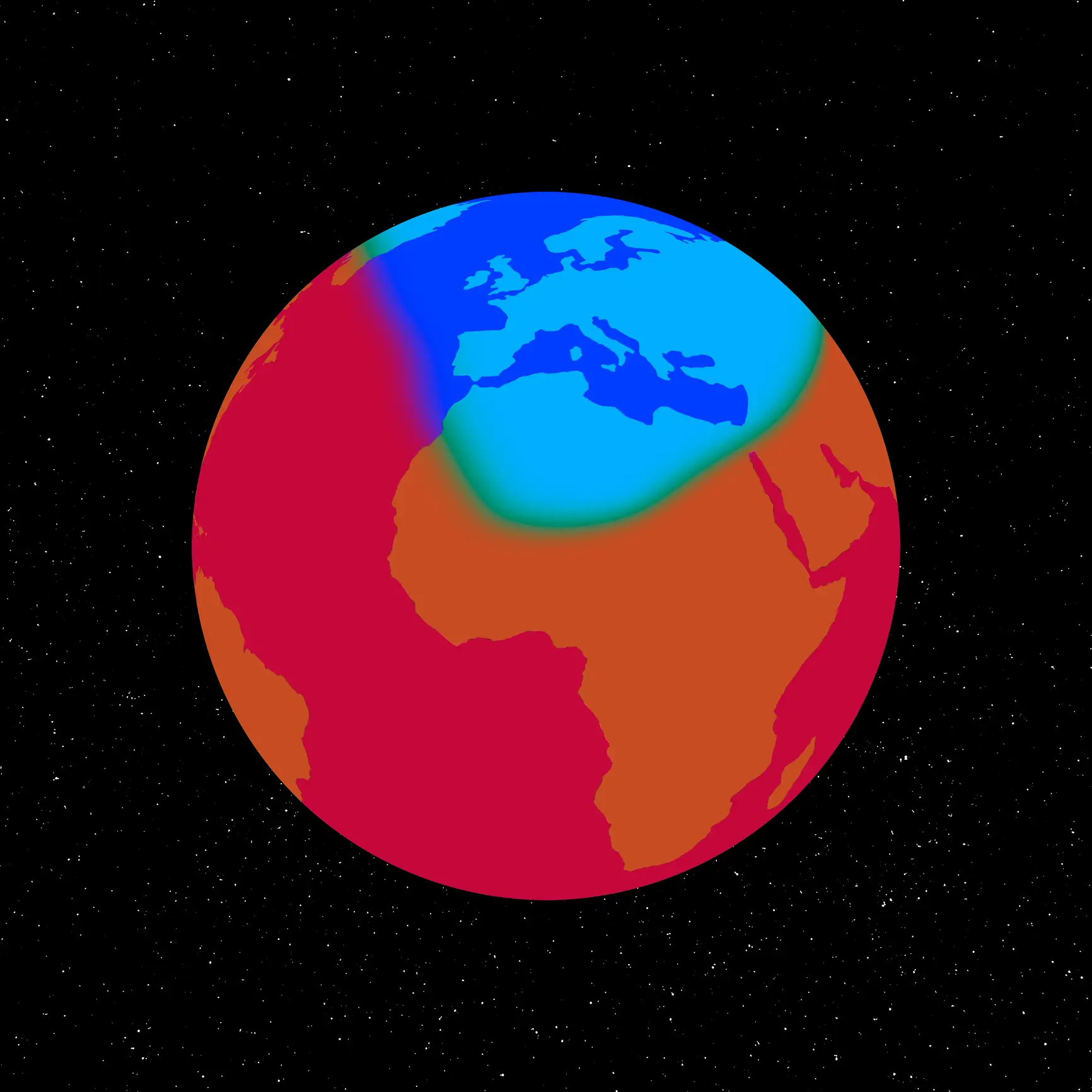
The illustration of the Polar Vortex (Getty)
Meanwhile, Dr Regan Mudhar, based at the University of Lausanne, added: “These events don’t always affect surface temperatures, but this one was followed by severe cold weather in the UK and much of northern Europe.
“We analysed the relationship between SSWs and extreme electricity demand, driven by demand for heating, and found a clear link.
“Extreme cold weather creates multiple risks – including high energy demand – and our findings can be used to help prepare for future events.”
Leave a Reply