A chilling update has been issued after a medical transport aircraft with six on board suddenly went missing over the weekend, sparking a major search.
The plane had departed from Bermuda’s L.F. Wade International Airport at 11.40pm local time on Friday (2 October), according to flight data from FlightAware.
The Latitude Air Ambulance aircraft had been due to land at Boston’s Logan International airport at 1.30am, but never made it. Four Canadian nationals and two Bermudian nationals were onboard.
Two pilots and two medical staff had flown to Bermuda to collect a patient and their relative.
The aircraft, a Gulfstream G100 instead vanished off the US coast. The Federal Aviation Administration (FAA) notified the Coast Guard that it had lost contact with the aircraft.
The flight path showed where the aircraft was last recorded location before it vanished.
The flight path showing where the aircraft vanished (FlightRadar24)
It indicated the jet was flying at around 24,000ft before descending 13,000ft in about two minutes shortly before the flight controllers then lost contact.
The pilot had reportedly declared an emergency and reported electrical problems as the aircraft approached the coast.
The audio, since shared by LiveATC.net, had indicated that the pilot may have been ‘coming in blind’ when a storm loomed ahead shortly before it vanished.
A major search was launched in an area off the coast of Nantucket, before the Coastguard said a ‘debris field’ was found, which is an area where scattered pieces, fragments, or wreckage from a destroyed object or structure are found.
The search for the missing plane (US Coastguard)
Chilling update on ‘heartbreaking reality’
The six people on board the medical aircraft are now presumed dead, according to a new statement from the flight’s operator.
On Sunday evening (4 October), the United States Coast Guard announced it was ending its search for survivors off the coast of the Massachusetts island.
“The Coast Guard has suspended the search for the people aboard the medical transport aircraft that went missing around 2 a.m. Saturday, as of sunset, after continuous searching by the Coast Guard and partner agencies,” a statement posted on X read.
“We express our deepest condolences to the families and loved ones.”
Latitude Air Ambulance meanwhile issued a statement on the ‘heartbreaking reality’ of the situation, explaining: “We must now face the heartbreaking reality that the four members of our Latitude team, our patient and the patient’s family escort, who were aboard Heartbeat 104, are presumed to have died.
“Our thoughts are first and foremost with their families, loved ones, friends, and colleagues.”
The US Coastguard found a ‘debris field’ (US Coastguard)
Peter Byl, President of Latitude Air Ambulance added: “This is an unimaginable loss for our Latitude family and for everyone who loved the six people aboard Heartbeat 104.
“Our focus now is on supporting their families, supporting our people and assisting the authorities.
“We will honour our colleagues by remembering the care, professionalism, and commitment they brought to their work every day.”
Latitude said in its statement that it would continue to cooperate with authorities amid ongoing recovery efforts and investigations into what happened.
“Determining the circumstances and cause of an aviation accident is a careful and methodical process, and we will not speculate about what occurred,” the company said.
The songs of pop group phenomenon La Oreja de Van Gogh, which has just become the only Spanish band with a song in Spotify’s Billions Club, are heading for the big screen, set to be sung and power the emotional currents of an ambitious romantic musical, “Puedes Contar Conmigo.”
Director of blockbuster “Palm Trees in the Snow,” Fernando González Molina is on board to helm the movie. Preeminent Spanish producers Beltrán Cortázar, Domingo Corral and Gonzalo Sálazar-Simpson are set to produce. La Oreja de Van Gogh will also serve as executive producer on the film, which bids fair to become one of the biggest upcoming titles from Spain.
“Seeing that our songs will gain a new life in cinema is a dream for us,” La Oreja de Van Gogh said in a statement. The movie project roles off its extensive 2026 comeback tour with Amaia Montero back as lead vocalist which staged over 100 concerts and sold more than 400,000 tickets to packed concerts across Spain, which confirmed the huge resilient across-generations fandom of the group. The group has over 50 Platinum and Gold Discs.
“We’re at a beautiful moment at our career, feeling the affection of many, many people and we believe ‘Puedes Contar Conmigo’ will be a marvellous celebration of what unites us with our audience,” the band added.
González Molina has had his biggest audience success with romantic dramas particularly 2010’s “Three Steps Above Heaven” (€9.9 million: $11.2 million), 2012’s I Want You” (€12.1 million: €13.6 million) and 2016’s “Palm Trees in the Snow,” a lush period piece which stood out for its scale, production values and spectacular visuals which grossed €17.1 million ($19.8 million) at the Spanish box office.
Little is known about the musical’s plot, currently being written by González Molina and screenwriter Miguel López Martínez, save that it is an original story, will use La Oreja’s lyrics and is in an advanced stage of development and writing.
The possibilities, however, are enormous given the longevity of La Oreja de Van Gogh – founded in 1996 – and its enormous repertoire. Also key is La Oreja d Van Gogh’s accessible style of broader audience pop-rock and surging choruses and above all the songs’ highly relatable emotions, whether nostalgia after break-up (“Los Rosas,” “La Playa”), fleeting fated love, (“Jueves”) and happiness at having lived a great romance (“El último vals”), to name just a few of the group’s greatest hits.
The Ambition of ‘Puedes Contar Conmigo’
Whatever the storyline line, the movie definitely looks set to be highly ambitious.
“We’ve always told stories through our music and knowing that these stories will inspire such a big visual and narrative universe fills us with illusion,” the band said.
“Translating the universe of the Oreja into an original story is a giant challenge for me,” González Molina added. “It’s also fulfilling a dream of updating big romantic musicals, which I have always loved, with the codes of contemporary cinema. With this film I’d love to make a cinema event that moves audiences like the songs of La Oreja de Van Gogh have done for decades.”
“Being part of such a genuine mix of talent such as La Oreja de Van Gogh and Fernando is authentic luck for us,” said the producers. “We feel we have the bases of what could be a great film: Our challenge is to support them to make this dream as large as possible,” they added.
A Pedigree Producer Package
That ambition knits with the C.V. of its producers. Cortázar, for instance, is the former CEO of Javier Ambrossi and Javier Calvo’s Suma Content where his credits include Los Javis’ seven-part 2023 series “La Mesías,” a first instance of their full-on creativity, each episode with different genre influences, knit by a pop sensibility and varying formats across multiple timelines, all of which anticipated “La Bola Negra.”
Founder of Lazona, Sálazar-Simpson is behind Goya Best Picture winner “No Rest for the Wicked,” and has produced two of the three highest-grossing Spanish films in Spain: 2014 comedy “Spanish Affair” (€56.2 million: $63.5 million) and Spanish Affair 2 (€36.1 million: $40.8 million).
“Puedes contar conmigo” also stands out as the first movie announced by Domingo Corral, the former Head of Fiction and Entertainment at Movistar Plus, behind “La Mesías,” “Querer” and “Riot Police” in series and “Sirât,” “La Bola Negra,” “The Beloved” and “Sundays” in films.
“As producers, we want to make a film that is different and unique and at the level of ambition which merit La Oreja de Van Gogh and their songs. Many are part of our emotional history across several generations and they have an enormous fan base in Latin America and the U.S. Hispanic,” said Corral, noting that one key reference is “La La Land.”
“We are fortunate to have Fernando in,” he added. “We are convinced that his vision and passion will deliver a great film full of unforgettable emotional moments.”
ITV Studios has unveiled 10 new titles on its Mipcom formats slate, led by “The Chase Around the World,” and also revealed the unscripted lineup, which includes “70 Up,” the final chapter of the groundbreaking documentary series “7 Up.”
“The Chase Around the World,” a multi-country treasure hunt, is a spin-off of ITV’s game show “The Chase.” The series, comprising six hour-long episodes, is produced by Bright Entertainment for British broadcaster ITV.
The show sees six pairs of contestants attempt to track down some of the biggest brains in Britain – six individuals known as The Chasers – in undisclosed locations across Europe. Unravelling puzzles along the way, the winning pair will pit their knowledge against The Chasers in order to win a life-changing prize pot.
Also new to the slate is endurance experiment “Expedition Into the Wild.” The show had a very successful launch on Kanal 5 in Sweden, where it became the number 1 commercial title in its timeslot, outperforming the slot average by 60%, and has been commissioned for a second season. The show, which comprises 12 hour-long episodes, is produced by ITV Studios Sweden.
In the show, eight celebrity city dwellers with almost no survival skills are dropped into a remote natural environment for 18 days. Working in pairs, the contestants have only basic tools and limited food. They must build shelter, source supplies and tackle survival challenges.
“Celebrity Escape,” produced by Perpetual Entertainment for Three in New Zealand, sees seven comedians take on one of the most popular and fastest-growing activities in the world: the escape room.
Each hour-long episode of the show sees the comedians working as a team to navigate the puzzles, clues and scares of a new themed room, before voting out their competition.
All the while, another comedian, known as the Games Master, watches from the control room, chiming in to help or hinder as they see fit.
Over the six episodes, alliances shift, egos clash, and pressure builds as the group shrinks. In the finale, the last two contestants face a head-to-head escape where only one can win.
New food-entertainment series “Next on the Menu,” produced by South Shore for the U.K.’s Channel 4, sees four food superfans battle to create the next menu hit for a global brand, from Wagamama and KFC to Taco Bell and Krispy Kreme.
Each contestant must pitch, prototype and perfect their dream dish with their creations then stress-tested for taste, kitchen feasibility, and trialled with real customers, to win a place on the menu. The show is in four parts, with each episode an hour long.
Also new to the slate is “Apocalypse,” a new social experiment show from The Garden and ITV Studios Australia. It was the biggest unscripted original launch since 2024 for Binge, the Australian streaming service, and one of Channel 4’s biggest young-skewing entertainment launches of this year.
The series, which has eight hour-long episodes, sees 16 ordinary people enter an abandoned town that bears all the hallmarks of being ravaged by an apocalyptic event. With no running water, heating or electricity, they must survive for 28 days, scavenging for food and supplies and by reusing and repurposing anything they find.
“Secret Garden,” narrated by David Attenborough in the U.K., also joins the slate. The show, comprising five 60-minute episodes, is produced by Plimsoll Studios. It was the BBC’s biggest new factual series since 2025.
The series uncovers the wildlife stories hidden in the places we know best. Each episode follows one garden over an extended period, capturing animal behavior rarely witnessed by human eyes – from raising families and defending territories to hunting, courting and surviving the changing seasons.
Also on the slate is the reality format “How to Clean Up for Cash,” where loved ones secretly seek help for a family member or friend whose clutter has taken over their home.
While the unsuspecting homeowner is away for 48 hours, an expert team clears, sorts and values years of accumulated belongings, transforming the space that has become overwhelmed by clutter.
The six-parter, with each episode running for 30 minutes, is produced by MultiStory Media for ITV.
“Name That Tune,” which is based on the U.S. game show that debuted on NBC in 1953, is returning to the U.K. in 2027 after 29 years off air.
The show is a global staple of entertainment, with over 25 countries, including Australia, France, Germany and Italy, having produced localized versions across the last seven decades. Accompanied by the Name That Tune Live Band and led by a celebrity host, contestants race against the clock (and each other) to identify legendary tracks across various genres and eras.
The series, comprising nine 60-minute episodes, is produced by Bright Entertainment for ITV.
Also new to the slate is “The Ultimate Summer Star,” produced by Magga og Anders and ITV Studios Denmark for TV2 Echo. It is a sun-soaked spin-off of the smash-hit Norwegian format “The Ultimate Christmas Star,” which continues to deliver strong ratings with a 13% increase in total viewers from Season 2 to 3 in Norway, with a fourth season returning this December, a third season returning in Denmark, and a newly announced first season in Sweden.
Chaos unfolds as 24 celebrities head to a lakeside cabin to compete in a lineup of bonkers challenges. From laugh-out-loud antics to outdoor adventures, the tasks are silly, light-hearted and packed with warm-weather fun, as they compete to be crowned The Ultimate Summer Star.
The show has 24 30-minute episodes.
And finally, there is “The Joy of Pets,” which is produced by Bandicoot for ITV. The show, which has five 60-minute episodes, is a warm-hearted factual entertainment format celebrating the bond between people and their animals.
This format travels across the country uncovering uplifting, emotional and often surprising stories of pets, their owners and the veterinary professionals dedicated to their care.
Each episode combines behind-the-scenes access to a local veterinary practice, a community roadshow featuring expert advice and audience interaction, and inspiring local stories that showcase the life-changing impact animals have on the people around them.
“70 Up”
Courtesy of ITV/Nick Wall
ITV Studios has also unveiled its full unscripted slate for Mipcom, led by “70 Up,” the final chapter of the groundbreaking series “7 Up,” the longest-running documentary series ever made.
“70 Up,” which comprises two 90-minute episodes, is produced by MultiStory Media for ITV.
The “7 Up” series, which follows the lives of 14 ordinary people, has been broadcast in 157 countries, including the U.S., Canada, Japan, China, Australia and France.
“70 Up” marks the culmination of this journey across seven decades. Building on the forensic questioning of the late director Michael Apted, Academy Award-winning filmmaker Asif Kapadia steps in to close the circle on a series that captures a lifetime from childhood through careers, marriage, parenting and beyond.
From Plimsoll Studios for ITV, comes the landmark natural history series “World’s Wildest Cities.” Across six hour-long episodes, the show follows a variety of urban animals to uncover the challenges of living alongside the human race. Each episode has a new cast of animals and focuses on one city: Rio de Janeiro, New York, Melbourne, Singapore and London, with the final episode revealing how the series was made, and the science behind the stories.
Another title looking at the changing world around us, “Ages of Ice,” which has three hour-long episodes, is produced by Northern Pictures for PBS and ABC Australia, and is narrated by actor David Tennant. It follows the brave scientists pushing the boundaries of exploration and human endeavor in Earth’s coldest corners to understand the changes of ice and what this means for our planet’s future. In the unforgiving grip of our planet’s polar regions, the series will follow these modern-day explorers as they try to understand how the fate of every place and every creature on our planet is tied to these frozen extremes.
New to the slate from Wonderhood Studios is a documentary series “Jesus Christ: The Man, The Mystery,” which has four hour-long episodes. Produced for the BBC, it draws on the latest historical research, archaeological discoveries, technological innovation and expert testimony to expand and sharpen our understanding of Jesus.
The story draws on the testimony recorded in the Gospel accounts, and elsewhere, to understand the world he inhabited and the foundations of the movement he inspired.
And finally, from Curious Films, there is “Spy Next Door: The Anna Chapman Story,” which is produced for Channel 4. It has all the ingredients of an espionage thriller, but is a true story, with access to people caught up in the Russian spy network as well as FBI operatives and former Russian insiders.
In 2010, 11 deep-cover Russian spies were arrested across the United States, sending shockwaves around the globe. At the center of it all was Anna Chapman (née Kushchenko) — the femme fatale turned media sensation. But before she became the face of the spy ring, she was recruited, trained and indoctrinated in the U.K. The series reveals how the actions of a few would trigger seismic, long-lasting and deadly consequences.
It comprises two hour-long episodes.
Variety spoke to Julie Meldal-Johnsen, executive VP global content and content strategy at ITV Studios, about the slate.
Referring to “70 Up,” she said, “I can’t think of another documentary project that is more ambitious, more far-reaching. There were so few filmmakers that could have done it justice [following the death of Michael Apted], but it’s incredible to be able to wrap up that endeavor, that vision, and bring back some people who haven’t been in it for a long time. Obviously, sadly, there have been a couple of deaths on the way. It is a feat of filmmaking that will be unparalleled. So that brings tears to my eyes every time, and we’re really, really, really proud of that.”
Turning her attention to “Jesus Christ: The Man, The Mystery,” she said, “It is very rare for us to have something in that space, but we were very keen. It’s a history documentary with archaeological discoveries thanks to new techniques, and some great expert testimony. We think this really will be a seminal documentary. And whether you’re Christian or not, I think it will be fascinating.”
She added, “ ‘World’s Wildest Cities’ features a different city every episode, and there are some really exotic animals, and this amazing drama that takes place in urban places. It’s quite a different approach to blue chip natural history.”
“Ages of Ice” has been three years in the making, she said. “We were excited to have it voiced by David Tennant, and the visuals on that are just stunning. It follows these polar-nauts to some of the most incredible and dangerous places on the planet, doing research to help us figure out how to manage water and changing climate.”
Talking about “The Chase Around the World,” a spin-off of ITV’s game show “The Chase,” she said, “What I love about ‘The Chase’ is taking the quizzes and the studio show and getting it out into the world. We say The Chasers are both beloved and feared, and to see them out of their environment – of a safe, comfortable studio – and out into the world is great. Some of the locations are just gorgeous. The photography in the series is really great too, and it’s fun, and it’s getting that scale – these wonderful locations – and I think it’s just a clever way of wrapping up a treasure hunt and bit of travel porn in a way.”
She also discussed “Spy Next Door: The Anna Chapman Story.” “I think there’s always a demand for stories about spies,” she said. “People are endlessly fascinated by spies, true or fictional, and it’s a remarkable story. And she was this glamorous woman, which just adds to the intrigue.”
So far, it’s been the tale of two NFL seasons for the Patriots and the Bills. Heading into Week 4, Buffalo remains undefeated and hopes to continue that streak. New England, meanwhile, has just one win and little room for optimism right now. Still, each new game brings the chance for disappointment or redemption. Who will come out on top?
The Patriots-Bills rivalry has tipped in the Patriots’ favor, but things have turned around for Buffalo in recent years. You won’t want to miss what happens next. This Sunday’s football matchup has multiple premium streaming options, but there are also two ways to watch for free if you’re not looking to sign up for any more streaming services.
What Time Is the New England Patriots vs. Buffalo Bills Game?
The New England Patriots and Buffalo Bills will go head-to-head on Sunday, October 4th at 1:00 p.m. ET at Highmark Field in Orchard Park, New York.
How to Watch the New England Patriots vs. Buffalo Bills Game
This game will be broadcast on CBS, which means you’ll need a live TV streaming service if you don’t have cable. DirecTV, Fubo, Hulu, Paramount+, and YouTube TV all carry the network. NFL+ also lets you watch local and primetime games from a phone or tablet.
How to Watch the New England Patriots vs. Buffalo Bills for Free
Don’t want to subscribe to another streaming service to watch the game? You could sign up for a free trial from DirecTV, Hulu, Fubo, or YouTube TV. Hulu offers three days, DirecTV and Fubo give you five days, and YouTube TV has a 7-day trial.
While Paramount+ no longer offers a free trial, there is a workaround. Walmart+, which has a 30-day trial for $1, allows you to choose the streaming service as part of the subscription package. It’s not free, but it’s certainly better than paying full price.
Additionally, 7Plus will stream the game for free in Australia, but you may be able to access it using a virtual private network (VPN). A VPN lets you virtually travel the world by connecting to servers in other countries and spoofing your geographic location. By connecting to a local server, this method should let you view the feed intended for Australian viewers. We recommend using Express VPN, our top VPN pick for location spoofing. With servers across the globe, ExpressVPN lets you spoof your location and unlock the New England Patriots vs. Buffalo Bills game for free viewing.
Follow these steps to stream the Patriots vs. Bills game with a VPN:
Subscribe to a streaming-friendly VPN (like ExpressVPN).
Download the VPN app on your preferred device.
Connect to a server in Australia.
Visit 7plus (or another live streaming option) and start watching.
Note: If you’re asked to add a postal code during sign-up, enter a postal code for the region where you want to connect your server to avoid disruption.
The best VPN services that let you connect to a server in another region usually aren’t free. However, many VPNs also offer a free trial for first-time users. If you can take advantage of that, you’ll be able to watch a number of NFL games online without paying a dime.
Unlock Your Streaming Service’s Full Catalog
About Our Expert
Jason Cohen
Senior Editor, Help & How To
Experience
As PCMag’s editor of how to content, I have to cover a wide variety of topics and also make our stories accessible to everyday users. Considering my history as a technical writer, copywriter, and all-around freelancer covering baseball, comics, and more at various outlets, I am used to making myself into an expert.
I believe tech corporations are bad, but you might as well know how to use technology in everyday life. Want more how to content delivered right to your inbox? Sign up for the tips and tricks newsletter that I curate three times a week.
My job as how-to guru means I use just about every gadget under the sun, so I can figure out how everything works. I work from a Lenovo ThinkPad running Windows 11, but also have a very large Dell Inspiron 17 3000 and Apple silicon MacBook. I have a Google Pixel 6a for personal use and use a Galaxy Z Flip 4 for additional Samsung-related testing. For iOS coverage, an iPhone 13 mini works like a charm, though it’s already becoming a little long in the tooth.
My desktop situation includes a dual monitor setup with a modest Acer monitor. I also use a Logitech vertical mouse (who can use these ThinkPad trackpads) and a Havit keyboard (my first mechanical keyboard; I love it but my wife hates it!). I’m a recent convert from wired headphones; I have Anker Soundcore Liberty Air wireless earbuds for personal use and have taken to the Sennheiser HD 450BT headphones for work.
Whenever I have a second to myself, I’m probably gaming on my Nintendo Switch 2, Steam Deck, or Xbox Series S. I also still have a bunch of classic consoles lying around as well.
Washington, DC – Democrats have the momentum; Republicans are surging in defence and cash.
That narrative has emerged ahead of the United States midterm elections in November, as races across the country enter their final stretch.
Recommended Stories
list of 3 itemsend of list
With control of the US House of Representatives and the US Senate at stake, Democrats begin October with a surprisingly rosy outlook as more congressional seats are seen as in play.
Republicans, meanwhile, appear to be in damage control, pouring millions of dollars into races once seen as secure victories while injecting more funding into a handful of marquee showdowns.
The party’s standard bearer, President Donald Trump, who has embraced the notion of the election being a referendum on his leadership, enters the final month with staggeringly low approval ratings.
The most recent Associated Press-NORC polling, released on Thursday, showed Trump with 31 percent approval, the lowest during either of his two terms. Only 26 percent of respondents approved Trump’s handling of the economy, dipping two points below his predecessor, former President Joe Biden’s lowest rating on the topic.
Surveys continue to show voters rank the economy as their top issue, with topics like gas prices, made higher by the US-Israel war with Iran, dominating their concerns. Immigration and corruption have also regularly ranked high.
“The broad stroke is that Americans are disappointed, bordering on angry that President Trump hasn’t delivered on the core promises he made when he won re-election,” according to Henry Olsen, a senior fellow at the conservative Ethics and Public Policy Center in Washington, DC.
House looking solid for Dems
Political trackers have long projected Democrats will take control of the US House of Representatives in the November 3 vote.
Winning a majority in the 435-member chamber from Republicans would give the party renewed legislative power to assert leverage over Trump, while launching investigations into his administration’s dealings. Top Democrats have already signalled that probes into Trump’s family business dealings would be top priorities.
Two election non-partisan prediction authorities, the Cook Political Report and the University of Virginia’s Sabato’s Crystal Ball, have recently assessed that the likelihood of Democrats taking the House has only increased.
The Cook Political Report recently shifted 15 House races in the direction of Democrats, moving some considered “toss-ups” to “leans Democrat” and some previously considered “lean Republican” to “toss-ups”.
One such shift was for a Texas border district represented by Republican Monica De La Cruz. Her district was emblematic of a wider Latino shift towards Trump in 2024. Once seen as holding the advantage over her challenger, Democrat Bobby Pulido, Cook now rates her race as a “toss-up”.
All told, the political analysis clearinghouse now predicts Democrats are on track to win 5 to 15 House seats.
Senate in play
With 30 days left to go, “there’s much more drama in the Senate than the House races”, according to Kyle Kondik, the managing editor at Sabato’s Crystal Ball.
Once considered a pipe dream for Democrats, who need a net gain of at least four seats to win a slim majority, the 100-member chamber has moved within a more comfortable striking distance.
Unlike in the House, where every seat is up for re-election, only 35 Senate seats are up for grabs in this cycle, creating a far narrower pathway to control.
“The trajectory of the polling since Labor Day (September 7) has generally been that a bad Republican environment is just getting worse,” Kondik said, adding that “the Senate just seems to get more and more competitive as the cycle has gone on”.
To be sure, the quality of polling can vary across the country, with Kondik cautioning that gauging the political temperature of the Midwest has been particularly challenging for pollsters.
Still, in North Carolina, former Democratic Governor Roy Cooper is expected to trounce former Republican National Committee chairman Michael Whatley in the race for a Senate seat currently held by Republicans. Top conservative donors have already begun to divert funds from the contest.
Surveys have consistently shown Democrats leading in three other races for seats currently held by Republicans: Democrat James Talarico against Republican Ken Paxton in Texas; Democratic challenger Sherrod Brown against Republican incumbent Senator John Husted in Ohio; and Democratic Mary Peltola against Republican Dan Sullivan in Alaska.
Races for Republican held seats in Iowa, between Republican Ashley Hinson and Democrat Josh Turek, and in Maine, between Republican incumbent Susan Collins and Democratic challenger Troy Jackson, remain separated by less than one point, according to Real Clear Politics polling averages.
Democrats, meanwhile, have consistently led in polling in Senate races in Georgia, New Hampshire and Michigan for seats the party currently holds.
Big money in the race
For Republicans, salvation could be in the spending, with this year’s race continuing a US phenomenon of small fortunes poured into politics.
All told, at least $4bn had been spent on gubernatorial and congressional midterm advertising buys as of September 17, putting the race on track to become “perhaps the most expensive midterm on record”, according to Michael Franz, co-director of the Wesleyan Media Project.
Republicans entered September with a considerable funding edge. The Republican National Committee had $125.6m on hand, with the Democratic National Committee trailing far behind with $16.9m and $17.6m in debt.
When accounting for the three major committees associated with both groups, the Republican Party had $233.4m in cash, according to a CNBC analysis, while the Democratic Party had $130.4m.
Trip Yang, a Democrat strategist based in New York City, told Al Jazeera such spending can be deployed to help boost a candidate’s name recognition or to tear down a competitor.
According to AdImpact, Republicans and their allies were set to spend $888m on advertising from mid-September to election day, with Democrats and their supporters set to spend $666m.
The firm found pro-Republican ad spending would be particularly pronounced in the key Senate races in Ohio, Texas and Michigan, outpacing Democratic spending by at least $24m in each state.
Trump’s unpopularity, Yang said, means “Republicans spending millions or hundreds of millions of dollars improving their candidates’ images by itself may not be enough”.
“If you’re a little bit handicapped because your president is so toxic, you try to spend your hundreds of millions of dollars attacking the Democrats to make it more of a food fight,” he said.
A New York Times analysis estimated by the end of August at least $1bn in so-called “dark money” had been poured into the midterms. The term refers to spending where the donor’s identity is shielded, typically through nonprofit and shell-company donations to Super PACs.
Industry groups, including those supporting Crypto, AI and online betting firms, are expected to be top spenders in key races, although their support tends to cut across partisan lines.
Trump, meanwhile, has pledged to spend between $400m and $500m from his MAGA Inc Super PAC, though it has so far spent about $15m to support Paxton’s Senate bid in Texas.
Pro-Paxton ad reservations far outpaced Talarico in September, according to AdImpact data analysed by NPR, with $94m spent compared with $30m to support the Democrat.
The Trump factor
Trump has pledged to spend the final days before the election in non-stop campaign mode, after urging supporters during his Republican Midterm Convention in Dallas, Texas, to “vote like I’m on the ballot”.
His plan to criss-cross the country for rallies underscores a “base turnout” strategy meant to energise voters already loyal to the party, according to conservative analyst Olsen.
“But the Republican problem is a persuasion problem with people in the middle,” Olsen said. “[Trump’s campaigning] might help with some turnout … but their real problem is persuasion, and it’s not something that’s going to help with that in the slightest.”
Polls have spelt trouble for Republicans when it comes to swaying independents, with a PBS News, NPR and Marist poll from September 23 showing unaffiliated voters breaking for Democrats at 57 percent compared with 32 moving towards Republicans.
US President Donald Trump participates in a midterm election rally for Oklahoma Republican gubernatorial candidate Mike Mazzei at the Choctaw Event Center in Durant, Oklahoma, US, October 1, 2026. [Nick Oxford/Reuters]
The scenario has created a dilemma for some top Republican candidates over whether to break from the president on his most controversial actions, according to Lee Miringoff, the director of the Marist University Institute for Public Opinion.
Senate candidates Ashley Hinson in Iowa, Jon Husted in Ohio and Mike Rogers in Michigan all recently put daylight between themselves and Trump on the war with Iran.
One Republican House candidate, Representative Maria Elvira Salazar, has criticised Trump’s aggressive immigration enforcement policies as she seeks to rally Latino voters in South Florida.
Trump, in turn, reposted a social media message calling Salazar a “backstabber”.
“You need to have, you know, something else going for you other than endorsement of Trump,” said Miringoff. “Some Republicans are starting to have self-preservation kick in because they’re concerned.”
What can change?
Achieving a wide-scale shift in public opinion remains a tall order for Republicans in the final stretch of the race.
Many of the defining issues are unlikely to change before November, with Trump signalling a possible escalation with Iran following the vote as he has downplayed the prospect of short-term affordability relief.
At the same time, the US president has also not ruled out actions that rights groups say could upend voter turnout. Most recently, he refused to commit to not invoking the Insurrection Act or declaring a state of emergency surrounding the vote during an interview with Time magazine.
Miringoff said he believed that the “potential for more than just a marginal shift is there”, as he assessed some Democratic candidates have struggled to present clear visions beyond opposition to Trump.
“The result isn’t formed in concrete,” he said, “to the degree that there’s going to be a lot of money still spent.”
Analyst Olsen saw less remaining wiggle room for the party.
“Republicans have the time and the resources to change the outcome with respect to a few close Senate races,” Olsen said. “But to change direction, they would need something that would be apocal.”
It’s still early in the NFL season, but already we’re seeing two different narratives coming into view. Heading into Week 4, the 49ers remain undefeated and sit atop the NFC West, even ahead of reigning Super Bowl champions the Seattle Seahawks. The Broncos, meanwhile, overcame a Week 1 loss to remain competitive, but have fallen behind the Chiefs and Raiders in the AFC West. Only one team can come out on top this week.
Can Denver recapture last year’s magic to win the division again? Will San Francisco be able to continue their hot start? You won’t want to miss what happens next. This Sunday’s football matchup has more than one premium streaming option, but you can also catch it for free if you’re not looking to sign up for any more streaming services.
What Time Is the Denver Broncos vs. San Francisco 49ers Game?
The Denver Broncos and San Francisco 49ers will go head-to-head on Sunday, October 4th at 4:25 p.m. ET at Levi’s Stadium in Santa Clara, California.
How to Watch the Denver Broncos vs. San Francisco 49ers Game
This game will be broadcast on CBS, which means you’ll need a live TV streaming service if you don’t have cable. DirecTV, Fubo, Hulu, Paramount+, and YouTube TV all carry the network. NFL+ also lets you watch local and primetime games from a phone or tablet.
How to Watch the Denver Broncos vs. San Francisco 49ers for Free
Don’t want to subscribe to another streaming service to watch the game? You could sign up for a free trial from DirecTV, Hulu, Fubo, or YouTube TV. Hulu gives you three days, DirecTV and Fubo offer five days, and YouTube TV has a 7-day trial.
While Paramount+ no longer offers a free trial, there is a workaround. Walmart+, which has a 30-day trial for $1, allows you to choose the streaming service as part of the subscription package. It’s not free, but it’s certainly better than paying full price.
Additionally, 7Plus will stream the game for free in Australia, but you may be able to access it using a virtual private network (VPN). A VPN lets you virtually travel the world by connecting to servers in other countries and spoofing your geographic location. By connecting to a local server, this method should let you view the feed intended for Australian viewers. We recommend using Express VPN, our top VPN pick for location spoofing. With servers across the globe, ExpressVPN lets you spoof your location and unlock the Denver Broncos vs. San Francisco 49ers game for free viewing.
Follow these steps to stream the Broncos vs. 49ers game with a VPN:
Subscribe to a streaming-friendly VPN (like ExpressVPN).
Download the VPN app on your preferred device.
Connect to a server in Australia.
Visit 7plus (or another live streaming option) and start watching.
Note: If you’re asked to add a postal code during sign-up, enter a postal code for the region where you want to connect your server to avoid disruption.
The best VPN services that let you connect to a server in another region usually aren’t free. However, many VPNs also offer a free trial for first-time users. If you can take advantage of that, you’ll be able to watch a number of NFL games online without paying a dime.
Unlock Your Streaming Service’s Full Catalog
About Our Expert
Jason Cohen
Senior Editor, Help & How To
Experience
As PCMag’s editor of how to content, I have to cover a wide variety of topics and also make our stories accessible to everyday users. Considering my history as a technical writer, copywriter, and all-around freelancer covering baseball, comics, and more at various outlets, I am used to making myself into an expert.
I believe tech corporations are bad, but you might as well know how to use technology in everyday life. Want more how to content delivered right to your inbox? Sign up for the tips and tricks newsletter that I curate three times a week.
My job as how-to guru means I use just about every gadget under the sun, so I can figure out how everything works. I work from a Lenovo ThinkPad running Windows 11, but also have a very large Dell Inspiron 17 3000 and Apple silicon MacBook. I have a Google Pixel 6a for personal use and use a Galaxy Z Flip 4 for additional Samsung-related testing. For iOS coverage, an iPhone 13 mini works like a charm, though it’s already becoming a little long in the tooth.
My desktop situation includes a dual monitor setup with a modest Acer monitor. I also use a Logitech vertical mouse (who can use these ThinkPad trackpads) and a Havit keyboard (my first mechanical keyboard; I love it but my wife hates it!). I’m a recent convert from wired headphones; I have Anker Soundcore Liberty Air wireless earbuds for personal use and have taken to the Sennheiser HD 450BT headphones for work.
Whenever I have a second to myself, I’m probably gaming on my Nintendo Switch 2, Steam Deck, or Xbox Series S. I also still have a bunch of classic consoles lying around as well.
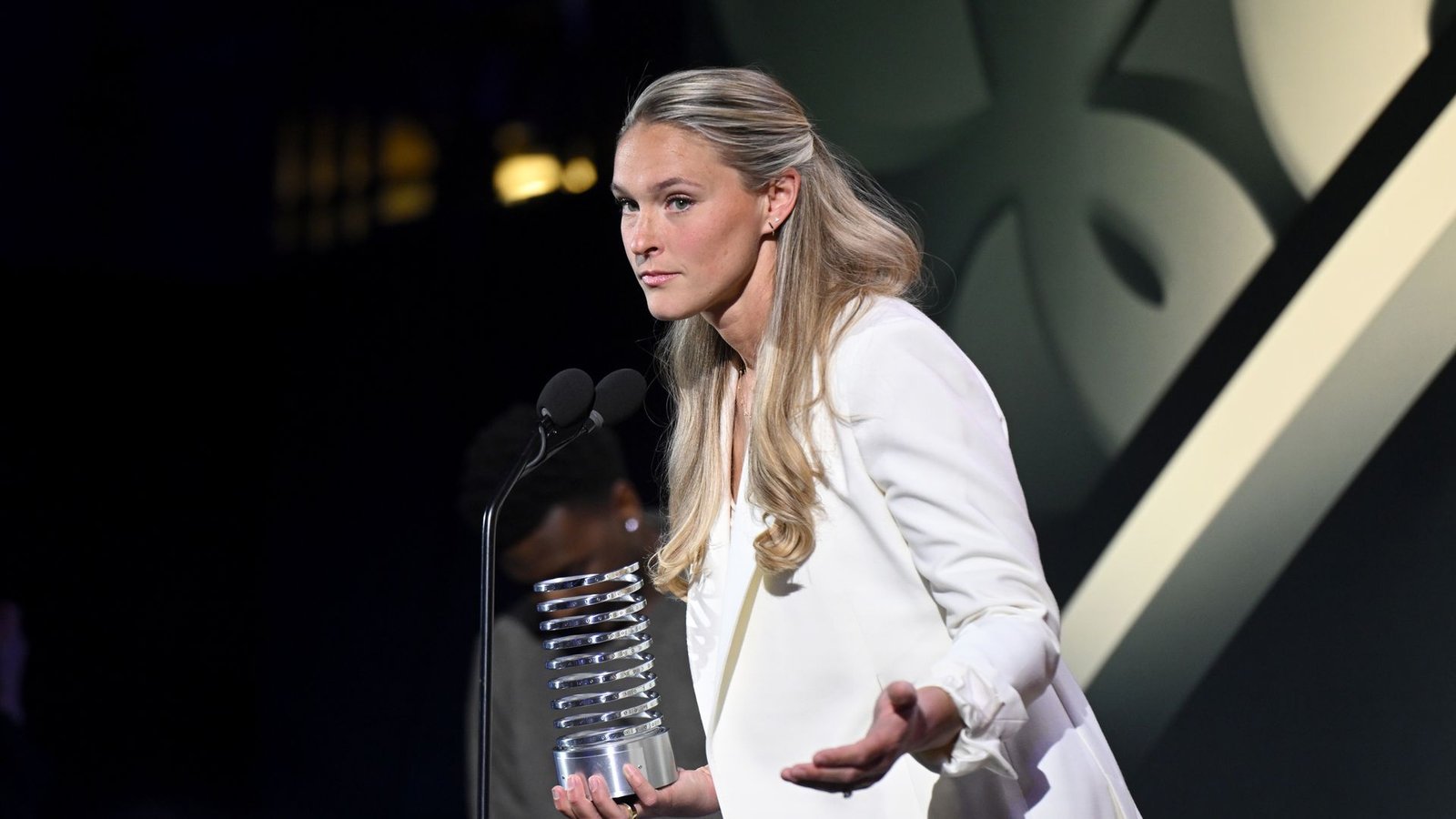
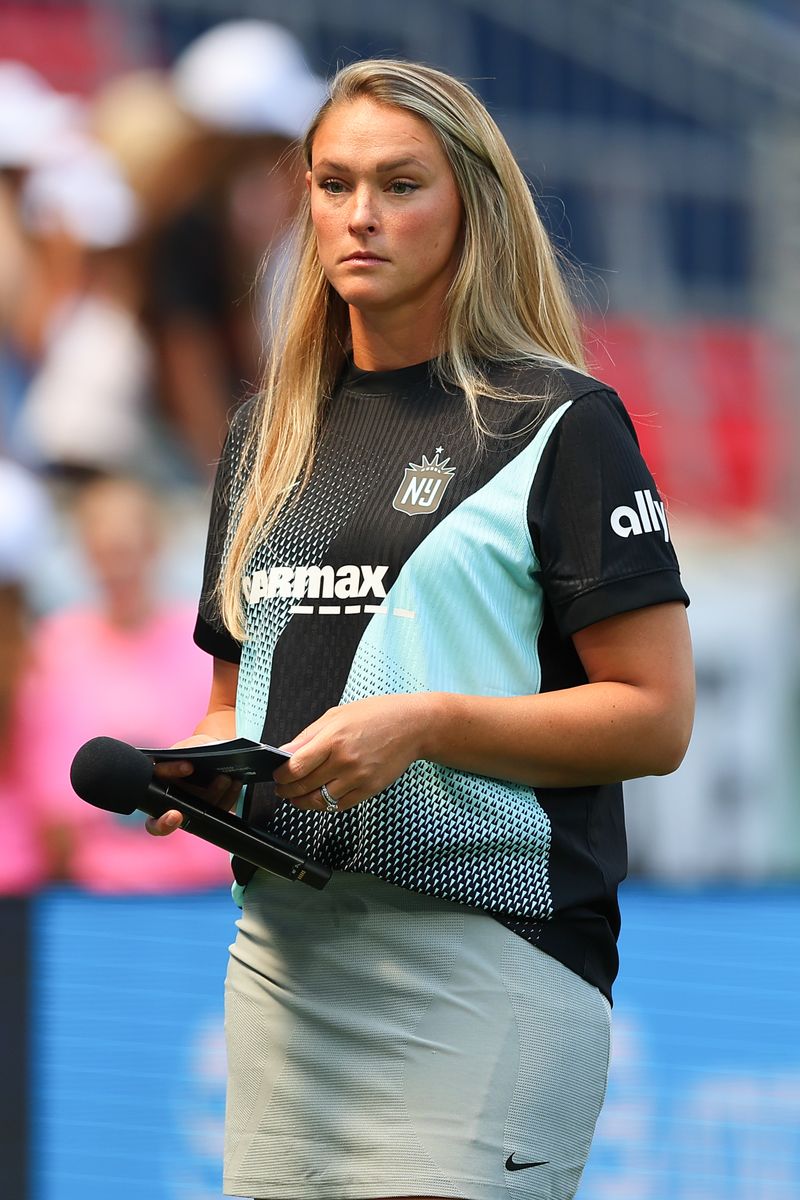
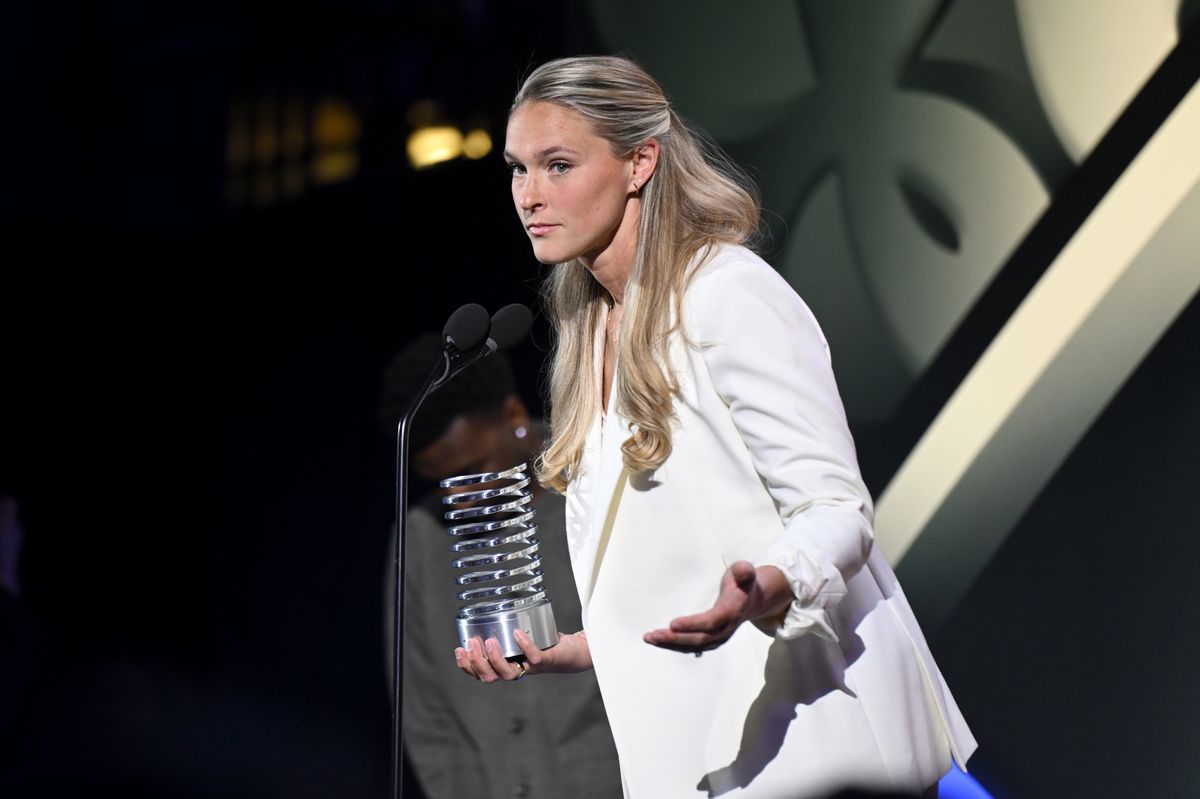
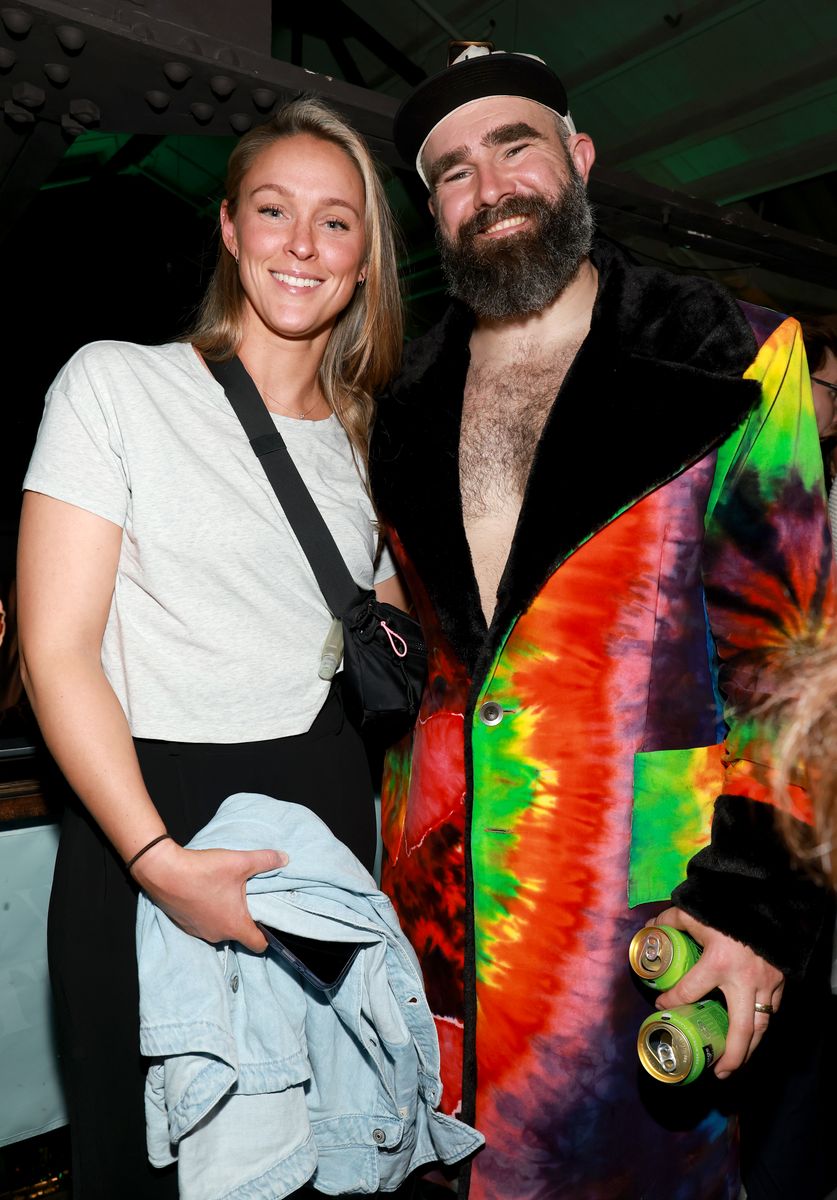
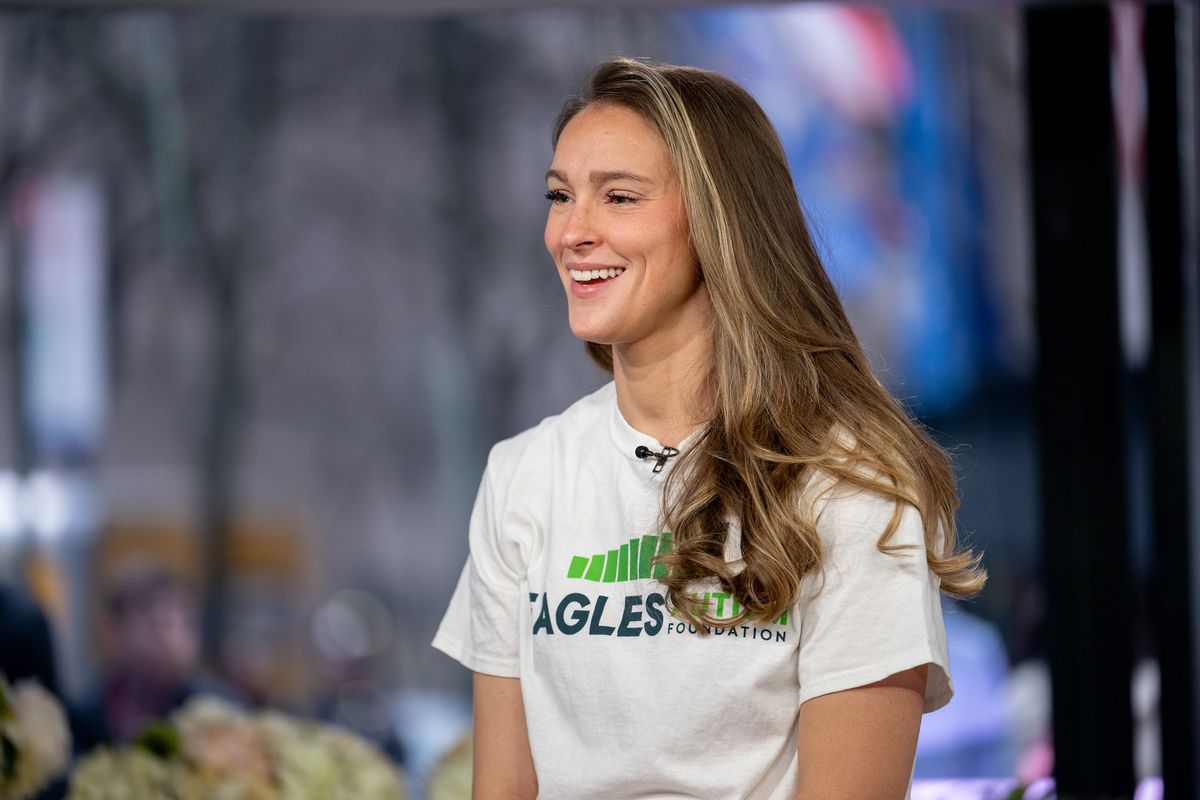
Kylie Kelce is getting a quick lesson in royal etiquette, and she is owning the mistake. The “Not Gonna Lie” podcast host apologized to Kate Middleton, formally known as Catherine, Princess of Wales, after learning that the way she addressed the royal during a recent episode was not considered the proper form of address.
Kelce, 34, revisited the subject on the Oct. 1 episode of her podcast, one week after publicly inviting the Princess of Wales to join her for a conversation about motherhood, sports, and their shared love of field hockey.
The “Not Gonna Lie” podcast host apologized to Kate Middleton, formally known as Catherine, Princess of Wales
Why Did Kylie Kelce Apologize to Kate Middleton?
During the Sept. 24 episode of “Not Gonna Lie,” Kelce discussed the Princess of Wales showing off her athletic skills during a royal engagement. That prompted Kelce, who played field hockey in college, to extend an invitation to the royal. “Princess Kate, Duchess of Cambridge,” Kelce began before suggesting they “chitchat about some field hockey and maybe kids.”
You may also like
Continue reading
There were two issues with the introduction. Catherine is no longer formally styled the Duchess of Cambridge as her primary title. Following Queen Elizabeth II’s death and King Charles III’s accession in September 2022, Prince William became the Prince of Wales and Catherine became the Princess of Wales. The Royal Family’s official website currently identifies her as “The Princess of Wales.”
Kelce also learned that referring to Catherine as “Princess Kate” could be considered too informal or incorrect in a formal royal context.
By her next episode, she was ready to make a correction.
Kylie Kelce Says She ‘Didn’t Know’ About the Royal Etiquette
Kelce addressed the criticism directly on her Oct. 1 podcast episode and explained that she had not realized her wording could cause offense. “I love learning,” Kelce said, explaining that she had been unaware of the issue. “I didn’t know that. Now I know that.”
Rather than dismissing the correction as a technicality, Kelce said she wanted to address Catherine in a way that was respectful. “I apologize for the mistake,” she said, adding that she wants to refer to people “in the most respectful way.”
Kylie Kelce Says She ‘Didn’t Know’ About the Royal Etiquette
Kelce then settled on the titles she plans to use from now on: “Princess Catherine” or “The Princess of Wales.”
“I will get that sorted immediately, starting now,” she said.
What Is Kate Middleton’s Correct Royal Title?
Catherine’s official title is The Princess of Wales. The Royal Family’s website identifies her as Catherine Elizabeth Middleton and notes that she married Prince William at Westminster Abbey in April 2011. The couple were previously known as the Duke and Duchess of Cambridge.
Catherine’s official title is The Princess of Wales. The Royal Family’s website identifies her as Catherine Elizabeth Middleton
That changed following Queen Elizabeth II’s death in September 2022.
In his first address to the nation as monarch, King Charles III announced that William would become Prince of Wales, saying that “with Catherine beside him,” the couple would become the new Prince and Princess of Wales.
“Kate Middleton,” of course, remains widely used in media coverage and online searches, even though it is not her current royal title. Her official royal biography uses Catherine and The Princess of Wales.
Kylie Kelce Still Wants Kate Middleton on Her Podcast
The title correction has not changed Kelce’s interest in having Catherine as a “Not Gonna Lie” guest. Her original invitation centered on subjects the two women could potentially have plenty to discuss, particularly parenting and sports.
Kelce and husband Jason Kelce are parents to four daughters, while the Prince and Princess of Wales have three children: Prince George, Princess Charlotte and Prince Louis.
Kelce also pointed to an existing connection between their husbands. Prince William previously appeared on Jason and Travis Kelce’s “New Heights” podcast, something Kylie referenced while making her invitation.
Still, she made it clear that she does not expect the Princess of Wales to accept simply because the invitation is out there. “I don’t think that anybody owes me anything,” Kelce said.
She nevertheless made her interest clear, saying, “I would love to speak to the Princess of Wales.”
Kylie Kelce Is Even Willing to Clean Up Her Language
There may be another adjustment required if Catherine ever does take a seat across from Kelce: the podcast host’s famously unfiltered vocabulary.
Kelce responded to a commenter who suggested she would need to tone down her cursing if the Princess of Wales became a guest. On that point, Kelce did not put up much of a fight. “First of all, you’re correct. Agreed,” she responded.
Kylie Kelce apologized to Kate Middleton after learning she used the wrong royal title while inviting the Princess of Wales onto her Not Gonna Lie podcast.
“Not Gonna Lie” is deliberately casual and candid, with Kelce discussing parenting, sports, celebrity culture and her life as part of one of football’s most famous families. The show releases new episodes weekly and has featured a growing roster of high-profile guests.
A visit from the Princess of Wales would clearly require a slightly different approach.
The state’s governor said Frank Strada would step down as an independent review examines what went wrong.
Published On 3 Oct 20263 Oct 2026
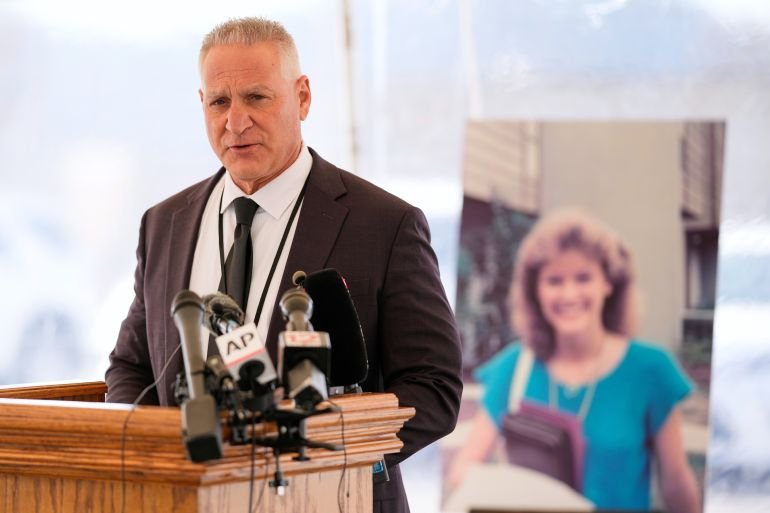
The official in charge of the prison system in the US state of Tennessee has resigned just days after overseeing the botched execution of Christa Pike.
The state’s governor, Bill Lee, announced on Saturday that Tennessee Department of Correction Commissioner Frank Strada would step down from his role later this month, a decision Lee described as necessary after the stunning failure.
Recommended Stories
list of 3 itemsend of list
“Commissioner Strada has served with integrity, and I appreciate his willingness to put the interests of Tennesseans first during this difficult moment”, Lee said in a statement. “I have accepted his decision to step down and am grateful for his commitment to ensuring a smooth leadership transition”.
A replacement for Strada was not announced.
Strada, who started his role in Tennessee three years ago, previously served as a top official in Arizona’s corrections department where multiple executions on his watch faced complications. He said he was resigning “in the best interest of Tennesseans” as an independent review examines what went wrong.
“I believe this review is entirely appropriate and necessary, and I look forward to doing everything I can to help determine exactly what occurred,” Strada said in a statement that defended his department’s handling of Pike’s execution.
Pike was transported from prison to hospital on Wednesday after surviving two injections of the drug pentobarbital, which Tennessee uses to execute prisoners.
Strada’s resignation was “justified”, Pike’s lawyers said in a statement. “But it does nothing to help Christa now.”
“What happened to her Wednesday reflects a systemic failure that goes far beyond any one person,” they wrote. “We hope the Governor’s call for a full, independent review will expose the profound problems within Tennessee’s entire death penalty system.”
In a court filing on Friday, Pike’s lawyers said she had been placed on a ventilator and intubated as medical staff worked to clear the drug from her system. They argued problems with the IV lines caused the pentobarbital to flow into her body instead of her bloodstream.
“Apparently at no point did any member of the execution team realise that the IV lines were not correctly placed or that the veins had blown and that the pentobarbital was, in whole or in part, entering Ms Pike’s body,” they wrote in the filing.
Pike was 18 years old when she was sentenced to death for the torture and murder of another young woman in 1995, becoming one of the youngest women to be sent to death row.
Lee has suspended all executions for the remainder of the year while the state investigates.
United States President Donald Trump has increased the pressure on US Senate Republicans to make Daylight Saving Time permanent, singling out one of the body’s members for stalling legislation to end the twice-a-year changing of clocks.
In a social media post on Saturday, Trump blasted US Senator Tom Cotton for “holding up” the Sunshine Protection Act, which Trump has personally opted to call the “No More Changing of Clocks Act”.
Recommended Stories
list of 3 itemsend of list
“For some reason, Tom is stopping the Bill and, in the Senate, it’s very easy to do, it only takes one!” Trump wrote on his Truth Social account about the Arkansas Republican. “It should pass overwhelmingly, in a Bipartisan fashion”.
“Nobody wants to spend their precious time running all over the place, turning Clocks back twice a year and, having sunshine in the afternoon is better than early in the morning!” he added.
Trump went even further, publishing what he claimed was Cotton’s phone number as he implored Arkansas residents to pressure him. The move echoed a moment during the 2016 Republican presidential primaries, when then-candidate Trump gave out US Senator Lindsey Graham’s number after the former rival criticised him.
US Senator Tom Cotton speaks to reporters at the US Capitol in Washington [File: J. Scott Applewhite/AP Photo]
Al Jazeera called the number listed in Trump’s post, but an automated message stated the voicemail box was full. Cotton’s spokesperson and the White House did not respond to requests for comment.
The president has routinely pushed Senate Republicans to pass legislation mandating year-round daylight saving, which would end Americans’ decades-long practice of changing their clocks twice a year to increase daylight hours. On Friday, Trump urged the US Senate to approve the bill, which passed the US House in July by a 308-117 vote.
Cotton has previously opposed the bill, arguing in a US Senate floor speech last year that farmers, construction workers, commuters and children heading to school would begin their days in the dark during the winter.
Trump disputed that argument in a separate post on Saturday, saying the bill “would be a very nice and easy WIN for the Republican Party”.
“If Tom Cotton were putting Arkansas first, he would give them an extra hour of daylight and, more importantly, they wouldn’t have to run all over their houses, farms, workplaces, and everywhere else, twice a year, having to change their Clocks, and often forgetting to do so”, Trump wrote.
Trump, an avid golfer, also highlighted what he considered to be another selling point of the bill: the North American Professional Golfers’ Association (PGA) tour.
“The PGA TOUR, as an example, needs more Daylight in the afternoon in order to finish their Tournaments”, he wrote in a post, which included a letter from PGA Tour CEO Brian Rolapp supporting the bill. “Likewise, regular Golfers, Tennis Players, Hunters and, perhaps more importantly, Farmers who want more Daylight to play or work.”
The US president, who spent part of Saturday at his golf club in Sterling, Virginia, indicated in a subsequent post that he had received personal feedback on the proposal: “I don’t know about anyone else, but a table full of very distinguished people just told me that they HATE, immediately after a mandatory time change, going home at night – and it’s DARK. It’s depressing!”
In 1974, the US Congress briefly adopted year-round daylight saving time in response to the country’s energy crisis. But Congress repealed the law less than a year later over safety concerns as children commuted to school before sunrise.
US senators left Washington this week and have no set plans to return until after the November 3 midterm elections.
Some members, such as Senator John Kennedy, weren’t optimistic that Senate Republican Leader John Thune would bring the bill up for a vote before polling day.
“It’s dead as disco,” the Louisiana Republican told Reuters this week of Trump’s push to make daylight saving time permanent. “My sense is it would have trouble passing … I don’t think the leader is going to bring it up.”
The Justice Department argued that Donald Trump can legally ban CNN, MS NOW and Politico from the White House because he determined that they didn’t meet the “minimum requirements of professionalism.”
Last month, a federal judge granted the three outlets a temporary restraining order that forced the White House to reinstate dozens of their reporters’ hard passes. The outlets are now asking the judge to extend that 14-day order for a longer term via a preliminary injunction, claiming that Trump’s ban is a violation of their First and Fifth amendment rights.
U.S. District Judge Timothy Kelly, a Trump appointee, has said that he is bound by the precedent set in In a 1977 D.C. Circuit opinion, Sherrill vs. Knight, in which the judges ruled that “the protection afforded newsgathering under the First Amendment guarantee of freedom of the press requires that this access not be denied arbitrarily or for less than compelling reasons.”
In a court filing on Friday, the DOJ claimed that the Sherrill case still would allow for the president to restrict the three outlets from accessing the White House grounds because the White House has a “compelling interest.”
The DOJ lawyers claimed that the Sherrill decision does not “prevent the President from concluding that bona fide journalists would identify sources instead of relying on anonymous sources, commit to factual accuracy, and provide the White House an opportunity to comment, rather than ‘perform their duties in a way that … interfere[s] with the White House’s daily operations.’ …At a bare minimum, it is a significant violation of decorum to publish classified and sensitive national security information.”
The news outlets’ legal team has rejected that assertion, writing in a filing earlier this week that Trump’s “statements also make clear he implemented the ban to coerce more favorable coverage from CNN, MS NOW, and Politico, and to deter other journalists and news organizations from newsgathering and reporting that the President might view as negative. And his administration has continued to retaliate against Plaintiffs even after the temporary restraining order, only underscoring that Defendants’ motive is to punish and chill journalism they dislike.”
Even as access to the White House grounds has been reinstated, the White House has continued to restrict CNN from coverage of TV pool assignments, including travel with Trump on Air Force One.
The outlets’ lawyers, led by Theodore Boutrous Jr., also noted that Trump and other White House officials “overlooked that the First Amendment protects reporting on matters affecting national security.”
Kelly has set a hearing for Thursday on the news outlets’ motion for a preliminary injunction.
In granting a TRO, Kelly concluded that the White House failed to provide due process to the news outlets.
The DOJ has pointed to letters sent to the outlets as evidence that they were given due process. But those letters were sent on Sept. 22, four days after Trump’s ban was started.
The judge also has noted that some of the objectionable stories cited by the DOJ do not have to do with national security. Kelly wrote in his order that “even the justifications provided to Plaintiffs after this case was filed are ambiguous about the true purpose of the revocations: while Defendants’ letters to Plaintiffs mention national security concerns, they purport to identify reporting that ‘threatened national security and/or spread falsehoods’ leaving open the possibility that all the stories fall into the later bucket, rather than the former.”