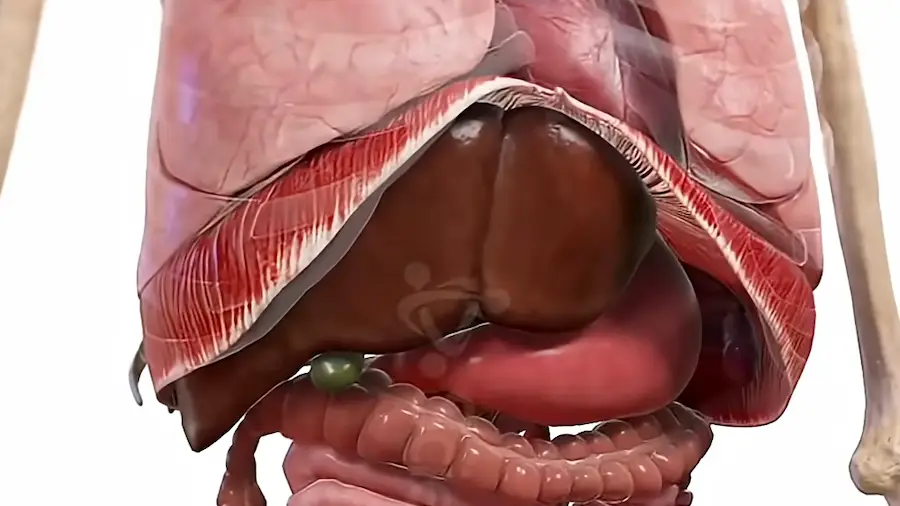
A video shared on social media claims to illustrate what may happen to your body when you don’t eat for 36 hours.
Intermittent fasting has seen a big explosion in popularity, with many people claiming that it has helped them in their lives, including none other than former UK prime minister Rishi Sunak.
Sunak reportedly had regular 36 hour fasts, including during his time in number 10 itself, and there are some experts who claim that there may be health benefits to the practice.
The video on the FoodVFact account shared a timeline, saying that after four hours your digestion stops and insulin levels drop.
After eight hours your blood sugar has dropped, and after 12 hours fat burning in the body may also start to happen, entering ketosis.
After 16 hours autophagy starts, and then after a full 24 hours it describes ‘major repair mode’ in the body.
When you get to 30 hours growth hormones go up, and fat loss is accelerated. Finally after 36 hours the video describes ‘deep cleaning’ in the body.
However, experts have also warned that while there may be evidence that some people may get some benefit from the practice, intermittent fasting is very much not for everyone.
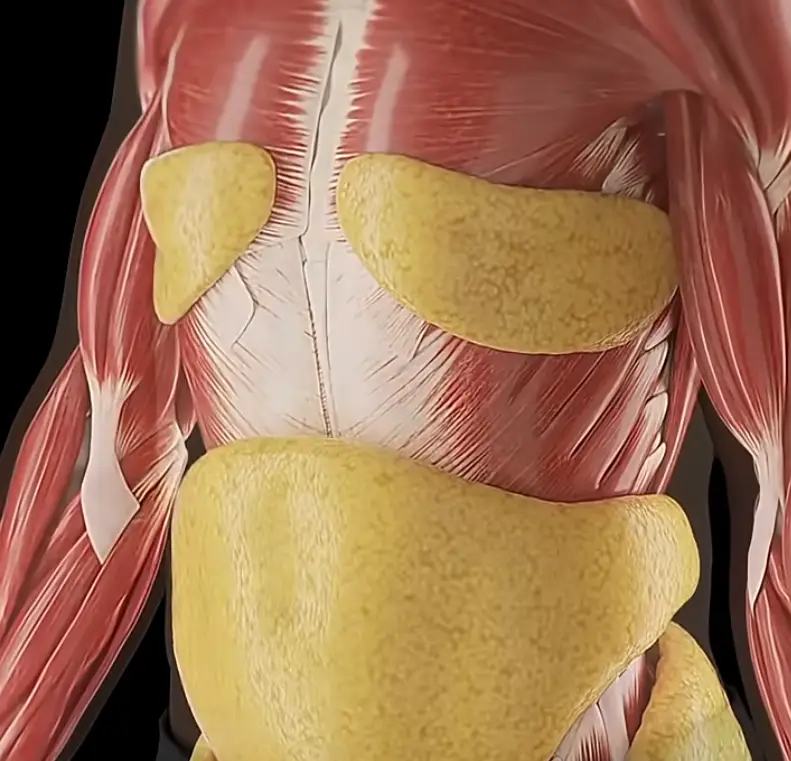
The body can enter ketosis (YouTube/FoodVFact)
Adam Collins is an associate professor of nutrition at the University of Surrey, and warned that people who have an eating disorder or are pregnant should not try intermittent fasting, He also said that people who have diabetes should also be very careful if attempting it, though there may be some evidence of a benefit in people with pre-diabetes.
Weight loss is of course one of the big driving forces behind the popularity of intermittent fasting, with the video showing that after a certain point the body enters ketosis, effectively where it starts burning fat in order to sustain itself.
Collins has himself conducted research which compared people who underwent a period of intermittent fasting with people who followed a strict calorie-counting diet over the same period.
“In essence, what you’re doing is shifting the body from using fundamental carbohydrates for fuel towards using fat as a fuel over that 36-hour period,” he told The Guardian.
And ketosis is not the only process which there is evidence that fasting could trigger, there is also one called autophagy.
Collins compared this to spring cleaning, saying: “Your cells start to break down cellular components and then recycle those components for other things.”
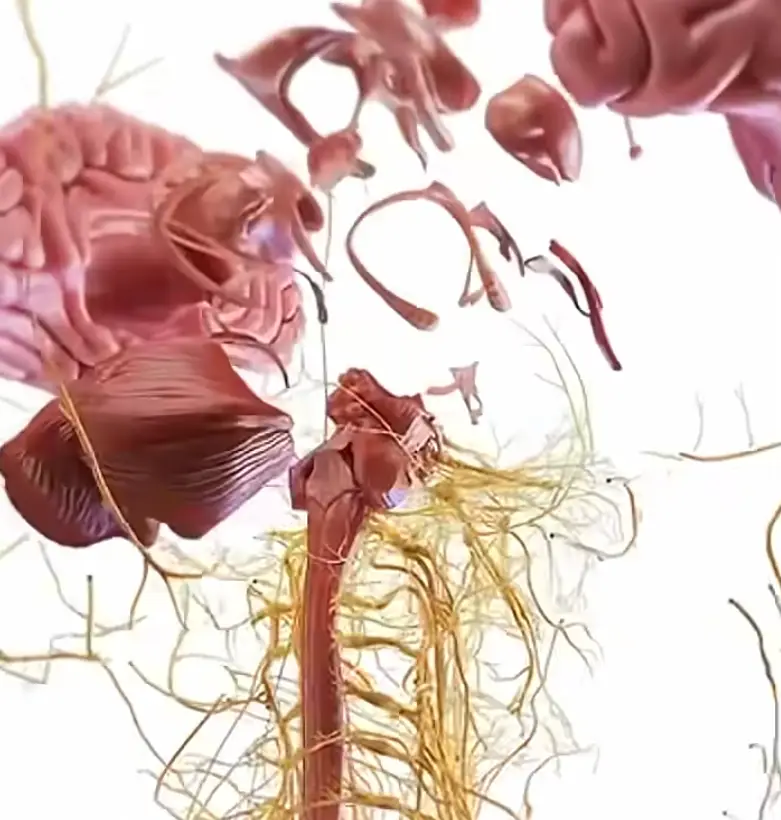
After 36 hours the video claimed a lot of benefits from fasting (YouTube/FoodVFact)
One popular form for intermittent fasting is called the 5:2 diet.
This is effectively dividing up your week into five days and two days, where you eat your normal diet on five of those days, but then reduce it down to a quarter of your usual diet on two of the days.
It’s less drastic than fully fasting for 36 hours, but the idea is that you reduce your intake for that shorter period, and there is less of a big impact on your body than might be produced by fasting completely.
Fasting itself is considered to be among the most extreme diets out there, and Frank Modeo, a professor of the Institute of Molecular Biosciences at Karl-Franzens University of Graz in Austria, warned that ‘it has not been sufficiently investigated within randomised controlled trials’ to know for sure if there are health benefits, Healthline reports.
The definition of ‘fasting’ can also be loose, with some people still drinking tea and coffee, and others including bone broth in their fasting, while even stricter people go for just water.
Leave a Reply