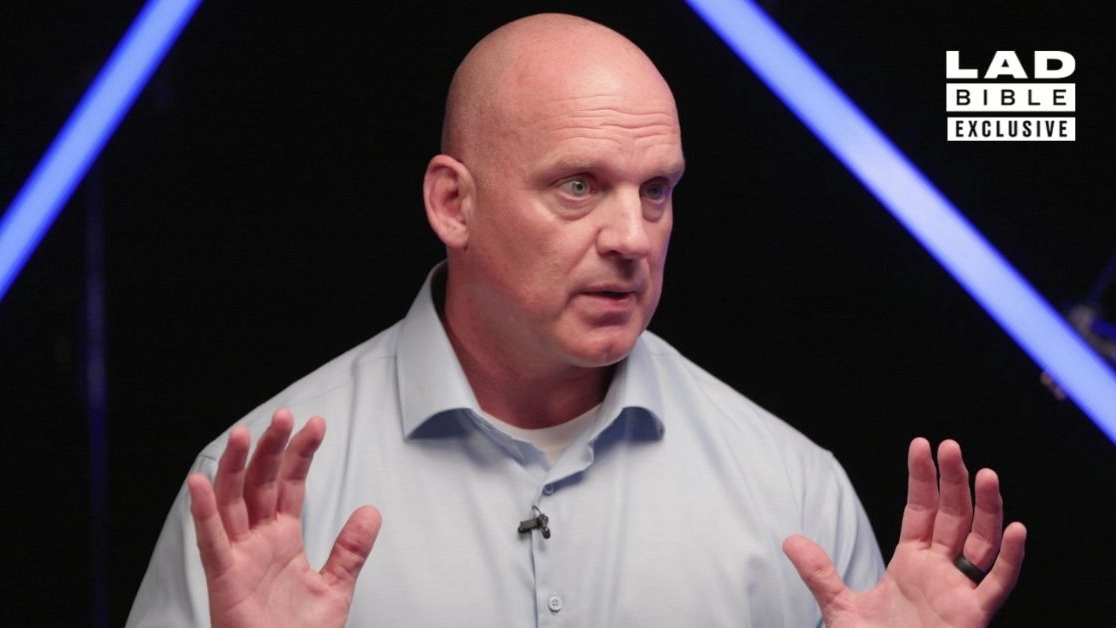
Spotting a liar is a skill a lot of people fancy themselves as having, but in reality it takes years of practice. Practice that Brad Beeler, a retired Secret Service Agent, developed over 25 years.
The expert has conducted more criminal polygraph examinations than any other Secret Service Agent, and because of that, if you want to pick anyone’s brain over the red flags people display that show they aren’t being truthful…he’s your guy.
He’s also our guy too, as LADbible Stories featured Beeler speaking about the way he’s learned to watch people for the tiny cues everyone has that lets him know they are lying to him.
The ex-Secret Service agent didn’t just reveal the tell-tale signs, but also a tried and tested acronym that he’s got down to a T.

Can you spot a lie? (Getty Stock Images)
Appearing on an episode of Explainer for a Stranger, Beeler said “The acronym I like to use is something called LIARS. Okay? L-I-A-R-S. Very fitting. I like that I came up with it. So the first one is latency. When I think of latency, I think of how long it takes from when I ask you a question to when you respond.”
That’s:
- Latency (how long it takes them to respond)
- Incongruence (their body language contradicts what they’re saying)
- Avoidance (they skirt the question)
- Resistance (they act offended you asked the question)
- Shifting vocal inflection (their answers sound like questions)
To help LADbible get a feel for how it would be put to action, Beeler quizzed interviewer Isaac on what seems like trivial hypotheticals, but in reality, they say more than they initially let on.
“So let me ask you this,” the ex-service person said. “Five years ago on today’s date, tell me what you were doing.”
Isaac revealed that his ‘mind’s gone blank’, and according to Beeler, the reason he asked that question was because it would cause the person in front of you to think hard.
So, he would then expect ‘latency’ to kick in, where the time to answer is long because the thought process is also long.
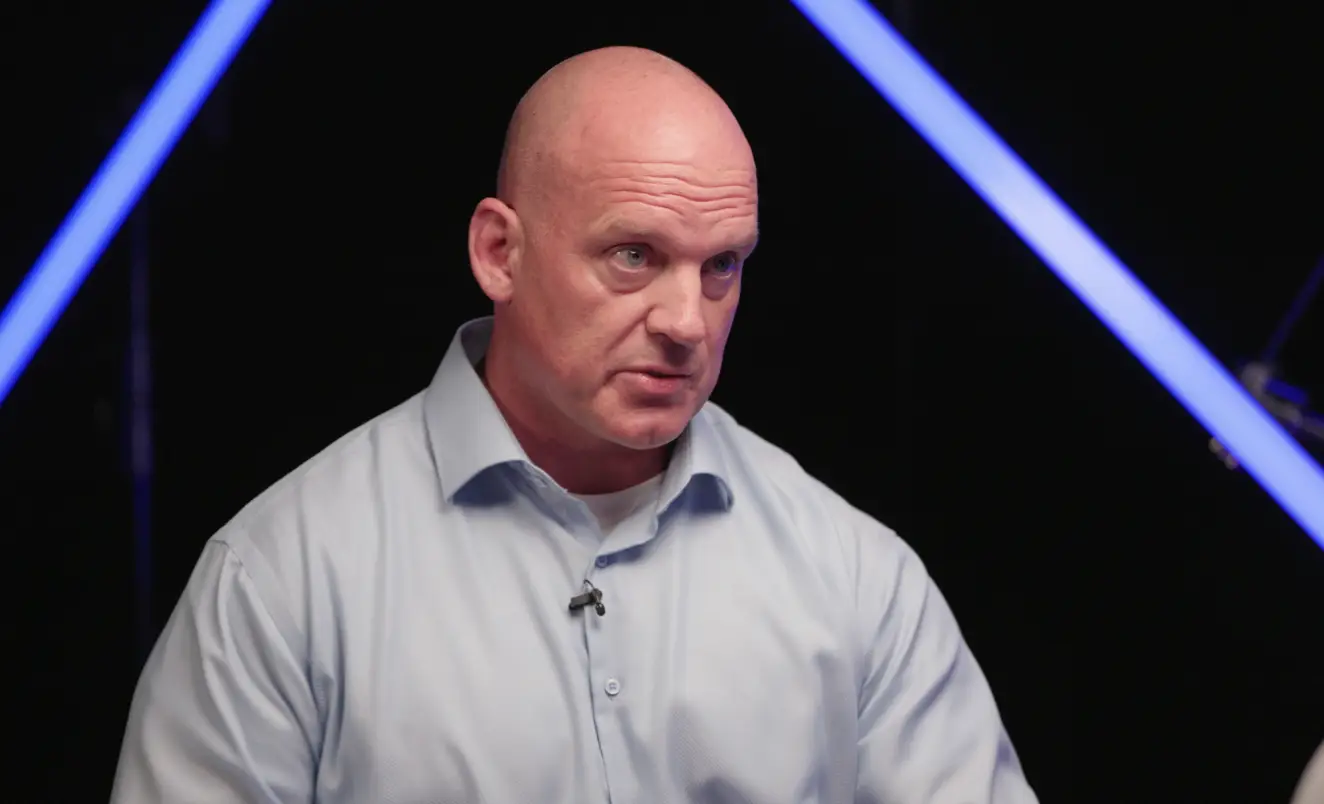
Brad Beeler put his experience to the test (LADbible)
He added: “Five years ago on this date, did you rob the Bank of London?” What he is looking for in a truthful answer is for the person to give a ‘yes or no’ answer.
“If I ask you a yes or no question or something that should be black and white in your mind, I should get a pretty good answer. It shouldn’t be squishy. It shouldn’t be like, ‘What did he really mean by that?’,” said Beeler.
To further analyse if the black and white comment is true or not, he said he then uses ‘incongruence’. Beeler says this is when ‘things don’t match.’
As an example of this, he pointed to if a romantic partner responded to how they were doing on that day with ‘I’m fine’ and no emoji.
Their words say they are fine, but the delivery says otherwise.
Admitting that a face-to-face conversation would help to clear things up as you ‘can see all aspects of that communication’, Beeler explained that body language helps to decipher truth from a lie.
If the people then decides not to answer the question and avoids giving over details, this means they are in the ‘avoidance’ stage of the red flag acronym.
He then spoke about the penultimate letter of his acronym – resistance.
“Have you ever been in a situation, Isaac, where you asked somebody a question and they were offended that you asked that question?”
Beeler explained: “They made you out to be the bad guy for, ‘How dare you ask me?’ And that’s what resistance is, [sic] is friction. It’s making you out to be the bad person for asking that question.”
He went on to say that the last letter is ‘an S, and that’s shifting vocal inflexion.’ He revealed that if someone answers a question with an upward inflexion like a question mark was at the end of it, ‘that’s a big time check engine light.’
He said: “If I ask my daughter, did you clean your room? ‘Yes?’ That’s a problem. She didn’t clean your room. Sydney did not clean her room.”
Leave a Reply