From wars and cyber attacks to the looming threat of climate change, there’s a number of global crises occurring at the moment.
A ‘phase black’ order has been issued, which refers to an extreme emergency scenario where a major cyber attack, war or nationwide power outage could disrupt food supplies.
Numerous countries, including the UK, Australia and the US, have advised civilians to take some measures to protect themselves in case there is a major disruption to supplies.
One way of preparing can be to create an emergency kit, which can help you to remain safe and comfortable should a crisis, such as a power cut, flood or storm, occur.
It’s advised to create a kit that can prepare you for up to 3 days should power, water, communications or access to services be suddenly restricted.
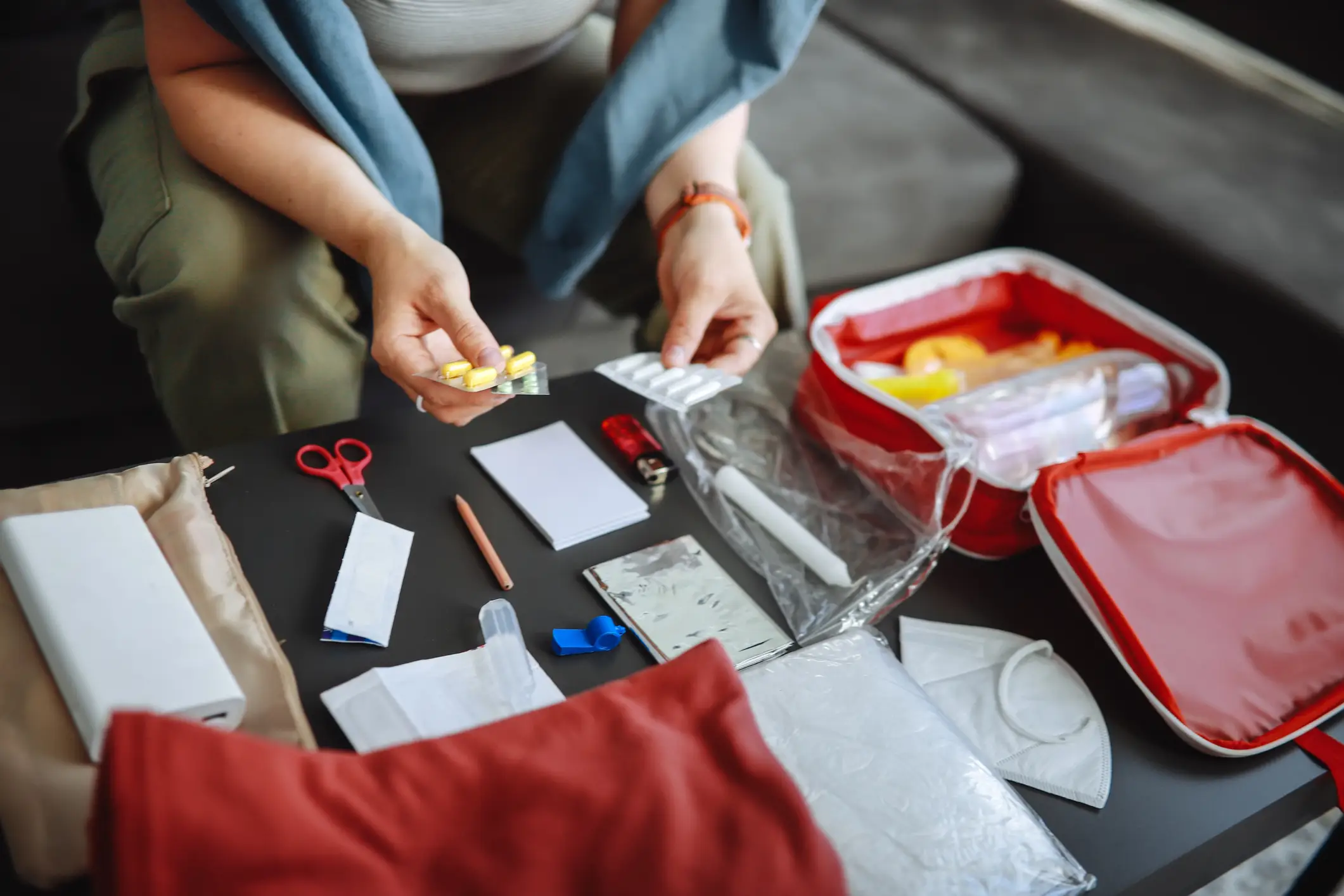
Preparing an emergency kit is recommended (Getty Stock Images)
According to British Red Cross, items every household should consider including in an emergency kit range from cash to a tin opener.
Keeping a paper copy of useful contact numbers is highly advised, as this will help you to communicate with people without access to your everyday mobile device, while spare keys to both your home and cars can also be highly useful.
Here is the full list of recommended emergency supplies.
Core emergency supplies
- Paper copy of important contact numbers.
- Mobile phone charger and portable power bank.
- Cash for essentials.
- Torch and spare batteries.
- Battery-powered or wind-up radio.
- Essential medication and copies of prescriptions.
- Basic first aid kit.
- Hand sanitiser and wet wipes.
- Three days’ supply of drinking water.
- Three days’ supply of long-life or ready-to-eat food.
- Tin opener.
- Copies of important documents stored in a waterproof bag.
- Pen and paper.
- Spare home and car keys.
There’s also a number of useful additional supplies, that aren’t considered essential but would be worth including in an emergency kit.
Blankets, sleeping bags, warm, spare clothing and waterproof bags are all recommended, as well as a whistle, hygiene products, spare glasses and duct tape.
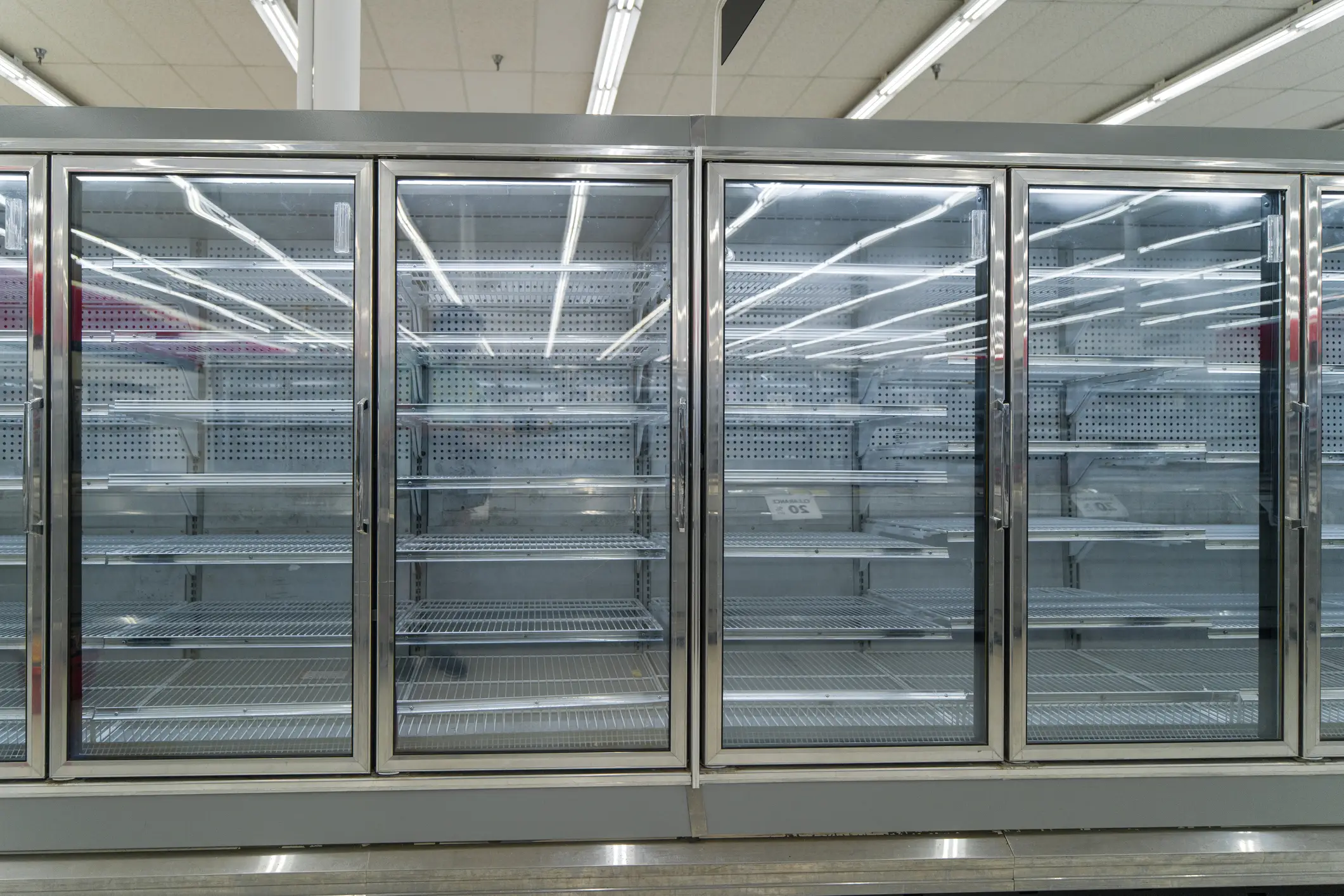
Certain governments have advised civilians to stockpile food (Getty Stock Image)
Of course, depending on who is in your household, these items will differ.
If a baby is present, them items such as nappies, formula milk and bottles may be required, and if you have pets, it is worth including items like harnesses, food and waste bags in your emergency kit.
Measures have been put in place in the UK to help deal with a major crisis, such as the BBC creating a secure studio running on generators to ensure public information even if power has been cut.
Speaking to The Guardian about the importance of preparing, UK Defence Secretary Wes Streeting said: “Terms like ‘hybrid warfare’ and ‘grey zone threats’ do not accurately capture or convey to the general public what I prefer to describe as ‘state-sponsored terrorism’.
“So in the face of those threats, which are not hypothetical but real, and not somewhere else but increasingly here, we have to step up and take seriously our national resilience as well as our national defence.
“It’s really important that we ask households and businesses, are they prepared? Are they ready? Do they know how they would respond in the event of everyday challenges that might manifest themselves?”
Leave a Reply