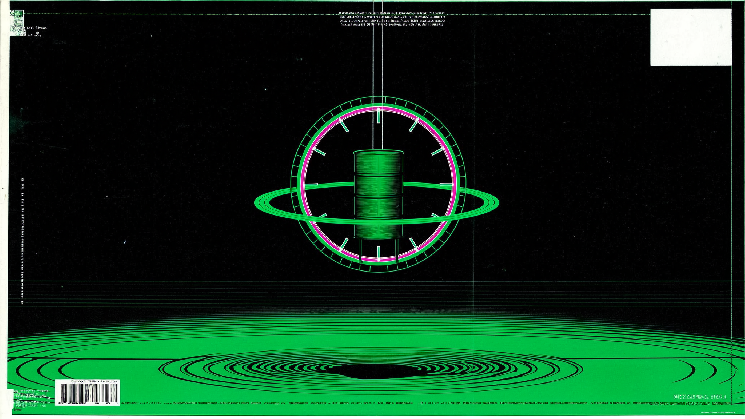
The CFTC asked the public to weigh in on running standard futures around the clock and on listing perpetual contracts tied to physically delivered energy commodities such as crude oil. The request opens the door to importing the crypto-native perpetual design into the oil and gas derivatives markets.
The Commodity Futures Trading Commission issued the request for comment Monday afternoon, organizing it around two questions. The first asks how standard futures, including energy futures, would function on a 24/7 schedule with no change to their fixed expiration, delivery, or settlement terms. The second asks what happens when perpetual contracts reference physically delivered or storable energy commodities. Comments are due within 30 days of the notice’s publication in the Federal Register, per the CFTC release.
The filing is a request for comment, a procedural step that gathers input ahead of any rulemaking rather than a proposed rule with regulatory text attached. The agency says it “intends to use the information and comments received to inform its understanding of these developments.”
Selig’s Innovation Pledge
Chairman Michael Selig framed the move as supporting new market designs without loosening guardrails. “As registered entities extend trading hours and introduce new contract designs, a clear, target=”__blank” rel=”noopener noreferrer “>said in the release. He added that the request “reflects the Commission’s commitment to supporting responsible innovation, while preserving the protections against manipulation and market disruption that participants and the public rely on.”
Selig echoed the framing on his own account, calling the request a reflection of the agency’s pledge to back “responsible innovation” while preserving anti-manipulation protections, in a post quote-tweeting the CFTC announcement.
Perps Meet Physical Oil
Perpetual contracts have no expiry. A periodic funding payment between long and short holders tethers the contract price to the spot reference, the mechanism that made perps the dominant instrument on crypto venues like Hyperliquid and Binance. The RFC asks how that funding-rate convergence would behave against the cost-of-carry economics of a storable physical commodity, where delivery, storage capacity, and seasonal supply all shape price.
The request names crude oil as a central example of a physically delivered or storable energy commodity, the kind of market where delivery logistics and storage constraints can drive sharp price moves that a perpetual design would have to contend with.
Building on the Bitcoin Order
The energy request extends a regulatory arc that began in crypto. In May, the CFTC cleared the first US-regulated bitcoin perpetual futures, then issued a policy statement saying other asset classes, “including, among others, agricultural and energy products,” would be judged on their own terms. CFTC staff later gave designated contract markets a path to convert perpetual-style digital commodity futures into true perpetuals.
The expansion has drawn pushback. CME Group has moved to sue the CFTC over the perpetual approval, arguing the contracts meet the Dodd-Frank definition of a swap and should face the heavier regulatory regime that attaches to swaps. CME Chief Executive Terry Duffy has separately called US crypto perps “a disaster waiting to happen.” The energy RFC pulls that same contract design toward the commodity markets CME has long dominated.
What the Comment Record Targets
The first set of questions concerns moving standard energy futures to a 24/7 schedule without changing their fixed expiration, delivery, or settlement terms, while the second addresses how perpetual contracts would work against a physical underlier. The agency tied the request to a live trend, noting that registered entities are already extending trading hours and introducing new contract designs.
The comment window opens once the notice hits the Federal Register, setting a 30-day clock for hedgers, exchanges, and commercial energy participants to respond before the agency weighs its next step.
Leave a Reply