Category: Entertainment

  • ‘Godzilla Minus Zero’ Named Centerpiece of Tokyo Film Festival as ‘Sukiyaki’ Opens, ‘Colony’ Closes

    ‘Godzilla Minus Zero’ Named Centerpiece of Tokyo Film Festival as ‘Sukiyaki’ Opens, ‘Colony’ Closes

    “Godzilla Minus Zero” will screen as the centerpiece of the 39th Tokyo International Film Festival, with Zeze Takahisa’s music drama “Sukiyaki” opening the festival and Yeon Sang-ho‘s zombie thriller “Colony” closing it.

    Director Yamazaki Takashi, who also wrote and oversaw visual effects on the film, returns with “Godzilla Minus Zero” as a follow-up to “Godzilla Minus One,” which won the Academy Award for best visual effects at the 96th Academy Awards. The film stars Kamiki Ryunosuke and Hamabe Minami and marks the first time a Japanese feature has been shot for Imax screens. Set two years after the events of the prior film, the story follows a Japan still struggling to recover when a new threat emerges. Festival materials frame it as the conclusion of the story that began with “Godzilla Minus One.” Toho Co., Ltd. will release the film in Japan on Nov. 3.

    In a statement, Ichiyama Shozo, TIFF programming director, said “Godzilla Minus Zero” is “a true sequel to ‘Godzilla Minus One,’ one of the standouts in the Godzilla series, and it brings a powerful new interpretation of Godzilla, delivering a level of surprise that far exceeds expectations.”

    “Sukiyaki,” directed by Zeze Takahisa from a screenplay by Minato Takehiko, chronicles the making of the 1963 song “Sukiyaki,” which held the No. 1 spot on the U.S. Billboard chart for three consecutive weeks. The film centers on composer Nakamura Hachidai, lyricist Ei Rokusuke and singer Sakamoto Kyu, played respectively by Okada Junichi, Matsuzaka Tori and Nakano Taiga. Toho will release the film in Japan on Dec. 25.

    Ichiyama said “Sukiyaki” tells “the dramatic stories of three artists who inspired people in postwar Japan, interwoven with a collection of musical masterpieces.” He added that TIFF is “delighted to open the festival with this moving film, which stars three of today’s most prominent Japanese actors.”

    “Colony” is directed by Yeon Sang-ho, whose credits include “Train to Busan” (2016). The Korean zombie thriller follows Professor Se Jeong, who becomes trapped in a Seoul skyscraper during a bioterror attack and witnesses infected hosts evolving with a collective intelligence. The cast includes Gianna Jun, Koo Kyo-hwan and Ji Chang-wook. The film had its world premiere in a Cannes midnight screening before topping box office charts in Korea and elsewhere in Asia. Gaga Corporation will distribute the film in Japan in 2027.

    Ichiyama called “Colony” the film that “delivered the greatest excitement and emotional impact among the films at this year’s Cannes,” adding that while zombie films are common, “this film makes us realize that the genre still possesses untapped potential.”

    The 39th Tokyo International Film Festival, hosted by Unijapan, runs Oct. 26 to Nov. 4 in Tokyo. The festival overlaps with TIFFCOM 2026, an industry market organized by Japan’s Ministry of Economy, Trade and Industry, the Ministry of Internal Affairs and Communications, and Unijapan, running Oct. 28-30.

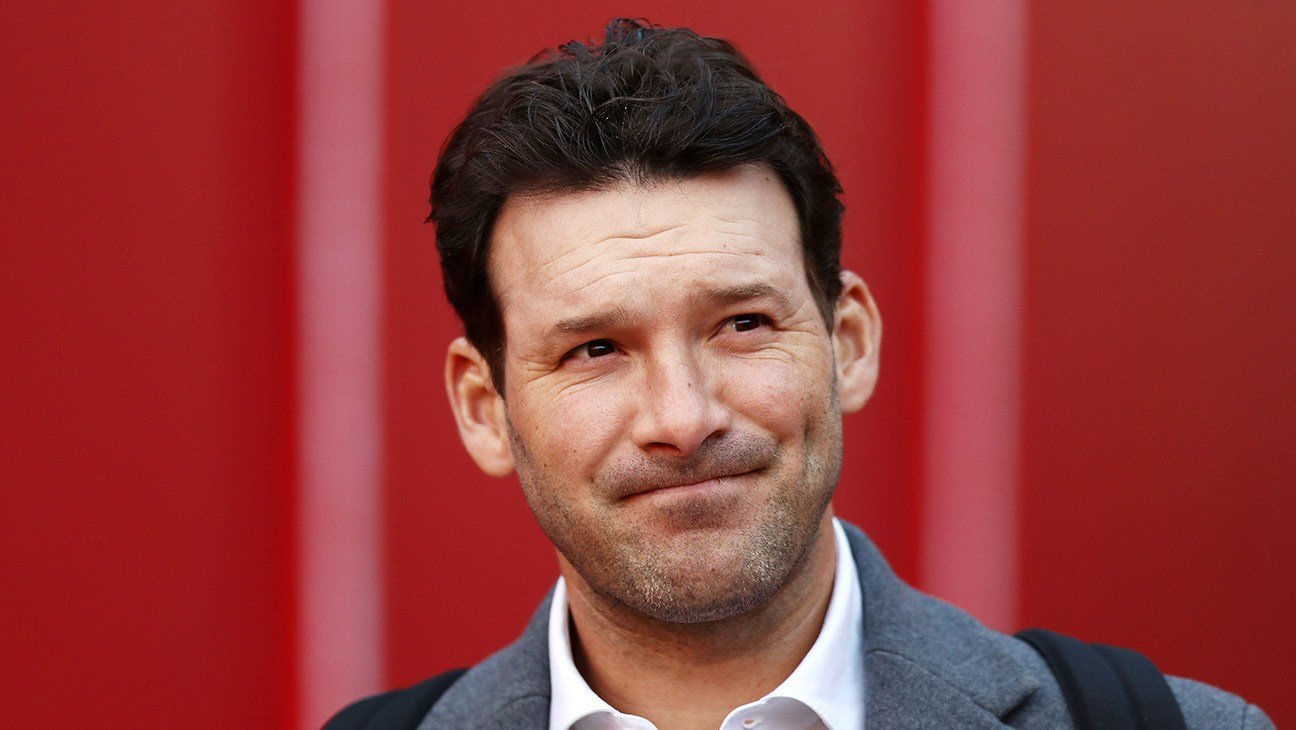
  • Tony Romo Pleads No Contest to DWI Charge, Says He’s Seeking Help for Alcohol Use

    Tony Romo Pleads No Contest to DWI Charge, Says He’s Seeking Help for Alcohol Use

    CBS Sports commentator and former NFL quarterback Tony Romo entered a no contest plea Tuesday in a drunk driving case in his home state of Wisconsin. Romo also said he will seek medical help for what he called an “over-reliance” on alcohol.

    Romo’s plea comes after he was arrested in July on suspicion of operating a vehicle while intoxicated. He was also cited for having an open bottle of alcohol in the SUV he was driving, unsafe passing on the right and refusing to take a test for intoxication after he was arrested.

    First offenses for OWI in Wisconsin are considered a civil offense. Romo will have his driver’s license for six months, have ignition interlock devices installed on any vehicles he owns and wll have to complete an alcohol assessment program and pay a fine.

    In a statement posted to his social media accounts, Romo said that he “faced a recent personal failure” with his no contest plea and said he turned to drinking to manage chronic pain resulting from his NFL career.

    “Multiple back surgeries ended my career earlier than expected and left me with constant, debilitating pain,” the former Dallas Cowboys QB wrote. “That pain led to a dependence on pain medication, and my efforts to get off those medications led to an over-reliance on alcohol.

    “As I have taught my three young sons: When you fall short, you stand up and take full responsibility. That is an important first step. The harder and more important step is examining the path that brought you here and making the changes necessary to move forward. That path requires honesty.

    “None of this is an excuse. These are my failures, and I take responsibility for them.”

    CBS Sports placed Romo on leave following his arrest. Romo’s statement says that “in time” he hopes to return to the NFL booth, but in the immediate future, “I am working closely with a team of doctors to address my health and make the necessary changes.”

    While Romo is on leave, JJ Watt will serve as the lead NFL analyst for CBS, joining play-by-play announcer Jim Nantz and sideline reporter Tracy Wolfson.

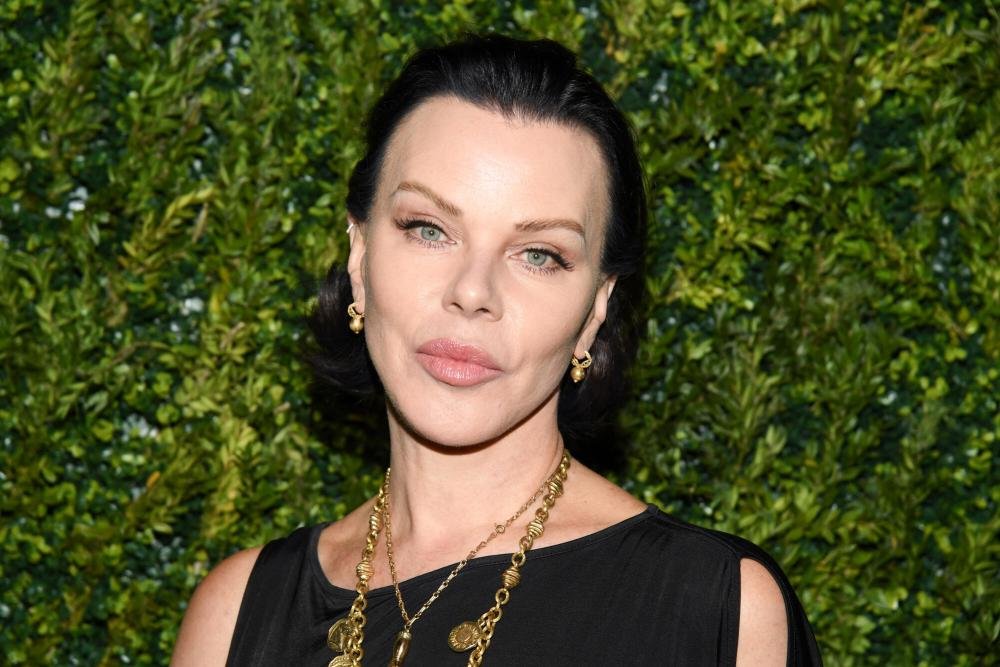
  • Debi Mazar Says ‘Entourage’ Set Got ‘Toxic’ and ‘They Didn’t Like That I Got Fat’ After Birth of Second Child

    Debi Mazar Says ‘Entourage’ Set Got ‘Toxic’ and ‘They Didn’t Like That I Got Fat’ After Birth of Second Child

    Debi Mazar says the set of “Entourage” became “toxic” after she gave birth to her second child, claiming “they didn’t like that I got fat.”

    In an interview with The Times U.K., the actress described being on the HBO show around Season 3 as “complicated” because “I’d had my second baby and they didn’t like that I got fat, even though I got skinny again. It was complicated because I’m outspoken and never held back my discontent. But I always was professional and I’m grateful I was on it. It was a lot of fun, until it wasn’t.”

    “Entourage” premiered in 2004, with Season 3 running from 2006-07. Mazar gave birth to her second daughter in March 2006. She and her husband, Italian chef Gabriele Corcos, married in 2002 and have two daughters.

    Mazar called making the first season of the series a “joy-fest,” but added: “In the third season, the set was a testosterone-fuelled environment. I’m tough, but it got toxic towards the end for me.”

    Mazar played Shauna Roberts, the press agent of Vincent Chase (Adrian Grenier) on “Entourage” for its entire duration from 2004-2011, first as a recurring character in Season 1 before joining the main cast in Season 2. She later reprised the role in the 2015 “Entourage” film. The show won six Emmy Awards and one Golden Globe during its tenure.

    Mazar previously spoke about her “Entourage” character on PeopleTV’s “Couch Surfing” in 2020. She says Shauna was “a lot of fun to play,” but also noted the nature of the show’s culture behind the scenes by saying: “I took a job to make money. I mean, [creator Doug Ellin] wrote a really strong character, but that set was very testosterone-driven and misogynistic.”

  • ‘Avengers: Secret Wars’ Adds Noah Jupe to Cast

    Noah Jupe is the latest actor to join the Marvel Cinematic Universe, with the “Hamnet” and “A Quiet Place” star tapped to play a top-secret role in “Avengers: Secret Wars.”

    The superhero team-up movie is the follow-up to “Avengers: Doomsday,” which doesn’t debut until December. Marvel had no comment on Jupe’s casting.

    Production on “Secret Wars,” which will also be directed by Anthony and Joe Russo, is set to begin production later this year. Disney has slated the film for release on Dec. 17, 2027.

    Deadline first reported Jupe’s involvement. He is repped by WME and Brillstein Entertainment Partners.

    More to come…

  • California Legislature Passes Bill to Address Catch in $750 Million Tax Credit for Hollywood

    California Legislature Passes Bill to Address Catch in $750 Million Tax Credit for Hollywood

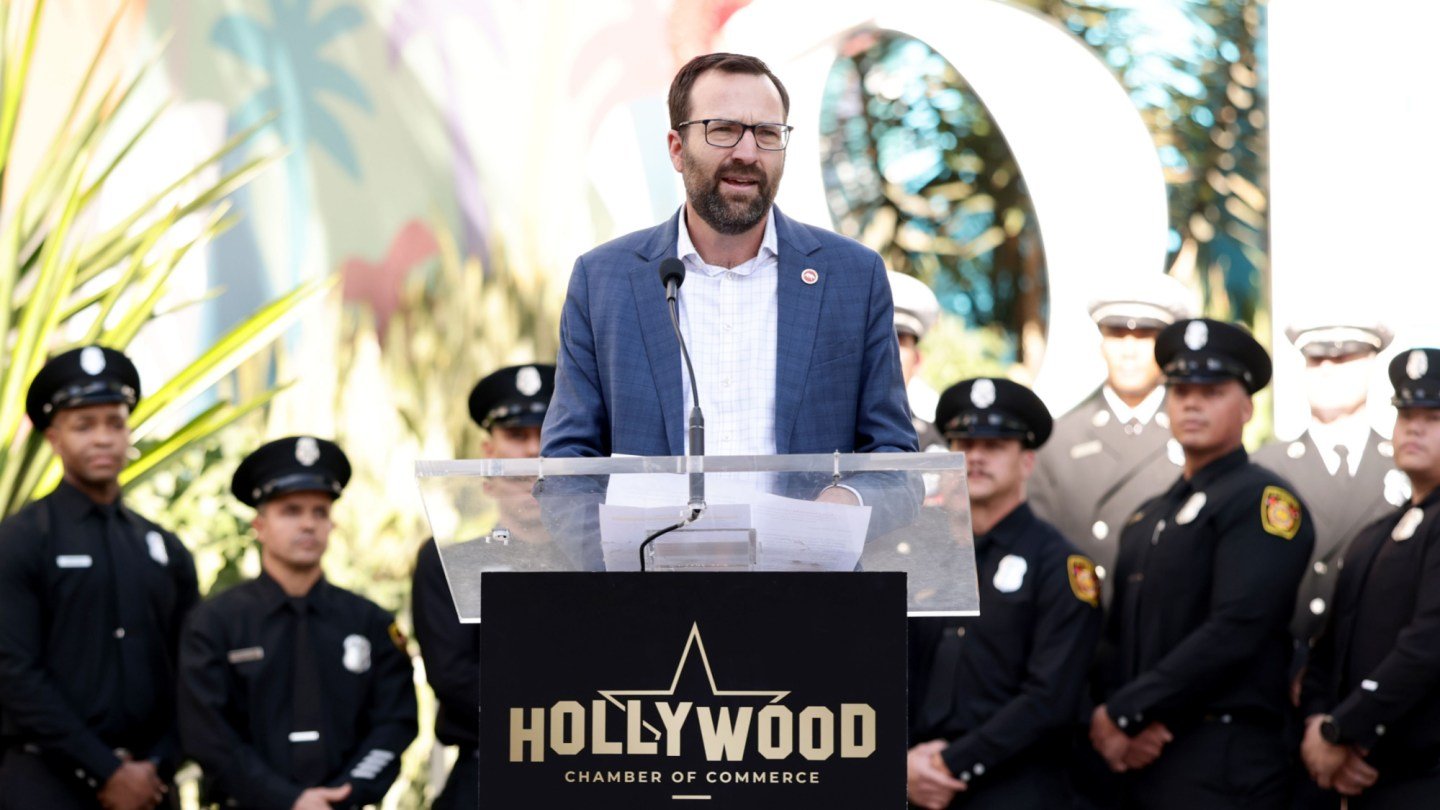
    The California state legislature has passed a bill intended to mitigate the impact of business tax credit caps on the state’s $750 million annual film and television incentives program.

    Legislators voted to pass SB 186, carried by state Senator Ben Allen, on Monday night. The legislation is now in the court of Gov. Gavin Newsom, who will decide to sign the bill into law or veto it by the end of September.

    The bill, introduced at the last minute on Friday from Allen, with a companion bill from Assemblymember Rick Chavez Zbur introduced in the Assembly, addresses the fallout from a state budget bill, called SB 122, that alarmed Hollywood production advocates when it was signed into law earlier in the summer.

    SB 186 exempts indie productions from annual caps on the use of business tax credits that are rendered permanent as a result of the 2026 state budget legislation. The legislation also sweetens conditions for productions that choose to monetize a portion of their tax credits instead of putting the full value towards their tax liability. The bill allows production to monetize 95 percent of their credits, where previously they could monetize 90 percent.

    Under the auspices of the bill productions can also collect their money within two years, rather than five years.

    In a statement, one of the champions of the bill — the Entertainment Union Coalition — celebrated its passage. “On behalf of our 167,000 members across California, the Entertainment Union Coalition (EUC) thanks Governor Newsom and Legislators for ensuring that the recently enacted SB 122 would not undermine the competitiveness of the California Film and Television Jobs Program passed just last year,” EUC president Rebecca Rhine said in a statement.

    Rhine added, “We appreciate that Assemblymember Rick Zbur and Senator Ben Allen saw the risk and worked diligently on a very short timeline to achieve passage in the final hours of this Legislative session, and we appreciate the Governor’s commitment to our industry and this bill.”

    In 2025, after a major lobbying push, Gov. Gavin Newsom signed into law an expansion of the state’s film and television tax credit from $330 million per year to $750 million a year. Advocates warned that the 2026 state budget bill’s caps on annual usage of business tax credits jeopardized that accomplishment and that the sudden policy change might scare productions away from the state.

    While the industry initially sought to exempt Hollywood entirely from the state budget bill, advocates ultimately had to settle for a legislative Band-Aid. According to the Entertainment Union Coalition, 450,000 union members wrote letters to legislators as part of the effort to raise awareness of SB 122’s impact on Hollywood.

    In a statement issued on Tuesday, Motion Picture Association chairman and CEO Charlie Rivkin lauded the legislature for having “taken steps to help the Golden State remain an attractive and competitive destination for production.”

    Rivkin added, “This new resolution to SB122’s previously unintended restrictions to the CA Film & TV Jobs program will maintain the program’s competitiveness so creators continue to make movies and shows in California – and keep bringing brilliant stories to life.”

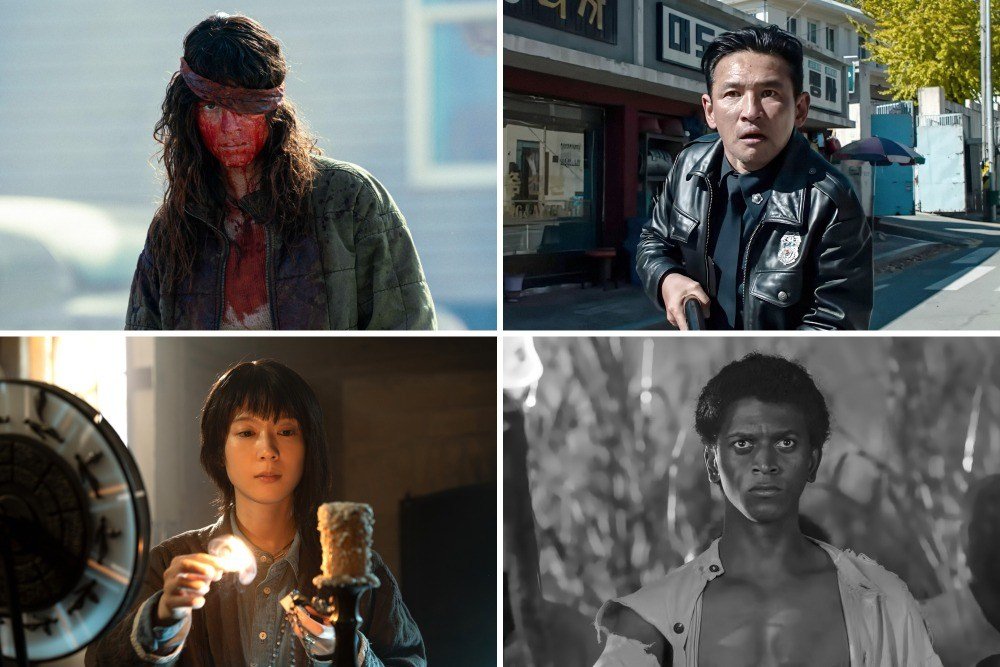
  • Best Horror of September 2026: Zach Cregger’s ‘Resident Evil,’ Adam Wingard’s ‘Onslaught,’ a Lizzie Borden Miniseries and More

    Best Horror of September 2026: Zach Cregger’s ‘Resident Evil,’ Adam Wingard’s ‘Onslaught,’ a Lizzie Borden Miniseries and More

    Welcome to Horror Explorer, a curated column showcasing the month’s best movies, series, books and everything else spooky worth checking out. I’m William Earl, the executive digital director of Variety and the publication’s resident horror enthusiast. Please drop me a line at wearl@variety.com if there’s something I should check out for next month’s missive. 

  • Santa Barbara Film Fest: ‘Disclosure Day’ Star Emily Blunt Set for Kirk Douglas Award for Excellence in Film

    Santa Barbara Film Fest: ‘Disclosure Day’ Star Emily Blunt Set for Kirk Douglas Award for Excellence in Film

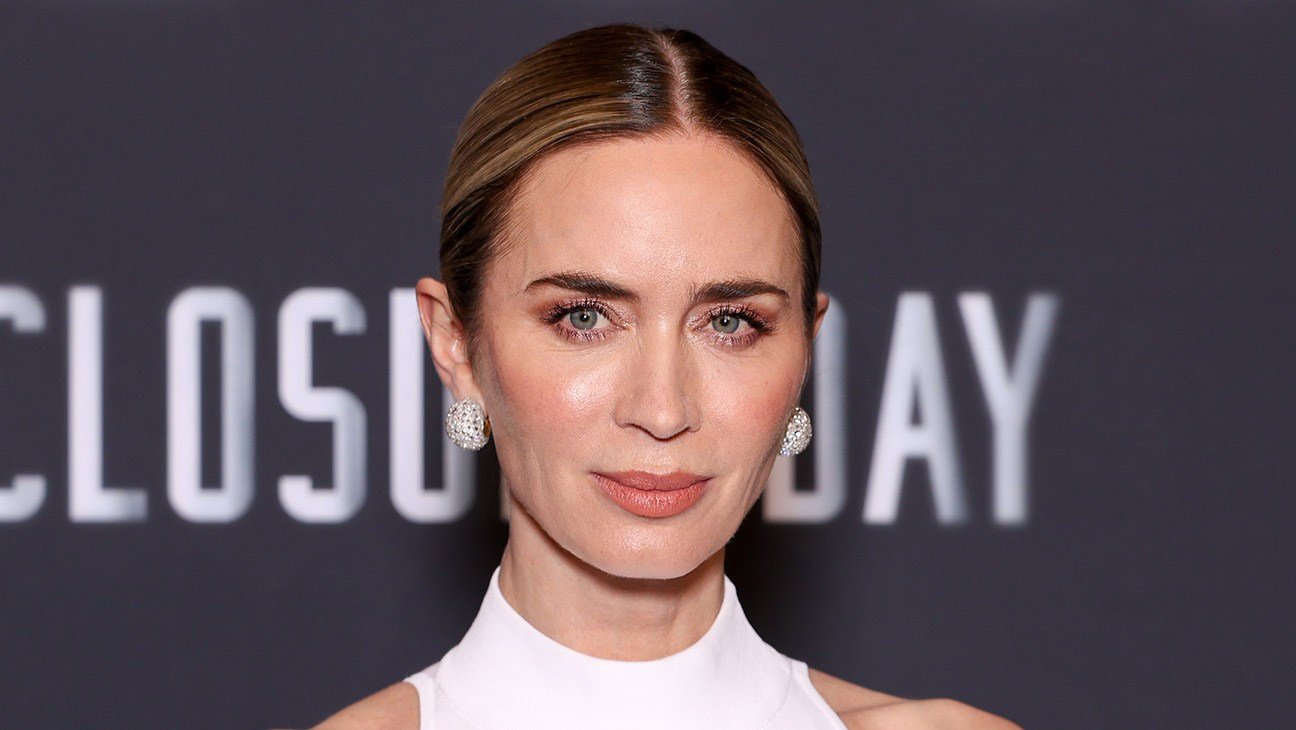
    Emily Blunt, the Oscar-nominated actress who is back in awards contention this year for her performance in Steven Spielberg’s Disclosure Day, will receive the Santa Barbara International Film Festival‘s 19th annual Kirk Douglas Award For Excellence in Film, the fest announced on Tuesday. Blunt will be feted at a black-tie gala dinner at the Ritz-Carlton Bacara — a fundraiser for SBIFF’s year-round educational programs — on Thursday, Dec. 10.

    Blunt’s notable credits include The Devil Wears Prada, which helped to make her a star 20 years ago, as well as Sicario, A Quiet Place and A Quite Place Part II, Into the Woods, Mary Poppins Returns, Looper, Oppenheimer, for which she received her Oscar nom, and The Smashing Machine, for which she received a Golden Globe nom. This year, she starred in The Devil Wears Prada 2, reprising her character from the first film, and in Disclosure Day, in which she plays a Kansas City TV meteorologist whose increasingly inexplicable experiences draw her into a sweeping effort to reveal the existence of extraterrestrial life to the world.

    Michael Douglas, the two-time Oscar-winning son of the award’s legendary namesake, said in a statement: “Emily Blunt takes risks most actors wouldn’t dare, moving between drama, comedy, and blockbuster spectacle with the same precision and commitment. That range and authenticity are exactly what the Kirk Douglas Award for Excellence in Film was created to celebrate. We’re proud to honor her.”

    Previous recipients of the Kirk Douglas Award include the aforementioned Michael Douglas, as well as Cynthia Erivo, Will Ferrell, Ryan Gosling, Michelle Yeoh, Martin Scorsese, Hugh Jackman, Dame Judi Dench, Warren Beatty, Jane Fonda, Jessica Lange, Forest Whitaker, Robert De Niro, Harrison Ford, Quentin Tarantino, Ed Harris and John Travolta.

    The 42nd Santa Barbara International Film Festival will take place Feb. 3–13, 2027.

  • Venice Chief Alberto Barbera on the Fest’s Lineup Missing Israeli Films: ‘We Have No Prejudice Against Anyone Anywhere in the World’

    Venice Chief Alberto Barbera on the Fest’s Lineup Missing Israeli Films: ‘We Have No Prejudice Against Anyone Anywhere in the World’

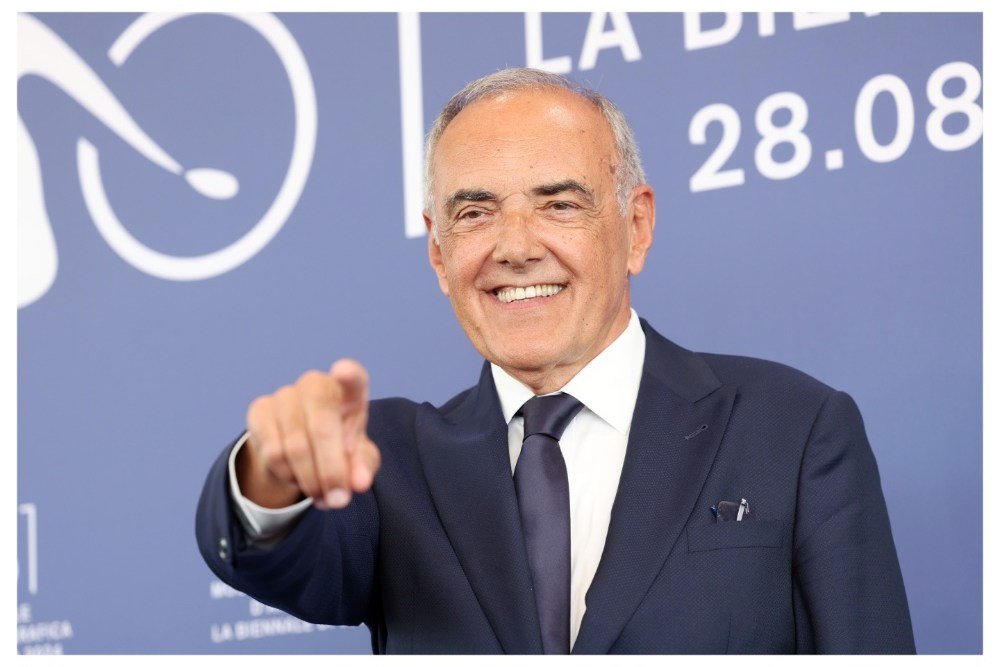
    Venice Film Festival artistic director Alberto Barbera spoke candidly Tuesday about the political pressures surrounding this year’s edition, while making clear that the fest has no intention of shying away from controversy.

    Speaking to Variety at the press cocktail on the Lido ahead of the 83rd edition, Barbera said it was “almost normal” that Venice was being pressed to take a political position given the number of films in the lineup touching on Gaza, Palestine, Ukraine and other contentious subjects.

    “There are several films that can start controversies or, at the very least, provoke very strong political reactions,” Barbera said. “They ask whether the festival — and especially the Biennale — is going to take very clear and explicit political positions. What we always say is that neither the Biennale nor the festival will make political declarations in order to take sides.”

    His comments came a day after Venice reinstated its jury press conference amid some backlash and as artists and activists, including Venice4Palestine, have called on the Biennale to take a stronger position on the war in Gaza.

    “We are a space for freedom of expression. Our role is to safeguard freedom of expression for everyone, for the artists, and to safeguard the confrontation between artists and the public, the critics and people in general,“ said Barbera. “We will never take an explicit political position. It doesn’t make any sense.”

    Barbera also firmly denied that the absence of Israeli films from this year’s lineup reflected a boycott, saying Venice received only one Israeli submission and chose not to invite it.

    “No, not at all. Never,” he said. “We have no prejudice against anyone anywhere in the world. If there had been a Russian film, an Israeli film of good quality, we would undoubtedly have invited it.”

    He added that Venice would have been prepared to face the political backlash that might have followed.

    Barbera also said the festival almost selected Vincent Gallo’s latest film, “Golden State Killer” starring James Franco, which Barbera revealed nearly made the lineup.

    “We told him, ‘We like the film very much. We know it is a film that is going to divide the public, but we are ready to face a complicated situation,’” Barbera said. Venice offered the film an out-of-competition berth, but Gallo ultimately declined because he wanted to compete for the Golden Lion. Asked whether Franco’s presence was a concern, Barbera said it was not, adding that the issue was the provocative nature of the film itself.

    Barbera, who has selected Roman Polanski’s and Woody Allen’s movies in recent years, said Venice could get away with these bold choices where other festivals would be plagued by a widespread scandal due to “the prestige of the Biennale and the credibility that the Biennale has gained over the years” through its defense of artistic freedom “without ever taking a political side.”

    Asked whether Allen might return with his next movie, which he’s about to shoot in Madrid, Barbera quipped: “It depend how good his next film will be! We’ll see. Maybe.”

    He also rejected the idea that Hollywood studios were retreating from Venice, saying several major U.S. titles simply were not ready in time, including films from Aaron Sorkin and David Fincher.

    “We know the situation in Hollywood. We know the situation of the studios. They are in difficulty,” he said, pointing to mergers and shifting production and distribution strategies.

    Still, Barbera predicted the studios would return, calling Venice “a very good promotional opportunity.”

    Venice opens Wednesday with “Ink,“ Danny Boyle’s drama about the birth of Rupert Murdoch’s tabloid empire, starring Jack O’Connell, Guy Pearce and Claire Foy.

    Why does everyone seem to want Venice to take a political position this year?

    Because we had Berlin, obviously, with all the problems between the government, Palestine, the pro-Palestinian protests and all of that. Poor Wim Wenders was basically trapped by the press conference. At Cannes, a little less, because there weren’t really films that were politically very sensitive. Here, we have a lot of films. We have four films dealing with Gaza and Palestine. We have the problems of Ukraine. We have Elon Musk. There are several films that can start controversies or, at the very least, provoke very strong political reactions. So I would say it is almost normal that people expect something. They ask whether the festival — and especially the Biennale — is going to take very clear and explicit political positions. What we always say is that neither the Biennale nor the festival will make political declarations in order to take sides. Obviously, that is not what we do.

    But they are actually asking you to do that?

    Yes, they are asking us. For example, you know that the pro-Palestinian groups sent a document — the letter — asking for an official pro-Palestinian declaration and all of that. But after all, we are a space for freedom of expression. We invite films. We understand that there will be discussions, debates and everything that comes with that. Our role is to safeguard freedom of expression for everyone, for the artists, and to safeguard the confrontation between artists and the public, the critics and people in general. We will never take an explicit political position. It doesn’t make any sense.

    But at the same time, I think it is clear what our position is, because through the program, through the programming of the festival and through the films that we invite, it is clear what we are doing and what kind of space we want the festival to be.

    But you don’t have any Israeli films this year, do you?

    No.

    Why is that?

    First of all, because we received only one Israeli film. One single Israeli submission. We didn’t like it enough, so we decided not to invite it. And for the first time, we didn’t receive any other proposals for Israeli films. I don’t know why.

    So there is no boycott?

    No, not at all. Never. It is absolutely important to say that we have no prejudice against anyone anywhere in the world. If there had been a Russian film, an Israeli film of good quality, we would undoubtedly have invited it. And we were ready to face the political reaction that would have been predictable. Because if we had had an Israeli film, obviously the pro-Palestinian groups could have launched an international appeal to boycott the Israeli film and everything around it. That would have been horrible, but we were ready to face that situation.

    At one point, apparently you almost took the Vincent Gallo film with James Franco. What happened there?

    Yes and Vincent told us in the end that he preferred that we not do anything. He only wanted to come if he was in competition.

    Really?

    We told him, “We like the film very much. We know it is a film that is going to divide the public, but we are ready to face a complicated situation.” But not in competition, because we didn’t think the profile of the film would benefit from the competition. In the end, we discussed it a lot — a lot, for a long time — and finally he said: “No, I prefer not to come.”

    Was it a film that would have created controversy because of the film itself, or because of Vincent Gallo and James Franco?

    No, because of the film. Because of the subject.

    Because it is about a serial killer? Because it makes the serial killer sympathetic?

    No, but you know, with Vincent Gallo there is always an approach that is, let’s say, troubling. There is always something unsettling in the way he approaches a subject.

    But James Franco as well — wasn’t that a concern?

    No. We didn’t care about that. Because it has already been several years since James Franco fell somewhat off the radar. He has started making films again in Italy recently. There are at least two films that have come out without any particular negative reaction toward him. So we were not concerned because of his presence in the film. That wasn’t the issue for us.

    It seems that at Venice you can get away with things that at Cannes would immediately spark a huge backlash from journalists, the industry and everyone else. Why do you think Venice can do that?

    Why Venice? I think because of the prestige of the Biennale and the credibility that the Biennale has gained over the years through its international positioning and through decisions that people have appreciated. It has built this credibility through its defense of artistic freedom and everything that goes with that, without ever taking a political side.

    You have previously had Polanski, you have had Woody Allen. Could Woody Allen come back here with his next film?

    It depends how good his next film will be! We’ll see. Maybe.

    There are a lot of French and Italian films and filmmakers coming this year, but there are fewer Americans. Do you think the Americans will come back?

    I think they will. The problem was that there simply weren’t films for Venice. The only film that was ready was Iñárritu’s film with Tom Cruise (“Digger”). And they had the right to decide not to show the film at a festival, to release the film more or less everywhere in the world and to play on the surprise and on Tom Cruise’s ability to bring in an audience. It is a shame, obviously. I would have loved to have the film. But that was really the only film that was available, because the other films weren’t ready. Sorkin had to reshoot scenes in August, so his film (“The Social Reckoning”) wasn’t ready. David Fincher was delayed in post-production (with “The Further Mis-Adventures of Cliff Booth”). There were simply no other films available for Venice.

    Are the studios also afraid of going to festivals like Venice because the critical reaction can be so tough?

    We know the situation in Hollywood. We know the situation of the studios. They are in difficulty. They are going through mergers. We don’t know how all of that is going to end. They are also rethinking their production strategies and their distribution strategies for films. So it is not a very good moment. There simply weren’t films ready at this particular moment. But I am sure that in the future the festival will continue to be an extraordinary opportunity for the promotion of films.

    But it’s expensive to come to Venice.

    It is not expensive. It depends, obviously, but if you have a film that costs $200 million and the studio is spending $5 million or much more on promoting the film, then coming to Venice or Cannes might cost around $1 million. Not more than that. So it is a very good promotional opportunity. I am sure they will come back.

  • Chinese Feature ‘Big Little Things’ Turns a Real-Life Family Rift Into a Coming-Out Drama Now Headed for Venice Horizons (EXCLUSIVE)

    The director-producer duo Michelle Zhou and Chun Yu collectively incubated “Big Little Things,” a lesbian coming-out story inspired by a real-life family rift during a New Year holiday amid the COVID-19 pandemic in Harbin, a snowy city in northern China.

    Zhou notes that the film was selected for the Venice Days first but was later invited by the Horizons. “We had to turn down the Venice Days even though we really love [ANAC and 100autori, the groups behind the section],” says Zhou. “It was a happy dilemma.”

    The film’s story stemmed from Zhou and Yu’s real-life family conflict, tracing back to four and a half years ago when they started dating.

    “During that time, [Yu] really wanted to share our happiness with her parents, and at the same time, she was terrified of losing them,” Zhou says. Since same-sex relationships have long been a social taboo in China, Yu told her family that Zhou was her friend and colleague.

    Nevertheless, Yu’s parents deduced that Zhou was actually Yu’s romantic partner, and the family collapsed overnight.

    “I was in deep family chaos. It was totally dark, I couldn’t do anything,” Yu tells Variety. “It was a difficult time not just for me, but also my parents because they had to learn about this new thing.”

    “I came from Harbin, and in our northeast Chinese culture, we say love and family expectations are inseparable. But when conflicts like that occur, most people would choose silence and lies to preserve the harmony,” says Zhou, who observed this turmoil from the sidelines. “That experience made me think, ‘Why do we have to lie to be close with the people we love? And why can honesty feel more dangerous than deception?’”

    After using the story as a base for a short film of the same name, Zhou expanded it into a feature to illuminate societal and heteronormative pressure through a fictional scenario — a fake boyfriend is introduced to appease the matchmaking-obsessed family, indicating the prevalence of lavender marriages in the Chinese LGBTQ+ community.

    “When we walk our dogs in the [neighborhood], gay people who knew us as lesbian would ask us if we could fake marry each other,” says Yu. “A lot of people are 100% sure that no matter what they tell their families, they will never accept that.”

    While addressing minority stress within the family, the film coincidentally summoned unexpected support — the father’s role was played by its real-life inspiration, Yu’s father, Hai.

    “My dad was in my [short] film before, so I know he could act,” says Yu. “I said, ‘We are looking for the father role, do you want to come?’ My father said, ‘If you can’t find someone else, you can come to ask me.’ And I said, ‘This is the moment I’m asking you: I need your help.’ A week later, he arrived in Harbin for the table read.”

    As Hai opened his heart on set while filming the emotional father-daughter confession scene, the profound pain was soothed. “He turned his back to everyone and sobbed, and said: ‘You don’t understand the feeling of a father losing his daughter,’” Yu confides. “He told me that he [took] the role because he wanted to rescue himself, and express everything he had not said in real life.”

    The director-producer duo will continue to collaborate on future projects. Zhou’s next feature, “Another Stranger,” is a family comedy-drama based on her experience with her cousin when they were trapped in Thailand during a trip due to the COVID lockdown from January to April 2020.

    “I was trying to understand our family from a different perspective. My cousin and I used to be very close when we were little, but during that period, he was not the man I used to know and I was not the woman he used to know. There was a lot of jealousy, vulnerability, masculinity — all these things mixed together on this tropical island,” Zhou says.

    A writer-director as well, Yu is working on her debut feature, a Chinese diaspora story set to take place in Los Angeles and a European village. The project is hitting international film markets, seeking American and European producers.

    Watch the trailer: https://youtu.be/0v-cCIKet28

  • Mark Ruffalo Defended by Hannah Einbinder, Joel Coen and More Than 170 Jewish Figures After Paramount Accuses Him of Using ‘Antisemitic Tropes’ — Read the Open Letter (EXCLUSIVE)

    Mark Ruffalo Defended by Hannah Einbinder, Joel Coen and More Than 170 Jewish Figures After Paramount Accuses Him of Using ‘Antisemitic Tropes’ — Read the Open Letter (EXCLUSIVE)

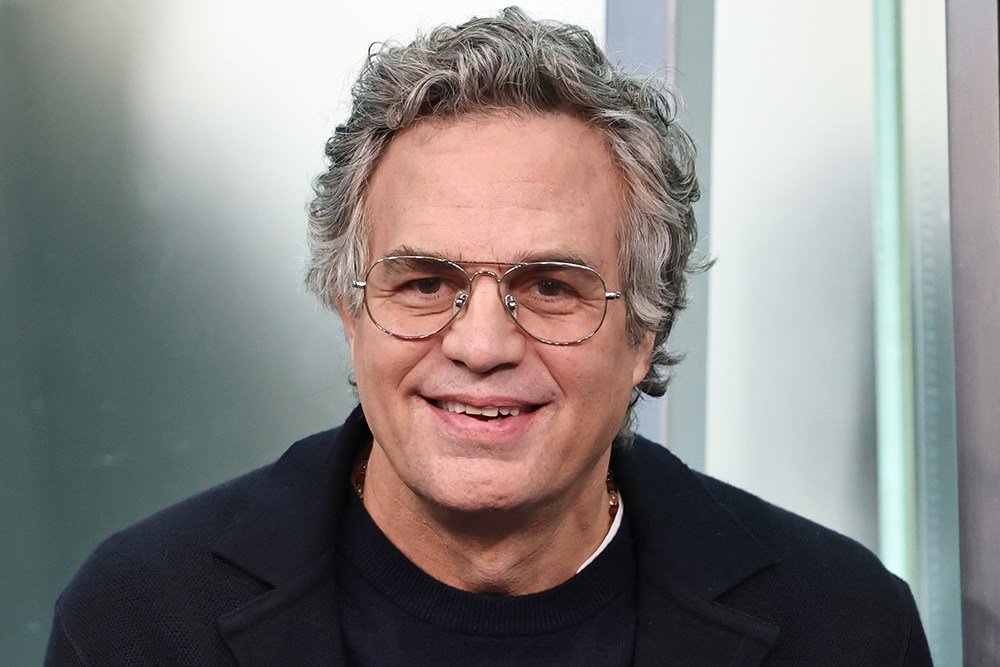
    More than 170 Jewish figures from the entertainment industry and beyond have signed a letter in support of Mark Ruffalo over what it asserts is a “smear campaign” against the actor.

    Among those supporting the letter — which claims that Ruffalo has been the subject of “spurious charges of antisemitism” — are Joel Coen, Todd Hayes, Ilana Glazer, Hannah Einbinder, James Schamus, Emma Seligman, Tony Kushner, Jane Schoenbrun and Wallace Shawn.

    The letter comes following a heated week in which Ruffalo has been at the center of a growing confrontation regarding the Paramount-Warner Bros. merger. In a social media post on Aug. 21, the Marvel star attacked the deal over its potential consequences for Hollywood, but also accused the Ellison family of being complicit in the “genocide” against Palestinians, which he said “was built on an apartheid system of oppression powered by Oracle.” In the post, he highlighted Oracle’s ties to the Israeli military.

    In response, a Paramount spokesperson accused Ruffalo of invoking “antisemitic tropes” in “purported service of a business dispute.” Others also joined the debate, with both The Simon Wiesenthal Center and the Creative Community for Peace condemning Ruffalo’s comments, while an industry group including Haim Saban, Teddy Schwarzman and Lawrence Bender wrote that it was “unacceptable to introduce Jews, antizionism, or antisemitism into conversations about business transactions, simply because those involved are Jewish.”

    Ruffalo hit back, claiming that Paramount’s accusation that he was antisemitic was “appalling and fundamentally dishonest” adding: “Criticizing the actions of the Israeli prime minister, a military technology contract, or the executives who supply it is not the same as criticizing Jewish people.” Others came to his defense too, with Einbinder — who is Jewish and has been outspoken in her support for Palestinian rights — thanking Ruffalo for drawing a “connection between the Ellisons providing military technology to Israel during a genocide and their unprecedented media takeover.” On Tuesday, Oscar-winning filmmaker and playwright Kenneth Lonergan shared a letter in support of Ruffalo in which he said the “notion that he is antisemitic is overtly preposterous, and the accusation itself a cynical and disgusting lie.”

    The new letter signed by Jewish figures and published on Tuesday echoes the defense of Ruffalo, arguing against what it says are “false and dangerous weaponization of charges of antisemitism.” But it also highlights the same links made by Ruffalo about the Paramount/Warner Bros. merger and the Ellison family’s connections with Israel.

    “Pointing out the crucial connections between what is happening in Gaza and what is happening in Hollywood is the exact opposite of antisemitism,” it claims. “It is, for us, the very essence of Jewish ethical duty.”

    Alongside signing the letter, Glazer offered a further statement.

    “Calling Mark Ruffalo antisemitic because he is questioning a massive corporate merger is not only absurd— it’s a dangerous way to shut down legitimate criticism,” she said. “Mark has consistently spoken out against antisemitism while also standing up for Palestinian rights and dignity for all people. It’s an American’s right to debate media consolidation and the dangers of monopolized corporate power without weaponizing antisemitism to bully people into silence.”

    See the full letter (also posted online here with notes) and list of signatories below.

    We are Jewish artists, writers, creative professionals, faith leaders and thinkers who have, in response to the outrageous smear campaign against our respected colleague Mark Ruffalo, a simple message to share with the world: Enough! Enough with the false and dangerous weaponization of charges of antisemitism against those who are brave enough to point out the obvious: that the assault on the Palestinian people and the assault on our liberties at home are deeply interconnected, and there is nothing antisemitic about recognizing that fact.

    The proposed merger of Paramount and Warner Brothers Discovery is no mere combination of two huge multinational companies. Yes, it will destroy thousands upon thousands of livelihoods. Yes, it will further consolidate the oligarchic control of our media (witness the gutting of CBS News). Yes, it will strangle competition and creativity in film and television production and distribution.

    But it will do all this and more as part of a larger project of tech-driven domination, a project Larry Ellison and his partners have never been shy about trumpeting — and one they themselves have explicitly linked to their support for the ongoing depredations being visited on the people of Palestine and their silencing of critics of those horrors. We all saw this after their Trump-brokered takeover of TikTok — a takeover they openly proclaimed was in large part motivated by their desire to boost pro-Israel propaganda. Larry Ellison personally, with his astonishing purported $350 million in funding and pledges to the Tony Blair Institute for Global Change, has been Blair’s major backer as Blair assumes an influential role in the Trump-concocted “Board of Peace” takeover of Gaza, a territory which has become an open-air laboratory for AI-driven killing and control technologies like the ones celebrated by former Oracle CEO (and current Oracle and Paramount board member) Safra Catz.

    The AI road to WarnerMount runs through Gaza, and Ellison has often let us know the Orwellian world he has in store for us as he consolidates control over what we watch and how we watch it, knowing that as we watch he and his corrupt cohort will always be watching us: “Citizens will be on their best behavior because we’re constantly recording and reporting.”

    Pointing out the crucial connections between what is happening in Gaza and what is happening in Hollywood is the exact opposite of antisemitism. It is, for us, the very essence of Jewish ethical duty. According to a recent Washington Post poll, 61% of American Jews now agree that Israel is committing war crimes in Gaza; and four in ten even agree that these crimes amount to genocide. Do those attacking Mark Ruffalo as an antisemite seriously believe that all these American Jews are antisemites too? Or that we don’t see the connection between, on the one hand, the criminal impunities that have led the US and Israel into unending disaster and, on the other, the oligarchic powerplays of the Musks, Ellisons, Thiels and others who are working to dismantle our democracy?

    But the virulence and falseness of the slanders they direct towards their critics is evidence of the increasing weakness of their position, based as it is on innuendos. Today, more and more people of conscience are joining together, to loudly and univocally proclaim: The time is over for spurious charges of antisemitism to be trotted out, this time in the defense of war, oligarchy, and AI domination. That tired playbook has run its course.

    We stand proudly with Mark Ruffalo, and with all decent people who are bravely rising and speaking truth to power.

    Aaron Costa Ganis, Actor

    Abbi Jacobson, Actor/Comedian

    Alan Snitow, Filmmaker

    Alex Winter, Actor/Filmmaker

    Alison Klayman, Filmmaker

    Alison Leiby, Writer/Comedian

    Alissa Weiss, Rabbi

    Allie Gross, Writer

    Amos Goldberg, Holocaust Historian, Hebrew University

    Amy Ziering, Filmmaker

    Anat Matar, Snr. Lecturer (Ret.), Tel Aviv University

    Andrea Weiss, Filmmaker

    Andrue Kahn, Rabbi

    Anjuli Kronheim Katz, Advocate

    Anna Pollack, Director

    Anthony Arnove, Writer/Producer

    Ariel Friedlander, Artist

    Ariel Wengroff, Artist

    Atalia Omer, Professor, University of Notre Dame

    Avi Shlaim, Professor (Em.), St Antony’s College

    Ayelet Waldman, Author

    Barry Trachtenberg, Professor, Wake Forest University

    Bella Freud, Designer

    Ben Korman, Producer

    Ben Moser, Author

    Ben Natan, Actor/Producer

    Brian A. Kates, Editor

    Bruce Cohen, Producer

    Camille Lévy Sarfati, Author/Curator

    Cat Davis, Rabbi

    Chani Nicholas, Astrologer

    Charlie Goldensohn, Strategist/Commentator

    Charlotte Sheedy, Literary Agent

    Collier Meyerson, Writer

    Craig Aaron, Journalist

    Dana Kornberg, Assoc. Professor, UC Santa Barabra

    Daniel Levy, Political Analyst

    David Borenstien, Filmmaker

    David Mivasair, Rabbi

    David Vine, Author

    David Wilson, Filmmaker

    Deborah Eisenberg, Writer

    Deborah Kaufman. Filmmaker

    Deborah Shaffer, Filmmaker

    Debra Winger, Actor

    Deidre Fishel, Filmmaker

    Dr. Mark Perlmutter, Physician

    Einat Weizman, Filmmaker

    Emily Kunstler, Filmmaker

    Emma Seligman, Filmmaker

    Erin Axelman, Filmmaker

    Estee Chandler, Radio Host/Producer

    Estelle Tarica, Professor, UC Berkeley

    Ethan Sacks, Writer

    Frances Fisher, Actor

    Gabor Maté, Physician/Author

    Gili Getz, Photographer

    Gina Gershon, Actor

    Ginny Suss, Producer

    Hana Morgenstern, Assoc. Professor, Newnham College

    Hannah Einbinder, Actor

    Henry Bean, Screenwriter

    Howard Rodman, Screenwriter

    Hunter Abrams, Photographer

    Idith Korman, Musician/Composer

    Ilana Glazer, Actor/Writer/Director

    Ilise Cohen, Scholar

    Itamar Ziegler, Composer/Musician

    James Renton, Professor, Edge Hill University

    James Schamus, Filmmaker

    James Wilson, Producer

    Jamie Zelermeyer, Producer

    Jane Schoenbrun, Filmmaker

    Jason Kliot, Filmmaker

    Jason Rosenberg, Public Health Advocate

    Jeffrey Kusama-Hinte, Producer

    Jenna Weiss-Berman, Producer

    Jennifer L. Pozner, Author

    Jeremiah Zagar, Director

    Jeremy Yaches, Producer

    Jesse Mechanic, Writer

    Jill Goldman, Artist

    Jillian Neal, Manager

    Jo Firestone, Comedian/Actor

    Joel Beinin, Professor (Em.), Stanford University

    Joel Coen, Filmmaker

    Jon Reiss, Filmmaker

    Jonathan Feingold, Professor, Boston University School of Law

    Jonathan Lethem, Writer

    Josette Maskin, Musician

    Karin Loevy, Professor, NYU School of Law

    Kate Berlant, Actor

    Kathy Wazana, Filmmaker

    Lance Kramer, Producer

    Larry Charles, Screenwriter/Director

    Laura Kraftowitz, Writer

    Leora Barish, Screenwriter

    Libby Lenkinski, Producer

    Linda Holtzman, Rabbi

    Lindsay Beyerstein, Journalist

    Lior Sternfeld, Assoc. Professor, Penn State University

    Lisa Cholodenko, Filmmaker

    Lonnie Kleinman, Rabbi

    Liz Flahive, Screenwriter

    Mara Hoffman, Artist

    Marc Weiss, Filmmaker

    Marianne Hirsch, Professor, Columbia University

    Maris Kreizman, Writer

    Mark LeVine, Professor, UC Irvine

    Mati Shemoelof, Author/Poet

    Matt Bernstein, Content Creator

    Max Zev Reynolds, Rabbi

    Meryl Crean, Rabbi

    Michael Greif, Director

    Michael J. Drexler, Assoc. Professor, Bucknell University

    Michael Skolnik, Organizer

    Michael Rothberg, Professor, UCLA

    Miranda July, Filmmaker/Writer

    Mneesha Gellman, Professor, Emerson College

    Molly Crabapple, Author/Artist

    Mordechai Liebling, Rabbi

    Morgan Bassichis, Writer/Performer

    Morgan Spector, Actor

    Naomi Klein, Author/Professor

    Nathan Thrall, Author

    Nicole Morse, Educator

    Nina Menkes, Filmmaker

    Noa Avishag Schnall, Journalist

    Orian Zakai, Assoc. Professor, George Washington University

    Orli Matlow, Comedian

    Peter Beinart, Journalist

    Phyllis Bennis, Writer

    Rachel Leah Jones, Filmmaker

    Raphael Greenberg, Professor (Em.), Tel Aviv University

    Raz Segal, Assoc. Professor, Stockton University

    Rebecca Vilkomerson, Author/Analyst

    Rick Pearlstein, Author

    Rinat Abastado, Rabbinic Student

    Roee Rosen, Artist

    Romy Soleimani, Make-up Artist

    Rosanna Arquette, Actor/Director

    Sai Koros, Student Rabbi

    Sandi DuBowski, Filmmaker

    Sarah Kunstler, Filmmaker

    Sarah Schulman, Writer

    Sarah Sherman, Comedian/Actor

    Sarah Sophie Flicker, Artist

    Shira Klein, Assoc. Professor, Chapman University

    Sigal Primor, Artist

    Simone Zimmerman, Podcast Host

    Spencer Ackerman, Author

    Steve Quester, Anti-Racism Coach

    Steven Katz, Screenwriter

    Susan Margolin, Filmmaker

    Susan S. Lanser, Professor (Em.), Brandeis University

    Tamir Sorek, Professor, Penn State University

    Tavi Gevinson, Actor/Writer

    Ted Hope, Filmmaker

    Terri Ginsberg, Asst. Teaching Professor, Rutgers University

    Tia Lessen, Filmmaker

    Todd Haynes, Filmmaker

    Tony Gerber, Filmmaker

    Tony Kushner, Screenwriter/Playwright

    Udi Aloni, Filmmaker

    Udi Raz, Writer

    V (formerly Eve Ensler), Playwright/Author

    Vanessa Hope, Filmmaker

    Vanessa Nunes, Physician

    Wallace Shawn, Actor/Playwright

    Wendy Ettinger, Filmmaker

    Yael Bridge, Filmmaker

    Yael Ronen, Director

    Yoni Golijov, Filmmaker

    Zach Woods, Filmmaker

    Zachary Foster, Historian

    Zachary Lochman, Professor, NYU