A Russian singer performing Dominican merengue in Moscow is attracting attention far beyond Russia, giving one of the Caribbean’s most recognizable musical genres an unexpected international spotlight.
Regina Roskina, a singer associated with Dominican musician Yanco Santana and his Moscow-based Orquesta EL DOMI, has emerged as a distinctive voice for merengue in Russia. Her performances of Dominican music, including repertoire associated with merengue star Miriam Cruz, have recently drawn attention.
Regina Roskina, a singer associated with Dominican musician Yanco Santana and his Moscow-based Orquesta EL DOMI, has emerged as a distinctive voice for merengue in Russia
On September 17, the Dominican program Al Medio Día con Mariotti & Compañía included the performance among its trending entertainment stories, describing the moment as a Russian singer surprising audiences by singing merengue by Miriam Cruz.
You may also like
Continue reading
The viral moment is part of a much bigger story. Dominican merengue and bachata have been steadily finding an audience in Moscow, with Roskina and Orquesta EL DOMI helping bring the sounds of the Dominican Republic to Russian stages.
Who is Russian merengue singer Regina Roskina?
Roskina has been identified in recent reports as the first Russian woman to establish herself as a merengue performer in the country.
Her introduction to the genre was not simply a matter of learning the lyrics to a few Spanish-language songs.
The Armenian-Russian singer spent four months rehearsing, studying Spanish, and training in Caribbean musical style before making her official debut
According to a January 2026 report on a concert by Orquesta EL DOMI in Moscow, the Armenian-Russian singer spent four months rehearsing, studying Spanish, and training in Caribbean musical style before making her official debut with the orchestra. During that performance, she sang music associated with another Dominican merengue icon, Milly Quezada, including the Christmas classic “Volvió Juanita.”
HOLA! spoke with Yanco Santana who described Roskina as “the first female merengue singer in Russia.” Reports also suggest she had become known as the “Reina del Merengue en Rusia,” or “Queen of Merengue in Russia.” That title has continued to follow her.
Russian singer Regina Roskina draws attention performing Miriam Cruz merengue in Moscow as Dominican music finds a growing audience across Russia.
Miriam Cruz’s merengue reaches a new audience in Russia
The connection to Miriam Cruz makes Roskina’s latest attention particularly significant for Dominican music fans.
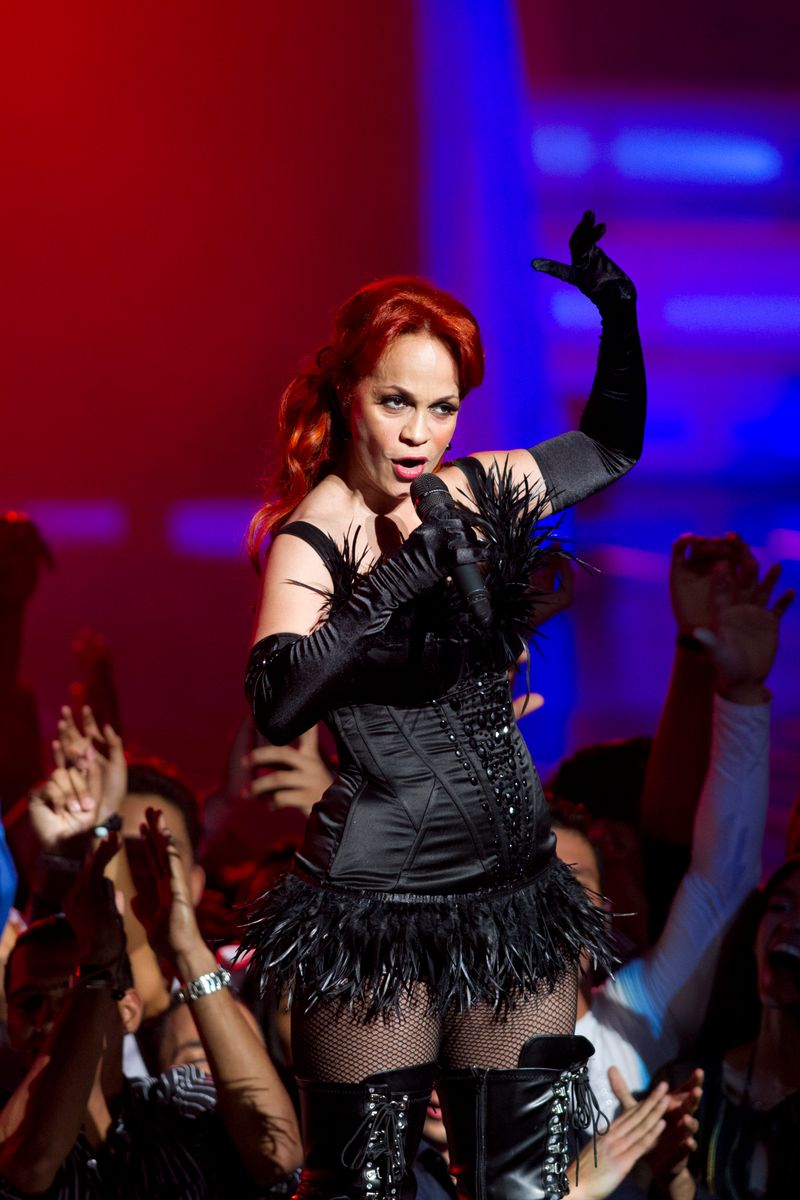
Cruz is one of the best-known female voices in Dominican merengue. Born in Santo Domingo, she became the lead singer of the influential all-female group Las Chicas del Can before launching her own musical project in 1992.
Her solo-era repertoire includes songs such as “Te Propongo,” written by Juan Luis Guerra, and “La Loba,” written by Ramón Orlando. Cruz has previously described the latter as a defining record in her career. “’La Loba’ was the song that put me on the map. Thanks to this track people knew I was alive,” Cruz said in comments published by Acento.
Decades later, her music finding an interpreter in Moscow illustrates just how far Dominican merengue continues to travel.
Dominican music is gaining ground in Moscow
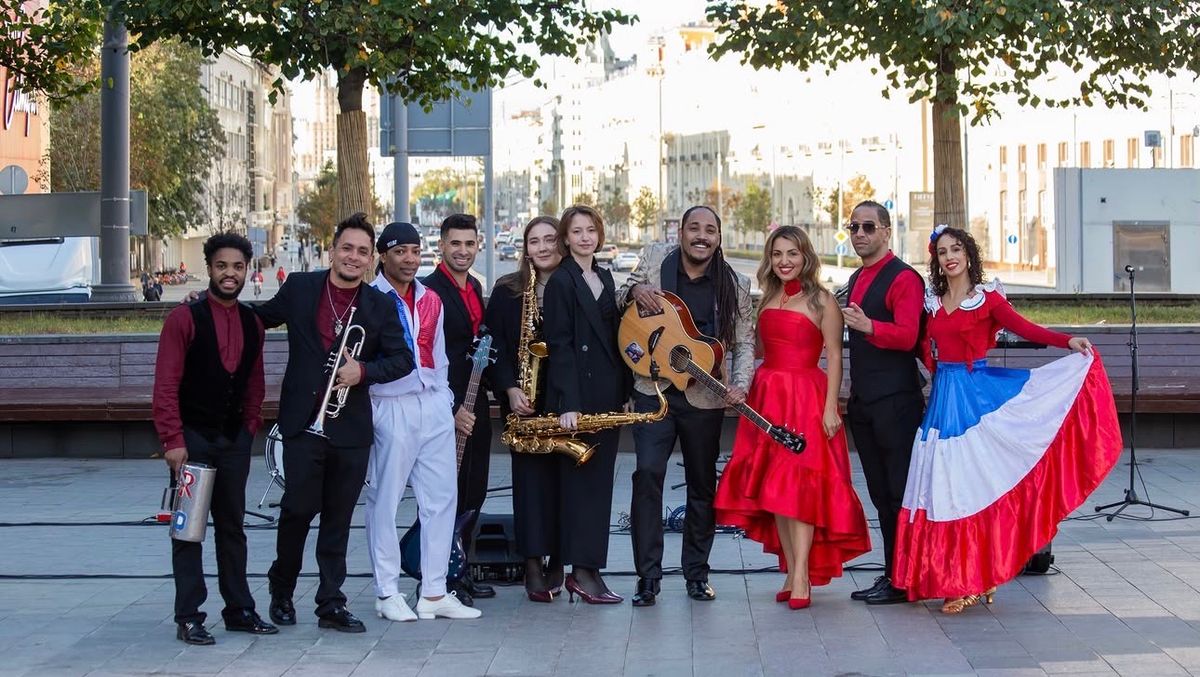
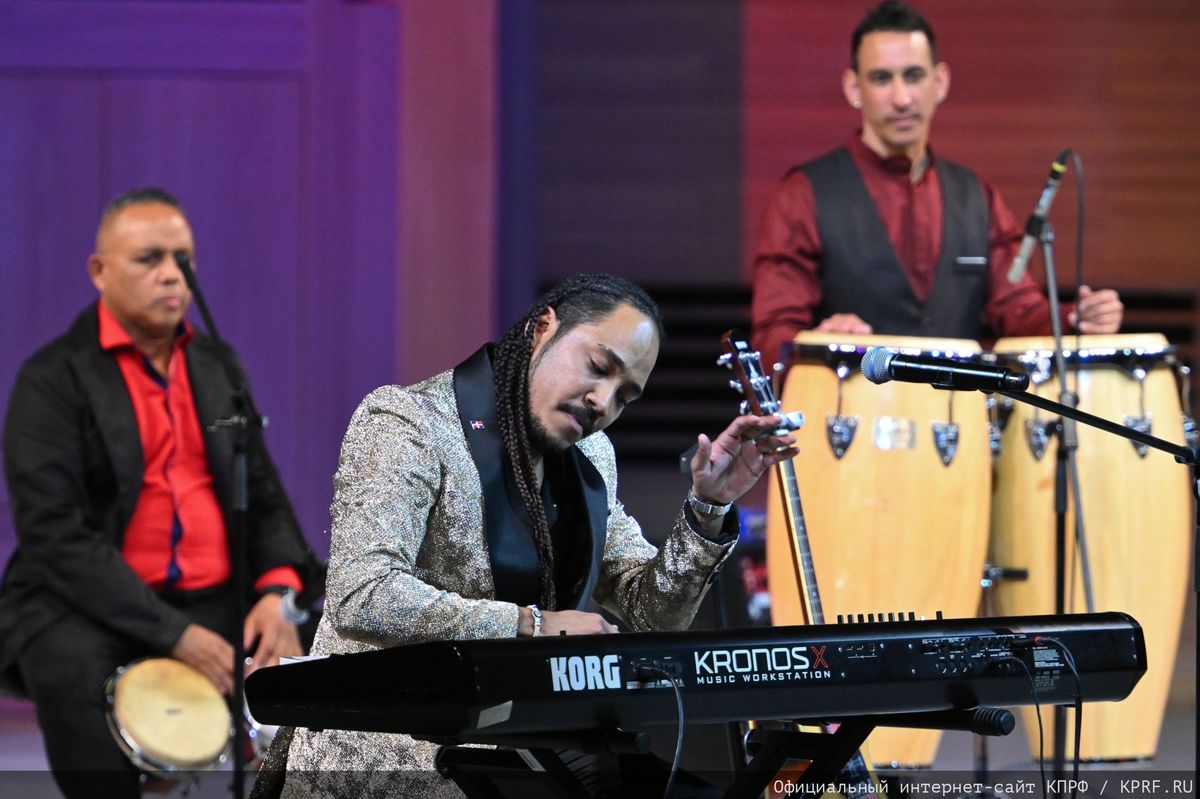
Roskina’s performances are not happening in isolation. At the center of the growing Dominican music scene in Moscow is Yanco Santana, a musician, composer and multi-instrumentalist from Higüey, Dominican Republic, who moved to Russia in 2021. Santana founded “Un dominicano en Moscow,” y Orquesta EL DOMI in Moscow on February 10, 2023, as a project dedicated to promoting Dominican and Caribbean music.
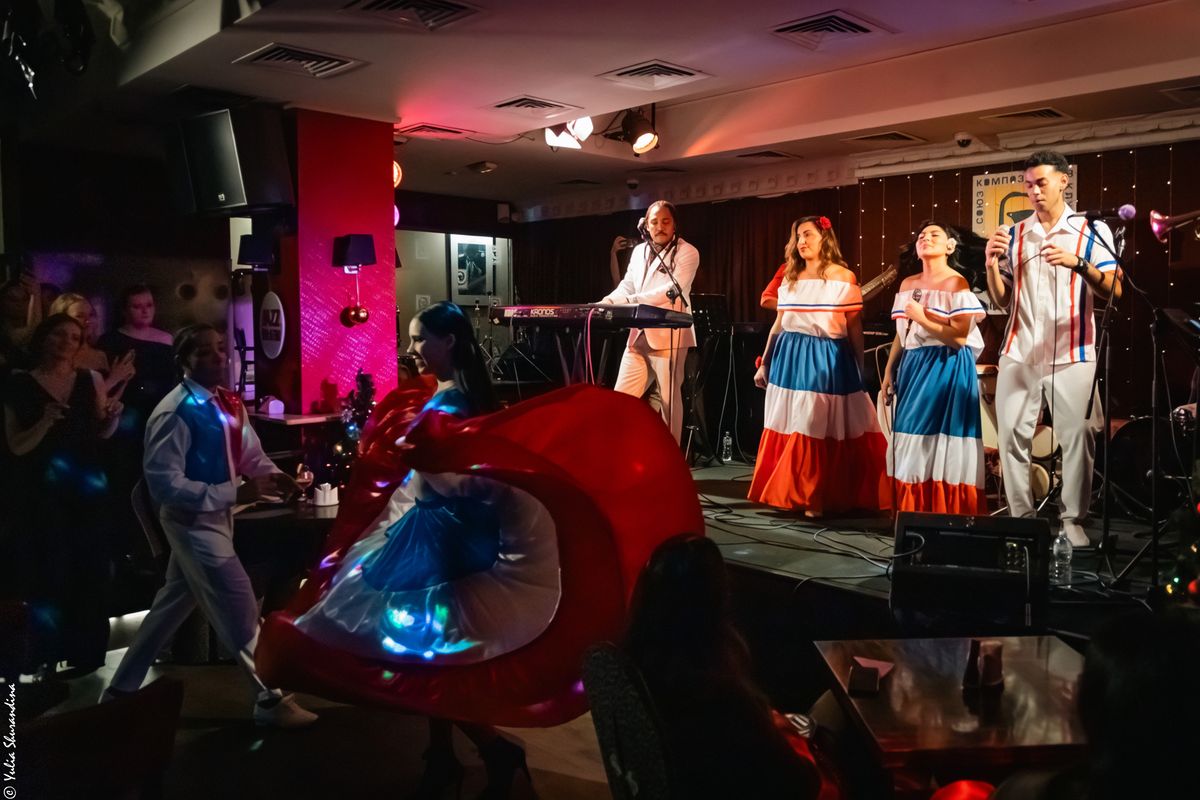
The orchestra brings together musicians of several nationalities while performing merengue, bachata, mambo and other Caribbean styles.
Santana has made his mission clear. “I want anyone who listens to merengue or bachata anywhere in the world to be able to recognize that behind these rhythms there is a culture, a history, and a people,” he said in September. “Bringing our music to Russia is also bringing a little piece of the Dominican Republic with me.”
That mission recently reached a considerably larger Russian audience. Santana and Orquesta EL DOMI appeared on Доброе утро (Good Morning) on Russia’s Channel One, where they presented Dominican music on national television. Roskina joined the musicians for the appearance, alongside Dominican dancers Elvinson Veloz and Indira Hernández. “This moment represents much more than a television appearance,” Santana said following the performance. “It is the result of a dream: that Dominican music can travel around the world.”
national
Merengue in Moscow has been growing for years
Dominican music’s presence in Russia has developed through concerts, cultural events and collaborations rather than through one viral performance.
In March 2025, EL DOMI celebrated its second anniversary with a Moscow concert featuring bachata, merengue and mambo. The event even incorporated the Russian balalaika into a performance, creating a musical connection between Russian and Dominican traditions.
Another major cultural moment came when Dominican composer and musician Ramón Orlando presented symphonic merengue with musicians from Moscow’s Tchaikovsky Conservatory in March 2025. The concert was organized as part of events commemorating 80 years of diplomatic relations between the Dominican Republic and Russia.
The performances show that Dominican music in Moscow is developing on several levels, from dance-oriented merengue and bachata concerts to symphonic arrangements and national television appearances.
The concert was organized as part of events commemorating 80 years of diplomatic relations between the Dominican Republic and Russia.
Her connection with EL DOMI has also moved beyond live covers. In April 2026, Yanco Santana released “Una noche contigo” featuring Regina Roskina, giving the singer a recorded collaboration connected directly to the Moscow-based Dominican music project.
For Santana, that kind of cultural crossover appears to be central to the project. After an earlier Moscow concert, he described the orchestra’s progress as something bigger than his individual career.
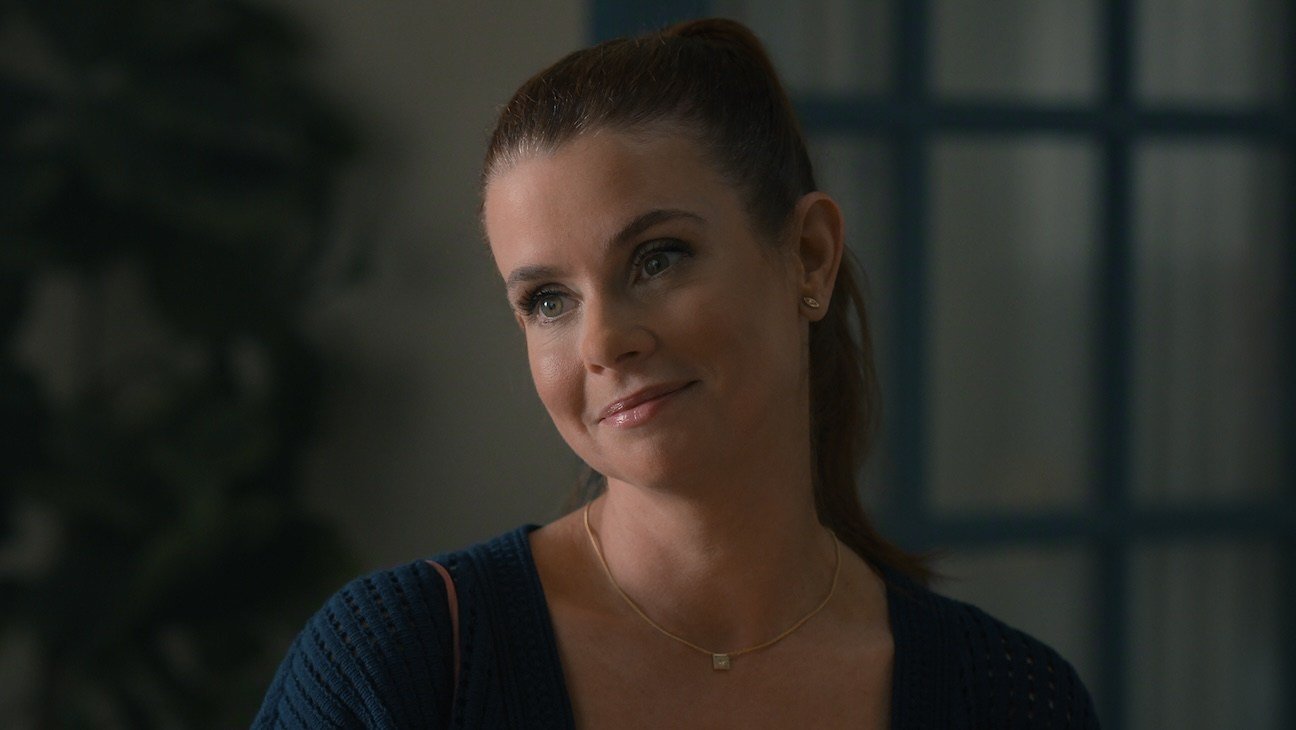
Netflix has canceled its drama series Sweet Magnolias after five seasons, but its showrunner and one of its lead actresses are also involved in a new show at the streamer.
The cancellation of Sweet Magnolias, based on novels by Sherryl Woods, comes three months after season five premiered on Netflix. The show’s audience, both worldwide and in the United States, had fallen off in the fourth and fifth seasons. Season five spent three weeks in Netflix’s worldwide top 10 for English-language series (based on the streamer’s internal data) and four weeks in Nielsen’s U.S. charts.
The show stars JoAnna Garcia Swisher, Brooke Elliott and Heather Headley as three long-time best friends who rely on one another through the ups and downs of their lives.
As for the new series: Sweet Magnolias showrunner Sheryl J. Anderson and Garcia Swisher are executive producing Ladies of the House, based on a novel by Lauren Edmondson. Garcia Swisher may also have an on-screen role.
Ladies of the House centers on a family that owns a winery. When the owner dies unexpectedly, “his wife and two adult daughters must battle through their issues with each other in order to confront challenges with the business, their extended family, and the men in their lives,” the logline reads.
Anderson will serve as showrunner and executive produce with Garcia Swisher and Kate Gordon via their Rolling Clover company and Black Label Media.
“I’m thrilled to be embarking on this new adventure with JoAnna and Netflix,” said Anderson. “When Jo shared the novel with me, I immediately saw the foundation for a series centered on three women grappling with the complexities of family, friendship, and romance — the kind of stories Jo and I most enjoy telling. I cannot wait to share the Richardson women and their world with Netflix’s global audience.”
Added Garcia Swisher, “I am beyond excited to continue to tell meaningful, female-driven stories alongside the incredible Sheryl Anderson, and to bring this to life through our production company, Rolling Clover, and with our wonderful partners at Black Label. Netflix has been my creative home for the past seven years, and I couldn’t imagine a better place, or a better team, to tell this story.”
There’s a lot of stuff to stream nowadays. In hopes of helping you watch more good movies and TV, we compile some of the most exciting titles streaming across all platforms in our weekly column, What To Watch.
Slow Horses (Apple TV)
The British spy series is back for another season. “Slow Horses” follows a group of MI6 spies who’ve been relegated to the bottom of the totem pole: Slough House. The new season follows the return of various team members as they’re pursued by a threat that’s taking them out one by one.
Monster: The Lizzie Borden Story (Netflix)
Ryan Murphy is back with another show. The new iteration of “Monster,” his anthology series following some of the world’s most notorious serial killers, is based on the case of Lizzy Borden, a woman who was accused of killing her father and her stepmother in the Victorian Era, back when women were incapable of committing such acts.
The Traitors: New Blood (Peacock)
The spin-off of the beloved reality TV show is premiering on Peacock, this time following a group of civilians as they play a game of deduction hosted in a castle in Scotland. Alan Cumming returns as host.
Best of the Best (Netflix)
Netflix’s new YA movie stars Matreiyi Ramakrishnan and Priyanka Kedia as best friends who join a Bollywood fusion dance team at UCLA. The film is a tribute to friendship and the long and beloved history of Bollywood.
Mobland (Paramount+)
“Mobland” is back with another season, following Tom Hardy and Pierce Brosnan as members of a warring faction of mob families enmeshed in a London turf war.
The AI Doc: Or How I Became an Apocalypticist (Netflix)
Directed by Daniel Roher and Charlie Tyrell, “The AI Doc” follows the filmmakers as they try to understand the most impactful technology of our times, from the threats it poses to its promises.
The Resident Evil franchise (Prime Video & Netflix)
Lastly, “Resident Evil” is out in theaters. If you’re not feeling like going out to the theater, you can catch the previous films based on the video game franchise, streaming on Prime Video and Netflix. They’re completely unrelated to Zach Cregger’s new film, but you’ll find deadly zombies in all.
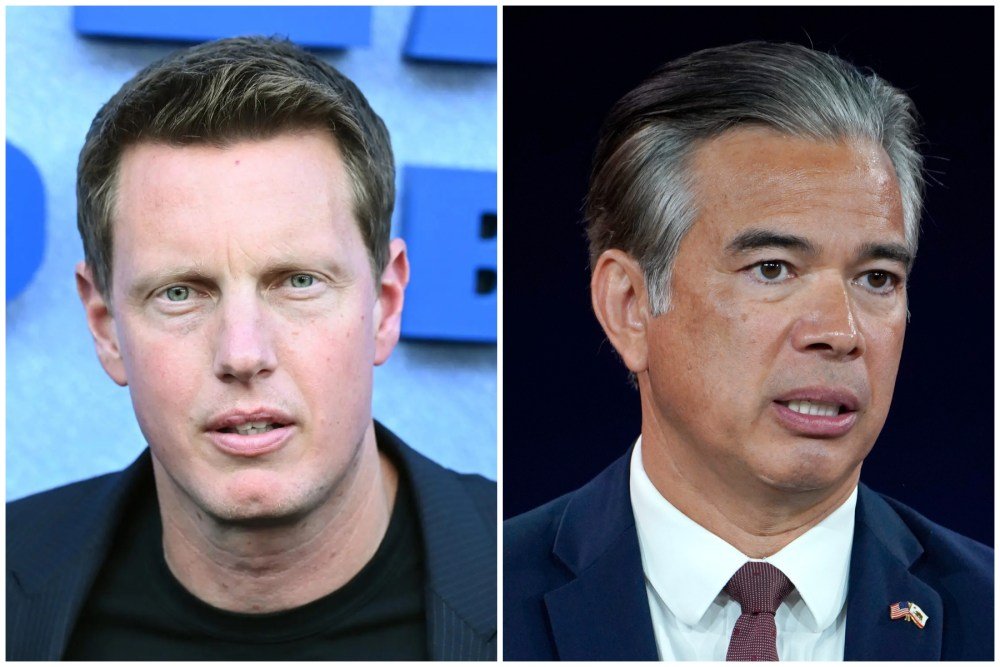
David Ellison’s Paramount Skydance is in “advanced talks” with California Attorney General Rob Bonta to settle the 12-state antitrust suit that’s holding up its takeover of Warner Bros. Discovery, the Wall Street Journal reported Friday, citing anonymous sources.
A Paramount spokesperson declined to comment. A rep for Bonta’s office said, “Potential settlement talks are confidential. We cannot confirm or deny whether settlement talks are occurring or their alleged substance.”
Per the Journal’s report, the talks are “ongoing and there is no guarantee that an agreement will be reached.” Paramount and the California AG have “discussed compromises including Paramount agreeing to operate the two companies’ movie studios separately for a period rather than immediately combining them,” according to the WSJ article.
However, Bonta has previously said that running the two companies separately — but under common ownership — would be a mere “behavioral” remedy, and that he is looking for a structural remedy that would entail separate ownership.
A judge has scheduled a trial in the matter for March 2027. Paramount had requested that the 12 states — and the Writers Guild of America, which also has filed an antitrust suit seeking to block the Paramount-WBD deal — post a $1.88 billion bond to cover its potential losses from a “ticking fee” payable to WBD shareholders (starting as of Oct. 1 at a rate of $7 million per day) if Paramount ends up prevailing in court. A hearing on the bond motion is set for Sept. 24.
David Ellison has internally told Paramount execs he’s seriously considering relocating the company’s operations — including, over a longer time horizon, its studio — out of California if Paramount is unable to close the Warner Bros. deal by the end of September. He’s floated the possibility of moving the company to Tennessee, Texas or Georgia.
Paramount and a dozen states led by California attorney general Rob Bonta are closing in on a deal to settle a lawsuit challenging the studio’s bid to acquire Warner Bros. Discovery, The Wall Street Journal reported Friday.
The two sides are in “advanced talks” to resolve the case, per the report. Under the reported deal, terms include “Paramount agreeing to operate the two companies’ movie studios separately for a period rather than immediately combining them.”
In another sign that a deal is imminent, Reuters reported that an agreement could come “as soon as this weekend.” The settlement could require independent content monitoring of CNN, plus a commitment on the number of theatrical releases.
Across the litigation, Bonta has maintained he’ll only accept structural remedies, which typically involve companies selling off parts of the combined business, and has previously said such an agreement to run studio operations independently cannot be the primary component of any potential deal. So far, Paramount has only offered behavioral concessions, including a pledge to release at least 30 movies with 45-day theatrical windows.
A deal struck without any divestitures would be a major win for Paramount CEO David Ellison, who’s threatened to move the studio out of California if an agreement isn’t reached by the start of next month regardless of the ultimate outcome of the case. With a settlement, Paramount would be able to close the merger ahead of an Oct. 1 deadline when a so-called $7 million-per-day ticking fee will start to accrue.
The discussions are “ongoing and there is no guarantee that an agreement will be reached,” the story added.
“Potential settlement talks are confidential,” said a spokesperson for Bonta’s office in a statement. “We cannot confirm or deny whether settlement talks are occurring or their alleged substance.”
Paramount declined to comment.
Movement on deal talks have been slow, with leaks having blown up discussions in public jockeying over a settlement. Last month, Bonta canceled a meeting with Paramount scheduled for the following day, accusing the studio’s representatives of leaking and misrepresenting details of negotiations they held.
A trial is scheduled to start in March, with Paramount, the states and the Writers Guild of America slated to formally sit down for two consecutive days starting on Oct. 14 to explore a settlement.
A key regulatory approval came on Thursday when the FCC signed off on equity investments from three prominent Middle East sovereign wealth funds that are backing Paramount’s bid. The sovereign wealth funds are collectively providing roughly $24 billion in financing to help bankroll Paramount’s bid for Warner Bros. Discovery, according to SEC filings. Their investment, along with that of others, will result in foreign investors collectively holding 49.5% of the combined company.
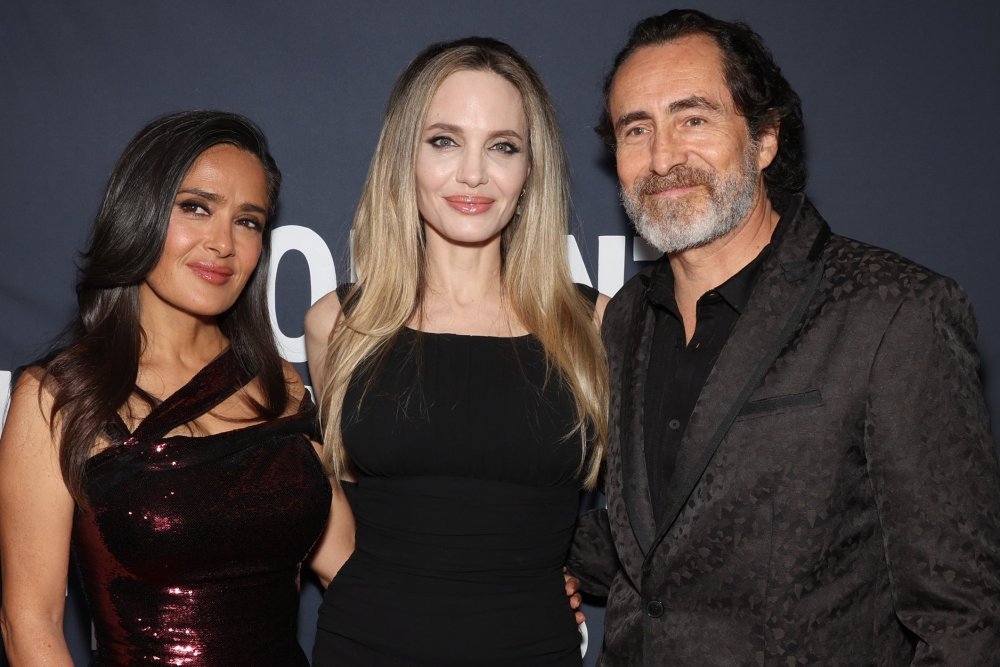
In “Without Blood,” written and directed by Angelina Jolie, Salma Hayek plays Nina, a woman who spends her adult life looking for the three men responsible for the wartime murder of her father and brother when she was just a child.
In two of the cases, her revenge is fatal. But then she meets the third accomplice, Tito (Demián Bichir), now a clerk in a newspaper kiosk at a train station.
The movie is in many ways a two-hander featuring Nina and Tito talking over drinks with flashback scenes chronicling both of their sometimes harrowing lives.
“I was afraid that I couldn’t play this part, and also I was afraid to go so far every day at work and go into this really difficult place,” Hayek says during a joint interview with Jolie. “At the beginning, I wasn’t sure that Angelina was directing. I thought she was just producing. I’m like, ‘Oh no, I don’t want to suffer like that. I don’t want to.’ And then she started talking to me about the importance of the piece. And then you have to understand that Angelina is an extraordinary director.”
“Without Blood” is an adaptation of Italian writer Alessandro Baricco’s novella of the same name. Like the book, the movie doesn’t specify the time or the location where the story takes place, nor identify the war at the center of the story. The characters speak English and Spanish.
“I wanted it to be that anyone watching it from anywhere could identify with it,” Jolie says. “Even if it wasn’t an actual war or a conflict, there’s something beautiful in the book where it says, ‘We return to where we break.’ So part of the conflict and the idea of the film is that anybody can identify with something in your life where something happened where it broke you and changed you, and how much you wish you could sit across from that person and have answers and have some kind of say your piece and hope that they could see you and hope that it gives you some kind of healing or closure. Of course, sometimes it doesn’t give you what you think you’re looking for or doesn’t heal those.”
This isn’t the first time Jolie has made a film about war and conflict. Her directorial debut was the Bosnian war drama “In the Land of Blood and Money” in 2011. “Unbroken” (2014) told the story of American prisoners-of-war during World War II. The life of Cambodian author and human rights activist Loung Ung under the rule of the Khmer Rouge was the subject of “First They Killed My Father” in 2017.
“In ‘First They Killed My Father,’ we had trauma therapy tents because a lot of people there had been through war and I’ve learned that everybody’s been through some level of trauma,” Jolie says. “What we did on this was the time spent with everybody discussing it. We all ended up spending a lot of time talking about our pain, talking about our losses, our traumas. Obviously, community can be very, very healing.”
Jolie and Hayek Pinault first worked together five years ago when they co-starred in the Marvel movie “Eternals.” Next, Jolie will serve as a producer on Hayek Pinault’s directorial debut, “Arena,” an epic romantic adventure that the “Frida” star also wrote.
“In a way, she’s my partner,” Hayek Pinault says. “I’ve written two different scripts with two different pens that she gave me. It’s a really good, enriching and artistic relationship. That is hard to find. It’s such a gift.”
I asked Jolie if she’s ever been tempted to direct lighter material like a comedy. “We’ve laughed a lot. We fantasized about making different comedies together,” Hayek Pinault says.
Jolie laughs, “My comedies tend to be a bit dark. I think I have a dark sense of humor.”
Hayek Pinault turns to Jolie and says, “You’re funny. So funny. She just keeps it a secret.”
Jolie isn’t sure she has what it takes to helm comedy. “I don’t know how good I’d be. You have those things that we think, as an actress, you like to try everything and then you get to a point you realize other actors are good at certain things and there are many who are better at comedy than I am. But I do think I’m a pretty good straight person, like the ‘Maleficent.’ I’m a good straight.”
If you purchase an independently reviewed product or service through a link on our website, Variety may receive an affiliate commission.
It’s week two in the NFL season and we’re already seeing a big rivalry game between two NFC North teams. Although both the Vikings and the Bears are 1-0 on the season, this game has a little more weight since it’s a division matchup. Whichever teams wins this Sunday, they’re one step closer to winning the division and having better placement in the NFL Playoffs in January 2027.
On Sunday, Sept. 20, you can watch Minnesota Vikings vs. Chicago Bears at Soldier Field in Chicago, Illinois. Kickoff is at 1 p.m. ET/10 a.m. PT, while the NFL game broadcasts on FOX.
Want to watch the game online? FOX is a network available via Sling Blue.
Right now, Sling Blue goes for $54.99 per month, while the streaming package comes with FOX for the Vikings vs. Bears game. It’s the best plan for the best news and entertainment. Sling Blue comes with ABC and NBC (in select markets), as well as more than 40 other channels, like Bravo, Cartoon Network, Discovery Channel, E!, FOX Sports, FX, FOX News, MS Now, NFL Network, National Geographic, SYFY, TLC, USA Network, A&E, AMC, BBC America, BET, CNN, Comedy Central, Food Network, Fuse, HGTV, History Channel, IFC, Lifetime, Nick Jr., QVC, TBS, TNT, Travel Channel, Vice and many others.
Meanwhile, a subscription to Sling Blue also gets you access to the FOX One streaming service at no extra cost (a $19.99 per month value).
Additionally, you can get the Sling TV Season Pass, which starts at $199.99 when you prepay for five months of service. It’s ideal for the NFL season to watch more games online. It comes with the higher tier Orange + Blue plan, as well as the Sling Sports Extra, which comes with more sports channels, like NFL RedZone, NBA TV, NHL Network, MLB Network, ACC Network, Big Ten Network, SEC Network, ESPNews, ESPNU and others. With Sling TV Season Pass, you’ll get more than 60 channels for NFL games and other live sports.
All Sling TV plans have live TV over the internet, on-demand movie and TV shows, 50 hours of cloud DVR storage and up to three streams across devices, such as smart TVs, smartphones, tablets, laptops and web browsers, at the same time.
On Sunday, Sept. 20, you can livestream Minnesota Vikings vs. Chicago Bears, with a start time of 1 p.m. ET/10 a.m. PT on FOX with Sling Blue, below:
It’s officially the last New Music Friday of the summer, and artists did not play when it came to dropping fresh bangers. From A-list names and collaborations to highly anticipated albums, get your playlist ready and let’s have some musical fun.
Maluma & Shakira – AGUA
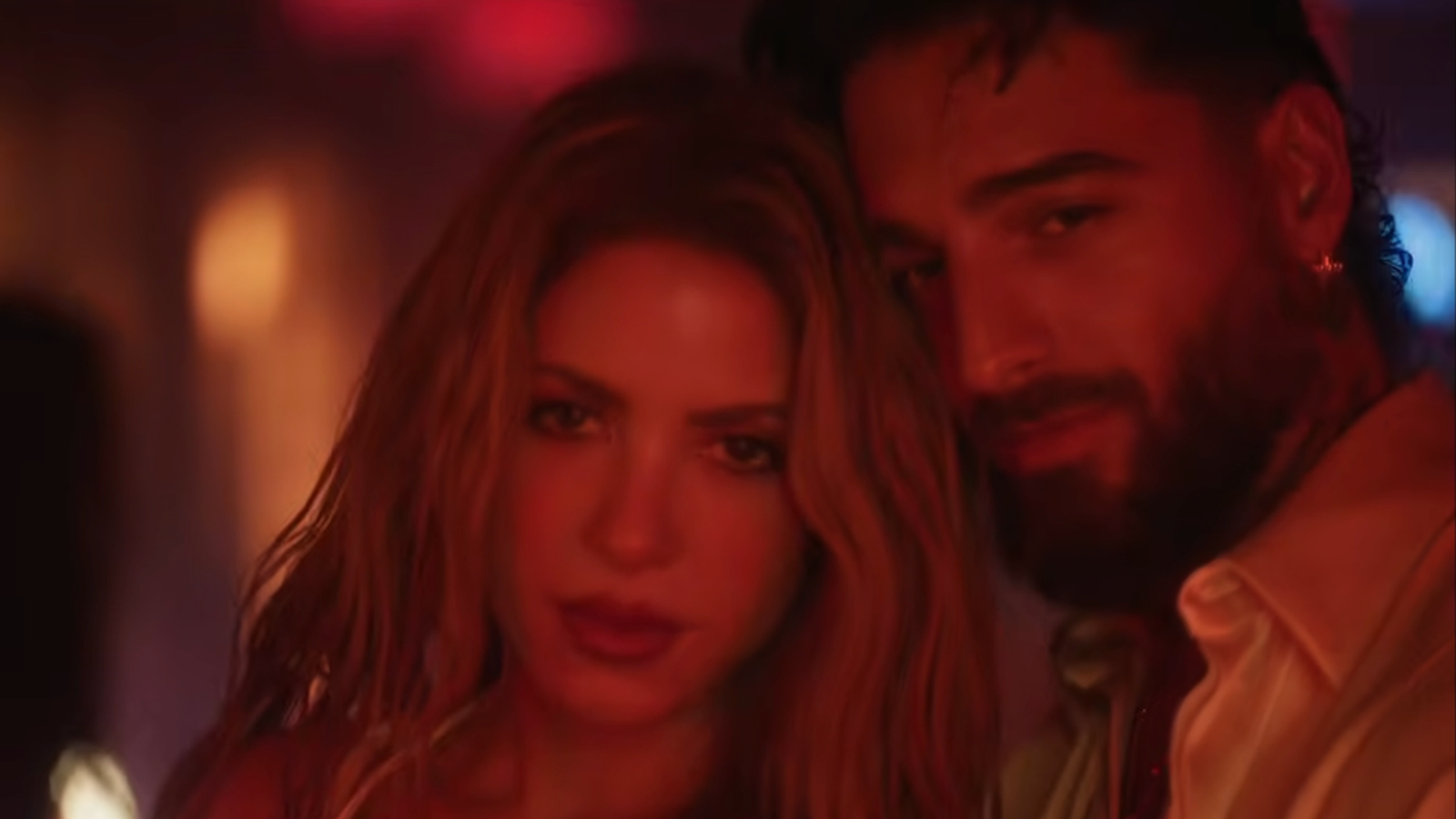
Shakira and Maluma reunite on “Agua,” their first major collaboration since 2018’s “Clandestino.” It marks their first merengue together, and they did not miss. The Colombian superstars turn up the heat and show off their chemistry and sexual energy in the spicy music video. Shakira looks incredible, per usual, as she flaunts her amazing body and signature dance moves.
CA7RIEL, Paco Amoroso, PinkPantheress, Fred again..–Sexy Magic
CA7RIEL, Paco Amoroso, PinkPantheress, and Fred again come together for “Sexy Magic,” which is featured on the long-awaited Grand Theft Auto VI soundtrack. CA7RIEL and Paco Amoroso are on fire, scoring 7 nominations at the Latin GRAMMYS, the second most after producer Edgar Barrera.
Piso 21, Micro TDH & Gangsta – Segunda Cita
Piso 21, Micro TDH & Gangsta will have you feeling flirty and ready for date night with “Segunda Cita.” It’s a powerhouse collaboration with all the artists seamlessly blending their sounds. It includes a sweet moment with Micro TDH celebrating their first collab with Piso 21, “Te VI’s” initiation into the billions club on Spotify.
Michelle Maciel – espresso martini
Mexican singer-songwriter Michelle Macielbegins a new chapter with her album La Gloria, a 13-track project that explores love, personal growth, and experimentation while blending corridos, reggaetón, and boleros. The album’s focus track, “Dolencias,” featuring Ana Gloria, brings the two artists together for a fun, dance floor-ready collaboration that highlights Maciel’s ability to move between genres.
Zulia – Birkin
Following the release of his album Ya No Me Importa Si Nadie Me Escucha, Venezuelan rising star Zulia drops “Birkin.” The singer has one of the most unique voices in music, with bold, sensual lyrics, and a smooth sound.
You may also like
Continue reading
Guaynaa- SE PARECE AL PAI
Puerto Rican singer Guaynaa gets into his salsa swag with “SE PARECE AL PAI.” The catchy track has incredible instrumentals, an infectious melody, and lyrics inspired by his own life as a father. It stars his wife, Lele Pons, and their daughter, Eloísa.
Rodrigo y Gabriela – Somos Como Tú
GRAMMY-winning Mexican guitar duo Rodrigo y Gabriela release their new album OurHome. They step into new territory with “Somos Como Tú,” their first-ever song featuring lyrics and vocals. The track explores migration, displacement, and the connections that unite people across cultures, marking a new chapter for the duo as they continue to expand beyond their signature acoustic sound.
Feid, Bad Gyal – DE DIOR XL
After postponing its release, Feid drops his new EP, EL GREEN PRINT: La Saga (Disc 2) – EL CLUB DE LAS 19 FLORES, the next chapter of his Green Print era. It includes collaborations with Vicente García, El Americano 4KT and Pirlo, Divino and Baby Ranks, Icon, Yandel, and Spanish star Bad Gyal.
Elvis Crespo, beele – PA´BAILAR
The one and only Elvis Crespo adds another collaboration with the new generation, this time with Beele. The genre-blending track has merengue, urban, and pop sounds with exciting instrumentals that will have you ready to move your hips.
MILEY – Let’s Get Married
Miley’s highly anticipated album Bass Persuades is here, and it’s beautiful. It’s the first album since dropping Cyrus and shows off the multifaceted sides of the singer. “Let’s Get Married” is a gorgeous track dedicated to her fiancé, Maxx Morando, and comes with an intimate music video starring the couple.
Fatih Akin is no stranger to the festival circuit, having wowed Berlin with his Golden Bear-winning Head-On in 2004 and nabbing best screenplay in Cannes for The Edge of Heaven in 2007.
The German-Turkish filmmaker, also a Golden Globe winner for 2017’s In the Fade, has sent a couple of movies to San Sebastian over the years. “I don’t remember which films it was,” he tells The Hollywood Reporter on Zoom. “But I always wanted to go.”
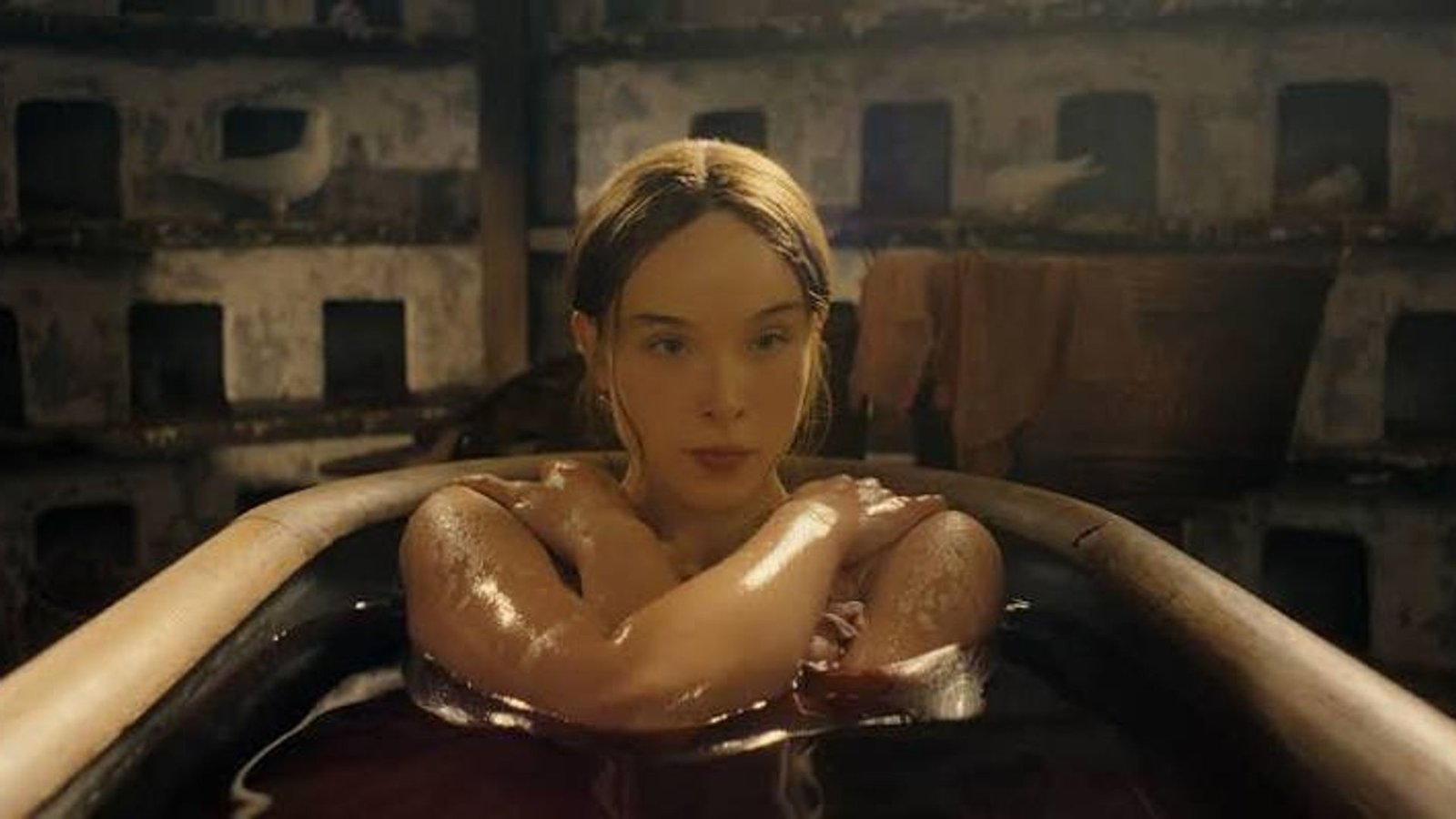
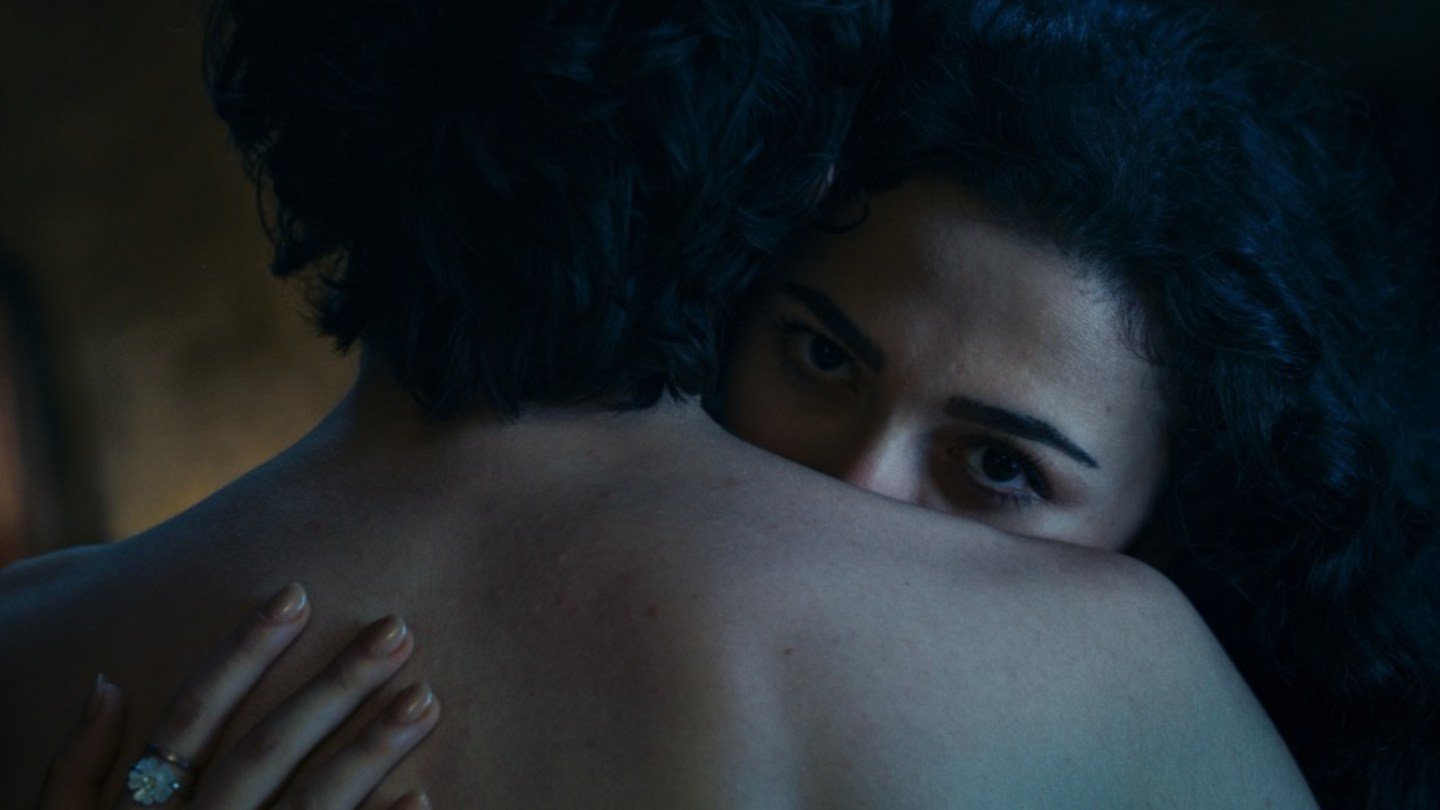
Akin is getting his chance and then some with this year’s haunting opener Ghost Song, following two students who meet in a Berlin nightclub and immediately fall head over heels in love. Farasha (Mariam Dawoud) and Faris (Eren M. Güvercin) are struck by a deep-rooted connection that they can’t wait to untangle, but the cord is abruptly cut short when Farasha is killed. For the next 40 nights, she visits Faris in his dreams, where their mutual infatuation slowly drives him to the brink of insanity.
The Warner Bros. film, co-written with Ruth Toma and set for release in Germany Nov. 5, is actually inspired by Akin’s own discovery of anime and manga, and bolstered by his desire to make Ghost Song for a younger audience. “I’m not a boomer, but I’m Generation X, and Gen Z is very different,” he says. “They work with very different tools and worlds, and you have this influence [that] is not coming from Hollywood. You have this influence coming from Asia, from Japan, China, Korea.”
The black-and-white feature is both tender and harrowing, the anime influence palpable in the beautifully illustrated title cards marking the remaining nights Farasha and Faris have together. The story also deftly draws on spirituality rooted in the Islamic tradition — a nod to Akin’s religious upbringing. “It’s my form of dealing with that,” he tells THR, “or using it as storytelling.”
Below, ahead of its glitzy red carpet premiere on Friday as Spain’s most prestigious film festival officially gets underway, Akin unpacks the making of Ghost Song. He talks about its depiction of teen suicides — “everybody knows somebody in the generation of my kids who [took their own life] or who tried to” — as well as his decision to keep the film in black-and-white, its similarity to Demi Moore and Patrick Swayze’s Ghost, and why he’s vowed to never relive this particular process again: “This is the very last time I do it this way.”
When did this journey start, and why this story?
It all started about 10 years ago. It was basically an idea [from] my son. He had this idea of me doing a film for kids, and it was a story about two friends, and one is a ghost — two boys and they’re best friends. I liked the idea of doing something for children, which was very different than what I did before. And I gave it to this writer, Ruth Toma, who I had worked with before. And she wrote the screenplay for this children’s movie. But then I turned to doing In the Fade and other stuff. We never stopped developing the screenplay in the meantime. And what happened was, with the growing up of my children, the age of the characters had changed. That happened [naturally], and so the focus shifted as well and it became a romantic [film]. My kids really taught me or showed me the world of anime. I was very much in manga and graphic novels before… But I was wondering, can I combine it with my take on cinema?
So there’s an anime influence on this film?
Very much. Anime films often have this romantic touch. They are in this fantasy world, you know? Like parallel universes, rebirth, dying and coming back — this is very popular in the anime world. But also social matters. A Silent Voice is a film about mobbing and suicide in the teenage world or in the young adult world, and so anime is a tool or a window for a younger generation than I am. I’m not a boomer, but I’m Generation X, and Gen Z is very different. They work with very different tools and worlds, and you have this influence [that] is not coming from Hollywood. You have this influence coming from Asia, from Japan, China, Korea. I was very much influenced by Western cinema, by American cinema.
Filmmaker Fatih Akin at the 2025 Cannes Film Festival.
Courtesy of Getty
Are there any particular directors from that region that you’re a fan of?
Hayao Miyazaki, the guy who won the Academy Award with Spirited Away. All his work is pretty influential, and of course, the guys who made Suzume, Your Name and Belle, these are incredible pieces of work, in a very visual way. I had the opportunity to do [that] with this film: combine it with that world [and make] a spiritual film. When you think about spiritual films, you end up with Kundun or The Last Temptation of Christ stuff, but I see more the desire and need of doing such a film for a director. Spirituality, the supernatural… I’m interested in this stuff in a private way, but how can you make a film about it that’s still for a wider audience? Ghost Song gave me the opportunity to do that — to do a spiritual film, but to do it as much [for]… I don’t know. Pop culture.
It’s interesting that this started as a children’s film because it really is quite morbid.
It’s not a children’s film anymore. It started as a children’s film, but then it became […] [for] young adults. And what we found out when we worked on this is that suicide is the highest reason for dying between 15 to 25-year-olds in the whole world. I didn’t know that, and it was scary. Suicide is a theme which has always popped up in my work.
I don’t know why these things pop up in my work, but it’s here [in Ghost Song] again. And everybody knows somebody in the generation of my kids who [took their own life] or who tried to. COVID was a very depressing period for this generation. So I observe that, in a way. I deal with that. I think the film is for everybody in a way — not too young — but sometimes I can understand that people of 60 years, if they don’t have kids or if their kids are grown up, that they cannot connect with such a film. But a younger audience can. And I’m 53 now. I’m thinking about getting old, and to do such a film and to connect with a younger audience… It keeps me young. (Laughs.)
This film tackles so much: suicide, mental health, young love. I want to ask about the mythology of this film, if that’s the right word. The lore, and Farasha haunting Faris for 40 nights. Is that rooted in a certain tradition?
Yes, the Islamic tradition. But we discovered that Orthodox Christianity has that too. […] I have this Islamic background. I grew up in an Islamic family, a very faithful, religious family. It’s my form of dealing with that, or using it as storytelling.
It was beautiful. I don’t know if I saw the final version of the film — I saw a black and white version?
That is the final version. I have two versions. That happened because the anime world was influencing this film, so when you do a film, you have reference films. The only reference films I had for this one, which I gave to my DP, were the anime films. Your Name, A Silent Voice, maybe Ghost, the Patrick Swayze film. (Laughs.) But nothing else on a visual level comes to mind. So this was the influence, and the colors and the color grading was very important. For the first time, I really, really, really worked with strong colors. It starts with the costume and goes through the set design and the lighting, but very much the grading as well. And the grading is a process in filmmaking that comes at the end, after the film is edited and done.
[But] with the fast rush and to not get distracted by it or not lose the faith in the visuality of the material, what did I do? I switched off the colors in the editing process. And what happened is we got used to it. The whole film was a long journey and very difficult to edit. I was in the editing room [for] almost six months. What do you do when you edit six months in black and white? You get used to it, and that’s like a relationship. You fall in love with it. So [we were] like, “Okay, let’s keep it in black and white.” It’s beautiful in black and white, and it’s existential in black and white. And this film is about existentialism, and it’s manga, and manga and anime are in black and white because the colors are too expensive to print. It became this art form. It’s so strong and so unique.
So which one will you screen in San Sebastian?
The black and white. I’m asking that they also show a color version of the film. I’m not sure if I have convinced the festival committee yet. But we have the opening in black and white, and I hope that I can get a second screening in color because you have to see both versions of the film to have the complete picture.
This is also very much an immigrant story. And we see glimpses of Farasha’s journey to Europe. I wanted to ask whether that’s rooted in anything personal for you?
I am always looking for heroines and heroes who are not that common in Western cinema, but [are] part of the Western world when you go out on the street. I’ve always done that since my very first film. I don’t know if it’s just personal. It’s something I observe on the street in daily life. Syrian migration in Germany since 2015 has become very visible in Germany, and these people somehow adapted to so much and so fast, as well. I mean, they’re in the medical sector and the care sector. They’re in all sectors, and they changed this country. The Turks have been here since the ’60s of the last century, but the Syrians came 10 years ago. It was an opportunity to put that in the story as well. To give more texture.
I don’t have these typical rock-and-roll kids [as] heroes. Faith is important for [Farasha] in a way. Maybe her faith, her religion, makes her otherworldly. You have to believe in that… If you deal with life and death and past life, you automatically end up in a spiritual film, and so it was a way or an opportunity to use my personal biography in this spirituality of the film.
How do you hope the audience reacts after watching Ghost Song?
I’ve seen some reactions [already]. Some reactions really shocked me — some people, they’re very much emotionally shaken by the film. I had never seen that before, or in other works I did. Usually, it’s not so much a young audience who’s like that. It’s more like 30 and up, you know? For them, this is a roller coaster, and I always try to give the audience a physical experience as well. I think if a film reaches a physical level — laughing, crying, whatever it is… If this two-dimensional medium can create that, can create goosebumps, but on the other hand, console. […] I hope this film could be a friend for a lot of young people. It deals with life and death, but in a life-positive way. It’s a tragic love story — we don’t have that too much these days in the cinema, especially a lot in German cinema.
It’s catharsis. It’s a troubled world. Everybody has a lot of issues all over the world, and you get sidetracked from that escapism. If a film can give you catharsis, it can be very helpful.
It’s my first time at San Sebastian [Film Festival]. I think in the past, I sent films there and they passed [on them]. I don’t remember which films it was. But I always wanted to go to San Sebastian. It has that great name and good food and [it’s a] sophisticated festival in a way. I was very, very curious always about that because I have a lot of friends in Spain, and I think I have an audience in Spain, so I have a good relationship [with] that country. To get to that festival with this film and opening it, it means a lot to me.
It’s also good to know that there aren’t just the usual suspects to present a film. I mean, Cannes is great, and it did a lot for me. And so did Venice and Berlin. But there are other parts of the world, other festivals in the world. It’s not just that I want to support them, but they also support you. I feel very humble and and very honored that they picked up the film for opening. You know, in [the World Cup], I wanted Spain to win. (Laughs.)
How were you able to get Ghost Song funded?
We got government funding. But our biggest supporter, and I’m very thankful that I have them, was Warner Brothers. [Around] half of the budget is coming from Warner Brothers., I’m not sure. My producers know it better. (Laughs.) It was very difficult to finance this film. Very, very, very difficult. On the one hand, films have become more and more and more expensive, especially in Germany. That’s why a lot of German filmmakers move somewhere else to do their films. The cost, everything gets so high here. And you never get the full budget for any film.
Here, and also for [my] last two films, [including Cannes-premierer] Amrum, we went into the risk. We said, “Okay, we are not [at] full budget,” but we still greenlit the film. This is becoming more and more dangerous. This is the very last time I do it this way. Life is too short. It’s heart attacks and cortisol and sleepless nights! It’s not like when I started doing films. I was this young filmmaker in another time, in another country. You had some kids, you had some employees and a company and you’d do a film and fulfill that. It doesn’t work like that anymore.
As someone who has been working with Warner Bros.recently, and with a lot of European creatives speaking about the proposed Paramount takeover, can I ask: do you have an opinion?
Nobody knows. As a rule in filmmaking, nobody knows shit. And I don’t know about tomorrow. […] I don’t have an opinion about that. I can just say I work with the team in Germany and the U.K., and they’re very supportive. I have to say, a brilliant, professional, great team, and a lot of fun to work with.
This interview has been shortened and edited for clarity.The 2026 San Sebastian International Film Festival runs Sep. 18-26.
MGA Entertainment has debuted a new music video and single tied to a new line of dolls dubbed Mirror Mi.
MIrror Mi features six fashion dolls, each of which embodies “a signature emotion and brought to life through a distinct personality, point of view and style.” The dolls feature fashionable clothing, long rooted hair and collective accessories, among other features, that represent their particular emotion. They are: Blaze Maxx (electric), Amora Valentina (love), Luna Skye (dreamy), kiko Kittyama (crazy), Shai Meadows (sheepish) and Suki Goldpetal (fragile).
The cinematic music video “takes those personalities and emotions beyond the dollhouse and into an elite performing arts academy, where the characters (live-action) pursue their creative passions while navigating friendship, self-expression and change, ultimately discovering the power within every emotion,” the company said, adding that the launch “reflects MGA’s broader vision for Mirror Mi: using dolls as the first point of connection, then deepening character development and emotional relatability through music and storytelling.”
The video was produced in partnership with London Alley Entertainment and directed by Grammy-nominated filmmaker Colin Tilley.
MGA said that additional projects in the works for the Mirror Mi line include stop-motion films and an animated short-form series launching later in 2026.
“With Mirror Mi, we set out to create a world as layered and expressive as the fans it was created for,” said Josh Hackbarth, chief marketing officer at MGA Entertainment. “The dolls are the first point of connection, but music and storytelling allow us to reveal so much more about who these characters are and the emotions that shape them. Every look, lyric and storyline uncovers another side of their personalities, giving fans another opportunity to connect and see themselves reflected in these characters.”
The Mirror Mi dolls
Mirror Mi dolls are currently available at retailers. The product line will expand with four-inch Mini Mis that can be customized, posed and displayed.
“We didn’t begin Mirror Mi with a trend, a color palette or a silhouette. We began with emotion and feelings,” said Paula Garcia, chief design officer at MGA Entertainment. “That idea guided every creative decision, from the sculpt, expression and articulation to the hair, fashion and accessories, allowing each character’s personality and the emotion she embodies to shine through. To us, great character design does more than create something beautiful; it is about creating an immediate and meaningful connection. Every detail is intentional and every element has purpose, revealing something about each character’s identity, perspective and unique way of expressing herself. Mirror Mi represents our vision for the future of doll design: emotionally resonant, creatively fearless and unmistakably original. Watching these characters evolve from an initial idea into fully realized dolls and now seeing the world we imagined expand beyond the product and come alive through music and cinematic storytelling has been truly breathtaking.”

 © Orquesta EL DOMI
 © Orquesta El DOMI
 © Yanco Santana
 © ERIKA SANTELICES/AFP via Getty Images
 © Orquesta EL DOMI
 © Orquesta EL DOMI
 © Orquesta EL DOMI
 © Orquesta EL DOMI