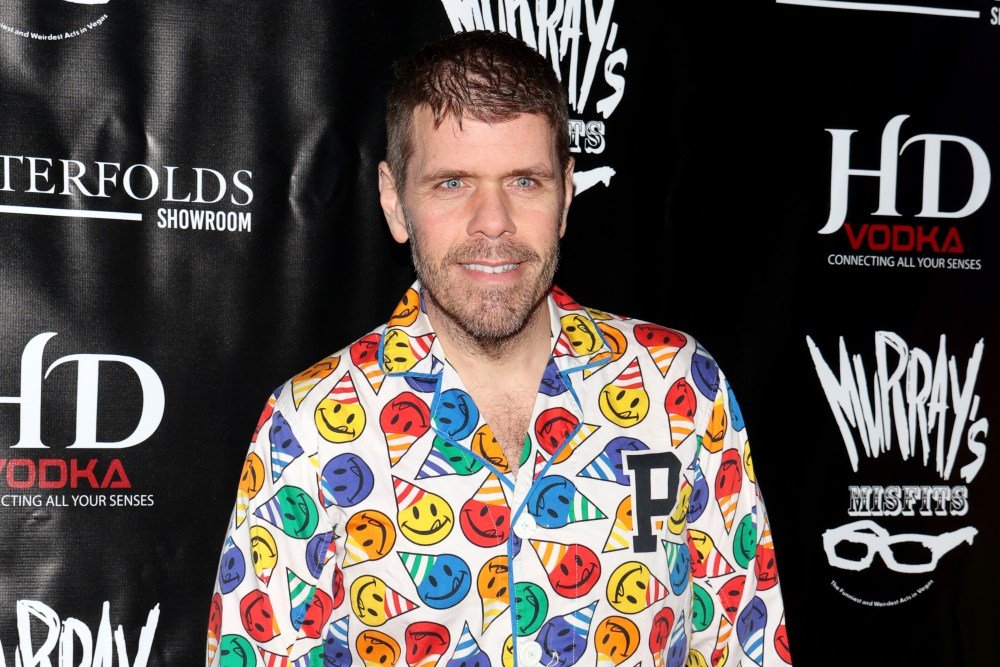
Local police were dispatched to the Miami home of Hollywood gossip journalist Perez Hilton after receiving reports about a disturbing livestream during which Hilton, covered in blood, appeared to be cutting himself, Variety has confirmed.
The Miami-Dade County Sheriff’s Office received multiple calls about Hilton’s livestream on Tuesday night and sent deputies to respond. Once on scene, officers spoke with several of Hilton’s family members. Authorities confirmed that Hilton was alone in his home during the time of the live stream. Deputies have since been ordered to “tactically disengage,” but continue to keep an eye on the situation.
The Miami-Dade County Sheriff’s Office also confirmed that Hilton was safely transported from his home to a local hospital, where he is receiving medical attention.
“In many incidents involving a person experiencing a mental health crisis or actively harming themselves, deputies prioritize de-escalation by creating time, distance, and opportunities for communication,” the Miami-Dade Sheriff’s Office said in a statement. “Unless there is an immediate threat to others, slowing the situation and utilizing crisis intervention techniques can reduce the likelihood of a suicide-by-cop encounter and minimize the risk of injury to the individual, deputies, and the public.”
Reps for Hilton did not immediately respond to Variety’s request for comment.
Hilton launched his career in the early 2000s, operating a popular celebrity gossip blog that offered a biting, unfiltered look at some of Hollywood’s most unsavory moments. In a 2012 sit-down with The New York Times, Hilton said that he was no longer aligned with his provocative reporting.
“What’s important for me is not being liked, but it is that people think I am no longer toxic to the world,” he said. Hilton later added, “I’m aware of the fact there are going to be a lot of people with lingering resentment and a lot of skeptics.”
The Walt Disney Co. has sold its 50 percent equity stake in A+E Global Media to Hearst for $1.2 billion in cash, ending the joint venture that was first created in 1984.
The deal will see Hearst take full control of the media company formerly known as A+E Networks, which owns brands like A&E, History and Lifetime, including cable TV channels, content studios, and streaming offerings. A+E has also invested in companies like Vice, Propagate Content, Atlas Obscura and Philo TV.
A+E will become a part of Hearst’s entertainment group upon closing later this year.
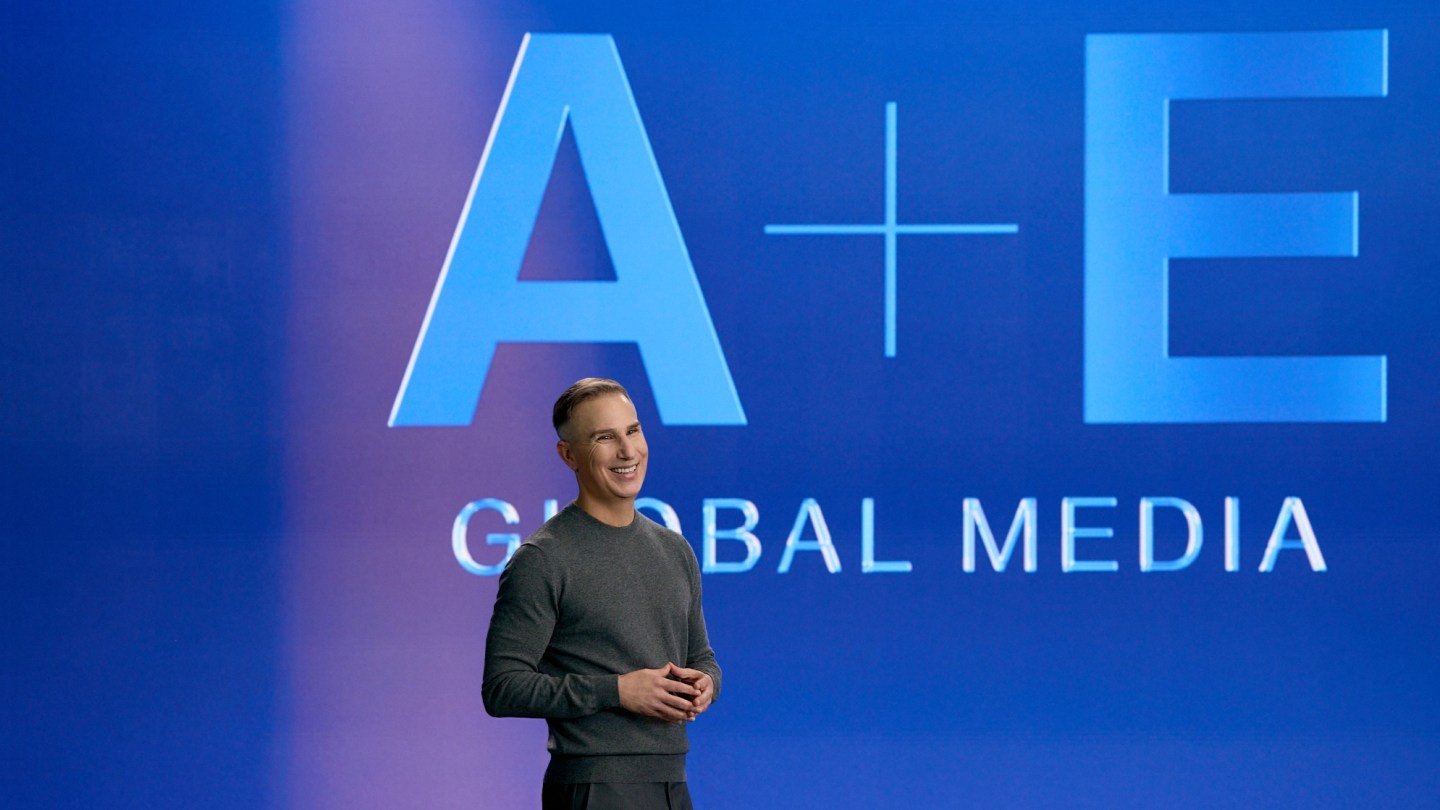
“We thank our Disney colleagues for decades of successful partnership,” said Steven R. Swartz, president and CEO of Hearst. “We look forward to supporting Paul Buccieri and A+E Global Media’s leadership team as they continue to make must-see programs and innovate around the great HISTORY, Lifetime and A&E brands.”
Paul Buccieri has led A+E since 2018.
“In a media environment defined by fragmentation, A+E Global Media’s advantage is the strength and versatility of our brands, our strong partnerships and our vast library of owned assets,” added Buccieri, president and chairman of A+E Global Media. “As we continue extending our storytelling globally across all platforms with IP that travels to every screen and form-factor, we believe we are well suited for whatever opportunities may come next. I also want to express my deepest thanks to Hearst, The Walt Disney Company and to our board members — both recent and past — for their guidance and support over the years.”
The company was founded in 1984 (the Arts & Entertainment Network was its original cable brand), with Hearst and ABC each owning a slice alongside other investors. NBC obtained a minority stake in 1993. The company expanded with an acquisition of Lifetime Networks in 2009. Lifetime was also a JV of Disney and Hearst.
Disney and Hearst had been equal partners in A+E since 2012, when they bought out NBCUniversal’s minority stake. The company had begun to explore its options a year ago, hiring Wells Fargo to market it. Since then, of course, Comcast spun out its cable channels into Versant while Warner Bros. Discovery has inked a deal to sell itself to Paramount Skydance.
Paramount reported mixed second-quarter earnings Tuesday as its takeover of Warner Bros. Discovery remains in limbo.
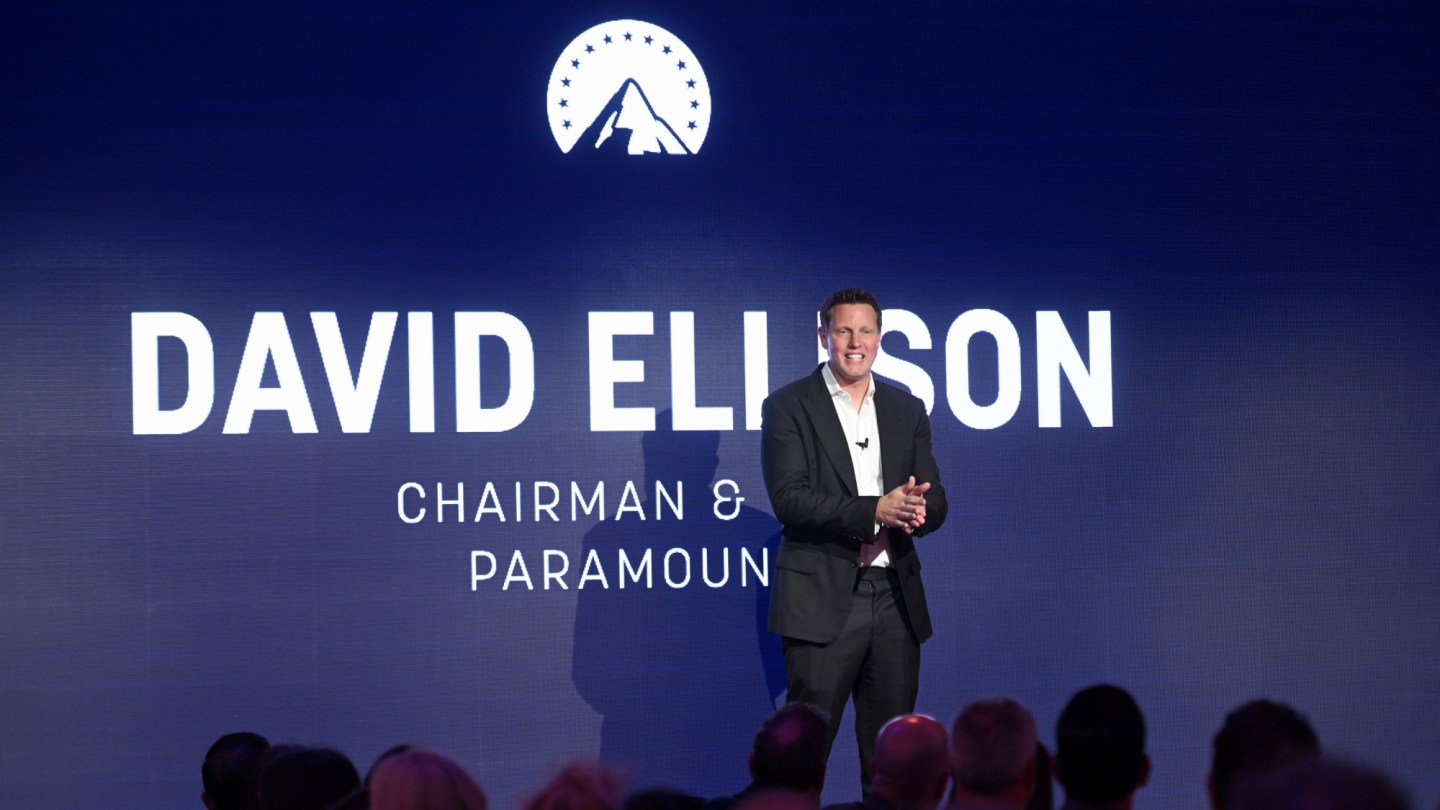
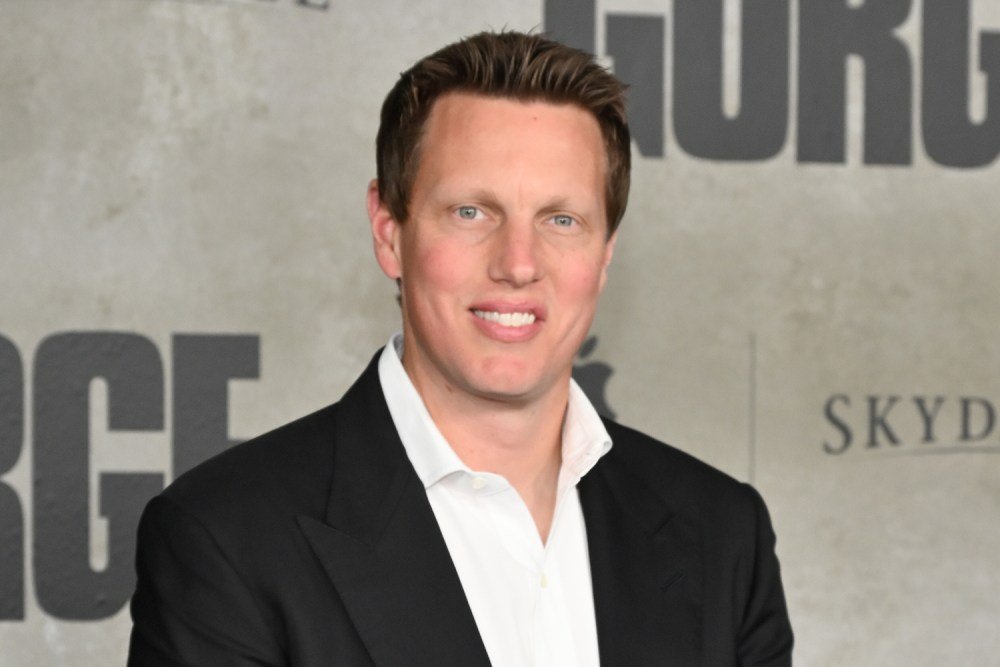
Still, CEO David Ellison sought to reassure shareholders in the letter saying, “We continue to prepare for our proposed combination with Warner Bros. Discovery, while staying focused on executing our standalone strategy and delivering strong results.”
The company reported revenues of $6.9 billion, up 1 percent from its predecessor company a year ago, while net earnings fell to $41 million, or four cents per share after $57 million, or eight cents a share, a year ago.
Paramount’s TV media segment, which includes CBS and its cable networks, continued to fall, dropping 9 percent year-over-year to $3.1 billion, while direct-to-consumer revenue rose 9 percent to $2.5 billion. Studio revenue rose 16 percent to $1.3 billion, thanks to content licensing deals and TV production arm as well as the success of Scary Movie.
Revenue at Paramount+ rose 16 percent to $2.1 billion, as the company said Q2 was its best quarter for retention ever on Paramount+ thanks to Dutton Ranch, UFC and the FIFA World Cup. The streaming services added 2 million new subscribers to hit 81.6 million worldwide, up 6 percent year over year.
Paramount is raising its full-year outlook range to $3.8 billion to $3.9 billion in adjusted EBITDA and now expects free cash flow conversion of at least 10 percent. The company added that it had seen “double-digit growth in commitments” across the company after its Upfronts presentation, but did release further specifics.
“We continue to make progress on our transformation at Paramount, and we now expect to deliver over $2.7 billion of run-rate efficiencies by the end of 2026 versus $2.5 billion previously, and continue to expect $3 billion-plus in efficiencies from the Skydance-Paramount combination,” the letter continues.
Paramount won the bidding war for Warner Bros. Discovery in February with its $111 billion offer, after Netflix declined to raise its offer. But the merger is currently on pause, as Paramount has since been hit with several lawsuits, including from 12 state attorneys general who claim the acquisition will kill competition in the film and television industries. The company has agreed to delay the billion takeover of Warner Bros. Discovery until June 1, 2027, or until the antitrust lawsuits brought by state attorneys general are resolved. Ellison has told staff he remains “highly confident” in the completion of the merger.
But just after earnings were released Tuesday, the judge overseeing the states’ lawsuit scheduled the trial to start in March, rather than November as the studio had requested. Starting Oct. 1, Paramount will have to pay a ticking fee of roughly $7 million per day to Warners shareholders until the deal closes.
The earnings also come the same day that an op-ed from Ellison appeared in The New York Times, in which the executive argued that his political leanings and proposed takeover of CNN are the root cause of the lawsuits filed by a dozen state attorneys general and the Writers Guild of America.
“I believe this fight is not really about market share … I believe a plainer worry sits beneath the briefs and the news releases: the news. The issue is whether I can be trusted as a steward of Warner’s CNN. There has been speculation about my politics, my loyalties, my intentions,” Ellison wrote. “Unfortunately, I can’t give anyone a view into my heart and mind, but I can share this: I have regularly voted for candidates of both parties; I hold some views that would be called conservative and others that would be called liberal, just like most Americans; and when it comes to our news operations, I do not aspire to lead these companies to bend their newsrooms to my views. I believe that news should be based on facts and truth.”
Paramount Skydance said second-quarter profit fell, even as the company was boosted by its streaming media and studios operations, while its large TV division shed ad dollars and subscribers. David Ellison, the company’s CEO, vowed that its deal to acquire Warner Bros. Discovery would close, despite legal setbacks that have slowed the transaction.
“While there is still significant work to be done, our confidence in the opportunity continues to grow, and we’re excited for the future of this company powered by storytelling and accelerated by technology,” Ellison said in a letter to shareholders Tuesday.
Paramount said net earnings fell to $41 million, or four cents per share, in the second quarter, compared with $57 million, or eight cents a share, in the year-earlier period. Revenue rose 1% to $6.91 billion, compared with nearly $6.85 billion a year earlier.
In the company’s TV operations, the largest part of its business, revenue fell 9%, to $3.12 billion, compared with $3.45 billion a year earlier. Ad revenue fell 14%, due in part to difficult comparisons with 2025 that involved more NCAA advertising. Distribution fees fell 6%, due in large part to erosion of linear subscriptions.
Revenue from streaming operations rose 9% to $2.5 billion, with revenue from Paramount+ rising 16%. The service added 2 million subscribers in the second quarter, ahead of expectations. The company cited FIFA World Cup telecasts in certain Latin American nations as as UFC broadcasts in the U.S., and said Paramount+ had its “lowest churn quarter” since launch.
Revenue from the company’s studios rose 16% year-over-year to $1.3 billion, owing in part to films such as “Scary Movie” and programming for third parties from its TV production operations.
Paramount said its upfront sales process had ended, and it had secured “double-digit growth in commitments across the company,” without offering further details about volume or pricing.
The company projected revenue in the third quarter would grow between 4% to 7%, increasing to $6.95 billion and $7.15 billion, with more growth from studios and streaming and “moderating declines” from TV. Subscribers to Paramount+ are seen as “flattish.”
Despite a recent legal setback that will delay the closing of its deal for Warner, Ellison said he remained optimistic it would eventually close. “We remain confident the transaction will be completed, creating a stronger, more competitive media company,” he said, describing the combined entity as a smaller player when compared with “tech giants such as Netflix, Amazon, Apple, and others.”
The judge overseeing a lawsuit from a coalition of 12 states looking to block Paramount‘s $111 billion takeover of Warner Bros. Discovery has scheduled a trial to start in March.
The decision marks a blow for the studio, which pushed to start the trial in November. Starting on Oct. 1, Paramount will have to pay a ticking fee of roughly $7 million per day to Warners shareholders until the deal closes. It’ll likely be on the hook for upwards of $1.5 billion, accounting for the time it takes for the court to issue a ruling on the antitrust trial.
Last week, Paramount urged the court to start the trial in November while the states proposed to set it for April.
The trial will last 12 days, beginning on March 2 and ending on March 19. It will run from 8:30 am to 1:30 pm. The final pretrial conference will be held in February, with both sides completing briefing by the beginning of April.
Paramount’s legal team is led by Beth Wilkinson, who successfully defended Microsoft’s bid to acquire Activision Blizzard after the FTC sued. She joined last month a deep bench of lawyers for Paramount that includes Jeffrey Kessler and Paul Clement.
Facing lawsuits from the states, the Writers Guild of America and Paramount shareholders looking to stop the deal, Paramount’s bid to acquire the legacy studio is in limbo. In a New York Times op-ed, Ellison stressed that the merger has been politicized, with the states primarily looking to stop him from owning CNN.
“I believe this fight is not really about market share … I believe a plainer worry sits beneath the briefs and the news releases: the news. The issue is whether I can be trusted as a steward of Warner’s CNN. There has been speculation about my politics, my loyalties, my intentions,” Ellison wrote. “Unfortunately, I can’t give anyone a view into my heart and mind, but I can share this: I have regularly voted for candidates of both parties; I hold some views that would be called conservative and others that would be called liberal, just like most Americans; and when it comes to our news operations, I do not aspire to lead these companies to bend their newsrooms to my views. I believe that news should be based on facts and truth.”
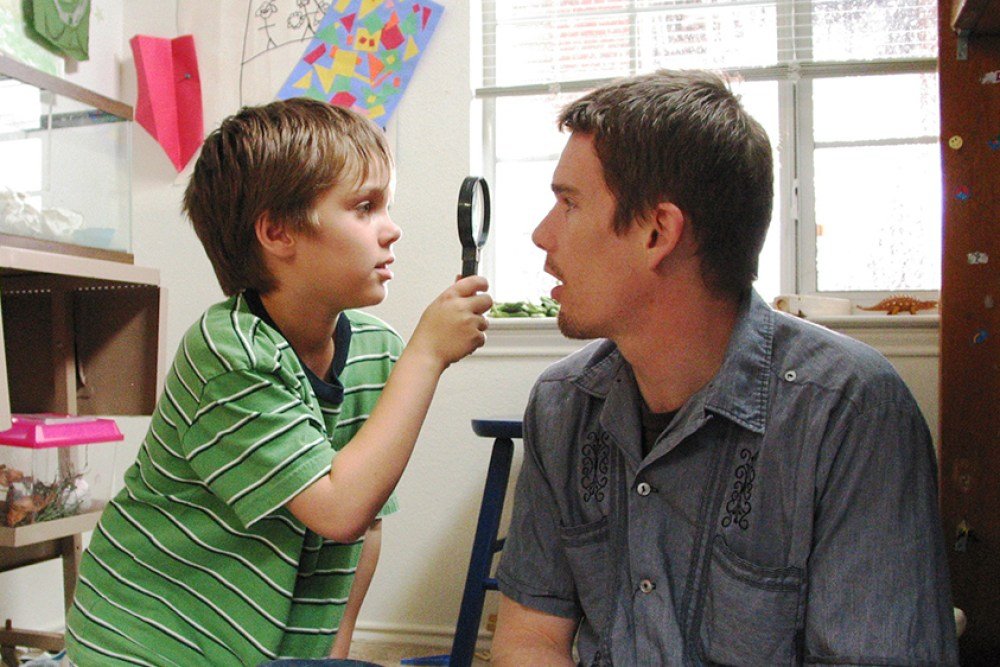
When Richard Linklater released “Boyhood” in 2014, moviegoers had never seen anything quite like it. Filmed over the space of 12 years, the coming-of-age classic followed a Texas family living through divorce, moving and growing up, with the cast returning at intervals to film episodes as the children grew up. The groundbreaking result came thisclose to winning the Oscar for best picture, with Patricia Arquette, who played the family’s mom, winning best supporting actress, and Ethan Hawke, who played the father, nominated for supporting actor. But what happened to the boy of “Boyhood” — Ellar Coltrane — and Lorelei Linklater, who played his sister?
Lorelei Linklater, the director’s daughter, is a painter and actress who has appeared in several independent films since “Boyhood.” Coltrane, now 31, says he lives “in the middle of nowhere,” and is pursuing several interests: He’s a volunteer fireman, he’s doing EMT training and is gets involved in occasional independent films. But though he’s had a few roles such starring in the indie “Shoplifters of the World Unite,” he’s not driven to pursue film and TV stardom. “I’ve moved on,” he says.
Unlike many child actors who experienced too much fame too early, Coltrane thinks he was spared that kind of pressure because the world didn’t see the finished product until he was 18 — although even then the amount of attention was somewhat overwhelming.
Independent Film Company’s 12th anniversary release of “Boyhood” (representing the 12 years of filming) is currently playing in more than 100 theaters across the U.S. and in Canada through Mongrel, with a special filmed Q&A included this week. Additional live Q&As and special screenings will roll out throughout August.
Coltrane looked back on the experience of shooting “Boyhood” over 12 years, remembering the fun, scary and embarrassing moments along the way.
Ethan Hawke, left, and Ellar Coltrane onstage during the “Boyhood” 12-Year reunion Q&A in Austin.
Kelly Zhu
As a child, you went to theater classes through Zach Theater in Austin, and then met your aunt’s agent who became your agent. How did you end up auditioning for “Boyhood”? Do you remember much about what they told you when you were just 6 years old?
What I remember is meeting Richard. Both of my parents are performers, so I think they were definitely supportive and understood the idea of me going into performing arts, but it wasn’t something that they set up or pushed me into. It all just kind of happened. I remember them telling me about who Richard was to them, being artists in Austin. They knew a lot of people that were in “Slacker” and he was a real hometown hero. I remember them telling me, this is really cool, this is different than the other auditions you’ve gone to. I don’t know how many callbacks it was, but it was several, and there was no script at that point, so it wasn’t at all a traditional audition where I’m reading sides. I think he was just kind of getting to know me more than anything.
Do you think he had other kids he was considering?
It was an open casting call, so there probably hundreds of kids that they were considering. There were a number of homeschool kids that were being considered specifically, because he knew it would be easier to work with a kid who didn’t have to be in school five days a week. I remember in one of the callbacks, he asked me to bring in some of my art, my drawings. The piece of the drawing that I brought in was on the back of a poster for a band called Joe Rockhead that my dad played in, in the ’80s and ’90s in Austin. And Richard was a fan, and so I remember him looking turning the page around and being like, “What is this? Why do you have this poster? And I’m like, that’s my dad’s old band.
When did it dawn on you that you were going to keep returning every year, every couple years? Like, did you understand that at first, or did it take a little while to really get that?
I was a smart kid. I understood as much as a 6-year-old can. I understood that I would be returning every year, but there was no way for me to comprehend what 12 years is, or what that really represents in my life. It was much later, once I was 17 or 18, that I started to understand like how just how significant it was in my life. It was fun. It was like a summer camp. It never felt like a burden really.
What was working with Richard like? Were you ever scared or felt pressured?
Richard is very much an actor’s director, and he and Ethan had such an industrious working relationship at that time, writing the “Before” movies and they had a really powerful collaborative dynamic that they had built together, and it was really wonderful to be invited into that, and be taught how to partake in that process of writing collaboratively.
Did you get to improvise?
There was very extensive workshopping every year. There was some improvisation in the writing room, but more so just a lot of requests for my input. So even if I wasn’t improvising in the moment, I was often using my words, and using pieces of my experience and what I was going through in the different years, and I was encouraged to manipulate my dialogue to be more natural for myself to speak as a child.
There were a lot of pretty tense scenes — do you remember being worried about the adults arguing, particularly with the alcoholic stepfather?
I grew up in a pretty tumultuous household, so it didn’t seem shocking at all to me. That was kind of just how adults were. The big one was the violence at the dinner table with Marco’s character. I remember that moment, with the dinner plate and just how viscerally scary that was. Even though I knew it was acting, and everybody laughs in between takes. There was a lot that was done, probably for our benefit, for the kids to try to break up the tension, and I think we didn’t do very many takes of that.
I rewatched the film for the first time in a number of years a couple weeks ago at the Austin Film Society reunion screening, and there were lots of things that I was stricken by that landed differently now. That scene definitely affected me more watching it than it ever has before, and I was a lot more aware of myself as a vulnerable child experiencing this traumatic thing. Even within the artifice of the film, it’s still scary.
Was there ever a time you wanted to quit? I know Lorelei wanted to be written out at one point.
No, not at all. I mean, when it released, when I became famous and was going around doing a million Q&A’s and parties, I didn’t enjoy that part so much. But I never wavered in production. I loved it. It was a really wonderful experience for me.
You said it was like summer camp, did you play with the other kids and make friends?
Really just Lorelei. All the other kid characters are so transient. More so Richard and Ethan and Patricia. I was such an odd kid. I I didn’t have a lot of friends my own age, even in my personal life, just being homeschooled and being raised by the arts community in Austin. Also Rodney Becker, the production designer. I went on to work under him in the art department for a number of years after “Boyhood” released.
What was it like as you got to be a teenager, since teenagers are figuring out so much stuff — were you ever self-conscious about growing up on-screen?
I was a pretty cocky teenager. Like around 14 or 15, when I have the bangs and everything, that was a pretty awkward phase. I think I was pretty self-conscious. But even still, with the kissing, I’m kissing Megan Devine in that in that episode, and I was pretty confident in that. One of the funny things about that phase of the film for me is that I was a really wild teenager, I was getting into a lot of trouble, and that is so peripheral in the film. It’s just kind of implied that there’s other stuff going on that we’re not seeing, that this person is experimenting with drugs and whatever else, but it’s not really in the film.
But I do remember I showed up to set probably when I was 17, very high on marijuana one time, and was extremely anxious and self-conscious, and that scene is terrible. Needless to say that scene did not make it into the final cut. I never did that again.
Was Linklater’s idea for Mason to be into photography, or yours?
That was me. It’s kind of funny because (unit photographer) Matt Lankes, rest in peace, outside of set, he gave me photography lessons and was a big part of that developing in my life before I was ever in the film. My interest in photography definitely was fueled, if not initially inspired, by being on set and watching Matt work. He made the book and so we would do those portraits every year and he was always working with antique film equipment and his work practice was very intricate, and I found that really inspiring.
What do you think about this experience of making a movie over so many years? It’s pretty unusual.
It’s fantastic. It’s magical. It’ll be interesting to see what comes of Richard’s new long-term project (“Merrily We Roll Along”), and if other people try to emulate that. Because it’s a gimmick in a way, and it also very much works.
It’s also kind of a crazy thing to sign a child up for.
Exactly — as smart as a kid as you were, how could you have really known what you were agreeing to?
I think I did pretty well in terms of navigating that and coming out the other side not too damaged, but it’s a lot. Being a child actor is always a strange thing. A big saving grace for me, in that context of being a child actor, and later interacting with the Harry Potter kids and other people who starred in a long-term project or started a career around the same time, for them there was something released to the world also in childhood. I didn’t have to experience that and I am grateful for that, because when I did experience celebrity, it was a lot. It allowed me to have the experience of acting and learning to do all these things and being on set. It allowed me to avoid being a child star, which is really difficult for a lot of people. I have a lot of compassion for people who really struggle with fame early in life.
Catch us up on what kind of things you’re pursuing now?
I live in the middle of nowhere, and I’m pretty far away from film. I’ve acted in a couple of short films. One called “El Fantasma,” which we filmed in Mexico City, where I play Lee Harvey Oswald, that’s really cool. And then I did a film in El Paso two years ago, a short film called “So, Who Was It This Time?” I’ve become kind of integrated with the independent film community in El Paso, which is really wonderful. I’m really inspired by the energy there and what my friends are up to. It reminds me of Austin 20 years ago. Really, in my life I’ve moved on. I do manual labor, and I’m a volunteer firefighter, and I’m working on my EMT license right now. But being back in Austin at the AFS event, interacting with film people again, I am missing being on set, missing collaborating.
I do very well collaborating with a director who has a passion project. When I can get into that head space with an artist and work closely with them to figure out how I can express what they’re trying to express, I think I can do really good work. But just showing up on a big set with a million producers as an actor, I don’t know how to do that. I was never really trained as an actor. I was trained by Richard and Ethan as a collaborator and part of the machine of the film. So I’m hoping for more small, independent passion projects that I can be a part of, because I have a lot to offer.
Hearst has set a deal to acquire Disney’s 50% stake in A+E Global Media, the parent company of Lifetime, History Channel, A&E Network and other assets in a deal that calls for Hearst to pay Disney $1.2 billion in cash.
Disney and Hearst have been 50-50 partners in A+E Global Media for more than a decade. Hearst also owns a roughly 18% stake in Disney’s ESPN but that is separate from A+E Global Media and unaffected by the transaction. The A+E Global Media deal is expected to close in September, with Paul Buccieri remaining at the helm as president and chairman.
The deal puts Hearst back into national media in a big way. The company has deep roots in newspaper and magazine publishing and it operates a strong group of 35 local TV stations, most of them Big Three network affiliates.
“We thank our Disney colleagues for decades of successful partnership,” said Steven R. Swartz, president and CEO of Hearst. “We look forward to supporting Paul Buccieri and A+E Global Media’s leadership team as they continue to make must-see programs and innovate around the great History, Lifetime and A&E brands.”
Paul Buccieri
Courtesy of Paul Buccieri / Jeff Katz Photography
The deal brings A+E Global Media full circle with Hearst taking full control of the assets. Hearst and Disney put the company on the block in July 2025. Starz was among the outside media companies that took a look at the company but it’s unclear if they ever got to a formal bid stage. With Hearst coming in, the A+E Global Media team will settle in with an owner that they know well.
The list of linear channels included in the deal includes Lifetime Movie Network, FYI and Vice TV. The assets also encompass content units A+E Studios, A+E Factual Studio, A&E IndieFilms, A+E Global Media Digital as well as streaming apps, games, FAST channels, AVOD and subscription-video services Crime 360, Lifetime Movie Club and History Vault.
A+E Global Media is one of many traditional media companies that has faced challenges amid a changing pay TV ecosystem. The company’s core revenue base is shrinking amid cord-cutting and the rise of streaming options. Under the leadership of Buccieri, A+E Global Media has been actively diversifying its operations with the addition of A+E Studios to produce high-end shows, such as the Netflix drama “The Lincoln Lawyer,” as well as through the launch of FAST channels and niche subscription video services.
“In a media environment defined by fragmentation, A+E Global Media’s advantage is the strength and versatility of our brands, our strong partnerships and our vast library of owned assets,” said Buccieri. “As we continue extending our storytelling globally across all platforms with IP that travels to every screen and form-factor, we believe we are well suited for whatever opportunities may come next. I also want to express my deepest thanks to Hearst, The Walt Disney Company and to our board members — both recent and past — for their guidance and support over the years.”
The company has its roots in the fertile ground of early 1980s cable in New York. A&E Network and Lifetime were launched in early 1984 at a time when the overall cable channel lineup was still pretty thin. History Channel followed in 1995. All three channels have yielded numerous spinoffs over the years. For its first 20 years, A&E Networks was jointly owned by ABC, NBC and Hearst. When Comcast acquired NBCUniversal from General Electric in 2011, the cable giant had to sell off its stake in what was then A&E Networks to comply with federal merger conditions.
This year’s event includes the annual Project Market, the U.S.’ oldest and largest curated marketplace for film and TV creators, presented as a meetings-driven forum with 80 narrative and documentary projects in the works.
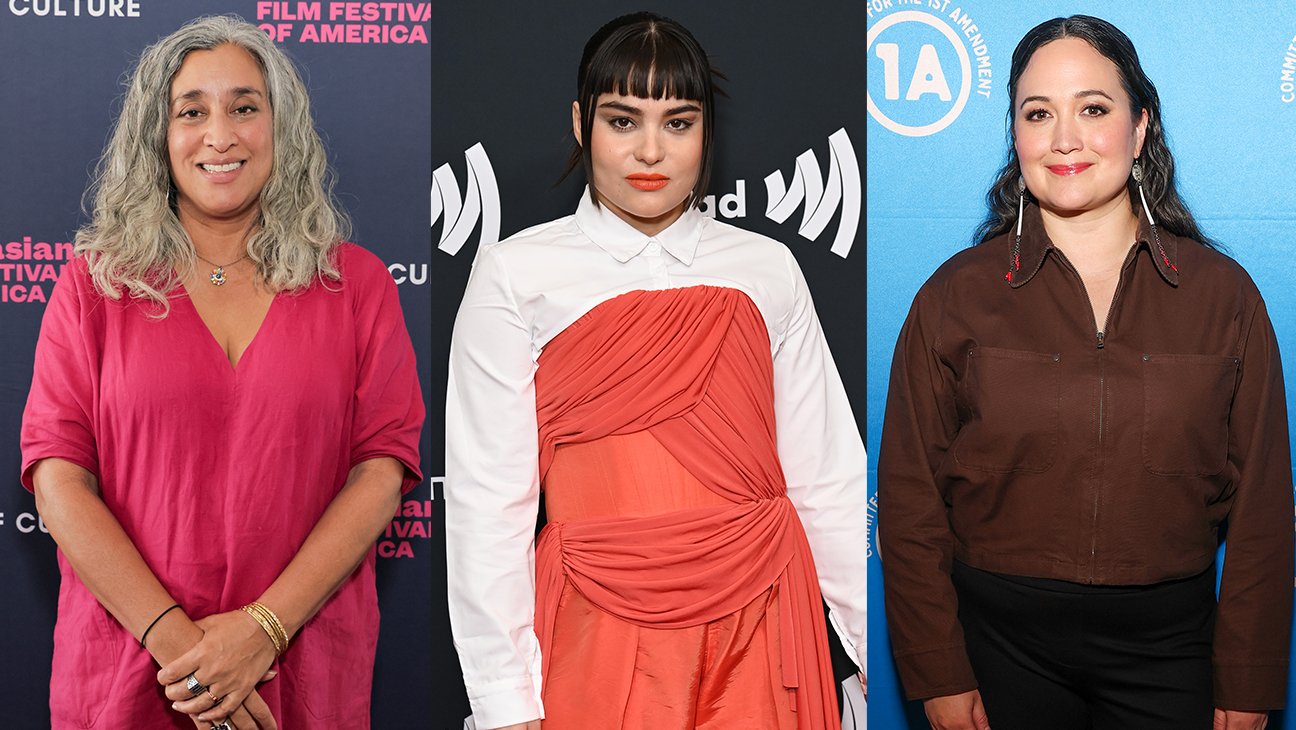
Notable works in the Project Market this year include features from Reservation Dogs alum Kawennáhere Devery Jacobs‘ (High Steel) and the Liz Cardenas (A Ghost Story)-produced The Curse of Silver, which has Lily Gladstone attached to star, and documentaries executive produced by The Perfect Neighbor helmer Geeta Gandbhir (Taxi Driver and two others), Katie Couric (Zoe Potkin’s Daddy’s Girls), Julianna Margulies (Emily Harrold’s Sister Senators from Oscar-winning producer Robin Hessman) and Rachel Maddow (Nancy Kates’ An Everyday Riot). The Project Market also includes a shorts to features section with feature versions of short films produced by Lin-Manuel Miranda (Joel Perez’s Villa Encanto) and Sam Rockwell with Ramy‘s Laith Nakli (Julian Joslin’s Otherwise Innocent) and one executive produced by Bob Odenkirk and Jane Schoenbrun (She’s Nonbinary). There’s also a Global Producers Hub section in partnership with NFVF South Africa, Telefilm Canada, EAVE, French in Motion and Red Sea International Film Festival, along with projects from producers in Cannes and Rotterdam programs.
The full list of the projects and filmmakers in this year’s Project Market is available here.
“The Gotham Week Project Market has long been a longstanding launching pad for outstanding film and media creators,” The Gotham managing director Kia Brooks said of the 2026 Project Market. “This year’s cohort showcases an exciting range of genres, distinctive creative voices and filmmakers from a variety of backgrounds, all united by compelling, ambitious work. We’re proud to bring this group together with the industry decision-makers who can advance these projects to the next stage and support the filmmakers as they build lasting careers.”
Recent Project Market alumni include Sean Wang’s Dìdi (弟弟) (Focus Features), Raven Jackson’s All Dirt Roads Taste of Salt (A24), Erica Tremblay’s Fancy Dance (Apple TV+), Laurel Parmet’s The Starling Girl (Bleecker Street), Michael Dweck & Gregory Kershaw’s The Truffle Hunters (Sony Pictures Classics), Julia Reichert and Steven Bognar’s American Factory (Netflix) and Barry Jenkins’ Moonlight (A24).
In addition to the long-running film and TV project market showcase, this year’s event includes Gotham Week Honors (set for Wednesday Sept. 30), a full day of artist and industry conversations presented by Filmmaker Magazine, opportunities for the Gotham Edu community including screening winning short films from the past two years’ editions and the Gotham Week Expo, which will bring together partners from the Gotham’s expanding communities initiative to provide both leadership on topics relevant to film and media creators and resources for nonprofits as well as a day of connections between nonprofit partners, colleges, universities and film offices.
The 2026 edition of Gotham Week is set to run from Sept. 27-Oct. 3.
When the Metropolitan Museum of Art announced a blockbuster exhibition celebrating John Galliano, the designer whose career collapsed after a drunken antisemitic tirade in which he professed admiration for Adolf Hitler and told two café patrons their ancestors “would all have been fucking gassed,” it reignited a debate over redemption, accountability and whether fashion was embracing one of its most infamous offenders at a moment of heightened concern over antisemitism.
For Hadley Freeman, those questions are more than academic. The London-based author, Sunday Times columnist and former fashion reporter grew up hearing stories of her great-uncle Alex Maguy, a Jewish couturier who hired a young Christian Dior, escaped deportation during the Holocaust and later rebuilt his career with Dior’s help. Freeman chronicles her family’s extraordinary story in her 2021 memoir House of Glass.
Drawing on both that family history and decades covering the fashion industry, Freeman sat down with The Hollywood Reporter to explain why she believes Galliano’s rehabilitation should not be conflated with today’s rise in antisemitism, while arguing that fashion has done far too little to recognize the indispensable role Jews played in building the industry.
Let’s start with the headline. What was your reaction when you heard the Costume Institute was mounting an exhibition devoted to John Galliano?
I wasn’t surprised. Anna Wintour has been a big supporter of his for a long time and played a big part in helping his rehabilitation after that whole scandal. I’m not a punitive person. I don’t believe he should be drummed out of society. He has addressed what he did and seems genuinely sorry. He’s a brilliant designer who made a terrible mistake while struggling with terrible addictions. As long as it wasn’t brushed under the carpet, and I don’t think anyone can say that it was, I’m fine with him being appreciated for his work.
You don’t see the exhibition as problematic?
Not really. It happened a long time ago. He expressed sorrow. He lost his job at Dior. Since then he’s worked very quietly. I don’t think he needs to be driven from public life forever.
I also don’t think the exhibition reflects the rise of antisemitism we’ve seen around the world since October 7. I see those as two separate things.
Is there no one else worth feting? Is Galliano simply that important as a designer?
He really is. There are other great designers, but Galliano is a unique talent. The only real equivalent from that generation was Alexander McQueen, and the Met has already done a McQueen exhibition. Galliano could have been a designer in any era. He was extraordinary.
His life was completely derailed by what happened that night in Paris. I think he deserves to be appreciated for his talent, while also acknowledging what he did.
You covered Galliano’s trial in France.
I did, and it was terrible. It was also good to see how seriously France took it. Their antisemitism laws are very strong. Dior dropped him immediately even though he had been their golden child, and that was the right thing to do.
People joke about “canceled” comedians disappearing for two years and then coming back with a world tour. That’s not what happened with Galliano. It completely changed his life. He worked anonymously at Maison Margiela. He never gave some big self-pitying interview. He stayed behind the scenes and focused on the work.
Anna Wintour was one of the people who early on supported his return. Was that troubling?
At the time I did think people rushed too quickly to defend him, not just Anna but others too. I think she viewed him through the lens of addiction. For me, what he said was completely shocking. Addiction can make you do many things. I don’t think it makes you become a bigot.
But Galliano isn’t comparable to Kanye West. Kanye has made antisemitic statements repeatedly over a long period of time. Galliano seems to have had one catastrophic public episode and immediately suffered enormous consequences.
You don’t think this is a questionable decision in light of what’s happening today regarding the global rise of antisemitism?
No. The Galliano incident had nothing to do with Israel or the kinds of excuses some people are using today for antisemitism. It happened 15 or 16 years ago and feels separate from this moment. If a designer today were making openly antisemitic statements in the current climate, that would be a different conversation.
One thing that struck me is that fashion owes so much to Jews, yet that history often feels overlooked.
Absolutely. It’s actually personal for me. My great-uncle Alex was a Polish Jewish refugee who came to Paris in the 1920s. His brother became a tailor in the Marais, which is what many Eastern European Jews did. Alex wanted to become a couturier.
He needed someone to draw his designs because he couldn’t draw, so he hired a young aspiring artist who had been disowned by his wealthy family for wanting to become an artist. That young artist was Christian Dior. They remained friends for years.
Your family story during the war is remarkable.
Alex and his brother were deported. His brother was murdered. Alex escaped from the deportation train. When I was researching my book, I discovered the records proving he had boarded the train but never arrived at Auschwitz. I tracked down the French family that hid him during the war, and their daughter showed me the attic where he and his boyfriend, another Jewish designer, survived in hiding.
Growing up, Alex always simply said he had escaped from the train. He never mentioned the boyfriend or the attic. I never really believed the story until I found the documentation.
And Christian Dior remained loyal to him after the war?
Yes. During the occupation Dior was working for Lucien Lelong, like many designers who remained in Paris, making clothes for the wives of Nazi and Vichy officials because those were essentially the only clients left. After the war, when my great-uncle returned, everything he owned had been taken. Christian Dior helped him rebuild his career.
What’s fascinating is that Dior’s own family reflected France’s contradictions. His sister Catherine was a resistance hero who survived Ravensbrück, a concentration camp. But another member of the family enthusiastically supported the Nazis. France was an incredibly complicated place during the occupation.
How should we think about Coco Chanel’s wartime record?
I understand the pressures people were under, but Coco Chanel made choices she didn’t have to make. She had a relationship with a Nazi officer. What she did was terrible. I think there’s still a tendency to whitewash that history. There was a film about her years ago that did that, and more recently an exhibition that barely mentioned it or suggested she was somehow secretly working against the Nazis. I don’t think that’s true. We should acknowledge what happened.
You make the point that Jews were the backbone of the industry.
Exactly. A lot of Eastern European Jewish refugees arrived in France after the pogroms and worked as tailors and seamstresses for the couture houses. Many settled in the Marais, which was the Jewish neighborhood of Paris. Those artisans were essential to the industry, but during the occupation they were also among the first people Vichy targeted for deportation. They were the first to be sent to the camps before the authorities turned to French Jews. It’s an industry that has always relied on Jewish skill to a certain extent, but it hasn’t necessarily acknowledged that history.
Even today you have figures like Ralph Lauren, whose story I find fascinating. Here’s a Jewish kid from Brooklyn who creates this idealized vision of American WASP life and then sells it back to America. It’s similar to what Jewish founders did in Hollywood. They created an image of America that they themselves had largely been excluded from.
That sounds very much like Neal Gabler’s thesis in An Empire of Their Own.
Exactly. It’s one of my favorite books. You can make the same comparison with Hollywood, with Condé Nast under Si Newhouse, and with Ralph Lauren. It’s a fascinating tradition of outsiders creating the culture they were excluded from.
The Academy Museum recently expanded its recognition of Jewish founders after criticism. Should fashion do something similar?
I would love to see that. Some of the most important figures in 20th Century fashion were Jewish, from designers to editors to department store pioneers. Jewish immigrants played an enormous role in building the industry.
The Costume Institute recently mounted an exhibition about Black style. I’d love to see one devoted to the history of Jews in fashion because it’s every bit as rich and important. While I don’t think Galliano should be driven from public life forever, I do think museums could do a much better job acknowledging the role Jews have played in creating the fashion industry itself.
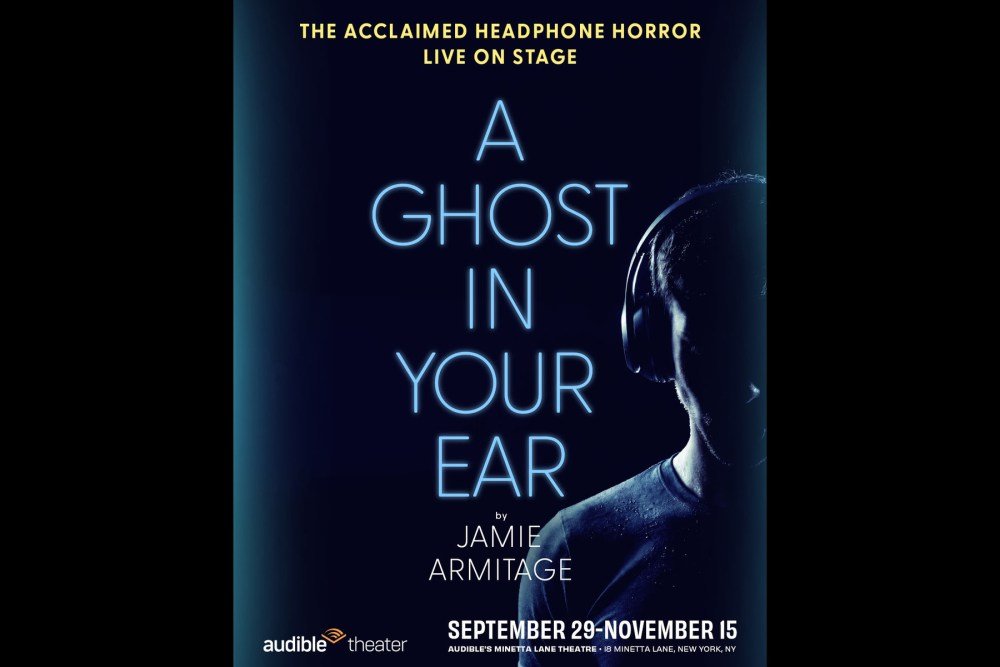
Jamie Armitage‘s immersive horror show “A Ghost in Your Ear” has set its New York premiere at Audible‘s off-Broadway Minetta Lane Theatre following a sold-out London run earlier this year.
The show will run Tuesday, Sept. 29 through Sunday, Nov. 15. “A Ghost in Your Ear” goes inside an audiobook recording session gone deadly wrong after an actor arrives late to the studio and is handed a ghost story. Audiences wear headphones “featuring groundbreaking binaural sound technology,” according to an official description, designed to be a full sensory experience. Additionally, a recording of the play will later be released globally as an Audible Original.
“We enjoyed the most special run of the show in London earlier this year, and I cannot wait to bring it over to New York to terrify the audiences there too,” writer and director Armitage said in a statement. “And given that the whole show is set in an audiobook recording studio, a collaboration with Audible felt like the most natural fit in the world. So whether you’re watching at the Minetta Lane or listening on Audible, I hope you’re ready for a fright!”
Jamie Armitage
Kayt Webster-Brown
Armitage is known for his Tony-nominated work directing “Six.” The sound team behind “A Ghost in Your Ear” include the Tony-nominated duo Ben and Max Ringham, who have previously worked on “A Doll’s House,” “Prima Facie” and “Waiting for Godot.” Anisha Fields is scenic and costume designer, Ben Jacobs works as lighting designer and Taylor Williams serves as casting director.
Kate Navin, Audible’s head of creative development in the U.S., said in her own statement: “This is exactly the kind of boundary-pushing work Audible Theater champions: innovative in its craft, unforgettable in its impact, and designed to captivate audiences both on our stage and globally as an Audible Original.”
The play was originally produced by HFH Productions and Playful Productions. Audible Theater recently presented “Yes to the Unknown: A Night with Gloria Steinem” and “Soundly Unstable” at its Minetta Lane venue, in addition to producing the off-Broadway musical “Mexodus.”