Category: Entertainment

  • Jack Reynor Joins Lily James in Horror Thriller ‘Seasons’ for Amazon MGM Studios (Exclusive)

    Jack Reynor will star opposite Lily James in Seasons, a horror thriller that Drew Hancock, the filmmaker behind Companion, is directing for Amazon MGM Studios.

    The feature is heading to a production start in September and will shoot in Ireland.

    On top of directing, Hancock wrote the script, adapting the book by Matt and Harrison Query, which in turn was based on a short story by Matt Query that first appeared on Reddit.

    The story follows a husband and wife who buy their dream ranch only to discover the land is alive with ancient spirits, and survival means submitting to increasingly disturbing rituals with each turn of the season.

    Reynor will play the husband with James as the wife.

    Several horror heavy hitters are backing the project. Marking their third collaboration, 21 Laps and Blumhouse Atomic Monster, who most recently produced A24’s Backrooms, are producing the feature as is 12:01 Films, a horror banner that was one of the first to plant flags in the Reddit-as-movie-inspiration space.

    Producing are 21 Laps’ Shawn Levy and Dan Levine; Blumhouse Atomic Monster’s Jason Blum and Michael Clear; and 12:01 Films’ Scott Glassgold. Dan Cohen, formerly of 21 Laps, will also produce.

    Judson Scott is an executive producing for Blumhouse Atomic Monster, and Alayna Glasthal is the executive overseeing for the company. 

    Reynor is coming off of starring in Lee Cronin’s The Mummy, which Blumhouse Atomic Monster produced and which was released by New Line earlier this year. He was also seen in the second season of Prime Video’s spy drama Citadel and reteamed with his Sing Street director John Carney for Power Ballad, the musical comedy that starred Paul Rudd and Nick Jonas and was released by Lionsgate in the spring.

    The actor, repped by WME, Range and Sloane Offer, will next be seen in the new season of Apple TV+’s Presumed Innocent as well Gareth Evans’ latest actionner, the remake of 1967 Yakuza crime movie A Colt is My Passport, for Amazon MGM Studios’ Orion Pictures.

  • No, Vecna Wasn’t on Ozempic: How the ‘Stranger Things’ VFX Team Rebuilt Its Villain

    No, Vecna Wasn’t on Ozempic: How the ‘Stranger Things’ VFX Team Rebuilt Its Villain

    When Stranger Things creators Matt and Ross Duffer said they wanted the fifth and final season of the Netflix sci-fi drama to be a “mega movie,” the VFX team knew they would have their work cut out for them.

    The coming-of-age series requires “way more shots than are normally done on a two-hour feature,” VFX supervisor Betsy Paterson tells THR, noting that the show’s overall budget was expanded for the final season. This allowed the crew to execute an epic conclusion to the series’ decade-long run that saw the beloved Hawkins gang unite for a final showdown to take down Vecna (Jamie Campbell Bower). 

    However, before the VFX team could tackle the monsters, they had to make the otherworldly dimensions that the series is known for seem realistic. The team relied heavily on practical effects, which were later punched up with visual effects. Paterson notes it’s important to the Duffer brothers to have sets that feel as tactile as possible, so “no matter how crazy this stuff gets, you are really seeing it from the perspective of these kids who are in the real world,” she says. “We’re always building things for the actors to interact with.”

    Two examples are the wall in the interdimensional wormhole known as the Upside Down that serves as a portal between Earth and the alternate realm of the Abyss, and the liquefying room inside the Hawkins National Lab where Nancy (Natalia Dyer) and Jonathan (Charlie Heaton) are trapped. 

    “We built a big chunk of that membrane wall for Hopper [David Harbour] and Eleven [Millie Bobby Brown] to climb on,” Paterson explains. “The goo in the melting room was real goo wherever it touches anything or the actors.” 

    When it came to the Upside Down, the VFX team fortunately already had an established look from the previous four seasons to build upon. They couldn’t say the same about the Abyss, aka Dimension X, however, which was introduced in the final season and had to be designed from scratch.

    “There was some talk about possibly filming it in the real desert,” Paterson says of the new alternate world. “In the end, the production logistics were too much, but that gave us a base of a look for it. We scanned and took as many reference photos as we could so that the rocks and the geography looked like a real place and not just a kind of mystery CG world.”

    What Millie Bobby Brown’s Eleven sees before VFX are added for the series’ final showdown The full scale of the Mind Flayer in the last battle was brought to life postproduction. The cast filming a scene in what would be the new alternate world, the Abyss. The Hawkins gang looking out into the CG-fabricated universe, created in post.

    Courtesy of Netflix

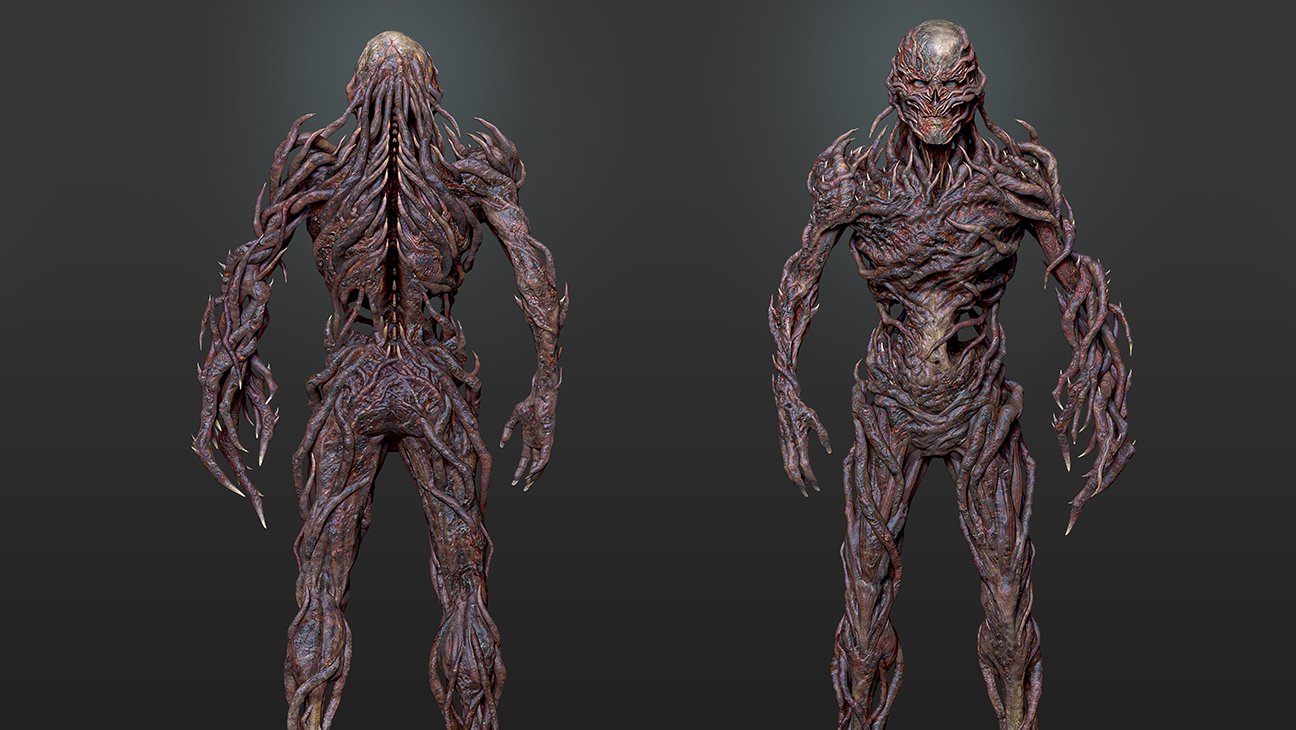
    As fans know, no world in Stranger Things is ever void, as there are always monsters lurking nearby, namely Vecna. While the resident villain’s appearance in season five led to social media jokes about him being on Ozempic, Paterson clarifies that Vecna’s slimmer physique has to do with how he rebuilt himself after almost being destroyed by Eleven in season four.

    Unlike previous seasons in which Bower wore full practical prosthetics, this time around the team relied more heavily on digital effects to accomplish his new look. “He is now much more monster than human, and he has caused that to happen. He created himself, really. So that’s what we’re seeing with all the vines and the way they move — you can see the blood going through them,” Paterson explains. “It’s an immediate signifier of how much more powerful he is now.”

    That power was fully shown when it was revealed that Vecna was working as one entity with another massive monster, the Mind Flayer, whose scale was fully witnessed in the final battle against Eleven and the Hawkins gang.

    “They wanted him as big as we could possibly get, but at a certain point you can’t film it. And it’s just so ridiculous that he would even notice the kids, much less get defeated by them,” Paterson notes of the cosmic CGI creature. “We went back and forth on that quite a bit and, after lots of motion tests and animation tests by Weta FX, we ended up where we landed with the size.”

    Looking at the season as a whole, it’s easy to assume all the monsters and alternate worlds would be the most difficult to pull off. But for Paterson, the most challenging scene was the opening sequence with a young Will Byers, played by Noah Schnapp, who was only 11 years old when Stranger Things debuted in 2016.

    “I felt so much pressure in that scene because we all know what he looked like,” Paterson admits. “He’s not in season one that much because he gets kidnapped, so we didn’t have a huge library of footage of him at that age. Weta was able to take every bit that we could find: outtakes, every press photograph, walking on the red carpet. They used all of it to build a young Will that looked like Noah.” 

    With the help of Schnapp
    and Luke Kokotek, a young stand-in actor, the VFX team was able to replace Kokotek’s face so he would appear as season one Will.

    The scene serves as an emblem of the show’s 10-year journey. And with everything coming to a literal end in season five as the Upside Down — which has been a central part of the show throughout its run — gets destroyed behind Eleven in the finale, the VFX team had to leave audiences with a memorable last impression.

    “When you see Hawkins High being destroyed and the Wheeler house, normally we try not to put too much detail into shots that are only going to be seen once, but it was worth it for that scene,” Paterson says. “It was a lot of fun going frame by frame and spotting all the little stuff that they built just to have it be destroyed.” 

    This story first appeared in an August stand-alone issue of The Hollywood Reporter magazine. To receive the magazine, click here to subscribe.

  • Round Hill Music Sues Suno, Anthropic for Copyright Infringement, Seeking Up to $1 Billion in Damages

    Round Hill Music Sues Suno, Anthropic for Copyright Infringement, Seeking Up to $1 Billion in Damages

    The independent music publisher Round Hill Music sued Suno and Anthropic, accusing the two AI companies in a federal court in California of infringing its copyright by illegally scraping hundreds of its songs to train their models without permission.

    Round Hill, which owns the rights to songs such as Bonnie Tyler’s “Total Eclipse of the Heart, the Goo Goo Dolls’ “Iris” and more than 10,000 other compositions and recordings, claimed the two companies’ decision to lift the recordings violated the Copyright Act through its scraping. It listed 500 songs it alleged were part of the scraping, though promised that the complaint would be amended to reflect at least 10,000 songs pulled without permission. Such violations, it wrote, would demand damages in the “hundreds of millions of dollars and may ultimately approach or exceed $1 billion.”

    “We are not against artificial intelligence,” Round Hill CEO Josh Gruss said in a statement. “We are against the idea that you can build a business worth billions on top of other people’s creative work and pay the creators nothing. Licensing isn’t an obstacle to innovation – it is there to protect the legal owners of the raw material, their property.”

    Representatives for Suno and Anthropic did not respond to immediate requests for comment.

    The lawsuit marks the latest filed against the two companies by a music publisher or label, reflecting the legally murky waters these companies operate in as they train and power their models. Suno has been sued by all three of the major labels – Warner Music Group, Universal Music Group and Sony Music – though it settled with WMG last year. Suno last week struck a licensing agreement with the music company BMG, which itself sued Anthropic earlier this year for allegedly using its recordings to train its models in what it called a scheme of “widespread and systematic infringement.”

    Round Hill Music is demanding a jury trial, signaling (at least for now) it has no intention to follow the other music companies in settling or striking a licensing agreement with the AI generators.

    “The question in these cases is not complicated,” said Richard S. Busch, the lawyer representing Round Hill Music who previously won the landmark music rights case against Robin Thicke’s “Blurred Lines” on behalf of the Marvin Gaye estate, in a sttaement. Copyrighted works have been used to build multi-billion dollar businesses, and in the case of Anthropic a company now valued at more than a trillion dollars, while the songwriters and publishers who created the foundations of that value have received nothing. There is nothing fair about that use, and we look forward to making our arguments to the Court and in front of a jury.”

  • ‘Fast & Furious’ Stars Tease Upcoming TV Series and Final Movie ‘Fast Forever’: No More “007, Bring Your Cars to Space Sh**”

    ‘Fast & Furious’ Stars Tease Upcoming TV Series and Final Movie ‘Fast Forever’: No More “007, Bring Your Cars to Space Sh**”

    The Fast and the Furious is turning 25, and to celebrate, the cast is dropping some franchise updates.

    After a buzzy midnight screening at Cannes earlier this year, Universal is keeping the party going for the 2001 movie that started it all, including re-releasing The Fast and the Furious in theaters and hosting a special event in L.A. on Monday.

    Looking back at the Cannes screening, Michelle Rodriguez told The Hollywood Reporter that she was “in awe at all the love that we got,” joking it was particularly powerful “with the studio heads present.”

    “Sometimes you fight over things [with the studio] that seem silly, like standing your ground on ethics or morals. From a studio perspective or from a broad macro perspective, it’s like ‘Oh these guys are just criminals, what do we care if they have morals?’” she explained. “We fight for you to understand that it’s not always back and white, there’s always a grey area, and life is like that. All those fights kind of felt worth it” seeing the fan reaction, and long standing ovation, in France.

    And after 10 movies over the last two and half decades, there’s an 11th — and allegedly final — on the way, set for release in March 2028. Star and producer Vin Diesel has already publicly gushed about the film, titled Fast Forever, online, calling it “the best script I have read in decades. I am still crying.”

    Rodriguez said she has not yet read the script, but “if I have any wish for the last one, it’s that they bring it back to the community because that community has kept us alive for 25 years; it’s a global community, and it has to do with cars, not this 007, bring your cars to space shit,” referencing a plot line from F9. “Let’s get back to what it all started as — an article in the paper about the race scene, let’s go back there.”

    Jordana Brewster echoed that she’s talked to Diesel about the new movie but hasn’t seen the script, with hopes that “we kind of go back to L.A., that would be really cool.” And as for if this final movie will really be the end of the film franchise, Rodriguez said, “It’ll be maybe the last one for us; we’re like a bridge to another generation, we’re passing the baton on. But I don’t know, you talk to Vin and maybe it’ll never end.”

    On top of Fast Forever, there is also at least one Fast & Furious TV series in works, which will expand on the legacy characters. Brewster said of the pivot to TV, “I so admire the Taylor Sheridan universe, so I feel like we can really do that with television too.” She already has a series pitch ready, suggesting that her and Paul Walker’s characters “have a son and a daughter so I’d love to follow their trajectory and see what hell it is to raise kids that have Mia’s genes, Brian’s genes and Dom’s genes.”

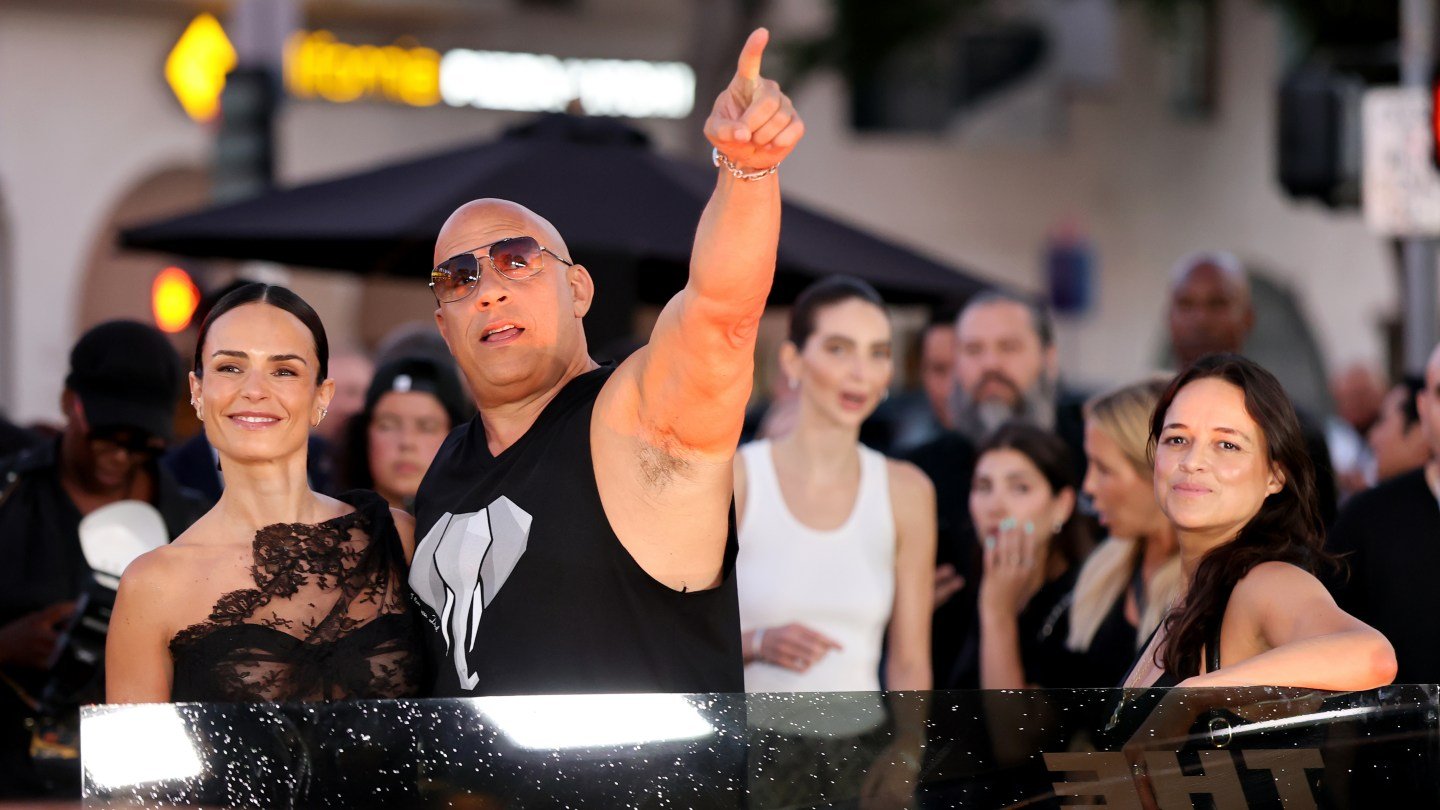
    Inside the L.A. screening, Diesel delivered a long and emotional speech for the crowd, saying that after the “amazing experience” of Cannes, “this studio said, ‘We’re going to take that experience and bring it back home.’ I thought that’s incredible, that’s everything.”

    He also teased, “There’s going to be an emotion you have when you watch this film — start getting used to that,” ahead of Fast Forever. For the new movie, Diesel revealed “we went to four different writers, four years in development, and after I read the script, halfway through, one tear. By the end of the script, that we crafted and worked so hard to make right for you after four years, I was crying. And I couldn’t hold it back,” adding, “sometimes even the toughest guys in the world need to cry.”

    Diesel closed with shouting out Walker’s daughter Meadow in the crowd and recalling how “25 years ago I was sitting in this row and I was sitting with Paul Walker,” calling their friendship the “greatest gift God could bestow upon you. So watch this movie and see where this eternal brotherhood started in every frame.”

  • Nominated TV Producers Shed Light on Network Notes and Industry Changes at Variety’s Showrunners Breakfast; Ryan Murphy Emotionally Accepts Norman Lear Award

    Hollywood’s top showrunners and creatives snuck out of their respective writers’ rooms for Variety’s annual Showrunner Breakfast on August 14. The intimate gathering was held at Oleander at The Sun Rose Hotel in West Hollywood, California, honoring top showrunners, including some listed in Variety‘s 2026 Showrunners Impact Report.

    As the room finished munching on their breakfast quiches and sipping cups of coffee, top showrunners and producers from Apple TV’s “Your Friends & Neighbors,” Netflix’s “The Diplomat,” Apple TV’s “Shrinking,” FX’s “Welcome to Wrexham” and Adult Swim’s “Rick and Morty” joined Variety‘s executive TV editor Michael Schneider for a panel discussing the timely topics on everyone’s minds — from network notes, the changing state of the writers’ room to AI.

    When it comes to navigating network notes, showrunners are often tasked with getting their version of the show across against what the network exec’s version might be. For “Your Friends & Neighbors” boss Jonathan Tropper, the most helpful notes ask about the writer’s intention.

    “You know, ‘I don’t know if that emotion is landing the way you think it is,’ or ‘I don’t understand, he seems to be acting like a dick here. Do you mean for him to be acting like a dick here?’” Tropper recalled. “Those are helpful because it’s somebody outside the brain trust reading it and reacting fresh. So I always divide notes into: Are they trying to write or direct the show? Or are they just trying to help me write the show?”

    Many of the panelists are hard at work on new seasons of their shows, including “Shrinking” executive producer Ashley Nicole Black, who has a lot to live up to after Season 3 nabbed 10 Emmy nominations.

    “It’s pretty daunting at first, but I find that once you make one decision, it sort of begets a bunch of other decisions,” Black said. “Now, in Season 4, Gabby’s moving into practicing a different kind of therapy, so we started working with a different therapist, Dr. Andrea Barthwell, who practices that kind of therapy. Once you start hearing her stories and her philosophies, the stories start to come out of that.”

    “The Diplomat” showrunner Debora Cahn said it has taken her four seasons of working on the show to learn the most valuable lesson.

    “I’m starting to get that the panic doesn’t go away because we’re still trying to do something we haven’t done. We’re still looking to do something slightly different and more,” Cahn said. “Panic is what it’s supposed to feel like.”

    “Rick and Morty” co-creator Dan Harmon heavily relies on his younger staff writers, especially to honor the canon of his show’s past seasons.

    “The kids, they go, ‘Well, I think Evil Morty should come back!’ And I say, ‘Says you, have fun writing that crap!’” Harmon quipped. “Thank God you’re here. Thank God we tend to promote our writers’ assistants so that they have everything on file.”

    Schneider ended the panel by bringing up the inevitable topic of AI. It’s of particular importance to these showrunners who work alongside the younger writers and assistants hoping to one day create their own show. But how will the next generation of showrunners fare?

    “It does start to feel like work is getting more and more temporary. A couple of years ago, it’d be like, ‘OK, I have to work on two or three shows a year.’ But there has to be two or three shows in order to make that work,” Black said.

    Tropper, meanwhile, said he “hesitates” to talk about AI because his mindset shifts based on the latest podcast or documentary he’s tuned into.

    “However fast we think it’s going to change things, it’s going to be faster,” Tropper said. “I cling to the hope that art will still have to be created by the vision of humans, and whether they’re using AI to realize that or not is going to fracture a lot of things.”

    The event closed out honoring Ryan Murphy, the prolific showrunner known for creating groundbreaking shows like “American Horror Story,” “Nip/Tuck” and “Glee,” with the Norman Lear Award. It was presented to him by another trailblazing showrunner in his own right, Greg Berlanti.

    While accepting the award, Murphy recalled how watching Lear’s landmark sitcom “All in the Family” helped him realize how television “can change hearts and minds.”

    “TV characters really become like friends, which we all know because they’re beamed at your house. And if you do it right, you can reach hearts,” Murphy said. “I got to tell Norman that story about the impact it had on me and how I realized so young that tackling important, if controversial, topics was necessary. And the amazing thing is when I told him that, he burst into tears like nobody had ever said a nice word to him in his life. But that was Norman.”

    Check out photos from Variety‘s Showrunner Breakfast below.

    Mike Schneider, Ryan Murphy and Greg Berlanti

    Tomasso Boddi

    Jeff Luini and Dan Harmon

    Tomasso Boddi

    Ashley Nicole Black

    Tomasso Boddi

    Howard Gordon, Cynthia Littleton and Karey Burke

    Tomasso Boddi

    Debora Cahn and Mike Makowsky

    Tomasso Boddi

  • Laci Mosley’s ‘Scam Goddess’ Comedy Podcast Launches Video Episodes on YouTube, Joins Will Ferrell’s Big Money Players Network at iHeart

    Laci Mosley’s ‘Scam Goddess’ Comedy Podcast Launches Video Episodes on YouTube, Joins Will Ferrell’s Big Money Players Network at iHeart

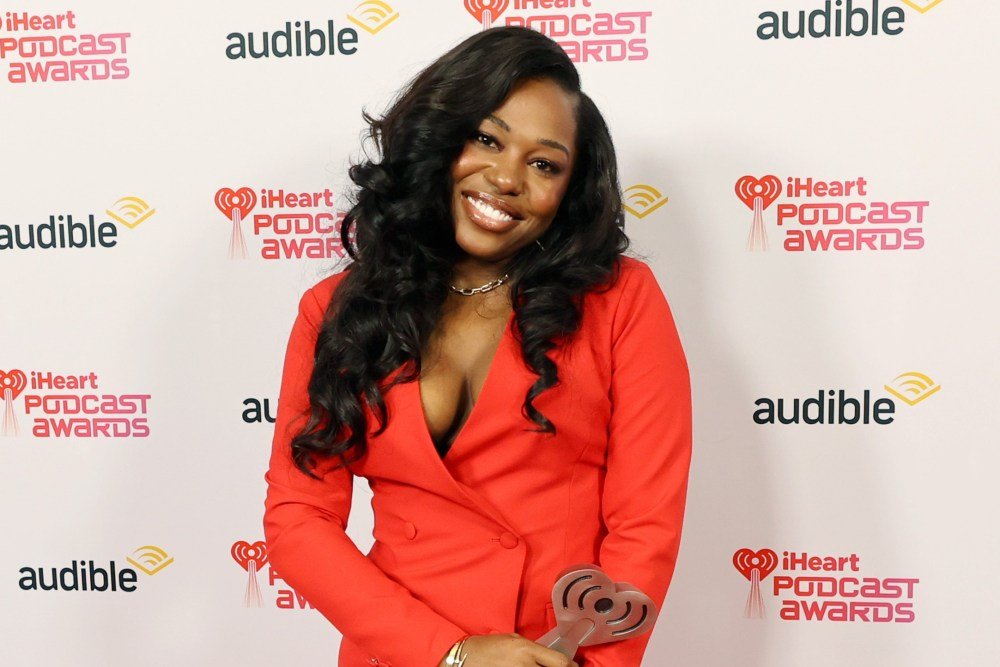
    “Scam Goddess,” comedy podcast in which Laci Mosley and friends feast on crazy stories about frauds past and present, is now coming at you in video.

    “Scam Goddess” has joined iHeartMedia and Will Ferrell’s Big Money Players comedy podcast network — and the show has expanded into video, with a new YouTube channel where fans can watch full-length episodes going forward.

    In each episode, Mosley — the self-proclaimed Queen of Scam — covers the hottest scams on the streets today while also breaking down the wildest robberies, grifts and assorted capers through history. Mosley is joined on the podcast to mull over the malfeasance by guests who have included Conan O’Brien, Jameela Jamil, Miranda Cosgrove, Lamorne Morris, Ayo Edebiri, Gayle King, JB Smoove, Nicole Byer and Matt Rogers.

    Mosley launched the “Scam Goddess” podcast in 2019. She penned a bestselling book of the same name that was published in 2024 and expanded the franchise with a Hulu original series that premiered last year. Mosley also staged a “Scam Goddess” sold-out national live tour with Live Nation. Her TV acting credits include “A Black Lady Sketch Show,” “Going Dutch” and “iCarly.”

    The first “Scam Goddess” video episode, “F.R.A.U.D. Is Dope the Jonathan Dupiton Con With Langston Kerman,” premieres today and features comedian and “My Momma Told Me” host Langston Kerman. He joins the show to break down AI ads, “beach ab” shots and the “shoddy merch” Jonathan Dupiton released for Dupiton’s podcast “Rich and Unemployed.”

    “Scam Goddess” is now available through Big Money Players, distributed by iHeartPodcasts via the iHeartRadio app and major podcast platforms. The first full-length video episode premieres Aug. 18 on YouTube at 12 p.m. PT. New episodes are released weekly on Tuesdays (and archive episodes are re-released each Friday).

    Listen to the latest episode of “Scam Goddess” on iHeart:

  • Story Syndicate Promotes Jon Bardin to President of Documentary and Unscripted (Exclusive)

    Story Syndicate Promotes Jon Bardin to President of Documentary and Unscripted (Exclusive)

    Jon Bardin has a new title to match his expanding purview at Story Syndicate.

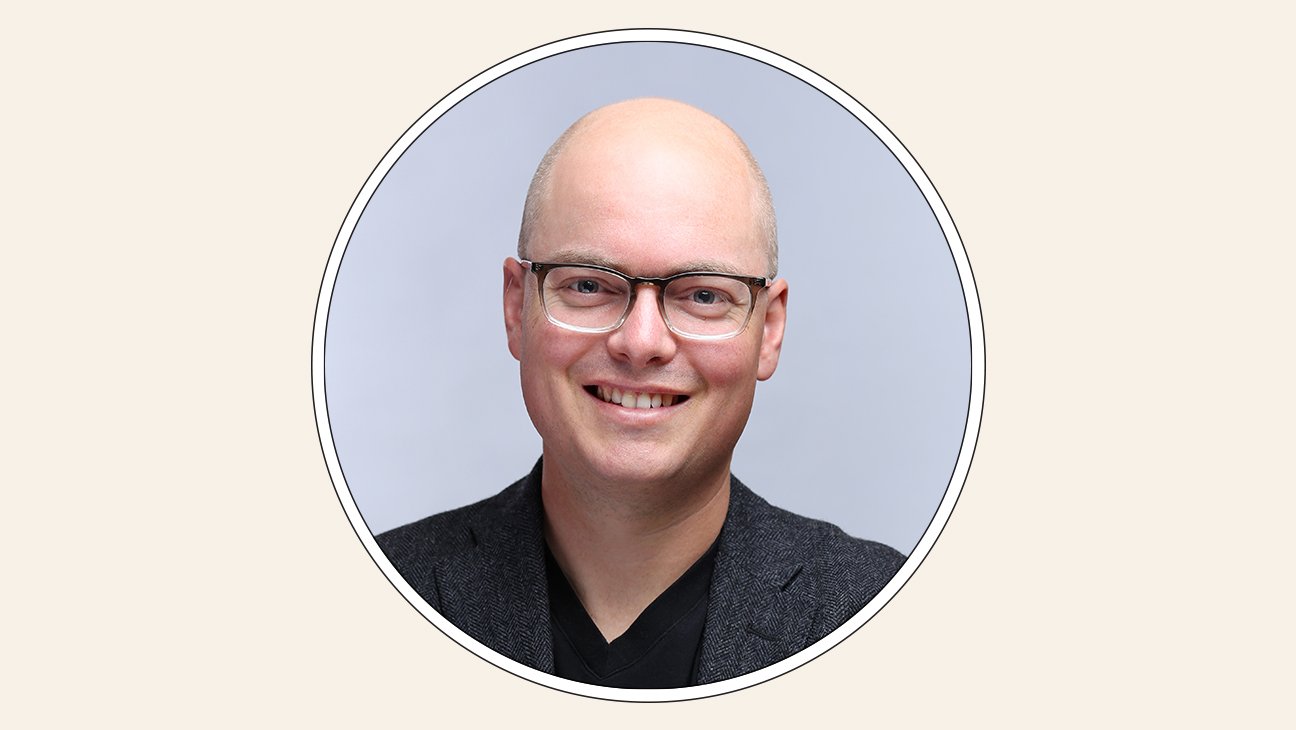
    The executive has been promoted to president of documentary and unscripted at the Liz Garbus and Dan Cogan-founded company, Story Syndicate announced on Tuesday. Bardin has been with the production company, a powerhouse in the documentary scene, since its founding in 2019 and previously served as head of documentary and unscripted.

    Bardin’s new role recognizes the additional responsibilities he’s taken on as he directs the company’s expansion into more recurring nonfiction shows like its series Solo Traveling with Tracee Ellis Ross, whose second season premiered in July on The Roku Channel. Bardin also supervises the company’s equity fund, launched in 2025 to finance documentary films and series with commercial potential.

    In his new role, Bardin will continue to report to Cogan, the company’s CEO. Bardin’s leadership team includes head of production and operations Tommy Coriale, vp of development Lianna Schwartzman, head of postproduction Casey Currier, head of business affairs Brendan Waterhouse and chief financial officer Celia Winchester.

    “Jon was one of our first hires at Story Syndicate seven years ago, and his role has grown every year since. His brilliance, judgment, taste, great rapport with both filmmakers and platforms, and incredibly strong work ethic have all contributed enormously to our success,” Cogan and Garbus said in a statement. “Bottom line: we love working with Jon, and this new title recognizes the central role he plays in our nonfiction work.”

    A Harvard graduate with a PhD in neuroscience from Weill Cornell Medical College, Bardin co-founded the nonprofit production company The Public Good Projects and worked as a vp of documentaries and specials at The Discovery Channel prior to joining Story Syndicate.

    While at the production company, Bardin has produced Fauci, Mayor Pete, Sally, Last Take: Rust and the Story of Halyna, Titan: The OceanGate Disaster and Maternal Instinct. He also served as executive producer on major projects like Britney vs Spears, Harry & Meghan and Gone Girls: The Long Island Serial Killer.

    “I am privileged to wake up every morning and go to work at Story Syndicate, and I’m deeply grateful to Dan and Liz for their mentorship — and for their trust in me as I step into this new role,” Bardin said in a statement. “There’s so much still to come, and I can’t wait to keep producing groundbreaking work in partnership with the incredible Story Syndicate team and the best filmmakers in the business.”

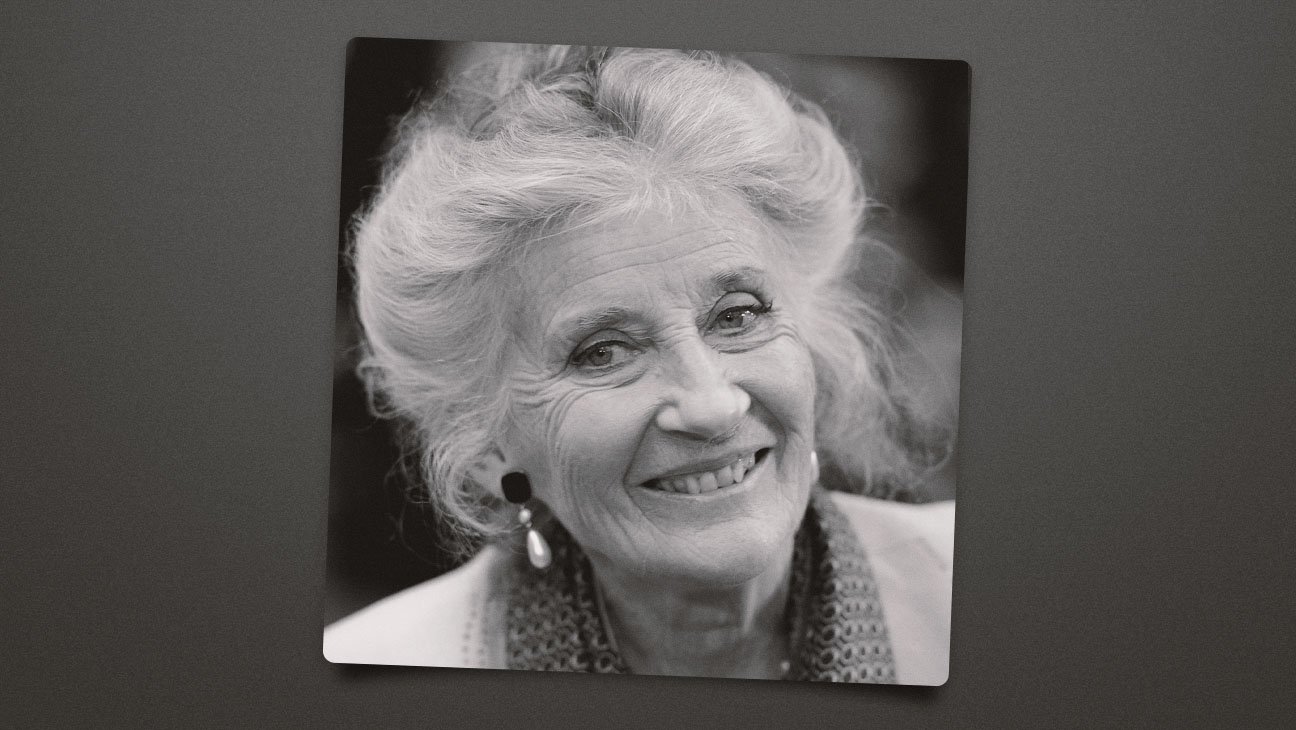
  • Phyllida Law, Actress and Mother of Sophie and Emma Thompson, Dies at 94

    Phyllida Law, Actress and Mother of Sophie and Emma Thompson, Dies at 94

    Phyllida Law, the Scottish actress of stage and screen and the mother of actresses Emma and Sophie Thompson, has died. She was 94.

    Her death was announced by her manager, Jacky Leggo, who said in a statement that she “died supremely peacefully at home, surrounded by all her family.”

    Law appeared with Emma in films including Peter’s Friends (1992), Much Ado About Nothing (1993) — both directed by then-son-in-law Kenneth Branagh — and Junior (1994), and they portrayed mother and daughter in The Winter Guest (1997), directed by Alan Rickman.

    She acted alongside younger daughter Sophie in Jane Austen’s Emma (1996), starring Gwyneth Paltrow, and they would work together on TV series including Poirot, Midsomer Murders, Timeshift and Doc Martin.

    Without her kids, she landed in features including The Time Machine (2002), Miss Potter (2006), Albert Nobbs (2011) and A Little Chaos (2014) and recurred as the aunt of Stephen Fry’s lawyer on the 2007-09 ITV series Kingdom.

    She received an OBE from Queen Elizabeth II for her services to drama and charitable causes in 2014.

    Phyllida Law flanked by daughters Sophie Thompson (left) and Emma Thompson at her OBE ceremony at Buckingham Palace in 2014.

    John Stillwell-WPA Pool/Getty Images

    The daughter of a newspaperman, Phyllida Ann Law was born in Glasgow on May 8, 1932. She was accepted into the Bristol Old Vic Theatre School, intending to train as a stage designer before deciding that she wanted to act.

    She appeared in Bristol Old Vic productions, married fellow actor Eric Thompson in 1957 and started showing up on television on programs including ITV Play of the Week, Dr. Finlay’s Casebook and Dixon of Dock Green.

    She joined the original 1967 production of Peter Nichols’ A Day in the Death of Joe Egg when it made its way to the West End and in 1971 worked alongside Alec Guinness in John Mortimer’s A Voyage Round My Father.

    She later appeared in plays including Alan Bennett’s Habeas Corpus, Somerset Maugham’s For Services Rendered (for the National Theatre) and J.B. Priestley’s When We Are Married and played Jacqueline in the musical version of La Cage Aux Folles.

    Law was married to Thompson until his death from a heart attack at age 53 in 1982, when Emma was 21 and Sophie was 18.

    “We know mum so much better because we spent so much time together, we started going on holidays and traveling together, and we all live on the same street, within three doors of each other,” Emma said in 1997. “We’re far closer-knit because of [her dad’s] death in our lives.

    “Also, we’re three actresses who always had to earn our own living, we’ve never been supported by anyone. My mum always worked, I always worked when I was married, and my sister works. So that’s created quite a strong kind of triumvirate.  It’s a little alarming, actually.”

    Survivors also include her grandchildren, Gaia (an actress), Tindyebwa, Ernie and Walter.

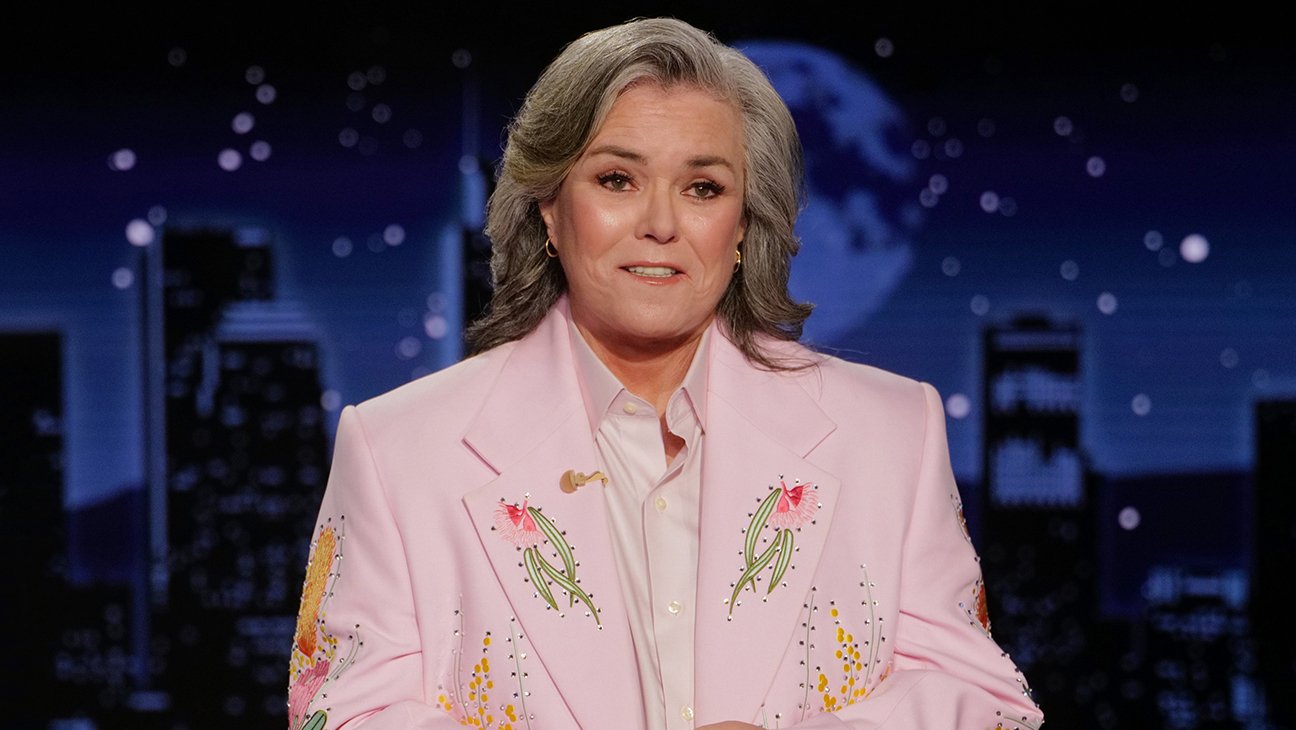
  • Rosie O’Donnell Crushed Her ‘Kimmel’ Monologue by Doing What Jimmy Kimmel Doesn’t

    Rosie O’Donnell Crushed Her ‘Kimmel’ Monologue by Doing What Jimmy Kimmel Doesn’t

    What did you expect when Rosie O’Donnell was announced as making her talk show return by substituting for Jimmy Kimmel as a guest host on ABC’s Jimmy Kimmel Live?

    You probably expected O’Donnell, after leaving Donald Trump’s America for Ireland in 2025 ago in search of “a more peaceful life,” to come out swinging at the president. You probably expected O’Donnell to come across like how conservatives paint her — angry and strident, going full blast at Trump’s second-term corruption allegations and policy blunders.

    What viewers got instead (video below) during the first night of O’Donnell’s weeklong stint, was so much better and more interesting, a monologue that said a lot about her and even more about what’s lacking in typical late-night discourse.

    First, O’Donnell showed she hasn’t slipped at all since her days hosting her 1990s-era talk show, The Rosie O’Donnell Show. The 64-year-old radiated confidence and charm.

    O’Donnell nodded to Trump at the start of her 15-minute opener, calling him “Mango Mussolini” and saying, “If you thought that the president hated Jimmy Kimmel Live! when it was hosted by Jimmy Kimmel, buckle up people!” Media writers covering the monologue predictably seized on those scraps for their headlines.

    But the rest was almost entirely focused on O’Donnell’s fish-out-of-water experiences as an American settling into her new life in Ireland with her 13-year-old child. She told anecdotes about Ireland’s drinking culture, cab drivers, being a famous person abroad and, especially, her attempt to romance a kindly pharmacist.

    The criticism has been made many times that current late-night shows, including NBC’s Saturday Night Live, are Trump-obsessed. They also tend to be obsessed with the media, Hollywood and breaking news, because that’s the world late-night hosts and writers know — and that’s what everyday conversations can sound like when you work in Los Angeles or New York.

    Whereas O’Donnell’s monologue was refreshing fare because it was about living a normal-ish life and interacting with everyday people. She also, by and large, seemed rather happy — again, not a word that Trump supporters would typically associate with O’Donnell (or, for that matter, that Kimmel viewers would likely associate with Kimmel). The move abroad, it seems, has been good for O’Donnell, just as her friends have told reporters over the last couple of years.

    At the end of the monologue, O’Donnell predicted Trump was going to be angry because she didn’t talk about him and perhaps so. She’ll surely have more to say about the president over the next few shows, giving Kimmel’s audience the latest red meat. But if the best revenge really is living well, then O’Donnell seems to have already gotten hers.

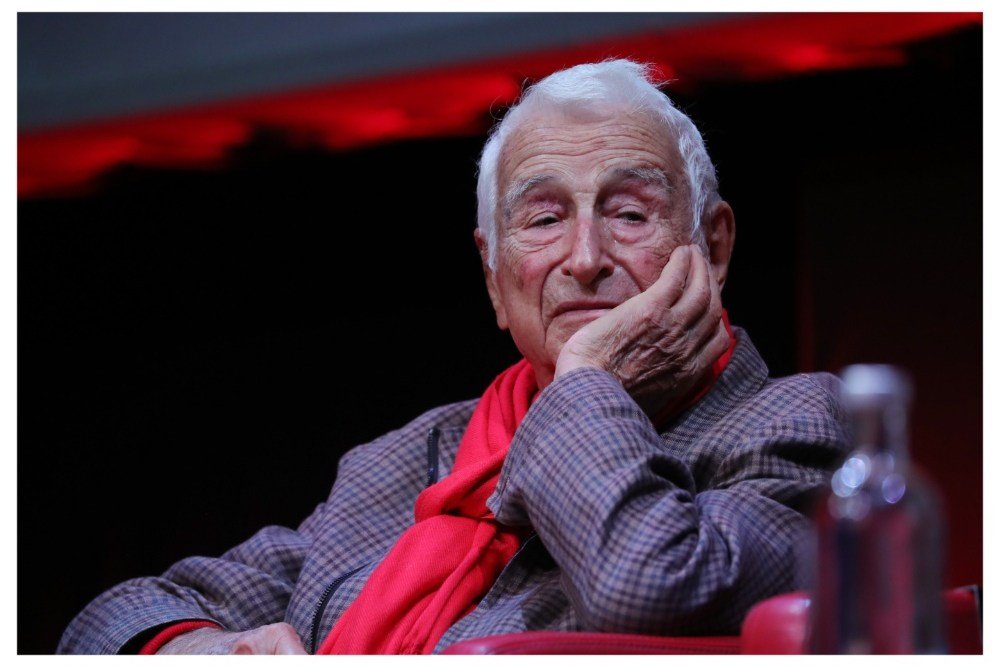
  • Fulvio Lucisano, Italian Producer of ‘Planet of the Vampires’ and ‘What Have You Done to Solange?,’  Dies at 98

    Fulvio Lucisano, Italian Producer of ‘Planet of the Vampires’ and ‘What Have You Done to Solange?,’ Dies at 98

    Italian producer Fulvio Lucisano, who shepherded a slew of cult B-movies such as “Planet of the Vampires” and “What Have You Done to Solange?” and had a close rapport with Roger Corman, has died. He was 98.

    His daughter Paola confirmed Lucisano’s death on Tuesday in a statement sent to Italian news agency ANSA, writing: “Rest in peace, Dad.”

    Over seven decades in the film business, Lucisano mounted more than 150 projects in a panoply of genres, ranging from Mario Bava’s pulpy classic “Planet of the Vampires” to Franco Zeffirelli’s “The Young Toscanini,” starring Elizabeth Taylor as a primadonna soprano, as well as Buster Keaton-starrer “War, Italian Style.”

    Lucisano’s genre purview included sci-fi, horror, Italian comedies and soft porn, but also highbrow works by some of Italy’s most revered auteurs like Liliana Cavani, Marco Ferreri, Lina Wertmuller and European arthouse greats like Carlos Saura, whose 1999 work “Goya in Bordeaux” Lucisano was particularly proud of.

    “Genres don’t exist,” Lucisano said in a 2008 interview with Variety. “The only thing I care about is the moviegoers. They are our judge.”

    In the interview, Lucisano said he had always paid heed to the advice Keaton gave him in 1966 on the Rome set of “War, Italian Style,” in which Keaton played a hapless German general, one of his last roles.

    “He told me: ‘Any kind of movie you make, look at what happens in the first reel, and make sure that, if it’s a comedy, there’s a laugh early on; if it’s a drama or an action movie, then something surprising has to happen in the first 10 minutes,’” Lucisano said.

    The Rome-born Lucisano started out in production in 1949, assisting an American company making a Catholic documentary shot inside the Vatican and St. Peter’s to commemorate the coming year’s Holy Year Jubilee. A lawyer’s son who had a degree in law himself, Lucisano personally drafted his own contracts for most of his career.

    He set up Italian Intl. Film (IIF) in 1958 and soon started collaborating with Los Angeles-based American Intl. Pictures, James H. Nicholson and Samuel Z. Arkoff’s low-budget Hollywood studio that spawned Corman’s films, which were distributed in Italy by Lucisano’s Italian Intl. Film.

    Their collaboration started with 1962’s “Warriors Five,” a WWII drama starring Jack Palance; followed by “Sexy magico,” a faux docu about sexual rites around the world; and in 1964 came campy Jane Mansfield-starrer “Primitive Love,” a mondo sex farce in a similar vein.

    in 1965, Lucisano proudly shepherded Bava’s “Planet of the Vampires,” his first picture shot in Cinecitta’s legendary Studio 5, later to become Federico Fellini’s second home. “Planet of the Vampires,” considered a major influence on Ridley Scott’s “Alien,” was a co-production with American Intl. Pictures.

    “What Have You Done to Solange?” is one of Lucisano’s relatively early productions that he liked to reminisce about. It’s a now-classic 1972 England-set giallo and a favorite of Quentin Tarantino, helmed by Massimo Dallamano with a typically atmospheric Ennio Morricone score.

    In 2005, the Venice Film Festival celebrated Lucisano with a special Fulvio Lucisano Day as part of its Tarantino-presented “Secret History of Italian Cinema” retrospective, during which restored copies of both “Vampires” and “Solange” screened.

    But besides Italian B-movies, Lucisano also shepherded a slew of artier titles.

    In 1975, just three years after “Solange,” Lucisano made Mauro Bolognini’s “Per le antiche scale” (“Down the Ancient Staircase”), a dark drama starring Marcello Mastroianni as a psychologist trying to isolate an “insanity virus” in a Fascist-era asylum. It won the Locarno Film Festival’s Special Jury nod.

    He produced Liliana Cavani’s Nazi-era “The Berlin Affair,” Luigi Comencini’s “A Boy From Calabria” and Francesca Archibugi’s 1993 foreign-language Oscar-nommed debut “Il grande cocomero” (“The Great Pumpkin”), just to name a few of his forays into auteur territory.

    As a distributor, IIF has released hundreds of pics, including “Thelma and Louise,” thanks to a strong relationship he had with MGM; Andrei Konchalowski’s “Maria’s Lovers,” as part of a longstanding deal in those days with Menahem Golan’s Cannon; and “Four Weddings and a Funeral” through his tie at the time with Polygram.

    Lucisano served as president of Italy’s motion picture association ANICA from 1998 to 2001.

    During his illustrious career, Lucisano was honored with five David di Donatello awards, including a lifetime achievement honor in 2009, as well as four Nastri d’Argento Silver Ribbon awards.

    Lucisano is survived by his daughters, Federica and Paola, who run his now publicly traded company called Lucisano Media Group.