Category: Entertainment

  • BBC Greenlights Three New Dramas, Including Tudor-Set ‘1536,’ ‘Shy & Lola’ With Hayley Squires, Bel Powley

    The BBC has unveiled three new dramas coming to our screens in due course, including Shy & Lola with Hayley Squires and Bel Powley.

    Shy & Lola, a new six-part drama for BBC iPlayer and BBC One, is written by award-winning screenwriter and novelist Amanda Coe (Apple Tree Yard, The Trial of Christine Keeler) and produced by multi-BAFTA and Emmy award-winning Clerkenwell Films (Baby Reindeer, The Death of Bunny Munro, The End of the F***ing World), part of BBC Studios.

    The darkly comic story follows Shy and Lola, two very different women who are forced to become allies when a murder entangles them in the criminal underworld operating in Shy’s small coastal town in the North of England. Squires (The Night ManagerI, Daniel Blake) stars as Shy, a cleaner scraping by and dreaming of a new life in Portugal, with Powley (A Small Light, The Diary of a Teenage Girl) playing Lola, an ex-model-turned-grifter who arrives in town with trouble at her heels.

    Filming on the show, based on the French television drama Cheyenne and Lola, will begin this spring in and around the U.K. cities of Hull and Leeds.

    Also announced on Monday is D-Notice from writers and executive producers Adam Patterson and Declan Lawn. The six-part British political thriller is set in the world of investigative journalism. Patterson and Lawn are said to “have some experience of” the D-notice mechanism, which allows the government to advise journalists about national security. Now, they’ve come up with a drama that looks at how truth and power speak to one another. It is their third project for the BBC, following The Salisbury Poisonings and Blue Lights, and their first commission from production company Hot Sauce Pictures, backed by Sony Pictures Television.

    The BBC has also commissioned 1536, a new drama series for BBC iPlayer and BBC One, based on Ava Pickett’s play of the same name. The eight-part show written by Pickett from Drama Republic (Riot Women, One Day) is set in the heart of Tudor England against the backdrop of Anne Boleyn’s arrest and weaves royal scandal with rural struggle.

    1536 centers around Anna, Mariella, and Jane: three young women gossiping, arguing, and dreaming in an Essex village, desperately waiting for their lives to start. When the news reaches them that King Henry VIII has had his Queen, Anne Boleyn, arrested, the three of them never suspect that this act will change their lives forever.

    Pickett said: “1536 is something I am immensely proud of and I feel so lucky and privileged to have the chance to bring Anna, Jane and Mariella to a wider audience and to build out their lives even more. In a world where every decision made in the corridors of power ricochets through all of our lives, this story feels more relevant than ever. I’m so grateful to Lindsay Salt for being such a champion of it from the start.”

    Lindsay Salt, Director of BBC Drama, added: “From the moment we saw Ava’s play we knew that we had to have the TV version on the BBC. Visceral, funny, provocative, timely and full of courage, this is a piece of work like no other. Ava is an exceptional voice, so we feel very lucky to be working with her and the brilliant team at Drama Republic to bring three iconic female characters to the screen.”

    Executive producers are Jude Liknaitzky, Roanna Benn, Rebecca de Souza, Chloe Beeson and Pickett. The series was commissioned by Salt.
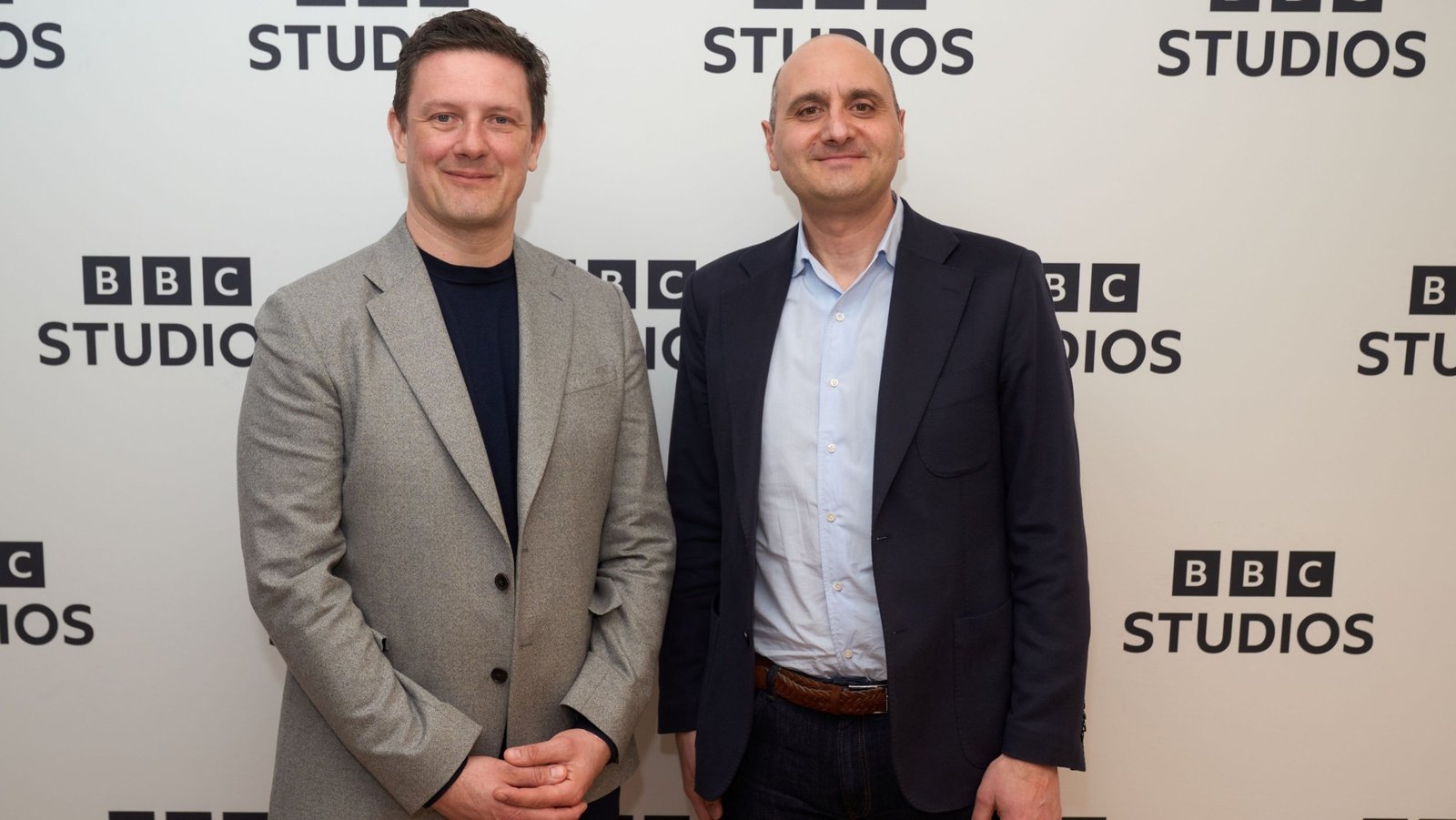
  • BBC Studios Chiefs on Mega-Mergers, Own M&A, Trump Tariffs, U.S. Streaming Growth, and the ‘Bluey’ Movie

    BBC Studios Chiefs on Mega-Mergers, Own M&A, Trump Tariffs, U.S. Streaming Growth, and the ‘Bluey’ Movie

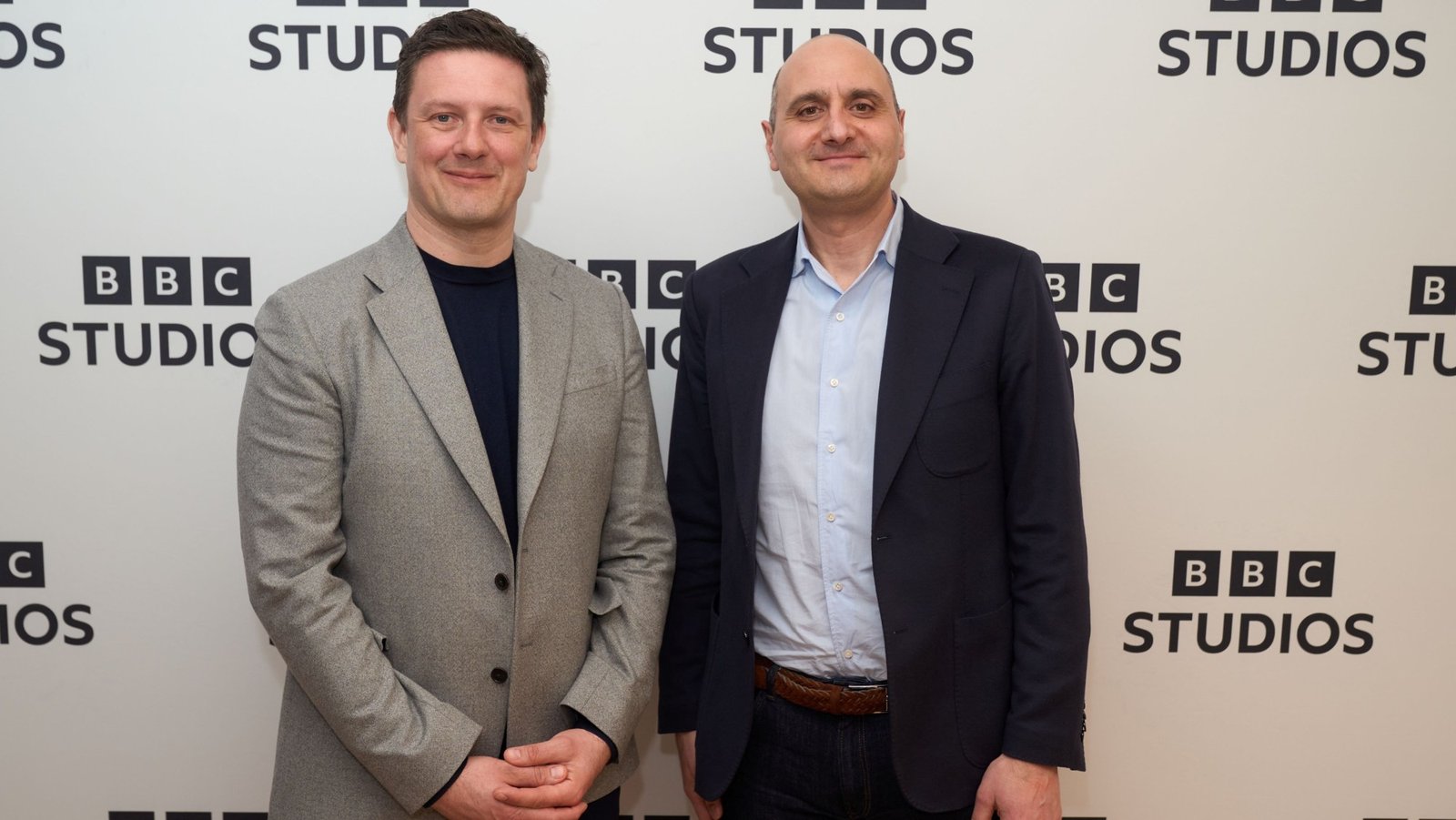
    BBC Studios CEO Tom Fussell and Zai Bennett, CEO and chief creative officer of BBC Studios Productions, discussed tariff talk by U.S. President Donald Trump, mega-consolidation, including the planned Netflix-Warner Bros. Discovery deal, the growth of the company’s U.S. streaming business, and the Bluey movie.

    They spoke to the press on the first day of the 50th annual BBC Studios Showcase in London. BBC Studios, the commercial arm of British broadcaster BBC, is known for such hit franchises as animated powerhouse Bluey, Netflix’s Baby Reindeer, legal drama The Split and its upcoming spin-off The Split Up, and such natural science hits as Walking With Dinosaurs, and it recently unveiled new shows to mark broadcaster and naturalist David Attenborough’s 100th birthday on May 8.

    “We have seen no impact” from Trump tariff talk, Fussell said when asked about any possible fallout, also lauding the continuing popularity of BBC News in the U.S. He didn’t discuss Trump’s lawsuit against BBC News, simply touting the resilience of the BBC brand and saying “we are not seeing any changes.”

    Asked about Netflix-WBD, he said “we are well diversified, and obviously, you can only control what you can control, so you focus on your priorities, and our priority is carrying the transformation and the growth in the areas we’ve got.” He emphasized though that “no doubt, … people have talked about challenging markets and the rest of it, and our view going forward is that the market growth is not going to be anything like what it had been in the [past] five years.”

    Continued Fussell: “And when you start seeing rumors upon rumors about takeovers and consolidation, that normally is testament to the fact there aren’t huge amounts of growth in the market, because everyone’s looking for … synergies. But we know what we’re doing. We know where we want to be investing in our global expansion of our studio.”

    In that context, he also highlighted that BBC Studios was “a growing business that’s transforming,” with revenue up 55.7 percent over the last four years.

    Following TV market challenges, Bennett on Monday suggested that “there are definitely green shoots of recovery,” sharing that “Paramount is back in the market, spending money,” among other things. But he reiterated that things are “definitely not” expected to return to the highs of the past five years but play out in a new normal range.

    Fussell suggested though that he felt the business would be “talking about striving again,” from scripted to unscripted and, vitally, kids programming.

    Mentioning the 2019 BBC Studios deal with what was then Discovery to take full control of UKTV’s entertainment channels, including Dave, Gold, and Drama, as well as a 2024 deal with ITV that gave the company full control of streamer BritBox International, Fussell also signaled that BBC Studios could also strike more acquisitions of its own. He said it would “carry on investing organically and maybe inorganically.”

    Bennett, who started his role in late 2024, similarly noted that BBC Studios Productions is seeing “solid organic growth and investment” and “looking for inorganic growth in some territories,” mentioning the rest of Europe, the Middle East and Africa as one possible region for deals.

    Fussell added that there “are opportunities for inorganic growth in streaming across the genres,” adding: “I think we have a right, as the home of British streaming, to grow that even further.” But he emphasized that “these opportunities take time,” concluding: “We are very judicious with how we spend that investment.”

    Fussell on Monday also touted the success of streaming services BritBox and BBC Select, which focuses on documentaries, in North America. “Last week was the fifth birthday of BBC Select, and BBC Select is now the third-largest factual SVOD in the States, and we’re really proud of that,” he said. He also touted the growth of BritBox and its launch of a premium tier.

    Among content trends, Bennett was asked about the growth of microdramas, saying that “we’re looking at that right now” and signaling the company could talk about this space more in the coming months. He added: “We’re certainly experimenting.”

    Questioned about audience and buyer appetite, he sees for escapist content versus programming dealing with the world’s cultural and political divisions, Bennett said BBC Studios Productions looks at market needs and is “leaning into specificity and Britishness” more than anything else.

    Current and old content favorites also drew reporter questions on Monday. Could motoring show Top Gear return to U.K. screens? Replied Bennett: “Never say never.”

    Of course, the upcoming Bluey: The Movie was also a talking point. Fussell shared that he just visited creator Joe Brumm in his studio in Brisbane, calling the experience “an absolute pleasure,” and saying that the work on the film was going well. But “I can’t say anything” more, he emphasized. And Bennett shared: “We’ve seen bits of it, and it looks amazing.”

  • Nick Reiner Pleads Not Guilty to Charges of Murdering Parents

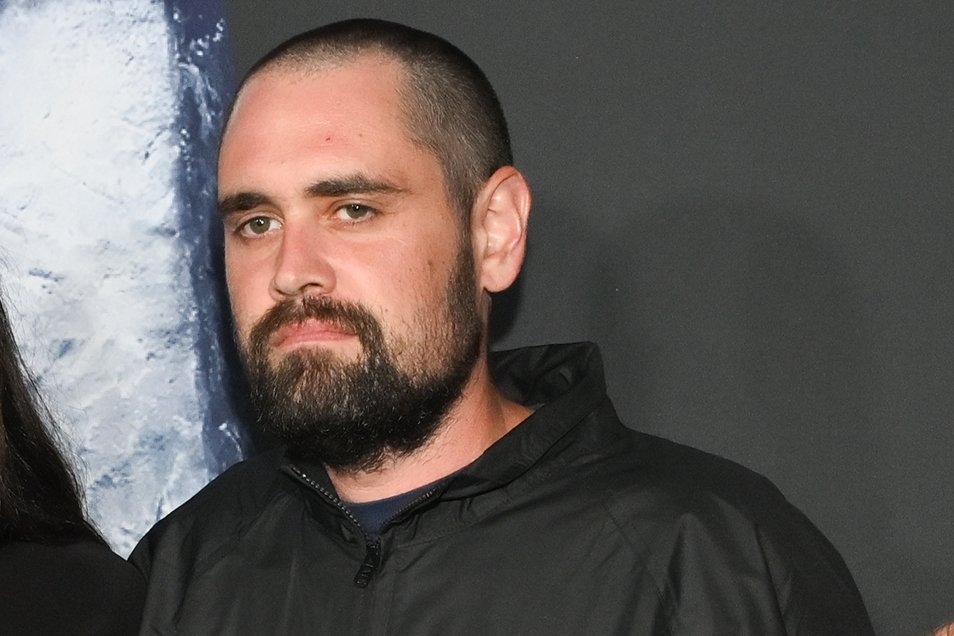
    Nick Reiner has pleaded not guilty to the slayings of his father and mother, Rob Reiner and Michele Singer Reiner, setting up a case that could test his potential defense surrounding his mental fitness to stand trial.

    The plea, entered in a downtown Los Angeles courthouse in front of a throng of media, begins what could be a lengthy legal process, a period during which Reiner’s lawyers are expected to question his mental state leading up to and during the killings. It could be over a year before he faces a trial, if there is one.

    Reiner, 32, faces two counts of first-degree murder with special circumstances relating to multiple homicides. If convicted as charged, he could face a death sentence or life in prison without the possibility of parole, though a decision hasn’t been made on whether to seek capital punishment.

    At the brief hearing, Reiner, wearing a prison-issued brown jumpsuit, only spoke to answer in the affirmative when asked by the court whether he understands that he’s entitled to a speedy preliminary hearing.

    Prosecutors have yet to detail their case against Reiner. They’ve alleged that he stabbed his 78-year-old father and 70-year-old mother in the early morning of Dec. 14 in their Brentwood home. He allegedly fled the scene and checked into the Pierside Santa Monica hotel hours. Law enforcement arrested him later that night in South Los Angeles near a gas station.

    It remains unclear if Reiner will seek an insanity defense. His long history of drug use and related mental health disorders will almost certainly play a major role in the trial, sentencing and posture of prosecutors. It’s been widely reported that he was diagnosed with schizophrenia several years ago and that he was being treated for a serious psychiatric disorder at the time of his parents’ murder. Some reports have claimed that Reiner’s medication was adjusted or changed in the weeks leading up to the attack.

    Reiner entered his plea after Alan Jackson, a media savvy defense lawyer who previously represented Harvey Weinstein, Kevin Spacey and Karen Read, withdrew from the case for unknown reasons. He said it wasn’t possible for him and his firm to “continue our representation” of Reiner and was barred from disclosing why for ethical and legal reasons. His lead attorney is now Deputy Public Defender Kimberly Greene.

    After he withdrew from the case, Jackson said that Reiner is not guilty of murder “pursuant to the law of California.” The statement has prompted some speculation that he planned to pursue a not guilty by reason of insanity defense, which only applies when there’s a condition that establishes the accused didn’t understand what they were doing or could not understand the difference between right and wrong.

    There are other routes Reiner can take. First-degree murder requires a showing of premeditation with the intent to kill. If Reiner’s mental state was such that it made him incapable of having that intent, he may be guilty of a lesser degree of murder.

    A preliminary hearing is set for April 29 to determine whether prosecutors have enough evidence to proceed to trial.

  • ‘Marty Supreme’ and ‘Heated Rivalry’ Both Traffic in Stereotypes. Maybe That’s Not a Bad Thing

    ‘Marty Supreme’ and ‘Heated Rivalry’ Both Traffic in Stereotypes. Maybe That’s Not a Bad Thing

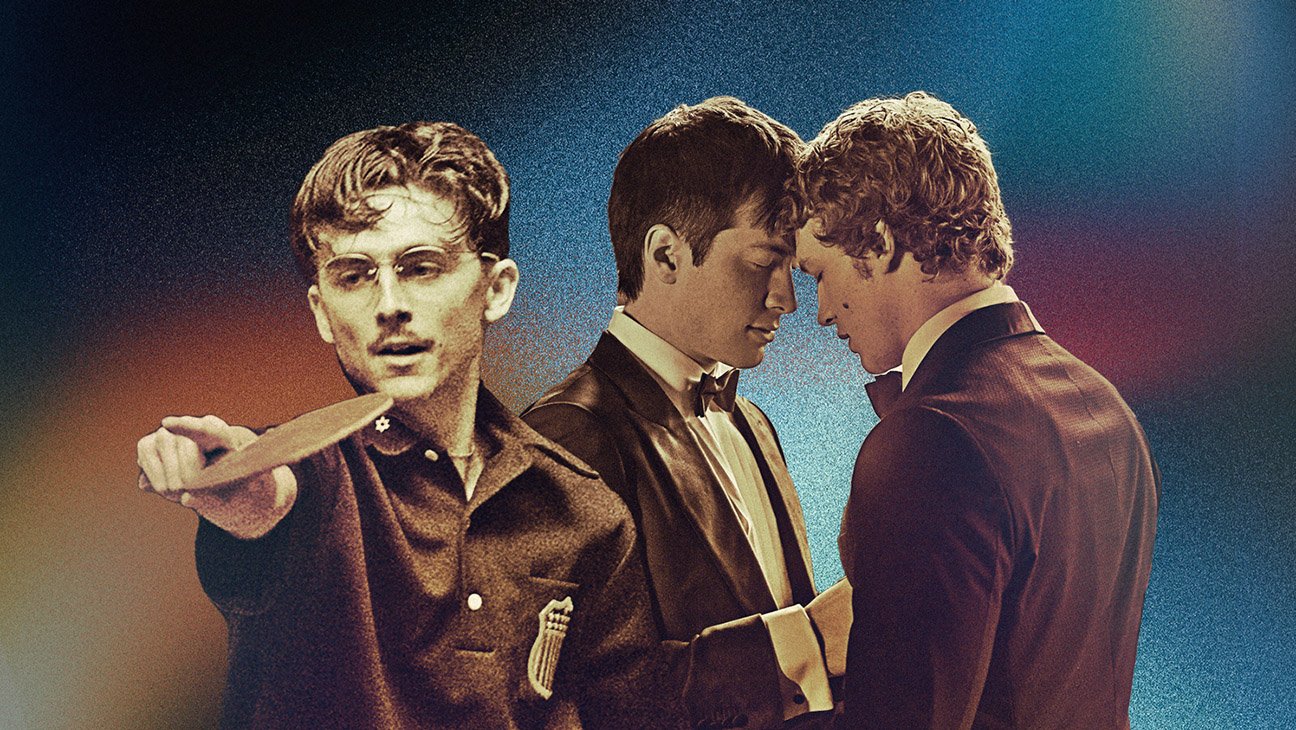
    Beyond the fact that they both technically belong in the genre of “sports,” the Jewish table-tennis-hustler film Marty Supreme and the spicy gay hockey TV series Heated Rivalry seem to have almost nothing in common.

    And yet Josh Safdie’s Oscar contender and Jacob Tierney’s TV phenomenon have riled up parts of their audience in similar ways. Both works, critics say, display uncomfortable stereotypes that have been used to marginalize their respective Jewish and gay populations for a very long time.

    In the case of Marty Mauser, it’s the persona of a grasping, lying shyster who will do anything and sell anyone out for money. For Ilya Rozanov and Shane Hollander, it’s a depiction as psych-textbook caricatures, the two muscularly embodying the narcissistic, decadent compulsion for sex with zero attachment and intimacy. And so for all their acclaim and popularity, the pieces have been slammed by these critics for playing to ugly tropes. Further complicating the sense of betrayal is the fact that Marty Supreme was created by Safdie, who is Jewish, and Heated Rivalry was created by Tierney, who is gay.

    Nor do the characters play to affectionate Hollywood type in any way. Marty is not cultured, colorful and neurotic with a penchant for Yiddish outbursts. Ilya and Shane are not sensitive, stylish and creative and don’t have a drag scene. Instead, Marty lies to everyone, holds a co-worker at gunpoint for his pay and, infamously, makes a shocking wisecrack about Auschwitz. Meanwhile, over years of random, closeted and compulsive encounters, Shane and Ilya barely exchange pleasantries during their hot, impersonal hookups, even calling each other by their last names — half bros, half hos. These are not good Woody Allen Jews or good Tony Kushner gays.

    For critics, these characters evoke a long history of pop-cultural stereotypes. From the predatory Jewish villain Svengali (made famous in the 19th century French best-seller Trilby) to the 1991 “Big Five” Oscar winner Silence of the Lambs (with its predatory queer villain Buffalo Bill), there’s a whole century of coded prejudice that hasn’t exactly vanished from the world.

    But people focusing on these kinds of inhuman portrayals might consider what Safdie and Tierney are doing differently. Both Marty Supreme and Heated Rivalry cleverly use these aspects as starting points to slowly draw back the curtains on their characters’ stifled humanity.

    After a grueling 135 minutes of danger-dealing (in which he finally gets to the world championships and scores a minor moral victory), Marty limps back humbled to New York and goes straight to the hospital to see his newborn son and his (married) girlfriend Rachel, whispering “love you” to her sleeping form, a selfless moment of redemption.

    And in Heated Rivalry, after eight years of brief hotel hookups, Shane spends the day at Ilya’s house. Ilya makes Shane a tuna melt, and, for the first time, they use each other’s first names. When Shane can’t handle it, we see the damaged humanity under the hotness.

    It’s as though both these narratives have set up a long con, where the stereotyped behavior acts as a form of misdirection — and it pays off with a sudden release when the characters’ latent humanity is revealed. This is as much a physics experiment as a drama: Tension is stored as stereotype and ratcheted up, then finally discharged as complexity.

    This technique can be seen in another Oscar contender, Sentimental Value, in which Stellan Skarsgard’s distant father is finally revealed as scarred rather than selfish.

    What all these works suggest is that stereotypes don’t need to be avoided — they can be used strategically as powerful ingredients for characters to defy.

    Yes, there’s a lot to be said for humanity, empathy and the rest of today’s values checklist. But as Marty, Ilya and Shane make clear, that’s not always an inclusive spectrum. Real people are complicated and selfish. Real people want sex and success. Everyone wants to win, not just people stuck in “the patriarchy.” Instead of policing representation as some perfect singular, we should be trying to make it as plural as possible. Both Heated Rivalry and Marty Supreme prove that complicated characters and even stereotypes can be a dramatic vehicle for helping us see and reconcile all kinds of conflicting human urges. Actors want to show range. The world does, too.

    This story appeared in the Feb. 23 issue of The Hollywood Reporter magazine. Click here to subscribe.

  • ‘Prosecution’ Review: A Slick, Pulpy Drama About a Vigilante Lawyer Investigating Her Own Hate Crime

    ‘Prosecution’ Review: A Slick, Pulpy Drama About a Vigilante Lawyer Investigating Her Own Hate Crime

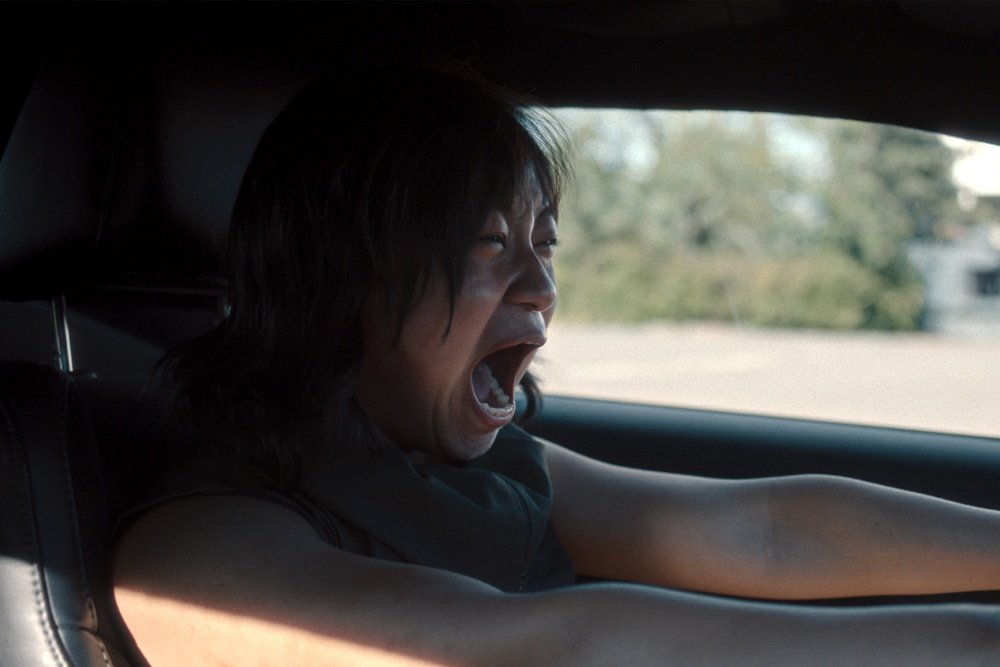
    Faraz Shariat’s tightly wound “Prosecution” is a courtroom drama immersed in legalese, but rendered with the gripping intensity of a vigilante thriller. It follows a German-Korean woman prosecuting far-right hate crimes and running up against institutional blockades, until she becomes the victim of a targeted assault. This prompts her to push further and harder against these confines — and circumvent them if she must — at any ethical cost, as the herculean task before her fades into view.

    Meticulously researched by co-writers Claudia Schaefer, Jee-Un Kim and Sun-Ju Choi, the story arrives in the wake of a recent uptick in far-right hate crimes in Germany, an apparent universality that Shariat grounds in the hyper-specifics of German law. At the film’s center is Seyo Kim (Chen Emilie Yan), a meek state lawyer looking to make a difference, but who accepts, with begrudging sighs, her department’s 80% rate of dropping hate crime prosecutions as just another part of the job.

    While at home in her scant apartment, she speaks to her father in German while he responds in Korean; she seems disconnected from everyone, except occasionally her girlfriend Min-su (Kotbong Yang), whenever she finally answers the phone. During tightly shot and controlled scenes of her arguing in court, Seyo is subject to the gazes and occasional jeers of neo-Nazi defendants and their supporters, but retains her composure as best she can. After all, as characters repeatedly state throughout “Prosecution,” Germany claims the most objective system of law in the world, and maintaining objectivity is paramount. It’s no wonder that, after she’s knocked off her bicycle in a public park and pelted with Molotov cocktails by men in masks, she proves to be a pressure cooker waiting to explode.

    Seyo’s immediate response is to throw herself into investigating her own attempted murder, even before she’s left the scene. But her largely Caucasian supervisors, like Senior Public Prosecutor Forch (Arnd Klawitter), insist that she keep her distance. However, with the reluctant help of a fellow non-white colleague, Ayten (Alev Irmak), she begins running a parallel inquiry: sneaking into records rooms to peruse old cases while sticking photographs and news articles on her window, practically walling herself off from the world. When her trial finally begins, she also takes over as her own attorney, not only questioning witnesses, but forcing former victims (some of them vulnerable immigrants) out of hiding, in order to make them testify at the risk of their own safety.

    It wouldn’t be a stretch to call Seyo a self-centered protagonist, but her selfishness stems from a lucid sense of self-preservation. However, the film’s ultra-serious character drama is transformed into pulp — of the most ludicrously enjoyable sort — both by Shariat’s tight visual flourishes, which imbue every dialogue scene with oppressive potency, and by the way the initially straightforward Seyo slowly becomes an antiheroine in the vein of Lisbeth Salander from “The Girl With the Dragon Tattoo.” The pseudo-goth hair and costume choices speak to an inner rebelliousness that isn’t so much unleashed as forced loose by a system that values the appearance of a mythical impartiality over her humanity, leaving her with little recourse but to step outside the confines of the law.

    The seemingly insurmountable challenge before her is reflected by the double meaning of the film’s German-language title “Staatsschutz,” which roughly translates to “state protection.” When institutions close ranks and downplay threats in the name of neutrality, who is the state truly protecting?

    To be clear, Seyo isn’t an action heroine who employs gadgets or fisticuffs. She’s too physically diminutive for that, which only adds to her desperation. Picture if Marvel’s Daredevil were a lawyer by day, and a lawyer who bends the rules a little by night, and you should know what to expect. Except Seyo’s superhero suit is the everyday attire of a woman driven by anger to violently knock on the doors shut in her face — and kick at them if she must, even if it attracts genuine danger from hate groups and institutions alike. (She does, however, have her own Batmobile in the form of a muscly, matte-black Dodge Challenger, which gets a delicious closing shot.)

    Much of the action involves Seyo rummaging through dusty boxes in rooms she shouldn’t be in, lest a security guard come snooping and scold her, or she be handed professional consequences. A slap on the wrist hardly sounds exciting on paper, but the stakes grow as the film goes on. These sequences of process and investigation are captured with all the verve and nerve-wracking tension of a slick spy thriller, aided by a detailed, thundering soundscape sure to leave you on edge.

    All of this is made further convincing by Yan’s captivating performance, her first for the big screen. She adds great depth to a woman pushing back against the walls closing in around her. Despite her character’s steely resolve, the star isn’t afraid to sketch moments of determination with glimmers of self-doubt, as Seyo becomes increasingly one-tracked, and perhaps loses sight of the difference between personal vengeance and broader, institutional justice, until it nearly breaks her.

    While the resolution to this dilemma ends up somewhat easy, the film remains an alluring liberal power fantasy about challenging systems from within. Which is to say it’s more realistic in its aims than your average, metaphor-laden blockbuster — not everybody can kickflip or attain superpowers — and in the process, it’s sure to draw an especially visceral response from any choir to which its anti-racist sentiments might preach. It may not change the world (after all, few movies do), but it’ll certainly rile you up enough to make change seem far less improbable.

  • Nick Reiner Pleads Not Guilty in Murders of Rob and Michele Reiner

    Nick Reiner Pleads Not Guilty in Murders of Rob and Michele Reiner

    Nick Reiner pleaded not guilty on Monday in the deaths of his parents, Rob and Michele, who were found stabbed to death in their Brentwood home on Dec. 14.

    Reiner, 32, appeared in Los Angeles Superior Court, and spoke only once, agreeing to a future court date of April 29.

    Reiner is facing two counts of murder with an enhancement that could carry the death penalty or life without parole if he is convicted.

    He is being represented by Kimberly Greene, a deputy public defender who took over the case after his initial lawyer, Alan Jackson, withdrew last month.

    No mention was made of Reiner’s mental state during the brief hearing.

    Reiner is being held without bail at the Twin Towers Correctional Facility in downtown Los Angeles. He was arrested around 9:15 p.m. on Dec. 14, hours after his parents’ bodies were discovered by his sister.

    Rob Reiner was one of the greatest filmmakers of his generation,” said District Attorney Nathan Hochman, who called the Reiners’ killings “shocking and tragic.” “We owe it to their memory to pursue justice and accountability for the lives that were taken.”

    Nick Reiner was open about his years-long battle with drug addiction. He told interviewers that he attended 18 rehabs between the ages of 15 and 19. In an interview for Anna David’s recovery podcast, he said he had thrown a rock through a window to prove he needed medication.

    “I was insane,” he said. “And I said, ‘I’m insane.’ And they said, ‘No, you’re not.’ I was like, ‘Well, they’re not taking my word for it. I might as well demonstrate what crazy is.’”

  • Hans Zimmer to Score Netflix Series ‘All the Sinners Bleed’ From Higher Ground, Amblin Television

    Hans Zimmer to Score Netflix Series ‘All the Sinners Bleed’ From Higher Ground, Amblin Television

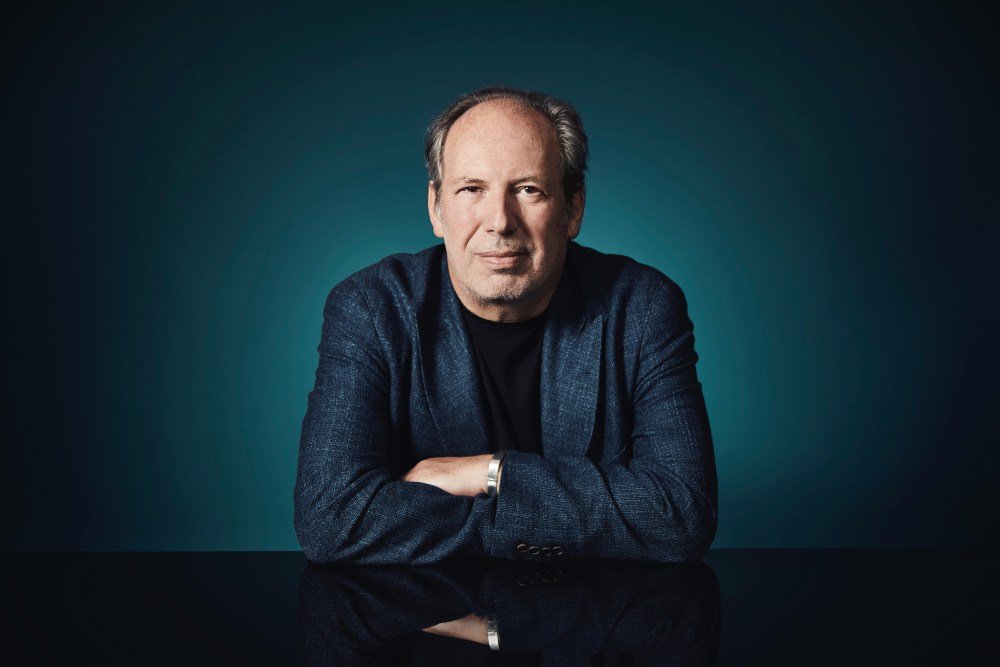
    Hans Zimmer and his composer collective, Bleeding Fingers Music, are set to score the upcoming Netflix series “All the Sinners Bleed.”

    As previously announced, the show is an adaptation of the S.A Crosby novel of the same name. Joe Robert Cole is adapting the book for the screen and will also serve as executive producer and showrunner in addition to directing multiple episodes, including the first. The Obamas’ Higher Ground Productions and Amblin Television are also executive producing along with Cosby.

    “’All the Sinners Bleed’ lives in the tension between faith, violence and redemption, the kind of moral complexity where music speaks most powerfully,” Zimmer said. “Joe Robert Cole and S.A. Cosby have created a world that is haunting, intimate and unflinchingly human. We’re proud to collaborate with Netflix, Higher Ground and Amblin on a series unafraid to sit with discomfort and truth, allowing the score to breathe in moments of silence as much as in moments of chaos.”

    “All the Sinners Bleed” stars Ṣọpẹ́ Dìrísù alongside series regulars John Douglas Thompson, Nicole Beharie, Daniel Ezra, Andrea Cortés, Murray Bartlett, and Leila George. The official logline for the series states, “Haunted by his devout mother’s untimely death, the first Black Sheriff (Dìrísù) in a small Bible Belt county must lead the hunt for a serial killer that has been preying on his Black community for years in the name of God.”

    “Hans crafts unforgettable themes and immersive scores that root you emotionally in the world of a story,” Cole said. “Our series explores the lighter and darker halves of who we are as people and which side wins within us. I’m incredibly excited to have Hans and the Bleeding Fingers Music composer collective interpreting this core contention through music.”

    Zimmer is widely regarded as one of the greatest film composers alive today and one of the greatest of all time. He is a 12-time Oscar nominee in the best score category, winning the coveted award for his work on both “The Lion King” and Denis Villeneuve’s “Dune.” He has been nominated for and won numerous other accolades, including Grammys, Golden Globes, BAFTAs and beyond. Just a few of his other notable scores include work on “Interstellar,” “Gladiator,” Christopher Nolan’s “Dark Knight” trilogy, and “Inception.”

    He is repped by CAA and Kleinberg Lange Cuddy & Carlo LLP.

  • ‘Blue Moon’ Star Ethan Hawke on His First Lead Actor Oscar Nom, Why the Film Is a ‘Decade-Long Dream’ and His Friendship With Director Richard Linklater

    Ethan Hawke has been making movies for decades. But it took a role his longtime collaborator Richard Linklater dreamed up — born out of years of shared theater trips and a mutual love of the stage — to finally earn him his first lead actor Academy Award nomination.

    “I don’t think anybody else really would’ve thought of me for this character,” Hawke said in Variety’sFor the Love of the Craft: The Nominees” video. “But because he knows me so well, he knew how passionately I would feel about it.”

    Hawke, nominated for best actor for his portrayal of lyricist Lorenz Hart in Linklater’s “Blue Moon,” said he first read the script more than 10 years ago. The two have long bonded over a shared love of theater. They first met when Linklater came to see Hawke in a play and the script felt like a natural extension of that relationship. The long gestation proved to be a gift. “I felt happy that I’ve been able to dream about it for 10 years,” he said. “I didn’t have to rush to be ready.”

    Over that time, Hawke immersed himself in Richard Rogers and Hart’s musical theater world, collecting biographies, seeking out Chet Baker and Bob Dylan covers of their songs and filling what he called his “imaginative tank” at his own pace.

    “Blue Moon” premiered at the Berlin Film Festival a year ago and has built a devoted following since, with Hawke returning to Berlin this week as the awards season reaches its peak. He credits good fortune as much as craft. “It’s so hard to penetrate the zeitgeist right now without a tremendous amount of money in advertising,” he said. “When that happens, you kind of feel this wash of gratitude of being really lucky.”

    On the subject of craft itself, Hawke was characteristically thoughtful, invoking his late friend Philip Seymour Hoffman. “You have to walk a razor’s edge of feeling like it’s the most important thing in the world,” he said, “and simultaneously treat it like it’s a game that is so much fun to play.” He also pointed to Uta Hagen’s “Respect for Acting” and Sidney Lumet’s “Making Movies” as touchstones, framing great performance less as inspiration than as disciplined, learnable trade.

    What will he take away from playing Hart? The eyes of his co-stars — Andrew Scott, Margaret Qualley and Robert Capelli Jr. — and, above all, Linklater’s steadying presence. “Rick’s unflagging friendship,” Hawke said. “That’s what I take away.”

  • BBC Greenlights Three New Dramas, Including Tudor-Set ‘1536,’ ‘Shy & Lola’ With Hayley Squires, Bel Powley

    The BBC has unveiled three new dramas coming to our screens in due course, including Shy & Lola with Hayley Squires and Bel Powley.

    Shy & Lola, a new six-part drama for BBC iPlayer and BBC One, is written by award-winning screenwriter and novelist Amanda Coe (Apple Tree Yard, The Trial of Christine Keeler) and produced by multi-BAFTA and Emmy award-winning Clerkenwell Films (Baby Reindeer, The Death of Bunny Munro, The End of the F***ing World), part of BBC Studios.

    The darkly comic story follows Shy and Lola, two very different women who are forced to become allies when a murder entangles them in the criminal underworld operating in Shy’s small coastal town in the North of England. Squires (The Night ManagerI, Daniel Blake) stars as Shy, a cleaner scraping by and dreaming of a new life in Portugal, with Powley (A Small Light, The Diary of a Teenage Girl) playing Lola, an ex-model-turned-grifter who arrives in town with trouble at her heels.

    Filming on the show, based on the French television drama Cheyenne and Lola, will begin this spring in and around the U.K. cities of Hull and Leeds.

    Also announced on Monday is D-Notice from writers and executive producers Adam Patterson and Declan Lawn. The six-part British political thriller is set in the world of investigative journalism. Patterson and Lawn are said to “have some experience of” the D-notice mechanism, which allows the government to advise journalists about national security. Now, they’ve come up with a drama that looks at how truth and power speak to one another. It is their third project for the BBC, following The Salisbury Poisonings and Blue Lights, and their first commission from production company Hot Sauce Pictures, backed by Sony Pictures Television.

    The BBC has also commissioned 1536, a new drama series for BBC iPlayer and BBC One, based on Ava Pickett’s play of the same name. The eight-part show written by Pickett from Drama Republic (Riot Women, One Day) is set in the heart of Tudor England against the backdrop of Anne Boleyn’s arrest and weaves royal scandal with rural struggle.

    1536 centers around Anna, Mariella, and Jane: three young women gossiping, arguing, and dreaming in an Essex village, desperately waiting for their lives to start. When the news reaches them that King Henry VIII has had his Queen, Anne Boleyn, arrested, the three of them never suspect that this act will change their lives forever.

    Pickett said: “1536 is something I am immensely proud of and I feel so lucky and privileged to have the chance to bring Anna, Jane and Mariella to a wider audience and to build out their lives even more. In a world where every decision made in the corridors of power ricochets through all of our lives, this story feels more relevant than ever. I’m so grateful to Lindsay Salt for being such a champion of it from the start.”

    Lindsay Salt, Director of BBC Drama, added: “From the moment we saw Ava’s play we knew that we had to have the TV version on the BBC. Visceral, funny, provocative, timely and full of courage, this is a piece of work like no other. Ava is an exceptional voice, so we feel very lucky to be working with her and the brilliant team at Drama Republic to bring three iconic female characters to the screen.”

    Executive producers are Jude Liknaitzky, Roanna Benn, Rebecca de Souza, Chloe Beeson and Pickett. The series was commissioned by Salt.
  • BBC Studios Chiefs on Mega-Mergers, Own M&A, Trump Tariffs, U.S. Streaming Growth, and the ‘Bluey’ Movie

    BBC Studios Chiefs on Mega-Mergers, Own M&A, Trump Tariffs, U.S. Streaming Growth, and the ‘Bluey’ Movie

    BBC Studios CEO Tom Fussell and Zai Bennett, CEO and chief creative officer of BBC Studios Productions, discussed tariff talk by U.S. President Donald Trump, mega-consolidation, including the planned Netflix-Warner Bros. Discovery deal, the growth of the company’s U.S. streaming business, and the Bluey movie.

    They spoke to the press on the first day of the 50th annual BBC Studios Showcase in London. BBC Studios, the commercial arm of British broadcaster BBC, is known for such hit franchises as animated powerhouse Bluey, Netflix’s Baby Reindeer, legal drama The Split and its upcoming spin-off The Split Up, and such natural science hits as Walking With Dinosaurs, and it recently unveiled new shows to mark broadcaster and naturalist David Attenborough’s 100th birthday on May 8.

    “We have seen no impact” from Trump tariff talk, Fussell said when asked about any possible fallout, also lauding the continuing popularity of BBC News in the U.S. He didn’t discuss Trump’s lawsuit against BBC News, simply touting the resilience of the BBC brand and saying “we are not seeing any changes.”

    Asked about Netflix-WBD, he said “we are well diversified, and obviously, you can only control what you can control, so you focus on your priorities, and our priority is carrying the transformation and the growth in the areas we’ve got.” He emphasized though that “no doubt, … people have talked about challenging markets and the rest of it, and our view going forward is that the market growth is not going to be anything like what it had been in the [past] five years.”

    Continued Fussell: “And when you start seeing rumors upon rumors about takeovers and consolidation, that normally is testament to the fact there aren’t huge amounts of growth in the market, because everyone’s looking for … synergies. But we know what we’re doing. We know where we want to be investing in our global expansion of our studio.”

    In that context, he also highlighted that BBC Studios was “a growing business that’s transforming,” with revenue up 55.7 percent over the last four years.

    Following TV market challenges, Bennett on Monday suggested that “there are definitely green shoots of recovery,” sharing that “Paramount is back in the market, spending money,” among other things. But he reiterated that things are “definitely not” expected to return to the highs of the past five years but play out in a new normal range.

    Fussell suggested though that he felt the business would be “talking about striving again,” from scripted to unscripted and, vitally, kids programming.

    Mentioning the 2019 BBC Studios deal with what was then Discovery to take full control of UKTV’s entertainment channels, including Dave, Gold, and Drama, as well as a 2024 deal with ITV that gave the company full control of streamer BritBox International, Fussell also signaled that BBC Studios could also strike more acquisitions of its own. He said it would “carry on investing organically and maybe inorganically.”

    Bennett, who started his role in late 2024, similarly noted that BBC Studios Productions is seeing “solid organic growth and investment” and “looking for inorganic growth in some territories,” mentioning the rest of Europe, the Middle East and Africa as one possible region for deals.

    Fussell added that there “are opportunities for inorganic growth in streaming across the genres,” adding: “I think we have a right, as the home of British streaming, to grow that even further.” But he emphasized that “these opportunities take time,” concluding: “We are very judicious with how we spend that investment.”

    Fussell on Monday also touted the success of streaming services BritBox and BBC Select, which focuses on documentaries, in North America. “Last week was the fifth birthday of BBC Select, and BBC Select is now the third-largest factual SVOD in the States, and we’re really proud of that,” he said. He also touted the growth of BritBox and its launch of a premium tier.

    Among content trends, Bennett was asked about the growth of microdramas, saying that “we’re looking at that right now” and signaling the company could talk about this space more in the coming months. He added: “We’re certainly experimenting.”

    Questioned about audience and buyer appetite, he sees for escapist content versus programming dealing with the world’s cultural and political divisions, Bennett said BBC Studios Productions looks at market needs and is “leaning into specificity and Britishness” more than anything else.

    Current and old content favorites also drew reporter questions on Monday. Could motoring show Top Gear return to U.K. screens? Replied Bennett: “Never say never.”

    Of course, the upcoming Bluey: The Movie was also a talking point. Fussell shared that he just visited creator Joe Brumm in his studio in Brisbane, calling the experience “an absolute pleasure,” and saying that the work on the film was going well. But “I can’t say anything” more, he emphasized. And Bennett shared: “We’ve seen bits of it, and it looks amazing.”