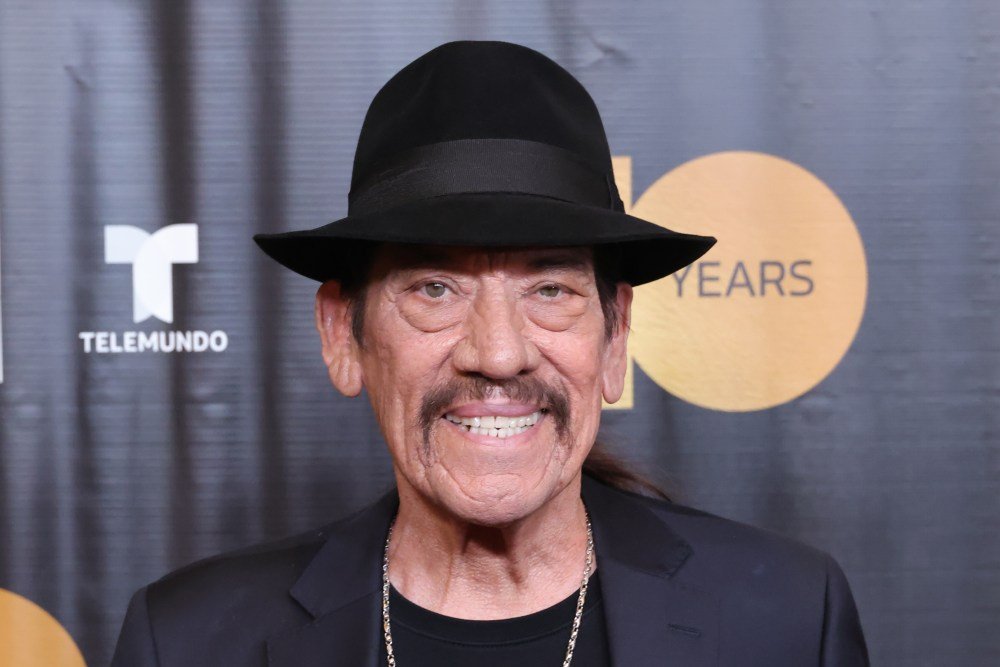
Danny Trejo has issued his first statement since facing backlash for starring in the pro-ICE Daily Wire movie “Pawn Shop” from Ben Shapiro‘s production company.
“I am a proud Mexican who has always been and will always be a supporter of my community. I am also obviously pro-immigrant. I am not pro-ICE,” the “Spy Kids” actor told TMZ.
“I know where I come from and I know our struggles,” he added, “I am an actor. My job is to tell a story.” TMZ reported that Trejo had told people on set that he was attracted to the role because it was a positive depiction of a Latino who is also a veteran.
The production was shut down in Livingston, Montana last Saturday when locals complained about the production’s impact on the Livingston food bank and improper warnings about hazardous stunts. Production resumed Monday, with political commentator Shapiro slamming the shutdown as “content discrimination” and “a violation of the First Amendment.”
One scene that was captured on video by TMZ appeared to recreate the fatal ICE shooting of Renee Good. Harvey Keitel co-stars as a fellow veteran hired by Trejo’s character to work at the pawn shop.
The logline for the film reads: “When a Minneapolis riot forces a young ICE officer to complete a high-stakes arrest alone after his partner is killed, he is hunted through the streets by a furious mob intent on freeing the prisoner and punishing anyone who still upholds the law. Barricaded inside a neighborhood pawn shop with a hard-edged Hispanic veteran and the man’s progressive college-age grandson, ordinary men must choose between the rule of law and the chaos that wants to burn it all down in a modern siege of honor and defiance.”
Trejo’s rep confirmed his statements but had no further comment.
Currently, there is no price data available for Binance, reflecting uncertainty in the market. The lack of trading volume indicates thin flow, which may be a result of traders waiting for clarity on the ongoing investigation. As the situation develops, market participants are likely to reassess their positions based on the DOJ’s findings and Binance’s response to the allegations.
Binance is one of the largest cryptocurrency exchanges globally, facilitating a wide range of crypto trading activities. The DOJ has jurisdiction due to Binance’s operations within the U.S. and its involvement in transactions that may violate federal laws, particularly regarding sanctions compliance.
Where Do We Go From Here
What traders should watch next includes how Binance responds to the DOJ’s investigation and any further developments regarding the sanctions probe. Key levels to monitor will be the exchange’s compliance measures and any shifts in trading volume as the market digests news on regulatory actions. The potential for substantial fines could have broader implications for the exchange and the crypto market as a whole.
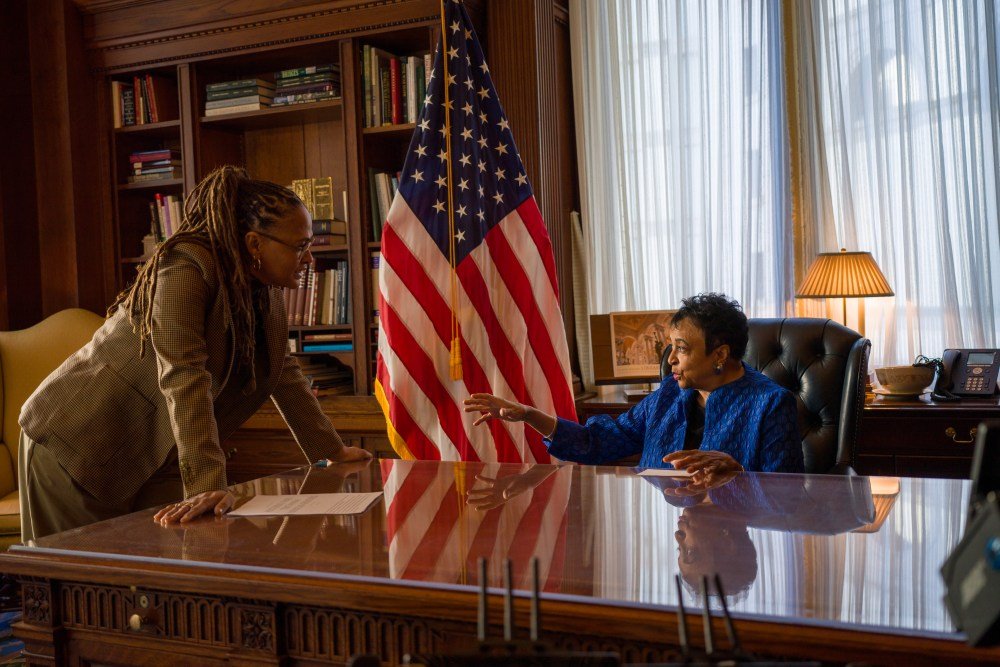
It’s rare to see a dramatic feature filmmaker move into the realm of documentary with the craftmanship and authority and insightful power summoned by Ava DuVernay. “13th,” the documentary she made back in 2016, was a revelation — it told the lacerating story of how the 13th Amendment to the Constitution, which abolished slavery, was a revolutionary act of law that, at the same time, opened the door to the way that numerous dimensions of slavery would be perpetuated in America under different names and tactics. The film was despairing and inspiring in equal measure; it cleansed you with the truth.
Tonight, the New York Film Festival presented the premiere of “14th,” a documentary follow-up in which DuVernay sets her sights on the 14th Amendment, a Constitutional addendum, ratified in 1868, that was so monumental — it guarantees equal protection under the law, but also encompasses five intricate sections that deal with issues from insurrection to due process — that one observer calls it “a Constitution in and of itself,” and another hails it as “the everything bagel of democracy.”
“14th,” I’m pleased to report, exerts the same kind of historical/topical force that “13th” did. DuVernay, while she works in an extremely accessible and mainstream way, has a singular gift for making the nuances of history come alive. “14th” is steeped in history, but it’s not a dry lecture. Instead, DuVernay cuts through the dusty complacency with which we tend to regard the Constitution (just hearing that word can make you feel like you’re back in school) and shows you that the Constitution is a living, breathing document, one that we fail to heed at our peril. Which is more or less what’s happening today.
A potent movie about history almost has to surprise you. It needs to show you that what you think you know isn’t the half of it. “14th” kicks off with the cutting insight that the three amendments to the Constitution that were passed in the aftermath of the Civil War — the 13th, 14th, and 15th Amendments — represented nothing less than a restart of American life and society. Yet we don’t necessarily talk about them that way. Everyone knows who “the framers” of the Constitution were (Hamilton, Jefferson, Franklin), but “14th” argues that the period just after the cataclysm of the Civil War had its own framers, who were nearly as significant. Thaddeus Stevens, a member of the House of Representatives who was part of the Radical Republican faction of the 1860s, is a figure who, according to one of the film’s observers, “created the world we live in today.”
With the abolition of slavery, four million people who were formerly enslaved were suddenly added to the fabric of American society. How would that work? DuVernay tell the story of Reconstruction through fresh eyes, and part of the power of her chronicle is that she doesn’t stint on the joy and liberation that were part of it. Black Americans, who were now citizens, formed communities and industries, they became newspaper editors and law enforcers, as well as politicians (there were 1,000 newly elected Black representatives). But it’s more than that. The point is made that Black people, for the first time in American life, could create a fully realized dream of who they wanted to be as individuals. But this would not work unless their citizenship was enshrined. That’s the first thing the 14th Amendment did. It guaranteed equal protection under the law, and it established birthright citizenship for all people born in the United States — a radical idea, one designed to apply to both the children of former enslaved people and the children of immigrants, because what that represented was a stepping up of the rejection of the European aristocratic system (i.e., citizenship by legacy) that had first been overthrown by the American Revolution. Birthright citizenship continued what the original Constitution started.
In recent years, it’s become a stylistic tic in documentaries to keep the talking heads offscreen, letting their words simply flow on the soundtrack without interrupting the images. DuVernay is having none of that. She has assembled an extraordinary roster of scholars, politicians, and commentators, led by the Civil Rights attorney Sherrilyn Ifill, who becomes the film’s oratorical star. We see the speakers and absorb the play of their personalities, as they describe, with a big-picture yet highly personalized passion, how the law of the land actually played out in the creation of the second America that rose from the ashes of the Civil War. DuVernay makes history organic by capturing how the very texture of people’s lives was changed by the law. And she’ll go wherever she needs to illustrate that, even to comedy clips from George Carlin and the great Paul Mooney, who does a bit about the happiness of white people when they were slave owners that must be seen to be believed. (His bit isn’t really about the slave era; it’s about today.)
As the film captures, the rise of the new Black citizenry during Reconstruction was rapid. For one thing, Black Americans did not waste time or spirit on vengeance. But the fall was every bit as rapid, as a culture of systematized violence and murder rose up in the South to try to stuff the genie of emancipation back in the bottle. The Ku Klux Klan was one half of it. The other half is captured in DuVernay’s fascinating portrait of the Lost Cause — the culture of defiance and regret and literal whitewashing that came to represent the Southern consciousness of what life had been before the Civil War. Slavery itself, the obscene horror and inhumanity of it, was washed out of the collective memory, and the Civil War was recast as “the war of Northern aggression.”
What remained were totems and symbols that were somehow infused with nobility. The film traces the history of the Confederate flag as signifier, showing us how rock stars from Tom Petty to ZZ Top used it as a badass backdrop, and spotlighting how the flag was imprinted on the roof of the General Lee, the orange 1969 Dodge Charger driven by the heroes of “The Dukes of Hazzard.” This was one of the most popular TV shows of its time (it debuted in 1979, just as Jimmy Carter’s presidency was winding down), and it was basically using the semiotics of the Civil War — of those who went to war to maintain slavery — as a signifier of cool.
This consciousness extended to the erecting of Confederate monuments in public squares, a movement so widespread — there were 2,629 such monuments built across the South — that it became larger than the sum of its parts. The message to Black citizens, according to one the film’s observers, was, “You matter so little that we’ll celebrate the people who wanted to enslave you.” The film looks at what the movement to remove those monuments, notably the statue of Robert E. Lee that stood in the capital of Virginia (the former capital of the Confederacy), was really about and what it entailed. It’s all part of how the Lost Cause myth became what the film calls “the greatest lie in American history.”
But what does that have to do with the 14th Amendment? DuVernay is getting to that. The true subject of the movie is the power of law, and the erosion of law. The dehumanization of Black people represented by the persistence of Confederate iconography in mainstream culture became an underground signifier of the precariousness of the freedoms enshrined by the 14th Amendment. The rise of the Klan, who took their cross-burning imagery from “The Birth of a Nation” (1915), wasn’t simply a matter of domestic terrorism. It was an attempt “to overthrow biracial democracy.” Between the Civil War and World War II, there were 4,400 lynchings. So entrenched was the backlash against Reconstruction, which was institutionalized with Jim Crow (a system of “law” that was really a culture of fascist violence), that it wasn’t until Brown vs. Board of Education, in 1954, that the might of the 14th Amendment began to reassert itself.
Documentaries tend to lessen in impact when they catch up to recent events, but as “14th” moves into the current era something remarkable happens: The film’s themes of racial oppression begin to mutate into themes of generalized oppression. The section of the 14th Amendment that deals with “insurrection” could not be more explicit. It states that anyone who has been responsible for fomenting an insurrection against the United States government cannot run for public office. This means that Donald Trump, after the unambiguous insurrection of Jan. 6, should not have been allowed to run for president in 2024. In that sense, he trampled on the Constitution simply by being re-elected, and the trashing of the 14th Amendment continued unabated. Birthright citizenship? Ignored. Due process? Out the window with ICE.
The degree to which the United States has been in the ugly thick of a Constitutional crisis since the beginning of 2025 has been persistently understated by the media. But Ava DuVernay states it with meticulous boldness. I don’t agree with her attempt to posit DEI as a Constitutional issue on the level of the Voting Rights Act. (The film itself acknowledges that the DEI movement, whatever one’s opinion of it, represented nothing so much as a “cultural shift.”) But where she shows us the big picture is in capturing how the freedoms of the 14th Amendment have been under siege, and how this may be nothing less than the ritual growing pains — the built-in trauma — of American democracy. Advance, backlash, conflict spilling over into violence…and then re-advance. That’s the rhythm, the moral and spiritual roller-coaster of perfecting our imperfect union. “14th” makes you see that we’re in the heat of the backlash now. But it also lets you feel that a re-advance is waiting in the wings.
SlushWallet has made a significant move to enhance the onboarding experience for users of the Sui network. By allowing deposits from 25 different chains with just a card or a few taps, SlushWallet aims to simplify access to Sui transactions. This development, first highlighted by the CryptoTwitter influencer @SuiNetwork, could lead to increased user adoption and engagement across the Sui ecosystem.
Breaking It Down
The broader crypto market is experiencing mixed signals, but Sui stands out as it becomes more accessible through SlushWallet. The integration facilitates user deposits and exchanges, potentially boosting trading activity on the Sui platform. With this enhancement, users can now engage with Sui more easily, which is crucial for its growth amid varying market momentum. This move is indicative of a broader trend towards simplifying blockchain interactions for everyday users.
Market Pulse
Currently, Sui is trading at $0 with no reported volume in the past 24 hours. Despite the lack of trading volume, the integration with SlushWallet indicates a positive shift toward user-friendly solutions in the crypto space. As these developments unfold, the expectation is that user engagement and transaction volume on Sui will gradually increase, influenced by the new accessibility features offered by SlushWallet.
As the SEC moves forward with its proposal, the implications for registered funds and their affiliates are significant. By allowing more flexible trading arrangements, funds may see lower costs and improved operational efficiency. While the market currently reflects mixed signals, this regulatory action signals a proactive approach by the SEC to adapt to evolving financial landscapes, particularly in the context of investment funds.
The U.S. Securities and Exchange Commission (SEC) is the primary regulator overseeing securities transactions in the United States. The agency’s jurisdiction covers registered investment companies and their operations, ensuring compliance with federal securities laws. The proposed amendments to the Investment Company Act’s cross-trading rule exemplify the SEC’s ongoing efforts to modernize regulations while enhancing investor protections.
Eyes on These Levels
Traders and market participants should closely monitor the SEC’s next steps regarding the proposed amendments. With potential changes to the cross-trading rule, there may be increased operational flexibility for registered funds. However, the effectiveness of enhanced investor protection measures will be crucial. Stakeholders should watch for public commentary on the proposal and any adjustments that may arise in response to industry feedback.
This article is for informational purposes only and does not constitute financial advice.
Marcello Hernández has never been shy about turning his Cuban and Dominican upbringing into comedy. But during a new appearance on Amy Poehler’s Good Hang podcast, the Saturday Night Live star went beyond the punchlines, opening up about the cultural differences inside his own family, his mother’s complicated relationship with Cuba, and why performing comedy in Spanish has become especially meaningful to him.
The episode, released October 6, features Poehler sitting down with Hernández for a wide-ranging conversation about his Miami childhood, soccer, comedy, SNL, and his Latino identity. Fellow SNL cast member Sarah Sherman also appears in the episode.
Being raised by a Cuban mother and Dominican father gave him a front-row seat to two Caribbean cultures that share plenty of similarities
For Hernández, being raised by a Cuban mother and Dominican father gave him a front-row seat to two Caribbean cultures that share plenty of similarities but have distinct personalities of their own.
Marcello Hernández Explains Cuban and Dominican Cultural Differences
Poehler brought up Hernández’s background directly, telling him she loves hearing him discuss the differences between his mother’s Cuban culture and his father’s Dominican culture.
You may also like
Continue reading
Hernández started with something familiar. “The food is pretty much the same,” Hernández said before explaining that Cuban culture is more closely associated with salsa, while in the Dominican Republic, “they do merengue and bachata.”
He then demonstrated how the rhythms of the two cultures extend beyond music and into language.
Hernández explained that Cuban and Dominican Spanish can sound noticeably different, with Dominican Spanish coming across as “a little higher and faster.” He slipped between the accents during the conversation, giving Poehler a demonstration of the linguistic differences he grew up hearing.
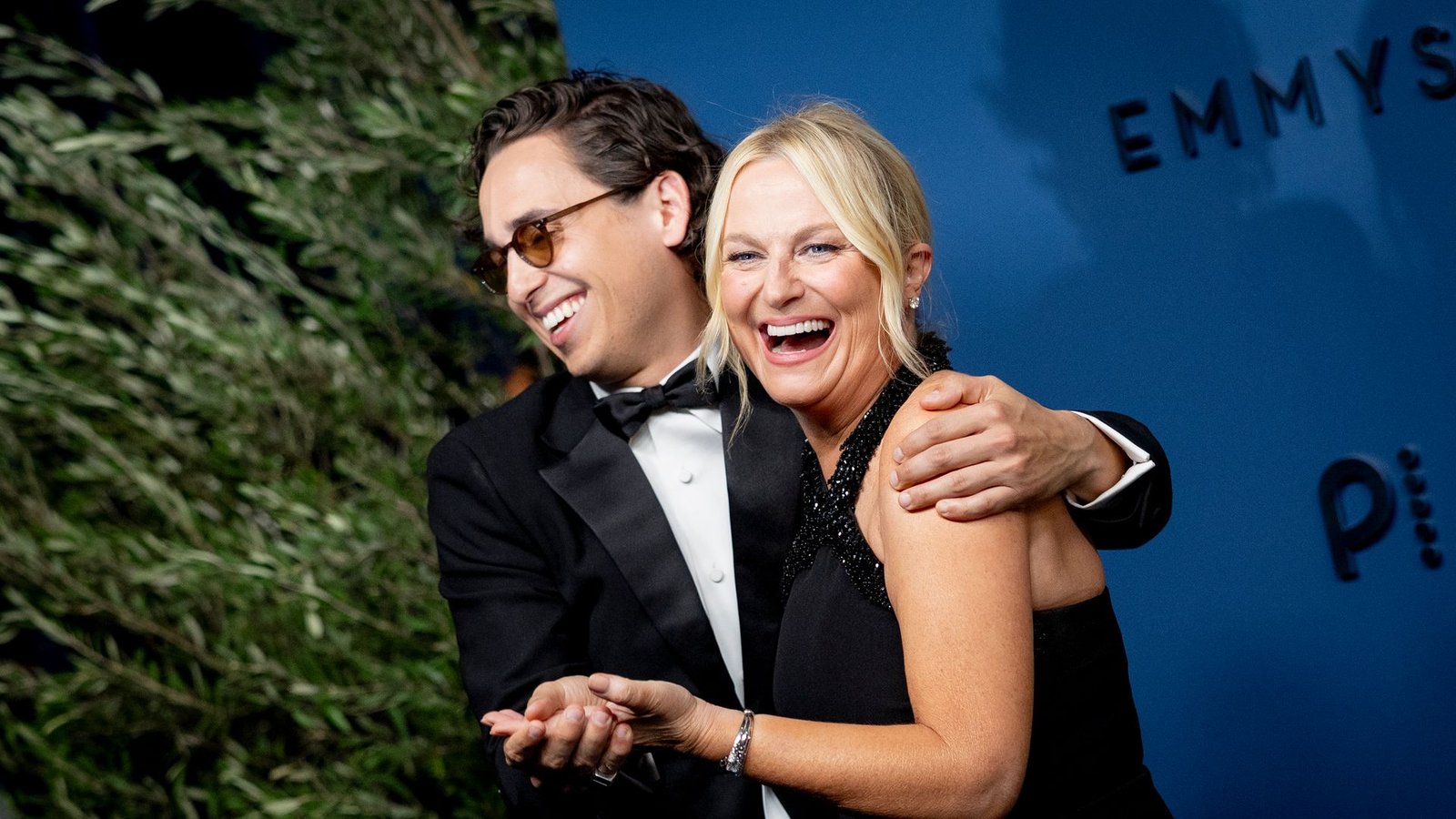
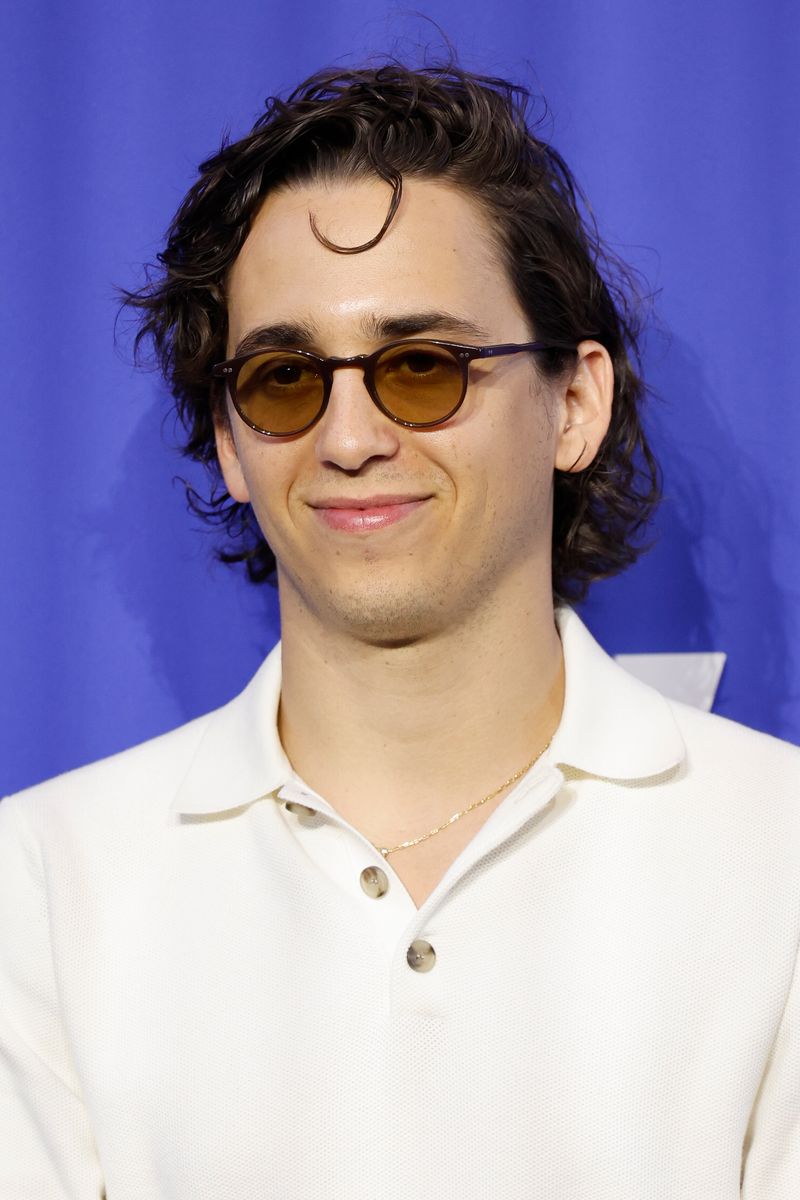
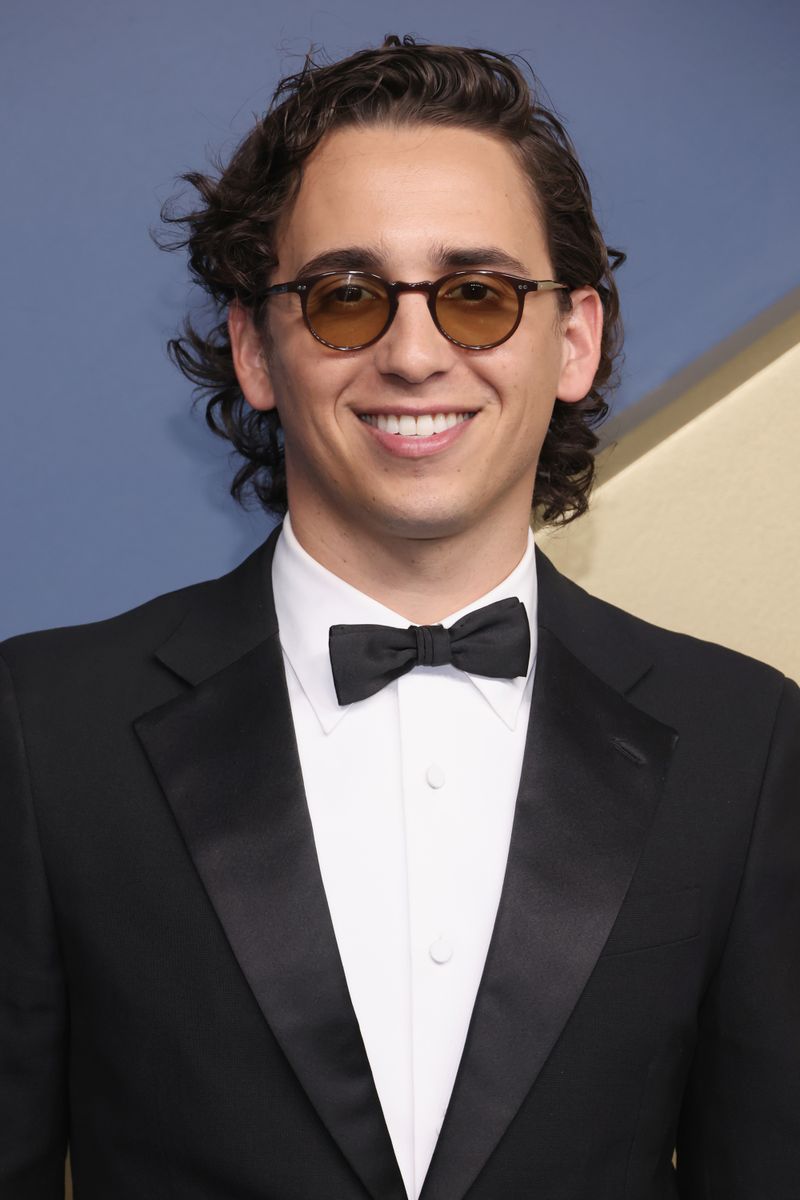
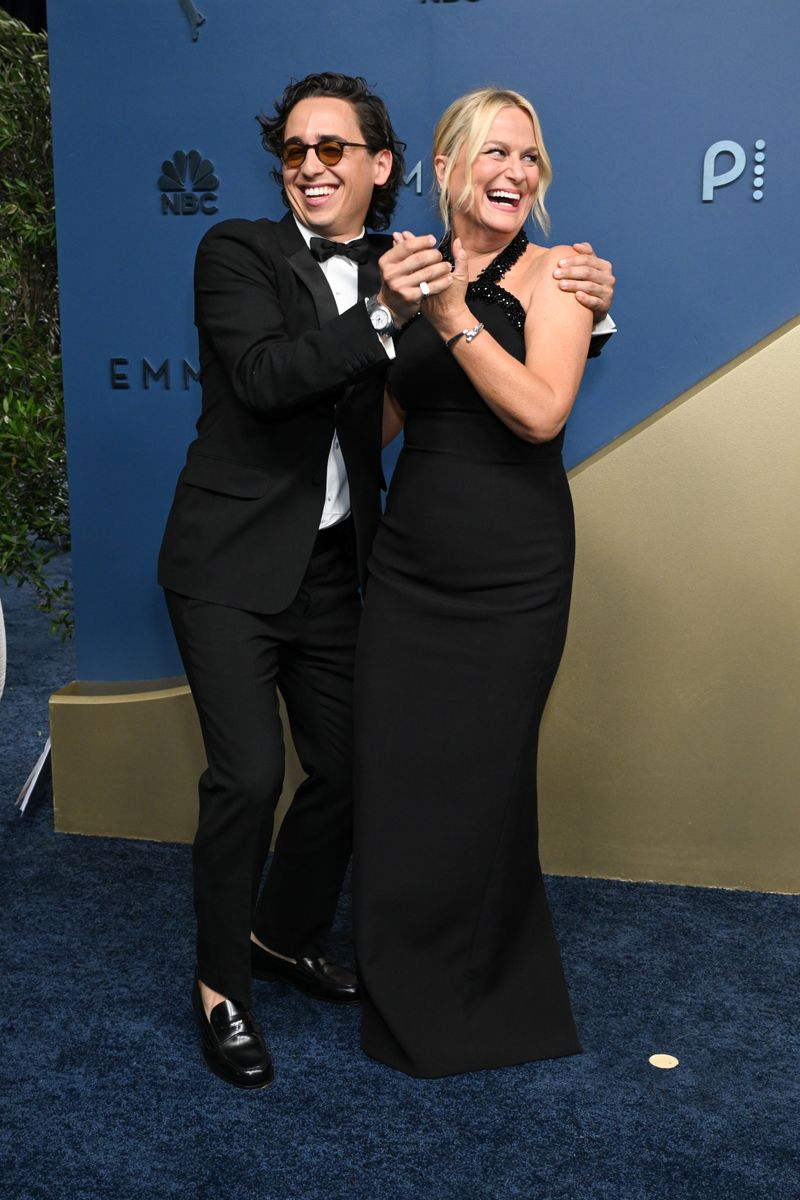
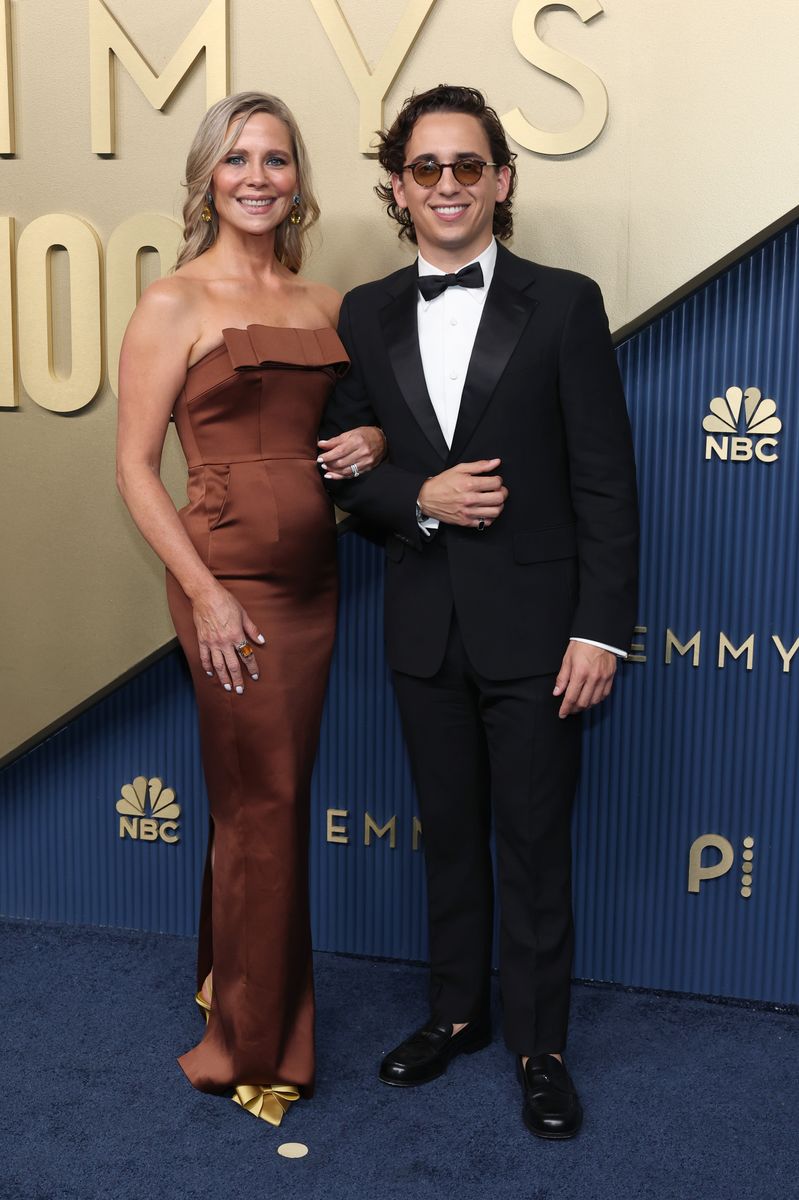
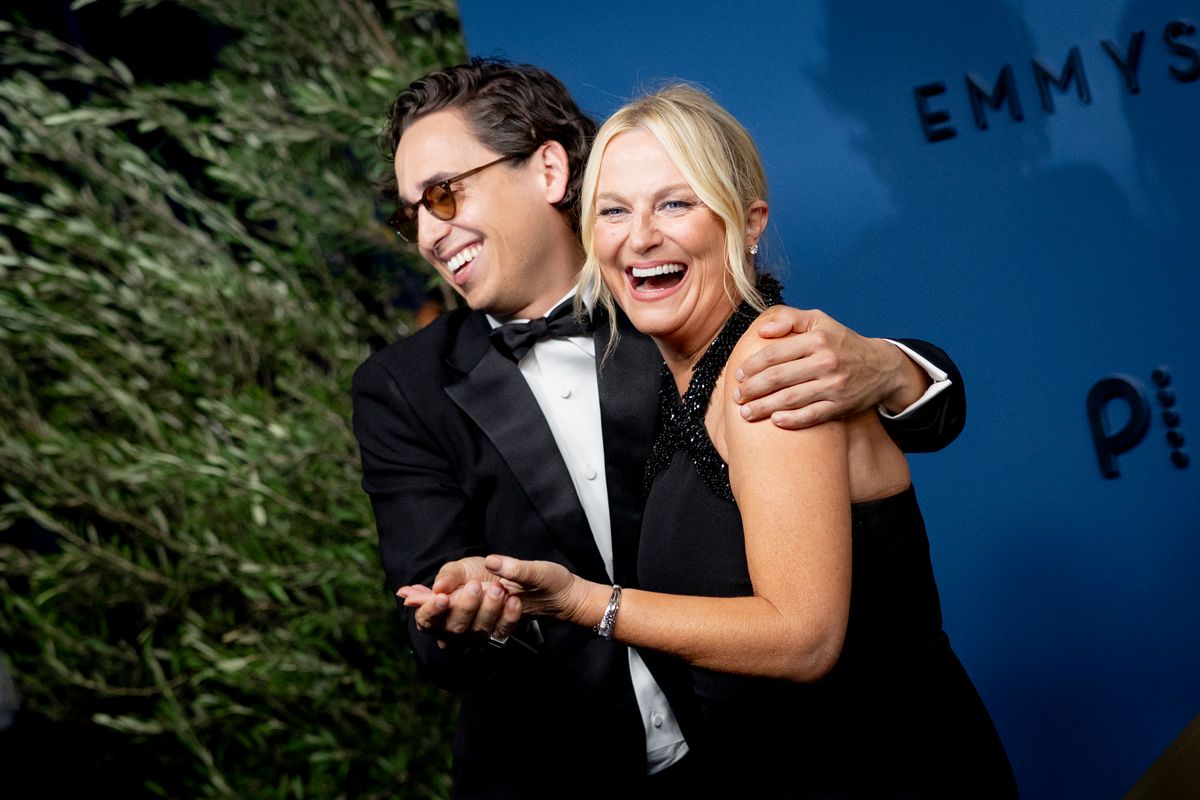
Marcello Hernandez attends the 78th Primetime Emmy Awards at Peacock Theater on September 14, 2026
Marcello Hernández Opens Up About His Cuban Mom
The conversation became more personal when Hernández discussed his mother’s experience leaving Cuba and eventually building a life in the United States. “My mom came from Cuba and it was difficult because they took her stuff,” Hernández told Poehler, referring to his mother’s experiences surrounding Cuba’s communist government.
According to Hernández, those experiences shaped the way his mother viewed her identity after coming to America. “When she came to America, she really leaned in to being American,” he explained. At one point, he recalled, she even talked about changing the family’s last name to Smith.
Marcello Hernandez and Amy Poehler at the 78th Emmy Awards
Hernández said his mother wanted to distance herself from what she had experienced in Cuba and embrace her new country. “She was so, like, sad and embarrassed of what happened in Cuba that she wanted to be fully American,” he said.
It is a revealing detail because Hernández’s career now puts his Latino heritage front and center. His comedy frequently embraces the accents, personalities, and experiences that shaped his childhood, even as his mother’s generation once felt pressure to assimilate.
How Marcello Hernández’s Family Inspired His Comedy
Hernández’s Cuban-Dominican background has been part of his comedy since his earliest days on Saturday Night Live.
During his first “Weekend Update” appearance in 2022, Hernández introduced himself with a joke that quickly established exactly where he came from: “My mom is from Cuba. And my dad is from the Dominican Republic. So obviously, they’re divorced.”
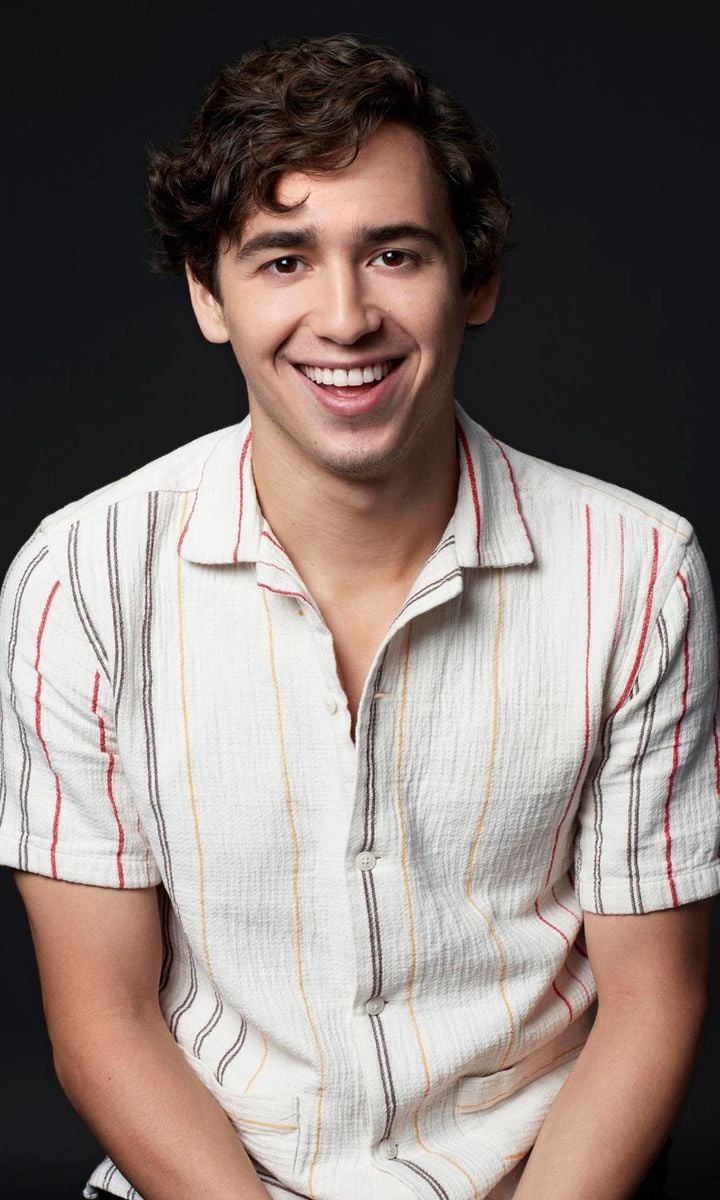
Cuban and Dominican descent actor Marcello Hernandez joins the cast of ‘Saturday Night Live’
Since then, family and Latino identity have remained recurring themes in his comedy. His protective Latina mother sketch with Pedro Pascal drew from a dynamic Hernández knew well, and his mother has repeatedly been cited as an influence on his work.
Hernández has previously said that his Cuban and Dominican roots are inseparable from his material. “I definitely feel very connected to my Cuban and my Dominican roots,” he said in an earlier interview, adding that being from Miami is “a huge part of my comedy.”
Marcello Hernández Loves Performing Comedy in Spanish
One of the most interesting parts of Hernández’s Good Hang conversation came when Poehler asked whether he believes he is funnier in Spanish. His answer was immediate: “Yeah.”
“I’m fast in Spanish,” Hernández explained, revealing that he has also been performing stand-up in Spanish and doing some touring in the language. “And it is so fun.”
There may even be some disagreement over which version of Hernández is funniest. “My family, my girlfriend, my dad, they think that I’m better in Spanish,” he said.
Hernández also spoke about the evolving world of Spanish-language stand-up, pointing to a new generation of comedians working in the space while acknowledging the performers who came before them.
He described the contrast between traditional Spanish-language comedy, which could involve longer stories or political characters, and the fast, observational style familiar to American stand-up audiences. Bringing that punchier approach into an all-Spanish room can feel fresh, he suggested.
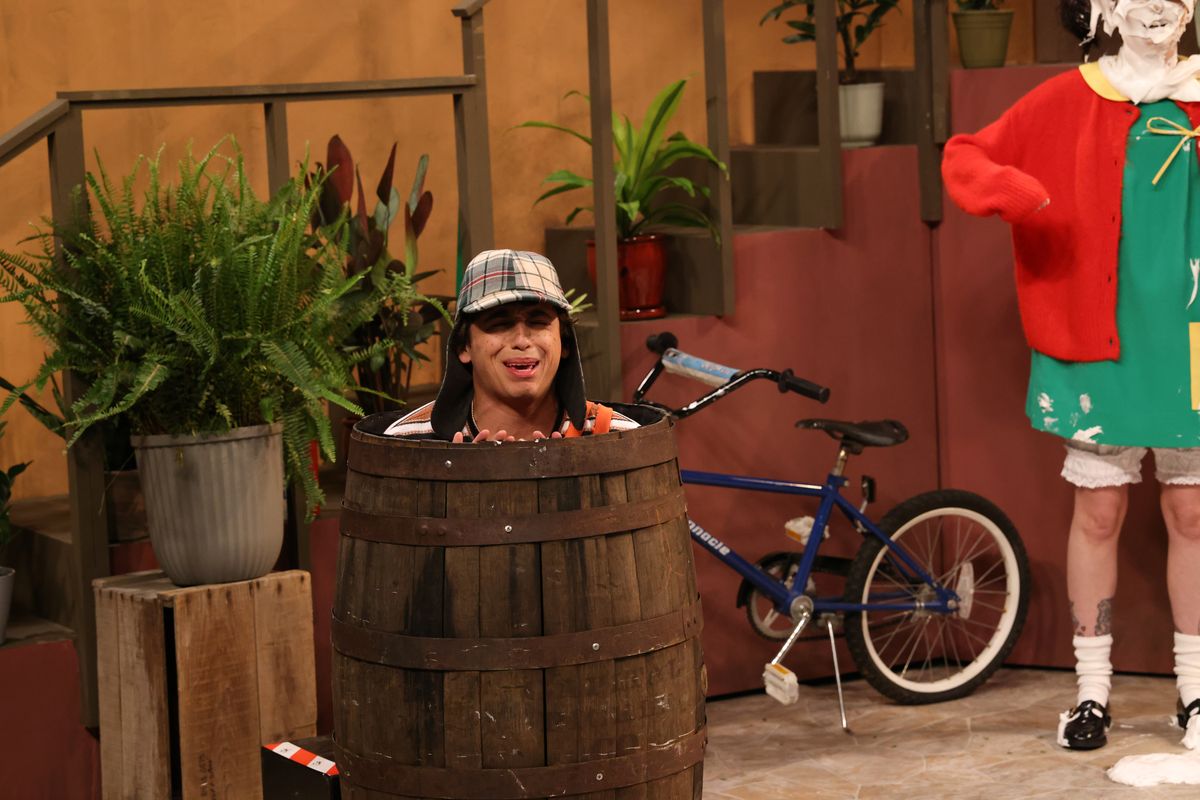
Marcello Hernandez during the “El Chavo Del Ocho” sketch.
For Hernández, however, performing in Spanish is about more than getting laughs. “When I’m, like, doing a Spanish set with all Hispanic people and we’re all laughing,” Hernández said, “it feels very powerful.”
He specifically connected that feeling to the current climate for Latino communities, saying that gathering in a room where everyone can laugh and express themselves in Spanish carries extra weight.
Amy Poehler and Marcello Hernández Talk Latino Representation
Poehler also praised the current SNL cast for bringing different voices and experiences to the show, describing that variety as important to keeping the long-running sketch series reflective of its time.
That prompted Hernández to sum up the moment with a simple declaration: “Latinos are having a moment.”
“We’re having a moment,” he added. “Let us have a moment.”
The Miami-born comedian joined Saturday Night Live in 2022 and quickly became known for bringing bilingual humor and distinctly Latino characters into some of the show’s most memorable sketches. His comedy draws heavily from growing up with a Cuban mother, a Dominican father and the particular cultural mix of Miami.
For about 24 hours, it was believed that a highly venomous snake might be slithering about a Santa Ana neighborhood after police announced a sighting on Monday, Sept. 28. But on Tuesday, Sept. 29, the police revealed the sighting was a hoax concocted with an AI-generated image of a snake in a tree.
Santa Ana police had doubts about the image even as officers and reptile experts canvassed the neighborhood Monday looking for the reported Gaboon viper, officials said.
The department attempted to verify whether the image was generated by artificial intelligence, while reptile experts also pointed out apparent problems with the image, police spokesperson Natalie Garcia said. Among them were the snake’s positioning in the tree and what appeared to be an ear on the animal, even though snakes do not have external ears.
But police still could not definitively establish Monday that the report was false, according to Garcia.
With residents continuing to express concern Tuesday including many suspecting the photo was fake, detectives went to the workplace of the man who reported the snake to ask him for additional information, Garcia said. During that interview, the man admitted he had fabricated the report and image.
Garcia declined to detail the explanation the man gave detectives for the hoax. She said he attempted to justify what he had done and appeared remorseful, but investigators were no longer certain which of his statements they could trust.
The man’s initial account included details that appeared to lend credibility to the sighting, she said. He told police that his dogs’ barking prompted him to go outside and investigate, and his son claimed to have seen the snake as well, Garcia said. Neighbors also told police the man came to their homes after the purported sighting and appeared pale as he described what had happened.
Police initially did not plan to seek charges, Garcia said. After the man admitted the report had been fabricated, however, detectives decided to seek a charge of making a false report of an emergency.
On Wednesday, Garcia declined to say what tool the department used to try and verify if the snake image was real or generated by AI. Prior to confirming the image was a hoax, Santa Ana police said they had run the image through AI generators and had not been able to confirm that it was produced by AI.
OpenAI’s photo verification tool did show that the photo was either generated or enhanced by AI when submitted for verification by this publication.
So how reliable are generative AI verification tools?
The tools currently available are not entirely accurate, said Dr. Karen North, professor of digital social media at USC’s Annenberg School.
In the past few years, some major AI players, including Google and OpenAI, have released photo verification tools based on SynthID watermarks. SynthID embeds “digital watermarks” into content produced by generative AI. These watermarks are designed to be imperceptible to humans but detectable by SynthID technology, according to Google.
But North said these watermarks are not always reliable and are not detecting AI, but rather the likelihood of AI, using algorithmic mechanisms.
“The way that AI works is that it generates sort of the most obvious, the most mundane, the most likely content,” North said. “And the AI detectors do that in reverse. They look to see whether or not what was created, whether it’s a picture or words, was created in a way that sort of looks like a buildout of the most likely version.”
Verification tools can produce both false negatives and false positives when flagging AI content. North herself has tested AI detection in essays and found that some content is detected at 100% AI, even when written fully by a human. These inaccurate readings can happen when AI detects an algorithmic pattern that is similar to that of AI in text or photos, even if AI was not used.
But OpenAI claimed that false positives in their AI photo detection software are rare, though the company acknowledged that there are limitations to its SynthID watermark. Stripping metadata or degrading the watermark could lead to a false negative read in an AI verification tool, and OpenAI claimed that its verification tool only works with content created with OpenAI products.
North described an AI detector as a tool that “will give us a pretty good heads up that something looks like the kind of content that was generated by AI.”
But people should also rely on the uncanny valley theory, she says — the idea that people will get an eerie feeling when something they see simply feels off. Often, there are small elements in the background or context of AI-generated photos that feel unnatural or make viewers uncomfortable.
“On some level, we should trust that eerie feeling that there’s something wrong, that there’s something that doesn’t look quite right,” North said. “That’s also a heads up that you should take a breath before trusting what you’re seeing.”
In the case of the snake in Santa Ana, OpenAI’s photo verification tool did show that the photo was either generated or enhanced by AI when submitted for verification by this publication.
Verizon is once again urging the Federal Communications Commission to approve the carrier’s plan to retire copper-based landlines in nine US states. But this time, the company says it’s clearly notified which concerned customers will retain their landlines, and which won’t.
In the Friday letter to the FCC, Verizon says it’s even resorted to “individual outreach” when the copper retirement proposal has sparked opposition and concern from affected residents and communities. “Verizon government affairs and policy team members are calling each identified customer in these states who expressed concern about the discontinuance in this (FCC) docket or to Verizon,” the carrier wrote.
The letter arrives two weeks after the Commission paused the company’s copper retirement plan for the US states, including Arizona, Delaware, New Jersey, New Mexico, Ohio, Rhode Island, South Carolina, Utah, and Virginia. The FCC merely said “the Commission requires additional time to complete its review.” But intense opposition from affected customers and municipalities likely played a role. A key concern is that Verizon’s replacement option to use cellular coverage will saddle rural and remote areas with spotty service, a downgrade from the aging, but reliable copper networks.
Prior to the pause, Verizon had told the FCC that the old-school copper networks will remain in place for areas where its replacement solution falls short of Commission standards. Verizon also clarified that not every customer who received a notice about the copper retirement plan would lose their traditional landline service.
Friday’s letter indicates that the carrier has already personally told some affected customers not to worry. This includes reaching out to residents who filed comments to the FCC protesting the copper phase-out.
“Among the identified customers that we have contacted so far who commented in the FCC docket, Verizon was able to determine that the Application did not apply to roughly 43 percent and informed those customers accordingly,” the company wrote. “For the subset of the remaining roughly 57 percent of commenters that Verizon was able to reach, Verizon representatives addressed the concerns identified in the record and any others raised during the call, including providing detailed information about the reliability and functionality of Verizon’s Voice Connect solution,” which uses a wireless signal.
The letter adds that Verizon sent a notification to “all copper POTS (Plain old telephone service) customers who do not have access to an adequate replacement option identified by the Application, and this letter confirms that they will stay connected to Verizon’s POTS network today just as they always have been.”
In addition, Verizon says it’s preparing to hold a meeting in Virginia next month “to provide further information about the discontinuance process,” weeks after US Rep. Ben Cline (R-Virginia) sent his own letter to the FCC, noting “large portions of my district remain cellular dead zones, where the mobile wireless devices offered as a substitute are unreliable or do not work at all.”
Recommended by Our Editors
For customers who will lose their landlines, Verizon is indicating there’s a chance it could keep the copper network in place if the carrier’s review shows the replacement solution coming up short. “If a customer transitions to a replacement service but it is determined within one month of the transition through a Verizon professional review that the Commission approved replacement service is unavailable at the location, Verizon will restore the customer’s service over copper facilities and maintain that service until an adequate replacement solution is identified and available,” the carrier said.
Still, some affected consumers continue to file comments to the FCC, urging intervention. “If Verizon discontinues copper wire phone lines, our family will not have access to emergency services if the power goes out, which happens frequently. There is NO cell service on our property,” wrote one user.
Verizon has also filed a proposal with the FCC to retire copper networks across 9 other US states, including California, Michigan and New York. It looks like the Commission already automatically greenlit the company’s plan to retire the copper networks in 13 other US states including Alabama, Florida, Georgia, Iowa, Mississippi, Tennessee and Texas. The company wants to remove the copper lines, citing their cost and how most consumers have moved on from using them.
About Our Expert
Michael Kan
Principal Reporter
Experience
I’ve been a journalist for over 15 years. I got my start as a schools and cities reporter in Kansas City and joined PCMag in 2017, where I cover satellite internet services, cybersecurity, PC hardware, and more. I’m currently based in San Francisco, but previously spent over five years in China, covering the country’s technology sector.
Since 2020, I’ve covered the launch and explosive growth of SpaceX’s Starlink satellite internet service, writing 600+ stories on availability and feature launches, but also the regulatory battles over the expansion of satellite constellations, fights with rival providers like AST SpaceMobile and Amazon, and the effort to expand into satellite-based mobile service. I’ve combed through FCC filings for the latest news and driven to remote corners of California to test Starlink’s cellular service.
I also cover cyber threats, from ransomware gangs to the emergence of AI-based malware. In 2024 and 2025, the FTC forced Avast to pay consumers $16.5 million for secretly harvesting and selling their personal information to third-party clients, as revealed in my joint investigation with Motherboard.
I also cover the PC graphics card market. Pandemic-era shortages led me to camp out in front of a Best Buy to get an RTX 3000. I’m now following how the AI-driven memory shortage is impacting the entire consumer electronics market. I’m always eager to learn more, so please jump in the comments with feedback and send me tips.
Travis Barker had fans wondering what was going on after sharing photos from a hospital bed this week, offering no explanation. All fans knew was that he had two important women in his life by his side.
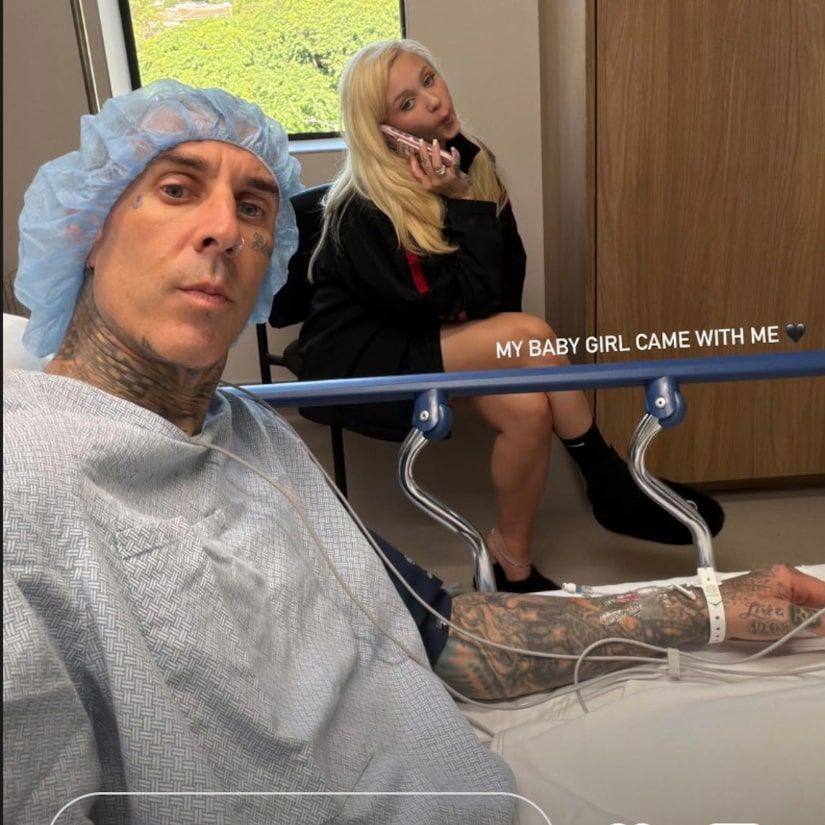
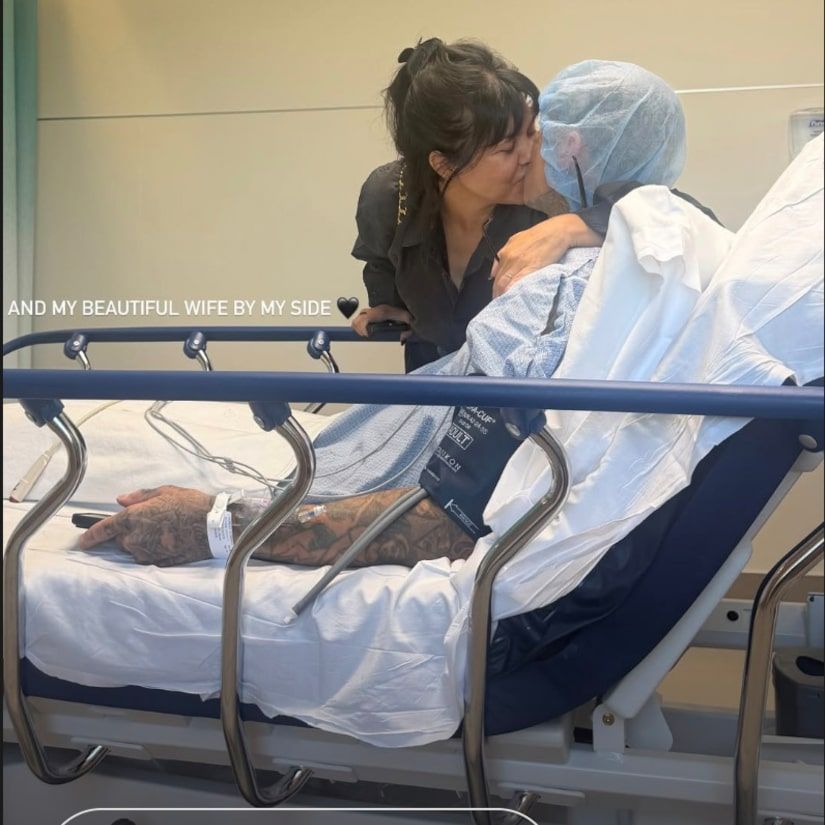
On Tuesday, October 6, the Blink-182 drummer posted two photos to his Instagram Stories showing him in a hospital gown and surgical cap. In one, his daughter Alabama Barker sat beside him, with Travis writing, “MY BABY GIRL CAME WITH ME.”
Alabama is one of the two children Barker shares with his ex-wife Shanna Moakler, along with their son Landon.
In another, his wife, Kourtney Kardashian, leaned over to kiss him as he lay on the hospital bed. “AND MY BEAUTIFUL WIFE BY MY SIDE,” he wrote.
There was no explanation for why he was in the hospital, what procedure he was having, or whether something serious had happened.
The photos naturally left fans wondering what was going on, especially since Barker appeared to be preparing for some kind of procedure. After the surgery, he let fans know it was nothing super major.
The drummer couldn’t help but quip about Kourtney’s smiles
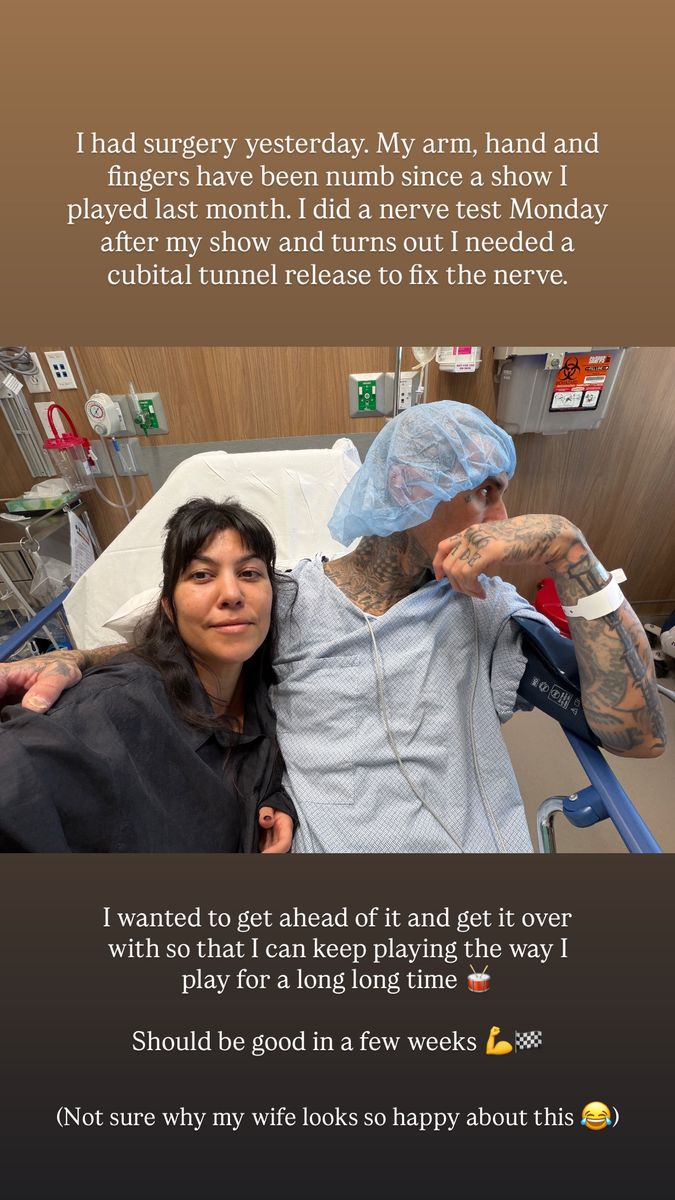
On Wednesday, October 7, Barker revealed that he had undergone surgery after dealing with numbness in his arm, hand, and fingers.
“I had surgery yesterday,” he wrote on Instagram Stories. “My arm, hand and fingers have been numb since a show I played last month.”
Barker said he underwent a nerve test Monday after his show and learned that he needed a cubital tunnel release to fix the nerve.
Cubital tunnel syndrome involves compression or irritation of the ulnar nerve around the elbow and can cause numbness or tingling in the hand and fingers, per Mayo Clinic.
Kardashian and Barker have gone through plenty of highs and lows together. And while she’s clearly a supportive wife, Barker couldn’t resist making a joke about her expression. “Not sure why my wife looks so happy about this,” he wrote over the photo of Kourtney smiling beside him.
The couple has been there for each other through serious personal and health challenges. In 2023, she underwent emergency fetal surgery while pregnant with the couple’s son Rocky.
He credited Kourtney for helping him get through his fear of flying
More recently, Barker opened up about how falling in love with Kourtney helped him confront some of the trauma he carried after surviving a 2008 plane crash. He credited their relationship with giving him hope and helping him eventually overcome his fear of flying.
Barker’s history with his hands
Barker hasn’t said that years of drumming caused his condition, but the issue is particularly notable for someone whose career depends on his hands.
The drummer has already learned the hard way that keeping his body healthy is part of keeping his career going.
Travis has spent decades using his hands doing what he loves
In 2023, he injured his left ring finger during Blink-182 rehearsals, dislocating it and tearing the ligaments. The injury required surgery and forced the band to postpone the beginning of its reunion tour.
At the time, Barker explained why having the procedure was ultimately necessary. “It was a hard decision to make, but ultimately I couldn’t continue to play the drums without it,” he said after the surgery.
More than three years later, he’s once again making sure an injury doesn’t keep him from doing what he loves. “I wanted to get ahead of it and get it over with so that I can keep playing the way I play for a long, long time,” Barker wrote, offering a timeline for his recovery, “Should be good in a few weeks.”
Barker is used to having to recover, going through the worst experience in 2008
Barker’s decision to deal with the problem now also fits into a much bigger part of his story – recovery.
The drummer survived a devastating 2008 plane crash that killed four people and left him with severe burns. He underwent numerous surgeries and spent years dealing with the physical and emotional aftermath.
He’s also faced other serious health issues over the years, including a 2022 hospitalization for severe pancreatitis.
But even through those setbacks, Barker has continued performing, touring, and pushing his body to keep up with the life he’s built around music.
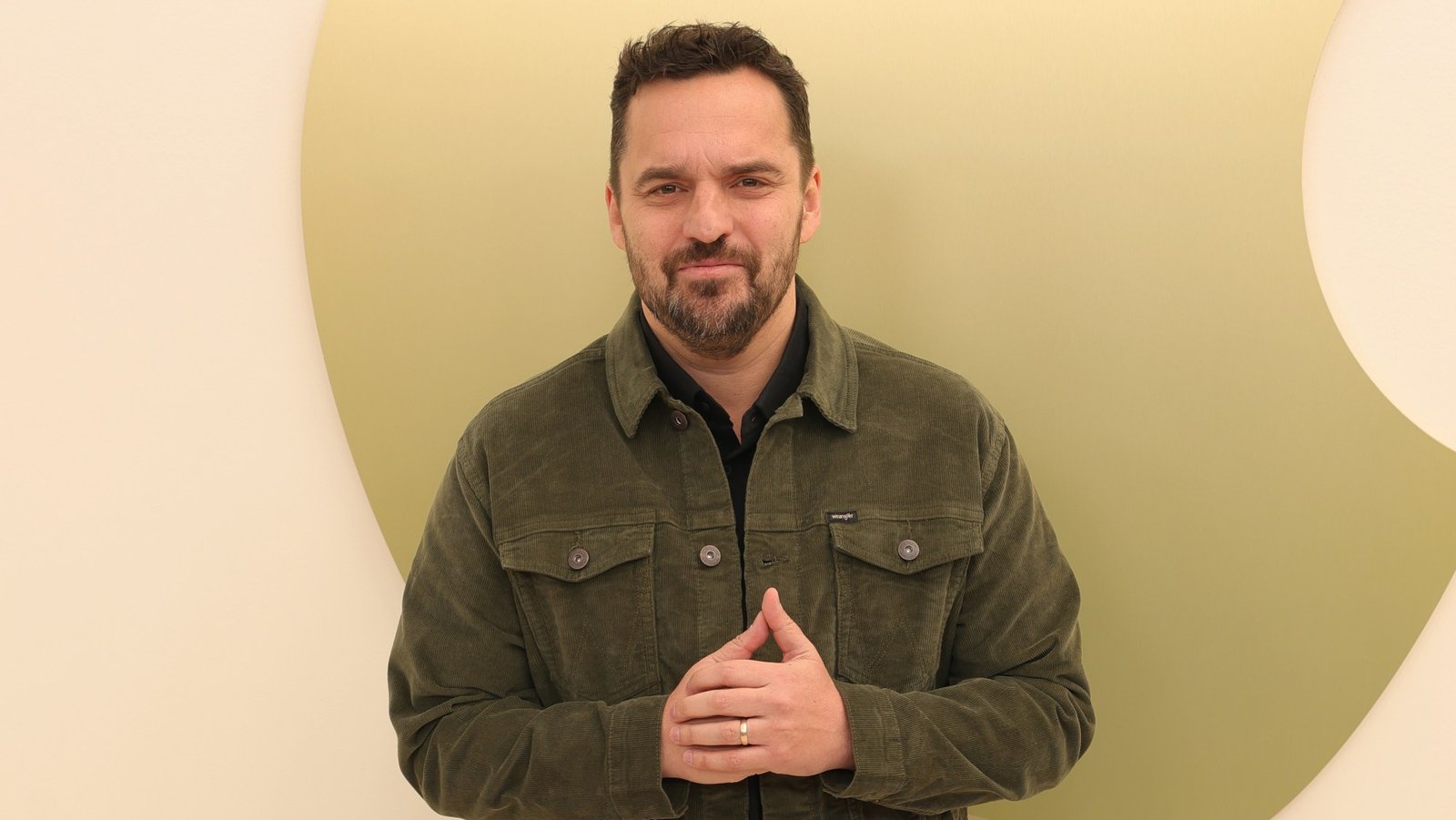
Jake Johnson has been making a ton of moves lately in his acting career, segueing from one high profile project to the next. The beloved New Girl actor has starred in back to back projects like The Dink, Maximum Pleasure Guaranteed, Give it Up and The Sun Never Sets. And he’s got a voice role in the upcoming animated pic Wildwood.
Now, he’s actually set to make a literal move in his life.
The veteran actor has just teamed with Coldwell Banker to list his home in Pasadena, Calif. for $3,295,000. Thomas Atamian of Coldwell Banker Realty in La Canada Flintridge, Calif. has the listing on the property, which is located at 663 West California Blvd. It spans approximately 3,153-square feet with four bedrooms and four bathrooms.
“Set behind private gates and surrounded by park-like grounds, this home offers an amazing sense of privacy and tranquility,” said Atamian of Coldwell Banker, which provided the details and images to The Hollywood Reporter. “Its design creates a seamless flow between indoor and outdoor living, while two additional detached structures provide the flexibility to accommodate everything from working at home to creative pursuits and wellness.”
The house got a remodel and refresh in 2004 courtesy of architect Aleks Istanbullu. Some details: It features hardwood floors throughout with warm wood accents, large windows, sliding glass doors, a pool and outdoor areas for lounging, dining and entertaining. The open-concept living and dining spread offer views of the grounds outside, and there are two additional detached structures that provide versatility.
In a 2023 interview with The Hollywood Reporter, Johnson explained that he used one of those structures as a sort of creative escape to work on his projects. Another is a type of wellness escape with an adjoining sunroom. Per Coldwell, the home provides “distinctive architecture, sophisticated interiors, resort-like grounds and extraordinary privacy.”
See for yourself below.
A look at the yard outside Jake Johnson’s home in Pasadena, Calif.
Photographer: Hillary Campbell/Courtesy of Coldwell Banker
A look at the sun room at Jake Johnson’s home in Pasadena, Calif.
Photographer: Hillary Campbell/Courtesy of Coldwell Banker
A look at the wellness escape at Jake Johnson’s home in Pasadena, Calif.
Photographer: Hillary Campbell/Courtesy of Coldwell Banker
A look at the primary walk-in closet inside Jake Johnson’s home in Pasadena, Calif.
Photographer: Hillary Campbell/Courtesy of Coldwell Banker
A look at the primary suite inside Jake Johnson’s home in Pasadena, Calif.
Photographer: Hillary Campbell/Courtesy of Coldwell Banker
A look at the primary bathroom inside Jake Johnson’s home in Pasadena, Calif.
Photographer: Hillary Campbell/Courtesy of Coldwell Banker
A look at the pool and yard outside Jake Johnson’s home in Pasadena, Calif.
Photographer: Hillary Campbell/Courtesy of Coldwell Banker
A look at the living room and dining room inside Jake Johnson’s home in Pasadena, Calif.
Photographer: Hillary Campbell/Courtesy of Coldwell Banker
A look at the kitchen inside Jake Johnson’s home in Pasadena, Calif.
Photographer: Hillary Campbell/Courtesy of Coldwell Banker
A look at a hallway inside Jake Johnson’s home in Pasadena, Calif.
Photographer: Hillary Campbell/Courtesy of Coldwell Banker
A look inside the guest bedroom of Jake Johnson’s home in Pasadena, Calif.
Photographer: Hillary Campbell/Courtesy of Coldwell Banker
A look inside the dining area and kitchen of Jake Johnson’s home in Pasadena, Calif.
Photographer: Hillary Campbell/Courtesy of Coldwell Banker