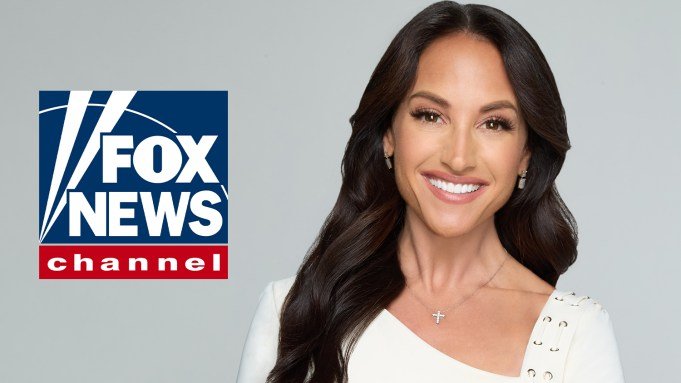
Emily Compagno will join Fox News‘ The Fiveas a full-time co-host, taking a permanent slot on the top rated cable news show.
As part of the new role, effective Sept. 8, Compagno will depart the noon ET show Outnumbered. A Fox news personality will fill that seat until a permanent co-host is named.
She will be joining co-hosts Greg Gutfeld, Dana Perino and Jesse Watters, along Harold Ford Jr. and Jessica Tarlov, who fill a seat designated for a leftward POV. Compagno is taking a permanent slot previously occupied by Jeanine Pirro, who departed after Donald Trump appointed her as U.S. attorney in the District of Columbia in May, 2025.
Compagno joined Fox news as a contributor in 2018 and was named co-host of Outnumbered in 2021. She previously practiced law in criminal defense and civil litigation, and served as managing attorney and acting director at the Social Security Administration. Fox News media CEO Suzanne Scott announced Compagno’s new role on Monday.
The Five averaged 3.6 million viewers and 322,000 in the 25-54 demo in the second quarter and is the highest rated show in cable news.
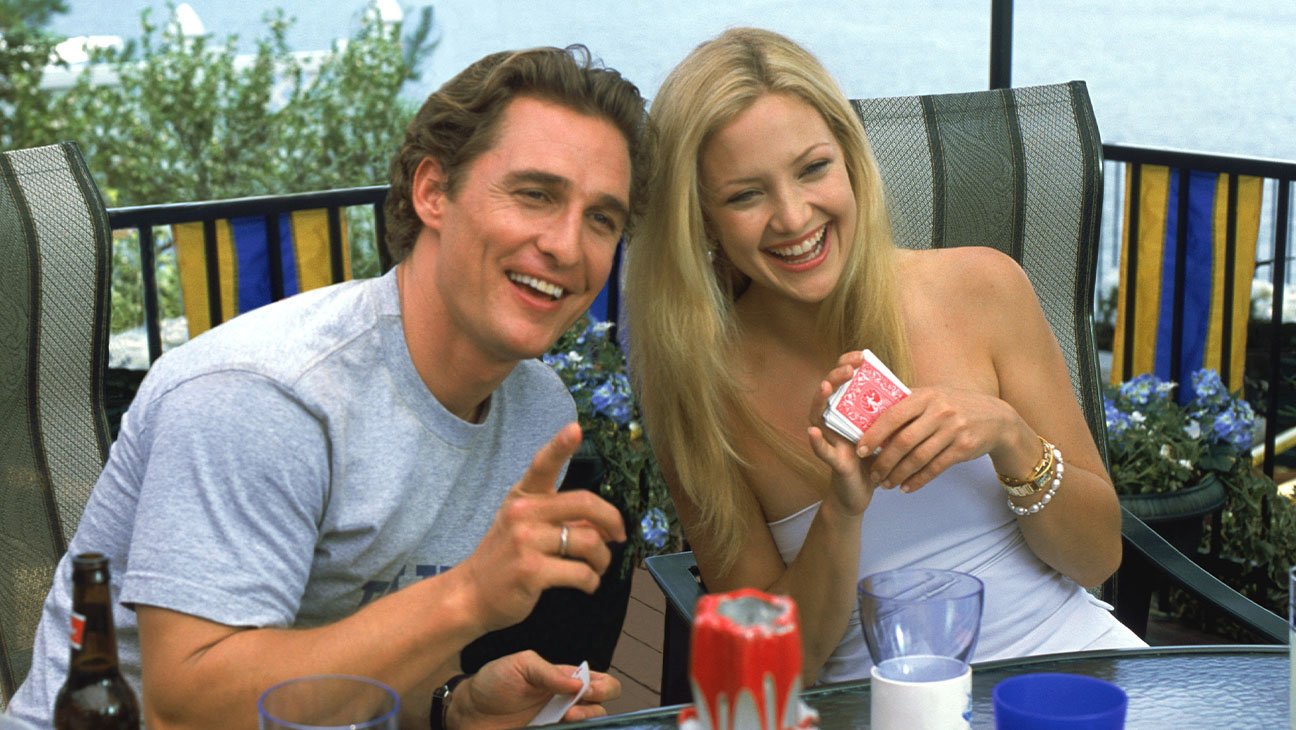
The studio is developing a sequel feature to the hit 2003 romantic-comedy movie that starred Kate Hudson and Matthew McConaughey, The Hollywood Reporter has confirmed.
This project is still in early development and currently seeks a screenwriter, as it also has not yet attached any castmembers. Hudson is set to produce alongside Stacey Sher for Shiny Penny Productions.
The studio’s plan is to ideally attach Hudson and McConaughey to reprise their roles from the original feature that surpassed $177 million at the global box office.
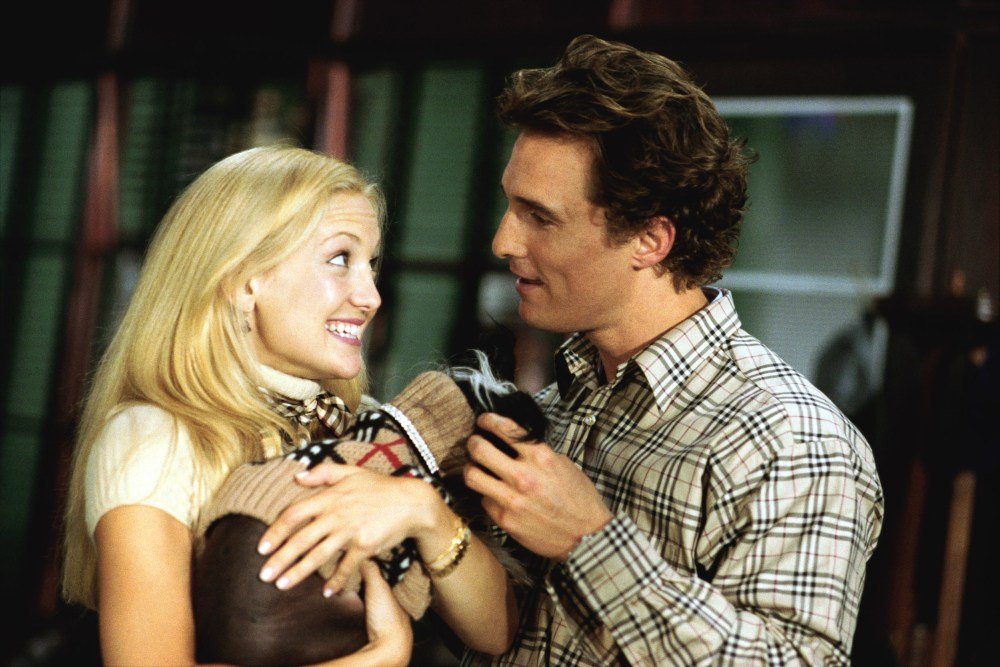
Paramount released How to Lose a Guy in 10 Days in theaters on Feb. 7, 2003. The film centered on Andie (Hudson), a magazine editor aiming to write an article about ways that women push men away. She sets out to pen the story based on her interactions with Ben (McConaughey), an advertising exec who is secretly confident that he can land any woman he wants as a date to his company’s ball.
The initial 2003 comedy from filmmaker Donald Petrie — who was also known for 1988’s Mystic Pizza, 1993’s Grumpy Old Men and 2000’s Miss Congeniality — was loosely based on Michele Alexander and Jeannie Long’s picture book of the same name. It became a signature film for the two leads and remains one of the more fondly remembered rom-coms of the current century.
In 2024, McConaughey reminisced to People about meeting with Hudson before the start of production. “Immediately, we were comfortable with each other, and we jacked with each other, and we busted each other’s chops, and we laughed a lot,” he recalled. “There was a bit of rock and roll exchange, like, ‘Oh, this could be some heavyweight fun.’ And I think that’s why I was cast, and that’s why, for whatever extent, it worked.”
Successful rom-coms about magazine staffers named Andy or Andie have become popular fodder for sequels as Hollywood continues to prioritize nostalgia. Earlier this year, Disney released The Devil Wears Prada 2 — starring Anne Hathaway as editorial assistant Andy in the follow-up to the 2006 hit — with the latest title grossing $692 million globally.
Variety was first to report on the sequel to How to Lose a Guy in 10 Days.
CNN experienced an outage on Monday in what the network said was a technical issue across Warner Bros. Discovery.
Inside Politics host Dana Bash returned to the air at about 12:51 p.m. ET and told viewers, “Welcome back, and we are back. There was a technical issue across Warner Bros. Discovery that resulted in losing our signal. We’re very sorry for the interruption.”
Earlier in the hour, some viewers reported seeing garbled images on the screen before going dark. On YouTube TV systems, in the minutes before Bash returned, Inside Politics was in a commercial break and screens then showed portions of a documentary on Apple.
CNN’s communications team posted at 12:48 p.m. ET, “We are aware of a technical issue across Warner Bros. Discovery that resulted in losing CNN channels for a period of time today. We are working quickly to resolve it and apologize for the interruption.”
Viewers also reported disruptions on other WBD channels, including Cartoon Network and TCM.
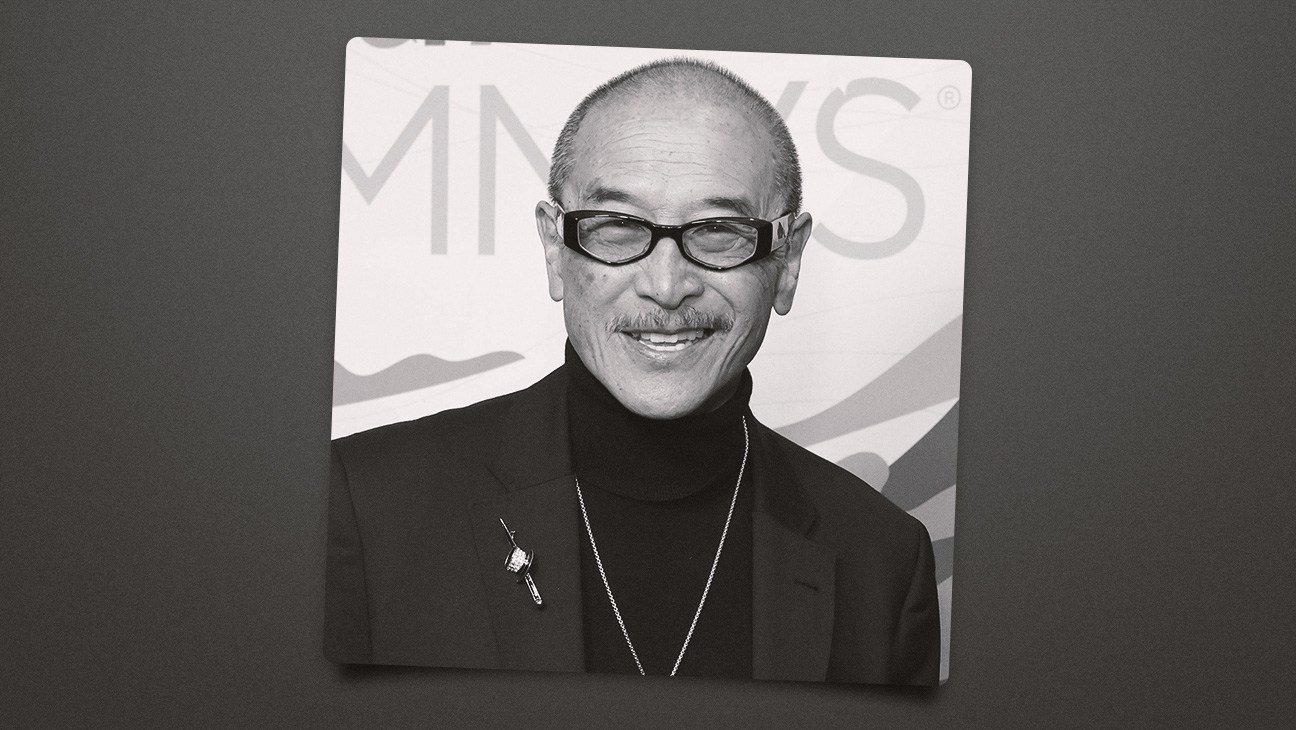
James Lew, the veteran stunt performer and coordinator who worked with John Carpenter on Big Trouble in Little China, They Live and Escape From L.A. and in scores of other films and TV shows, has died. He was 73.
Lew died Sunday, his wife, Jordana Potter, announced. No cause of death was revealed.
In what could be his best-known role, Lew lost a fierce (but very funny) battle with Charlie Sheen’s Topper Harley in Jim Abrahams’ parody of the Rambo films, Hot Shots! Part Deux (1993), and he was in on plenty of action in the Rush Hour movies released in 1998, 2001 and 2007.
In 2017, he received an Emmy for outstanding stunt coordination for a drama series, limited series or movie for his work on the Netflix series Luke Cage.
Lew also did stunts for Black Rain (1989), Showdown in Little Tokyo (1991), Undercover Blues (1993), Under Siege 2: Dark Territory (1995), The Last Samurai (2003), Tropic Thunder (2008), Star Trek (2009), Inception (2010), Olympus Has Fallen (2013) and Avengers: Endgame (2019).
Lew was born on Sept. 6, 1952, and raised in South Central Los Angeles.
“My lifelong adventure into the martial arts began when I was 14 years old,” he said in an undated interview. “It was part of a natural discovery and curiosity that I decided to ‘try’ training in the martial arts. The school was a combination of taekwondo and Tang Soo Do.”
He played a monk and performed stunts on a 1974 episode of ABC’s Kung Fu, then appeared in John Cassavetes’ The Killing of a Chinese Bookie (1976) and in the Hong Kong movie The Young Dragon (1979).
For Carpenter, he served as stunt coordinator in Big Trouble in Little China (1986) and handled stunts on They Live (1988) and Escape From L.A. (1996).
Lew portrayed a martial arts instructor in the Carl Weathers-starring Action Jackson (1988) and a deadly killer in Red Sun Rising (1994) and showed up on the big screen in Timecop (1994), Lethal Weapon 4 (1998) and Traffic (2000), among many other films.
Meanwhile, he also could be spotted on television in everything from T.J. Hooker, The Fall Guy, The A-Team, Falcon Crest and Murder, She Wrote to Roseanne, Buffy the Vampire Slayer, Walker, Texas Ranger, Alias and Westworld.
Lew wrote and directed the mockumentary 18 Fingers of Death! (2006), which was inspired by his life in Hollywood, and co-directed the parody Made in Chinatown (2021), featuring Vincent Pastore.
He was inducted into the Black Belt Hall of Fame in 2024.
A “How to Lose a Guy in 10 Days” sequel is in the works at Paramount, with original star Kate Hudson attached to produce the project, Variety can report exclusively.
Development on the sequel is in early stages, with the cast and several key creative roles yet to be selected, according to a source close to the project. The intention of the filmmakers and the studio is to have Hudson and her co-star from the original, Matthew McConaughey, reprise their roles. The project is currently seeking a screenwriter, so casting will depend on the take.
Stacey Sher is also on board to produce alongside Hudson through her Shiny Penny banner. Sher’s extensive list of producer credits includes “Pulp Fiction,” “Gattaca,” “Erin Brockovich,” “Vanilla Sky” and “Django Unchained.”
Reps for Hudson and McConaughey did not immediately respond to Variety‘s request for comment.
A follow-up to “How to Lose a Guy” seemed inevitable, considering the Y2K nostalgia wave washing over Hollywood right now. 2026 has so far brought “The Devil Wears Prada 2,” “Scary Movie” and “Toy Story 5,” all outsized box office hits that cashed in on late ’90s and early 2000s source material. The throwbacks aren’t slowing down either. “Practical Magic 2” and “Focker-In-Law” hit theaters soon, while “Shrek 5” and Greta Gerwig’s “Narnia” film are slated for 2027.
Plot details for “How to Lose a Guy 2” are still being ironed out. The 2003 original followed the cat-and-mouse romance between magazine columnist Andie Anderson, played by Hudson, and McConaughey’s broish advertising executive Benjamin Barry. Andie, as research for an article about modern dating, seduces Benjamin and then transforms herself into the girlfriend from hell. Benjamin bets his boss he can make any woman fall for him, and Andie is his target. With a huge campaign on the line, he’s determined to make things stick. Of course, true love blossoms from the absurd circumstances. Donald Petrie directed the film. Supporting cast members include Kathryn Hahn, Adam Goldberg, Thomas Lennon, Michael Michele and Shalom Harlow. The film grossed nearly $180 million worldwide on a reported $50 million budget and is considered an essential title in the rom-com genre.
Hudson’s most recent big-screen role was in 2025’s “Song Sung Blue,” for which she earned her second Oscar nomination. The first nod came for her iconic turn as Penny Lane in Cameron Crowe’s “Almost Famous.” She is also leading the sports comedy series “Running Point” for Netflix. While “How to Lose a Guy 2” has not been cast, Hudson’s role as producer makes it easy to believe she is in the wings, waiting for the right deal to bring her back.
Of course, if Hudson were involved, McConaughey would presumably follow suit. The Oscar winner, who recently described “How to Lose a Guy in 10 Days“ as an “anchor” in the rom-com canon, has long been absent from the genre he was once closely associated with. He consciously distanced himself from romantic comedies in the 2010s, transforming his career with roles in critical dramas like “Mud,” “The Wolf of Wall Street,” “Interstellar” and “Dallas Buyers Club,” which earned him the 2014 Best Actor Oscar. He only recently ended a six-year big-screen hiatus with the release of “The Rivals of Amziah King.”
As the Walt Disney Co. enjoys another banner summer — its Toy Story franchise returned to bring in $1.1 billion globally — staff across the brand and its subsidiaries received unprecedented news last week announcing changes to their spouses’ health benefits eligibility, in a move that may signal a wider corporate trend as costs rise.
Employees at Disney and its portfolio of brands — including Marvel, ABC News, ESPN and Searchlight Pictures — learned this week that the company will no longer allow spouses or domestic partners to join Disney-sponsored health plans if they have access to coverage through their own employer. The change was announced last week and takes effect in 2027.
“Like a growing number of large employers, we’re making measured adjustments to our employee benefits in response to rising healthcare costs nationwide,” a Disney representative said in a statement to The Hollywood Reporter. “We will be communicating these changes in more detail with our employees over the next few months. As always, we remain committed to providing our employees with a comprehensive package of high-quality coverage and other benefits that support their total health and well-being.”
Disney noted that other elements of its Total Rewards package are unchanged: Employees’ children will remain eligible for coverage, and no changes are planned to spousal access to vision and dental plans. Still, the shift creates a new decision point for tens of thousands of the company’s roughly 160,000 employees, known internally as Cast Members.
Because coverage quality and specifics vary from plan to plan, spouses with ongoing treatment extending into 2027 — including those on maintenance medications — will need to make quick decisions about how to proceed, on top of weighing the cost of whatever plan they move to.
Disney isn’t alone in looking for ways to offset the rising cost of health coverage, which remains tied to employment for millions of Americans. U.S. employers expect healthcare costs to rise 11.1 percent in 2027, according to a recent WTW survey — the sharpest projected increase in two decades. In 2025, WTW found employers paid an average of $16,818 per employee for coverage, with employees contributing an average of $3,554 — about $296 a month out of pocket.
The increases are being driven largely by the rising cost of care and medication, particularly cancer treatment and obesity drugs. A survey from the International Foundation of Employee Benefit Plans found that 86 percent of employers reported an increase in oncology spending in 2025 compared with the prior year, a median rise of 11 percent from 2024 to 2025. Meanwhile, employer-plan spending and utilization of GLP-1 drugs — diabetes medications widely used for weight loss — have risen roughly 50 percent–65 percent since 2023.
Disney is not the only company responding to these cost increases by shifting around the benefits offered to staff. Starbucks is ending GLP-1 coverage for weight loss, and Zoom is cutting down the amount of time it offers for paid family leave. At Deloitte, paid family leave will also be reduced, as will paid time off, and cuts have been made to pension accruals and adoption/surrogacy/IVF reimbursement for certain U.S. employees.
All of these benefit reductions may create a moment of decision-making for corporate staffers, and for some, it’s deeply personal. As costs shift, some employees may ditch health care benefits altogether or potentially jump ship.
“Benefit cost increases are the steepest we’ve seen in years, but the price tag is only one way to measure the cost of care,” said Alison Myers, president of Corporate Benefits & Specialty Health at Venbrook Insurance Services. “Losing a winning team of employees is far more expensive.”
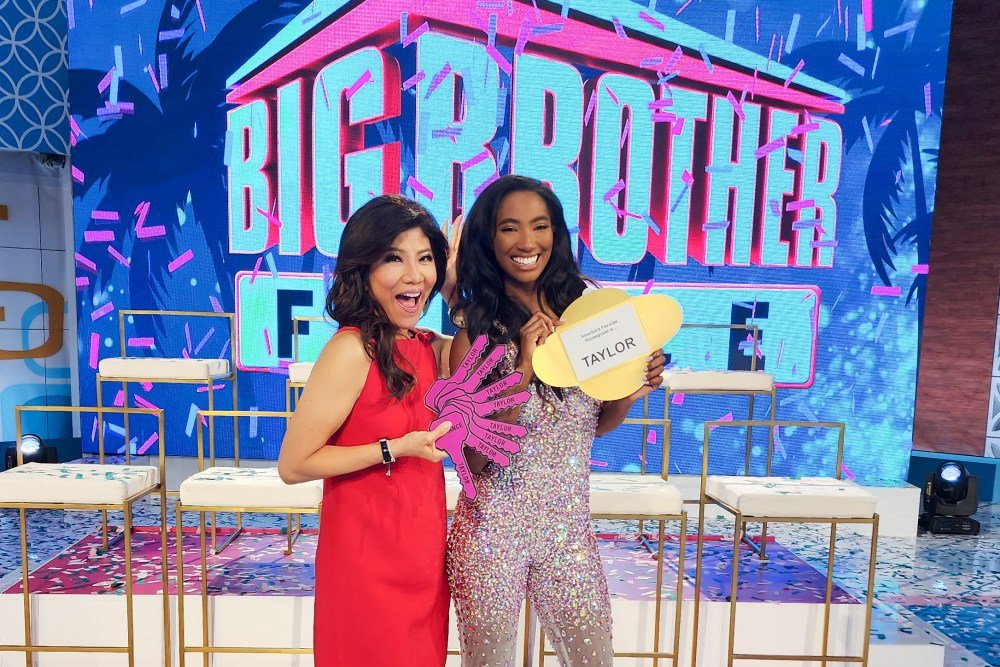
This week, “Big Brother” will make history by being the first primetime show to hit 1,000 episodes. And in true “Big Brother” fashion, the show is celebrating that milestone with a twisty, one-of-a-kind 90-minute episode that will air Thursday, Aug. 27.
“It’s been really interesting and fun to think about how to celebrate the show,” executive producer Allison Grodner tells Variety. “We want to take some time at the beginning to really reflect on the past and, through fan engagement, have some fun reveals of polls that were taken of favorite moments, favorite winners and people that should have won.”
Of course, the historic milestone comes as “Big Brother 28” is currently on the air. The popular reality program that airs three times a week on CBS is a one-of-a-kind social experiment where 16 strangers are locked in a house together for the summer. Each week, the houseguests compete for power and vote each other off. The catch is that not only are the houseguests completely cut off from the outside world, but everything they say and do is broadcast on the 24/7 live feeds.
Julie Chen Moonves has been hosting the show since Season 1, which was a very different game back in 2000. Famously, the first season (which was run by the creators of the original Netherlands version) struggled with ratings. As rumors spread that the show would get canceled mid-season, so did criticism of Chen Moonves as a host.
Julie Chen Moonves in 2002
John Filo/CBS
“I had such criticism from CBS News insiders, they were mad,” Chen Moonves says. “Andy Rooney was very upset that I was a CBS Morning News anchor and then, for 10 weeks, getting on a plane to Los Angeles to host an entertainment show. He went to the press saying that CBS News should immediately fire me. In his opinion, I was single-handedly blurring the lines between news and entertainment.”
It wasn’t until Season 2 that the show took a page from the “Survivor” playbook by introducing more strategic elements, like the Head of Household competition, which determines who holds the power each week. The houseguests also started voting each other off that season.
Those changes resulted in a more cutthroat “Big Brother,” causing a spike in the show’s popularity.
“I tip my hat to them, because they were asked to take over a show in a genre that was very new then,” Chen Moonves says of executive producers Grodner and her Oscar-winning partner Arnold Shapiro, who worked on the show until Season 7. “They are the reason why it is still successful today, because they put in those basic rules to playing.”
Rich Meehan joined as an executive producer in Season 5, and has been working closely with Grodner ever since.
Rich Meehan and Allison Grodner in the “Big Brother 20” house.
Sonja Flemming/CBS
“It would be really hard if the people who haven’t lived this experience for all these years weren’t here to do the show; you’d start going down some of the same paths, which we already know are dead ends,” Grodner says.
She continues: “Since we took off in Season 2, we’ve done well in the ratings, but it didn’t always guarantee that we were coming back the next year. Every single year in those first, maybe 10 to 15 seasons, at the end of the summer we’d go, ‘Are we coming back?’”
Inside the CBS reality umbrella, it was about finding how to differentiate the show from “Survivor” and “The Amazing Race,” which all launched in the early 2000s as part of the craze that erupted from MTV’s “The Real World.”
“We play in the comedy space, we play in the romance space. Obviously, the strategy and game are at the forefront, but there’s these other worlds we’re able to play in,” Meehan says. “If this is a show about people and it’s a microcosm of life, well, people are funny!”
Since Season 2, the show’s overall format has stayed largely consistent over the years — the basic idea being that the houseguests have to outsmart their fellow contestants, vote them out and then convince everyone at the end why they should win $500,000 (upped to $750,000 starting in Season 23). The Power of Veto, introduced in Season 3, crucially gives nominees the chance to save themselves from the block before eviction night.
But it wasn’t until Season 26 when the latest format change, the BB Blockbuster (then coined the A.I. Arena) added another dimension to the gameplay. Now, instead of two houseguests being nominated and only having one shot at safety, three houseguests are nominated every week; on live eviction night after the Veto is played, they go head-to-head to secure their safety.
‘Big Brother 28’ houseguests compete in the BB Blockbuster.
CBS
“The current idea is that it’s like a new format piece for the live show, so I think, at least in the near future, it’s for sure something we’re going to continue to stick with, unless for some reason it stops working or generating,” Meehan says.
The idea for the BB Blockbuster came from watching “Big Brother 20” contestant Kaitlyn Herman fail to complete a puzzle after she was given a chance to save herself as part of a big twist.
“It captured so much energy and it was fun to watch. We were like, ‘How can we do that in the live show?’” Meehan says. “It’s super simple, but hey, increase the nominees and you’re making more enemies in the house, which creates more drama. And then also, we have this great ‘can’t miss’ sporting event that you have to watch. You don’t know who the final two up for eviction are until that moment.”
After all, Big Brother’s motto is “expected the unexpected.”
“We add in the twists and turns because more and more, you need those things that are promotable and you need those ‘can’t miss’ moments,” Grodner says. “We have what is the ultimate endurance competition in ‘Big Brother,’ just the whole season. Unlike other shows, we need to sustain interest for, in this case, 50 episodes.”
Some fans prefer when the game has fewer twists that disrupt the natural flow of alliances and power structures. “But you also remember we’ve got so many seasons that the new cast can watch; we need to make sure that there’s still something to keep them on their toes, right?” Grodner says. “That there’s still going to be something unexpected.”
On other reality shows, long-standing hosts have become more creatively involved behind the scenes over the years. Take Jeff Probst, the show’s host who also took over as showrunner 15 years ago.
Chen Moonves says that’s not her lane.
“I might suggest things, like ideas when we’ve had ‘Celebrity Big Brother,’” Chen Moonves says. “I like just being the host and not having that pressure of having to do creative or the casting.”
Of all the reality TV fandoms, the “Big Brother” online community is one of the most active, largely incentivized through the show’s 24/7 live feeds. Like all fandoms, that comes with both enthusiasm and sometimes criticism of production.
“We love the fans and their engagement, whether it’s passionate and opinionated, but we would be remiss if we produced a show based on just what’s happening on Twitter,” Grodner says. “And honestly, the creative for the show — how the summer is going to lay out and all that, for fairness reasons and so forth — is actually done well before the season starts. So those kinds of, ‘Oh, we’re adjusting something because of what’s being said online’ absolutely does not happen.”
As a social experiment, “Big Brother” is also a microcosm of society. Because of the live feeds, everything the houseguests say gets recorded. Racist and homophobic comments over the years have made headlines — in the most extreme instance with Season 15, leading several houseguests to lose their jobs.
The show has become more diverse since the 2020 CBS mandate, which set a standard for the network’s unscripted shows to feature at least 50% people of color in the cast. Historically, Black people have struggled against the odds on “Big Brother.”
“I remember when that mandate came down. I felt like, ‘Boy, at that point in history, we really needed it,’” Chen Moonves recalls.
“It’s great, because anybody can win [now] — I don’t think there’s anything holding anybody back,” Meehan adds. Since Xavier Prather’s groundbreaking Season 23 victory, the show’s winners have all been people of color.
Many show segments over the years have featured contestants talking openly about race, identity and how that shapes the way they navigate the game. Since the show casts complete strangers from different walks of life, watching them play against each other also leads them to learn from each other’s differences.
“[Those conversations] happen more than ever, but there have been many in the history of the show. I remember Ken and Bunky [from Season 2]?” Meehan says. “What’s happening in the world is going to happen in the house. It’s just the nature of the show and that’s why people play the game differently now than they did 25 years ago.”
As “Big Brother” nears another milestone with its upcoming 30th season, that also raises another question that many fans have been asking — will we ever see an all-winners season similar to what “Survivor” did with Season 40?
Yet because “Big Brother” is a three-month commitment, that’s a lot tougher of a sell for even the most cherished vets. Chen Moonves has pitched multiple versions of an all-winners season over the years, although she’s made some tweaks.
Her current take is multiple month-long versions of the game, akin to “Celebrity Big Brother.” One shortened season would bring back all the Season 1 houseguests to see how they’d play in the modern era of the show, while the next shortened season would group winners from different eras of the show.
“I think if it’s shortened, everyone would be game. I haven’t heard of a past winner who’s bitter, who never wants to have anything to do with ‘Big Brother,’” Chen Moonves says.
When looking to the future of “Big Brother,” some fans have speculated if Season 24 winner and “Big Brother: Unlocked” host Taylor Hale is being positioned to take on hosting duties were Chen Moonves to retire.
“I’ve wondered that too because, to me, she would be perfect,” Chen Moonves says, praising her on-air skills from serving as an “Entertainment Tonight” correspondent.
Jerry O’Connell, Taylor Hale and Derrick Levasseur hosting “Big Brother: Unlocked.”
Matthew Taplinger/CBS
Chen Moonves also pitches Season 16 winner Derrick Levasseur, as well as Jeff Schroeder and Jordan Lloyd from Season 11 and 13, as possible options.
“But then I don’t know how the network would feel about, ‘Is it too close to home that they’ve walked in their shoes? Does that put them too much in a position of judgment?’” she says. “Part of me feels like maybe you want to keep the air pristine and have someone who comes from a news background. I got hired because I know how to do live interviews.”
“But old-school journalists,” Moonves clarifies, referencing Anderson Cooper and Andy Cohen as potential options. “I feel a lot of journalists today go on the airwaves and I know exactly how they feel about an issue that they’re covering. To me, that’s not cool. Because then you have an agenda, you’re not really reporting.”
The reality TV landscape has changed a lot since “Big Brother” premiered back in 2000. In recent years, “The Traitors” has dominated the online conversation around competition shows — and even cast “Big Brother” veterans like Danielle Reyes and Britney Haynes.
“I do still think we are very unique, which is amazing to say that 28 seasons in, we still set ourselves apart,” Grodner says, adding that “Love Island” does have its own real-time element with how the episodes are structured. “But we dare to stream live and to have that other part of the show that people can interact with; no other show has done the live feeds to date.”
Leaning into comedy and absurdity, Grodner says declaratively, is what makes “Big Brother” set itself apart tonally, and will ensure, she hopes, the show’s future far beyond Season 28 and the 1,000th episode.
“Can any other show pull off a person in an egg suit, crying or screaming at someone at the nomination ceremony? And a teapot being banged around and have that become part of pop culture instantly?” Grodner says. “We can pull that off, but we can also pull off these amazing, compelling conversations.
“I think our range is unique, and I don’t know if any other show can encompass all of that,” she says. “I guess I dare them to!”
It’s not close, either. Since arriving on Peacock, Alan Cumming’s Scottish castle whodunit has banked eight total Emmys — a casting win before it ever cracked the marquee race, back-to-back reality competition trophies in 2024 and 2025, two hosting wins for Cumming and a Creative Arts sweep in 2025 that added cinematography, directing and picture editing in a single cycle. CBS’ long-running “Survivor,” the show that made all of this possible, owns five. That includes Jeff Probst’s four consecutive hosting Emmys from 2008 to 2011 and a 2010 cinematography win. The trophy that matters most, however — outstanding reality-competition program — has eluded it since the Television Academy created the category.
And let’s be clear about why the category exists at all.
Robert Voets/CBS
When “Survivor” premiered in the summer of 2000, it drew 51 million viewers to its season finale, which crowned Richard Hatch the first-ever Sole Survivor. The Academy created the reality competition program Emmy in 2003, in direct response to the boom “Survivor” ignited. Then it handed the inaugural trophy to its CBS sister series “The Amazing Race.” “Survivor” lost to “The Amazing Race” four straight times from 2003 to 2006, before it did something stranger than losing: It completely disappeared.
For 16 consecutive years, the biggest brand in the genre couldn’t even get nominated — from 2007 through 2022. That stretch included the “Cook Islands” and first Fiji seasons (Seasons 13 and 14), which crowned Yul Kwon — in the first season to feature a final three instead of a final two, a format that coincidentally included Season 50 contestant Ozzy Lusth — and Earl Cole, who became the first unanimous winner in the show’s history.
During that drought, “The Amazing Race,” “The Voice” and “RuPaul’s Drag Race” took turns building dynasties. When the new-era “Survivor” finally clawed back into the field in 2023, it lost to “RuPaul’s Drag Race.” It took another year off before returning in 2025, only to lose to “The Traitors.”
An interesting note is the reality-competition Emmy has gone to a Mark Burnett production four times — all for “The Voice.” The category has spent two decades rewarding the man who helped define the genre while conspicuously never rewarding the show that made him.
So here we are again, coming off a celebratory 50th season — “In the Hands of the Fans” — that crowned Aubry Bracco over runners-up Jonathan Young and Joe Hunter in an 8-3-0 jury vote and awarded a record-setting $2 million grand prize.
“The Amazing Race,” a nominee in every eligible year of the category’s existence except the pandemic-scrambled 2020 ceremony, missed the cut entirely for only the second time ever. ABC’s “Dancing with the Stars,” riding its viral resurgence, is back in the race after an 11-year absence, chasing its own 0-for-10 correction.
The case for “The Traitors” is that it has become the category’s auteur piece.
Last year’s Creative Arts haul — directing, editing and cinematography — was the TV Academy telling us it doesn’t just enjoy the show; it admires the filmmaking. A third straight win would put it on the most exclusive shelf in reality television, joining “The Amazing Race,” “The Voice” and “RuPaul’s Drag Race” as the only shows to three-peat.
Cumming, meanwhile, is chasing a hosting three-peat of his own, and the man he’d have to beat — for the third year running — is Probst. There’s a whole column in that proxy war alone: the tuxedoed theater lifer with two Tonys against the dimpled adventure guide who won this category’s hosting award the first four times it existed.
The case for “Survivor” is the one the Emmys sometimes secretly love, and that’s the “overdue” correction.
This is the Martin Scorsese- “The Departed” scenario — the institution that should have been honored in its prime, finally embraced late, with a milestone providing cover. “Survivor” hit Season 50 this spring, a fan-voted celebration of a quarter-century on CBS, exactly the kind of legacy moment that lets a voter feel like they’re honoring history rather than simply a season of television.
Probst has spent the year as the genre’s beloved elder statesman. If there was ever a cycle for sentiment to beat momentum, it’s a 50th-season cycle.
But sentiment has to overcome a structural problem: This category does not do lifetime achievement. It does dynasties.
In 23 previous ceremonies, it has crowned exactly seven different shows. And once it falls for something, it falls hard — seven straight for “The Amazing Race,” four in five years for “The Voice,” four straight for “RuPaul’s Drag Race.” Television Academy voters — and this is a category voted on by the entire membership, rather than a specific peer group — aren’t correctors; they’re serial monogamists.
THE TRAITORS — “The Death Conga” Episode 402 — Pictured: (l-r) Caroline Stanbury, Colton Underwood, Rob Rausch, Johnny Weir, Maura Higgins, Tiffany Mitchell, Candiace Dillard Basset — (Photo by: Euan Cherry/Peacock)
Euan Cherry/Peacock
Right now, they’re in love with a castle in the Scottish Highlands.
Did enough of the all-stars fighting it out on the islands of Fiji build enough goodwill to get “Survivor” across the finish line?
“Survivor” has outlasted every rival, every trend and every obituary written for network television. The one thing it has never figured out how to outlast is Emmy voters’ attraction to the newest game in town — a lesson it has now been taught by three different shows across three different decades.
The torch, as Probst would say, represents life in the game. “Survivor” has kept its lit for 25 years — and will light a new one again this fall.
On Sept. 14, we find out whether the Academy finally notices — or whether the castle drawbridge stays up for one more year. Voting closes Aug. 26 at 10 p.m. PT.
Drama Series: “The Pitt” (HBO Max) Comedy Series: “Widow’s Bay” (Apple TV) Limited or Anthology Series: “Beef” (Netflix) Outstanding Movie: “Remarkably Bright Creatures” (Netflix) Lead Actor (Drama): Noah Wyle, “The Pitt” (HBO Max) Lead Actor (Comedy): Matthew Rhys, “Widow’s Bay” (Apple TV) Lead Actor (Limited/Movie): Oscar Isaac, “Beef” (Netflix) Lead Actress (Drama): Rhea Seehorn, “Pluribus” (Apple TV) Lead Actress (Comedy): Jean Smart, “Hacks” (HBO Max) Lead Actress (Limited/Movie): Carey Mulligan, “Beef” (Netflix) Supporting Actor (Drama): Tom Pelphrey, “Task” (HBO Max) Supporting Actor (Comedy): Stephen Root, “Widow’s Bay” (Apple TV) Supporting Actor (Limited/Movie): David Harbour, “DTF St. Louis” (HBO Max) Supporting Actress (Drama): Sepideh Moafi, “The Pitt” (HBO Max) Supporting Actress (Comedy): Kate O’Flynn, “Widow’s Bay” (Apple TV) Supporting Actress (Limited/Movie): Linda Cardellini, “DTF. St. Louis” (HBO Max) Guest Actor (Drama): Colman Domingo, “Euphoria” (HBO Max) Guest Actress (Drama): Brittany Allen, “The Pitt” (HBO Max) Guest Actor (Comedy): Rob Reiner, “The Bear” (FX) Guest Actress (Comedy): Betty Gilpin, “Widow’s Bay” (Apple TV) Variety Series: “The Late Show with Stephen Colbert” (CBS) Variety Special (Live): “The Apple Music Super Bowl LX Halftime Show Starring Bad Bunny” (NBC) Variety Special (Pre-Recorded): “Taylor Swift | the Eras Tour | the Final Show” (Disney+) Directing (Drama): Vince Gilligan, “Pluribus” (Apple TV) — “We Is Us” Directing (Comedy): Hiro Murai, “Widow’s Bay” (Apple TV) — “Welcome to Widow’s Bay!” Directing (Limited/Movie): Lee Sung Jin, “Beef” (Netflix) — “Oh, the Comfort, the Inexpressible Comfort” Directing (Documentary/Nonfiction): Alexandria Stapleton, “Sean Combs: The Reckoning” (Netflix) Directing (Variety Series): Yvonne De Mare, “The Late Show with Stephen Colbert” (CBS) — “The Late Show with Stephen Colbert Series Finale” Directing (Variety Special): Hamish Hamilton, “The Apple Music Super Bowl LX Halftime Show Starring Bad Bunny” (NBC) Directing (Reality Program): Ben Archard, “The Traitors” (Peacock) Writing (Drama): “The Pitt” (HBO Max) — “1:00 P.M.” by Kirsten Pierre-Geyfman and R. Scott Gemmill Writing (Comedy): “Hacks” (HBO Max) — “Hacks (Finale)” by Lucia Aniello, Paul W. Downs and Jen Statsky Writing (Limited/Movie): “DTF St. Louis” (HBO Max) by Steven Conrad Writing (Variety Series): “The Late Show With Stephen Colbert” (CBS) Writing (Variety Special): “Wanda Sykes: Legacy” (Netflix) by Wanda Sykes Writing (Nonfiction): “The Daily Show Presents: Jordan Klepper Fingers the Pulse: Give the Man a Prize” (Comedy Central) Game Show: “Jeopardy!” (ABC) Host (Reality or Reality Competition): Jeff Probst, “Survivor” (CBS) Host (Game Show): Jimmy Kimmel, “Who Wants to be a Millionaire” (ABC) Competition Program: “Survivor” (CBS) Structured Reality Program: “Queer Eye” (Netflix) Unstructured Reality Program: “Love on the Spectrum” (Netflix) Documentary or Nonfiction Special: “My Mom Jayne: A Film by Mariska Hargitay” (HBO Max) Documentary or Nonfiction Series: “Sean Combs: The Reckoning” (Netflix) Hosted Nonfiction Series or Special: “My Next Guest Needs No Introduction With David Letterman” (Netflix) Exceptional Merit in Documentary Filmmaking: “The Librarians” (PBS) Animated Program: “South Park” (Comedy Central) — “Sermon on the ‘Mount”
Weekly cryptocurrency trading volume surged to $37 billion last week, doubling within five days, according to data from The Block. The sharp rebound follows a period of subdued activity, yet the figure remains far below the 12-month high of $105 billion recorded in mid-October, just after the market-wide selloff began.
August Volume Lags July
On a monthly basis, August has so far generated $490 billion in trading volume, a significant drop from July’s $670 billion. This slowdown suggests that while short-term momentum can spike, sustained participation has yet to return to earlier levels. The Block’s data highlights that the current cycle is notably different from past ones: the emergence of spot exchange-traded funds (ETFs) has redirected a portion of investment demand away from centralized exchanges (CEXs).
However, analysts note that the majority of altcoin demand is still funneling through CEXs, indicating that decentralized venues or direct ETF exposure have not fully replaced traditional exchange activity for smaller tokens. This dynamic could shape liquidity patterns and fee revenues for major platforms in the coming months.
Why This Matters for Traders
The volume recovery, while modest, offers a glimpse into market sentiment. A doubling in five days often signals renewed interest, possibly driven by macroeconomic news or specific token catalysts. Yet the persistent gap from October’s peak suggests caution among institutional players, who may prefer regulated products like spot ETFs over direct exchange trading.
Impact on Exchange Revenue and Liquidity
For exchanges, lower monthly volume translates into reduced trading fee income. The shift toward ETFs also means that some trading activity that would have occurred on CEXs now happens off-exchange, potentially thinning order books for certain assets. Altcoins, however, remain a bright spot for CEXs, as their higher volatility and broader retail appeal continue to drive activity.
Conclusion
Last week’s volume spike is a positive sign for crypto markets, but it does not yet signal a full recovery. With August tracking below July and the shadow of October’s high still looming, traders and platforms should watch whether ETF adoption continues to reshape demand patterns. The data underscores a market in transition, where centralized exchanges retain their grip on altcoin trading while spot products capture a growing share of mainstream investment.
FAQs
Q1: Why did weekly crypto volume double in five days? Short-term catalysts, such as favorable regulatory news or a sudden price rally, often trigger a burst of trading activity. The exact driver isn’t specified, but volume spikes typically reflect increased participation from both retail and institutional traders.
Q2: How do spot ETFs affect centralized exchange volume? Spot ETFs allow investors to gain exposure to cryptocurrencies without holding the assets directly, reducing the need to trade on centralized exchanges. This shifts some volume away from CEXs, particularly for major coins like Bitcoin and Ethereum.
Q3: Will altcoin trading remain on centralized exchanges? Yes, for now. Most altcoins lack ETF products and have thinner liquidity on decentralized platforms, so traders continue to rely on CEXs for these assets. This trend is likely to persist unless regulatory changes or new financial products emerge.
Related Reading
Multicoin Capital Moves $8.4M in HYPE to Coinbase Prime, Sparking Sell-Off Speculation
U.S. Treasury Weighs $1 Trillion TGA Drawdown for Bond Purchases, Boosting Liquidity