Author: rb809rb

  • Wall Street Altcoin Picks: Charles Schwab Backs Ethereum, Solana, XRP and Hyperliquid

    Wall Street Altcoin Picks: Charles Schwab Backs Ethereum, Solana, XRP and Hyperliquid

    Charles Schwab’s director of global equity research, Adam Lynch, laid out the firm’s crypto allocation thinking in a recent appearance, distinguishing between five digital assets the firm views as serving fundamentally different roles in a portfolio: Bitcoin, Ethereum, Solana, $XRP and Hyperliquid.

    Not All Crypto Is the Same Trade, Schwab Says

    Lynch described Bitcoin as the “classic” debasement hedge, the asset investors turn to when concerned about fiat currency devaluation. Ethereum, he said, carries more functional utility than Bitcoin while still fitting into that broader debasement narrative. Beyond the two majors, Lynch grouped Solana, $XRP and Hyperliquid as higher-volatility, higher-risk allocations he suggested pairing with a core position in the larger assets, rather than replacing them.

    Goldman Sachs’ Solana Bet Comes Into Focus

    Goldman Sachs has become the largest disclosed holder of spot Solana ETFs, with $88 million in exposure, according to disclosure filings referenced in the discussion. Because not all institutional holders are required to disclose positions, the real scale of Wall Street’s Solana exposure could be considerably larger than what’s currently visible in public filings.

    Separately, Schwab confirmed it is adding Solana, Avalanche and Chainlink to its crypto trading platform, expanding beyond the Bitcoin and Ethereum access it already offered. Grayscale Research has pointed to Bitcoin, Ethereum and Zcash specifically as the assets most likely to benefit from what it calls the “debasement trade,” tied to U.S. national debt surpassing $40 trillion and continued fiscal deficits.

    Solana’s Supply Squeeze Just Got Bigger

    In a separate development, Solana validators passed a proposal to double the network’s disinflation rate to 30%, with yes votes clearing 66.6% in the final hour of voting. The change is projected to reduce planned SOL issuance by close to 20 million tokens, worth an estimated $1.4 billion, over the next six years. Reducing new supply entering circulation is widely viewed as a structurally bullish shift for the token’s long-term valuation.

    Bitcoin Drops Below $77,000 as Fed’s Warsh Turns Hawkish

    The bullish setup collided with macro reality Friday, when Bitcoin fell below $77,000 after Fed Chair Kevin Warsh signaled the possibility of a rate hike during his Jackson Hole keynote. Warsh has now delivered a hawkish tone in each of his public appearances since taking the role.

    U.S. inflation has now remained above the Fed’s 2% target for 65 consecutive months, according to the discussion, a backdrop that continues to complicate the path toward rate cuts.

    What It Means

    Between Schwab’s differentiated allocation strategy, Goldman’s growing Solana exposure, Solana’s reduced token issuance and a bipartisan regulatory bill gaining bank support, institutional infrastructure around crypto is building even as short-term price action reacts to Fed commentary.

    Whether that structural momentum translates into sustained price strength may depend less on any single Fed speech and more on how quickly the CLARITY Act moves through Congress from here.


  • Judge ruled certain AI-generated child sex abuse material is protected by First Amendment. Here’s context

    Judge ruled certain AI-generated child sex abuse material is protected by First Amendment. Here’s context

    Claim:

    A federal judge rule certain AI-generated child sex abuse material is protected by First Amendment.

    Rating:

    True

    Context

    In his decision, Judge John Z. Lee of the U.S. Court of Appeals for the 7th Circuit, referred to two U.S. Supreme Court decisions from 1969 and 2002. The first says people have the right to keep obscenity in the privacy of their homes and the second says child sex abuse material that does not depict real children is not child pornography and is protected by the First Amendment of the U.S. Constitution. The judge also said that while he is bound by precedent, he is concerned by “the lines these cases draw.”

    In August 2026, a rumor spread that a federal judge ruled certain child sex abuse material generated by artificial intelligence was protected by the First Amendment of the U.S. Constitution, which establishes the right to free speech. 

    Several Snopes readers emailed to share an Instagram post relaying the story. “A federal judge has ruled that the First Amendment protects an individual’s right to privately possess child sexual abuse content created using Al if it does not depict a real person and remains in the home,” the image in the post read. On X, several people amplified the claim, with one calling it “disgusting” (archived):

    In sum, the claim was true, but it lacked crucial context. In his Aug. 25, 2026, decision, Judge John Z. Lee of the U.S. Court of Appeals for the 7th Circuit, said precedent forced him to make this ruling, pointing to two U.S. Supreme Court decisions. He added that the current state of technological advance meant the court had “concerns” about the “lines” set by these two Supreme Court decisions.

    The U.S. Department of Justice declined to comment on whether the agency intends to take the case to the Supreme Court.

    Law hasn’t caught up with AI, judge suggested

    In 2024, a man named Steven Anderegg was arrested on charges of fabricating, possessing and distributing AI-generated child sex abuse material, as well as sending some of this material to a minor. Anderegg asked for the charges of production and possession to be dismissed, which a federal district court in Wisconsin granted on grounds that these counts ran against decided caselaw.

    The prosecutors then appealed this decision, but Lee agreed with the lower court, citing two decisions the Supreme Court rendered in 1969 and 2002. 

    The first decision, Stanley v. Georgia, said the First Amendment protects people who privately keep obscenity. “The First Amendment does not allow a state to criminalize the private possession of obscene matter,” read the summary of the case on the Justia website, a free online collection of all U.S. Supreme Court decisions.

    The second decision — Ashcroft v. Free Speech Coalition — came six years after the Child Pornography Prevention Act of 1996. It ruled that child sex abuse material that does not depict real children is not child pornography, and that it is protected by the First Amendment. This decision explicitly covered digital images.

    “The statute sought to outlaw all speech that was related to the possibility of child pornography, including images of adults who look like children and computer-generated images,” the case’s Justia page reads.

    While Lee said he was compelled by judicial precedent to make this ruling, he also expressed “concerns about the lines these cases draw,” given how quickly AI technology is evolving. The judge also said that fabricated child sex abuse material that does not depict real persons was becoming more and more difficult to distinguish from such material that showed real children, making law enforcement more difficult.

    “Recent data suggests that the influx of AI-generated images reported to the NCMEC [National Center for Missing and Exploited Children] CyberTipline imposes increasing burdens on law enforcement,” the judge wrote in his decision.

    A paragraph in Lee’s decision summarized his rationale (Page 3 of this document):

    We now live in an age where GenAI [generative AI] models can render images depicting the abuse of virtual children that are virtually indistinguishable from those depicting the abuse of actual children. This case illuminates how this evolving technology complicates the lines drawn by the Supreme Court in Stanley, Osborne, and Free Speech Coalition. Indeed, in Free Speech Coalition, the Supreme Court addressed the scope of First Amendment protections for virtual CSAM, but that was nearly twenty-five years ago, and the image-generation technology available today was likely unimaginable back then. Given the relentless advancement in artificial intelligence models, we have some concerns about the lines these cases draw, but we are not free to redraw them ourselves.

    In other words, Lee said he could not on his own change a precedent set by the Supreme Court. It would therefore fall upon the Supreme Court to change the interpretation of the law to account for current technology and its consequences. 

    For further reading, Snopes examined the claim that 17 Republican Colorado lawmakers voted against banning AI-generated child sex abuse material.

  • Harry Styles Jokes About Taylor Swift’s Wedding During Madison Square Garden Concert

    Harry Styles Jokes About Taylor Swift’s Wedding During Madison Square Garden Concert

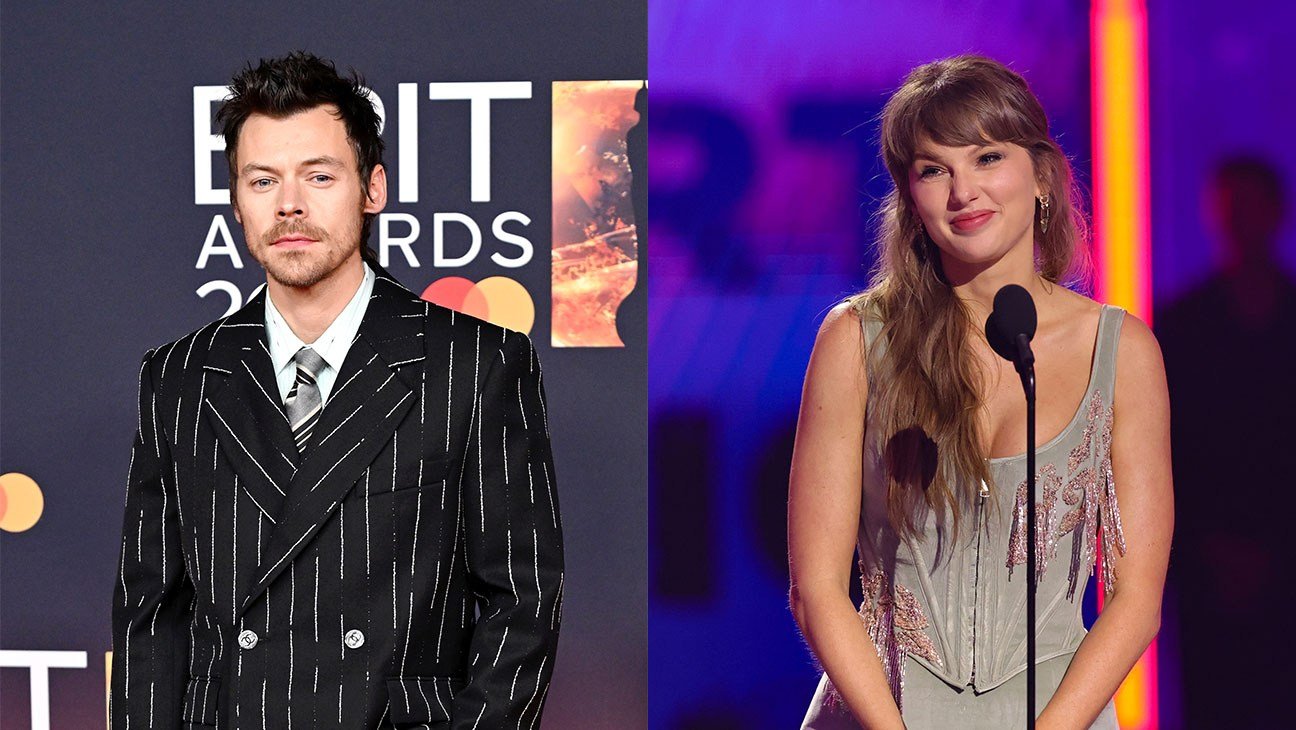
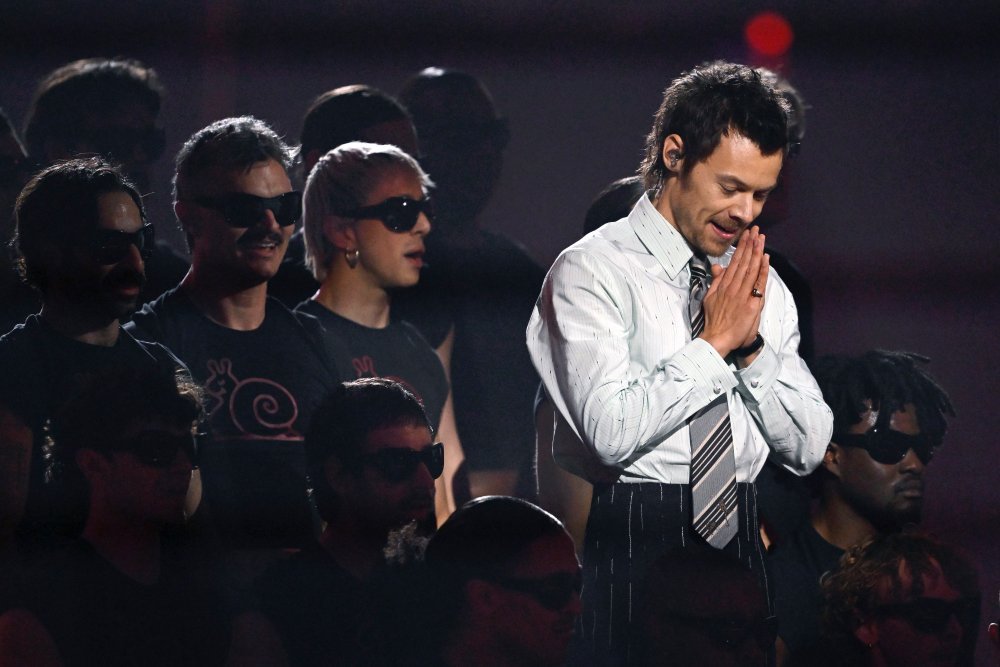
    Harry Styles cracked a joke about Taylor Swift‘s Madison Square Garden wedding during his Saturday night show at the venue.

    At the end of his show, the “As It Was” singer noted that the location was home to the New York Knicks, who won this year’s NBA championship, their first since 1973.

    “We’re at Madison Square Garden, home of the world champion New York Knicks!” Styles said. “And they also do weddings.”

    The two reportedly dated from 2012 to 2013, with many fans speculating that her 2014 record 1989 was inspired by Styles — specifically the track “Style.”

    The nuptials were all the talk this summer, including Styles’ potential attendance. He had a show at Wembley Stadium in London the night of the ceremony, though Styles’ fiancé Zoë Kravitz was present for Swift’s July Madison Square Garden.

    People reported in April that the “Watermelon Sugar” singer and Blink Twice director were engaged in April after she was spotted sporting a large sparkler on her ring finger.

    The Grammy winner married NFL star Travis Kelce on July 3 at the Garden, in a secret yet star-studded ceremony. Adam Sandler notably officiated the ceremony, while guests included their celebrity friends, including the likes of Kravitz, Selena Gomez, Jack Antonoff, Bradley Cooper, Lena Dunham and Dakota Johnson, among many others.

    Styles began his 30-show run at Madison Square Garden on Wednesday. The residency serves as the sole set of United States stops on his Together, Together tour. During night one, the singer paid tribute to Dolly Parton by playing her hit 1974 song “I Will Always Love You.”

  • Where to Watch the 2026 U.S. Open Tennis Tournament Online

    Where to Watch the 2026 U.S. Open Tennis Tournament Online

    If you purchase an independently reviewed product or service through a link on our website, The Hollywood Reporter may receive an affiliate commission.

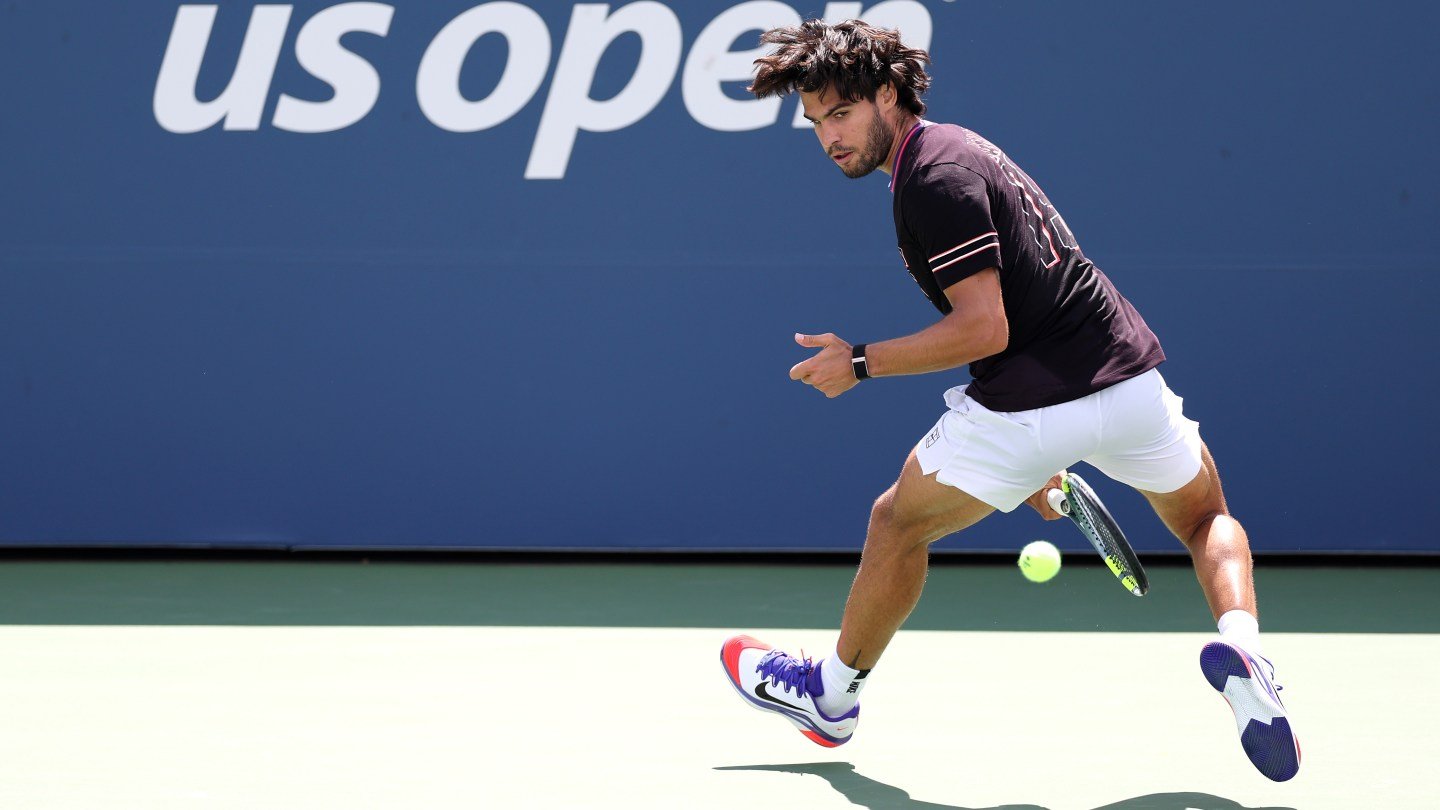
    While the 2026 U.S. Open officially kicked off on Aug. 23, the much-anticipated main singles draws begin on Sunday, Aug. 30. Live coverage will air across ESPN, ESPN2 and ABC, all three of which can be livestreamed via DirecTV (with a five-day free trial), Fubo (with a one-day free trial), Sling and Hulu + Live TV. Additionally, ESPN Unlimited will carry tournament coverage, however the streamer does not offer a free trial period.

    The fourth and final Grand Slam tennis tournament of the season concludes with the women’s singles final on Sept. 12 on ESPN and the men’s singles final on Sept. 13 on ABC.

    At a Glance: How to Watch U.S. Open Tennis Championships 2026

    • When: Singles tournament begins Sunday, Aug. 23; concludes with women’s final on Sept. 12 and men’s final on Sept. 13
    • Channels: ESPN, ESPN2, ABC, ESPN Deportes (Spanish)
    • Stream online: DirecTV, Fubo, Sling, Hulu + Live TV, ESPN Unlimited

    Shop full Ralph Lauren 2026 US Open Collection online at Nordstrom.

    Where to Watch U.S. Open Tennis 2026: Dates, Channels

    The main singles tournament begins on Sunday, Aug. 30 at 9 a.m. PT/12 p.m. ET. The U.S. Open concludes with the women’s singles final on Sept. 12 at 1 p.m. PT/4 p.m. ET, and the men’s singles final on Sept. 13 at 11 a.m. PT/2 p.m. ET. Live coverage will air across ESPN, ESPN2 and ABC with Spanish-language coverage on ESPN Deportes. The women’s final will be broadcast on ESPN and ESPN Deportes, while the men’s final will be broadcast on ABC and ESPN Deportes. A more detailed schedule and channel guide is listed below.

    Where to Stream U.S. Open Tennis 2026 Live Online

    Since matches air across ABC, ESPN and ESPN2, they’ll also be available to watch live on any live TV streaming service that carries said networks, namely DirecTV (with a five-day free trial), Fubo (with a five-day free trial), Sling and Hulu + Live TV.

    More on each live TV streaming option — and their new subscriber discounts — below.

    Five-day free trial; packages from $19.99 per month

    ABC, ESPN and ESPN2 are included in any of DirecTV’s signature packages: Entertainment, Choice, Ultimate and Premier. Plus, DirecTV offers a five-day free trial for its streaming service, meaning new subscribers can tune in to five days of matches at no cost.

    Learn more about each plan option, including how to build your own channel lineup (starting at just $19.99 per month), at directv.com.

    Fubo

    One-day free trial; packages from $64.99 per month ($54.99 for first month)

    ABC, ESPN and ESPN2 are also available to stream with a subscription to Fubo, which offers a one-day free trial for new subscribers. After the trial, plans start at $54.99 for the first month and $64.99 monthly thereafter.

    Plans from $4.99 per day or $19.99 per month

    ESPN and ESPN2 are included in Sling’s budget-friendly Essentials plan, from $19.99 per month; Sling’s Orange plan, from $45.99 per month or $4.99 per day; and Sling’s Orange & Blue plan, from $60.99 per month. In select markets, ABC is also included in the Orange & Blue plan — visit Sling.com to check station availability.

    Three-day free trial; packages from $89.99 per month

    Watch ABC, ESPN and ESPN2 with Hulu + Live TV, which offers a three-day free trial. Subscriptions come bundled with Disney+ and ESPN+, and start at $89.99 per month.

    U.S. Open Tennis 2026 Schedule, Broadcast Guide

    The main singles tournament begins on Sunday, Aug. 30 at 9 a.m. PT/12 p.m. ET. The tournament concludes on Sept. 13. See below for a more detailed schedule with key dates for the 2026 singles matches.

    • Aug. 30-Sept. 1: singles first round (ESPN, ESPN2, ABC, ESPN Deportes)
    • Sept. 2-3: singles second round (ESPN, ESPN2, ESPN Deportes)
    • Sept. 4-5: singles third round (ESPN, ESPN2, ESPN Deportes)
    • Sept. 6-7: singles round of 16 (ESPN, ABC, ESPN Deportes)
    • Sept. 8-9: singles quarterfinals (ESPN, ESPN Deportes)
    • Sept. 10: women’s singles semifinals, 4 p.m. PT/7 p.m. ET (ESPN, ESPN Deportes)
    • Sept. 11: men’s singles semifinals, 12 p.m. PT/3 p.m. ET and 4 p.m. PT/7 p.m. ET (ESPN, ESPN Deportes)
    • Sept. 12: women’s singles final, 1 p.m. PT/4 p.m. ET (ESPN, ESPN Deportes)
    • Sept. 13: men’s singles final, 11 a.m. PT/2 p.m. ET (ABC, ESPN Deportes)
  • Melinda French Gates Doubles Olivia Rodrigo’s Daisy Chain Fields Donation Sum Bringing Total to $20 Million

    Melinda French Gates Doubles Olivia Rodrigo’s Daisy Chain Fields Donation Sum Bringing Total to $20 Million

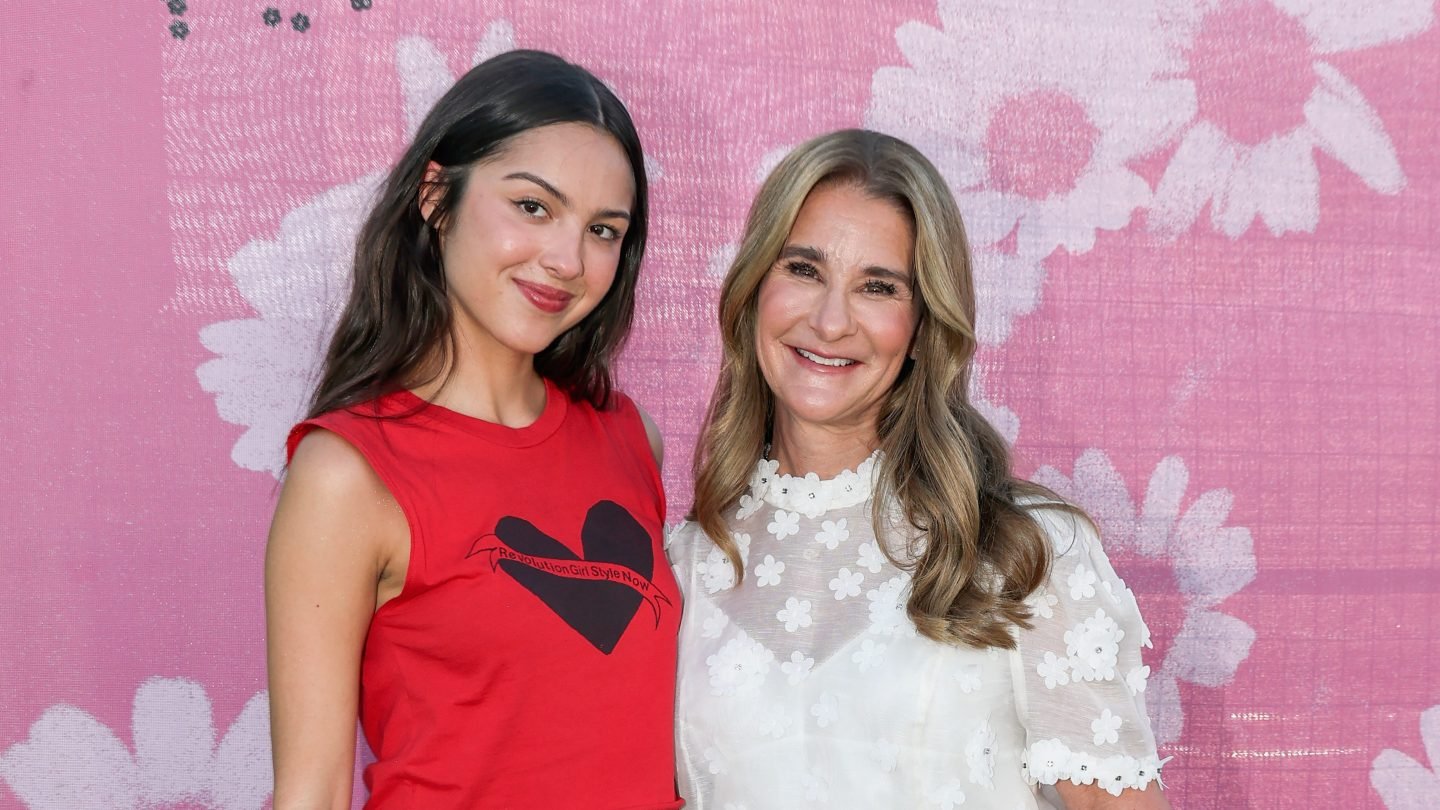
    After Olivia Rodrigo announced Friday that Daisy Chain Fields had raised $10 million for women-focused nonprofits, Melinda French Gates has doubled that number, totaling the donation to $20 million.

    Before her headlining set Saturday night, the “drop dead” singer took the stage to thank all of the musicians who took part in the festival. She began, “The fact that they took the time out of their insanely busy schedules to come and do this festival for free is something I’m so grateful for. Because of that, and because of all of you who came to hang out today, I can stand on the stage and say we are donating $10 million to 10 incredible charities.”

    “I really believe that giving women the tools to decide their own futures and live healthy lives free of violence and discrimination is the most effective tool we have at changing the world for the better,” she began, before introducing French Gates and her donation. “And I don’t know many people who represent that idea more than Melinda French Gates.”

    “Melinda is one of the most inspiring women I’ve ever met. She’s devoted her life to empowering women and girls that might have otherwise been forgotten,” Rodrigo said. “She’s generous and brave and has done so much good in this world, and I’m totally floored because as well as being in attendance here tonight, she’s pledged to double every dollar that we made here today to a grand total of funds being donated to $20 million. I’m so grateful!”

    The 10 beneficiary organizations, which will equally split the total funds raised, are Baby2Baby, Black Mamas Matter Alliance, Center for Reproductive Rights, FreeFrom, Jhpiego, Johns Hopkins Center for Indigenous Health, National Domestic Workers Alliance, National Institute for Reproductive Health, National Women’s Law Center and Planned Parenthood.

    2026 marked the first year of Rodrigo’s Daisy Chain Fields after being announced in June. At a Friday press conference ahead of the weekend, the singer announced that $10 million had been raised for its nonprofit partners.

    “The organizations we’ve partnered with are doing incredibly important work every single day in the U.S. and globally,” Rodrigo said. “I’m so grateful to every person who bought a ticket, every artist who waived their fee, every sponsor for signing onto a brand new festival and every donation that helped get to $10 million dollars to support women and girls.”

    Alongside Rodrigo, performers included Chappell Roan, Mitski, Doechii, Bikini Kill, the Breeders, Garbage, Eli, Quiet Light, Rachel Chinouriri, Devon Again and Not For Radio. Stevie Nicks, Karen O and Lilith Fair founder Sarah McLachlan served as special guests. Katseye was originally announced as part of the performance lineup, but dropped out on Thursday due to an injury sustained by member Megan.

    Nicole Fell contributed to this report.

  • Owner of ‘Heated Rivalry’ Cabin Needed to Do Some ‘Soul Searching’ Before Inviting the Show Back for Season 2

    Owner of ‘Heated Rivalry’ Cabin Needed to Do Some ‘Soul Searching’ Before Inviting the Show Back for Season 2

    Michael Kutryk, the owner of the now-famous cabin featured in “Heated Rivalry” Season 1, said he needed to do some “soul searching” before allowing the HBO production to come back for Season 2.

    “I did a little bit of soul searching about allowing them to come back,” Kutryk told HGTV. “I know they need it, and I realize I [could] be difficult and try to squeeze them, but I [couldn’t] bring myself to do that.”

    He continued, “When they called, they said, ‘How much do you want?’ First, I told them they scratched my table, then I named a very reasonable price. They were shocked and appreciative. I actually didn’t even get them to replace my table.”

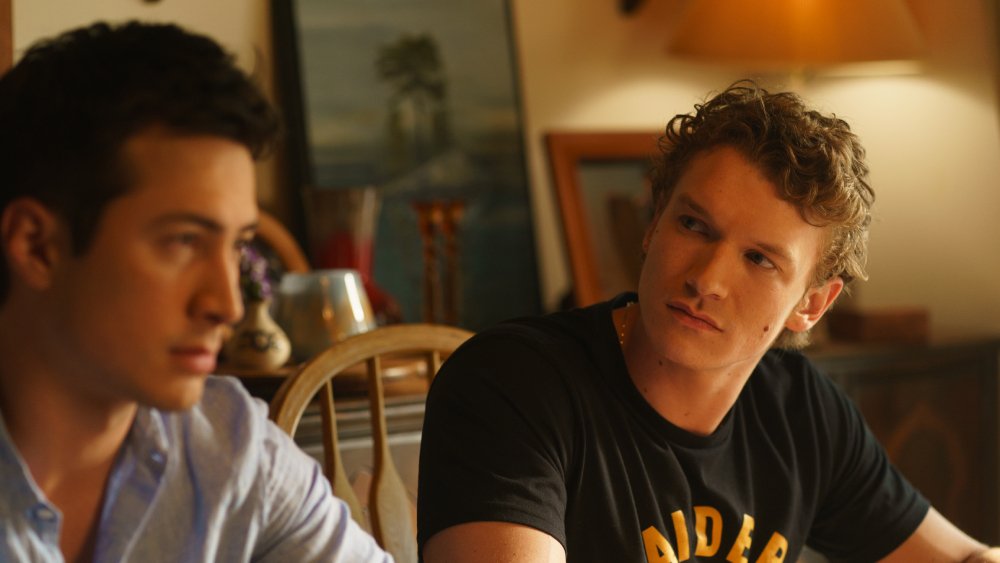
    Kutryk’s house was featured in the “Heated Rivalry” Season 1 finale, titled “The Cottage,” in which Shane Hollander (Hudson Williams) brings Ilya Rozanov (Connor Storrie) to his remote family cabin for a private getaway. Kutryk, a Toronto doctor, said he was shocked when he first listened to Rachel Reid’s “Game Changer,” on which the show is based, on audiobook.

    “My jaw just dropped as I listened. The pretty explicit nature of the book made me wonder just what they’d be filming … and showing!” Kutryk said. “I just thought, OK, they’re gonna film what they’re gonna film. What’s done is done.”

    “We’ll see after Season 2 airs what demand is like,” he added. “It’s still true: I’m a private guy. This is my retreat. I built this to get away from the world, so I don’t know how much longer I’ll continue to share it.”

    “Heated Rivalry” Season 2, which was greenlit in December 2025, is expected to release in April 2027. The HBO Max and Crave series follows up-and-coming professional hockey stars Shane Hollander and Ilya Rozanov, who maintain a facade as fierce competitors on the ice while engaging in a secret romance.

  • Harry Styles Pokes Fun at Ex Taylor Swift’s Wedding During Madison Square Garden Show

    Harry Styles Pokes Fun at Ex Taylor Swift’s Wedding During Madison Square Garden Show

    On the opening night of his 30-concert residency at Madison Square Garden, pop superstar Harry Styles paid tribute to the late, great Dolly Parton. And at the tail end of Saturday night’s show, he shouted out his ex-girlfriend Taylor Swift’s wedding to Travis Kelce.

    “We’re at Madison Square Garden, home of the world champion New York Knicks!” Styles announced to loud applause, before adding, “And they also do weddings.”

    Styles famously dated Swift from November 2012 to January 2013 and served as the inspiration for Swift’s chart-topping 2014 song “Style.” According to Variety, Styles even “received an invitation” to Swift’s wedding to NFL star Travis Kelce on July 3 at Madison Square Garden, but sources said that “Styles is currently on tour and will not make it to MSG.” However, Styles’ fiancé, Zoe Kravitz, did end up attending the Swift-Kelce mega-wedding.

    There appears to be no bad blood between the two exes. Styles even gave a cheeky nod to Swift’s wedding during his record-breaking Wembley residency on July 3, performing his 2017 song “Two Ghosts,” which is believed to be his response to her tune “Style,” as he sings: “Same lips red, same eyes blue / Same white shirt, couple more tattoos.”

  • Kraken Users Briefly Locked Out After Sanctioned-Transaction Flood

    Kraken Users Briefly Locked Out After Sanctioned-Transaction Flood

    Kraken users were briefly locked out after the exchange dealt with a flood of sanctioned crypto transactions, according to CoinDesk. The incident links an access disruption to compliance activity, highlighting the operational strain that can arise when an exchange must process a large volume of transactions associated with restricted entities or addresses.

    A Compliance-Driven Disruption

    A temporary lockout is different from a confirmed loss of customer funds, and the available report does not establish that user balances were permanently affected. The immediate issue was access while Kraken handled the transaction flow and its associated sanctions controls.

    Why Sanctions Screening Affects Availability

    Crypto exchanges screen deposits and withdrawals against sanctions lists and other risk signals. A sudden burst of flagged activity can require manual review, system throttling or account restrictions. Those controls are designed to limit prohibited activity, but they can also interrupt legitimate users when systems are under pressure.

    The Questions for Kraken

    The important follow-up points are how long the disruption lasted, how many accounts were affected, and what controls Kraken will change to prevent a repeat. Exchanges must balance rapid access with legal obligations, and a short incident can still expose weaknesses in monitoring, communication or capacity planning.

    For context, BlockchainReporter has previously examined how institutional financial systems are testing blockchain settlement in earlier coverage. The new development remains specific to this event and does not establish a broader market outcome.

  • Deribit moved 90% of client assets to Coinbase, then killed its daily proof-of-reserves check

    Deribit moved 90% of client assets to Coinbase, then killed its daily proof-of-reserves check

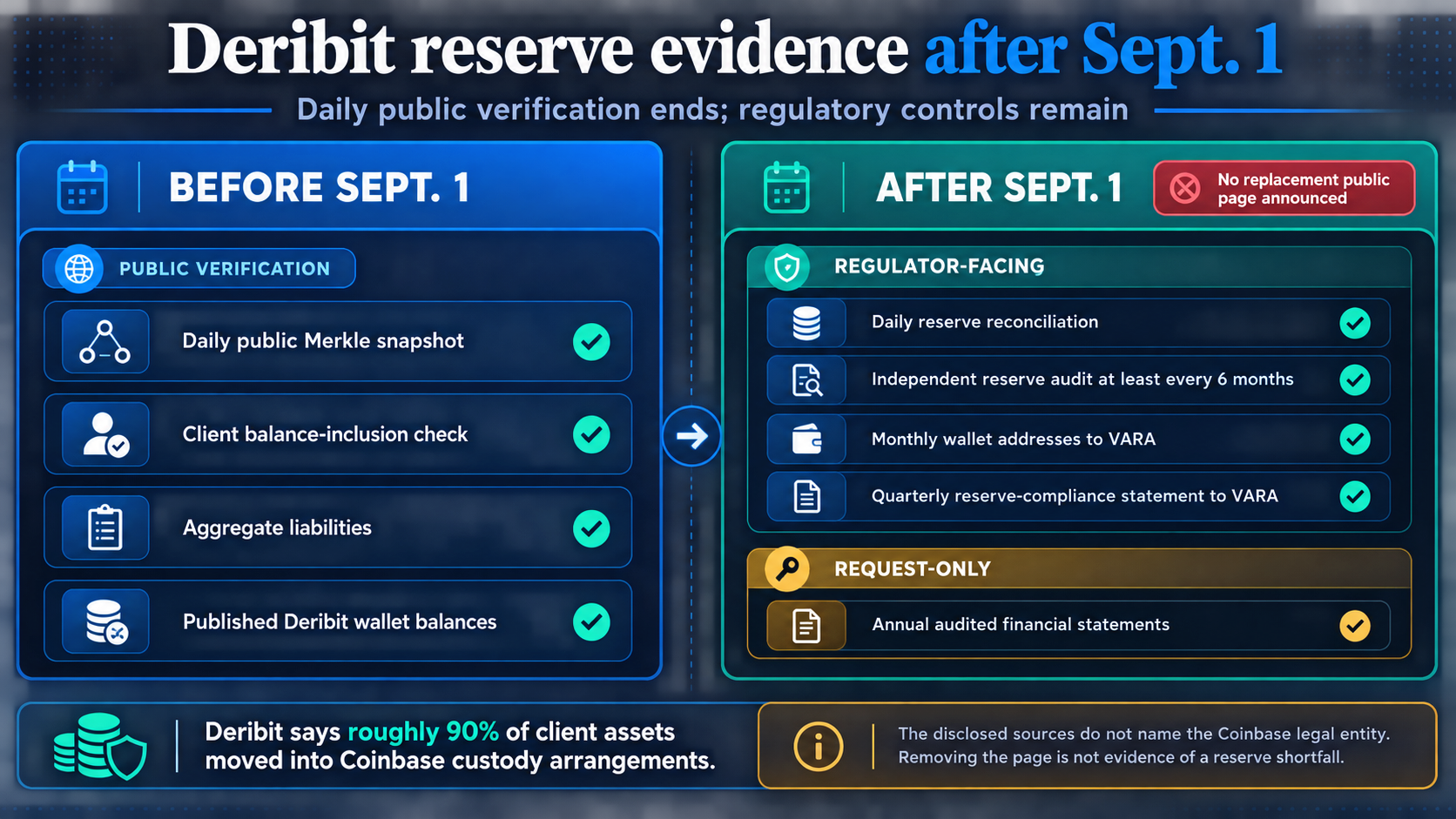
    Deribit will remove its public Proof of Reserves page on Sept. 1, ending a daily check customers could use to verify balance inclusion and compare aggregate liabilities with published wallet holdings. Regulator-required reserve, reconciliation and audit controls will remain, but they do not provide the same daily public visibility.

    The exchange said the change reflects a wallet infrastructure overhaul during its integration with Coinbase. Deribit said roughly 90% of client assets have moved into Coinbase custody arrangements since Coinbase acquired the derivatives platform in August 2025. Its disclosures name Coinbase at the brand level but do not identify the specific Coinbase legal entity holding the migrated assets.

    Related Reading

    Coinbase’s 30-minute Deribit switch will force-settle and rebuild institutional positions

    Deribit’s existing system uses a privacy-preserving binary Merkle tree and a daily snapshot. Each client can use a unique proof identifier to find the hashed entries representing their balances, while anyone can sum the file’s liabilities and compare the total with wallet balances published by Deribit.

    The public snapshot was already narrower than Deribit’s full custody footprint. Its methodology says assets held with third-party custodians are excluded because they are outside Deribit’s direct control, naming Copper ClearLoop as an example. It

    The removal does not cancel the obligations applying to Deribit FZE. Dubai’s Virtual Assets Regulatory Authority requires covered virtual asset service providers to maintain reserves equal to 100% of client liabilities, hold them one-to-one in the same asset, reconcile them daily and obtain an independent third-party reserve audit at least every six months.

    Deribit’s notice refers both to annual and twice-yearly Proof of Reserves audits. The VARA rule sets the reserve-audit minimum at once every six months. A separate VARA provision requires an annual financial-statement audit and says the annual report must be available to clients and the regulator on request.

    Other evidence is regulator-facing rather than public. Covered firms must submit wallet addresses monthly and statements demonstrating compliance with financial requirements, including reserve assets, quarterly to VARA.

    VARA’s register lists Deribit FZE as an active exchange and broker-dealer VASP. Its membership terms allow assets to be held directly or through third-party custodians while requiring segregation from company assets and preserving clients’ legal title. A separate service-provider list names Coinbase for custody and self-custody technology without specifying the Coinbase entity.

    The page’s removal is not evidence of a reserve shortfall. It is a reduction in what customers can test for themselves each day, leaving controls and reports that are less public, less frequent or available only on request.

  • A $1.1 million crypto card hack crashed a neobank’s token 49%

    A $1.1 million crypto card hack crashed a neobank’s token 49%

    A vulnerability in an outdated Rain card contract drained roughly $1.1 million across several Solana-based programs, including $500,800 from 1,685 Avici users, sending the neobank’s AVICI token down as much as 49%.

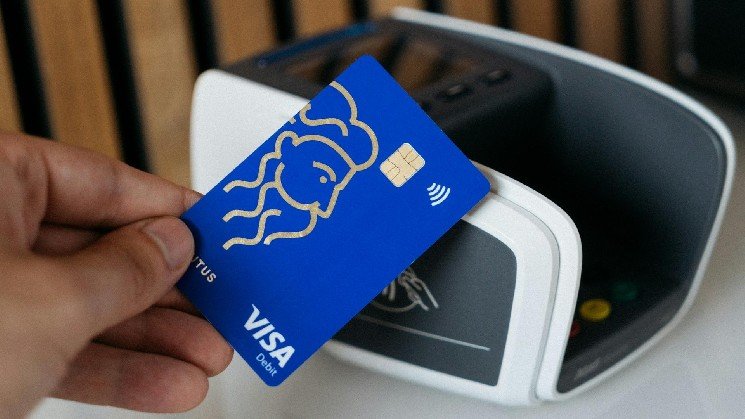
    AVICI — a self-custodial neobank that enables users to spend their crypto via a Visa-integrated credit card — fell from a 24-hour high of $0.43 to a record low of $0.217 before recovering to around $0.378 at the time of writing.

    Tria, another crypto neobank, reported that 636 users were affected, resulting in losses totaling more than $430,000. It vowed to repay users in full, even as its token plunged by more than 10% at one point.

    Avici said the attack was confined to a Solana contract holding funds after customers topped up their cards. Its self-custodial wallets on Solana and Ethereum-compatible networks were not affected, and the company said every affected card balance would be refunded.

    Rain said its monitoring identified the vulnerability in an outdated contract version used by Avici and a small number of other programs. It upgraded every program running that version and reported no further unauthorized activity.