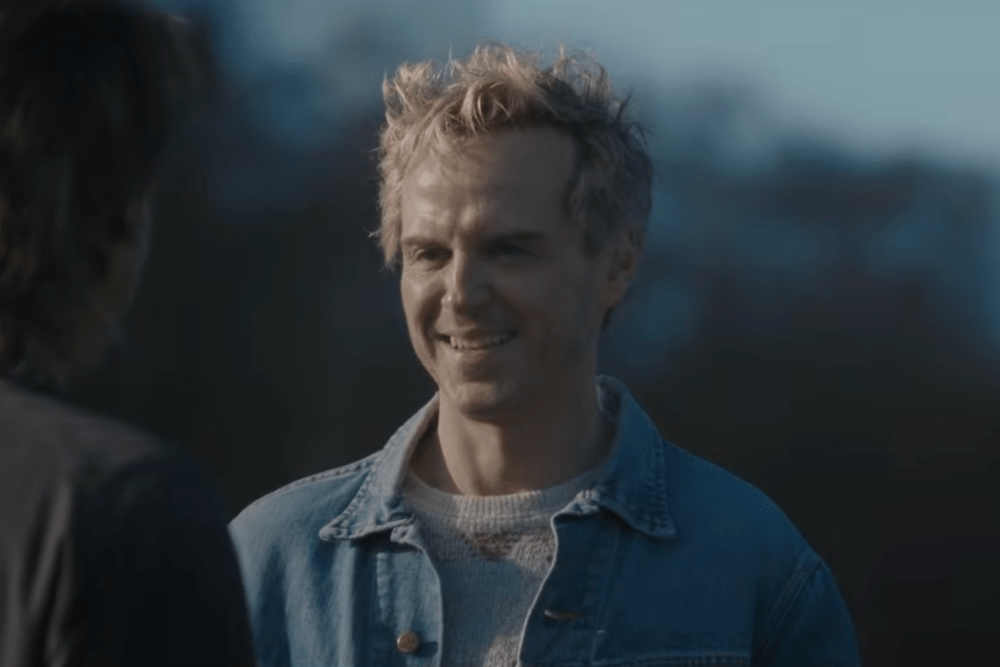
Focus Features has released the trailer for “Elsinore,” the Andrew Scott-led drama from director Simon Stone. The film will be released in theaters on Nov. 20.
Written by Stephen Beresford, “Elsinore” is the “deeply emotional and inspirational true story of Ian Charleson, a gifted actor whose greatest challenge becomes his greatest triumph,” per the official synopsis. “Facing his own mortality with unflinching honesty, wit, and grace, Charleson delivers a courageous performance that becomes a source of healing and inspiration for those around him.”
The star of “Chariots of Fire,” Charleson had the chance of a lifetime to replace Daniel Day-Lewis as Hamlet in the play at London’s National Theatre when Day-Lewis stopped cold during a performance and walked offstage, never to return to the production. At the time, despite receiving rave reviews, the Scottish actor was succumbing to complications from AIDS. He died seven weeks after bowing out.
“Elsinore” first debuted at the Telluride Film Festival before playing at the Toronto International Film Festival earlier this month, where it won the International People’s Choice Award. Variety’s Owen Gleiberman wrote in his review that Scott makes the film “an indelible journey” and “gives an astonishingly layered and moving performance.”
“Make no mistake, this is the role of Scott’s career and it lands him toward the forefront of a best actor conversation he has been circling for years,” added Variety’s Clayton Davis.
In addition to Scott, the cast includes Olivia Colman, Billie Piper, Johnny Flynn, Luke Thompson, David Dawson, Matthew Beard, Joe Locke, Monica Dolan, Georgie Glen, Sadie Soverall, Adeel Akhtar, Dickie Beau, Kadiff Kirwan, Juliet Stevenson and Peter Mullan.
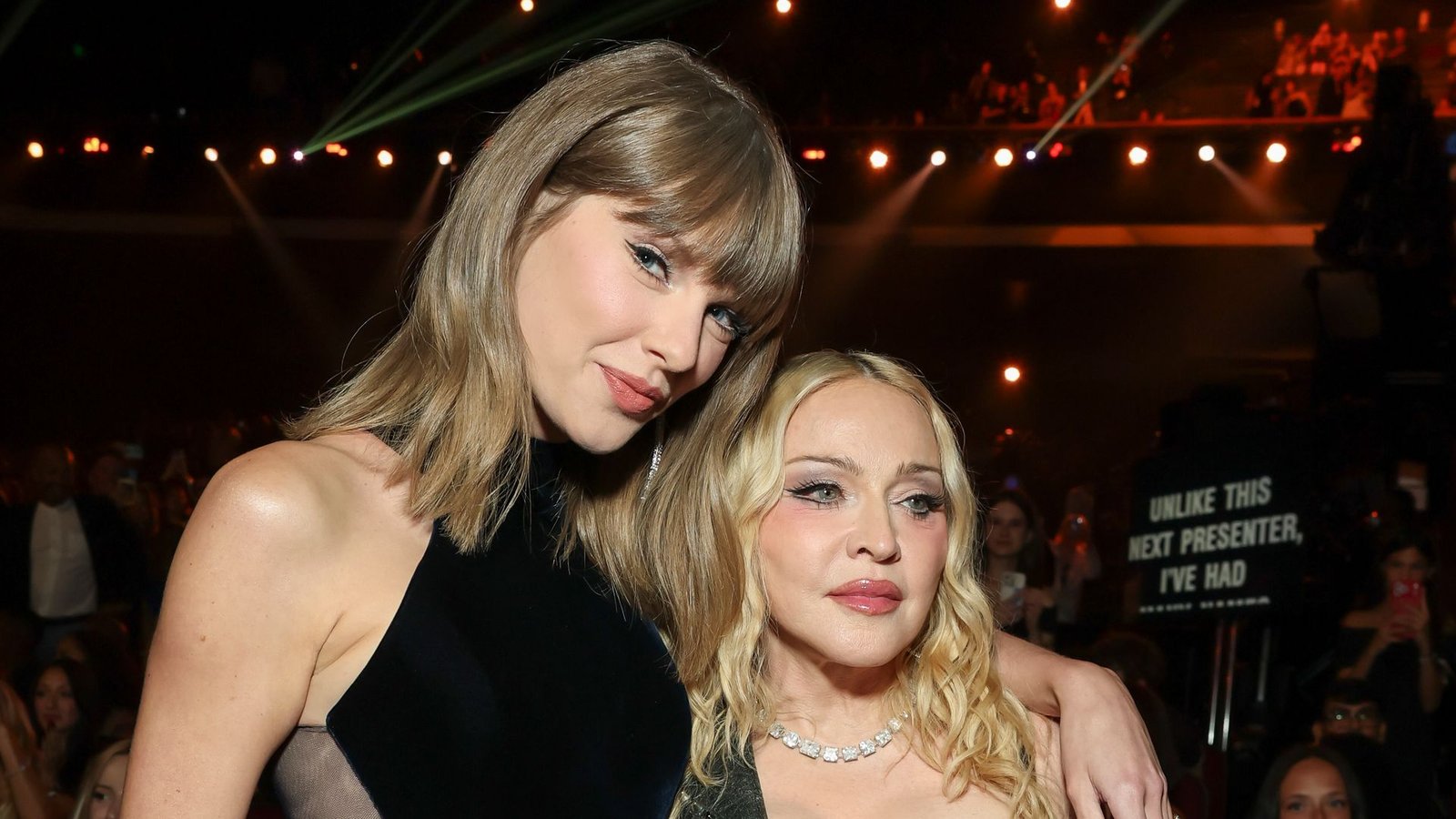
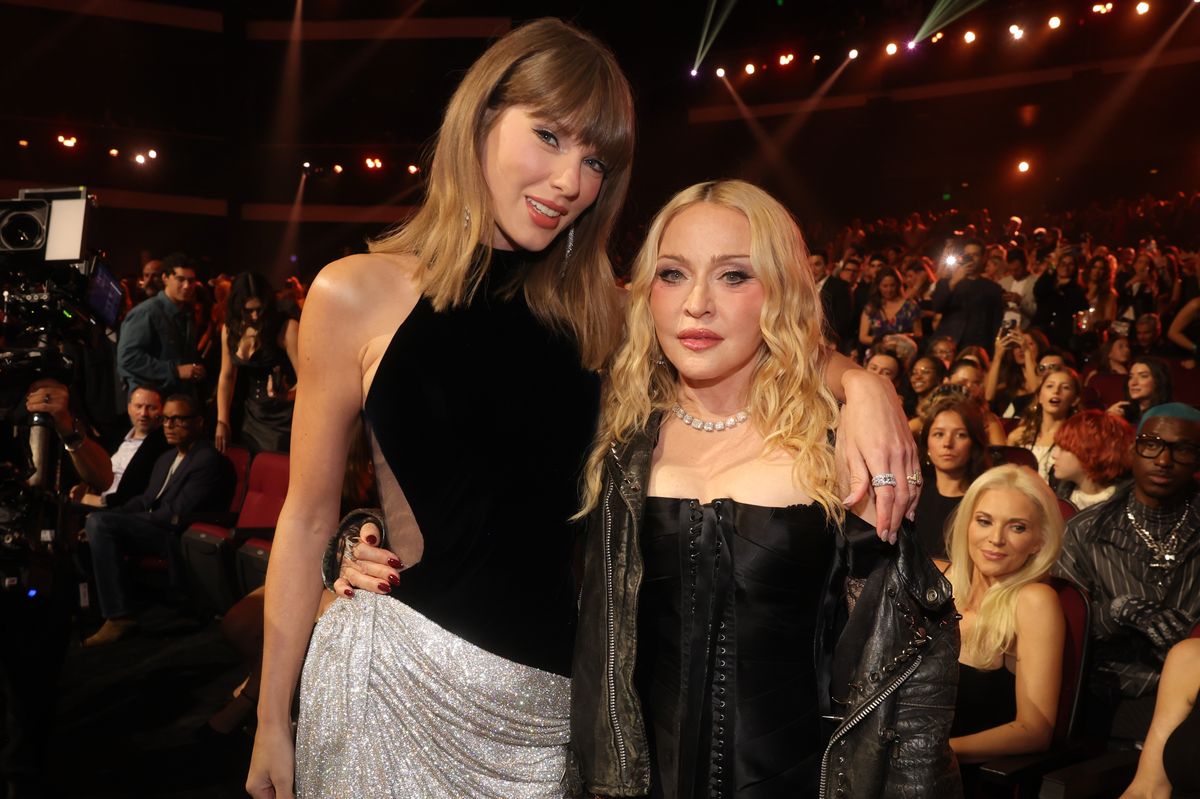
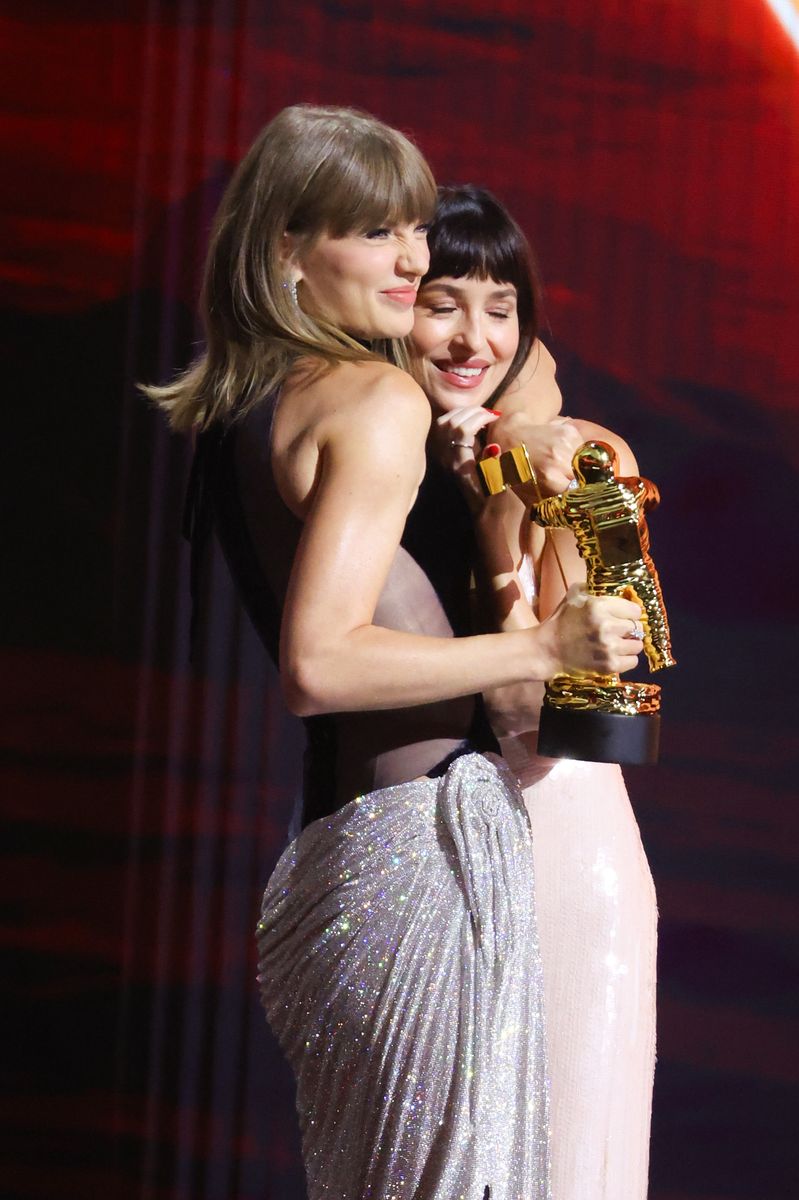
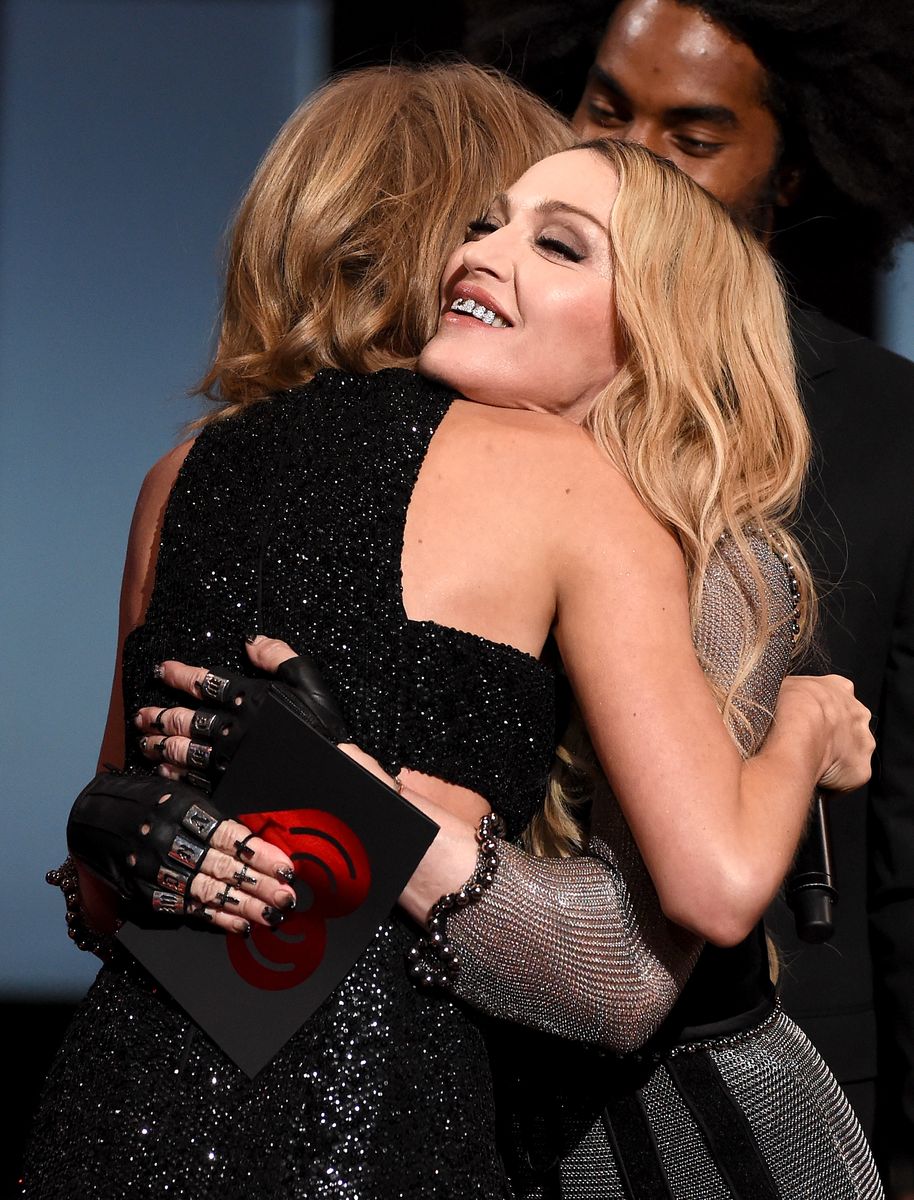
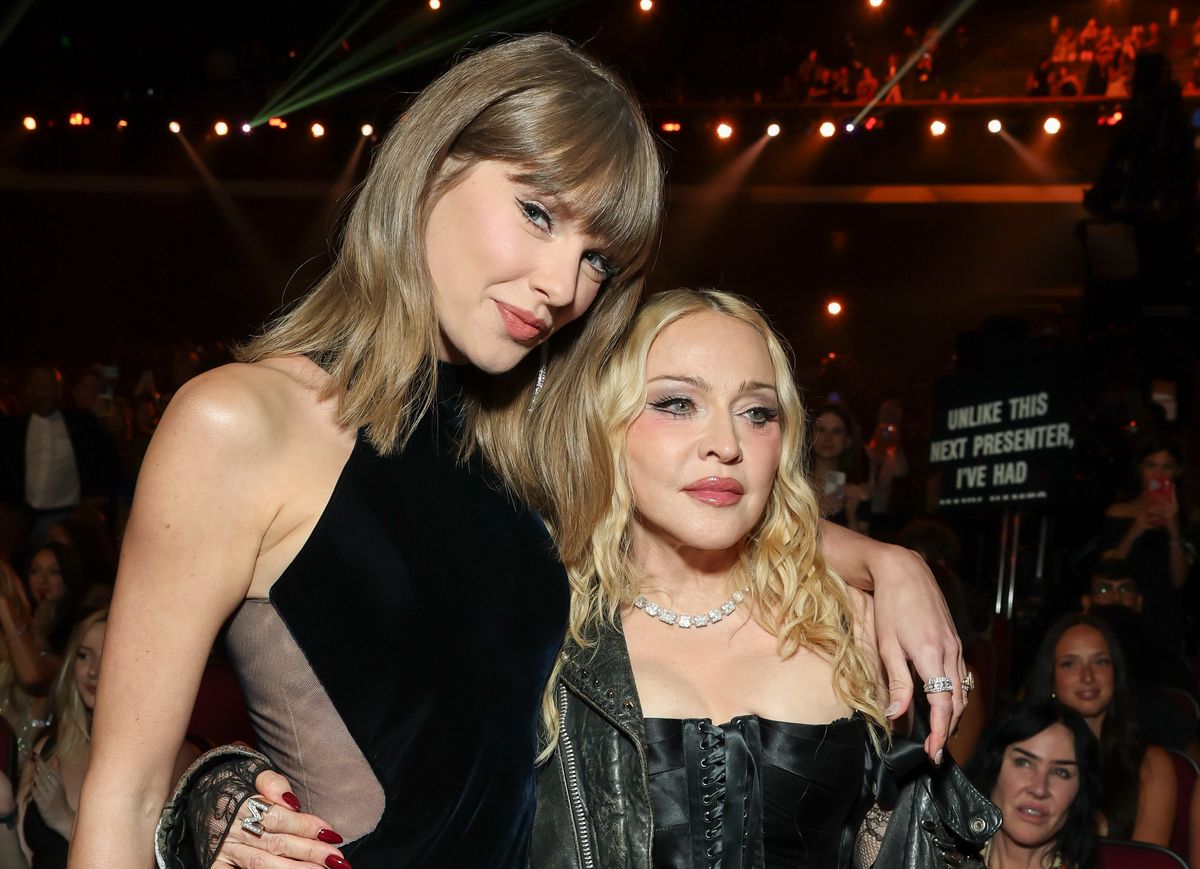
Taylor Swift and Madonna gave pop fans a full-circle moment at the 2026 MTV Video Music Awards. More than 11 years after the two stars memorably shared the stage at the 2015 iHeartRadio Music Awards, Swift and Madonna reunited at the Sept. 27 VMAs at the Peacock Theater in Los Angeles. This time, their interaction happened away from the main stage, with cameras capturing the two music powerhouses embracing and talking during a night when both were collecting major honors.
Madonna and Swift entered the 2026 ceremony as two of the night’s most prominent nominees, and both left with significant additions to their already historic VMA careers.
Taylor Swift and Madonna at The 2026 MTV Video Music Awards (VMAs) on Sunday, September 27, 2026
Taylor Swift and Madonna’s 2026 MTV VMAs Reunion
Madonna, 68, opened the ceremony with her first live VMAs performance in 23 years, marking her return to a stage she helped define, beginning with her famous “Like a Virgin” performance at the inaugural VMAs in 1984. Her 2026 opening number included Sabrina Carpenter and Charli XCX and featured music from her album Confessions II.
You may also like
Continue reading
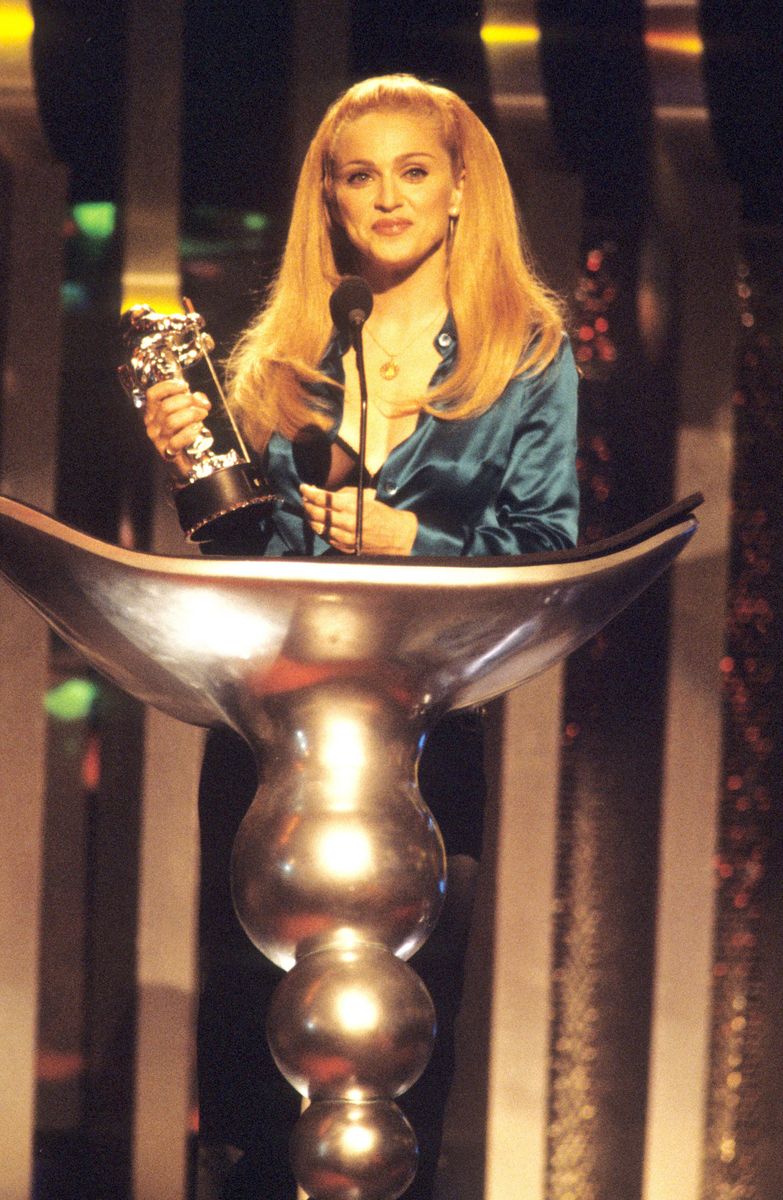
She also had a huge night in the awards department. Madonna won seven VMAs, including Artist of the Year and Best Dance for Confessions II: The Film.
While accepting Artist of the Year, Madonna looked back at the beginning of her MTV history. “I think most of you were probably not yet born,” she told the audience while recalling her 1984 “Like a Virgin” performance.
Madonna also reflected on her recent creative chapter, telling the audience, “I spent the last year and a half finding myself, believing in myself and really making the music that I wanted to make.” She ended with a message encouraging others to “find yourself and believe in yourself.”
Swift, 36, was having her own history-making night.
She received the first-ever MTV VMA Artist Director Honors, created to recognize artists whose work behind the camera has advanced music-video storytelling. The award celebrated Swift’s increasingly hands-on role as a filmmaker and director.
Taylor Swift and Dakota Johnson onstage as Swift accepts the Artist Director Honors at 2026 MTV Video Music Awards
“The main reason I love writing and directing music videos so much is because you, the fans, make it so much, so much fun,” Swift said during her acceptance speech. “You actually care about what we’re making.”
Madonna Praised Taylor Swift Long Before Their 2026 Reunion
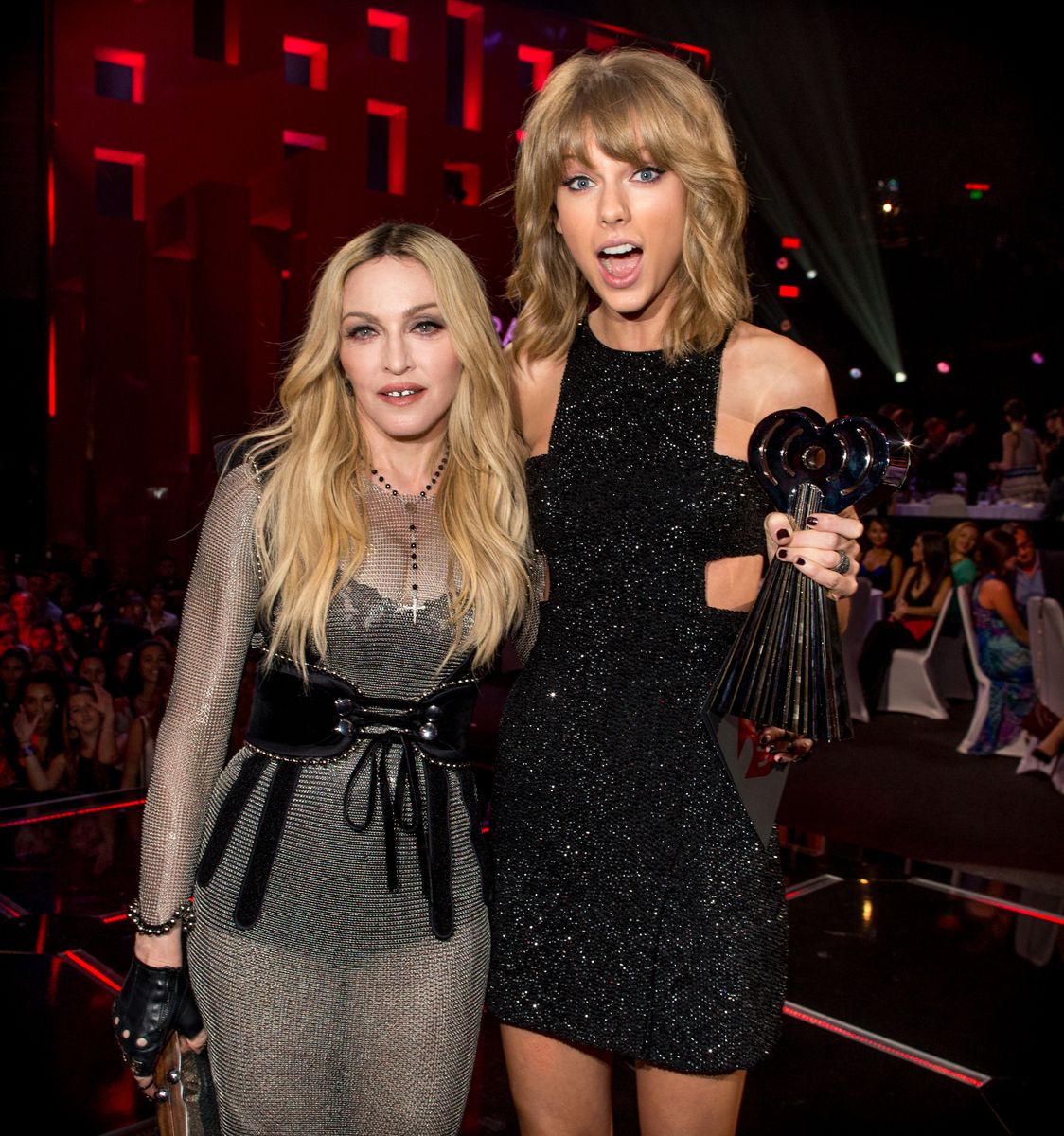
The connection between the two artists became public in early 2015, when Madonna praised Swift’s songwriting. “I like Taylor Swift. I think she writes some really catchy pop songs. I can’t get them out of my head,” Madonna said at the time. Swift’s response to receiving approval from one of pop’s defining artists was considerably less restrained: “Thanks, now I’m dead.”
Madonna and Taylor Swift (holding the Song of the Year Award for ‘Shake It Off’) pose at the iHeartRadio Music Awards on March 29, 2015
Swift later explained that she had been nervous about meeting Madonna because of how much the singer meant to her. “Oh my God! I’ve been so scared to meet her because it means so much to me,” Swift said in 2015 after hearing Madonna’s compliments.
Their mutual admiration soon turned into an actual musical collaboration.
Taylor Swift Played Guitar for Madonna’s “Ghosttown”
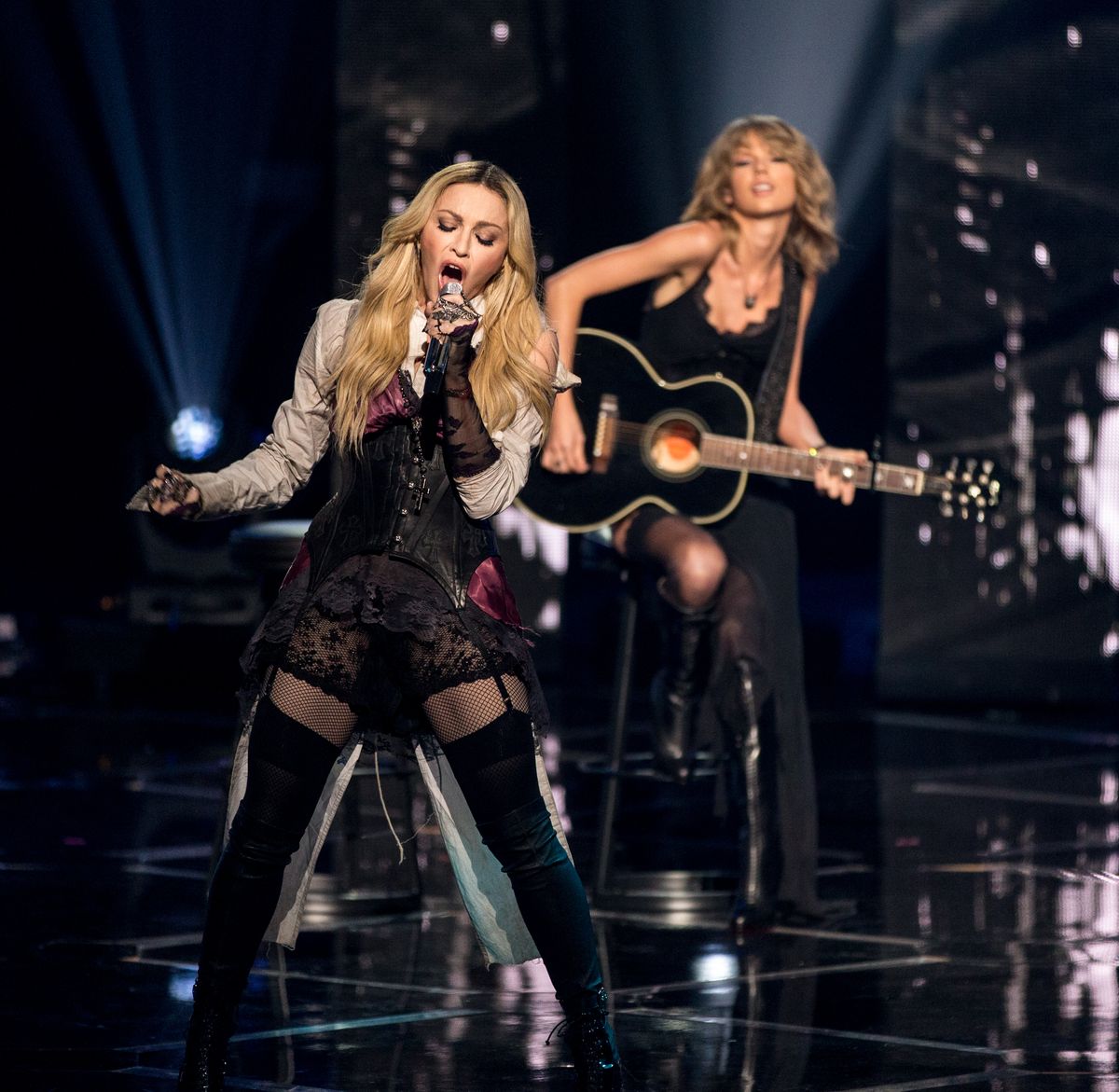
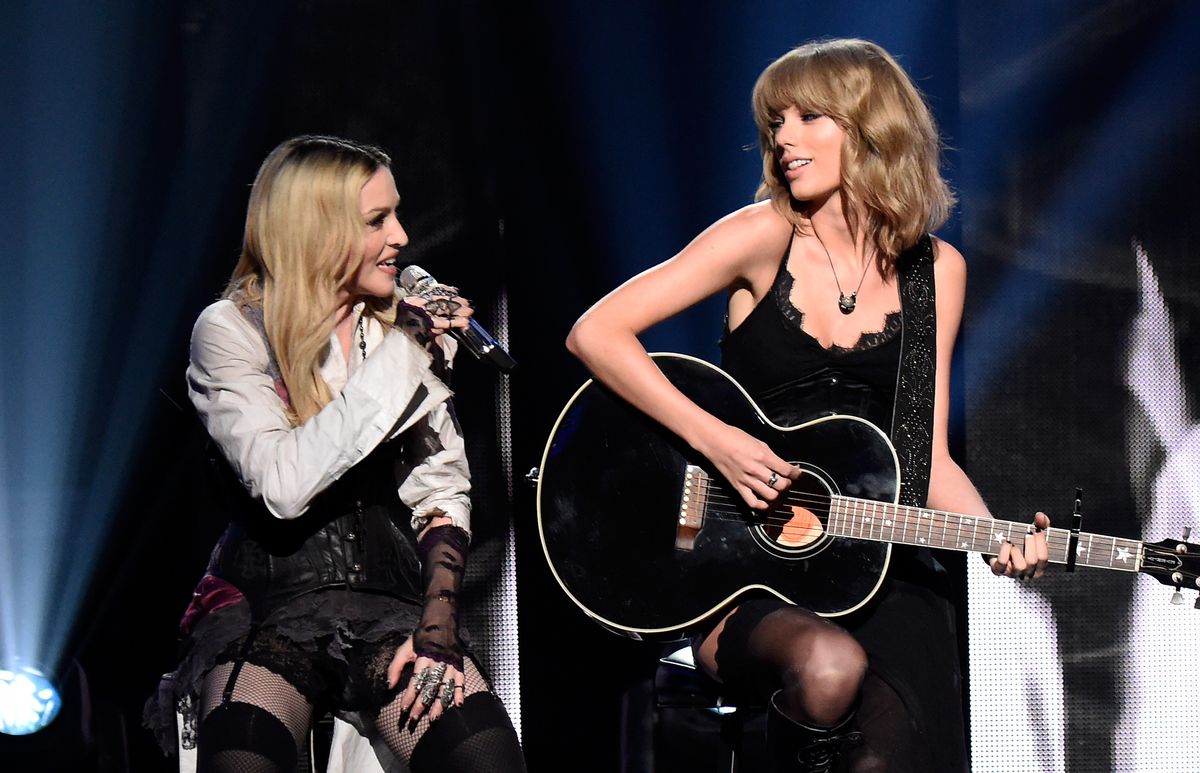
At the March 2015 iHeartRadio Music Awards, Madonna performed “Ghosttown” from her Rebel Heart album with Swift accompanying her on guitar.
Recording artists Madonna and Taylor Swift perform onstage at the iHeartRadio Music Awards
The collaboration was deliberately understated. Swift largely remained on guitar while Madonna handled the vocals. The pair eventually came together toward the end of the performance and embraced before leaving the stage.
Afterward, Madonna called Swift her “new favorite guitar player,” while Swift enthusiastically celebrated the collaboration on social media.
Singer Taylor Swift (L) accepts the Song of the Year award for ‘Shake It Off’ from singer Madonna
Madonna later revealed that they had even discussed another possible collaboration. In a 2015 conversation with Andy Cohen, she said they had planned to “do something together on stage,” but scheduling prevented it from happening. When pressed for details, Madonna declined because, she suggested, the idea could still happen someday.
How Madonna’s Reinvention Connects Her to Taylor Swift
Musically, Madonna and Swift emerged from dramatically different starting points. Madonna’s career was built around dance-pop, club culture, and provocative visual performance, while Swift began as a country singer-songwriter before moving decisively into pop.
But their careers intersect as both have treated musical eras as complete visual identities.
Swift has specifically identified Madonna’s ability to reinvent herself as something she admires. “One element of Madonna’s career that really takes center stage is how many times she’s reinvented herself,” Swift previously told Billboard, adding that she found Madonna’s unpredictability inspiring.
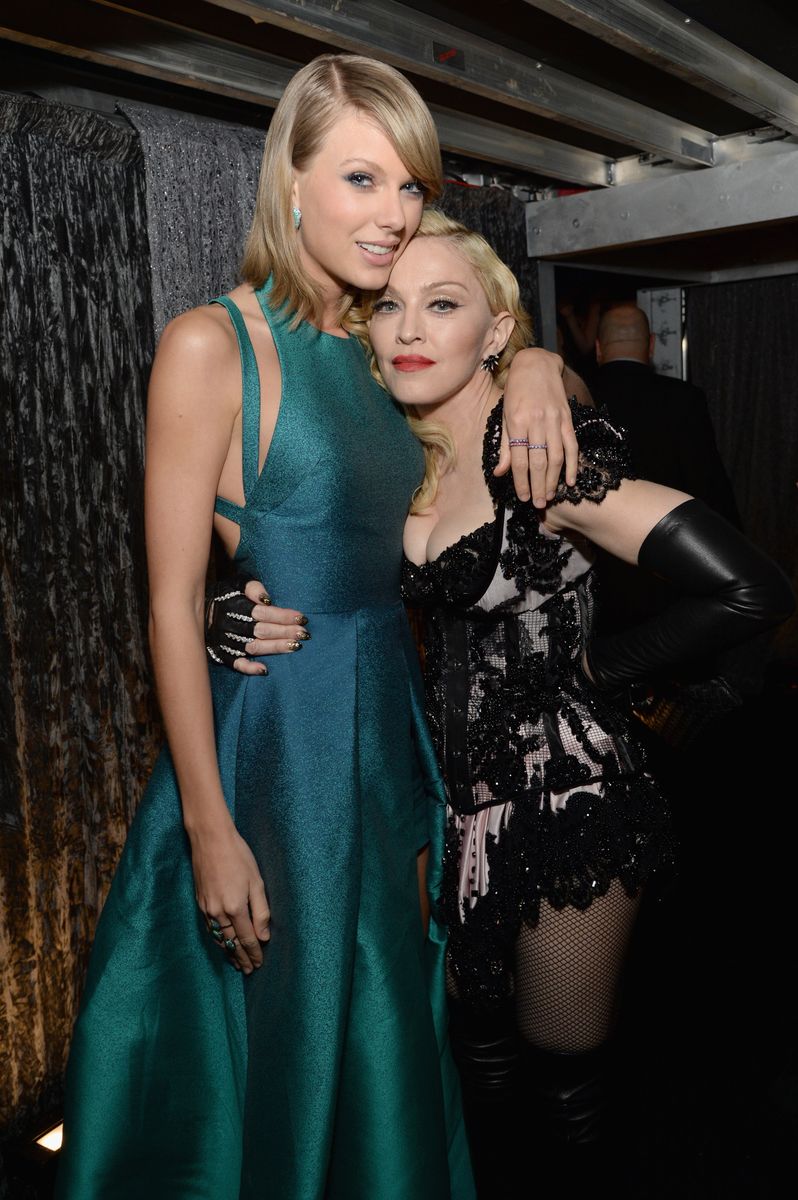
Taylor Swift (L) and Madonna attend The 57th Annual GRAMMY Awards on February 8, 2015 in Los Angeles, California.
Madonna’s career has moved through dramatically different visual and musical periods, from Like a Virgin and True Blue to Ray of Light, Music, Confessions on a Dance Floor and beyond. Swift similarly built her career around distinct album eras, eventually moving from country into mainstream pop and experimenting with alternative, folk-influenced, and highly conceptual pop records.
Both artists have also placed unusual importance on music videos as extensions of their songs. That makes Swift receiving MTV’s first Artist Director Honors on the same night Madonna returned to the VMAs stage especially notable. MTV said the new honor recognizes artists whose directing has expanded music-video storytelling, an area where Madonna’s own career has long been central to pop culture.
Taylor Swift Has Continued Supporting Madonna
Their connection also survived the inevitable attempts to frame major female pop stars as competitors.
When Swift’s “Bad Blood” video and Madonna’s “Bitch I’m Madonna” arrived during the same period in 2015, Swift rejected attempts to turn the releases into a rivalry. “I hated that because Madonna and I have gotten along and been fans of each other and performed together,” Swift said while discussing comparisons between the two women.
Taylor Swift and Madonna at the 2026 MTV Video Music Awards (VMAs), broadcasting live from the Peacock Theater on Sunday, September 27, 2026
Four years later, Swift attended Madonna’s Madame X tour in Brooklyn and publicly praised the production. “Thank you @Madonna for an outstanding show,” Swift wrote, also recognizing Madonna’s dancers, singers, musicians, designers, crew, wardrobe, and glam team before adding that “M” had “gave it EVERYTHING.”
Their 2026 reunion stands out mainly because MTV is central to both artists’ histories. Madonna’s relationship with the VMAs reaches all the way back to the first ceremony in 1984. Her performances, fashion, and music videos helped establish the VMAs as a place where pop stars could turn a television appearance into a cultural event.
Swift’s MTV history came a generation later, but she has similarly used music videos as major pieces of her creative output.
Saylor noted that Strategy also holds $6.02 billion in assets, adding that the company’s dollar-denominated assets could cover current preferred stock dividends and interest payments for approximately 3.8 years.
Ethereum Purchases Continue!
Bitmine, the world’s largest holder of Ethereum, also announced last week that it purchased an additional 17,362 $ETH, bringing its total holdings to 6,001,302 $ETH. According to the announcement, this represents 4.9% of the total circulating $ETH supply.
The official statement also noted that Bitmine’s total assets, including cryptocurrency, cash, marketable securities, and strategic investment assets, have reached $17.2 billion.
This figure includes 6 million $ETH, 213 Bitcoin, $672 million in cash and marketable securities, $180 million worth of Beast Industries shares, and $115 million worth of Eightco Holdings shares.
Bitmine Chairman Tom Lee stated, “Bitmine’s total $ETH holdings have now surpassed 6 million. This is a tremendous achievement, accumulating this total in less than 15 months. We are already seeing the synergies and positive network effects of accumulating almost 5% of the total $ETH supply. Furthermore, we continue to see positive signs that the crypto bull market, which began in late June, is continuing. In our view, institutions are still underinvested in cryptocurrencies, and we anticipate them increasing their positions in the final months of 2026. With just over a week remaining in the third quarter, Ethereum’s superior performance as a macro asset continues to strengthen. Throughout the calendar quarter, $ETH has outperformed other macro assets by 6,728 basis points.”
Solana Procurement Announced Too!
Last week, Nasdaq-listed company DeFi Development Corp. announced it had purchased an additional 47,706 Solana, bringing its total $SOL holdings to 2.54 million. The company also stated that it generated additional $SOL and commission revenue by using its $SOL holdings for staking and operating its own validator.
The advertised launch price is $0.05186. At the current Stage 8 price, a $500 purchase would secure about 94,697 $MT before network or processing fees. At the advertised launch price, that amount would carry a paper value near $4,910.
The broader opportunity is the combination of a Stage 8 entry, public fair-launch development, and a platform built around AI-led creation. Buyers can also follow the project’s public roadmap as it expands its dashboard, memecoin trading tools, news portal, and prediction markets.
For anyone reviewing the best crypto presales, MemeToro offers a straightforward research path. The AI proposes, users verify, funding opens at a fixed rate, and public smart contracts are designed to apply the selected launch conditions.
7 Checks That Help Identify the Best Crypto Presales
The best crypto presales give buyers a way to check the important details before they join. Start with the project’s product, then move to the token structure and the code.
Use these seven checks:
Check the product. Look for a clear platform purpose, not only a marketing slogan. MemeToro is building an AI agent, launchpad, trading tools, prediction markets, and a news portal.
Check the public code. MemeToro has published its FairLaunchEscrow contract work, including Foundry testing. Public code gives buyers a direct view of the planned rules.
Check insider access. MemeToro’s stated model uses fixed-rate rounds with no private allocation tiers. Every participant enters at the same published price.
Check token allocation. $MT has a 1.2 billion supply, with 857,936,900 tokens, or 71%, allocated to the public sale.
Check vesting. Marketing and partner tokens have a stated 24-month vesting schedule, while public-sale tokens are described as claimable at launch.
Check token utility. $MT is designed for platform access, transactions, staking, rewards, and launch-related activity.
Check the official buying route. Use the verified how to buy $MT page instead of links shared in private messages.
These checks make the best crypto presales easier to compare. They also help buyers focus on proof points that can support a project after the presale period ends.
What Is MemeToro and Why Does Its Model Matter?
MemeToro is an open-source memecoin launchpad on $BNB Chain. The platform is designed to help users create, discover, and trade new memecoins through an AI agent and public smart contracts.
The project’s approach is built around a simple flow. The AI agent proposes a token concept using live trend data, users review a launch manifest, and public smart contracts apply the published rules. This gives buyers more information before a launch opens.
$MT is intended to power access across the broader platform. It supports development, premium tools, staking, rewards, launch activity, and future memecoin trading. That gives MemeToro a wider utility story than a token sale built around one short-lived meme.
For buyers searching for the best crypto presales, the key point is repeat use. A platform that brings creators and traders back can create more reasons to use its core token. MemeToro is building for that long-term loop.
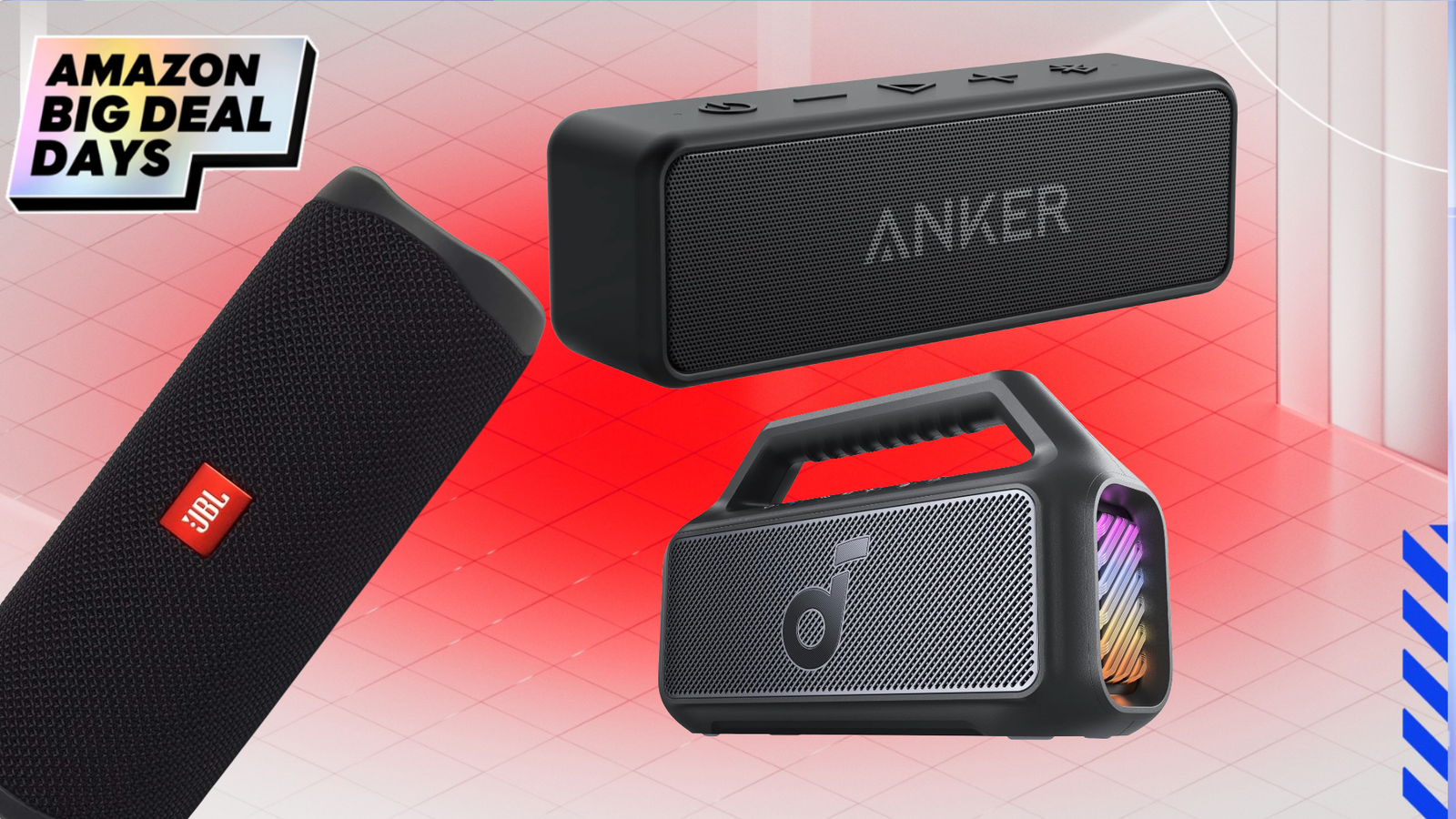
There’s something deeply satisfying about upgrading your sound setup and immediately realizing how flat everything used to sound. Amazon’s Big Deal Days are still a few weeks away, but some of the best Bluetooth speaker discounts clearly didn’t want to wait until Oct. 6.
We’re already seeing solid price drops on everything from compact speakers you can throw in a bag to louder outdoor-ready options built for beach days, backyard hangs, and those one more song moments that somehow turn into an hour. Anker and JBL are leading the early savings, with discounts of up to 33% on some models.
I’ll keep refreshing this guide as more speaker deals and soundbar discounts show up ahead of Prime Big Deal Days. Check out our favorite early picks below, bookmark this page, and come back as Oct. 6 gets closer.
The Soundcore 2 is a tiny speaker that gets a surprising amount right. Dual 6-watt drivers push 12 watts of stereo sound, BassUp gives the low end a little extra kick, and the IPX7 waterproof build means splashes and rain aren’t a crisis. Battery life stretches up to 24 hours, too. Amazon has it down to $29.99 from $44.99, saving you 33%, and that’s a great deal before all the big sale day chaos begins. For more affordable options, PCMag expert Tim Gideon has rounded up the best budget Bluetooth speakers we’ve tested.
If your idea of a portable speaker involves actual bass, the Boom 2 makes a stronger case. Its 80-watt setup includes a dedicated subwoofer, while RGB lighting, IPX7 waterproofing, and a floatable design make it very clearly built for outdoor hangs. Our expert rated the Soundcore Boom 2 “Excellent” in his review for its palpable bass, fun LED lighting, and waterproof, portable design. It’s now $99.99 from $129.99, saving you 23%. Add this to your cart like right about now!
Planning to take your music outside anyway? Our best outdoor speakers roundup has more options built for exactly that.
Soundcore Boom 2 Plus Bluetooth Speaker
Massive stereo sound, heavy bass, fully waterproof, built-in carry handle
The Soundcore Boom 2 Plus is built for anyone who believes backyard parties and beach trips deserve concert-level volume. It pumps out massive stereo sound backed by heavy-hitting bass drivers that you can literally feel vibrating through the sand. Its rugged, waterproof build ensures it laughs off pool splashes and unexpected rain showers, while its integrated handle makes carrying it around effortless.
Our PCMag expert rated it “Excellent” and gave it our Editors’ Choice award for its palpable bass, fun LED lighting, and its waterproof, portable design in his in-depth review. You can get it now for $179.99, which is 28% off its actual price of $249.99. This deal just went boom!
The Ultimate Ears Miniroll proves that you don’t need to carry a bulky speaker to get surprisingly punchy sound on the move. Its clever integrated strap lets you clip it directly onto your backpack, bicycle handlebars, or belt loop in seconds. Despite its tiny, pocket-friendly footprint, it delivers crisp vocals and clear acoustics that easily fill your immediate surroundings. You can check out its in-depth review by our PCMag expert, Christian de Looper, for more details. Right now, it’s available for $41.99, which is a massive 48% discount on its retail value of $79.99. Don’t overthink it.
Ultimate Ears Boom 4 Bluetooth Speaker
360-degree sound, waterproof and floating, durable fabric shell, loud bass
The Ultimate Ears Boom 4 is a legendary outdoor companion that fills every direction with vibrant, immersive audio. Its signature cylindrical design beams balanced 360-degree sound so everyone in the room or around the campfire gets a front-row listening experience. Wrapped in a tough, drop-proof fabric shell that floats and shrugs off water, it is engineered to survive real-world chaos. Get it now for $119.99, that’s 20% lower than its actual price of $149.99, and keep the party rolling.
Recommended by Our Editors
JBL Speaker Early Prime Day Deal
JBL Flip 5 Portable Bluetooth Speaker
Waterproof design, portable build, JBL sound, wireless Bluetooth playback
The JBL Flip 5 keeps things simple: good sound, a compact build, and IPX7 waterproofing so you don’t have to baby it near the pool. It’s easy to toss it into a bag, take it outside, and generally forget that electronics and water usually aren’t friends. Our PCMag expert rated the JBL Flip 5 “Excellent” in his review, praising its strong Bluetooth audio and outdoor-friendly design. Right now, Amazon has it at $89.95 from $100, which is about 10% of savings for us. This is a pretty good excuse to just go for it!
Still figuring out which speaker is best for your needs? Our best wireless and Bluetooth speakers roundup covers everything from tiny travel companions to much louder setups.
Amazon Soundbar Early Prime Day Deals
Amazon Fire TV Soundbar
2.0-channel audio, DTS Virtual, Dolby Audio, Bluetooth connectivity
The Amazon Fire TV Soundbar keeps things simple with a compact 2.0-channel setup, DTS Virtual, Dolby Audio, and Bluetooth for streaming music from your phone. It connects via HDMI ARC/eARC and is designed to work neatly with Fire TV devices, so setup shouldn’t become a whole weekend project. PCMag expert Will Greenwald found the Fire TV Soundbar easy to use, though its audio performance left him wanting more at full price. Amazon currently has it at $99.99 from $119.99, saving you about 17%, which makes the basic setup a little easier to consider.
More Deals on Soundbars
*Deals are selected by our commerce team
Check out our Deals page, where we round up all of the top savings we find for you.
Check if your TV has ARC, eARC, or just an optical connection. Most soundbars work best over HDMI with Audio Return Channel (ARC), while spatial audio requires eARC to function properly.
Choose the right sound system for your space. A full surround setup with rear satellites and a subwoofer is ideal, but not if you can’t place those satellites next to or behind your couch. And, if you live in an apartment, a subwoofer might seriously annoy your neighbors.
Make sure the soundbar fits. If your TV isn’t mounted on the wall, measure the space between the bottom of the screen and the stand it’s on. The soundbar you’re considering might be too tall and could block an inch or two of the screen.
For the best surround sound, look for a Dolby Atmos system with height channels. Dolby Atmos soundbars tend to be more expensive, but upward-firing drivers add a vertical element to your viewing experience, making it much more immersive.
Don’t expect big bass without a subwoofer. Even if a soundbar costs more than $1,000, the nature of acoustics means it won’t be able to really shake your couch or rattle the walls on its own without a separate sub.
Italy’s Fandango Distribution has acquired Sine Plambech’s Rescue for all rights, including theatrical release, The Hollywood Reporter has learned.
Radio Télévision Suisse (RTS) has come on board as a broadcaster, joining pre-sale partners DR, VPRO, SVT and NRK, in deals negotiated by Vienna-based Autlook Filmsales, which handles worldwide sales on the film.
The agreements land as Plambech, serving as president of the documentary competition jury at the 22nd Zurich Film Festival, presents the European premiere of Rescue in the festival’s Now/Future section this week.
Rescue tells the story of Roro, a Yemeni mother of young children fighting to reunite her family after a Mediterranean rescue operation left her separated from her husband and held in captivity in Libya. Filmed with rare access aboard Doctors Without Borders’ Geo Barents, the documentary examines the fallout of Europe’s “externalization” of migration control to North African countries, tracing one woman’s fight for justice, dignity and the right to be seen amid a broken system.
The film is written by Plambech and Janus Metz, and produced by Elk Film’s Andreas Dalsgaard, Sofie Husum Johannesen, and Tereza Šimíková. Troels N’koya Jensen is the cinematographer, with editing by Per K. Kirkegaard and Marion Tuor and music by Uno Helmersson. Running 80 minutes, the film is in Arabic, English and French with English subtitles.
Rescue had its world premiere at TIFF and screens in Zurich’s Now/Future section, which this year features nine films exploring human rights, social conflict and sustainable development. Presented in collaboration with the EurAsia Heart Foundation and Dementia Research Switzerland, the section highlights figures committed to equality and social justice alongside perspectives on ecological, social and economic questions for the future.
Plambech is currently heading up the doc competition jury in Zurich. She is an award-winning director, anthropologist and senior researcher at the Danish Institute for International Studies (DIIS). Among other things, she directed Mission Trafficking (2010, in collaboration with Judith Lansade) and Becky’s Journey (2014), and provided the research foundation for From Thailand to Thy (2008) and From Thy to Thailand (2008), both directed by Janus Metz.
Her major breakthrough, Heartbound (2018), which built upon the two films from 2008, had its world premiere at TIFF, was selected for IDFA, and won the Golden Eye Award for best international documentary at the Zurich Film Festival that year.
When it comes to the top tech deals, don’t forget about Woot. The online site is essentially a deals hub where you can find markdowns on devices from top brands like Apple, Samsung, and Google every single day of the year. Just know that items often sell out quickly. Your best bet is to shop fast and shop smart. Plus, Prime members automatically get free shipping.
Right now, you can take advantage of $750 off a Samsung 7-channel sound system and save $110 on award-winning Anker Soundcore Boom 2 Pro speaker. Plus, pick up a pair of premium Sennheiser HD 800S wired headphones with a $600 discount. The deals don’t stop there: snag a premium Samsung Odyssey OLED G9 ultrawide gaming monitor for $400 less, and get one year of a Nord VPN subscription for under $25.
Let’s take a closer look at the best Woot deals of the week so you can start saving!
Apple iPad Deal
Apple iPad Pro 13-Inch (M4)
1 TB, iPadOS 26, 12MP front/back camera, LiDAR scanner, Wi-Fi 6E, Face ID
Apple’s M4-powered iPad Pro isn’t quite as fast as the latest M5 iPad Pro, but it remains a premium lightweight tablet model for creative professionals. In addition to the stunning OLED screen, it boasts high storage, top cameras, and plenty of power to run high-demand apps like Final Cut Pro, Logic Pro, Photoshop, and more. If you don’t need the absolute latest model, this deal is worth snatching up.
VPN Deal
Nord VPN Standard
1-year digital code for PC, Mac, or mobile. Connect up to 10 devices at once
Boasting an extensive suite of privacy and security features, including advanced encryption, threat detection, and transparent data practices, NordVPN is not only the fastest VPN we’ve tested, but also the best value. It’s essentially a robust privacy ecosystem that uses tools like NordPass for secure password management and NordLocker for file encryption and cloud storage. It’s our Editors’ Choice Pick for VPN, and right now, you can get an entire year’s subscription on sale for just $24.99.
Robot Vacuum Deals
iRobot Roomba Combo 2 + AutoEmpty Dock
With smart navigation, 120-minute run time, washable microfiber mop pad, and iRobot Home App
Save time, energy, and effort with the iRobot Roomba Combo 2. This powerful robot vacuum and mop features a four-stage cleaning system with four suction levels and three mopping levels that’ll clear your floors of any dirt, dust, and stubborn pet hair in one pass. It also empties itself, holding up to 60 days’ worth of dirt. You truly won’t have to lift a finger except for once every two months.
A6Pro Robot Combo
5,000Pa suction, 150-minute run time, voice commands, tangle-free brushroll, 2-year warranty
The A6Pro robot combo might not have a brand name, but it does have all the features you would want in a robot vacuum and mop: strong suction power and water flow, smart mapping with no-go zones, obstacle-avoidance, and the ability to self-empty into a sealed dock. You truly won’t have to lift a finger except for once every 90 days or so.
The sleek and stylish Galaxy Buds 4 Pro are a premium pair of noise-cancelling earbuds, offering a comfortable fit, excellent audio quality, and nifty AI features – and all for under $160 right now. In addition to crisp high-res audio, adaptive ANC technology automatically adjusts the noise cancellation in real time for a strong, smooth, and distraction-free listening experience. Plus, you can access Galaxy’s AI assistant hands-free and take advantage of live translation. We awarded their predecessor, the Galaxy Buds 3 Pro, a rating of “Excellent.” If you’re an Android user, these are a top pick.
Beats Studio Buds
On-ear controls, IPX4 rating, Bluetooth 5.2, support AAC and SBC codecs, multi-mic array
The Beats Studio Buds are a great budget-friendly option for wireless noise-cancelling earbuds. Despite the low price point, they offer similar features to high-end models like Apple AirPods Pro 2, including active noise cancellation, Spatial Audio, and one-touch pairing for iOS and Android devices. The overall audio output is solid with powerful bass and crisp highs, too. As you might expect, the noise cancellation is less impressive, but for the price, it’s a great value.
More Deals on Earbuds
*Deals are selected by our commerce team
Headphone and Headset Deals
Sennheiser HD 800S Wired Headphones
56mm ring radiator transducers, 6.3mm connector, 4.4mm Pentacon balanced cable
The premium Sennheiser HD 800S wired headphones provide a high-end audio experience best suited for home use. When you listen to your music with these, you’ll enjoy a rich, accurate sound signature that projects even the deepest sub-bass content without sacrificing clarity. Plus, the plush, velour earpads are exceptionally comfy with an open, circumaural design that creates a wide, spatial feel. Serious audiophiles will want to take advantage of this $600 discount before it’s gone.
Razer BlackShark V2 Pro Wireless Xbox Gaming Headset
70-hour battery, 50mm drivers, noise-isolating earcups, wideband mic, works with Microsoft 10+
Per our expert reviewer, Will Greenwald, the Razer BlackShark V2 Pro “offers all of the benefits of the wired BlackShark V2, like strong audio performance, an incredibly clear mic, and THX Spatial Audio, plus wireless connectivity.” It easily earned a rating of “Excellent”, and that was at full price. With a 36% discount bringing the price to $69.99, this becomes a clear winner for a PC wireless gaming headset.
Speaker Deals
JBL Charge 5
IP67 rating, 30-watt woofer, 10-watt tweeter, Bluetooth 5.1, Auracast, PartyBoost
Compact and rugged, the JBL Charge 5 produces surprisingly powerful sound for its size with strong bass and high-frequency clarity. At the time of testing, this fully waterproof and dustproof device earned our Editor’s Choice Award. We still recommend it as a solid pick for a Bluetooth speaker you can bring anywhere and everywhere.
JBL Clip 5
Weighs ~0.5 pounds, 12-hour battery, IP67 rating, 7W of power, and USB-C charging
Featuring a built-in carabiner, this fully waterproof (and dust-proof) Bluetooth speaker is super portable and easy to bring on the go. Considering its small size, the Clip 5 produces surprisingly loud and crisp sound, thanks to the powerful driver and passive radiator. The bass is punchy, and you can pair it with other JBL speakers for more robust stereo sound. With a sale price of $49.95, it’s a solid budget-conscious choice if you want to listen to music when you’re out and about. Clip it to your bag, belt, or bike, and get ready to jam out—for less.
Anker Soundcore Boom 2 Pro
140W, IPX68 rating, 20-hour playtime, BassUp technology, built-in USB charging port
When you want big, loud, and powerful sound, pull out the Anker Soundcore Boom 2 Pro. This fully waterproof (and dustproof!) portable outdoor speaker delivers rich audio with strong bass and nine-band EQ. Customizable LED lighting helps create a fun party ambiance. It’s basically the same speaker as our Editors’ Choice-Winning Anker Soundcore Boom Plus 2, only with a slightly more rugged build—it even floats!
More Speaker Deals
*Deals are selected by our commerce team
Sound System Deals
Samsung HW-Q990H/ZC Sound System
7.1.2 ch sound, Wireless Dolby Atmos, Q-Symphony, SpaceFit Sound Pro, Adaptive Sound, Game Pro Mode
The Samsung HW-Q990H/ZC sound system features a powerful soundbar and wireless subwoofer that work together to create rich sound. The wireless soundbar automatically analyzes the environment to calibrate the sound to your space. Plus, the sound system integrates easily with voice assistants and smart devices via Alexa, Chromecast, AirPlay, and more.
Curious how this model compares to other soundbars? Read our reviews for the best soundbars.
In the words of our expert reviewer, Zackery Cuevas, the Samsung Odyssey OLED G9 is “a feast for the eyes and the ultrawide monitor to beat for immersive PC gaming”. It’s slim in design with a dazzling 49-inch screen featuring glare-free technology and automatic brightness control. Both color gamut and color accuracy are exceptional, and it boasts a near-instant 0.03ms GTG response time. While such a premium monitor typically comes a premium price, you can save over $400 right now!
Recommended by Our Editors
Samsung 24-Inch Essential S3 FHD Curved Monitor
FHD 1800R, 60 Hz refresh, Game Mode, Advanced Eye Comfort, HDMI and D-sub Ports
If all you need is basic curved monitor for work or play, then the Samsung Essential S3 delivers. The wide screen is slightly curved to enhance depth perception and minimize peripheral distraction, immersing you in your content. In terms of performance, it’s fast and smooth so you don’t have to put up with lagging or motion blurring. Plus, it features plenty of optimizable game settings.
Security Camera Deal
Ring Outdoor Cam (Stick Up Cam)
130-degree field of view, mounting bracket, Amazon Alexa voice commands
The Ring Outdoor Cam is a completely wireless, battery-powered security camera that’s feature-rich, versatile, and easy to install, earning it our Editor’s Choice Award. It records 1080p HD footage day and night with motion detection, two-way audio, and a built-in siren. There’s no hub required, but you will need a subscription to view previously recorded footage.
Smart TV Deals
Samsung 32-Inch The Frame QLED 4K TV
Pantone-validated color, AI-driven motion and brightness sensors, Samsung Tizen OS
At first glance, the Samsung 32-Inch The Frame QLED 4K TV looks more like a framed work of art than a smart TV. That’s because it’s meant to double as wall art when not in use. It hangs flush against the wall with customizable bezel options and features an anti-glare matte display for showcasing beautiful works of art (such as Monet’s Water Lilies or the famous Mona Lisa). However, it also streams video content and video games beautifully in clear, colorful 4K resolution.
Gaming should be fast and fun, which is why you need this highly responsive gaming keyboard. The Razer BlackWidow V4 Mechanical Gaming Keyboard features light, balanced keystrokes with an extra-durable build, including two layers of sound-dampening foam. You’ll also enjoy the versatility of a multi-function roller and media keys, along with two-sided RGB underglow lighting on each key. It’s also wireless, with the option to quickly cycle through up to three Bluetooth-connected devices.
Microsoft Office Deal
Microsoft Office Home 2024
32-bit or 64-bit installer or offline installation, ODF1.4 support, imports from PDF, records macros
Earning an Editors’ Choice and PCMag’s Best of the Year awards, Microsoft Home Office 2024 is a one-time purchase that gives you lifetime access to Word, Excel, PowerPoint, and OneNote on a single Mac or Windows device (meaning you won’t have to pay for a Microsoft 365 subscription over and over again). The Microsoft Office productivity apps are top-tier, especially with Word being the world’s most powerful word processor and Excel boasting more features and power than Apple’s Numbers. It’s a worthwhile investment if you primarily use one device.
Enjoy added peace of mind regarding your vehicle’s security with the Jzones 4K 3-channel dash cam. On the front, it captures clear 4K footage with a 155-degree lens, while the rear camera records in 1080p with a 130-degree wide-angle lens. Left- and right-side cameras ensure full 360-degree coverage. Since it’s Wi-Fi connected, you can easily access live and recorded footage through the companion app. Plus, it’ll automatically record emergency video and lock the files when it senses scratching or collision damage on the car.
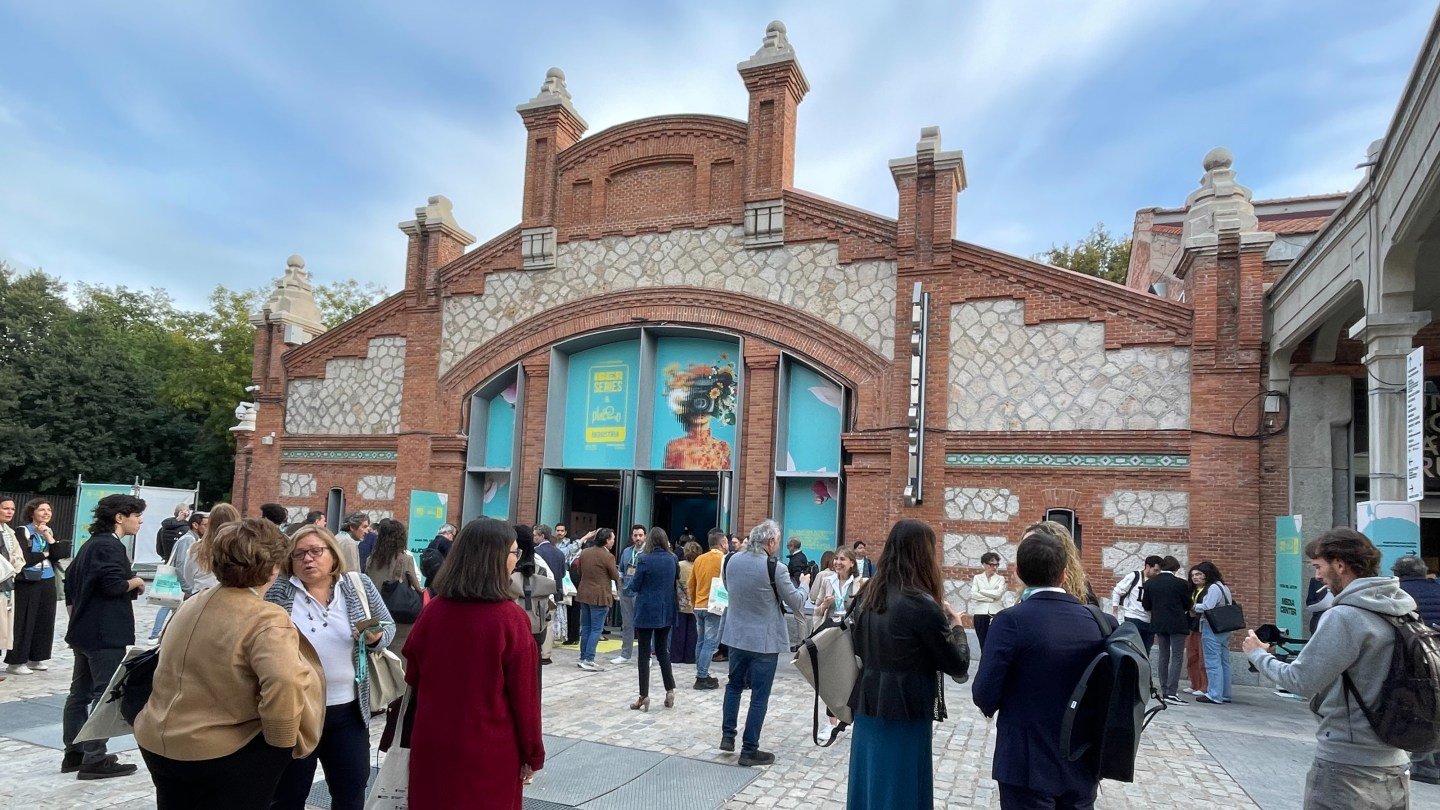
All eyes on Madrid! The Spanish capital and film and TV production hub is bringing together media and entertainment industry folks, including producers, creatives and executives from Europe, Latin America, the U.S. and beyond, to discuss Spanish- and Portuguese-language content opportunities and hot industry topics at the sixth edition of Iberseries & Platino Industria this week.
Organized by the Secuoya Foundation, Spain’s largest rights collection agency EGEDA, and the Ibero-American Federation FIPCA, the big annual event, which runs Tuesday through Friday, will once again feature keynote addresses, panel discussions, screenings, pitching sessions, and social events, along with all sorts of innovations.
AI, microdramas, co-productions, literary adaptations and much more will be in the spotlight during four jam-packed days in Madrid.
Among the many high-profile speakers and panelists at Iberseries are the likes of Katina Medina Mora, who has directed such series as Off Campus, The Summer I Turned Pretty, Emily in Paris and Swagger and such films as LuTo, Luis Fernández, chairman of NBCUniversal Telemundo Enterprises, and Pedro Pina, vp, YouTube EMEA.
THR caught up with Iberseries & Platino Industria co-directors Samuel Castro, head of Iberseries, Juan Alía, head of Platino Industria, and Adriana Castillo, general coordinator of Platino Industria, to preview the 2026 showcase of the Spanish- and Portuguese-language content industry event and what’s different this year.
What’s new for this year’s edition?Could you highlight any new offerings and innovations?
SAMUEL CASTRO This year, we wanted to reinforce our commitment to the industry and further establish Iberseries & Platino Industria as a truly business- and networking-driven event. With this in mind, we have launched two new pitch sessions: Euro Atlantic Series Co-Pro Pitch, focused on European series projects seeking international co-production and financing partners; and the Fundación SGAE Pitch Session, featuring outstanding projects from Spanish-speaking showrunners.
ADRIANA CASTILLO One of the things we have worked on this year is making Iberseries & Platino Industria useful at different stages of a project’s journey. We do not want it to be simply a place where talent comes together; we want it to be a place where talent finds the conditions to grow: financing, partnerships, distribution and real international opportunities.
That has led us to open new doors this year. We created the Literary Works Pitch for Audiovisual Adaptation, strengthened international co-production through the Euro Atlantic Series Co-Pro Pitch and the Co-Production and Financing Forum, and opened spaces to discuss new ways of telling stories, including vertical fiction and microdramas.
For me, the important thing is that these are not isolated activities. We are trying to connect the dots. A creator can arrive with an idea or an IP and meet producers, financiers, platforms, studios, distributors, or potential partners. Ultimately, what we want is to shorten the distance between a good story and the people who can help bring it to life.
JUAN ALÍA I do not think the novelty lies simply in adding more activities. When an edition ends, we sit down to look at what worked, what we can improve and, above all, what the industry is asking of us. This year, we have opened up more avenues for projects to find financing, partners and buyers, and we have broadened the scope with areas such as literary IP and vertical fiction.
For us, the key is usefulness. We want professionals who come to Madrid for four days to have real opportunities to find the content, project, or partner they are looking for. If those meetings lead to synergies, co-productions or new lines of business, then the event is fulfilling its purpose.
Why did it make sense to add the first edition of Euro Atlantic Series Co-Pro Pitch to your already busy program? And Sony Pictures Television’s Elevator Pitch will also return. How successful was that last year?
CASTRO Euro Atlantic Series Co-Pro Pitch was created with the aim of promoting the co-production and international circulation of European fiction, docuseries and animation projects conceived from the outset to travel across territories and connect with global audiences. It is another reflection of the increasingly international scale of Iberseries & Platino Industria, as we continue evolving from an Ibero-American event into a truly global industry platform.
Samuel Castro, co-director Iberseries & Platino Industria
Courtesy of Iberseries & Platino Industria
The selection committee for this first edition also brings together highly respected professionals from the European audiovisual industry, including Laura Miñarro, vp of international business and co-production at Buendía Estudios (Spain), Diego del Pozo, fiction manager at Atresmedia Televisión (Spain), José Fragoso, programming director at RTP1 and RTP Internacional (Portugal), and Georges Huercano, development and co-productions manager at RTL (Belgium).
Can you tell me a bit about why you added the new literary works adaptation pitch event?
CASTILLO It emerged quite naturally from what we had been hearing from the industry. In our conversations with [streaming] platforms, studios and producers, IP comes up again and again. Executives are looking for attractive properties, of course, but above all they are looking for powerful stories, distinctive worlds and characters capable of sustaining an audiovisual life.
At the same time, there is an enormous catalogue of stories in the publishing world, and there is not always a natural space for the publishing and audiovisual sectors to meet, or even to speak the same business language. We saw a clear opportunity to build a bridge between them.
This is not about bringing a book fair to an audiovisual market. It is a curated business space where publishers and literary agencies can present works directly to producers, studios and platforms looking for material to adapt, and then continue those conversations through one-to-one meetings.
Literary IP also brings something extremely valuable to the audiovisual pipeline: narrative development and, in many cases, a story that has already connected with a community of readers. But our interest goes beyond a one-off rights sale. We want to foster longer-term relationships between publishers and producers, help those catalogues circulate internationally and identify stories that can genuinely find a second life on screen.
In that sense, the pitch [event] also reflects something we are seeing across the industry: the search for IP has become much more strategic. It is no longer simply a question of whether a book is well known; it is about whether there is a powerful story there and what can be built from it.
ALÍA In this case, we are not inventing a need; it is something the market has been signalling to us for some time. Platforms and production companies are increasingly looking for IP, while publishers and literary agencies have enormous catalogues of stories. What was missing was a more direct and structured meeting point between the two sectors.
If a publisher or agency leaves Madrid having started a real conversation with a production company, studio or platform, then the pitch has already been useful.
Everybody is talking about AI in the industry. How important a topic will that be at Iberseries? And what other key themes do you expect to be in focus at this year’s edition?
CASTRO AI will have the prominence it deserves, but always from the perspective of understanding it as a regulated tool at the service of creators, technicians and audiovisual production professionals.
Among this year’s activities focused on AI, I would particularly highlight the workshop “Artificial Intelligence for Creators: Enhancing Audiovisual Storytelling,” led by Concepción Díaz, head of AI trainings EMEA at Google, and the conference “AI in Action: New Production Models,” featuring Erik Barmack, founder & CEO of Wild Sheep Content (USA), and Johann Choron, partnerships & Gen AI lead for film & TV at Google EMEA (France).
How is attendance trending this year compared to what I think was a record last year?
CASTRO It is still difficult to give a definitive answer. The industry as a whole is going through a period of some contraction, and companies seem to be taking a more cautious approach. Against this backdrop, we have deliberately chosen to offer a more disruptive and ambitious program this year. I hope that this will encourage even more industry players to join us.
Are there any key new companies or industry sub-sectors coming to the event this year?
CASTILLO Yes, and I think what is particularly interesting this year is not only the arrival of new companies, but also the way different areas of the industry are beginning to connect within Iberseries & Platino Industria.
We are also seeing very interesting models emerging from the meeting point between traditional audiovisual players and digital communities. Disney+ and Luzu TV are a great example. ‘Somos así, la serie de Nadie dice nada’ comes out of an alliance between one of the leading streaming platforms and one of Argentina’s most influential digital communities. A live-streaming phenomenon is being transformed into fiction, and that raises a very interesting question for the industry: how do you take a community with such a strong relationship with its creators and build a fictional universe around it without losing the authenticity that made it successful in the first place?
Adriana Castillo, general coordinator of Platino Industria
Courtesy of Iberseries & Platino Industria
Then there is the increasingly important role of audience intelligence. JustWatch adds another dimension to that conversation with its session on intent-based marketing: how behavioural signals and audience preferences can help us understand not only what people have watched, but what they are looking to watch next, and how that information can be used to make more efficient marketing decisions. Netflix, for example, is participating through different parts of the programme. One of them addresses an increasingly important challenge for the audiovisual industry: how we train the next generation of professionals, how we reduce access gaps in training and how we build a more diverse, equitable talent base with broader territorial reach across Ibero-America.
A panel featuring FORMA, the training initiative promoted by FIPCA [, an intercontinental organization that brings together producer associations and audiovisual companies,] with the support of Netflix, is a good example of the kind of collaboration we want to encourage more and more at Iberseries & Platino Industria: initiatives that not only respond to the needs of today’s productions, but also strengthen the industry over the long term.
The platform is also involved in content presentations, so its presence connects training, industry development and programming.
ALÍA I think what matters is that we are trying to open the scope as widely as possible. Netflix, Disney+, Luzu TV and JustWatch are very different players, but each represents a very specific change taking place in the sector: training and professionalisation, the transition from digital communities to fiction, and the growing importance of audience data in marketing and decision-making.
CASTRO One of our main [goals] this year has been to give the event an even stronger European dimension. We have attracted major companies such as Banijay, Mediawan, Beta, ARTE and RAI, to name just a few. But perhaps even more significant is the growing number of European production companies interested in co-producing with Spain. This is reflected in the participation of leading professionals such as Iris Bucher, Femke Wolting from Submarine and Nathalie Perus from Atlantique Productions, among others.
It is not about adding companies simply for the sake of adding logos. We want the event to be the opportunity the producer or executive has been looking for.
Which Spanish- and Portuguese-language or -produced films and series have highlighted the global appeal of Iberian content?
CASTILLO There are some very clear examples. El Eternauta (series The Eternaut) from Argentina and O Agente Secreto (film The Secret Agent) from Brazil have shown, in very different ways, how stories deeply rooted in a specific place and culture can have an international life and reach new audiences. And I think that is very important: global does not have to mean neutral. Very often, the specificity of a story – its language, its characters, its social context, even its sense of place – is precisely what makes it interesting to other audiences.
This year, we will present Véspera, HBO Max’s new Brazilian original series based on Carla Madeira’s bestselling novel. It is a complex family story, deeply Brazilian in origin, but built around emotions, relationships and moral conflicts that are entirely universal.
For me, Véspera also connects with another conversation we are having this year: the strength of literary IP. It shows how a successful Portuguese-language novel can move into another medium and potentially reach a completely new audience. That circulation between books and screens, between local identity and international audiences, and between Spanish- and Portuguese-speaking territories, is exactly the kind of movement we want to promote through Iberseries & Platino Industria.
ALÍA I think Spanish- and Portuguese-language content no longer has to prove that it can travel. Titles such as El Eternauta and O Agente Secreto make that quite clear: they emerge from very specific cultural realities and yet work internationally.
Juan Alía, co-director of Iberseries & Platino Industria
Courtesy of Iberseries & Platino Industria
That is also why we believe it is important to present titles such as Véspera at Iberseries & Platino Industria. A market should not only look at what has already worked; it should also help upcoming projects find partners, circulate and reach new audiences.
CASTRO Portugal is particularly important to us this year. We have worked closely with APIT and the Portugal Film Commission to bring a delegation of Portuguese producers to the event, including Nicky Correia from SIC, Bruno Lima from Coral Europa, Pandora da Cunha Telles from Ukbar Filmes and Piet-Hein Bakker from Plural Entertainment, among others. Their participation reflects both the strength of Portuguese production and our commitment to strengthening connections between the Portuguese, Spanish and wider international audiovisual industries.
Is there anything else you would like to highlight?
ALÍA Ultimately, what matters to us is that all of this is useful. The number of accredited professionals is important, of course, as is the event’s international character, but the real assessment does not end on 2 October.
What will truly make us happy is to look back in two or three years and see that projects presented here in a pitch, a forum or a meeting have become reality, have reached a cinema, a television channel or a platform and, above all, have reached audiences. If Iberseries & Platino Industria has contributed to that, then we will feel that we have done our job well.
CASTILLO I would certainly highlight Mexico, which is our Country in Focus this year. We were very clear that the objective was to put forward a specific industry proposition.
For several years, the conversation around Mexico has focused on its talent, the size of its market and its production scale. These are already recognised strengths. This year, we want to take the conversation one step further and ask another question: why produce in Mexico today? There are new conditions that make this conversation particularly relevant: incentives, such as [the Tax Incentive for Film and Audiovisual Production] EFICA, production infrastructure, specialised technical services, post-production, film commissions and, of course, a production community with enormous experience in both Mexican and international projects.
That is why there will be a series of activities designed to position Mexico from different angles: its creators and stories, of course, but also its production capacity, its services and its potential to become a partner on international projects.
I think that is the message we want to leave: Mexico has always had stories and talent. What is particularly interesting today is the combination of that creative strength with increasingly competitive conditions for making films and series in the country.
CASTRO There are two highlights I would particularly mention this year. The first is Pedro Pina’s keynote, “YouTube: A Strategic Partner for the Audiovisual Ecosystem,” which will explore YouTube’s increasingly important role within the audiovisual industry.
The second is the Mediawan Spotlight, featuring Elisabeth d’Arvieu, CEO of Mediawan Pictures and chief content officer of Mediawan, which I believe will be another major moment in this year’s program.
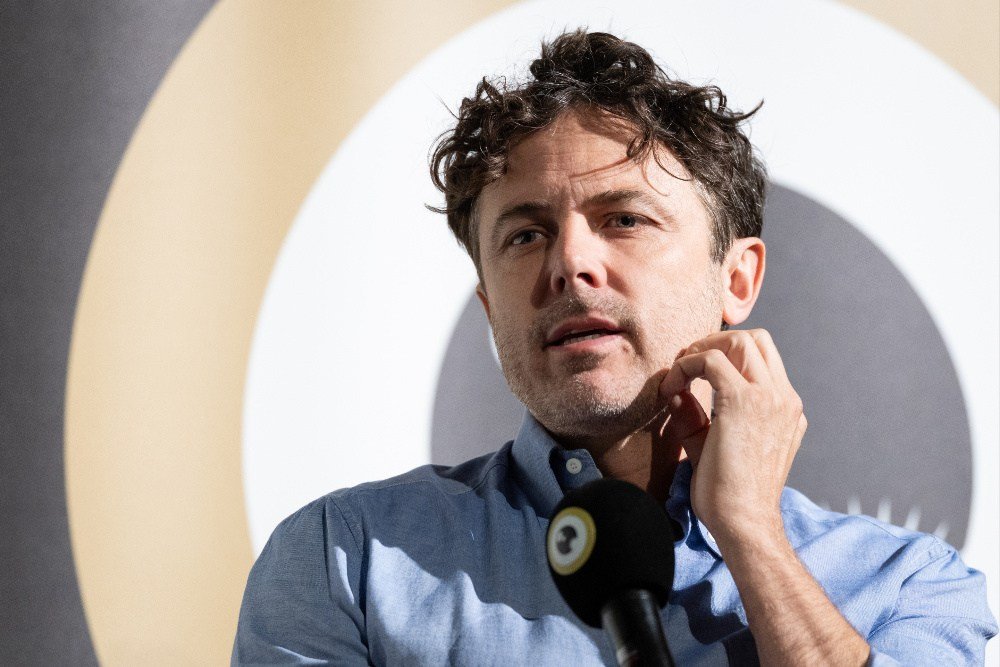
Don’t bother calling Christopher Nolan to ask about his films – Casey Affleck already has, and “it was probably a mistake,” he told the audience during an onstage interview at the Zurich Film Festival on Monday.
“I was driving back from school with my son. We were talking about ‘Tenet’ and disagreeing. I said: ‘Let’s settle that,’” said Affleck. He worked with Nolan on “Oppenheimer” and “Interstellar.”
“We got him on the phone and asked him something that we could have easily looked up on Reddit. Once he said it, it sounded so obvious I felt embarrassed. That was it. I haven’t called him again, and he hasn’t called me.”
“Maybe he will call now and ask me about my movie [‘Company’]: ‘What were you thinking’?!”
Working with Nolan was special, he said. “It was an honor, really. Everyone feels that way. When you are on his set, it’s different from other movies. He’s inclusive, and gives minimal but brilliant directions. He elevates everyone around him.”
Affleck has now directed three films and appreciates Nolan’s approach to work.
“I don’t have a careerist orientation to my thinking, which is not a humble brag. I just wouldn’t know where to start. Nolan is a great example of that. He makes these gigantic, hugely popular, successful movies, but I don’t think he makes things just to please other people. I don’t want to put words in his mouth, but he makes things that interest him.”
“If I can do that, I’d be lucky,” he added.
His brother, Ben Affleck, is another example of “someone who has been very smart about the movies he chooses.”
“Ben’s smart about making his films successful, but he’s not pandering. I know it because I’m there when he says: ‘I have an idea, but I’m not sure if I’m going to like it.’ It’s not: ‘I have an idea, but I am not sure I’ll be able to sell it.’”
It wasn’t the only time Affleck discussed his loved ones during the discussion. His recent anthology, “Company,” stars his mother, partner and sons.
“Neither one of them really wanted to be in it,” he laughed. “Then my son Atticus said: ‘It’s during my spring break, so if you want me to do it, I’ll do it.’ Like he was doing me a favor. Strangely, he took all my directions without arguing, which is not the nature of our relationship.”
Sadly, Affleck’s parents didn’t get to see the film before they passed away. He still dedicated it to them, though.
“I would rather just work with the people I love. I highly recommend it. For many years, I would leave them, shoot the film and miss them. Now, I plan on including my friends and my family as much as possible.”
“Company” also stars Nick Nolte, Ben Mendelsohn, Adelaide Clemens and Scoot McNairy.
“As far as I can tell, Nick is 130 years old. Not because he’s old, but because I don’t remember a time when he wasn’t in movies. He’s still completely committed. We have so many actors in their 20s, 30s and 40s. It’s really nice to see someone portray, so vulnerably, someone at the top end of life.”
Despite its world premiere in Venice, “Company” isn’t finished just yet.
“I thought: Maybe a film festival can be a place where people share their work with the community, get feedback and then finish it? As a director, it’s scary to bring a movie I’m still working on, but there are things I want to change.”
Despite his successes as an actor, Affleck has always been seen as “the outsider.” He was labeled this way in a 2016 Variety cover story as well.
“I remember that. It made me mad,” he said.
“I thought: I will forever be thought of as an outsider, no matter what I do. The public thinks of people one way, and it takes a lot to change that perception. And then I went: Am I crazy? I love that. I don’t want to be ‘an insider’ in Hollywood. It’s not a great culture. I don’t love the films made there or the system.”
He won an Academy Award for Kenneth Lonergan’s “Manchester by the Sea,” but Oscars night itself was a scary experience.
“I was expecting Denzel Washington to win [for ‘Fences’]. It was a terrifying moment to have to stand on that stage. I can’t remember anything I said. But I do remember that I didn’t thank all the people you are supposed to thank. I didn’t thank Kenneth, didn’t thank my kids who encouraged me to make the movie and supported me the whole time. It was mildly traumatic,” he recalled.
“I remember walking off the stage and seeing Leonardo DiCaprio standing in the wings. I was still stuck in a moment of terror and disorientation, and he was just laughing and gave me a big hug. Then I felt better.”
He said: “There’s an illusion of choosing the path you want to be on. The path is choosing you.”
“You have to find your way and make all these mistakes. Make bad movies, take chances and give bad performances, not get the jobs that you wanted and watch other people get jobs that you wanted. The thing about being an actor is that you can take all your hard feelings with you and make something with it. It’s the best part of the job.”