The Witch Head Nebula, officially known as IC 2118, appears to resemble the profile of a witch in deep space (Picture: NASA/JPL-Caltech/Cover Images)
We’re just a few weeks away from Halloween, and Nasa has shared an appropriately spooky sight lurking in deep space.
The eerie image shows a nebula that seems to resemble a witch’s head in profile — and has been given the fitting name ‘Witch Head Nebula’.
Officially known as IC 2118, the ghostly formation lies between the constellations Orion and Eridanus, around 900 light-years from Earth.
Its distinctive silhouette appears to form the profile of a witch, complete with a prominent chin and hooked nose.
But rather than being anything supernatural, the apparition is a vast cloud of interstellar gas and dust illuminated by nearby supergiant star Rigel.
The Witch Head is a reflection nebula, meaning it shines by reflecting light from a neighbouring star.
To view this video please enable JavaScript, and consider upgrading to a web
browser that supports HTML5
video
Its striking appearance is particularly blue because the dust grains scatter blue light more efficiently than red – similar to the process that makes Earth’s daytime sky appear blue.
The nebula is difficult to spot with the naked eye, but Nasa says keen stargazers can improve their chances of seeing it by heading to a dark location and using a large-aperture telescope at low magnification.
An infrared image previously captured by Nasa’s Wide-field Infrared Survey Explorer (WISE) also revealed clouds within the Witch Head where new stars are forming.
And the cosmic witch even has a broom – with another formation nicknamed the Witch’s Broom found in the Western Veil Nebula in the constellation Cygnus.
Google’s Gemini-powered Call for Me feature debuted on Pixel phones last month, letting you instruct its AI to handle calls to local businesses and other errands. Weeks after launch, the first signs of an expansion are appearing, which may bring the tool to update your family and friends.
As spotted by Android Authority, early versions of Android software now reference Call for Me conversations outside business tasks and toward more personal requests. The options were spotted in the Gemini Calling section, though it’s unclear whether each will make it into a final Android release.
The examples suggest using its AI assistant to ring your mom to “tell her I will be 15 minutes late,” or to call John to “ask if he is coming for dinner.” The instructions sit alongside other, more typical examples of the feature, such as a call to a restaurant to make a booking and a query to find a dentist appointment.
Google’s marketing and support pages were all tailored around how Call for Me could help with everyday errands, but there’s no reason it couldn’t be expanded to help you communicate with everyday people. It’s unclear whether the feature can use your contacts, but the use of phrases like “John” and “Mom” suggests that it is Google’s eventual aim.
However, it doesn’t look like Call for Me will be able to tackle a full conversation. The examples given lean toward announcements to friends and family, which may prove helpful when you need a quick update, such as when you’re driving or too busy to wait for someone to pick up the phone.
An exact release date remains unclear, and we won’t officially know these tools are coming until we hear directly from Google.
Recommended by Our Editors
Call for Me launched in late September with strict rules around who could use it. You need to be over 18 and based in the US; even then, only select users can interact with the tools. You also need a Pixel 11,Pixel 11 Pro, Pixel 11 Pro XL, or Pixel 11 Pro Fold, though it may eventually come to other devices.
Another big restriction is that you need a Google AI subscription, which costs $4.99 per month with AI Plus access.
About Our Expert
Experience
I’ve been a journalist for over a decade after getting my start in tech reporting back in 2013. I joined PCMag in 2025, where I cover the latest developments across the tech sphere, writing about the gadgets and services you use every day. Be sure to send me any tips you think PCMag would be interested in.
Student groups call for the abolition of Greek life and punitive action in wake of fraternity assault allegations.
Published On 5 Oct 20265 Oct 2026
Protesters in the United States have shattered a glass door at Cornell University’s main administrative headquarters and spray-painted messages on the building’s walls as backlash continues following allegations about a 2024 gang rape at a local fraternity.
In the early hours of Monday, the glass panes on an entrance door for the building, Day Hall, were smashed, leaving shards strewn across the floor.
Recommended Stories
list of 3 itemsend of list
Activists, outraged at the school’s handling of the case, also graffitied nearby walls with slogans like “At Cornell rapists are protected protesters are expelled” and “Smash the patriarchy”.
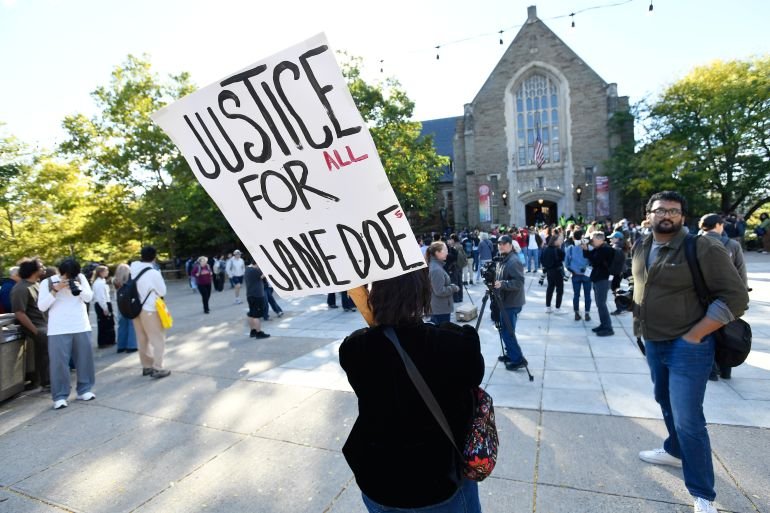
The predawn incident came ahead of a rally demanding “justice for survivors” by student groups on Monday.
Cornell spokesperson Kyle Kimball said Monday that the university was investigating the vandalism.
“We understand the frustration and strong emotions being expressed across our community,” Kimball said. “Those concerns deserve to be heard, but damaging property is not the answer.”
Cornell, a prominent Ivy League university in the state of New York, has been at the centre of a national firestorm over sexual violence on US campuses, after an anonymous student, Jane Doe, filed a civil lawsuit last month alleging a gang rape at the fraternity Chi Phi.
Her complaint accuses seven former students of perpetrating “heinous criminal sexual acts” against her during a fraternity party on the night of October 19, 2024, after she says she was pressured to drink and take the drug ketamine.
The fraternity, Cornell University and others are named as co-defendants in the suit. Lawyers for two of the former students have rejected claims that they participated in sexual assault.
The case has elicited outcry over how sexual assault is handled on campuses across the country.
At Monday’s demonstration, students demanded an overhaul of the university’s sexual assault complaint process, the termination of certain school officials and stricter disciplinary action against alleged abusers.
In a statement to the student news outlet The Cornell Daily Sun, student organisers wrote that they were calling for the “abolition” of the Interfraternity Council system on campus and the “expulsion/revocation of degrees for all Chi Phi members involved in the rape”.
They also demanded that Cornell’s Office of Student Conduct and Community Standards be replaced by a “democratic disciplinary system”. Monday’s protest, they added, was designed to draw attention to the systemic failures that allow sexual violence to occur.
“We wanted to ensure that Day Hall, the centre of Cornell’s administrative function, was not able to continue business as usual,” the students told the campus paper.
The alleged crime at the fraternity, they wrote, was part of a “rampant pattern of sexual assault perpetrated by members of Greek life at Cornell University and hundreds of other academic institutions throughout the country”.
Under pressure by New York Governor Kathy Hochul and Attorney General Letitia James, the university announced this week it would be appointing a law firm to conduct an independent internal review of how it initially handled the case.
A transcript, obtained by US media, shows that although no charges were filed, Doe told campus police at the time that she could “say with 100% confidence I was raped”.
Her lawsuit also alleges that Cornell “afforded” the accused fraternity members “the opportunity to mitigate their conduct by submitting essays” to the school. Two were later expelled, and another two were suspended.
Hispanic voters are twice as likely to favour Democratic Party over Trump’s Republican Party in the November elections.
Published On 5 Oct 20265 Oct 2026
A new poll from the news agency Reuters and the research firm Ipsos has found that United States President Donald Trump’s approval rating remains at a record low as the midterm elections approach in November.
The six-day survey, completed on Monday, found that just 32 percent of US voters approve of the job Trump is doing as president.
Recommended Stories
list of 3 itemsend of list
While that low rate has held steady since September, the latest Reuters-Ipsos poll suggests his support among Latino voters is continuing to slide.
Trump’s approval rating shrunk this month to 24 percent among Hispanic voters, its lowest point in either of his two terms in office.
The Republican leader had previously made substantial inroads with that constituency.
The Pew Research Center estimated that Trump and his Democratic rival, Kamala Harris, were within three percentage points of each other in the 2024 presidential race, earning 48 percent and 51 percent of the Hispanic vote, respectively.
That rate marked a significant jump for Trump over the 2020 election, when he only earned 36 percent of the Hispanic vote.
Experts have credited the boost in Hispanic support with helping Trump win the 2024 race. His 2020 bid, by contrast, ended in defeat to Democrat Joe Biden.
The Monday poll found that Trump’s gains among Hispanics have largely evaporated.
About 52 percent plan to vote for the Democrats in the November midterms, compared to 26 percent for Republicans.
The upcoming midterm is largely viewed as a referendum on Trump’s second term and will decide whether the Republicans maintain their majorities in the US House of Representatives and the Senate.
Democrats have seized on Trump’s low approval ratings, hoping to translate frustration with the president into voter momentum for their party.
A Democratic majority in one or both houses of Congress would place substantial constraints on Trump’s agenda for the remainder of his time in office.
But Trump has also faced rumblings from within his Republican Party as the November 3 midterms approach.
One Republican incumbent, Representative Maria Elvira Salazar of Florida, released a campaign advertisement last month that addressed Trump directly, saying, “The same Hispanics who helped you get to the White House in 2024 feel betrayed today.”
She cited Trump’s hardline immigration crackdown as a source of tension. “Some of your immigration enforcement efforts have gone too far,” she said, pointing to the detention and deportation of immigrants with no criminal record.
Experts have also warned that the president’s shrinking popularity, driven in part by concerns about the cost of living and his decision to launch a war on Iran, could weigh down Republican candidates in key races across the country.
Still, Trump has continued to express confidence about the prospects of his Republican Party in the upcoming midterms.
He has also defended his decision to place himself at the centre of the Republican election campaign strategy. Trump recently launched a 32-day blitz of cross-country rallies ahead of the November 3 midterms.
“Just so you understand, they all want me to go,” Trump said, denying that some Republicans would prefer he keep his distance. “They all want me to go campaign.”
The US had largely eliminated measles by 2000 but has seen several outbreaks amid declining vaccination rates.
Published On 6 Oct 20266 Oct 2026
New York state has declared a disaster emergency over an outbreak of measles, as cases of the disease that had once been all but eliminated in the United States continue to rise.
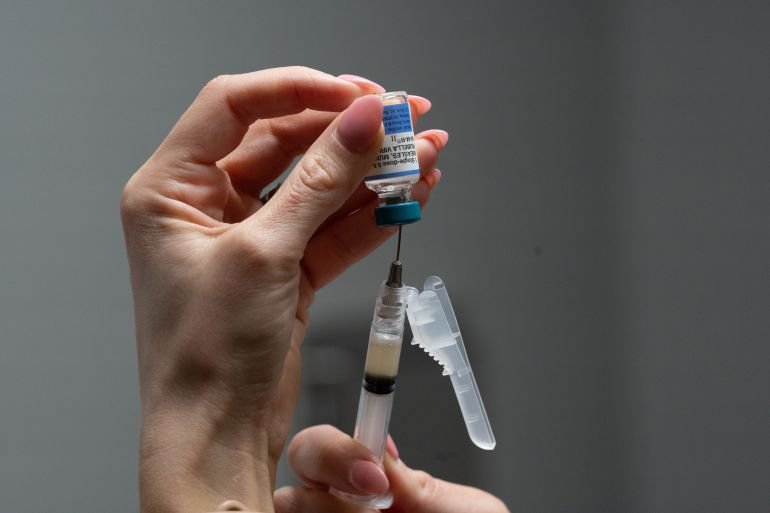
New York Governor Kathy Hochul said on Monday that she was temporarily expanding the ability of health professionals to administer measles-mumps-rubella (MMR) vaccines.
Recommended Stories
list of 3 itemsend of list
“No one should get seriously ill or die from a vaccine-preventable disease,” Hochul said in a statement, adding that New York has recorded 108 cases of measles this year, as of October 3. The declaration will remain in effect through November 4.
Hochul’s announcement marks the first such declaration since measles cases began to tick up in 2025. She said that seven cases were recorded in New York City and 101 elsewhere in the state.
Hochul’s declaration says 92 cases have been recorded since July 15 in a handful of rural communities with insufficient vaccination rates.
Officials in neighbouring Pennsylvania also announced that the state has surpassed 1,000 measles cases this year, the largest outbreak in the US in the last three decades. Outbreaks have also been recorded in Texas, Utah, Ohio and South Carolina.
Health experts attribute the resurgence to a decline in vaccination rates below the 95 percent rate they say is necessary to prevent outbreaks.
Critics say the decline has been spurred by an anti-vaccination movement that has surged in popularity and gained advocates inside the administration of President Donald Trump, including Health and Human Services Secretary Robert F Kennedy Jr.
The US had eliminated the domestic spread of measles by 2000, with the last outbreak of more than 1,000 cases occurring over several years in New York City in the early 1990s.
International officials from the Pan American Health Organization (PAHO) are set to meet in November to determine whether the US and Mexico will retain their measles-free status, or whether the public health designations will be updated.
“PAHO reiterates the importance of maintaining high and homogeneous vaccination coverage, strengthening epidemiological surveillance, and ensuring timely outbreak response, as essential pillars to halt transmission and sustain measles elimination in the countries of the Americas,” the organisation said in a previous statement.
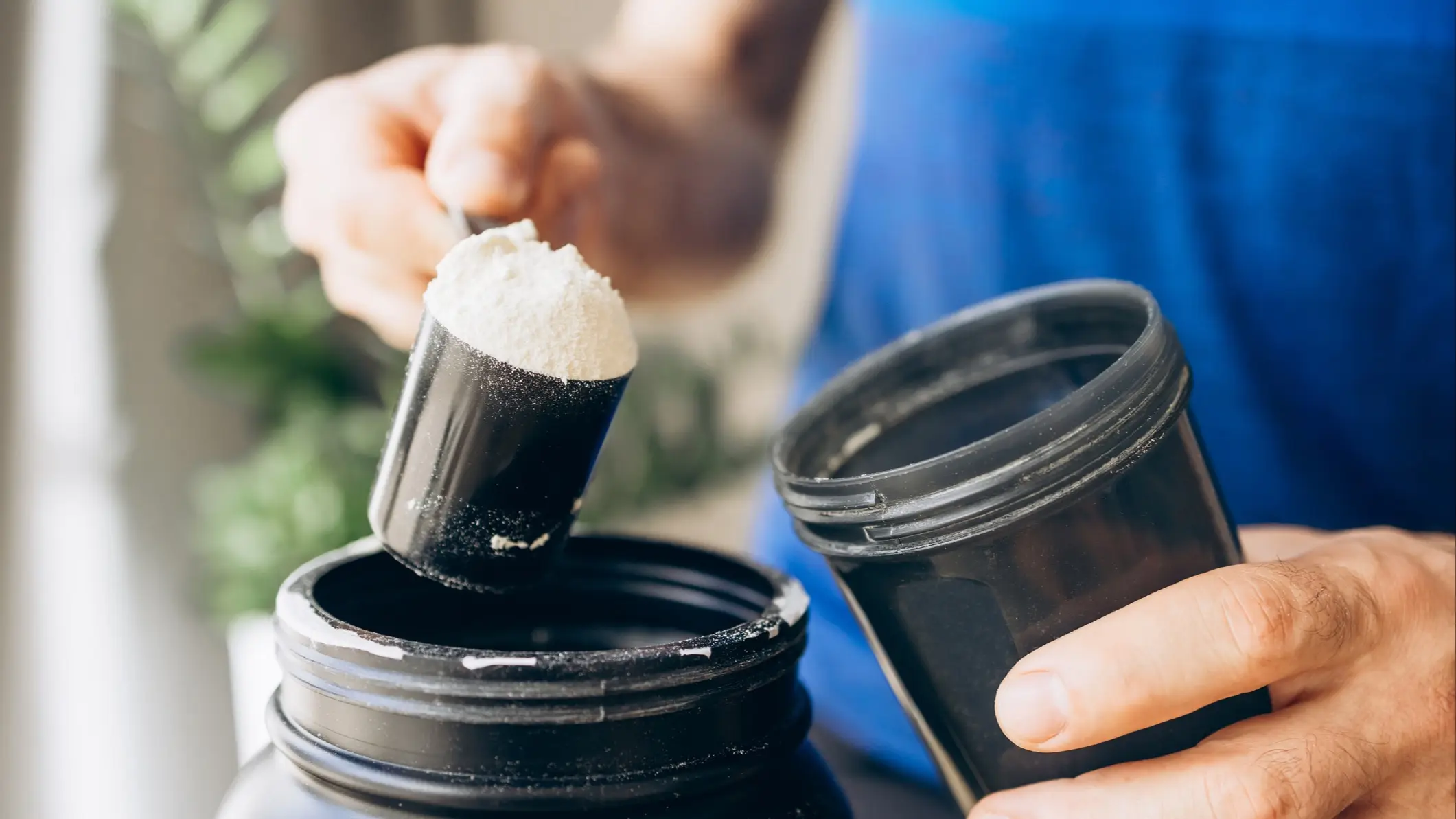
It seems like everyone is suddenly obsessed with creatine, a naturally occurring compound used as a sports supplement.
Gym bros vow that the dissolvable substance can help your muscles swell and get fuller; track and field specialists claim it will help enhance athletic performance by releasing glucose, which Harvard Health described as ‘one of the best sources of instant energy’.
Well, experts from the United States have concluded that it may be the case—but the results may have you reaching for the dumbbells anyways.
Sedendatry vs active adults: the creatine test
Researchers at Texas A&M University (TAMU) recently collected a 64-strong cohort of test subjects aged 45-65 to see whether the white powder could help sedentary adults pack on lean mass.
Experts have studied if you need to exercise to feel the benefits of creatine (Getty Stock Image)
The study, published in the Journal of the International Society of Sports Nutrition, detailed how 38 participants opted to work out as part of a three-day supervised training program. On non-training days, the candidates were instructed to walk at least 10,000 steps.
The remaining 26 subjects chose not to exercise for the duration of the 12-week trial.
Each participant was also instructed to take either a creatine supplement or a replacement placebo twice per day and advised to follow an American Heart Association–guided diet.
The study suggested subjects eat in a 300-500 calorie deficit while consuming around 55 percent carbs, 15 percent protein, and 30 percent fat every day.
Creatine worked with or without the gym
At the end of the study, experts found that those who remained sedentary and took creatine gained about 2.4 pounds of lean tissue, as stated by Medical News Today.
Those who worked out with creatine added around 3lbs of lean mass (Getty Stock Image)
Not only that, but they also had greater strength on bench presses and leg presses after the 12-week mark.
Naturally, those who completed the study, exercised three times per week, and walked 10,000 steps built more muscle—but not much.
The study suggested that those who took creatine and completed the exercise program gained around three pounds of lean tissue.
They, too, had greater bench and leg press strength. The participants also improved their time to exhaustion, meaning they could exericse at their highest intensity for longer.
Other benefits included losing body fat mass, reducing their body fat percentage, and ‘favourable changes’ in certain blood fats, cognitive function, and glucose control.
Experts weigh in on positive creatine study
Speaking about the surprising creatine results, lead author of the study, Richard Kreider, professor and director of the Exercise and Sport Nutrition Lab at Texas A&M, told the publication that creatine ‘increases energy in the muscle’.
“Non-exercise physical activity and functional activities may increase correspondingly. If you feel better and daily activities are less demanding, you are more apt to do physical activity.”
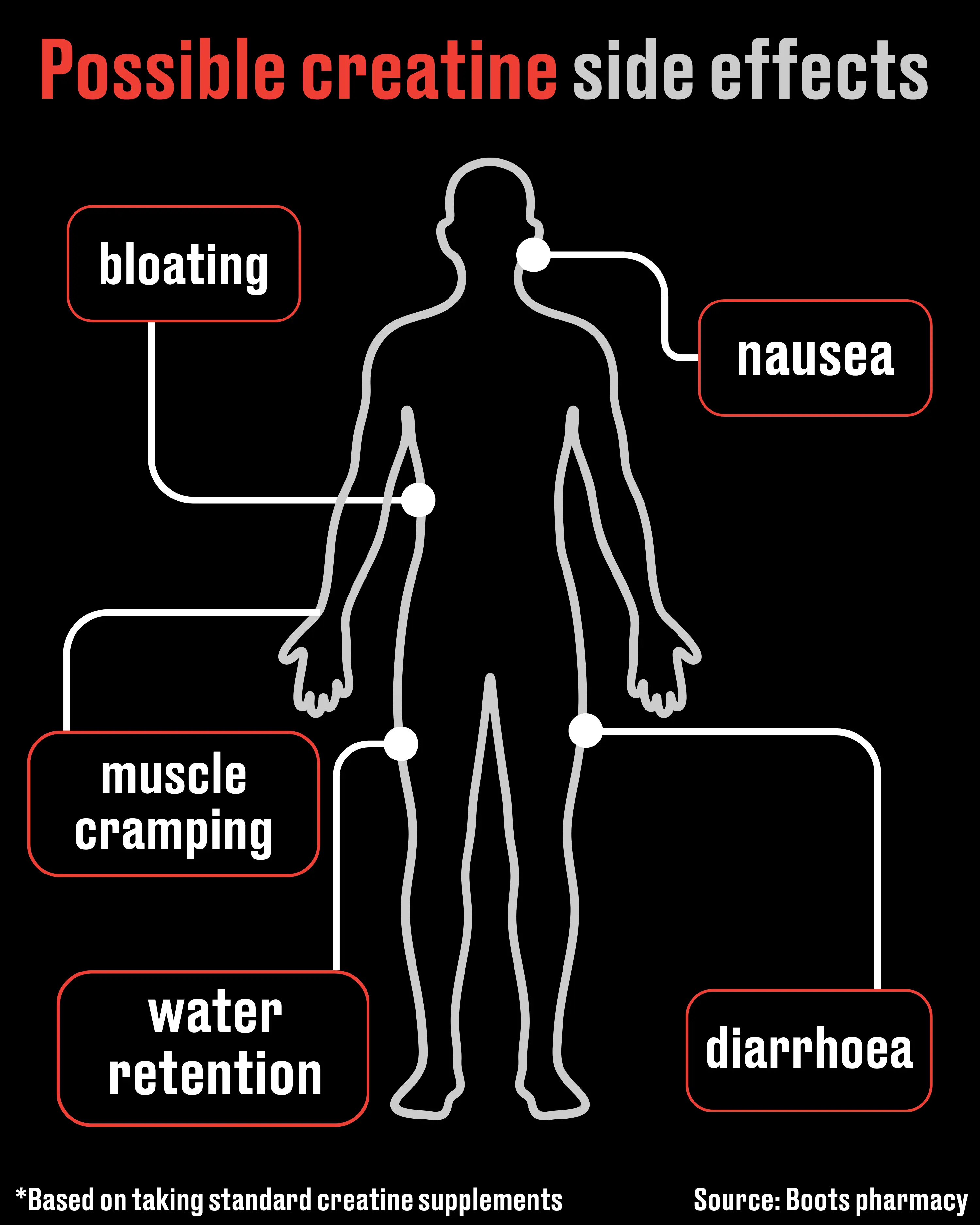
Be aware of creatine’s side effects (LADbible)
He added that after the study, he and his team are convinced that creatine scoops may have ‘important implications for middle-aged and older individuals seeking to reduce body fat while maintaining muscle mass and cognitive function’.
“I think this study adds useful evidence for creatine as part of a healthy aging strategy, particularly because improvements in lean mass were seen even without structured exercise,” explained Sebnem Ünlüişler, a genetic engineer and chief longevity officer at the London Regenerative Institute.
“However, the participants were middle-aged rather than elderly, the sample was relatively small, and DXA measured lean tissue rather than muscle directly.”
She added to Medical News Today that a further study with a ‘more controlled or focused approach to diet’ would be of interest.
Researchers at Texas A&M added that they would also like to explore creatine’s metabolic and cognitive impacts further.
For now, it’s something to think about during your next wellness-oriented splurge, right?
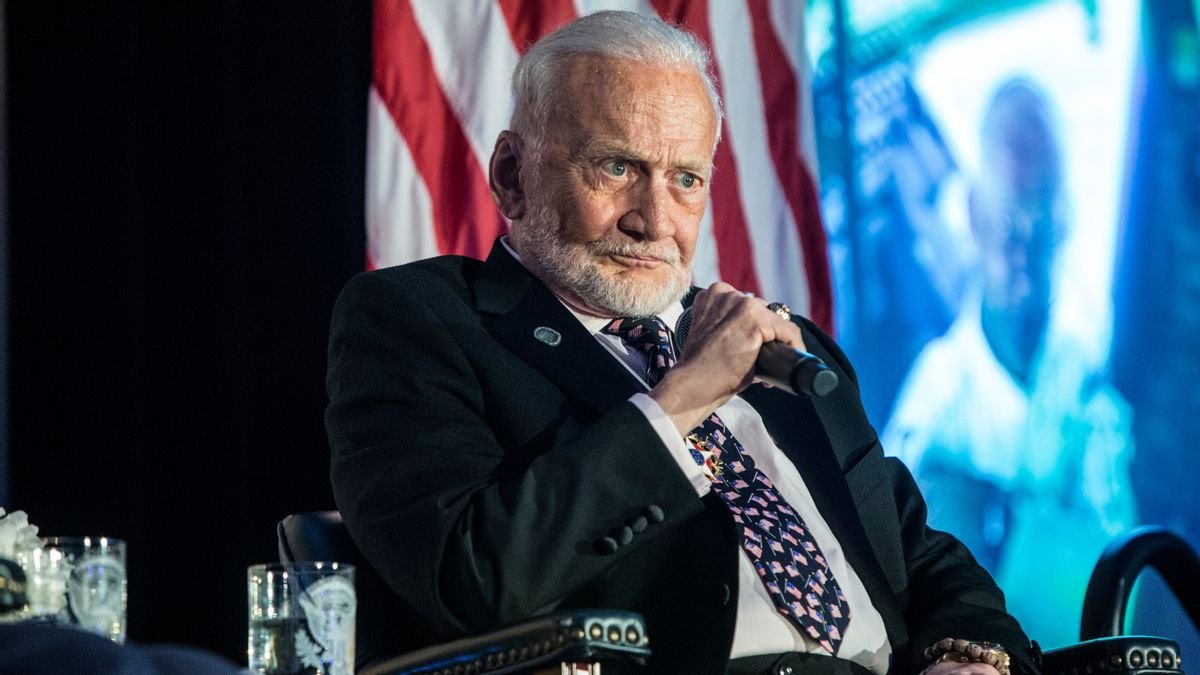
Apollo 11 astronaut Buzz Aldrin once said in an interview, “The moon is not what you think.”
Rating:
Throughout 2025 and 2026, YouTube channels posted videos online (archived) claiming that Buzz Aldrin, one of the first two astronauts to land on the moon, broke down in tears during an interview and said, “The moon is not what you think.”
Snopes could not find evidence that Aldrin ever said this in any interview he has ever participated in. Therefore, we’ve rated this claim as an incorrect attribution.
We reached out to Aldrin through his website’s inquiry form to ask if he has ever said such a quote, or anything akin to it. We’ll update this story if we receive a reply.
Searches for the “The moon is not what you think” quote and Aldrin’s name on Google, DuckDuckGo, Bing and Yahoo did not find any videos or transcripts of the interview in which Aldrin supposedly said the quote, or the full interview in writing. The searches did not reveal any credible news reports that quoted Aldrin saying these words. Considering one YouTube video claims Aldrin said the moon quote in interviews and another referred to the quote as Aldrin’s “famous warning,” it’s unlikely that there’d be no credible references to this quote outside of these YouTube videos.
Each of the four videos linked above tells a different story, and three of the four center the story around the moon quote Aldrin allegedly said. The fourth video, despite having a title about Aldrin apparently saying “The moon is not what you think,” is not about Aldrin. That video focuses on Michael Collins, another astronaut on the Apollo 11 mission alongside Neil Armstrong and Aldrin, and does not even include the quote “The moon is not what you think.”
The three videos that actually focus on Aldrin use the same commonplace artificial intelligence-generated voice for narration. In fact, two of these videos include YouTube’s “AI” label just under the videos’ titles.
The narrator, instead of Aldrin himself, says the quote in all three videos. None of the videos use footage from the interview in which Aldrin supposedly said it, even though one of the videos claims the interview took place in a television studio. One of the other videos changes Aldrin’s quote to “You are mistaken about the moon” in the middle of the video.
Each video assigns a different meaning to the quote in its conclusion. One video says Aldrin’s apparent quote was referring to the moon as the beginning of humanity’s exploration. Another video refers to the quote as a reference to the moon’s earthly origins. The third video suggests the quote means that no amount of data or knowledge of the moon can replicate the experience of being on the moon itself.
A search for the quote itself does show it has been used as a title for YouTube videos and social media posts. Snopes could not find any evidence the quote has ever been associated with Aldrin or any other astronaut.
This claim may have originated with an older video also narrated by an AI voice. A 2023 YouTube video titled “Apollo Astronaut Breaks In Tears: ‘The Moon Is NOT What You Think!‘” (archived) focuses on Michael Collins. The quote “The moon is not what you think” does not appear anywhere in the actual contents of the video.
None of the channels that posted the videos included publicly available contact information on their YouTube channels.
For further reading, we’ve previously collected 15 of our fact checks related to the moon.
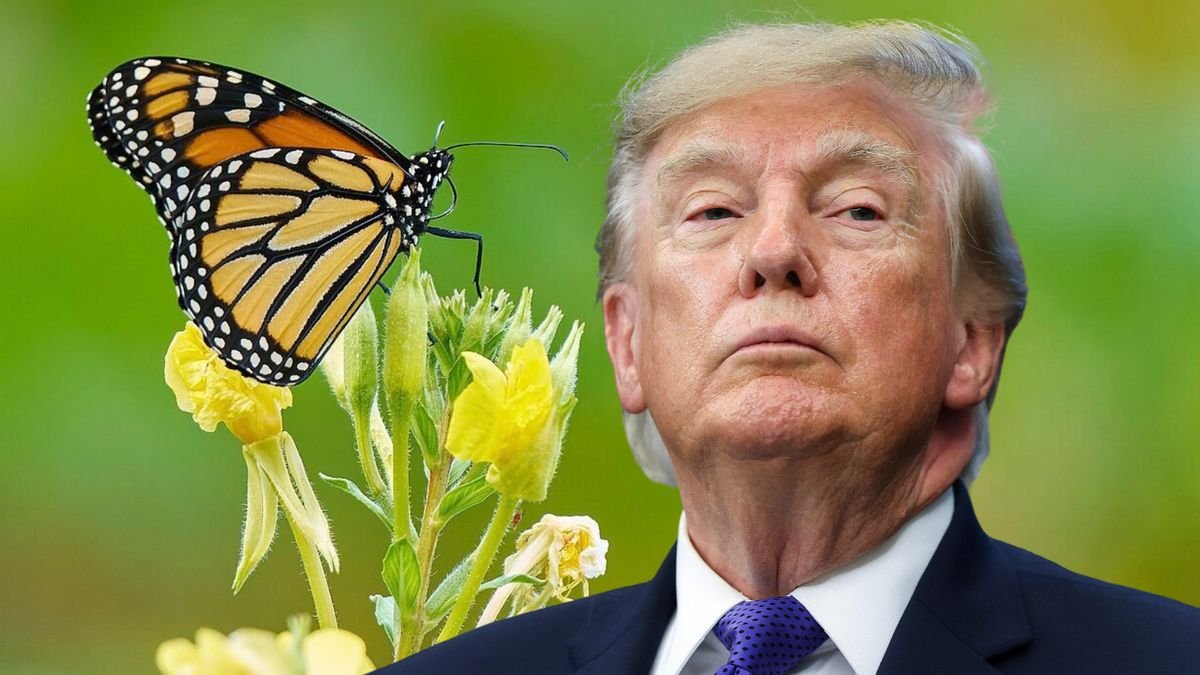
In 2026, U.S. President Donald Trump’s administration denied protections under the Endangered Species Act to monarch butterflies until 2030.
Rating:
A rumor spread online in fall 2026 that U.S. President Donald Trump’s administration had formally denied protections for monarch butterflies under the Endangered Species Act until 2030.
This rumor originates from a September 2026 settlement between conservation groups and the Fish and Wildlife Service over the federal agency’s failure to finalize a policy proposal that would have protected monarch butterflies under the act.
In December 2024, under then-President Joe Biden’s administration, Fish and Wildlife formally proposed such a rule. Under the act, proposed rules must be finalized within one year. Thus, Trump’s administration was supposed to make a decision by December 2025. It did not, which resulted in the lawsuit.
The settlement specifies that the Trump administration must finalize the proposal to protect monarch butterflies by June 2030, meaning the administration could technically issue a decision anytime before 2030. However, the Center for Biological Diversity, one of the plaintiffs in the lawsuit, said Fish and Wildlife “asserted that they do not have the resources to issue the final listing before the agreed upon date because of budget and workload.”
Given that we cannot predict the future, we have rated this claim as a mixture of truth and undetermined information.
In fall 2026, a rumor spread online that U.S. President Donald Trump’s administration had formally denied protections for monarch butterflies under the Endangered Species Act until 2030.
In other words, posts claimed that the government had refused to designate monarch butterflies as an at-risk species deserving of specific protections under federal law — and that the government would not consider the issue again until 2030.
The claim is largely true, although it omits a few details. On Sept. 30, 2026, the Fish and Wildlife Service reached a settlement with conservation groups, including the Center for Biological Diversity, over a delay on the federal agency’s decision as to whether monarch butterflies should be protected under the Endangered Species Act.
The settlement requires Fish and Wildlife to issue a final decision by June 6, 2030. Technically, that means Fish and Wildlife could issue a decision anytime before that deadline. However, Center for Biological Diversity spokesperson Tierra Curry said Fish and Wildlife “asserted that they do not have the resources to issue the final listing before the agreed upon date because of budget and workload.”
We reached out to Fish and Wildlife to confirm whether this is true and await a response.
It’s also worth noting that Trump is due to leave office in January 2029, so it’s possible that a future administration may prioritize making a decision on monarch butterfly protections before 2030.
Because we can’t predict what the future holds, we have rated this claim as a mixture of truth and undetermined information.
Monarch butterfly conservation
Fish and Wildlife estimates that, by 2080, the probability of extinction for eastern monarchs ranges from 56% to 74% and for western monarchs the probability for extinction is greater than 95%. Threats to the species include loss of habitat, exposure to insecticides and the effects of climate change, the agency said on its monarch butterfly conservation page.
The Endangered Species Act allows the federal government to designate imperiled species as threatened or endangered. Each designation comes with its own protections and resources for conservation.
For more on the Trump administration’s changes to the Endangered Species Act, see our explainer.
Background on conservation efforts
Conservation groups have fought to bring monarch butterflies and their habitats under Endangered Species Act protections since at least 2014, when three groups and a monarch scientist named Lincoln Brower filed a formal petition with the Fish and Wildlife Service.
In December 2020, under the first Trump administration, Fish and Wildlife announced that protection for monarch butterflies was “warranted but precluded by work on higher-priority listing actions.”
Fish and Wildlife’s news release on the decision said 161 species were listed as higher priorities for formal protections under the Endangered Species Act ahead of the monarch butterfly.
“With this decision, the monarch becomes a candidate for listing under the Endangered Species Act (ESA), and its status will be reviewed each year until it is no longer a candidate,” then news release said.
Under former President Joe Biden’s administration in December 2024, Fish and Wildlife proposed an official rule that would have designated the monarch butterfly as a protected species under the Endangered Species Act:
We, the U.S. Fish and Wildlife Service (Service), propose to list the monarch butterfly (Danaus plexippus), the iconic orange and black butterfly, as a threatened species and designate critical habitat under the Endangered Species Act of 1973, as amended (Act). We propose to list the monarch butterfly as a threatened species with protective regulations.
Under the Endangered Species Act, Fish and Wildlife is supposed to publish its final decision within one year of publication of a proposed rule, which would put the rule into effect and thus, in this case, officially list the monarch butterfly as an endangered species worthy of protection.
Trump took office January 2025. His administration did not meet that one-year deadline, which prompted the lawsuit from the Center for Biological Diversity and the Center for Food Safety.
What the settlement says
The settlement does not prevent the Trump administration from making a decision before 2030. Here’s what it says on Page 2:
On or before June 6, 2030, the Service shall submit to the Office of the Federal Register for publication a final listing determination for the Monarch Butterfly, pursuant to the ESA, 16 U.S.C. § 1533(b)(6).
Curry, the Center for Biological Diversity spokesperson, said in an email that, in effect, the settlement meant the denial of current protections would end in 2030 with a final listing. The Center for Biological Diversity’s news release about the settlement called it a “bittersweet move for conservation groups.”
In other words, it’s not as if the Trump administration withdrew the proposal to protect monarch butterflies — rather, the settlement means Fish and Wildlife has until 2030 to make a decision on whether to finalize protections for the species.
There are also additional ways, per the settlement, that the deadline to make a decision could be extended. For example, if the government were to shut down due to a lapse in funding before 2030, the deadline would be extended for the number of days the shutdown occurred (see Page 2).
A family who spent £20,000 to move to the other side of the world and live in New Zealand say it was ‘worth it’ and they’re living in a home that reminds them of the way the UK was ‘in the nineties’.
Sean Purdy, 36, and his wife Tania, 40, had travelled around South America for nine months last year with eight-year-old son Atticus and seven-year-old daughter Aurelia.
Though they both worked while they travelled, Tania as a teacher and Sean in marketing, their life on the move wasn’t sustainable and in May they moved back to the UK.
Tania had been applying for teaching roles in New Zealand and the day after they landed back in Britain she had a job interview for one of them, a week later she was told the position was hers and the Purdy family were looking at their next big move.
They put their house up for sale but deals don’t happen quickly and they had to borrow £15,000 then get another £5,000 from family to afford the move across the world.
The family travelled around South America last year before returning to the UK, then Tania got a job offer from New Zealand (Sean Purdy / SWNS)
Last month they flew out to Katikati, Bay of Plenty, and moved into their new rented home in New Zealand with Tania teaching at a secondary school and Sean becoming a labourer to help make ends meet.
The Derbyshire man said that ‘things happened quick’ and after Tania was offered the job they mulled it over for 10 days before deciding to move to the other side of the world.
It’s still early days but they’re enjoying a better work life balance and while they’ve not really noticed things are cheaper they do like the lifestyle more, with them still spending around £1,800 a month in various costs of living.
He said: “Initially the reason we wanted to move out of the was the cost of living, but in New Zealand it’s pretty much on par with back home.
“For us, it’s the work life balance. We still work in New Zealand but everything is a bit more slower paced and not so much like the nine to five rat race the UK seems to have.”
The family flew out to New Zealand to start their new life there and they say it’s ‘just like the nineties’ (Sean Purdy / SWNS)
He said that he felt the UK was lacking in ‘culture and connectivity with big friend groups’, saying that being in New Zealand ‘reminds me of how the UK was in the nineties’ where ‘people just seem to want to help out complete strangers’.
“It threw us off a bit as our experience in the UK, people are helpful but you are more into yourself and what you need to do,” Sean said.
“The Kiwis seem to be more out of their selves and happy to help random strangers at a whim.”
Sean said that while he’d ‘never been invited to anything school wise in the UK’, three days into living in New Zealand and the family was invited to a traditional Māori greeting called mihi whakatau.
He said: “We were full on greeted and sang and got a hongi – where you put your head on their nose and do a deep breath.”
It cost them around £20,000 to move over to New Zealand, but they plan to stay there for the rest of their lives (Sean Purdy / SWNS)
Breaking down the costs of moving to New Zealand, the family had to spend £3,000 on straight to residence visas, while health checks for the family cost £800, while he and Tania had to undergo a police check which cost £300, and flights across the world cost the family £3,000.
There were ‘a bunch of other bits and bobs’ which piled on the costs, and then the family had to deal with the ‘unexpected things’ like finding a place to rent and buying a car so they could drive around once they’d migrated.
Even though they had to borrow money to afford the move the family think it’s been ‘100 percent worth it’, with beaches and mountains both within easy reach of their new home.
“The trade off at the moment is the first one to two years costs will be harder and things will be harder as we’re in a completely new country,” he said.
“It’s still a trade off of having an outdoors lifestyle, community and a bit more freedom. That’s the trade off we’re happy with.”
They’re planning on buying a house pretty soon, though they need to sort out selling their old one first (Sean Purdy / SWNS)
Their plan is to complete the sale of their house back in the UK so they can afford to get a mortgage over in New Zealand.
Sean added that since changing career he’s spoken to ‘people who were managers or doctors who took a big step down’ in their careers after the move to New Zealand and said the important thing was ‘the Kiwi experience’.
The former marketer is on £31,942.50 a year as a labourer while Tania is earning around £42,590 as a secondary school teacher, and the working day is slightly shorter in New Zealand.
They’re planning to live there for the rest of their lives, but said that since some of the younger New Zealanders leave the country ‘as they say there is not much to do’ they might move away again if they own children decide to go.
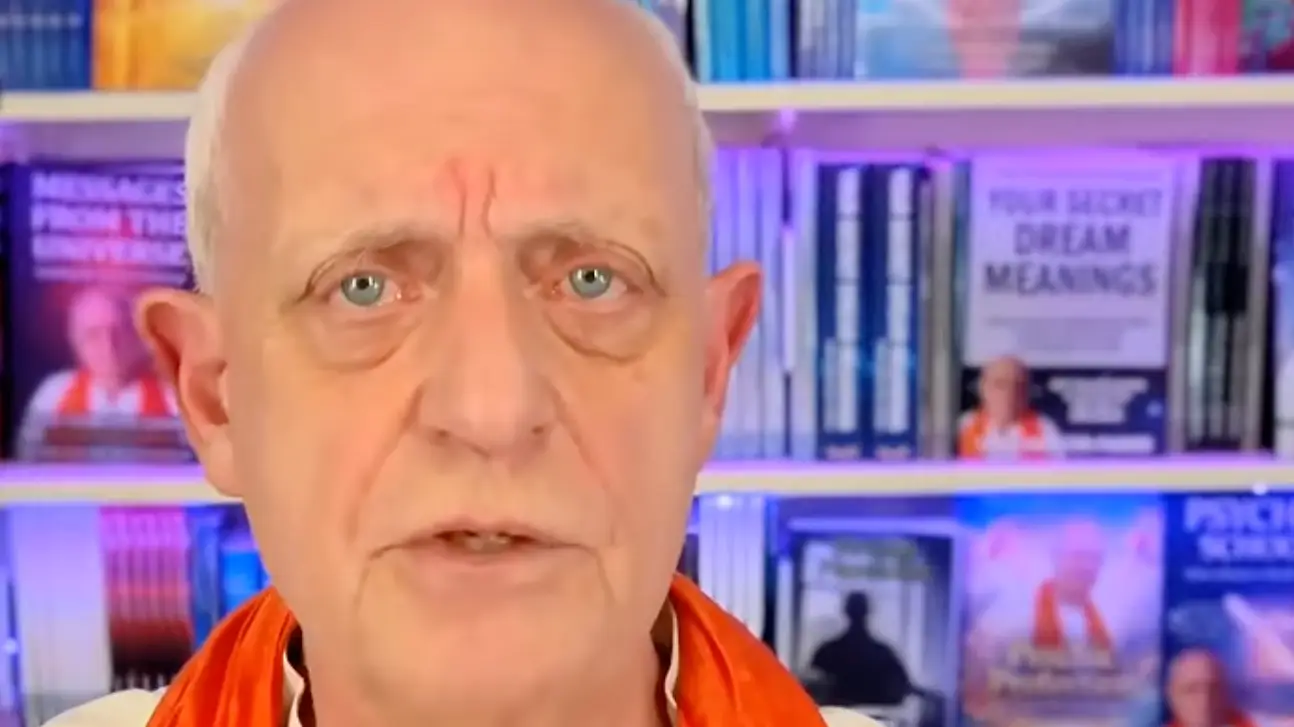
A self-proclaimed psychic dubbed the ‘Prophet of Doom’ made a chilling prediction over a possible pandemic days before the news about a possible plague outbreak broke.
Speaking on a stream shared on September 24, Craig Hamilton-Parker, who is also known as ‘Prophet of Doom’, told his YouTube followers a future pandemic of a bacterial illness that attacks the chest was on the way.
He is previously claimed to have accurately predicted the Covid-19 pandemic and the death of Queen Elizabeth II.
His major COVID prediction came in a video published in January 2020, in which he forecast a flu-like pandemic that would start in China and spread worldwide, just months before global lockdowns were introduced.
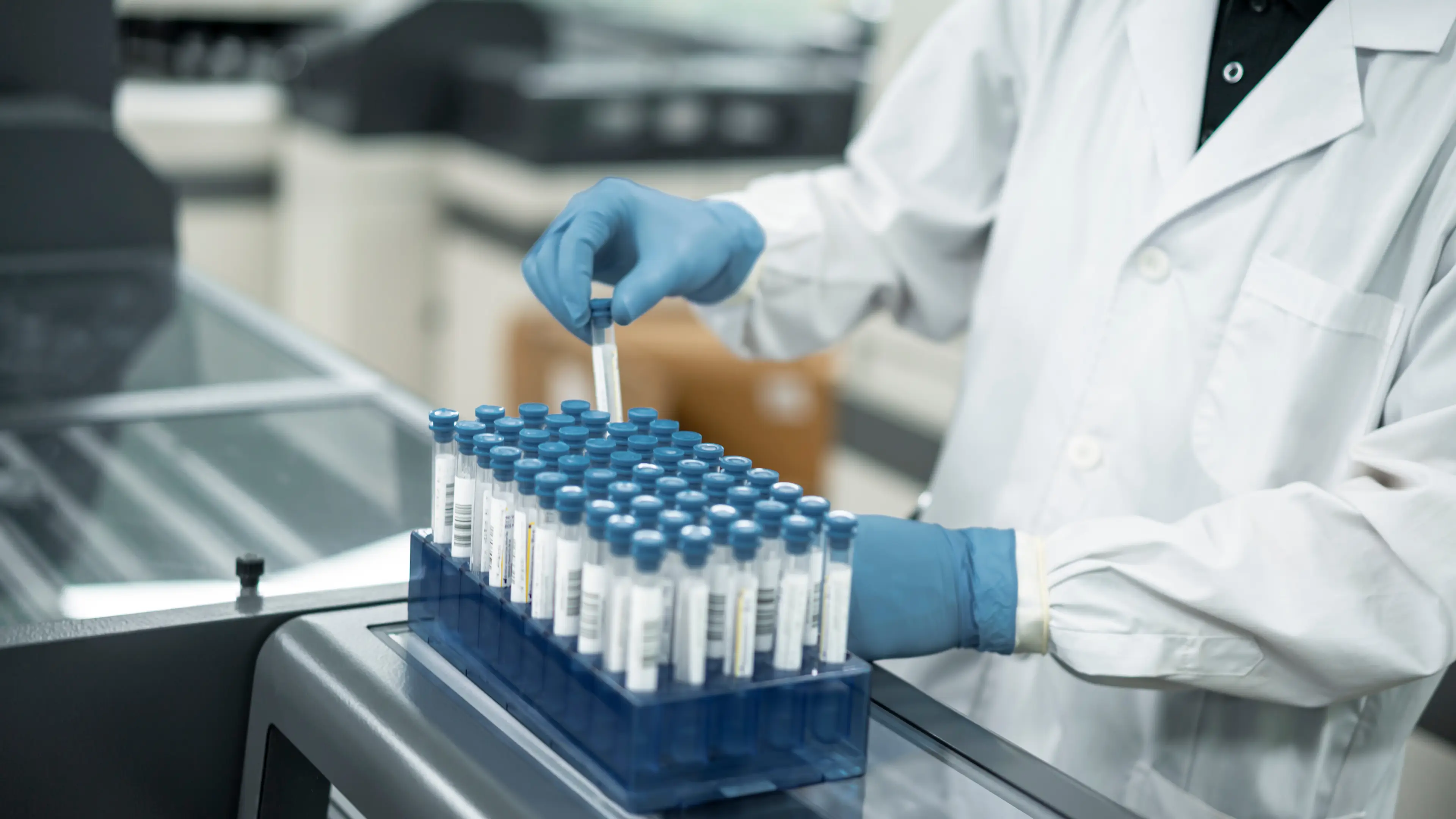
Lab technician holding test tubes (Getty Stock)
In a recent video which has had over 160,000 views, he attributed the warning of another ‘pandemic’ to two Tibetan monks who he claimed had arrived unexpectedly at his home with a ‘warning’.
“It would be more like a biological type of illness that would be much harder to control,” he described, adding: “It’s much more dangerous this one because it can spread much more quickly.”
He also said the monks knew of a cure, hidden in ancient Tibetan texts, and that the prophecies say the outbreak would be stopped.
“So if it happens again, guys, rest assured we’re going to conquer it. We’ll beat it,” he told viewers.
Daria Shipilova, a lab technician at the Irkutsk Anti-Plague Institute in Siberia, reportedly came into contact with the pathogen and became unwell.
Some local media outlets reported that Shipilova became infected while at the Institute after ‘breaking a test tube’ containing live biological material that can cause pneumonic plague.
Daria Shipilova (Facebook)
This is a condition which affects the lungs, and is one of three different forms of plague, with the other two being bubonic plague and septcaemic, with the bacterium itself being called ‘Yersinia pestis’.
While in hospital Shipilova was placed on a ventilator, but died two after being admitted to the hospital.
Since then, some 189 people have reportedly been quarantined as authorities suspect that they may have come into contact with Shipilova, raising the possibility that they may have been infected with the bacterium.
Among them are other members of staff at the laboratory where Shipilova had been employed as a technician.
Shipilova’s death has prompted fears of a pneumonic plague outbreak, resulting in five hospitals and colleges being placed into lockdown and around 200 people she came into contact with being quarantined.
There have also been accusations that Russian officials are attempting to ‘cover-up’ the situation.