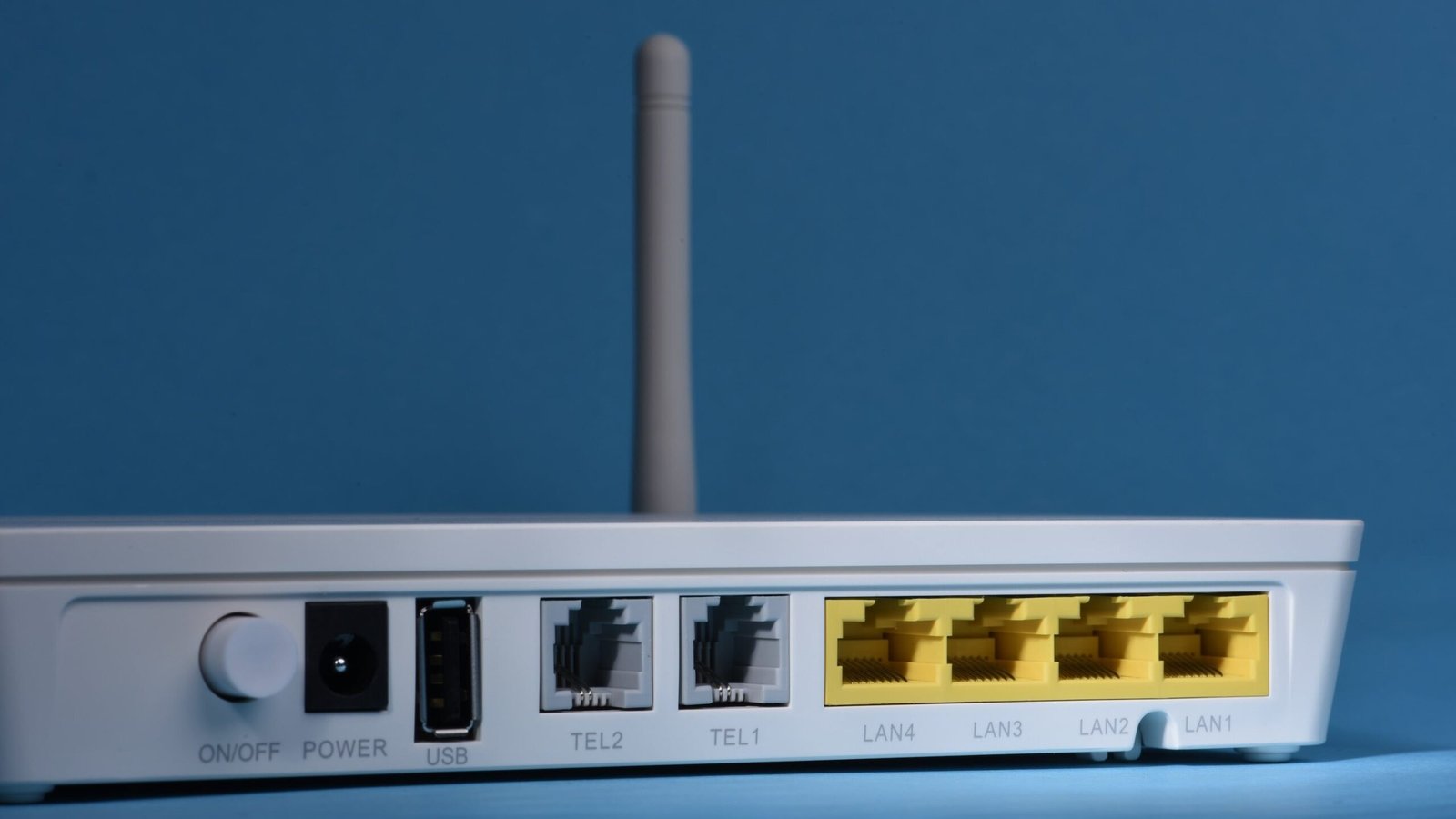
Following the White House’s ban on new foreign-made Wi-Fi router models, more than 10 router companies are set to shift manufacturing to the US, according to the FCC.
The FCC mentioned the development today while touting the Trump administration’s bans on a variety of foreign-made devices, including drones, advanced robots, and power inverters.
“There were no router companies building in the US in 2025, and now there are more than 10 with plans to onshore manufacturing on the horizon. Over $119 million in investment has already created more than 2,000 additional jobs in the industry,” the FCC said.
The agency didn’t name the companies. However, it noted that the US exempted 24 router companies from the foreign-made ban through the “Conditional Approval” process. This requires vendors to answer a long list of questions, including “a detailed, time-bound plan to establish or expand manufacturing in the United States” for the affected router, and “a description of committed and planned capital expenditures.”
The US has been imposing the same manufacturing requirement on drone and robot makers seeking an exemption. In total, the White House has granted conditional approvals to 71 companies, allowing them to continue selling new product models while they onshore manufacturing in the US, the FCC noted. The commission also concluded: “While almost all of these companies were previously relying on foreign production, each of these companies have now committed to onshore production in the coming years, collectively promising to invest $4.4 billion and create an additional 4,700 jobs.”
The announcement also reinforces that vendors, including Netgear, Amazon’s eero, SpaceX’s Starlink, Asus, MSI, and other Taiwanese vendors, will begin manufacturing Wi-Fi routers in the US at some point, since all have received exemptions from the ban. But for now, the companies haven’t announced any plans publicly, even though many of them source Wi-Fi router production from markets such as Vietnam, Mexico, Thailand, and Taiwan.
In the meantime, TP-Link went out of its way to announce its plans to manufacture Wi-Fi 8 routers domestically using a contract manufacturer’s factory in Mississippi. Still, TP-Link has applied for an exemption from the foreign-made ban because it needs to source components from overseas.
Recommended by Our Editors
However, the White House has so far refrained from granting TP-Link an exemption, as the company has long faced concerns from US officials about its ties to China. The Trump administration has been imposing the bans, citing security fears that foreign entities could introduce vulnerabilities through Wi-Fi routers, robots, and drones to spy on and sabotage the US.
In response, TP-Link has been emphasizing how it split from its Chinese counterpart to become a US company headquartered in Irvine, California. Chinese vendor DJI, one of the leading drone makers, has also been fighting to reverse the ban, even urging its customers to speak out. Meanwhile, the FCC has been cracking down on alleged attempts by DJI to sell its clone brands in the US.
About Our Expert

Michael Kan
Principal Reporter
Experience
I’ve been a journalist for over 15 years. I got my start as a schools and cities reporter in Kansas City and joined PCMag in 2017, where I cover satellite internet services, cybersecurity, PC hardware, and more. I’m currently based in San Francisco, but previously spent over five years in China, covering the country’s technology sector.
Since 2020, I’ve covered the launch and explosive growth of SpaceX’s Starlink satellite internet service, writing 600+ stories on availability and feature launches, but also the regulatory battles over the expansion of satellite constellations, fights with rival providers like AST SpaceMobile and Amazon, and the effort to expand into satellite-based mobile service. I’ve combed through FCC filings for the latest news and driven to remote corners of California to test Starlink’s cellular service.
I also cover cyber threats, from ransomware gangs to the emergence of AI-based malware. In 2024 and 2025, the FTC forced Avast to pay consumers $16.5 million for secretly harvesting and selling their personal information to third-party clients, as revealed in my joint investigation with Motherboard.
I also cover the PC graphics card market. Pandemic-era shortages led me to camp out in front of a Best Buy to get an RTX 3000. I’m now following how the AI-driven memory shortage is impacting the entire consumer electronics market. I’m always eager to learn more, so please jump in the comments with feedback and send me tips.
Leave a Reply