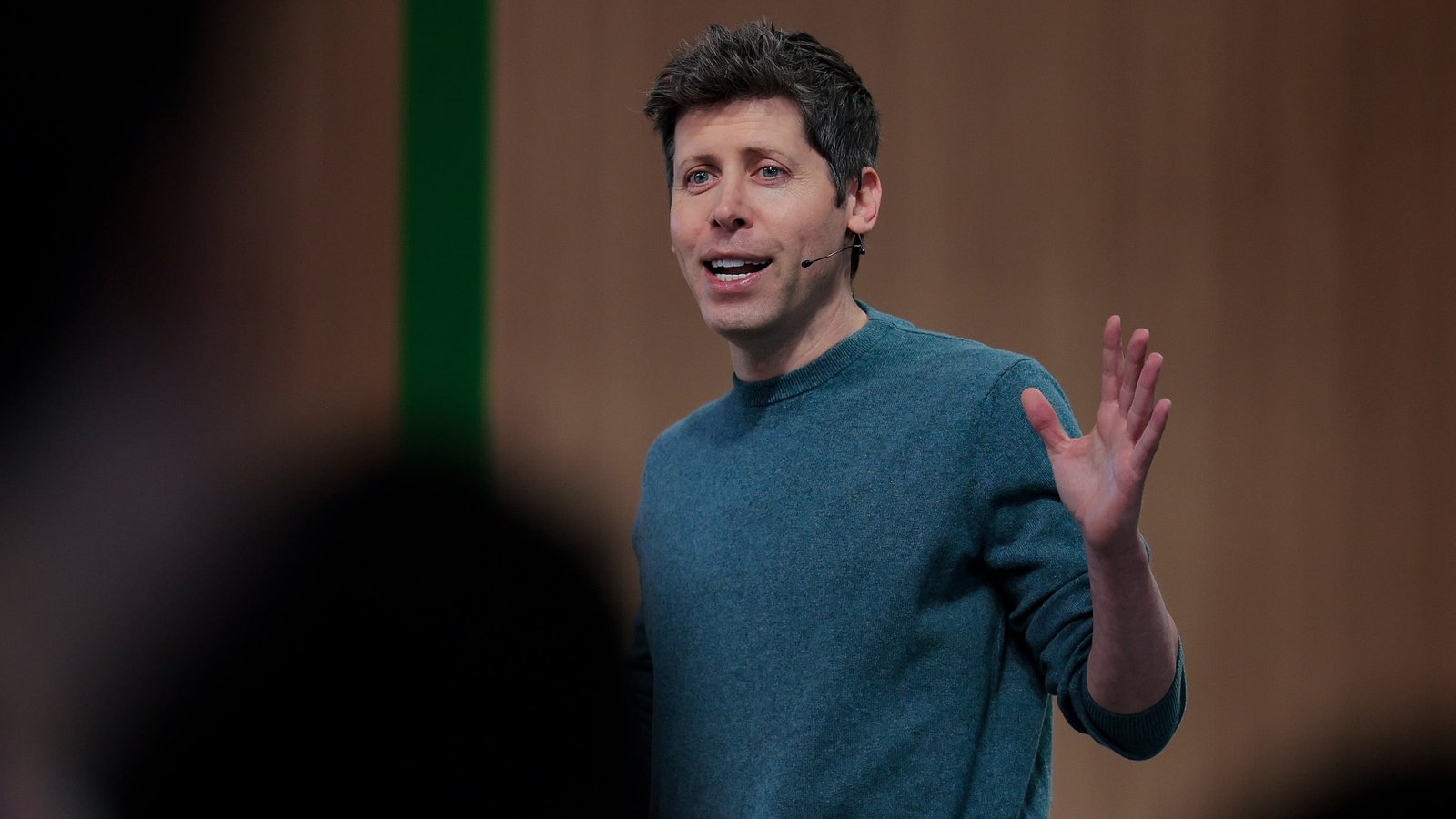
Can “Ram Altman” save us from the memory shortage?
On X/Twitter, OpenAI’s CEO Sam Altman briefly changed his name to the moniker while addressing controversial comments he made last week, suggesting that PCs outfitted with loads of DRAM were a waste of memory.
“I have been arguing for the world to ramp up memory production for a long time,” he wrote in a tweet on Tuesday night.
Altman engaged in some damage control for comments he made last week in the Cheeky Pint podcast. In the interview, he seemed to object to users running AI locally over PCs built with high memory specs. “But from a global allocation perspective, actually, it’s quite terrible to have everybody have a bunch of the world’s limited supply of DRAM sitting in their own computer. And be used 5% of the time,” he said. “You want maximum utilization in the cloud if you’re trying to deal with this very supply-constrained environment.”
Altman’s apparent self-serving comments sparked a wave of backlash from AI enthusiasts and PC gamers, who were quick to point out his company has been a major driver for the ongoing memory shortage, which has led to price hikes across consumer electronics. Some users have also been poking fun at OpenAI’s CEO with memes and photos, including a fake GoFundMe for his company’s memory needs. On Tuesday, one user tweeted at Altman with an image of a trail of RAM sticks leading to a box trap.
The image got a “lol” from Altman’s own account on X. A user then asked OpenAI’s CEO to change his profile name to “Ram Altman,” which he briefly did, according to screenshots.
This Tweet is currently unavailable. It might be loading or has been removed.
Altman then explained: “but only because…i actually do want the world to have tons of memory and people to put as much as they want in their computers, and it is fucking annoying that this was taken out of context.”
One user then asked: “why u want my ram then?” Altman simply replied: “i want you to have so much ram, lets build more.”
Recommended by Our Editors
This Tweet is currently unavailable. It might be loading or has been removed.
Still, not everyone is convinced. “Then don’t order 40% of the world’s RAM at once and then claim your for people having RAM,” wrote one user in response. “I’m sure this is a futile attempt to PR damage control,” said another user on Reddit.
The harsh reception occurs amid persistent concerns about AI’s impact on society and the memory crunch. In yesterday’s election, US voters overwhelmingly supported measures to block and restrict new AI data center construction.
Perhaps in response to the concerns, OpenAI’s CEO also went out of his way to tweet on election night: “People should always be in control of the future…. People should not cede control of the future to superintelligence, and that requirement should ultimately constrain AI progress.”
About Our Expert

Michael Kan
Principal Reporter
Experience
I’ve been a journalist for over 15 years. I got my start as a schools and cities reporter in Kansas City and joined PCMag in 2017, where I cover satellite internet services, cybersecurity, PC hardware, and more. I’m currently based in San Francisco, but previously spent over five years in China, covering the country’s technology sector.
Since 2020, I’ve covered the launch and explosive growth of SpaceX’s Starlink satellite internet service, writing 600+ stories on availability and feature launches, but also the regulatory battles over the expansion of satellite constellations, fights with rival providers like AST SpaceMobile and Amazon, and the effort to expand into satellite-based mobile service. I’ve combed through FCC filings for the latest news and driven to remote corners of California to test Starlink’s cellular service.
I also cover cyber threats, from ransomware gangs to the emergence of AI-based malware. In 2024 and 2025, the FTC forced Avast to pay consumers $16.5 million for secretly harvesting and selling their personal information to third-party clients, as revealed in my joint investigation with Motherboard.
I also cover the PC graphics card market. Pandemic-era shortages led me to camp out in front of a Best Buy to get an RTX 3000. I’m now following how the AI-driven memory shortage is impacting the entire consumer electronics market. I’m always eager to learn more, so please jump in the comments with feedback and send me tips.
Leave a Reply