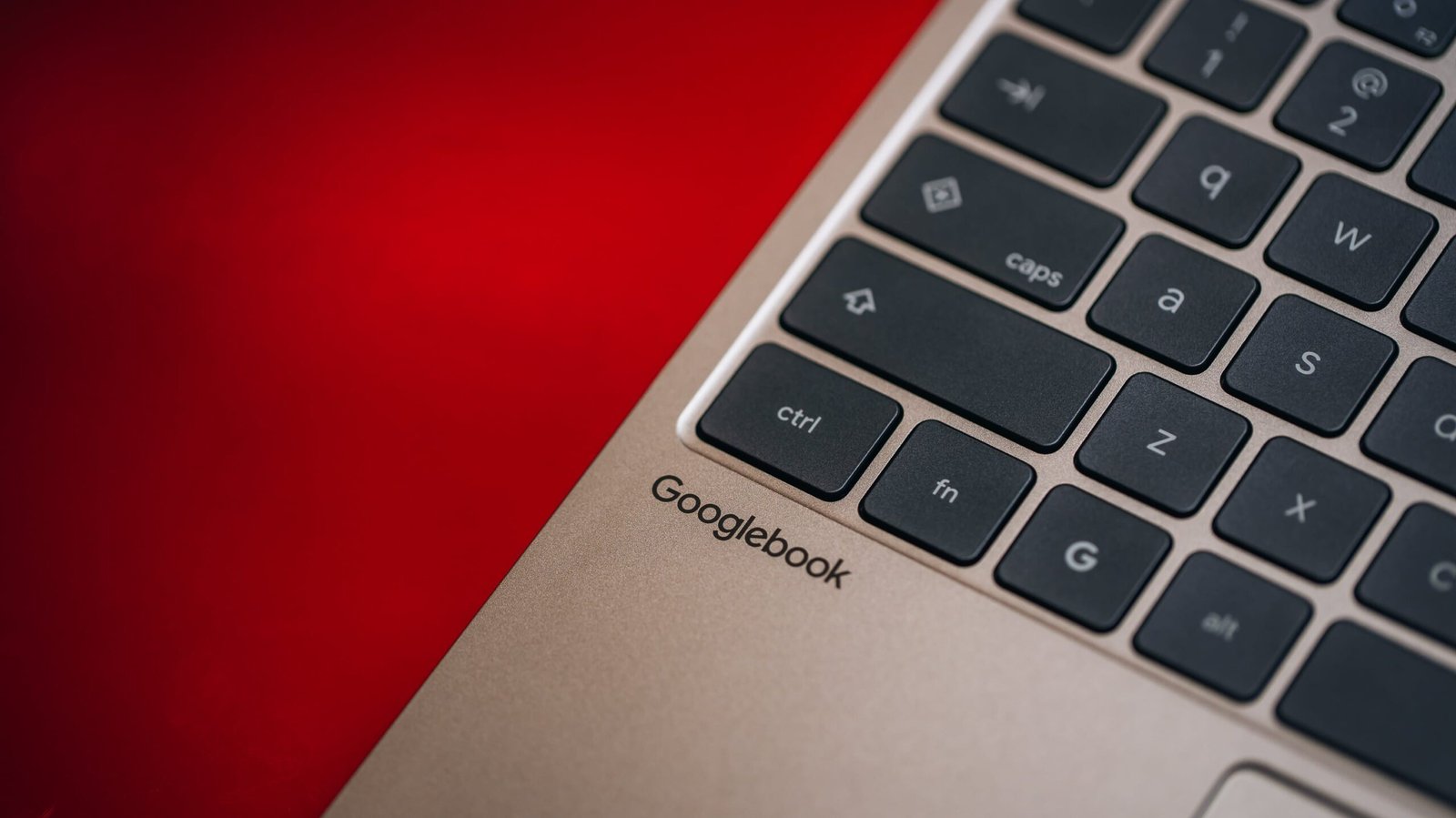
Googlebook is one of the year’s biggest computing innovations, and we may soon see an additional form factor to access Google’s burgeoning operating system. Alongside previous clamshell and 2-in-1 devices, Google has confirmed it will soon expand into a detachable, tablet-like alternative.
During the Android Dev Summit 2026, a developer keynote confirmed plans for a detachable device, as spotted by 9to5Google. Google’s Marisol Ryu said, “Googlebook spans across large screen form factors from clamshells, convertibles, and soon detachables.”
This is the first official confirmation of a tablet-like device capable of running on Googlebook OS, although a Lenovo-made detachable first leaked back in July. It was spotted alongside photos of the Lenovo Googlebook 15, which went on sale in October.
The original leak showed a device with a detachable keyboard and kickstand, but it’s unclear if this will be the next device to hit shelves, or whether one of the other manufacturers beats Lenovo.
It’s unclear why Google or the device manufacturers chose not to launch tablet-like 2-in-1 devices within the first wave of products, but it may have been due to software constraints. Some Googlebook OS functions aren’t available in a portrait orientation, which may cause issues.
The next big question is whether this software will eventually replace Android on high-end tablets, or whether Google will have various devices running different versions of the software.
Recommended by Our Editors
The Googlebook range currently comprises five devices, including Acer’s Googlebook 14, the convertible 2-in-1 option. The four clamshell devices are the Asus Googlebook 14, Dell XPS Googlebook, HP Googlebook 14, and Lenovo Googlebook 15.
PCMag’s time with a range of Googlebook devices has highlighted some restrictions with what you can do. PCMag’s Deputy Managing Editor for Hardware, Joe Osborne, says, “Almost anything beyond the basic use you’re accustomed to on an Android device introduces friction. Meanwhile, established platforms like macOS and Windows keep on trucking, and invite unfortunate comparisons if you need more than Android apps can deliver.”
About Our Expert

Experience
I’ve been a journalist for over a decade after getting my start in tech reporting back in 2013. I joined PCMag in 2025, where I cover the latest developments across the tech sphere, writing about the gadgets and services you use every day. Be sure to send me any tips you think PCMag would be interested in.
Leave a Reply