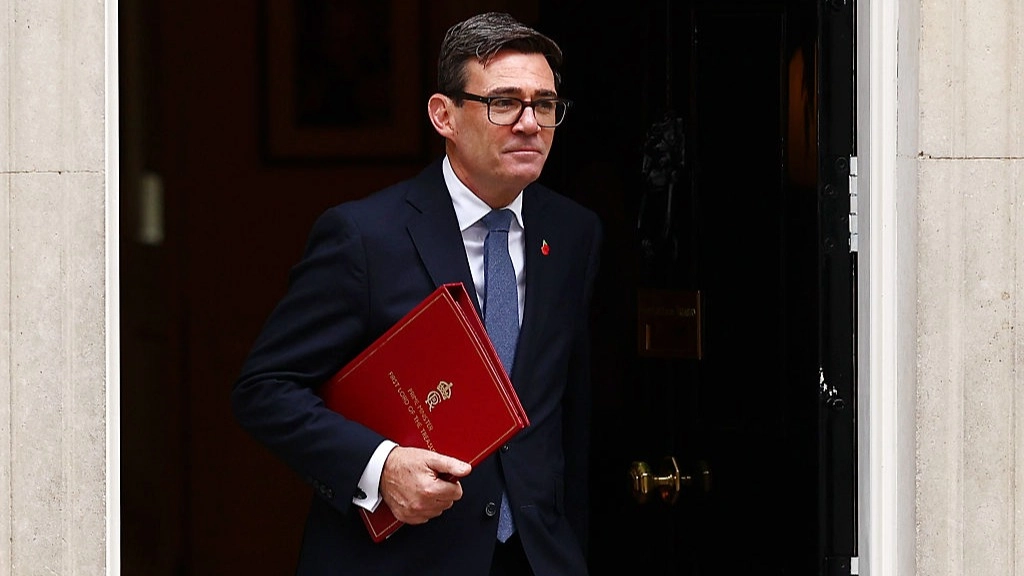
Around 20 million households in the UK are expected to receive £100 from the Government to help with rising energy costs, as Chancellor of the Exchequer John Healey made the announcement at his first Budget.
He announced that the funding would be coming for households that sit within the council tax bands A to D, explaining that it’d cost around £2.6 billion to put some money towards the cost of energy bills.
The Chancellor also called on the devolved governments in Scotland, Wales and Northern Ireland to ‘do the same and give people of all nations in the UK breathing space on their energy bills this winter’.
He announced that they’d get their share of the money towards this £100 payment to particular households.
Speaking to the House of Commons as he announced his first Budget, Healey said: “Let me say this to families at home, I know that with the conflict in the Middle East, rising energy bills are a real worry.
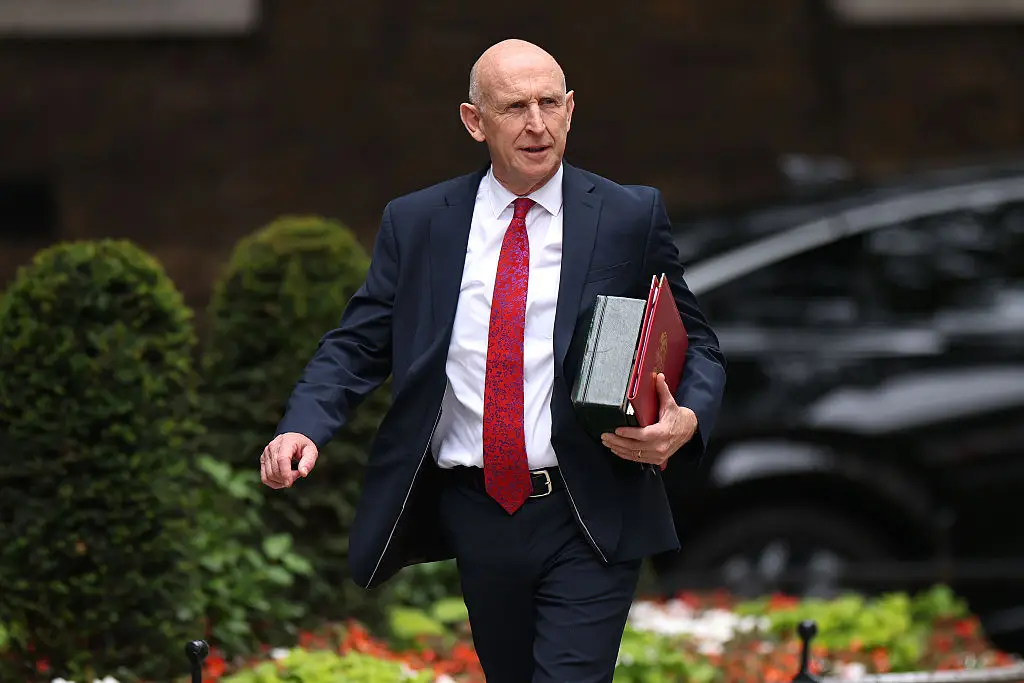
Chancellor of the Exchequer John Healey announced the £100 winter payment (Dan Kitwood/Getty Images)
“I know that people look to Government at times like this, not to solve all their problems, but to give them a bit of breathing space.
“So today I’m taking one further step. This winter, for 20 million households in council tax bands A to D, I am announcing a £100 energy payment for households, paid directly into people’s bank accounts to deal with rising energy bills.
“That’s a £2.6 billion scheme to take the pressure off in the coldest months and see people though to the spring.”
Energy bills are expected to rise sharply in the coming months, having already risen the last time the energy price cap was changed.
While Healey said this would give ‘breathing space’ to people, campaigners have argued that the £100 will ‘barely dent’ the increases.
Simon Francis, co-ordinator of the End Fuel Poverty Coalition, said: “The Chancellor talked the talk on energy bills, but ultimately failed to walk the walk.
“Wholesale gas prices have tripled since February and bills are expected to rise further during the sixth winter of high energy costs.
“Yet the only immediate support is a payment that will barely dent the predicted rise households face in January. Because it is paid directly into household accounts in England, it may not even be spent on staying warm this winter.”
Council tax bands A to D will get the payment (Dan Kitwood/Getty Images)
How to check your council tax band
If you want to check which council tax band you’re in it’ll depend where in the UK you live, but the government has a tool you can use as long as you know your address and postcode, which you really should.
You can also challenge which council tax band you’re in if you think you’re not in the right classification, so it’s worth knowing which band your home belongs to and whether you ought to be challenging it.
If you’ve been paying council tax for over six months and there haven’t been recent changes to your home, but you think you’re in the wrong band then you can ask for a review.
Council tax bands are based on how much a property was worth on 1 April, 1991 for properties in England, or 1 April, 2003 in Wales.
If you’re challenging then you’ll need to provide evidence of at least five other similar properties on the same street or estate that pay a lower band than you do.
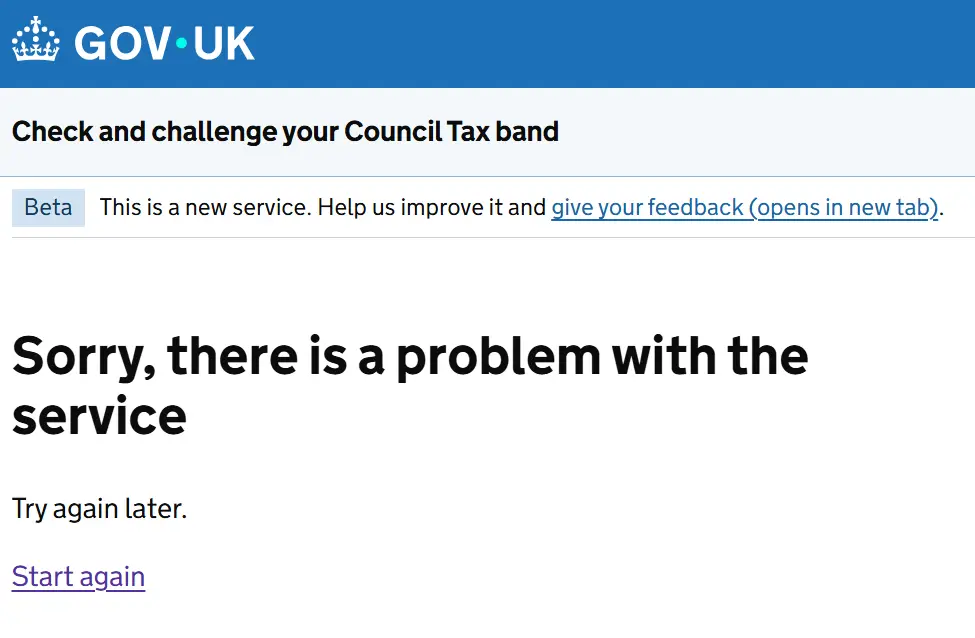
There’s been a lot of demand for the checker (UK Government)
Council tax band checker crashed
There appears to have been such a rush for people to check their council tax band that at time of writing the government’s tool for checking has crashed.
That’s unfortunate, but you might want to make a mental note to circle back to it later on when there’s less traffic to the site.
LADbible Group have contacted the government for comment about the crashed tool.
Research into which parts of the country pay the highest council tax bills across England has found a clear divide between the north and south.
A study from Getamover.co.uk found that proportionally the most expensive borough in England for council tax was Pendle, in Lancashire, where residents were paying 10.97 percent of median annual income on council tax, with average payments of £2,535.19.
Meanwhile, those in the City of London found it took the smallest chunk of their money, just 2.1 percent of their income with an average of £1,274.07 spent on council tax.
Leave a Reply