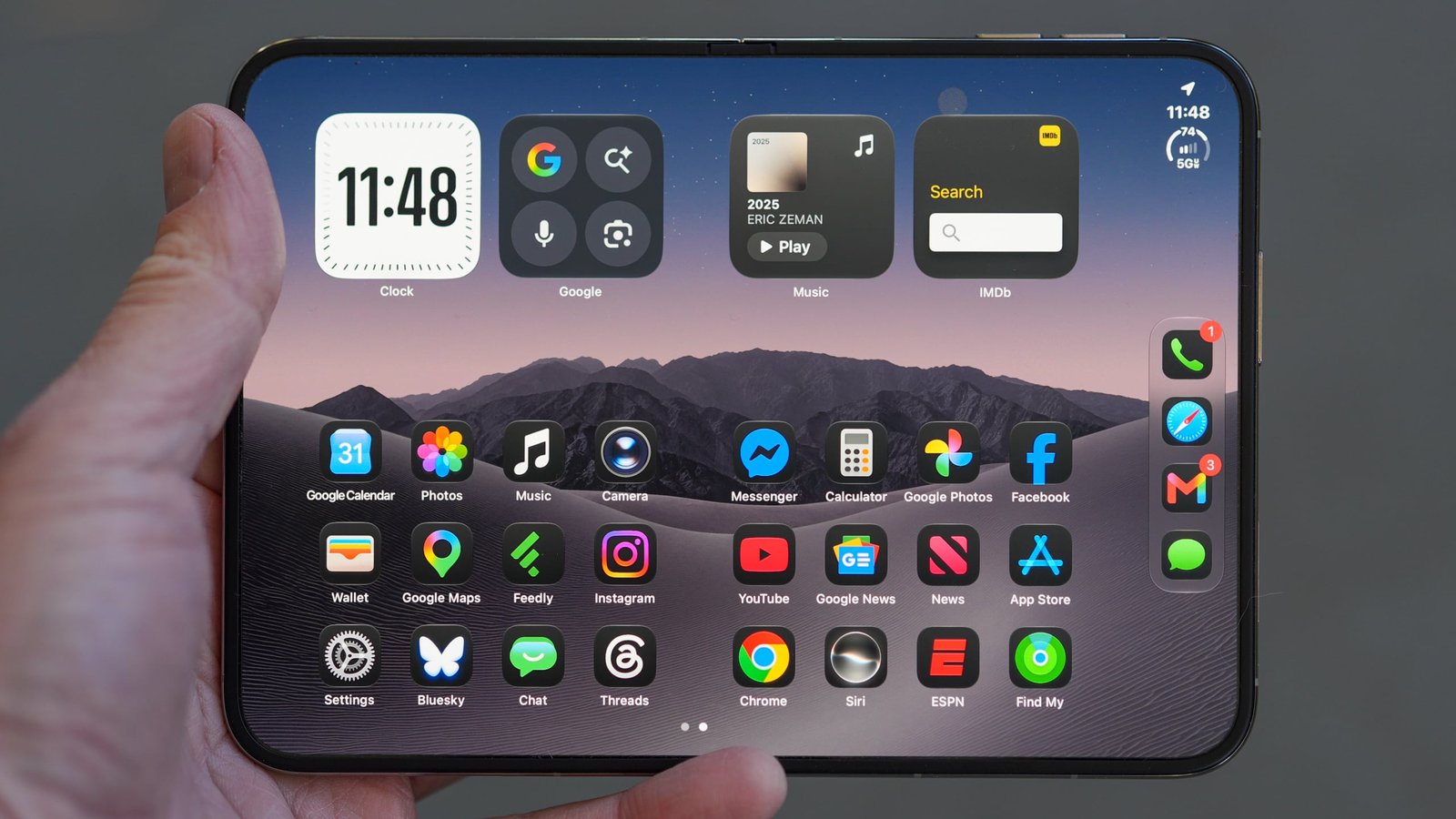
The iPhone Duo is officially on sale, and eager fans are flocking to Apple stores to buy it. Now that it’s a real thing that can be handled, the grievances have gotten pretty loud, mostly focusing on what it can’t do out of the gate, rather than on just how good a first effort it is.
The vitriol directed at the compromises Apple made in designing and engineering the Duo is wholly unwarranted and seems to come from those who’ve never handled a foldable before.
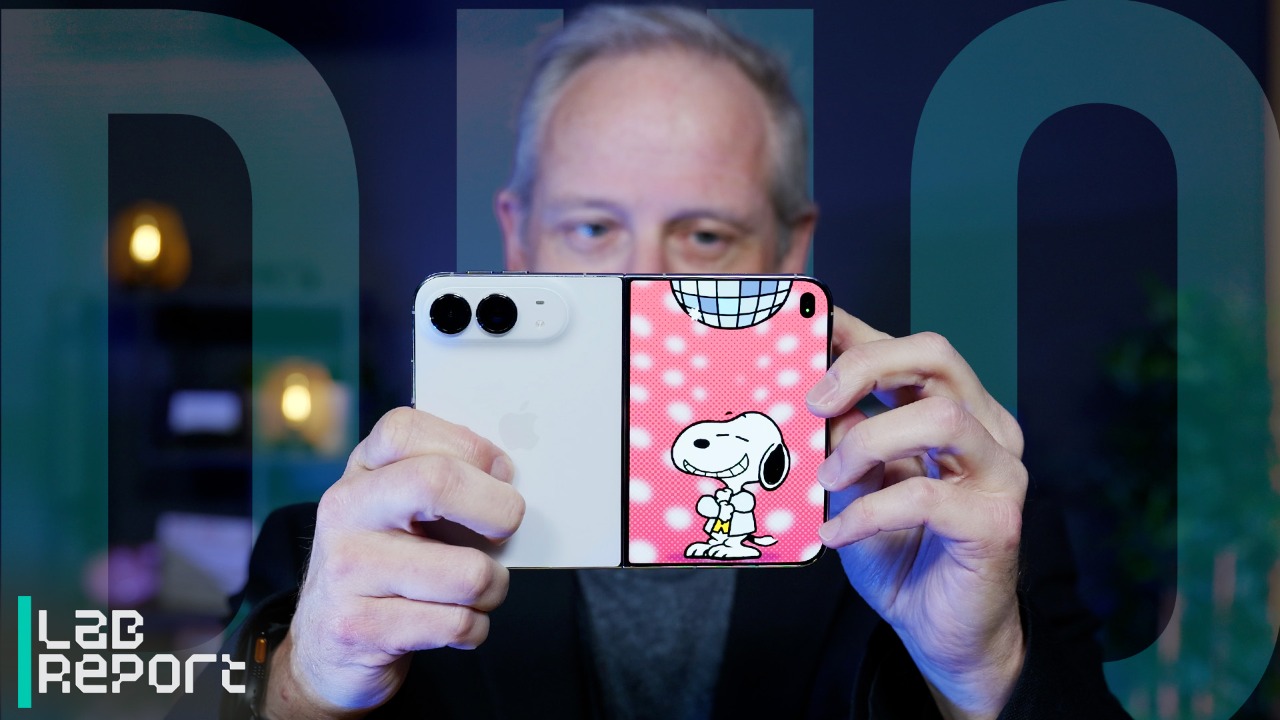

Apple iPhone Duo Review: A Big, Beautiful, Powerful iPhone With Some Twists
The Duo bends in half. You should expect the device to showcase the company’s design prowess and software integration, not to be the company’s do-it-all device containing everything and the kitchen sink. To appreciate what Apple is offering with its first-generation foldable, you have to accept the trade-offs that Android users have long since become accustomed to in this form factor.
The iPhone Duo Is Not a Camera Rig
Those who rely on the iPhone for social media content creation are speaking loudest about the Duo’s cameras not being up to par with the iPhone 18 Pro. The Duo starts at $1,999 for 256GB of storage and creeps past $3,000 for the 2TB model. But it’s limited to a two-camera setup without a dedicated optical telephoto lens. At this price, people appear to expect uncompromising camera hardware, not a limited array that relies mostly on sensor cropping to achieve zoom.

The iPhone Duo lets you use the front screen as a viewfinder (Credit: Eric Zeman)
Admittedly, I griped about this as a phone reviewer (over two years ago) with the Samsung Galaxy Z Fold 6. Part of my justification was that, well, the Galaxy S24 Ultra boasted 100x digital zoom, so why couldn’t the Z Fold 6? Then the Z Fold 8 Ultra got a 200MP camera. That’s when I realized the Z Fold isn’t about having the best cameras; it’s about offering a tablet-sized inner screen for multitasking. And Samsung’s excellent software emphasizes this point.
The folding form factor is handy for recording video and taking selfies, sure, but it doesn’t need a dedicated optical periscopic zoom to be deemed worthy for those uses. I can see why there’s a subset of users who have been waiting for this kind of literal flexibility in a phone they’re already using to shoot everything. But that overlooks the Pro series’ existing focus on photographic and video creation using film-industry hallmarks, such as Apple ProRAW and 4K120 capture.

Avoid the wobble brought on by more lenses (Credit: Eric Zeman)
The first-generation book-style iPhone Duo simply isn’t the right vessel for a top-tier camera system. Adding a periscope module could push the weight past 9 ounces—it’s already at 8.9 ounces—and perhaps add more thickness to the chassis, pushing it past sleek and into unwieldy territory. People are already remarking on the Duo’s weight; it’s heftier than Google and Samsung’s foldables. It doesn’t need more, just so you can take the occasional concert photo from the upper deck of a stadium.
A Foldable Is Its Own Thing
Samsung spent seven years doing the R&D to make multitasking work on its Android devices, and it took some less-than-stellar foldable releases to get there. The company’s 2019 foray into the category forced Google to adapt Android’s source code for multiple screen types. Now, it’s a fluid experience across the Android foldables and tablet ecosystem.

Left to right: Galaxy Z Fold 8, iPhone Duo (Credit: Eric Zeman )
Apple only had to deal with its own hardware, but it still had to build a new version of iOS for the Duo. Just as copy-and-paste took two years to reach the iPhone 3GS in 2009, features perceived as missing from the Duo will eventually make it there.
Recommended by Our Editors
For example, we’re still waiting for iPadOS-style flexible app resizing on the Duo and parity between the cover screen and inside screen across all apps. It’s a reminder that the road to fluid dual-screen behavior is paved with incremental software updates that iron out the kinks over time.
We’ve seen Apple play this part before. The 2007 iPhone lacked half the specs of the Symbian and BlackBerry devices dominating the market at the time. First-generation Apple hardware has never been about checking every box on day one or fulfilling the deepest desires of the most devoted users.
Right now, Apple is more interested in laying a foundation and setting the stage for what’s to come. The iPhone Duo is a productivity powerhouse that helps you get everything you need done without carrying a third device.
Foldables have always been about compromise. Android foldable users have made peace with that. Now, it’s iPhone users’ turn, whether they like it or not.
About Our Expert

Florence Ion
Senior Writer, Mobile
Experience
I’m PCMag’s Senior Mobile Writer. I write about Android, iOS, and the myriad intricacies in between. I’ve been covering these worlds for more than 15 years. Before joining PCMag, I was a staff reporter for Gizmodo, PCWorld, and Ars Technica.
Leave a Reply