Tag: PC Magazine Tech123

  • A Back-to-School Win: MS Office 2019 Is Just $15 With No AI or Monthly Fees

    A Back-to-School Win: MS Office 2019 Is Just $15 With No AI or Monthly Fees

    TL;DR: Get Microsoft Office Professional Plus 2019 for one Windows PC for $14.97 through September 1.

    If you’re getting a student ready for the school year, or just need a reliable Office suite without the bells, whistles, and monthly fees, Microsoft Office 2019 Professional Plus is now just $14.97 (MSRP $229) with instant delivery.

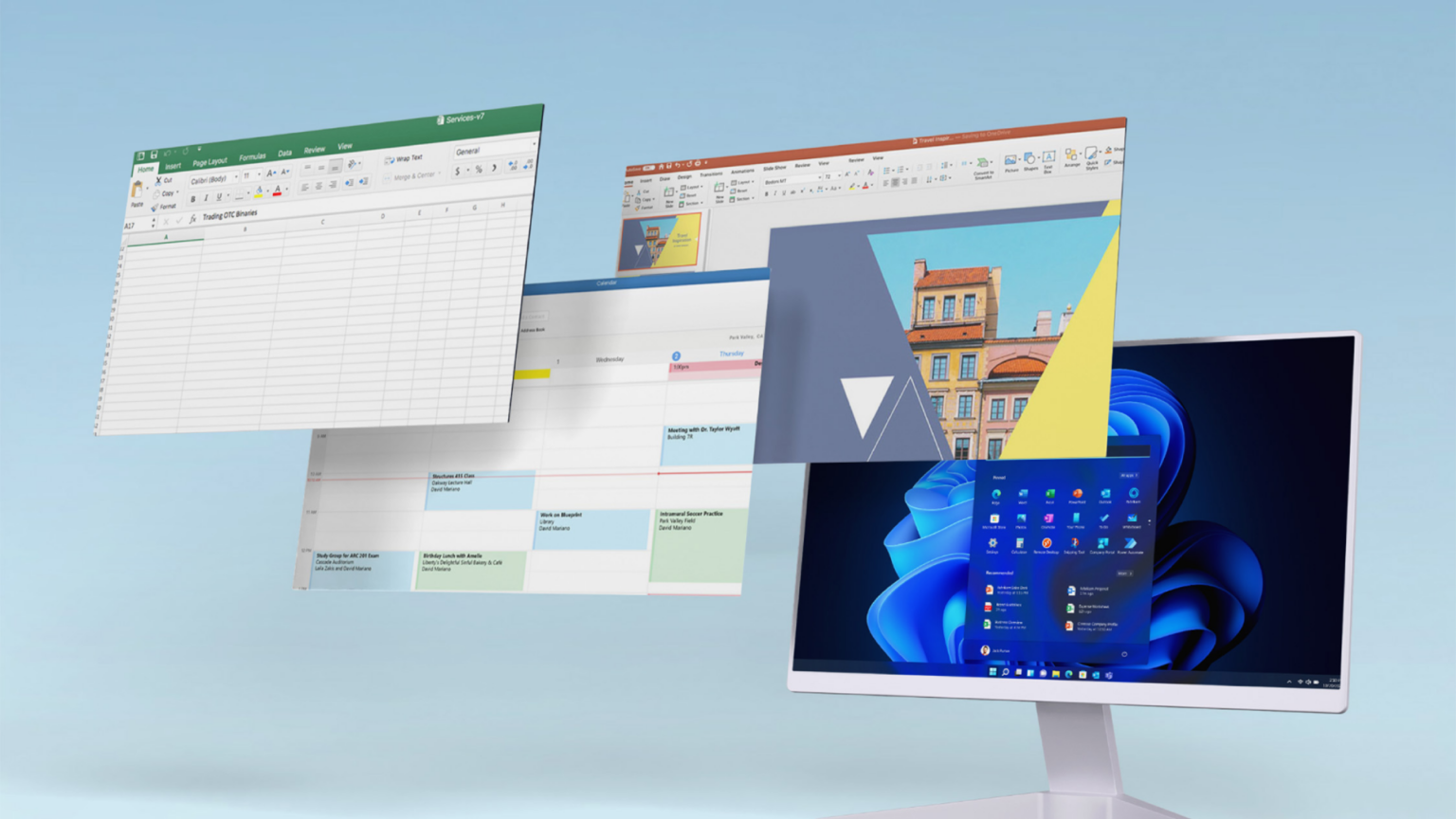
    This version includes all the essentials: Word, Excel, PowerPoint, Outlook, OneNote, Publisher, and Access. That means you or your student will have everything you need to write papers, build spreadsheets, create presentations, and manage emails without a subscription or cloud dependency.

    Office 2019 is also AI-free, making it a solid choice for students who need to focus on learning the material rather than generating it. For parents, it’s a smart way to give kids the tools they need without giving them access to AI-powered shortcuts.

    The license is a one-time purchase for one Windows PC, and setup is simple. You’ll get instant access to download links and product keys right after checkout.

    Recommended by Our Editors

    Download Microsoft Office for Windows while it’s still $14.97 (MSRP $229) through September 1.

    Microsoft Office Professional Plus 2019

    For Windows


    $14.97
    at StackSocial

    $229.00
    Save $214.03


    Get Deal

    Prices subject to change. PCMag editors select and review products independently. If you buy through StackSocial affiliate links, we may earn commissions, which help support our testing.

    About Our Expert

  • Own a Lifetime of Windows 11 Pro and Microsoft Office 2021 for Just $33

    Own a Lifetime of Windows 11 Pro and Microsoft Office 2021 for Just $33

    TL;DR: Get lifetime Windows 11 Pro and Office Professional 2021 licenses for one compatible PC for $32.97 through September 1.

    A Windows PC typically needs an operating system and productivity software. This $32.97 bundle covers both with lifetime licenses for Windows 11 Pro and Microsoft Office Professional 2021, down from a combined $418.99, through September 1.

    Office 2021 includes Word, Excel, PowerPoint, Outlook, Teams, OneNote, Publisher, and Access. It installs on one Windows PC for home or work.

    Windows 11 Pro includes tools that aren’t available in Windows 11 Home. BitLocker provides full-disk encryption, Hyper-V runs virtual machines, and Windows Sandbox creates an isolated space for testing apps. Azure AD supports business identity management, while Snap layouts, DirectX 12 Ultimate, biometric login, and Copilot cover multitasking, gaming, security, and everyday assistance.

    The main caveat is compatibility. Check the machine with Microsoft’s PC Health Check app before buying.

    The Windows license is also non-transferable and remains tied to one PC. For a compatible computer that needs both Windows and Office, the bundle consolidates two core purchases without adding monthly fees.

    Recommended by Our Editors

    Get Windows 11 Pro and Office Professional 2021 licenses for just $32.97 (MSRP $418.99) through September 1.

    The Ultimate Microsoft Office Professional 2021 for Windows

    Lifetime License + Windows 11 Pro Bundle


    $32.97
    at StackSocial

    $418.99
    Save $386.02


    Get Deal

    Prices subject to change. PCMag editors select and review products independently. If you buy through StackSocial affiliate links, we may earn commissions, which help support our testing.

    About Our Expert

  • Google’s Dreambeans Gives You Personalized Illustrated Life Suggestions. Now It’s Free to All

    Google’s Dreambeans Gives You Personalized Illustrated Life Suggestions. Now It’s Free to All

    If you use the internet anything close to regularly, you’ve become increasingly comfortable with two things for the past few years: seeing more personalized content in your feed and more AI-generated imagery.

    Google Labs’ newest app, Dreambeans, combines both, using Google’s AI to create custom-made illustrated daily stories based on your interests, drawing on the troves of data which Google holds on you.

    Once you give it permission, the Android and iOS app will synthesize data from across your Gmail, Calendar, Photos, YouTube and Search history. It will then “dream” overnight to produce a fresh, capped batch of new stories or “beans” every morning. Each story features AI-generated imagery created by Google’s Nano Banana 2 image generator.

    For example, if your Google footprint suggests you are planning a foreign getaway with your mother, it may generate an illustrated story that suggests restaurant picks in that location, alongside recommendations about the different menus and the most scenic views.

    Dreambeans uses a feature rolled out earlier this year, called Personal Intelligence, that allows Google Gemini to draw data from your entire personal Google ecosystem. For example, appointments in your Google Calendar, or emails in your Gmail.

    It started rolling out in June, but had initially only been available to $99.99-per-month Google AI Ultra subscribers, followed by $19.99-per-month AI Pro subscribers in early August.

    Recommended by Our Editors

    If you aren’t happy with the suggestions you receive, you can tap the “thumbs down” button on any story to signal that something isn’t right. This then opens a chat where you can provide feedback, which is then processed overnight and reflected in your future stories.

    Google Labs is currently in charge of some of the tech giant’s most forward-looking AI products. Gemini Notebook, which began rolling out in May 2025, allows users to generate AI-hosted podcasts from text. Flow, which began rolling out in January 2026, provides AI-assisted video and image generation and editing.

    About Our Expert

  • Delete Your Monthly Microsoft Office Bill With This $30 Lifetime License

    Delete Your Monthly Microsoft Office Bill With This $30 Lifetime License

    TL;DR: Score Microsoft Office Professional 2021 for Windows for $29.97 (MSRP $219.99) through September 1. You’ll get Word, Excel, PowerPoint, Outlook, and more with a one-time license instead of another monthly subscription.

    If you’re still paying for Office every month, there’s a simpler way to get the apps you actually use. For a one-time payment of just $29.97 (MSRP $219.99) until September 1, Microsoft Office Professional 2021 for Windows gives you a full desktop Office suite without a recurring subscription.

    The license includes Word, Excel, PowerPoint, Outlook, Publisher, Access, OneNote, and the free version of Teams, making it useful for everything from everyday documents to more involved work projects.

    More To Like About Office 2021:

    • Compatible with Windows 10 and 11

    • Works offline after installation

    • License is tied to your device, not your Microsoft account

    • Instant download and license delivery

    The redesigned interface also includes customizable tools and quick-access features, while the lack of cloud dependency means you can keep working even when your internet connection decides to take the day off.

    Through September 1, get a lifetime license to Microsoft Office Professional 2021 for Windows for $29.97 (MSRP $219.99) and skip the monthly subscription.

    Recommended by Our Editors

    Microsoft Office Professional 2021

    Lifetime License for Windows


    $29.97
    at StackSocial

    $219.99
    Save $190.02


    Get Deal

    Prices subject to change. PCMag editors select and review products independently. If you buy through StackSocial affiliate links, we may earn commissions, which help support our testing.

    About Our Expert

  • Siri AI Can Only Do So Much. For Smart Home Dominance, Apple Needs to Improve These Two Products, and Fast

    Siri AI Can Only Do So Much. For Smart Home Dominance, Apple Needs to Improve These Two Products, and Fast

    As a longtime technology journalist, I’ve slogged through multiple smart home platform transitions and poorly implemented gadgets. It’s easy to be skeptical; companies discontinue devices and services every year, and home voice assistants still need work.

    That said, an honest evaluation of Apple’s current smart home landscape reveals it’s not in terrible shape. Matter has helped a lot in this regard, and it’s poised to get even better thanks to Siri AI in iOS 27 and a rumored refresh of Apple’s smart home devices.

    Of course, there’s always room for improvement, and HomeKit could benefit from upgrades in two areas: cameras and controllers. Here’s why it’s critical.

    Apple’s Smart Home Camera Solutions Are Lacking

    Instead of separate notifications about each action, Apple's AI will provide a single, detailed alert about the event

    Instead of separate notifications, Apple’s AI will provide a single, detailed alert. (Credit: Apple)

    Apple seems to be aware that it’s lacking in the security camera department. It’s upped its feature set in iOS 27, specifically around HomeKit cameras appearing in the Home app. Notifications can be grouped, so events like someone arriving at the house don’t create a flurry of alerts. You can also search for events across all compatible cameras at your house.

    The problem, however, is the lackluster camera support. Most of PCMag’s picks for best outdoor home security cameras, for example, don’t support HomeKit Secure Video, and won’t be able to take advantage of those iOS 27 features.

    When all of my cameras were Google Nest and available in one app, I was happy to ignore competing products. But now, with the Nest app dropped in favor of Google Home, the demise of Nest Protect, and the company waiting years between speaker upgrades, it’s gotten harder to be satisfied with anything Nest-related.

    But whether it’s keeping an eye on deliveries, kids, or other guests, a video doorbell is just an integral piece of a smart home now. As a result, I have three apps to view four cameras. It’s driving my family crazy. The devices all perform well, but they’re not HomeKit-compatible, so they’re not in the Home app.

    Apple could fix this by building its own solution, starting with a video doorbell or front door camera, which are more universal than locks or thermostats.

    Apple’s Home App Needs Better Controllers and Access Points

    iPad-like device on a wall with someone reaching to touch it

    Apple’s rumored device could look something like this. (Credit: recep-bg/Getty Images)

    I’d like a reliable way to control my smart home without having to take my phone out of my pocket each time I want to change something. My family puts up with all of our lights being controlled via voice, but the experience has degraded over the years. We need a home controller that everyone can freely access through one app; in this case, Apple’s Home app.

    Recommended by Our Editors

    Apple reportedly has a smart home hub in the works, which we could see as soon as October. It has been waiting for Siri AI to be ready, but the company already has all the hardware pieces in place, from the iPad for displays to the HomePod for smart speakers. On the software side, it has things like widgets and Live Activities for glanceable data and easy control, not to mention support for third-party apps.

    Apple’s Smart Home Needs More Than Siri AI

    After trying Siri AI during the beta period and seeing other people put it to work, I do think it’s finally a much better product. The virtual assistant seems ready to help across all Apple devices, including in the smart home.

    But as much as Siri AI fills in all the gaps, it can’t do all the work. Apple should invest in a more full-featured home hub, a la the Apple TV box, that helps power more automations and devices. But most importantly, Apple needs to release its own camera, followed by a touch-screen home controller. Is this all on tap for its Sept. 9 “surprise and shine” event? Stay tuned.

    About Our Expert

  • Hyte Y50 RGB Review: A Panoramic View, a Pocket-Friendly Price

    I received the Snow White version of the Y50. (To my eyes, this is more of an arctic white with a slightly bluish cast.) You’ll want to choose your color based on the motif your build is going for, as well as the color schemes of your main parts, such as the motherboard and GPU. 

    Designed to show off your internal components, the half-wrap glass with a clipped corner has been a signature part of Hyte’s high-end case models, and here it has trickled down to mainstream pricing. Of course, in a build like this, you may want to install a vertical video card, but this case isn’t suited for that. The Y50’s lower price meant Hyte had to remove the spendy PCI Express riser cable and vertical bracket that its Y60 included. Also, the PCI Express card mounting zone is designed for “ordinary”-orientation GPU installs.

    Hyte Y50 RGB

    (Credit: Thomas Soderstrom)

    On the upside, the Y50 RGB has one more fan than the Y60, and the new fan configuration is all—as the name implies—digitally addressable RGB (technically, ARGB). Plus, for its three stacked fans, Hyte uses a reversed-blade fan design, allowing the Y50 RGB to hide its fan motors on the inlet side. All three of these fans are joined by a triple-fan frame at the front of the case’s right side. That keeps cabling clean and easy.

    The side panel fans on the Hyte Y50 RGB

    (Credit: Thomas Soderstrom)

    External connectors follow a familiar layout, with the power button inside a lighted power-indicator ring, two USB 3.2 Gen 1 ports to its sides, a headset combo jack, and a Gen 2×2 Type-C port, all squeezed into the slanted outer edge of the case’s front bottom. The 3.5mm combo jack works with both stereo headphones and microphone-integrated headsets.

    Behind that panel, though, is another design curiosity: Hyte sinks the floor to its right to make extra room for 360mm-format radiators up to 410mm long, raises the floor to its left to conceal bottom-mounted fans up to 32mm thick (these you’d have to provide yourself), and makes the center section wide enough (around 4 inches) to display various choices of novelty—if so desired.

    The front panel I/O on the Hyte Y50 RGB

    (Credit: Thomas Soderstrom)

    The dual 120mm bottom fan mount is factory covered in the Y50 RGB’s only dust filter.

    The bottom of the Hyte Y50 RGB

    (Credit: Thomas Soderstrom)

    Around back are the seven-slot card panel, a 120mm exhaust fan that you can adjust up and down, a power supply flange in the right side chamber, and a decoratively plated Hyte logo case badge. The two screws beneath the case badge secure an internal drive cage.

    A pattern of vents on the Y50 RGB’s right side-panel covers its triple-fan mount from top to bottom, then turns toward the rear to vent the power supply.

    The rear of the Hyte Y50 RGB

    (Credit: Thomas Soderstrom)

    The Y50 RGB’s top fan mount is unusual in that it has three rows of screw slots on both its left and right sides. Using the outer mounts lets you fit up to two 140mm fans or a 280mm-format radiator, but smaller 120mm units fit in all three locations. While we’d generally recommend installing a 360mm-format radiator toward the outside to gain more motherboard clearance, doing so limits radiator space (behind the front’s angled glass) to 400mm. Moving that same 360mm-format radiator inward one slot gives it 410mm of space, and moving it all the way in gives it 420mm of space.

    Having considered those measurements, we still found that a radiator around 406mm long fit the outer slots, simply because the radius at the edge of its end cap just cleared the angled glass.

    The top panel fan mount on the Hyte Y50 RGB

    (Credit: Thomas Soderstrom)

    Notice how some of the cable passages that surround the motherboard tray in previous photos disappear in the dead-on shot. That’s because Hyte filled those holes with plastic guides that only face upward from the top of the board and forward from its front. Lacking those guides, holes around the outer edge of the motherboard tray are actually designed for reverse-connector full-ATX motherboards of the Asus BTF, Gigabyte Stealth, and MSI Project Zero type.

    Viewing the interior from this angle should quell most concerns about top-mounted cooler clearance, seeing as the large gap (more than 70mm) above the motherboard mounting area is clearly visible.

    The Hyte Y50 RGB with side panels removed

    (Credit: Thomas Soderstrom)

    A quick look into the power supply chamber gives us a better inkling of the shape of those cable guides. You can also see the drive cage that sits above the power supply bay and the cable passages that feed the side fans.

    The Hyte Y50 RGB with side panels removed

    (Credit: Thomas Soderstrom)

    The cage has space for two 3.5-inch and two 2.5-inch drives. The 3.5-inch drive section has a few extra holes to allow up to four 2.5-inch drives to be mounted on one edge. The entire piece can hold up to six 2.5-inch drives if desired.

    The hard drive cage for the Hyte Y50 RGB

    (Credit: Thomas Soderstrom)

  • Score a Refurbished Apple Watch SE 1 for Just $90

    Score a Refurbished Apple Watch SE 1 for Just $90

    TL;DR: Get a refurbished 40mm Apple Watch SE 1 with GPS, fitness tracking, safety features, and up to 18 hours of battery life for $89.99 (MSRP $249).

    The first-generation Apple Watch SE is a practical entry point for someone curious about the Apple Watch but unwilling to pay flagship prices. This refurbished 40mm model costs $89.99 (MSRP $249).

    Paired with a compatible iPhone, it can make calls, send messages, provide Maps directions, access Siri, play Apple Music, and complete Apple Pay purchases. Wi-Fi, Bluetooth, and NFC support its connected features.

    For activity tracking, the watch records walking, running, cycling, swimming, yoga, HIIT, and other workouts. Activity Rings monitor daily movement, exercise, and standing goals, while the optical sensor tracks heart rate throughout the day.

    Fall Detection and Emergency SOS add built-in safety functions.

    The Retina LTPO OLED display reaches up to 1,000 nits of brightness, keeping notifications and workout metrics visible. Its 50-meter water resistance makes it suitable for swimming.

    Battery life lasts up to 18 hours on a single charge.

    Recommended by Our Editors

    This is a Grade B refurbished product, so it may show light scuffing around the case or minor scratches and dents on the body.

    For a first smartwatch, backup wearable, or practical gift, the Apple Watch SE is a smart buy at $89.99 (MSRP $249).

    Refurbished Apple Watch SE 1 (2020)

    40mm


    $89.99
    at StackSocial

    $249.00
    Save $159.01


    Get Deal

    Prices subject to change. PCMag editors select and review products independently. If you buy through StackSocial affiliate links, we may earn commissions, which help support our testing.

    About Our Expert

  • Wanna Sit on a Thumbstick? IKEA Announces Quirky Xbox Furniture Collab

    Wanna Sit on a Thumbstick? IKEA Announces Quirky Xbox Furniture Collab

    Component shortages and their resulting price hikes might be making it borderline unaffordable for many people to buy current-gen consoles, including the Xbox Series X. But if you’re interested in adding some more Xbox to your gaming setup but can’t afford a new device—how about some Xbox-themed homeware?

    IKEA and Xbox are collaborating on a new nine-item collection, dubbed Yxstaby, focused on furniture and objects meant to be used by gamers.

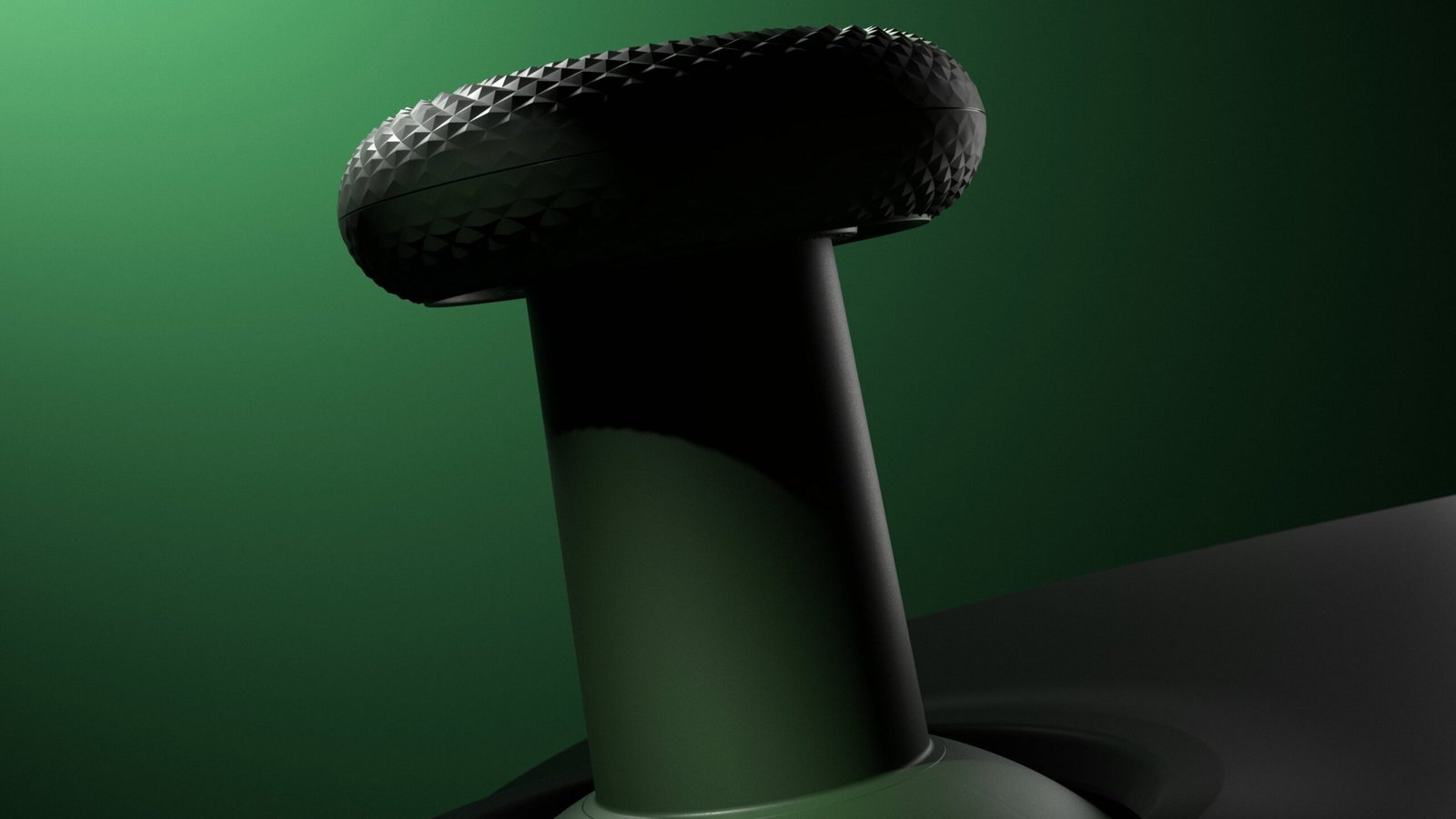
    Highlights from the collection include a green stool designed to mimic the thumbstick on the original Xbox controller. According to Wired, the design team labored over this item, finally incorporating rubber rings into the base to keep it stable despite its unconventional design, which allows you to swivel on it.

    The collection also includes an elegant metal platter based on the D-pad of the original Xbox controller, which is also available as a pillow, in both green and black.

    Many products in the collection are more subtle in their debt to the Xbox aesthetic. The collection also features a mash-up between a laptop stand and a gaming hardware toolbox, which can be used to store all your gaming accessories, and has an on-brand green cutaway at the bottom.

    Another item up for grabs is a gaming chair with built-in storage slots to store your gaming accessories under the seat, again featuring the classic Xbox green trim. You can also grab a rounded mobile side table designed specifically for gaming setups, for storing controllers, as well as a circular mobile stand, featuring an integrated shelf with space for equipment and accessories.

    Recommended by Our Editors

    Metallic D-Pad

    (Credit: Microsoft)

    The collection will be available in IKEA stores and online from 1 October. Availability may vary by market, and prices have yet to be announced.

    If you’re really set on maximizing your commitment to the classic Xbox design aesthetic, earlier this week, Microsoft started taking preorders for the limited edition of its translucent and green Xbox Series X, the Xbox Series X25 Limited Edition. Though at $899 it’s quite an investment in your gaming set-up.

    About Our Expert

  • After 15 Years, the Tim Cook Era at Apple Ends This Week

    After 15 Years, the Tim Cook Era at Apple Ends This Week

    After stepping into the post in 2011, Tim Cook is officially stepping down as Apple’s CEO this week. Cook will be replaced by Apple veteran John Ternus on Sept. 1, who has served as the company’s SVP of hardware engineering since 2021 and oversees the design team.

    Cook will remain at Apple in a new role, serving as executive chairman. The move was originally announced in April, following widespread speculation about his retirement. Ternus already had a high profile at the company, unveiling the MacBook Neo at its launch event in New York in March. In his goodbye letter, Cook called Ternus “a brilliant engineer and thinker,” adding that he is “obsessed with every detail.”

    It’s unknown what Ternus’s reign could bring, but Apple commentators like Bloomberg’s Mark Gurman have said Ternus “knows a major design shake-up is needed” at Apple, in contrast to Cook’s “historically limited presence,” citing sources within the company. Gurman has also reported that Cook is still expected to retain several key responsibilities, including maintaining relations with the White House.

    The change comes at a busy time for Apple. The company’s next big event is set for Sept. 9, which could see the debut of the iPhone 18 Pro lineup, Apple’s long-rumored foldable device, and a next-gen Apple Watch.

    Recommended by Our Editors

    Apple is still contending with issues like rising component costs due to the ongoing memory supply shortage, which has led to major price hikes across almost all of its products. The company still has an enviable position in the smartphone world. The iPhone 17 was the world’s best-selling smartphone in Q2 2026, commanding 6% of global sales, according to Counterpoint Research. The iPhone 17 Pro Max and the iPhone 17 Pro came in second and third, respectively.

    About Our Expert

  • Hate AI Search Results? Tough. Google Is Expanding Them Even More

    Hate AI Search Results? Tough. Google Is Expanding Them Even More

    Google’s AI Overviews has been controversial since it began rolling out in May 2024, with some users complaining about being unable to easily remove the feature, and some of the world’s largest publishers pushing back against its potential impact on their revenues.

    Google is now expanding the depth and detail of the AI Overviews it displays via Google Search. For select searches, some users report that the “Show More” button has been removed, with results jumping right into AI Mode and pushing the familiar blue links even further down the page.

    According to users on social media, Google is displaying full AI responses, comparable to what they’d see if they enabled AI Mode. The pages also sometimes automatically load the “Ask anything” box, which allows users to enter additional prompts and questions on the subject.

    Google confirmed the move in a statement to SEO Roundtable, which first spotted the change, but it stressed that the changes won’t apply to all search queries, only some.

    “AI Overviews only dynamically expand for topics where our systems determine it to be most useful. If you’ve already started scrolling, the expansion stops to keep your place,” Robby Stein, Google VP of Product for AI Search, tweeted. “We’re always testing and tuning these experiences, so we’ll continue to refine based on user feedback,” he added.

    At present, it seems there is no surefire way to trigger one of these automatically expanded AI Overviews, though users on X seem to note that some prompts fare better than others.

    As noted by Barry Schwartz, one of the first X users to post about the change, the move is “not great for publishers.” They’ve spent years investing in SEO to get their content featured prominently in Google Search or on Google News, but now, features like AI Overviews are scraping their content to produce AI summaries that take up half the page. Yes, there are source links, and the direct links appear below the AI, but few people are clicking.

    Recommended by Our Editors

    In September, Penske Media (PMC), the company behind brands like Rolling Stone, Billboard, Variety, and The Hollywood Reporter, sued Google over the feature, alleging it was negatively impacting its affiliate revenue. In July, Google was also hit with an antitrust complaint in the European Union from the nonprofit Independent Publishers Alliance.

    Though you can’t disable AI Overviews completely, there are ways to limit the amount you see when browsing.

    Disclosure: Ziff Davis, PCMag’s parent company, filed a lawsuit against OpenAI in April 2025, alleging it infringed Ziff Davis copyrights in training and operating its AI systems.

    About Our Expert