Elon Musk’s estranged trans daughter, Vivian Wilson, has hit out at artificial intelligence and robotics as the face of a fall 2026 fashion campaign, “Born to Disobey,” from the Spanish fashion label Desigual.
In a spot posted to Instagram, Wilson, who is also a model, appears in a series of scenes alongside malfunctioning robot, leading her to conclude: “Some things aren’t meant to be fixed.” In the ad, the DESI84 robot is used as a golf tee, walked like a dog and fails to say “Desigual” on command. As the spot ends, the robot is left banging its head against a wall.
On the Desigual website, the fashion label describes its “Born to Disobey”campaign with Wilson as a “pulse that rises above the machines, born from the same free, rebellious spirit as Desigual itself. She doesn’t fight the system. She refuses to belong to it.” Wilson, sporting a “Born to Disobey” t-shirt in the ad, also models a host of Desigual designs as part of its latest clothing line.
While not naming her father, Wilson as she fronts the “Born to Disobey”fashion campaign, is subtly trolling Elon Musk, the billionaire Tesla head who has invested heavily in the future of AI with Grok and other ventures like Starlink and SpaceX.
Musk is also making headlines as Alex Gibney’s four-hour documentary, Musk, makes its world premiere at the Venice Film Festival. The Musk film will continue its fall festival and awards season run at the Toronto Film Festival.
And he told controversial academic Jordan Peterson in a 2024 interview that he was “tricked” into supporting Wilson’s transition.
“It happened to one of my older boys, where I was essentially tricked into signing documents for one of my older boys, Xavier. This is before I had any understanding of what was going on. COVID was going on, so there was a lot of confusion, and I was told Xavier might commit suicide if he doesn’t,” Musk said.
There’s a wonderful montage of shots and scenes from across Bernardo Bertolucci’s storied 50-year directing career that dances through time, through eyes, faces, places and shifting themes, near the end of Luca Guadagnino’s unapologetically digressive labor-of-love documentary about the legendary Italian filmmaker, Joie de Vivre. That sequence, bursting with vitality, lushly textured visuals and provocative images, feels like a reward for staying the course with this sprawling two-part director’s cut, which runs an epic seven hours and 25 minutes. At its best, the film shows a similar spirit of curiosity and passion, but there’s a great 4-hour doc inside here trying to claw its way out.
What kind of life this extended conversation might have after its Venice premiere is an intriguing question, though the most obvious guess would be a streaming sale, broken into four or more parts. Museum film departments seem also likely to bite.
Joie de Vivre
The Bottom Line
Equal parts exhilarating and infuriating.
Venue: Venice Film Festival (Venice Open — Out of Competition) Director: Luca Guadagnino Writers: Luca Guadagnino, Carlo Antonelli
7 hours 25 minutes
No one will be able to drink in all this abundance of Lucalucci and come away unconvinced about Guadagnino’s profound esteem and affection for the man and his movies, even if he defies expectations by declining to make it a comprehensive survey. What, you would have needed 11 hours for that?
The choices about what to omit and what to include are sometimes genuinely puzzling. Guadagnino says at one point that part of his goal was to turn Gen Z audiences onto a director whose work seems somewhat to have fallen out of favor. But arguably the Bertolucci film that might have spoken the loudest to that generation, 2003’s The Dreamers — a Jules et Jim-like romantic triangle set against the 1968 Paris student riots — is dispensed with in a brief clip or two, sans commentary.
The same might be said of Stealing Beauty, which starred Liv Tyler as a 19-year-old American spending the summer at a Tuscan villa with the culturati friends of her poet mother, who has recently committed suicide. The 1996 film was widely eviscerated when it premiered in Cannes, but seems like a contender for rediscovery by young audiences, if only so they can blow a gasket over its pervy male gaze.
Guadagnino confesses his dislike of the film, which doesn’t even merit a clip, unlike Little Buddha, which probably has fewer defenders. But we get to hear at considerable length about Tragedy of a Ridiculous Man, a dirge of a kidnapping drama from 1981 that was barely even part of the cultural conversation when first released.
That’s part of a maddeningly protracted section near the start of Part Two in which Guadagnino resuscitates four films “lost to time.” Never mind that there could be good reason. The other three are 1998’s Besieged, discussed only in passing; Me and You, of interest primarily in that it was Bertolucci’s 2012 swan-song feature, a lightweight entry that precisely no one wants to revisit; and 1979’s La Luna, an Oedipal drama about a teenage boy and his opera diva mother, played by a fearless Jill Clayburgh. I could never get past her lip-synching to Il Trovatore, but of the four films, Luna might be the most deserving of reconsideration, having shot up in the estimation of many critics since its cool initial reception.
The impression that surfaces repeatedly is that Guadagnino’s sensibilities may ultimately be ill-suited for documentary, which unless it’s an impressionistic mood piece, requires ruthless pruning and hard choices that the director seems unwilling to make. That’s evident even from the eye-roller of a generic title, a cliché that reeks of preciousness. But it has nothing on the doozy of a subtitle: Notes, Thoughts, Words, Reflections, Faces, Visions, Around Bernardo Bertolucci and the Cinephilia of the 20th Century That Is No More. Girl, are you serious?!
The reluctance to make choices pertains also to some of the interviewees, though the majority deliver useful contributions — notably directors Martin Scorsese, David Cronenberg and the very droll James Gray.
But then there’s Francesca Manieri, Guadagnino’s collaborator on the terrific miniseries about teens on a U.S. military base in Northern Italy, We Are Who We Are. In Joie de Vivre, Manieri spends what feels like hours traipsing across a wintry hillside spouting gender studies academic-speak; every time the movie returns to her, which is a lot, my inner Thelma Schoonmaker was shrieking “CUT!” Removing that and, say, the 50 percent of Mark Cousins’ screen time that veers into windbaggery would possibly trim the film by an hour or more.
If it sounds like I’m being gratuitously mean here, my bad, but that’s because there’s so much that will be compelling, even thrilling at times, for Bertolucci admirers and it risks being smothered.
The doc skips in disappointing haste over head-turning early films The Grim Reaper and Before the Revolution, and the potent 1970 telemovie The Spider’s Stratagem. All three are superb introductions to Bertolucci in his establishing years as an important new voice — aptly described by Cousins as a “pathfinder.”
But who’s going to complain when that lets us arrive faster at his magnificent 1970 political drama, The Conformist, hands-down the most sensual film ever made about fascism? One bone to pick, though: a queer director who ignores the sizzling tango scene with Dominique Sanda and Stefania Sandrelli? Calling the pink police.
Guadagnino deserves credit for refusing to tiptoe around the controversy that has made Last Tango in Paris such a hot potato. Instead, in an extensive section on the 1972 cultural and commercial sensation, he shows the entirety of the infamous butter scene, a simulated rape that later became a major #MeToo talking point.
The doc is similarly unflinching in showing the horrific scene from 1900 in which Donald Sutherland’s sadistic fascist murders a young boy in a shockingly callous way, while Laura Betti as his equal in cruelty dissolves into blood-curdling cackles. Those scenes, as uncomfortable as they now are to rewatch, are far more likely to steer Bertolucci virgins toward his audacious filmography.
There’s a solid section, too, on The Last Emperor, the sumptuous historical epic that unfolds in Beijing’s Forbidden City, which won 9 Oscars including best picture and director in 1988. But I kept hoping in vain that Joan Chen might show up to talk about her experience on what became her international breakthrough, or the now retired John Lone, who might have had something to say about what a rare window of major Hollywood exposure the film represented for actors of East Asian descent at the time.
Actors are mostly absent, though Margot Robbie stops by to share her arthouse bona fides with recollections of the first time she saw 1900, and sure, why not? More essential input, however, comes from Debra Winger, gorgeous in her silver mane and sharp as a tack on The Sheltering Sky, the divisive Paul Bowles adaptation in which she starred opposite John Malkovich, about “the existential malaise of living.”
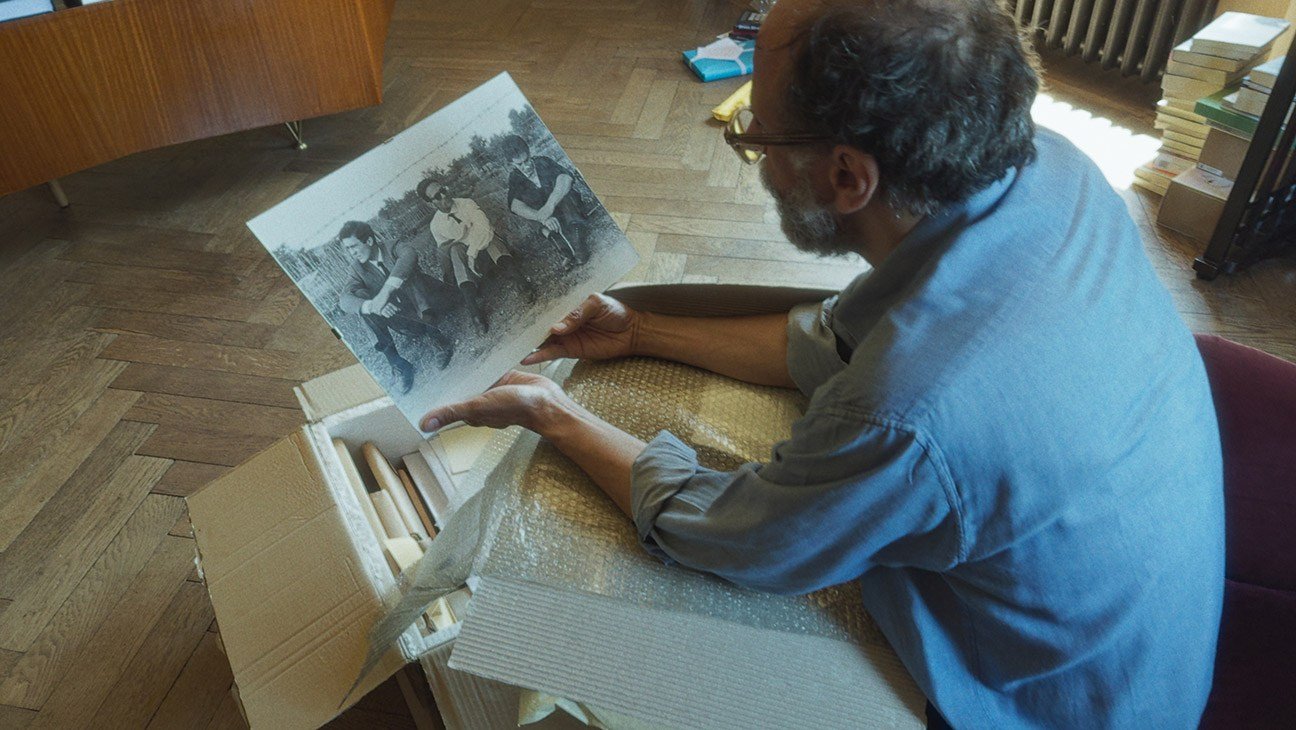
Guadagnino is understandably moved while exploring the trove of books and photographs and documents in the apartment in Rome’s Trastevere district where Bertolucci lived for the last 45 years of his life. If it looks at times like Guadagnino might be inserting himself a tad too forcefully into the picture, he pulls back quite early, even while engaging intensely with his interview subjects.
The wealth of clips here, unsurprisingly, is exceptional, and one of the most fascinating takeaways, for me at least, was Guadagnino’s skill at using exactly the right film snippets to address Bertolucci’s sexuality, something the late director never discussed publicly. But a degree of queerness was a subject of frequent speculation from critics and scholars, dissecting the robust strain running through much of his work of androgyny, sexual ambiguity, transgression, homoeroticism and carnal fluidity.
While no direct statements are made, Guadagnino’s extraordinary assortment of clips that touch on those themes — and I don’t just mean the young Robert De Niro and Gerard Depardieu comparing penises in 1900 — will have many newcomers to the Bertolucci canon concluding without doubt that he was queer.
Beyond that, admirers of Bertolucci’s work will find plenty to appreciate, though I would have been happier to see five or six one-hour episodes, each of them focusing on a major film, say, Before the Revolution, The Conformist, Last Tango in Paris, 1900 and The Last Emperor. Everyone should sit down to a 12-course banquet at least once in their life, but there’s also something to be said for a simple square meal.
At 3:45 a.m. on April 10, a man approached the fence outside of OpenAI CEO Sam Altman’s home and threw an incendiary device over it. The homemade Molotov cocktail bounced off the house, and no one was hurt, but Altman, one of the highest-profile CEOs in America, was alarmed enough to write about the incident in a post later that morning, led by a photo featuring his husband and baby son.
“Normally we try to be pretty private, but in this case I am sharing a photo in the hopes that it might dissuade the next person from throwing a Molotov cocktail at our house, no matter what they think about me,” he wrote, expounding on the role tech should play in society.
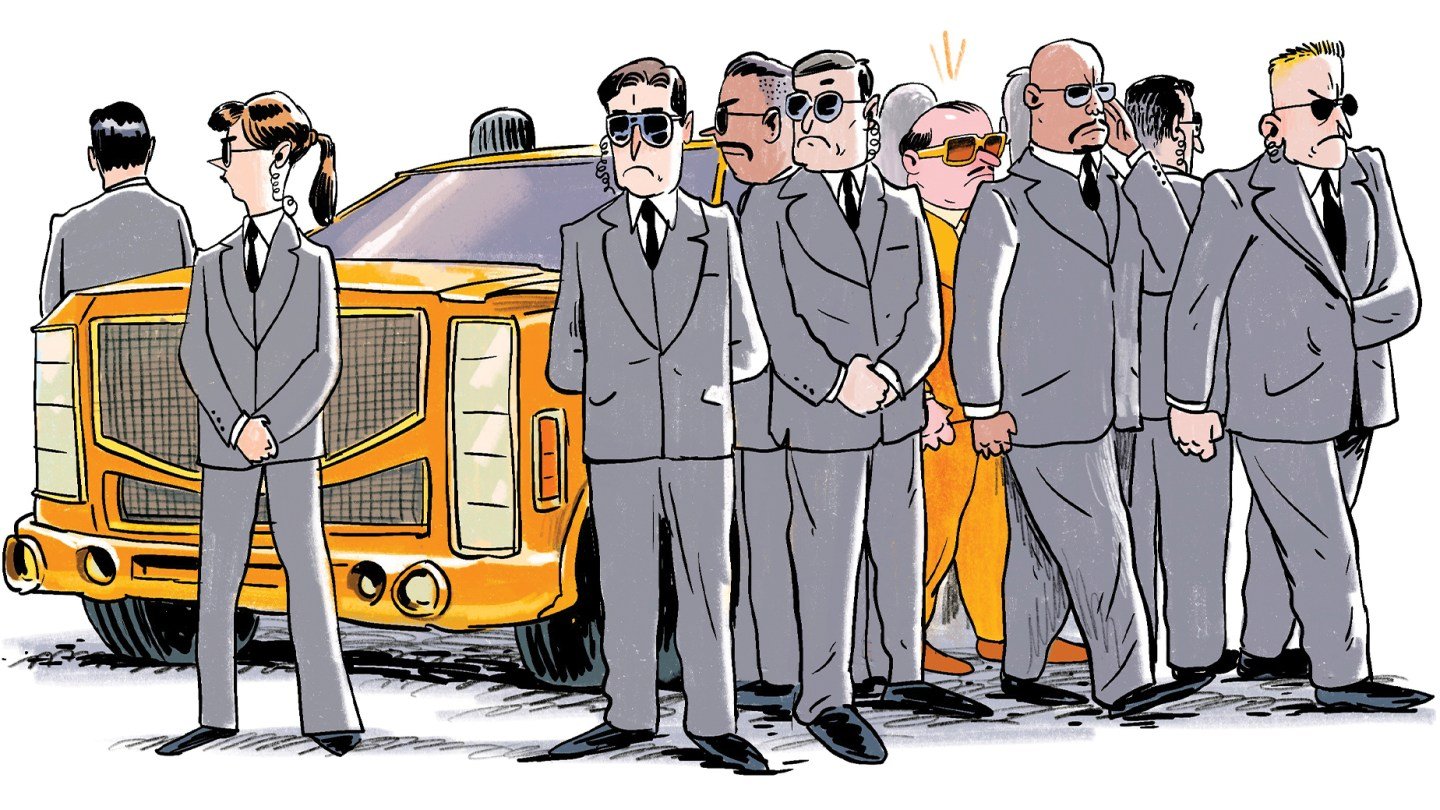
The Altman incident was a highly public moment involving a mogul, but it’s not an isolated one. Multiple CEOs in the entertainment business have faced specific threats. By Oct. 31, 2025, documented physical and cyberattacks targeting senior corporate executives had already doubled the previous year’s total, per the Security Executive Council, a research firm.
In fact, according to the security pros who spoke with The Hollywood Reporter, the threats facing corporate execs are at an all-time high. And companies in the entertainment, media and tech sectors are responding by spending substantially more on CEO security, by double — and in some cases triple — digits.
At Disney and Netflix, which each spent $1.8 million on security last year, costs rose more than 30 percent. At Amazon ($1.7 million), it was more than 50 percent; at Warner Bros. Discovery ($3.2 million), it was more than 200 percent, all in service of keeping leadership safe during a challenging, disruptive time for big business, and in a moment when resentment against wealthy elites keeps mounting.
“There’s a lot of anger directed at people leading these companies, and the threat vectors are coming from different places that we didn’t have, say, a decade ago,” says James Hamilton, the founder of consultancy Hamilton Security Group.
Basic economics like inflation are a factor in the rise, however: “It’s not just one [thing]. There are a bunch of reasons why security costs are rising,” says Jeff Zisner, the president and CEO of AEGIS Security & Investigations, citing a more active travel schedule for CEOs post-COVID, among other factors. “In addition, I think there’s been more targeting of executives by disgruntled former employees, angry customers or people who are negatively affected by those companies. It has escalated after the New York shooting [of UnitedHealthcare executive Brian Thompson].” (On Aug. 14, Luigi Mangione pleaded guilty to killing the CEO in December 2024.)
Indeed, the murder of Thompson was a turning point, “an event that significantly influenced public and corporate perceptions of executive-directed violence,” according to a report from The Security Executive Council. “For many executives, the event prompted reflection on their overall risk landscape and the potential vulnerabilities of their families and assets.”
The most high-profile execs face more scrutiny. That is true for Meta’s Mark Zuckerberg ($22.5 million) and Elon Musk, who have security details that rival some world leaders, but it’s also true for media execs who oversee news organizations in a highly polarized world, where the cancellation of a TV show or the shelving of a movie can activate an online army of haters.
Companies in the space acknowledged as much in corporate filings, with Fox noting in its explanation of security costs ($1.9 million) that “a core aspect of our business involves broadcasting extensive news coverage of elections, sociopolitical events and public controversies and related opinion programming, which sometimes produces strong reactions from viewers and critics.”
Disney pointed out the “unique security risks” facing Bob Iger (who passed the CEO torch to Josh D’Amaro in March), while Fox and Meta noted how Lachlan Murdoch and Zuckerberg are “synonymous” with their respective companies. “We believe that Mr. Zuckerberg’s role puts him in a unique position: He is synonymous with Meta and, as a result, negative sentiment regarding our company is directly associated with, and often transferred to, Mr. Zuckerberg,” the company said in a proxy filing in April.
“Fame is often a risk multiplier, requiring a different approach compared to protecting an executive with a limited public profile but operating in an industry with its own security risk factors,” says Sid Kosaraju, president at the risk management and security firm Crisis24.
That is true even for execs that aren’t tech titans: WBD’s board wrote in a filing earlier this year that “the Committee authorized a security program for Mr. Zaslav to address safety concerns due to specific threats to his safety arising directly as a result of Mr. Zaslav’s high profile position as our CEO. We believe these security measures are for the benefit of the Company and our stockholders because of the importance of Mr. Zaslav and his leadership to WBD and we believe that the scope and costs of these security programs are appropriate and necessary.”
Hamilton, the security expert, adds, “You can attribute anger at Mark [Zuckerberg] based on things Mark has done, okay, but then you have these individuals who are being threatened because of the position they occupy, which is the age-old ‘let’s blame the president for all the ills of America,’ Joe Biden or Trump can be blamed for a pothole that I just ran over because it’s convenient to blame the leader.”
To be certain, the rise in security costs is not limited to media and tech companies. According to a Sept. 1 report from Institutional Shareholder Services, “the number of companies disclosing CEO security benefits … has more than doubled since 2021, though the practice remains relatively uncommon among smaller firms.”
However, companies in the media, entertainment and tech space spend far more: ISS calculates the median value of CEO security costs at about $94,000 for companies in the S&P 500, but companies in media and tech spend millions on security, underscoring the risks they face.
In fact, the disclosed numbers probably undersell the cost of security to these companies. They often don’t include a car and driver or corporate jet use, for example, each of which is considered part of the security program, with many corporate boards requiring CEOs to use them. Numerous companies also do not reveal how much they spend on security while an executive is on company property, like at a studio lot or office, or on a business trip for a conference or film shoot, for example.
Instead, the disclosed costs typically reflect what it takes to secure executives outside of the office. The biggest driver, experts say, is people, like guards stationed outside homes or bodyguards who travel with the executive. “Protection, by its very nature, is an imposition into your private life,” says Hamilton, noting that the pool of highly qualified security personnel (think former Secret Service, FBI or military security) remains relatively small.
But a security program will also include such physical elements as alarm systems, cameras and fences, maybe even drones or armored windows in a home.
“The systems that you have for the offices and for the executives’ residences are generally more robust and more enterprise grade than you would otherwise see in a typical suburban home,” says Zisner. The programs may also feature software that scans the internet, social platforms and public databases for potential threats.
For major companies and corporate boards, however, they are costs worth incurring. “I think companies are approaching these situations now largely like an insurance policy, where it’s not guaranteed nothing’s going to happen,” Zisner says.
“Executive protection is an important part of business resilience, not a personal luxury,” adds Kosaraju. “If a CEO is incapacitated or otherwise compromised, that can have far-reaching, significant consequences. Boards are becoming increasingly attuned to this in their role of overseeing business continuity and enterprise value. Every dollar spent on a well-designed executive protection program is a dollar that reduces the probability of a materially larger impact.”
But as sharp as the increase in cost for CEO security was in 2025, experts predict that it will only go up from here, as the threats get more complex and as the political landscape remains driven by outrage. For CEOs, being frequent topics of conversation on social platforms and cable news won’t help, and growing wealth inequality across the world may only exacerbate the problem.
“This is going to be the reality for a long time, because the disparity in wealth is not getting more finite, it’s actually getting larger,” Hamilton adds. “Meaning the rich are getting a hell of a lot richer, and the poor are getting a hell of a lot poorer.”
This story appeared in the Sept. 9 issue of The Hollywood Reporter magazine. Click here to subscribe.
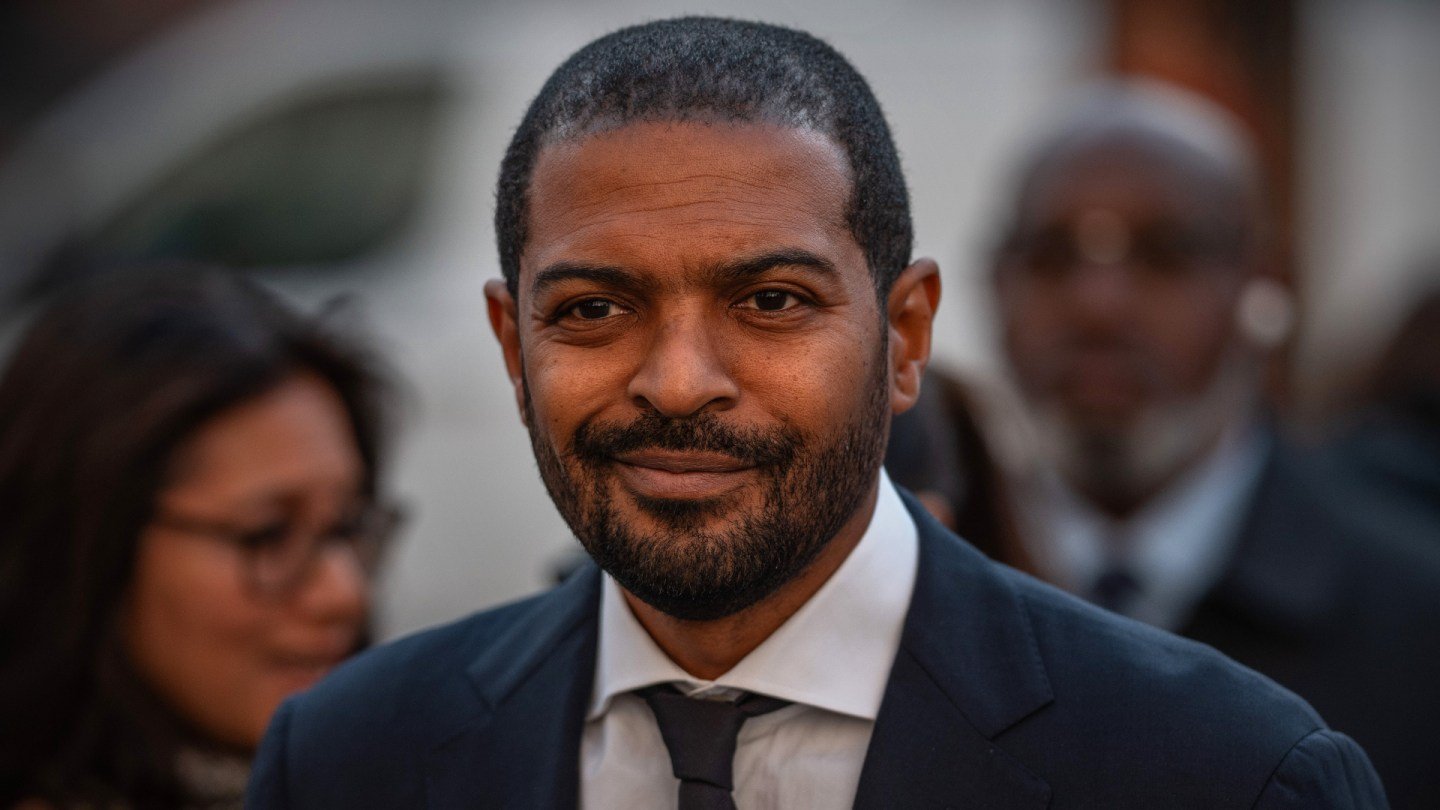
British actor and Doctor Whostar Noel Clarke has been charged with sex offences by London’s Metropolitan Police.
The British actor best known for playing Mickey Smith, boyfriend to Billie Piper’s Rose Tyler, on the BBC show from 2005 to 2010, was charged after a “file of evidence was submitted by detectives.”
Clarke, aged 50 and from Kensington, faces two charges of sexual assault, three charges of voyeurism and one charge of exposure. Voyeurism refers to when someone secretly watches, photographs or films another person without their consent for sexual gratification.
The offences, said the Met Police, are alleged to have taken place between 2007 and 2016 and relate to five women.
It comes five years after a Guardian exposé published claims from 20 women accusing Clarke of groping, sexual misconduct and bullying, as well as sources alleging they were “sexually harassed or inappropriately” touched on the set of Doctor Who.
The most recent charges confirmed this week follow an investigation by detectives which began in September 2025. A man, then in his 40s, was first arrested in connection with the investigation that same month.
Clarke will appear at Westminster Magistrates’ Court on Wednesday, Oct. 21.
“The women connected to these charges continue to receive support from specially trained officers,” said Detective Superintendent Mike Cagney, whose team is leading the investigation. “We urge anyone who has been a victim of sexual assault to contact police. The information you provide will be dealt with in the utmost sensitivity and we have trained investigators on hand to support you.”
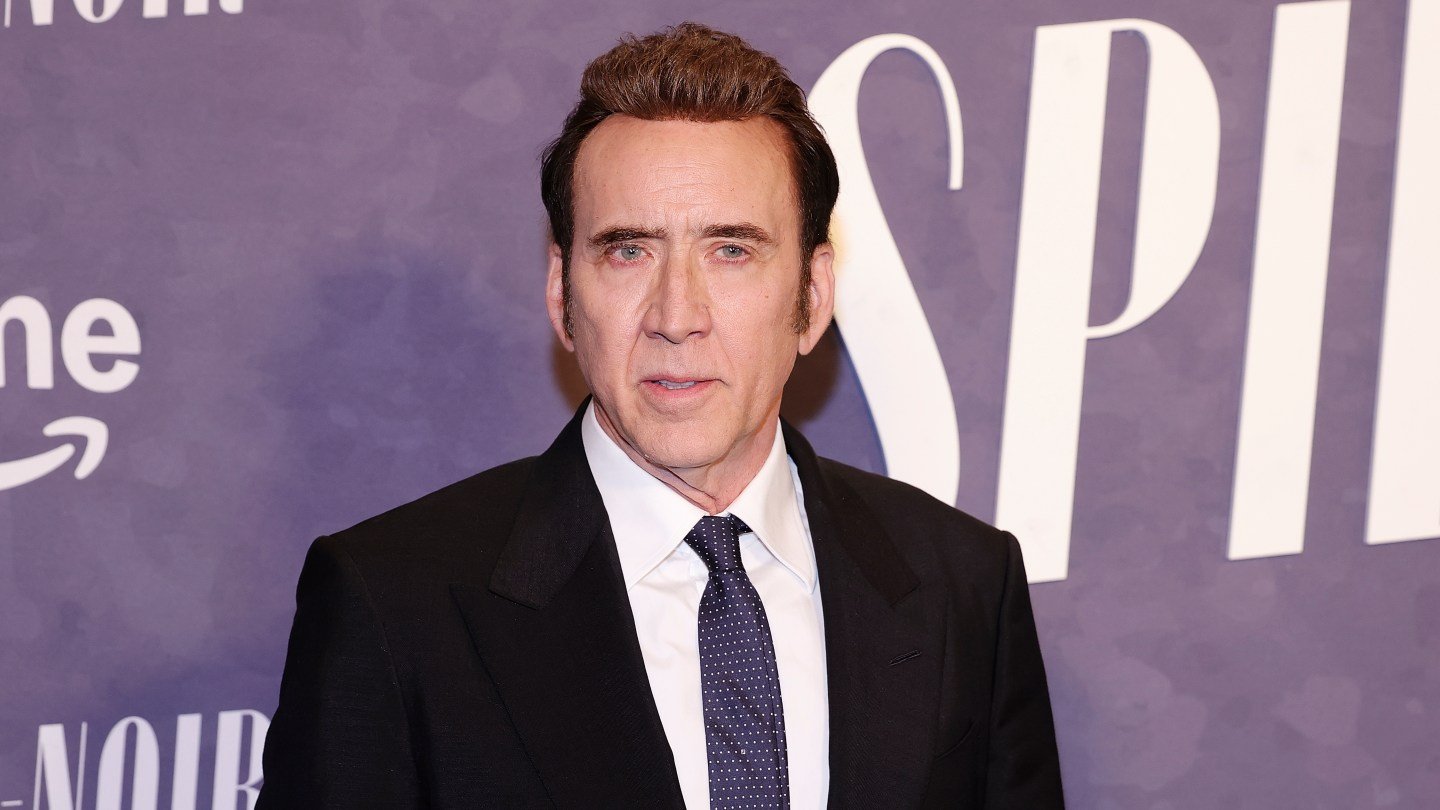
An oceanfront mansion in Malibu, reportedly linked to Oscar-winning actor Nicolas Cage, was damaged by a massive sinkhole on Tuesday morning amid coastal erosion.
Fire officials told ABC7 that crews were dispatched to the home in the 31600 block of Sea Level Drive at around 5:45 a.m. following reports of a suspected gas main break. At the scene, the driveway of Cage’s home was collapsed after erosion appeared to have washed away the ground beneath it.
The erosion broke a water line and a gas line, authorities told ABC7, leading the Southern California Gas Company to shut off the gas Tuesday morning.
“The City’s Building Safety Division and Southern California Gas Company are working to assess the situation. At this time, the City red tagged five homes (prohibited entry). The City’s Building Safety Division and Southern California Gas Company will continue to assess the situation to determine safety concerns for the surrounding area, and will provide updates as they become available,” the City of Malibu wrote on social media Tuesday.
An evacuation order was later issued by officials for the affected properties.
This aerial view shows a sinkhole on a street and driveway of a seaside home affected by large swells produced by Hurricane Marie in Malibu on Sept. 8, 2026.
David Swanson / AFP via Getty Images
Over the weekend, the remnants of Hurricane Marie have been impacting Southern California, bringing high surf and flooding to the coast.
The Hollywood Reporter reached out to Cage’s rep but did not hear back at the time of publication.
Netflix is heading to Texas, circa the 19th century, for its latest literary adaptation.
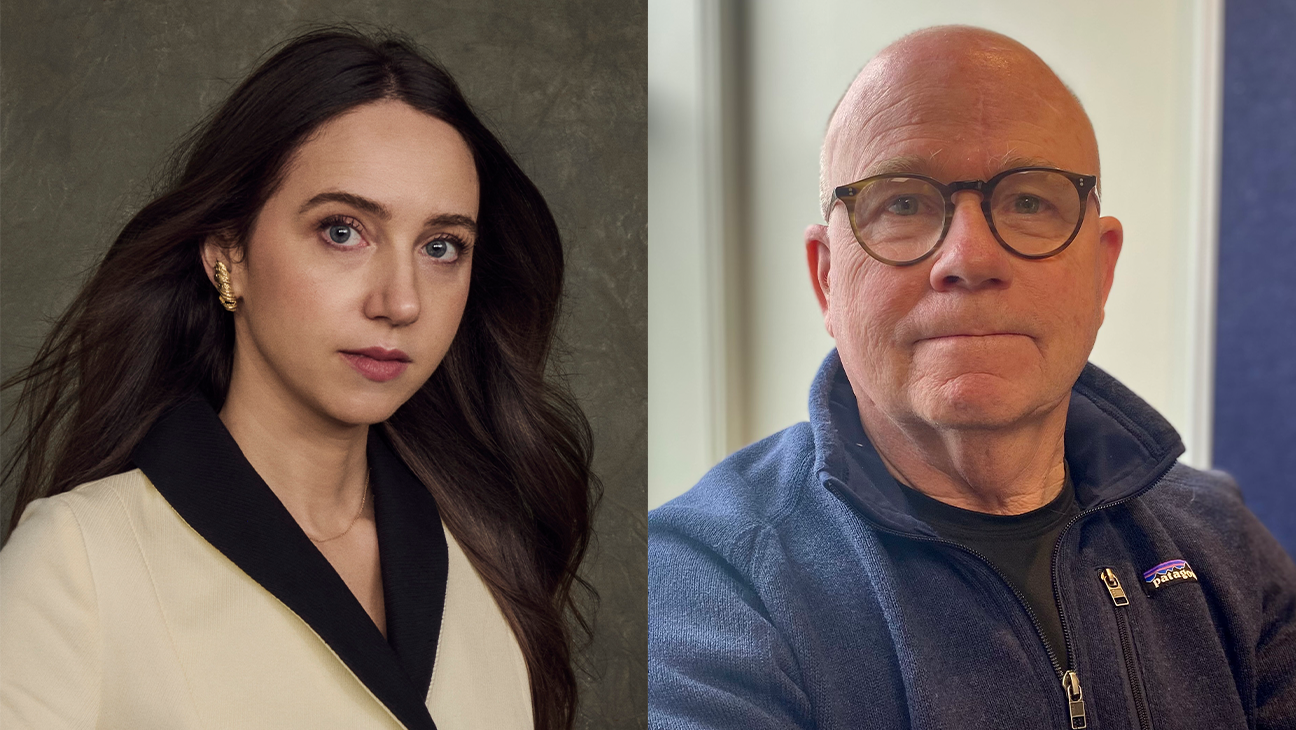
The streamer has given a straight-to-series order for a new adaptation of Larry McMurtry’s Lonesome Dove. The drama comes from Teton Ridge Entertainment — which owns the rights to McMurtry’s book and its follow-up novels — and co-showrunners Zoe Kazan and Jeb Stuart. Kazan and Stuart recently wrapped Netflix’s East of Eden limited series, based on John Steinbeck’s novel.
“After our singular experience on East of Eden, we are thrilled to be teaming with Netflix again, along with Teton Ridge Entertainment, to bring Larry McMurtry’s western classic to life,” Kazan and Stuart said in a statement. “We come to this material with love and respect, and can’t wait to hit the trail with Gus and Call and the rest of these beloved characters.”
Published in 1985, Lonesome Dove was a huge bestseller for McMurtry. It was previously adapted for an Emmy-winning 1989 CBS miniseries starring Robert Duvall and Tommy Lee Jones.
“Lonesome Dove is one of the great American stories, and there was no question we wanted to follow Zoe and Jeb wherever they went next,” said Jinny Howe, Netflix’s head of scripted series for the U.S. and Canada. “After East of Eden, we know exactly what they’re capable of — the depth of character, the sweep of place, the emotional precision. This material deserves that level of care. In their hands, it’s going to be something extraordinary. We’re excited to partner with Teton Ridge to bring this legendary story to life.”
Added Teton Ridge president Jillian Share, “Lonesome Dove is the kind of story that only comes along once in a generation. Its characters, scope and deeply human portrait of the American West have made it an enduring classic, and we see an extraordinary opportunity to bring Larry McMurtry’s world to a new generation of audiences. We’re thrilled to partner with Netflix and for Zoe and Jeb to reimagine this landmark story while preserving the heart and spirit that have made Lonesome Dove so beloved.”
Lonesome Dove is set in the 1870s and centers on former Texas Rangers Gus McCrae and Woodrow Call. The logline for the series reads, “McCrae and Call renew their spirit of adventure as they face an uncertain future, embarking on one final, perilous cattle drive from the Rio Grande to the untamed wilderness of Montana in pursuit of a dream that they have perhaps already outlived. They lead an unforgettable cast of characters across the American west in this sweeping odyssey defined by unrequited longing, unbreakable friendship, brutal frontier justice, and an unwavering pursuit of a meaningful life.”
Kazan and Stuart are executive producing the series with Thomas Tull, Share and Jen Gorton of Teton Ridge Entertainment, Jon Jashni, Diana Ossana, and Curtis McMurtry for the McMurtry Estate. Teton Ridge acquired rights to the four novels in McMurtry’s series last year — the other are Streets of Laredo, Dead Man’s Walk and Comanche Moon — with plans to adapt all four.
Paramount is continuing to press a dozen states led by California and the Writers Guild of America to bear the costs of the hold up caused by their lawsuits challenging the $111 billion megamerger.
The studio has asked for a $1.88 billion bond to cover losses if it wins the cases. In July, U.S. District Judge Araceli Martínez-Olguín temporarily halted the deal and scheduled a trial for March, months past its target closing date of late September.
There will be major financial repercussions for the delay. Under the agreement, Warners shareholders are owed roughly $650 million per quarter or $6.9 million per day if the merger hasn’t closed by Oct. 1. The bond represents the maximum payout to investors, plus legal fees.
The states and WGA have pushed back on the demand, arguing that Paramount proposed the fee in a bid to win support from shareholders, who were weighing a rival bid from Netflix at the time. The studio “now wishes to offload that responsibility,” stated a filing from California Attorney General Rob Bonta last month.
In a brief filed on Tuesday, Paramount says that the states are obligated to post the bond under antitrust laws and federal procedures governing injunctions. It claims the delay is a “serious injury at a time when studios are already being squeezed out by streaming megaliths like Netflix and Amazon and other big tech companies who have entered the competition.”
Across the litigation, Paramount has emphasized hefty losses associated with the court holding up the merger, pointing to missed opportunities to ramp-up investment in production and rising financing costs.
“Paramount simply asks that Plaintiffs honor what the Clayton Act requires: A bond that will compensate Paramount for the damage it will suffer if the injunction proves improvidently granted, i.e., if Paramount ultimately prevails in the litigation and was therefore wrongly prevented from consummating the merger now, as it is prepared to do,” writes Danielle Sassoon, a lawyer for the studio, in the filing.
A legal sticking point in the back-and-forth over the bond: The states have argued that the court never issued an injunction, which would render Paramount ineligible for a bond, since the studio voluntarily agreed not to close the deal under a joint stipulation. Paramount pushes back on the framing, calling the argument disingenuous.
Historically, courts have side-eyed issuing massive bonds in merger cases, particularly when the government challenges the deal. The judge overseeing the Nexstar-Tegna merger, for example, issued one for $10,000 after the TV giant asked for $150 million.
Regulators across 69 countries have cleared the merger. The lawsuits from the states and WGA are the only barriers keeping the company from closing.
“But for these lawsuits, the transaction is now otherwise ready to close, and the resulting costs of delay are substantial and quantifiable,” said a Paramount spokesperson.
“If plaintiffs insist that this transaction is paused during the pendency of their lawsuit, they must accept the financial consequences if their challenge ultimately fails,” the spokesperson added. “Paramount agreed to delay closing to facilitate a prompt resolution of the case, while expressly preserving its legal rights and we continue to honor that agreement.”
The TV viewing options for science fiction fans in the fall of 1966 were limited, but not nonexistent. Lost in Space was starting its second season on CBS, and Voyage to the Bottom of the Sea was heading into its third on ABC. The producer of both of those, Irwin Allen, also had The Time Tunnel debuting on ABC.
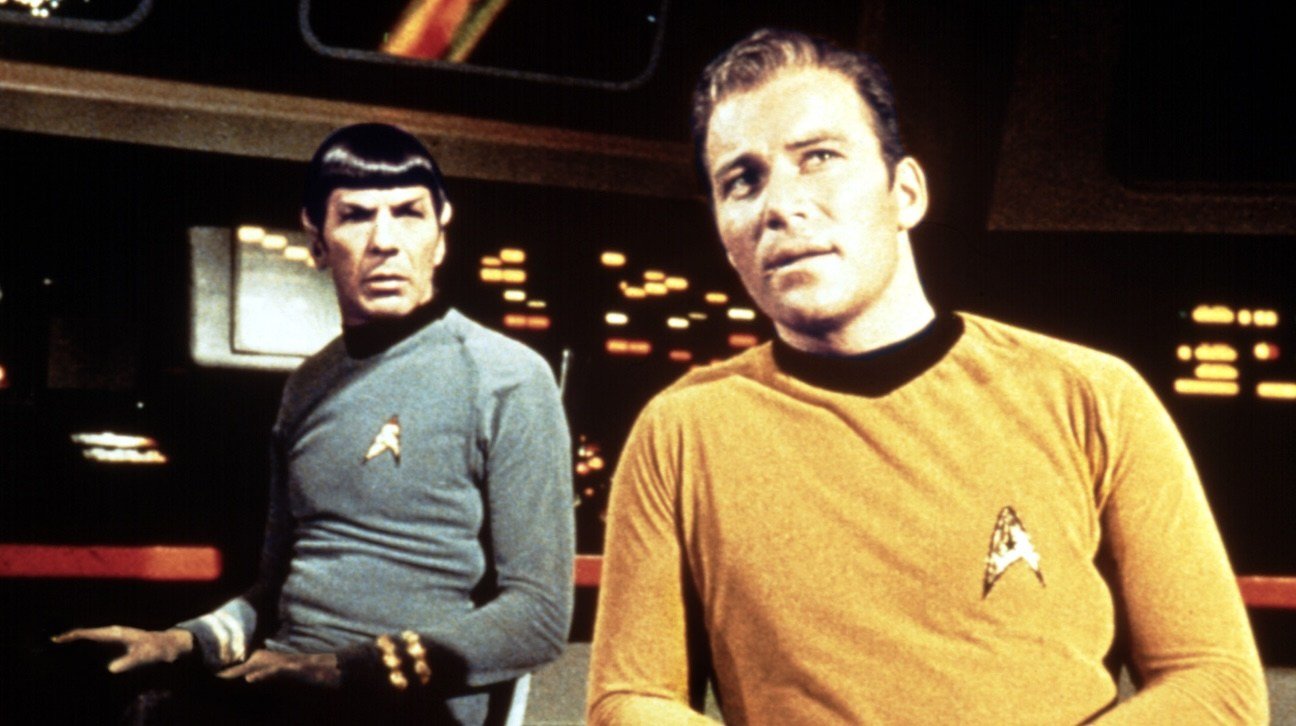
None of those shows would last beyond 1968. Nor did any of them give rise to an enduring, beloved TV and movie franchise like the other new sci-fi series that fall, Star Trek. Gene Roddenberry’s series debuted 60 years ago, airing from 8:30-9:30 p.m. ET/PT Sept. 8, 1966, on NBC.
With that in mind, I decided to watch the first episode ever aired (the original series streams on Paramount+). It’s … fine, but it only hints at some of the reasons why it would become one of the most enduring franchises in American pop culture history.
The episode that aired on Sept. 8, 1966, was called “The Man Trap.” It was the sixth episode of Star Trek to be filmed, meaning that NBC decided to air episodes out of their production order (a pattern that would repeat itself many times in the future, on shows ranging from Homicide: Life on the Street to Freaks and Geeks to Firefly). Star Trek wasn’t heavily serialized — few shows were back then — but airing this episode first has the effect of dropping viewers into the show with little beyond William Shatner‘s opening credits narration to set the scene.
(The show’s first pilot, “The Cage,” never aired in its original form during the series, but a lot of it was repurposed for a later episode, “The Menagerie.” The second pilot, “Where No Man Has Gone Before,” aired two weeks after “The Man Trap.”)
The plot (60-year-old spoilers, I guess) involves a shape-shifting alien who has assumed the form of an archaeologist’s wife on an otherwise desolate planet. The Enterprise crew is sent there to perform an annual health checkup on the couple, but the archaeologist, Professor Crater, is weirdly resistant to letting Dr. McCoy (DeForest Kelley) examine her. At first it seems that’s because the (human) wife and McCoy had had a relationship years earlier, but right off the bat the audience knows something is up: The woman’s appearance is different to each member of the crew, with some clever editing helping to sell the illusion.
The alien needs salt to survive, and the couple’s supply is running low, so the alien drains all of it from a poor Enterprise crew member’s body, and then a couple more who are beamed down later. It assumes the form of one of the dead crewmen and beams aboard, taking on several other people’s forms before it’s finally found out and McCoy reluctantly sets his phaser to kill, still clinging to the notion that the alien is his former love.
It’s a pretty simple story, and though several largely anonymous crew members (none of whom, contra the show’s eventual trope, wears a red shirt) perish, the stakes are low compared to what would come in later episodes and seasons. There’s no B- or C-story to speak of.
What “The Man Trap” does offer is an introduction to most of the characters who would become key parts of Star Trek in the years to come. James Doohan’s Scotty is absent, but Kirk (Shatner), Spock (Leonard Nimoy), McCoy, Uhura (Nichelle Nichols) and Sulu (George Takei) all have several key scenes, along with Grace Lee Whitney as Yeoman Janice Rand (who was written out partway through the first season). Walter Koenig’s Chekhov would join in the second season. Nichols is saddled with what’s closest to an exposition dump as Uhura tries to make small talk with Spock, only to hit a Vulcan wall, and then is shocked when he doesn’t react to the first crewman’s death (“My demonstration of concern will not change what has happened,” he replies).
The planet where Crater and the alien reside is very obviously a soundstage — something that’s probably more noticeable watching on a big high-definition set now than it was on a tube TV then — but episode takes viewers to a number of locations onboard the Enterprise, not just the bridge and transporter room. There’s even a tracking shot as Kirk walks down a corridor and into an elevator; it’s not a consequential scene, but it jumped out at me considering how static the camera is in the rest of the show (and in most other series of that era).
The Hollywood Reporter’s perfunctory (and somewhat condescending) review of the Star Trek premiere notes that the show features “quite a bit of suspense and tricks with gadgets that will please the sci-fi buffs no end” and concludes that it “should be a winner.” Ratings-wise, that didn’t turn out to be the case: Star Trek was what we’d now call a bubble show for all three of its seasons, and NBC canceled it in 1969. That was nowhere near the end of the story, obviously.
“The Man Trap” was a sturdy enough first episode, but it didn’t really hint at the creative leaps Star Trek would take in the course of its original run — ranging from “The Trouble with Tribbles” to “The City on the Edge of Forever.” Nor did anyone know at the time how deep a connection Trek fans would forge with the series. That as much as anything helped keep Star Trek alive through the 1970s. Star Trek: The Motion Picture‘s release in 1979 charted a new course for the franchise, which has continued through more than 20 series and films. Roddenberry’s optimistic vision of the future hasn’t necessarily played out in our present, but the appeal of that idea is still awfully strong six decades later.
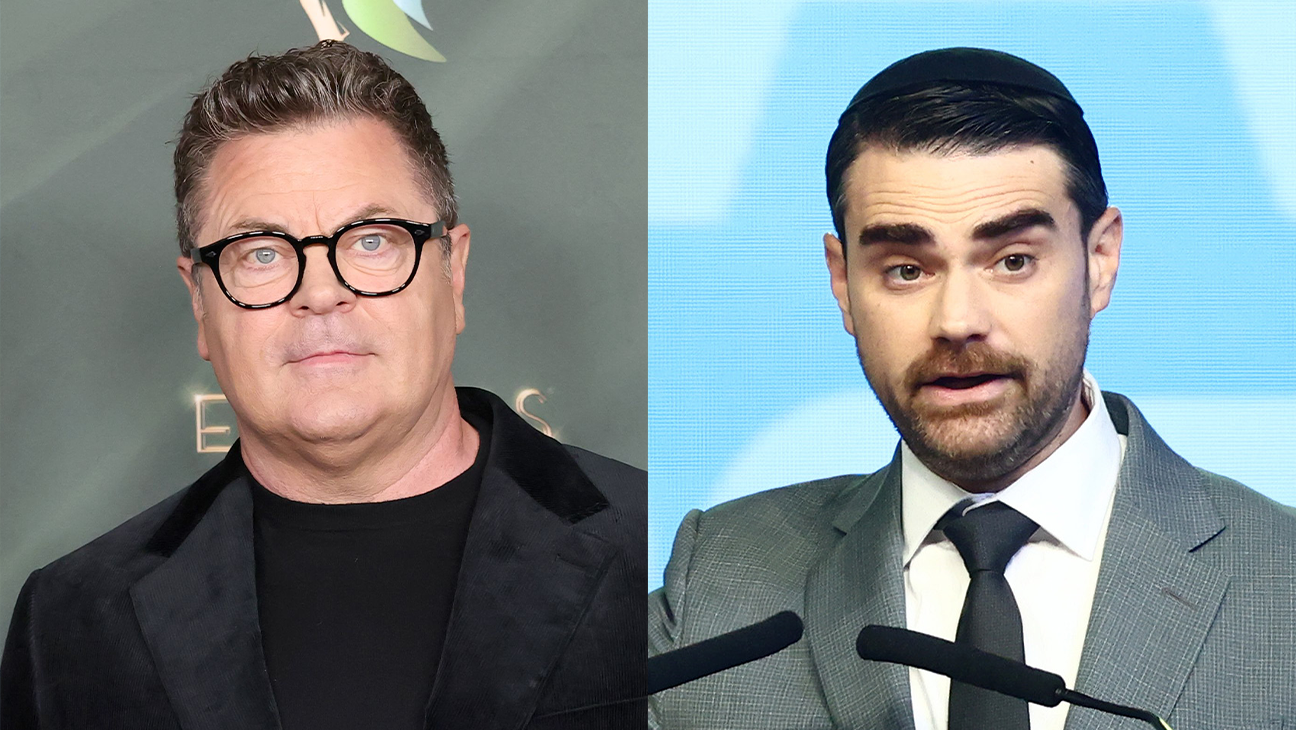
Nick Offerman is slamming Ben Shapiro for his “rampant homophobia” after the Daily Wire co-founder and political commenter criticized the actor’s gay role in The Last of Us.
During a recent appearance on the Talk Easy With Sam Fragoso podcast, host Sam Fragoso showed Offerman a clip of Shapiro attempting to recap his character’s storyline in HBO’s apocalyptic drama and calling him a “gay Ron Swanson,” referencing Offerman’s iconic Parks and Recreation character.
“So the entire plot of the episode is that Nick Offerman, but he actually plays Ron Swanson, but Ron Swanson who likes to nail dudes. So Ron Swanson, a libertarian who hates the government and lives in his basement and is a prepper, but also is gay,” Shapiro said during an episode of The Ben Shapiro Show. “Ron Swanson during the zombie apocalypse, he’s having himself a grand old time. For some reason, his town is completely not hit by any of the zombies at all. It’s like completely left alone. So he goes out and gets all these resources, and then he builds a nice fence around his place, and he sets up all of these booby traps. So if anybody shows up, whether they’re raiders, whether they’re zombies, they’re going to get killed. And then somehow another dude ends up falling into one of his traps and they meet and they bang and they end up becoming a couple.”
“It’s complete with sex scenes and the whole thing. The entire episode has no zombies, no real threat, and it is about two gay dudes who meet and have a relationship, in which one grows strawberries for the other, and then they die. But not being killed by zombies or under threat,” Shapiro added. “One dies; he gets cancer and he decides to essentially euthanize himself and gay Ron Swanson decides that he is also going to commit suicide at the same time because of Romeo and Juliet, or Romeo and Romeo in this particular case.”
Offerman, clearly shocked, said in response, “Holy shit… that’s crazy.”
“That’s the most Ben Shapiro I’ve ever seen, and there’s a very good reason for that. I mean, I don’t know what to say. I’m embarrassed for his reading comprehension. I think he got eight things wrong in his recap, besides his rampant homophobia,” the Voicemails for Isabelle actor continued. “That was insane.”
“That’s like a Joe Rogan clip or something that’s just so dumb and so wrong. But then it’s really upsetting to understand how powerful that probably is and how many people it’s reached and would be in agreement with it. They’d be like, ‘Oh no, not Ron Swanson,’ or whatever agreement they would have,” Offerman added.
In season one, episode three of The Last of Us, titled “Long, Long Time,” the show paused on the main storyline. Instead, the episode centered on a 20-year romance between Offerman’s character Bill, a paranoid survivalist, and an outsider named Frank (Murray Bartlett).