Tag: HollywoodReporter

  • ‘The Traitors’ Cast: Kristin Chenoweth, Chloe Kim, Rashad Jennings, Whitney Leavitt and More Join Peacock Hit

    ‘The Traitors’ Cast: Kristin Chenoweth, Chloe Kim, Rashad Jennings, Whitney Leavitt and More Join Peacock Hit

    The Traitors‘ next celebrity season is set to be released in 2027, and Peacock has unveiled its star-studded cast.

    Musical theater icon Kristin Chenoweth, Olympic gold medalist Chloe Kim, The Secret Lives of Mormon Wives Leavitt and former NFL player Rashad Jennings are among the upcoming season. The next season will feature much more Hollywood talent, including several actors, than normal. There’s also plenty of love for the Bravo-universe this season, although that’s no surprise.

    The new season’s full cast is: RuPaul’s Drag Race’s Bianca Del Rio, content creator Boman Martinez-Reid, The Real Housewives of Salt Lake City’s Bronwyn Newport, actress Casey Wilson, Kim, singer Cody Simpson, Southern Charm’s Craig Conover, The Real Housewives of Atlanta’s Cynthia Bailey, actor Dominic Monaghan, Next Gen NYC’s Emira D’Spain, The Real Housewives of Potomac’s Gizelle Bryant, Love Island’s Iain Stirling, Big Brother and Amazing Race’s Jag Bains, Love Island USA’s JaNa Craig, The Bachelor’s Joey Graziadei, actor Johnny Sibilly, Chenoweth, Survivor and The Challenge’s Michele Fitzgerald, Survivor’s Q Burdette, The Challenge’s Rachel Robinson, Jennings, Big Brother and Amazing Race’s Taylor Hale and Leavitt.

    The Traitors — based on a Dutch format — is a competition where contestants are split into two categories: Faithfuls and Traitors. All 23 contestants will start as Faithfuls before Cumming decides which (typically) three players will become Traitors. The titular role then works to sneak past the rule-following players who are attempting to figure out who the Traitors are while choosing a Faithful player each night to “murder.” Studio Lambert produces the series, which utilizes reality TV stars and other media personalities for its contestant pool.

    The Traitors has already been renewed for another three seasons following the upcoming celebrity season, bringing its total expected seasons to at least nine. In the wake of The Traitors success, NBC has debuted a civilian version of the series, The Traitors: New Blood. This is technically considered the show’s fifth season, making the celebrity version its sixth.

    More to come.

  • Melissa Barrera Says It’s “Beautiful” to See Macklemore Receive Support After Ed Sheeran Tour Firing: “I Didn’t Get That When It Happened to Me”

    Melissa Barrera Says It’s “Beautiful” to See Macklemore Receive Support After Ed Sheeran Tour Firing: “I Didn’t Get That When It Happened to Me”

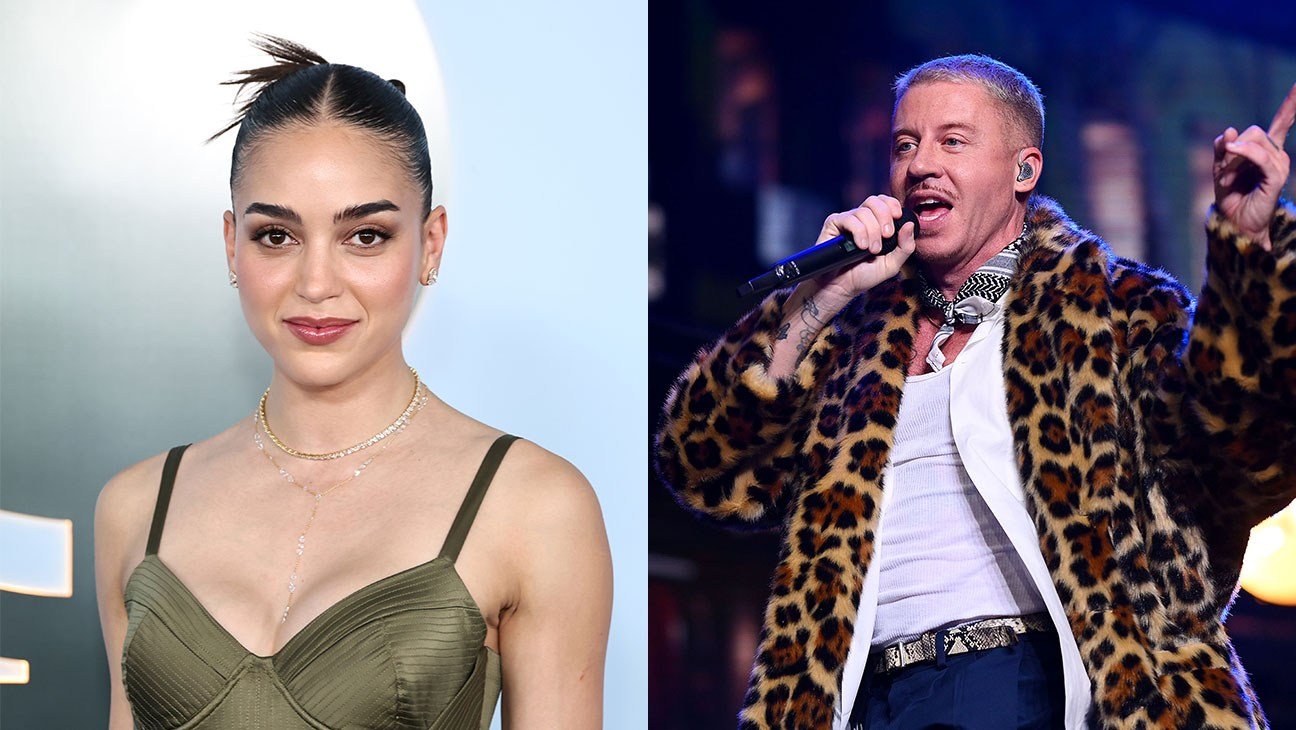
    Melissa Barrera, after being fired from the Scream franchise for sharing support for Palestine in 2023, says it’s “beautiful” to see the support Macklemore has received after he was dropped from Ed Sheeran’s tour for his pro-Palestine speeches.

    “It was so beautiful to see Finneas and the band and all the opening acts pulling out in support of Macklemore. It made me emotional, you know,” Barrera told the Associated Press. “I didn’t get that when it happened to me. I didn’t have any of that happen. It was too soon. People were too scared. But it’s good to see that almost three years later, at least things have changed.”

    Macklemore drew backlash while opening for Sheeran and voicing his support for Palestine, and saying “Free Palestine” during the tour’s Sept. 4 and Sept. 5 shows at MetLife Stadium. Days later, he was dropped from the tour, with Sheeran saying that “Macklemore coming off tour was the promoter’s decision, it was not mine.”

    In his statement, Sheeran also shared that he had spoke with Robert Kraft, owner of the Gillette Stadium, an upcoming stop on Sheeran’s Tour; Macklemore said in a statement the day before Sheeran released his own that Kraft “had rallied some of the other stadium owners and collectively they gave him an ultimatum: if Macklemore stays on the tour, you will not be allowed to play in our venues.”

    Following Macklemore’s dismissal, Sheeran’s opening acts, including Finneas, Lukas Graham and Aaron Rowe, exited the tour in solidarity with the “Thrift Shop” singer.

    The two-time Scream actress was fired from the film franchise after social posts she made amid the Israel-Hamas War. “Gaza is currently being treated like a concentration camp,” she wrote in one post on Instagram Stories in 2023. “Cornering everyone together, with no where to go, no electricity no water … People have learnt nothing from our histories. And just like our histories, people are still silently watching it all happen. THIS IS GENOCIDE & ETHNIC CLEANSING.”

    A spokesperson for Spyglass said in a statement at the time that the company has “zero tolerance for antisemitism or the incitement of hate in any form, including false references to genocide, ethnic cleansing, Holocaust distortion or anything that flagrantly crosses the line into hate speech.”

    “When someone is attacked, and there are people behind being like, ‘We’re not gonna allow this,’ and the more that happens, the less that the people in power are going to try to censor it, because eventually it’s not gonna work,” Barrera additionally told the AP. “I can’t help but wonder what would have happened if Ed Sheeran had been like, ‘No,’ and called the bluff. I mean, it’s possible that he still would have had his shows canceled, but I bet you that he could have rebooked those shows in other venues just as easily, and people would have rallied behind him.”

    She continued, “I wish that the people that have power understood the power that they have. I think that the problem is that there’s a lot of people that actually have a lot of power; they think that they don’t, and they’re operating out of fear, and it’s just a shame because, you know, we just saw what happened — the support that rallied behind Macklemore — and I think that’s a big step. I think that what we’re seeing, what we’re witnessing, is going to inspire real change, and I’m very hopeful about that.”

    Sheeran will play his first show since the controversy erupted Saturday night in Philadelphia.

  • Ed Sheeran Says “What Is Happening in Gaza Is Catastrophic” While Addressing Macklemore Backlash During Philadelphia Tour Stop

    Ed Sheeran Says “What Is Happening in Gaza Is Catastrophic” While Addressing Macklemore Backlash During Philadelphia Tour Stop

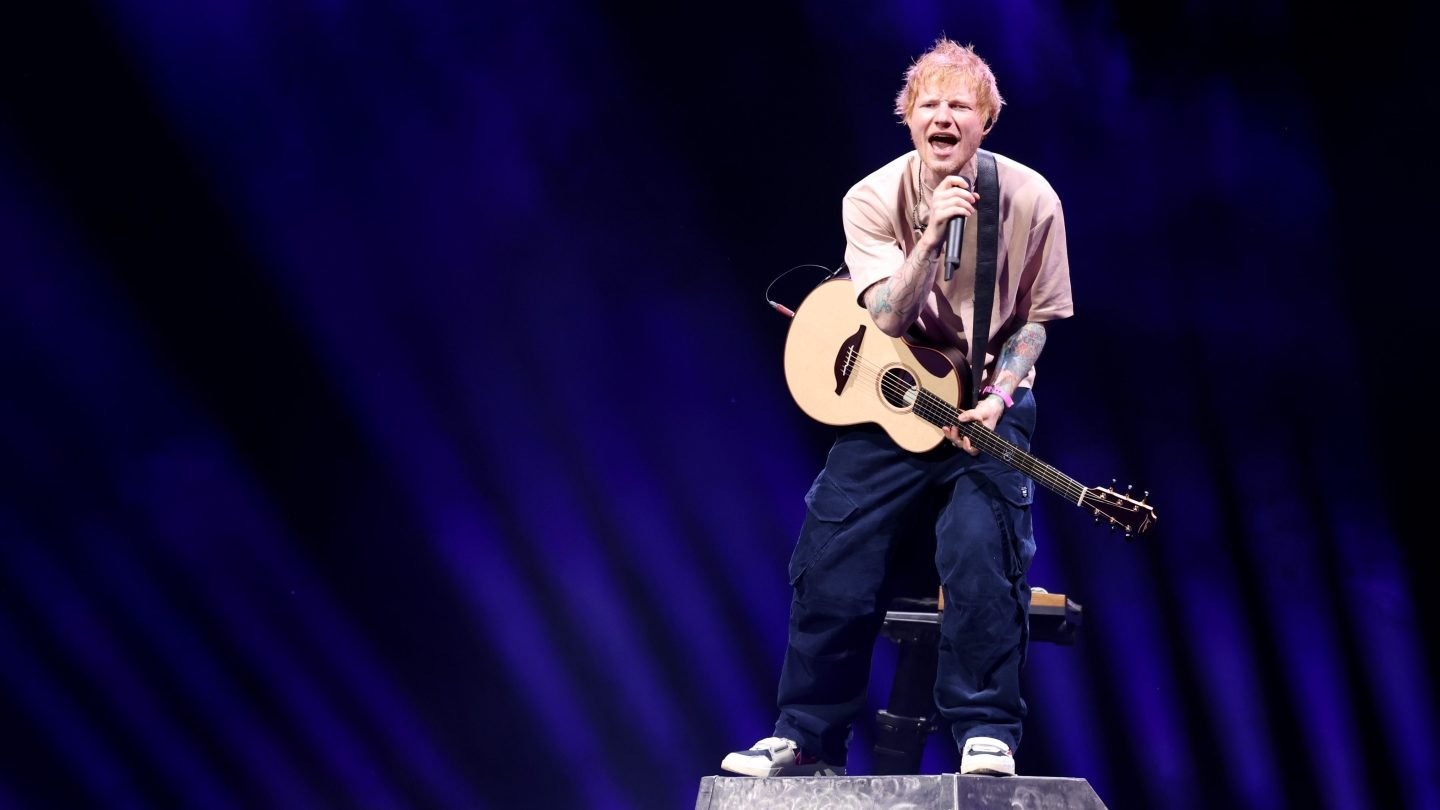
    Ed Sheeran addressed the ongoing controversy surrounding the removal of Macklemore from his Loop Tour during Saturday’s stop in Philadelphia at Lincoln Financial Stadium.

    “This is not usually how I would open the show, but before I play some songs tonight, I hope it’s okay if I say a few words about this last week. I’m used to my music being criticized, and I’m always happy to take that because I’m lucky. A lot of you like my stuff, and to be honest, I’m surprised,” he began. “But this week, the criticism was about something much more important, and I’ve had to take and make difficult decisions, and I am making mistakes, and I’m so, so sorry.”

    Sheeran continued, “I don’t want to disappoint fans, and I’ve never wanted to be an activist musician, but this has put me in the middle of an important and passionate argument about freedom of speech and the most complex political issue on the planet. My concerts have always been a safe space for everyone, and that matters hugely to me. Honoring my commitment to my fans is also completely essential to who I am, and that is why I’m here tonight on my own and continuing my current tour.”

    The “Thinking Out Loud” singer said he was “deeply worried about the idea that venues pre-approve content for performance.” He added, “This happens in so many places that I perform around the world, but it should never happen in the free world.”

    The Grammy winner continued, “Now, I want to address the question of where I stand in the situation in Israel and Palestine.”

    “I am trying in my career not to be a political commentator of any kind because I want my music and shows to be about unity, not division. About humanity, not politics. But, this is a humanitarian issue, and I cannot hide how I feel about it anymore,” he said. “What happened in Israel and at the Nova Music Festival on October 7th was horrific and compounded centuries of Jewish pain. What is happening in Gaza is catastrophic and unjustifiable, and disproportionate. Our hearts can be broken by the scale of devastation and loss of civilians’ lives, of children’s lives, and the systemic injustice we’re seeing unfold in the West Bank cannot be overlooked.”

    He added, “I am already speaking to people across the spectrum to work out how to make a contribution that helps victims of these terrible times, and listening and learning because I do not know enough.”

    Sheeran’s comments follow backlash he faced for his decision to remove former opener Macklemore from the 22-city North American leg of his world tour after the rapper showed footage of Gaza and made statements in support of Palestine while performing across two shows at New Jersey’s MetLife Stadium on Sept. 4 and 5.

    Following the announcement of Macklemore’s removal, Sheeran’s supporting acts, including Aaron Rowe, Finneas, Lukas Graham, and Sheeran’s backing band, Beoga, announced they were dropping out of the tour in solidarity with the Grammy winner behind the 2024 protest anthem “Hind’s Hall.” Rowe and Graham were also expected to open for Sheeran alongside Macklemore in Philadelphia, with the “Shape of You” singer ultimately going on without any opening act.

    With all of his planned openers removed or withdrawn, ticket holders were notified Friday afternoon that the concert start time had been adjusted from 5:30 p.m. to 8 p.m. — the typical time Sheeran has launched his around two-and-a-half-hour set at previous stops. That was preceded by alleged refunds requested by fans that began earlier in the day, with the lowest ticket prices on Thursday going for $90 before dropping to around $54 on Friday night. By Saturday afternoon, the average was around $62 a ticket, according to a 50 percent drop from a week earlier.

    After playing his opening, Sheeran joked as he acknowledged his lack of openers and described his musical setup without a backing band.

    “I didn’t know whether I’d be here or not,” he told the crowd. “I hope you enjoyed my support performers this evening. I hope you’re great. This is the Loop Tour. The Loop Tour is this thing at my feet, which is called a loop station. It’s this loop station. Everything you hear tonight is completely live. It’s made on the spot, controlled my feet. There’s no backing track whatsoever.”

    Following an inquiry, Ticketmaster told the magazine refund policies are set by event organizers and directed The Hollywood Reporter to Messina Touring Group/AEG. The Loop Tour promoter was contacted for comment.

    Despite the time shift, fans still began filing into Lincoln Financial Field stadium, tailgating as early as 3:30 p.m. on Saturday.

    Outside the venue, a pre-concert rally in part protesting Sheeran as well as Gillette Stadium owner Robert Kraft and Lincoln Financial Field owner Jeffrey Lurie was held by pro-Palestine activists, beginning at 4:30 p.m.

    Inside the stadium ahead of Sheeran’s message, an uneven energy permeated the venue in the act-less two hours before the gates opened, as fans acknowledged the tour fallout in various ways. A particular focus of conversation was the ticket price drops and visible number of empty seats.

    While making her way to her seats, Megan, a mother from New Jersey, was approached by either a member of the venue or event’s staff, and asked if she’d like to move to any of the available lower level seats with her family. Megan told THR that her decision to come was entirely driven by her young daughter.

    “I just wanted to have a night out with my husband and my daughter where we could enjoy music that we love. She’s a huge Sheeran fan,” Megan explained, nodding to her daughter. “I was just hoping we could make it here and not disappoint her and that we would be safe in doing so. We gave [the tickets] to her for the holidays last year as a gift and she’s been waiting all that time asking, ‘How many more months? How many more months?’ I didn’t want to tell her that it wasn’t happening. It’s the last thing I wanted to do.”

    Another attendee, a woman in her late 30s who traveled from New Jersey and requested her name not be used, said she was coming because she “had bought tickets months ago, and I was still coming to see him. No politics involved.” An older mother-daughter duo, who also asked that their names not be used but live in the Philadelphia suburbs, noted that they were both major fans of Sheeran, and the night marked the first time they would see him live together.

    “He was caught between a rock in a hard place,” said the 32-year-old daughter. “With the timing, it was really a lose-lose.” Added her mother: “The entire situation was unfortunate.”

    The backlash to Sheeran and Macklemore’s removal hovered over the concert in big and small ways. At various points, Sheeran made references to the Eagles, arguably Philadelphia’s most popular pro sports team, but whose owner was also allegedly among those who refused to allow the tour to go on with Macklemore still on the bill. The “I Don’t Care” singer also acknowledged the MetLife stadium was “louder” during one moment of call and response. “You’ve got to be louder than MetLife,” he told the crowd. The biggest moment probably came as Sheeran shared that he’d “been feeling [down] all week,” but the crowd had picked him up.

    “There’s been a lot said about the musicians that were playing before me not being here tonight, but also the musicians that I usually play with on stage from being here tonight,” he told the crowd. “At this point in the show, to be honest, I usually go out to a B stage and I’m going to be totally honest with you, I didn’t know what this audience would be like tonight. I didn’t know if I would have things thrown at me. I didn’t know if people would be angry.”

    He revealed he took the B stage out “because I was afraid of what might happen if I stood in the [middle of the audience] and I will admit that. So the show’s a little bit different, but there are certain songs that just don’t work on the loop pedal.”

    Still referring to his backing band as his friends, the musician noted that when they “dropped out of this show, I was thinking, ‘How am I going to keep the show the same? And how am I going to get musicians to stand on stage with me in a week when no one wants to stand on stage with me?’” He shared he found the answer in another friend and artist he toured with “all of last year, all the year before and the year before that. And I said to her, ‘Would you stand on stage with me?’ And she said yes.”

    Sheeran eventually revealed the entire backing band, which learned the music in three days. “They said yes to being on stage with the knowledge that the world thought I was a certain type of person,” he added. “They said yes with the knowledge that the world may hate them too for standing on stage with me. And I am so grateful for them being here.”

    At another point, ahead of singing “Camera,” he expressed “there are very few places in the world where this many people can congregate and all have differing opinions, but then all come together in one night and agree on the same thing. And I think it’s a really wonderful thing.

    “I kind of think without it, without this sort of thing, I think the world is heading to a very, very, very dark place,” Sheeran said. “If we get too divided — we need to come back to humanity and realize that we are all the same and we understand each other. I’ve had a week of learning, that’s what I’ve had, week of learning.”

    Ahead of the concert and protest, a spokesperson for the Philadelphia Police Department told THR in a statement that “as with all large events at the stadium complex, the Philadelphia Police Department is working closely with venue and event organizers to help ensure the safety of concertgoers, employees and neighborhood residents.”

    As part of the department’s routine monitoring and assessment of event capacity and staffing, the city’s Civil Affairs Unit — deployed for potentially contentious public gatherings like protests or labor actions — would be “on hand to ensure everyone’s safety during protected 1st Amendment activity.”

    The protest was organized and supported by a coalition of local groups, including NO ICE Philly, The Philly Palestine Coalition, Philly Writers Against the War on Gaza, the Boycott CookNSolo Coalition and Shut Down Day & Zimmermann. Ahead of Saturday’s event, the group expressed their intention to appear outside Sheeran’s concert, “his first show after caving to Zionist threats and dropping Macklemore as his opening act,” they said in a statement earlier in the week. “On Saturday, we take to the streets to return the conversation to Palestine, and return Philadelphia to action.”

    The group described Macklemore’s removal from the tour lineup as done by Sheeran “in the name of ‘neutrality’ and being ‘apolitical’ and due to threats from stadium owners, including Lincoln Financial Field.”

    Earlier this week, it was reported that alongside Kraft, several other stadium owners allegedly called for Macklemore’s removal from Sheeran’s tour, including Carolina Panthers’ David Tepper, Atlanta Falcons’ Arthur Blank, and Philadelphia’s Lurie.

    THR reached out to representatives of Lincoln Financial Field for comment regarding concert security measures as well as artists’ and guests’ speech policies in and around the stadium.

    Saturday’s events were sparked nearly two weeks earlier, when the “Thrift Shop” rapper appeared on stage and spoke to a packed MetLife Stadium crowd in New Jersey. “One of the reasons why I wanted to come on this tour was because I wanted to stand up here on stages and stadiums across America and say two words that are very near and dear to my heart: Free Palestine!” Macklemore told concertgoers. “I want to say this to all of my Jewish brothers and sisters. Criticism of Israel, criticism of apartheid, being against genocide in no way is a criticism of you.”

    In response, Macklemore was removed from the remaining U.S. Loop Tour dates. Sheeran’s concert promoter Messina Touring Group was the first to confirm that Macklemore would “not be performing on the remaining support dates.” The rapper was scheduled to open at eight out of 10 remaining cities on the tour, including Saturday’s Philadelphia stop.

    In his own public statement following his removal from the tour, Macklemore stated the decision was due in part to the outcome of conversations involving Sheeran, who “told me that the words ‘Free Palestine’ and the image of the Palestinian flag were hurtful to a lot of people he spoke with,” he wrote on his Instagram. “I told him that if those words were more offensive than tens of thousands of Palestinian children being killed by Israel, then there was a fundamental disconnect between where those people stood and where I stood. But he couldn’t get past his public facing, ‘I don’t take sides.’”

    While still referring to Sheeran as a friend, Macklemore also pointed to New England Patriots and Gillette Stadium owner Kraft as the reason he was pulled from the lineup. According to Macklemore, Kraft “had rallied some of the other stadium owners and collectively they gave him an ultimatum: if Macklemore stays on the tour, you will not be allowed to play in our venues.”

    Kraft later confirmed in a statement shared with THR that the decision to remove the rapper from Sheeran’s stadium tour lineup was made “based on Macklemore’s recent actions, material shared from the stage during Ed Sheeran’s shows in New Jersey, and a broader history of antisemitic rhetoric and imagery that we believe has been deeply offensive and hurtful to the Jewish community.”

    Sheeran described the situation as “the promoter’s decision, not mine” and was “based on how Macklemore conveyed part of his message during his performance, rather than on everything that was said.” In that same social media post, he expressed that after discussion with multiple parties, including “direct talks with promoters along with activists on both sides to try and find a mutual resolution for all,” both “the venue’s and promoter’s decision was final.”

    “I would never let down the fans who had made plans, nor would I abandon the touring crew and the other support acts and musicians who rely on me for work and to make a living,” he added. “There is a reason I do not use my professional platform for politics – my audience includes young people, often children, of all backgrounds. Those who come to my shows do not expect a political forum.”

    In the week since, Macklemore shared that he donated “$1 million of my net earnings from Ed Sheeran’s Loop Tour to six organizations working directly to support the Palestinian people,” before calling on Kraft to match the donation. In response, the Patriots owner shared that he and Sheeran had agreed to donate $2 million each “to aid in the region to fight this humanitarian crisis.”

    THR reached out to a representative for the Philadelphia stadium and Lurie for comment on potential plans to match Kraft’s donation.

    More to come.

  • Ruby Rose Remembers Hayden Panettiere: “We Had Everything in Common”

    Ruby Rose Remembers Hayden Panettiere: “We Had Everything in Common”

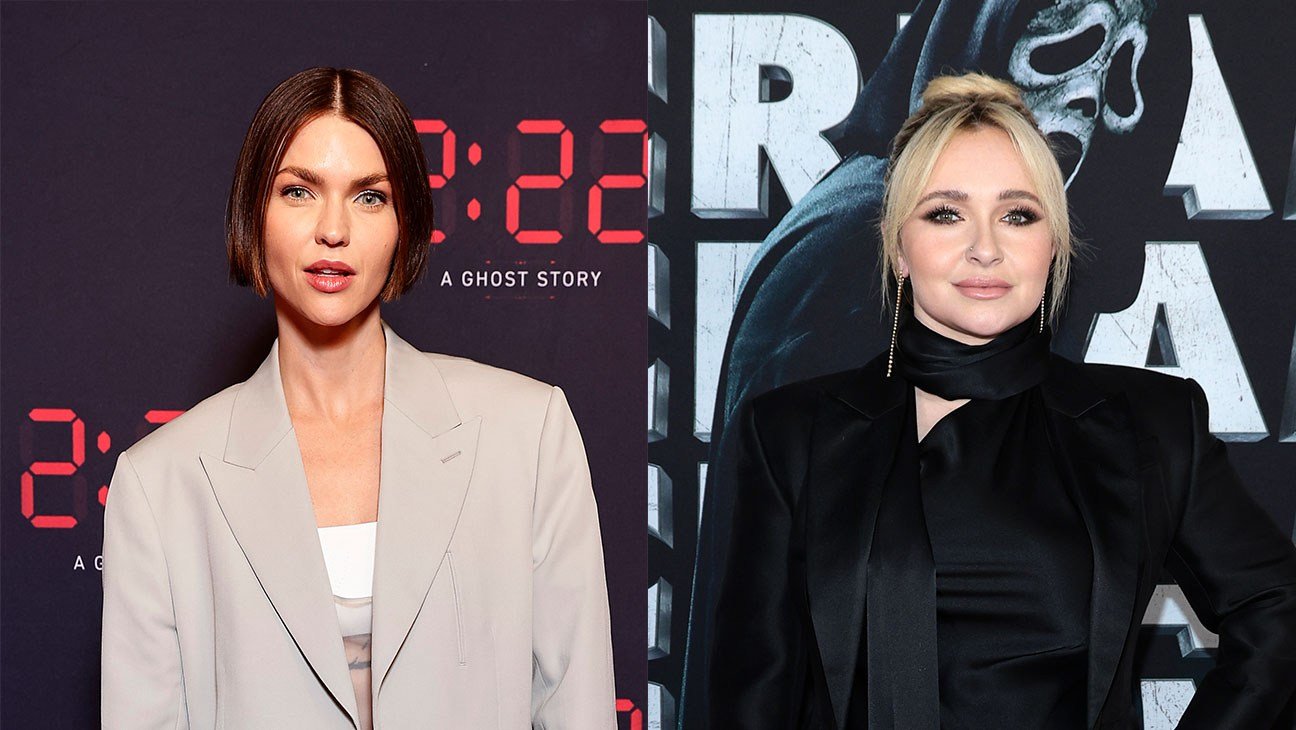
    Ruby Rose is opening up about her friendship with Hayden Panettiere.

    Panettiere, the Heroes and Nashville actress, died on Aug. 16 at 36 years old.

    The Orange Is the New Black star got choked up when asked by Entertainment Tonight how she hopes Panettiere is remembered during the premiere of Fox’s Special Forces.

    “That was my best friend,” she said of Panettiere. “We spoke everyday for five years.”

    Rose said she “didn’t even think we were gonna be friends. I didn’t know if I wanted to have any celebrity friends, ‘cause I haven’t had a great experience with the industry.” However, they quickly hit it off.

    “I saw her, she saw me, and I just remember thinking, ‘Oh, no.’ And then she ran up anyway and was like, ‘Hey, I’m Hayden. Can we go talk somewhere? We’ve got a lot in common.’ And I just laughed. I was like, ‘What?’” Rose recalled. “She says I said, ‘I don’t think so,’ but I think I just laughed. And then we went and talked, and we had everything in common.”

    Rose said they shared “five years of friendship, of texting everyday and checking in on each other.”

    “Hayden, all that she ever wanted was to have her story told her way, on her terms,” Rose added, while standing alongside Collin Gosselin, the son of Jon & Kate Plus 8‘s Jon and Kate Gosselin, for the interview.

    “She really wanted to have an experience like Collin and I are having at the moment,” she said, while Gosselin added, “And she deserved it.”

    “I can’t voice against it enough when when parents don’t look out for their children in this world,” he said. Panettiere, like Gosselin, had been open about alleged mistreatment from her mother.

    In her May memoir, This Is Me: A Reckoning, Panettiere wrote about her strained relationship with her mom, Lesley Vogel. In an interview with The Hollywood Reporter, Panettiere said “Having to touch on everything about my relationship with my mother, that was one of the harder things to talk about. While writing it, I realized even more so how much of a toll it took on me.”

    She also spoke about the pressure she felt as a child star. “I was groomed. I was like a little soldier and I always have been,” Panettiere said. “No was never an option. It was just: Here are your scenes, here’s your dialogue, memorize it, hit the marks, do what your director tells you to do. I took my marching orders.”

    Panettiere was found unresponsive in a Greenville, South Carolina, Airbnb with her on-off boyfriend, Brian Hickerson. Preliminary results of the autopsy indicated no signs of trauma were found on her body. An investigation is ongoing by both local and federal authorities into the circumstances around her death.

  • ‘Murderous’ Review: Neil LaBute’s New Film Is Undone by Its Overly Familiar Premise and Obvious Plot Machinations

    ‘Murderous’ Review: Neil LaBute’s New Film Is Undone by Its Overly Familiar Premise and Obvious Plot Machinations

    Best-selling novels like Jean Hanff Korelitz’s The Plot and stage thrillers like Ira Levin’s Deathtrap, among many other works, have demonstrated that stealing another writer’s work can have fateful if not deadly consequences. Neil LaBute (In the Company of Men, Nurse Betty) delivers another variation on the familiar theme with his latest effort, receiving its world premiere at the Oldenburg Film Festival.

    Taking place in a single location and featuring but three lead performers, Murderous carries a strong whiff of such LaBute-cited influences as Joseph L. Mankiewicz’s Sleuth and Hitchcock’s Rope. Unfortunately, it doesn’t live up to those predecessors, feeling like an undernourished stage thriller whose plot machinations are far too obvious.

    Murderous

    The Bottom Line

    Stagy and contrived.

    Venue: Oldenburg International Film Festival
    Cast: Gia Crovatin, Thomas Sadoski, Jordan Baker
    Director-screenwriter: Neil LaBute

    1 hour 47 minutes

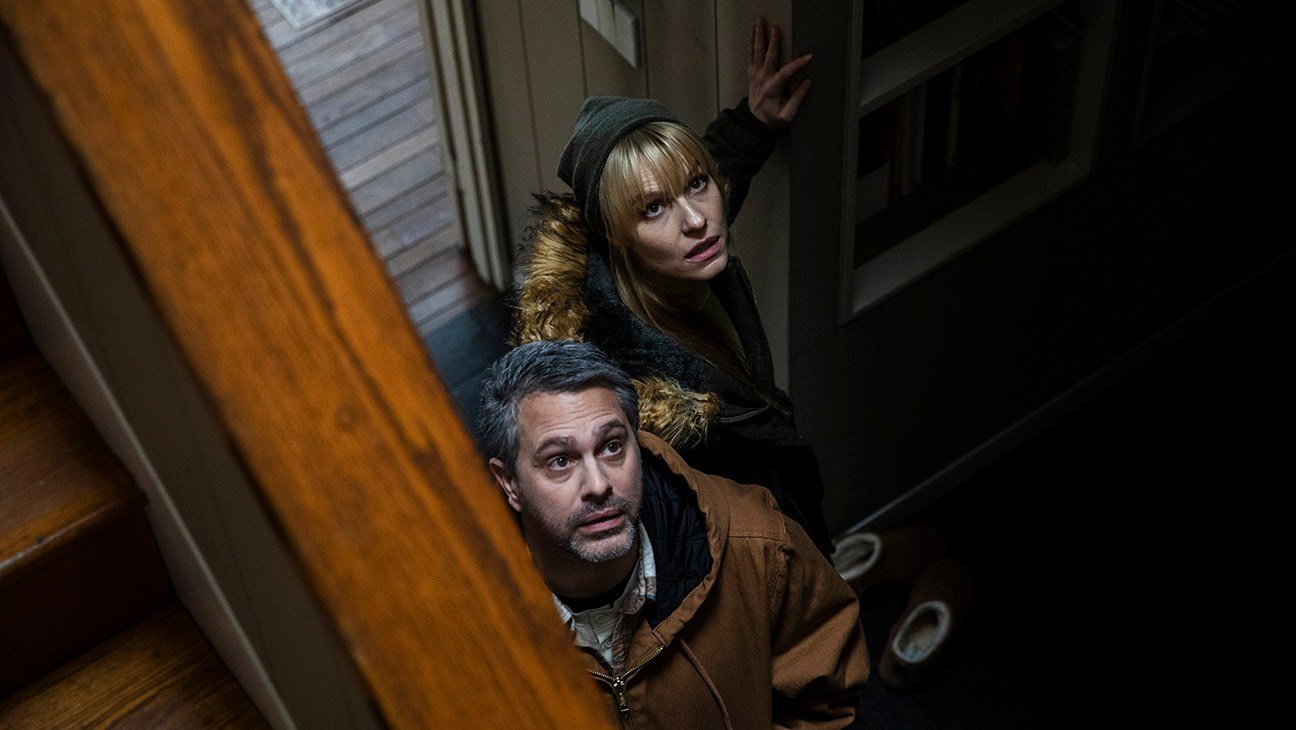
    The story, beginning with a first chapter titled “Him,” revolves around Marian (frequent LaBute collaborator Gia Crovatin), a filmmaker who made a splash with her debut effort, a femme-oriented horror film entitled “Murderous.” With her financial success signified by her gorgeously rustic home, a former mill, and the vintage red Porsche in her driveway, she’s surprised one day by the unexpected arrival of Norman (Thomas Sadoski), who announces that he wants to have a talk. And that he’s driven all the way from Iowa to do it.

    Clearly made uncomfortable by the intrusion, she eventually agrees to invite him in. It turns out that they were both students at the same time — he was a teacher’s assistant, he reminds her — and had a brief romantic relationship. He compliments her expensive new home, commenting that she seems to have no personal items or photographs. What she does have are valuable knick-knacks previously owned by such famed writers as Truman Capote and Willa Cather. Not to mention Shirley Jackson’s letter opener. It’s a wonder she doesn’t have Chekhov’s gun on display.

    After brief small talk in which Norman’s sorry lot in life is made clear — he has no job and no girlfriend, he admits — he finally gets to the point.

    “Did you think I wasn’t going to see it?” he asks about her film that won awards and put her on the map. It turns out that he had originally devised the film’s premise and the two had worked on the idea together and even collaborated on flipbooks of individual sequences, which he claims to still have “somewhere” in his possession. Needless to say, he thinks they need to come to some sort of agreement on compensation.

    Despite the tension, things, as they tend to do in LaBute’s works, turn sexual. When he reminds her that she cheated on him during their relationship, she takes it as a cue.

    “Is that what you want to make up for things? A blow job?” she asks. Norman thinks carefully for a moment before replying, “I wouldn’t hate it.”

    To reveal more about what happens next during the charged encounter would be too much of a spoiler. Suffice it to say that things end … abruptly.

    Another unexpected visitor, this time an older woman, arrives in the second chapter, “Her.” She’s Lila (Jordan Baker), who declares herself to be a big fan and simply wants some DVDs autographed, including one for her son. Again, Marian reluctantly invites the stranger in, and the two engage in a lengthy discussion about Marian’s film and the film business in general. It provides the opportunity for Marian to launch into a diatribe about the frustrations of working with clueless movie distributors and marketers, which, coming from LaBute, feels like the most personal and honest part of the film.

    The film drops hints about Lila’s true identity, or at least Marian’s perception of it, with the subtlety of a sledgehammer. Onstage, these plot machinations might have worked with a live audience eager to be manipulated. But they come across as forced and artificial here, and despite the best efforts of the performers Murderous feels more like an actors’ exercise than an organically plotted thriller. It never transcends its air of narrative claustrophobia and, considering its thin premise, would have benefited from a sharp cutting of its overlong 107-minute running time.

  • Hudson Williams Shares How “Surreal” It Was for Him and Connor Storrie to Return to ‘Heated Rivalry’ Set

    Hudson Williams Shares How “Surreal” It Was for Him and Connor Storrie to Return to ‘Heated Rivalry’ Set

    Hudson Williams is teasing what it’s been like on set for Heated Rivalry season two.

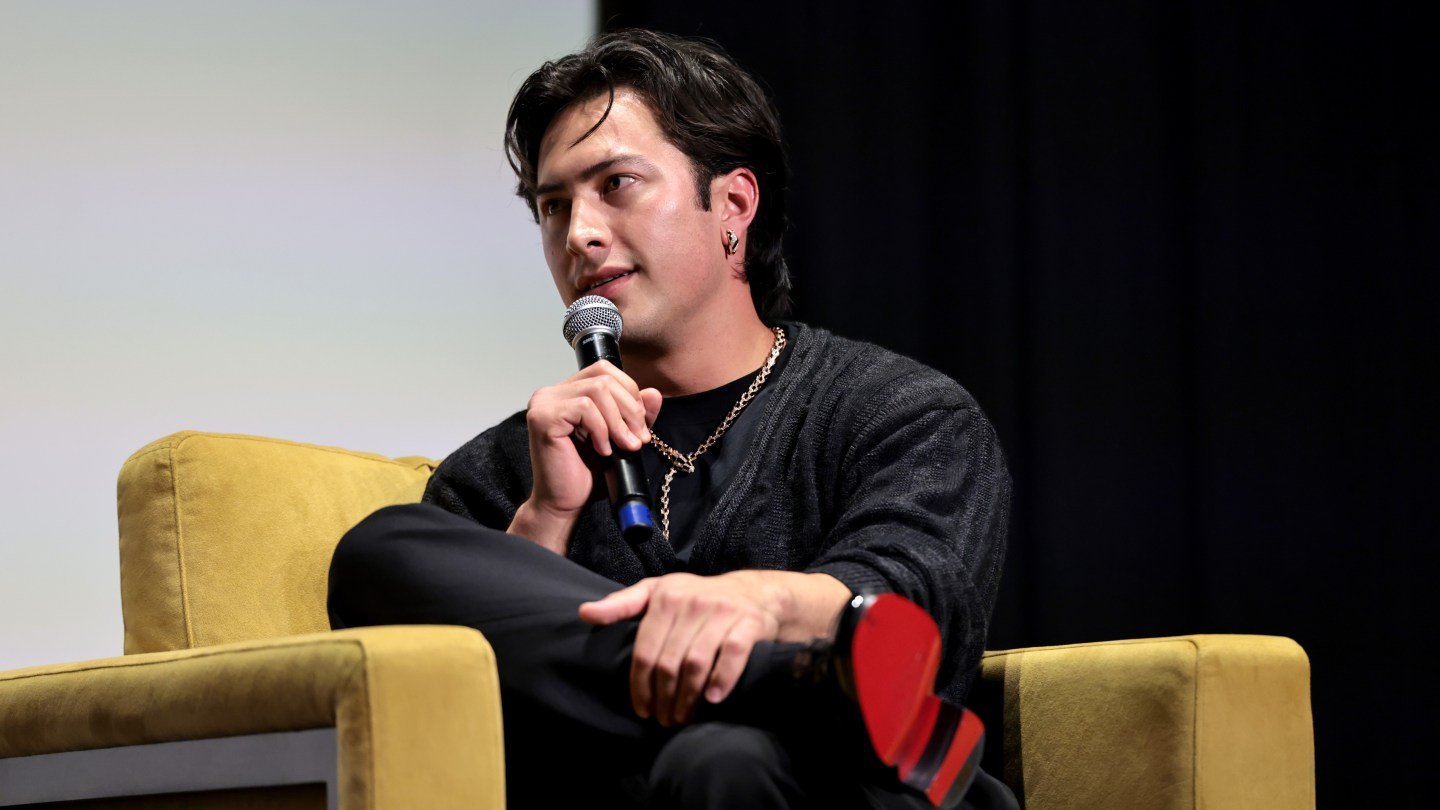
    The 26-year-old actor, speaking during a conversation at the Toronto International Film Festival, spoke about what it was like for him and co-star Connor Storrie when they went back to set on the hit queer hockey romance drama. “It was surreal to step into it,” Williams told the crowd.

    “We’re going to be kissing each other, brother. I’m going to be doing my fucking Russian accent to you,” he said, mimicking Storrie. Williams said it was hard for them to wrap their heads around going back and were concerned they wouldn’t be able to get right back into it. Williams pointed out that it was the first time he’d ever returned to a character on a big scale.

    Williams said much of their memory around the first season wasn’t just shooting but seeing the episodes, fans reactions and everything that’s happened in the last 10 months. But ultimately the pair decided to be “overconfident” and knew they knew their characters in and out. “We’re going to show up and it’s just going to be Ilya and Shane right back,” he said.

    Storrie ended up working on the first day, without Williams, and came back to tell his co-star about the experience. “He was like, ‘It was sort of weird. They were all so good that I was like, am I good? Am I in it? Am I doing the thing? Am I doing an impression of Ilya?’” Williams recalled Storrie saying.

    Williams told the crowd he was extremely confident that wouldn’t happen to him. “Then I showed up. I was doing the scene and there was some extras, who were clearly fans, and they’re just so perky. I was like, ‘Oh God. Oh God, am I doing a Shane impression?’” he questioned.

    Thankfully, Williams and Storrie were able to find their footing quickly. Williams pointed to the show’s creator Jacob Tierney continuing to the make the set feel just as small and intimate as he did when they were filming season one. It helped the the crew is still the same as the previous season.

    Williams also teased a bit of season two, which will mainly be based on Rachel Reid‘s Heated Rivalry follow-up novel, The Long Game. “It’s a sad book,” he said. “If season one/book one is the yearning season, book two is external adversity and [relationship] communication problems that feel very real and human.”

    The actor added, “To be able to play those as Shane, [it’s] going to be frustrating and annoying to leave set [when] things are left unsaid, but hopefully it’ll make for really good TV.”

  • Nick Reiner Pushes for Release of Trust Money to Fund Criminal Trial In New Court Filings

    Nick Reiner Pushes for Release of Trust Money to Fund Criminal Trial In New Court Filings

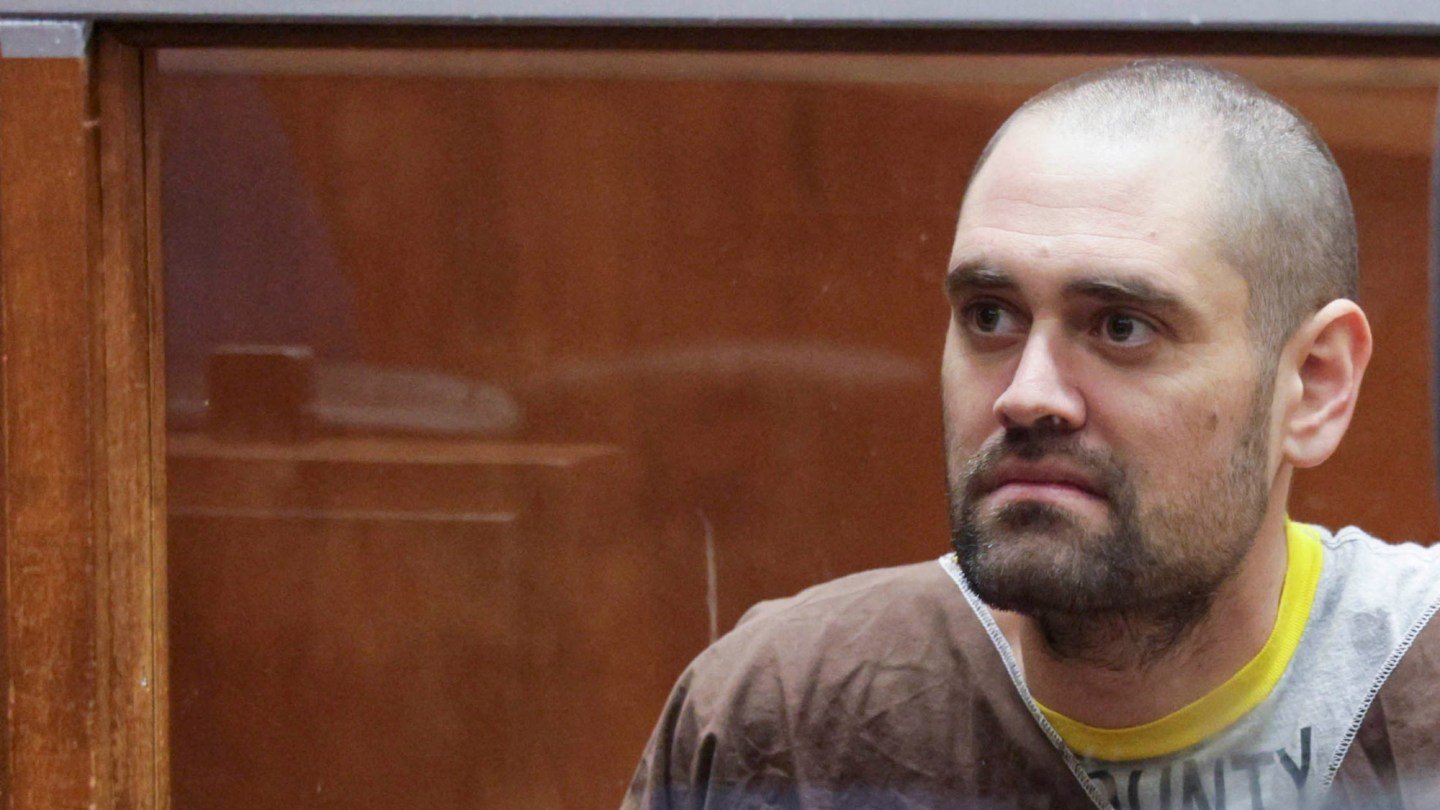
    In new civil court filings, lawyers for incarcerated Nick Reiner continue to fight for access to his trust money to pay for his criminal defense as he stands accused of killing his parents Rob and Michele. Reiner, 32, wants to rehire Alan Jackson, who has represented the likes of Harvey Weinstein and Karen Read. The star attorney previously withdrew from the Los Angeles case for lack of funding. (Prosecutors recently stated they wouldn’t seek the death penalty after consulting Reiner’s siblings.)

    The trust’s fiduciaries cited a California law known as the “Slayer Statute” as their rationale for not dispersing the money. It prohibits people from receiving an inheritance from those they kill.

    Reiner’s team has previously argued that the trustees didn’t release a required portion of the funds when he turned 30, before the murders, and their client has yet to be proven guilty of his double-homicide charge. Now, they point out that “a substantial portion” of the disputed funds in the trust — at least $325,000 — is money from his grandfather, Carl Reiner, who died in 2020.

    “Nick is not accused of causing his death,” the new filing notes. “Money that was left to Nick by his grandfather is not money received by Nick from or through his parents. To the extent the funds Nick received from his grandfather are Nick’s personal assets, they remain Nick’s and should be segregated and released from this trust. Even if they were properly held by the trust, the ‘Slayer Statute’ does not supply a basis for withholding them.”

    Reiner’s lawyers say that this civil court dispute over non-payment has so far caused the fiduciaries to pay lawyers more than $250,000 out of his trust to defend themselves. They note that this is itself “nearly half” the size of the age-30 distribution — $558,000 — which Reiner contends he’s overdue. (The trust is valued at $1.6 million.) They’ve told the court that the trustees “have refused to release any money to Nick. He still has not received $1 of his own trust money for basic support and hygiene items while in jail.”

    Reiner is suing both the now-former fiduciary in charge of his trust, as well as the current one: Jodi Montgomery, who served as Britney Spears’ conservator from 2019 until it was dissolved in 2021, after Spears’ father was removed from the role.

  • ‘Sweet Magnolias’ Canceled at Netflix After Five Seasons

    ‘Sweet Magnolias’ Canceled at Netflix After Five Seasons

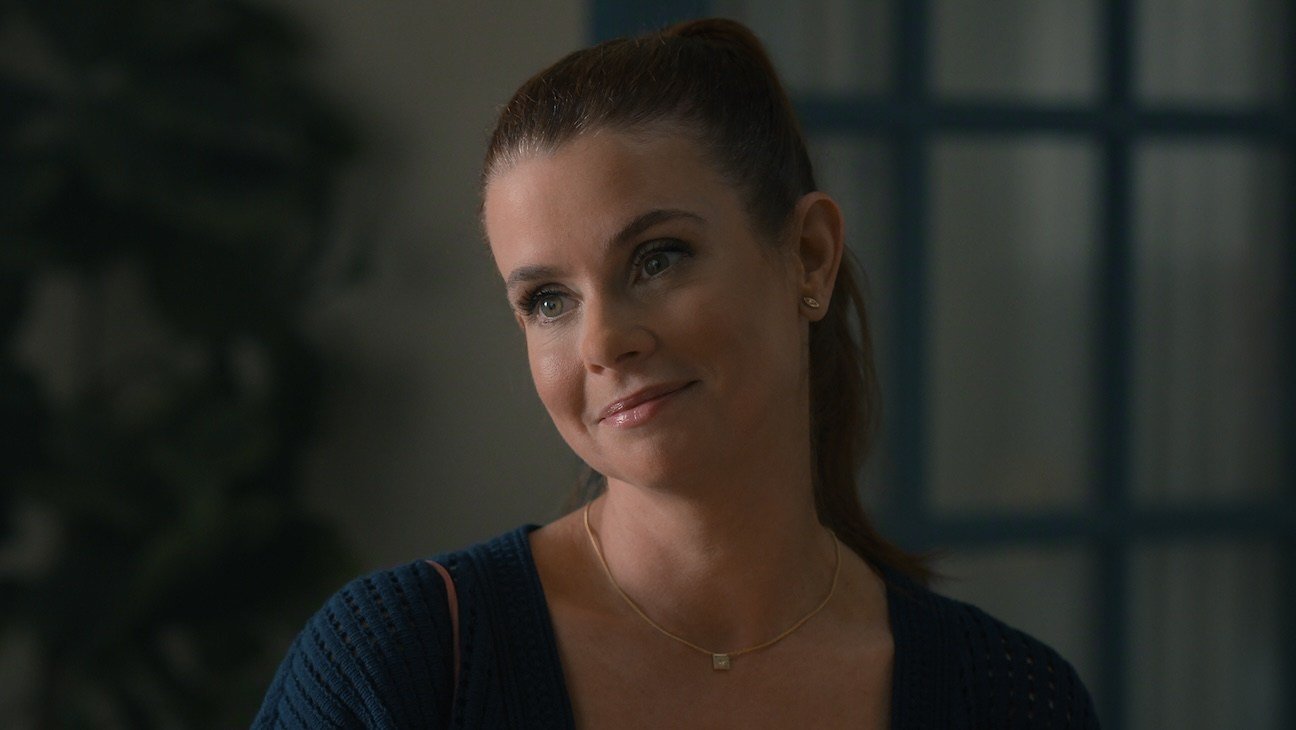
    Netflix has canceled its drama series Sweet Magnolias after five seasons, but its showrunner and one of its lead actresses are also involved in a new show at the streamer.

    The cancellation of Sweet Magnolias, based on novels by Sherryl Woods, comes three months after season five premiered on Netflix. The show’s audience, both worldwide and in the United States, had fallen off in the fourth and fifth seasons. Season five spent three weeks in Netflix’s worldwide top 10 for English-language series (based on the streamer’s internal data) and four weeks in Nielsen’s U.S. charts.

    The show stars JoAnna Garcia Swisher, Brooke Elliott and Heather Headley as three long-time best friends who rely on one another through the ups and downs of their lives.

    As for the new series: Sweet Magnolias showrunner Sheryl J. Anderson and Garcia Swisher are executive producing Ladies of the House, based on a novel by Lauren Edmondson. Garcia Swisher may also have an on-screen role.

    Ladies of the House centers on a family that owns a winery. When the owner dies unexpectedly, “his wife and two adult daughters must battle through their issues with each other in order to confront challenges with the business, their extended family, and the men in their lives,” the logline reads.

    Anderson will serve as showrunner and executive produce with Garcia Swisher and Kate Gordon via their Rolling Clover company and Black Label Media.

    “I’m thrilled to be embarking on this new adventure with JoAnna and Netflix,” said Anderson. “When Jo shared the novel with me, I immediately saw the foundation for a series centered on three women grappling with the complexities of family, friendship, and romance — the kind of stories Jo and I most enjoy telling. I cannot wait to share the Richardson women and their world with Netflix’s global audience.”

    Added Garcia Swisher, “I am beyond excited to continue to tell meaningful, female-driven stories alongside the incredible Sheryl Anderson, and to bring this to life through our production company, Rolling Clover, and with our wonderful partners at Black Label. Netflix has been my creative home for the past seven years, and I couldn’t imagine a better place, or a better team, to tell this story.”

    Deadline first reported the cancellation.

  • Paramount and California AG Reportedly Closing in on a Settlement

    Paramount and California AG Reportedly Closing in on a Settlement

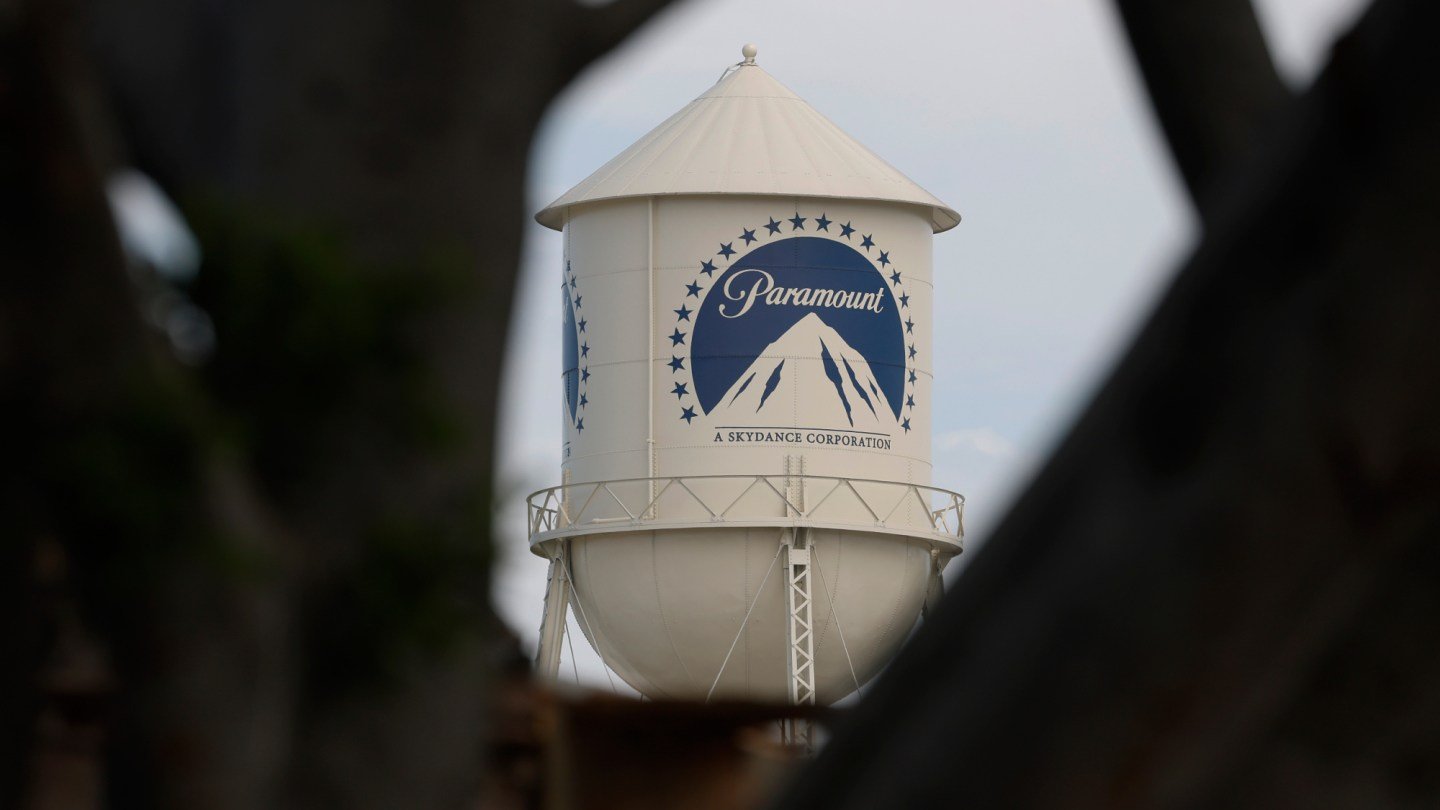
    Paramount and a dozen states led by California attorney general Rob Bonta are closing in on a deal to settle a lawsuit challenging the studio’s bid to acquire Warner Bros. Discovery, The Wall Street Journal reported Friday.

    The two sides are in “advanced talks” to resolve the case, per the report. Under the reported deal, terms include “Paramount agreeing to operate the two companies’ movie studios separately for a period rather than immediately combining them.”

    In another sign that a deal is imminent, Reuters reported that an agreement could come “as soon as this weekend.” The settlement could require independent content monitoring of CNN, plus a commitment on the number of theatrical releases.

    Across the litigation, Bonta has maintained he’ll only accept structural remedies, which typically involve companies selling off parts of the combined business, and has previously said such an agreement to run studio operations independently cannot be the primary component of any potential deal. So far, Paramount has only offered behavioral concessions, including a pledge to release at least 30 movies with 45-day theatrical windows.

    A deal struck without any divestitures would be a major win for Paramount CEO David Ellison, who’s threatened to move the studio out of California if an agreement isn’t reached by the start of next month regardless of the ultimate outcome of the case. With a settlement, Paramount would be able to close the merger ahead of an Oct. 1 deadline when a so-called $7 million-per-day ticking fee will start to accrue.

    The discussions are “ongoing and there is no guarantee that an agreement will be reached,” the story added.

    “Potential settlement talks are confidential,” said a spokesperson for Bonta’s office in a statement. “We cannot confirm or deny whether settlement talks are occurring or their alleged substance.”

    Paramount declined to comment.

    Movement on deal talks have been slow, with leaks having blown up discussions in public jockeying over a settlement. Last month, Bonta canceled a meeting with Paramount scheduled for the following day, accusing the studio’s representatives of leaking and misrepresenting details of negotiations they held.

    A trial is scheduled to start in March, with Paramount, the states and the Writers Guild of America slated to formally sit down for two consecutive days starting on Oct. 14 to explore a settlement.

    A key regulatory approval came on Thursday when the FCC signed off on equity investments from three prominent Middle East sovereign wealth funds that are backing Paramount’s bid. The sovereign wealth funds are collectively providing roughly $24 billion in financing to help bankroll Paramount’s bid for Warner Bros. Discovery, according to SEC filings. Their investment, along with that of others, will result in foreign investors collectively holding 49.5% of the combined company.

  • How Fatih Akin Breathed Life Into San Sebastian’s Haunting Opener ‘Ghost Song’

    How Fatih Akin Breathed Life Into San Sebastian’s Haunting Opener ‘Ghost Song’

    Fatih Akin is no stranger to the festival circuit, having wowed Berlin with his Golden Bear-winning Head-On in 2004 and nabbing best screenplay in Cannes for The Edge of Heaven in 2007.

    The German-Turkish filmmaker, also a Golden Globe winner for 2017’s In the Fade, has sent a couple of movies to San Sebastian over the years. “I don’t remember which films it was,” he tells The Hollywood Reporter on Zoom. “But I always wanted to go.”

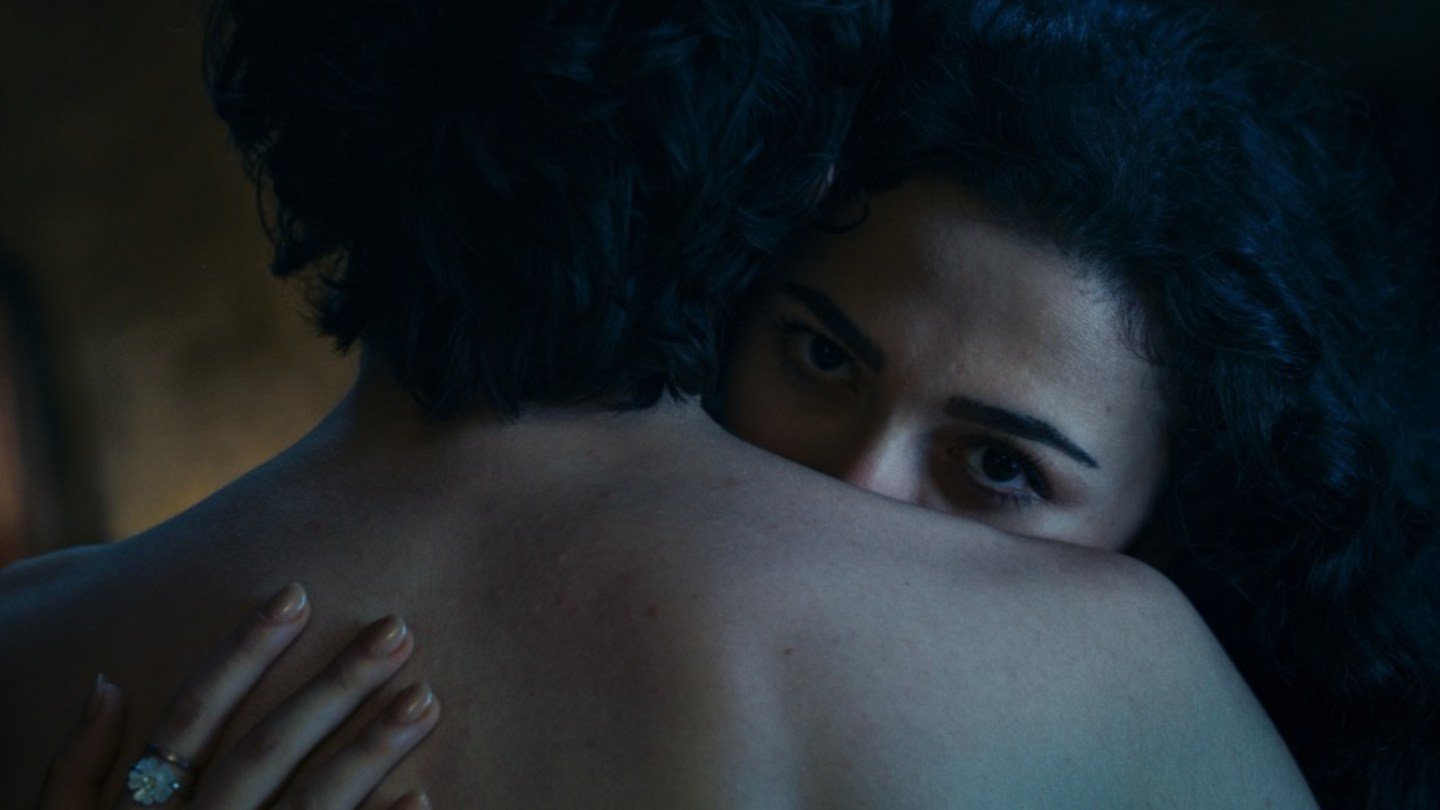
    Akin is getting his chance and then some with this year’s haunting opener Ghost Song, following two students who meet in a Berlin nightclub and immediately fall head over heels in love. Farasha (Mariam Dawoud) and Faris (Eren M. Güvercin) are struck by a deep-rooted connection that they can’t wait to untangle, but the cord is abruptly cut short when Farasha is killed. For the next 40 nights, she visits Faris in his dreams, where their mutual infatuation slowly drives him to the brink of insanity.

    The Warner Bros. film, co-written with Ruth Toma and set for release in Germany Nov. 5, is actually inspired by Akin’s own discovery of anime and manga, and bolstered by his desire to make Ghost Song for a younger audience. “I’m not a boomer, but I’m Generation X, and Gen Z is very different,” he says. “They work with very different tools and worlds, and you have this influence [that] is not coming from Hollywood. You have this influence coming from Asia, from Japan, China, Korea.”

    The black-and-white feature is both tender and harrowing, the anime influence palpable in the beautifully illustrated title cards marking the remaining nights Farasha and Faris have together. The story also deftly draws on spirituality rooted in the Islamic tradition — a nod to Akin’s religious upbringing. “It’s my form of dealing with that,” he tells THR, “or using it as storytelling.”

    Below, ahead of its glitzy red carpet premiere on Friday as Spain’s most prestigious film festival officially gets underway, Akin unpacks the making of Ghost Song. He talks about its depiction of teen suicides — “everybody knows somebody in the generation of my kids who [took their own life] or who tried to” — as well as his decision to keep the film in black-and-white, its similarity to Demi Moore and Patrick Swayze’s Ghost, and why he’s vowed to never relive this particular process again: “This is the very last time I do it this way.”

    When did this journey start, and why this story?

    It all started about 10 years ago. It was basically an idea [from] my son. He had this idea of me doing a film for kids, and it was a story about two friends, and one is a ghost — two boys and they’re best friends. I liked the idea of doing something for children, which was very different than what I did before. And I gave it to this writer, Ruth Toma, who I had worked with before. And she wrote the screenplay for this children’s movie. But then I turned to doing In the Fade and other stuff. We never stopped developing the screenplay in the meantime. And what happened was, with the growing up of my children, the age of the characters had changed. That happened [naturally], and so the focus shifted as well and it became a romantic [film]. My kids really taught me or showed me the world of anime. I was very much in manga and graphic novels before… But I was wondering, can I combine it with my take on cinema?

    So there’s an anime influence on this film?

    Very much. Anime films often have this romantic touch. They are in this fantasy world, you know? Like parallel universes, rebirth, dying and coming back — this is very popular in the anime world. But also social matters. A Silent Voice is a film about mobbing and suicide in the teenage world or in the young adult world, and so anime is a tool or a window for a younger generation than I am. I’m not a boomer, but I’m Generation X, and Gen Z is very different. They work with very different tools and worlds, and you have this influence [that] is not coming from Hollywood. You have this influence coming from Asia, from Japan, China, Korea. I was very much influenced by Western cinema, by American cinema.

    Filmmaker Fatih Akin at the 2025 Cannes Film Festival.

    Courtesy of Getty

    Are there any particular directors from that region that you’re a fan of?

    Hayao Miyazaki, the guy who won the Academy Award with Spirited Away. All his work is pretty influential, and of course, the guys who made Suzume, Your Name and Belle, these are incredible pieces of work, in a very visual way. I had the opportunity to do [that] with this film: combine it with that world [and make] a spiritual film. When you think about spiritual films, you end up with Kundun or The Last Temptation of Christ stuff, but I see more the desire and need of doing such a film for a director. Spirituality, the supernatural… I’m interested in this stuff in a private way, but how can you make a film about it that’s still for a wider audience? Ghost Song gave me the opportunity to do that — to do a spiritual film, but to do it as much [for]… I don’t know. Pop culture.

    It’s interesting that this started as a children’s film because it really is quite morbid.

    It’s not a children’s film anymore. It started as a children’s film, but then it became […] [for] young adults. And what we found out when we worked on this is that suicide is the highest reason for dying between 15 to 25-year-olds in the whole world. I didn’t know that, and it was scary. Suicide is a theme which has always popped up in my work.

    I don’t know why these things pop up in my work, but it’s here [in Ghost Song] again. And everybody knows somebody in the generation of my kids who [took their own life] or who tried to. COVID was a very depressing period for this generation. So I observe that, in a way. I deal with that. I think the film is for everybody in a way — not too young — but sometimes I can understand that people of 60 years, if they don’t have kids or if their kids are grown up, that they cannot connect with such a film. But a younger audience can. And I’m 53 now. I’m thinking about getting old, and to do such a film and to connect with a younger audience… It keeps me young. (Laughs.)

    This film tackles so much: suicide, mental health, young love. I want to ask about the mythology of this film, if that’s the right word. The lore, and Farasha haunting Faris for 40 nights. Is that rooted in a certain tradition?

    Yes, the Islamic tradition. But we discovered that Orthodox Christianity has that too. […] I have this Islamic background. I grew up in an Islamic family, a very faithful, religious family. It’s my form of dealing with that, or using it as storytelling.

    It was beautiful. I don’t know if I saw the final version of the film — I saw a black and white version?

    That is the final version. I have two versions. That happened because the anime world was influencing this film, so when you do a film, you have reference films. The only reference films I had for this one, which I gave to my DP, were the anime films. Your Name, A Silent Voice, maybe Ghost, the Patrick Swayze film. (Laughs.) But nothing else on a visual level comes to mind. So this was the influence, and the colors and the color grading was very important. For the first time, I really, really, really worked with strong colors. It starts with the costume and goes through the set design and the lighting, but very much the grading as well. And the grading is a process in filmmaking that comes at the end, after the film is edited and done.

    [But] with the fast rush and to not get distracted by it or not lose the faith in the visuality of the material, what did I do? I switched off the colors in the editing process. And what happened is we got used to it. The whole film was a long journey and very difficult to edit. I was in the editing room [for] almost six months. What do you do when you edit six months in black and white? You get used to it, and that’s like a relationship. You fall in love with it. So [we were] like, “Okay, let’s keep it in black and white.” It’s beautiful in black and white, and it’s existential in black and white. And this film is about existentialism, and it’s manga, and manga and anime are in black and white because the colors are too expensive to print. It became this art form. It’s so strong and so unique.

    So which one will you screen in San Sebastian?

    The black and white. I’m asking that they also show a color version of the film. I’m not sure if I have convinced the festival committee yet. But we have the opening in black and white, and I hope that I can get a second screening in color because you have to see both versions of the film to have the complete picture.

    This is also very much an immigrant story. And we see glimpses of Farasha’s journey to Europe. I wanted to ask whether that’s rooted in anything personal for you?

    I am always looking for heroines and heroes who are not that common in Western cinema, but [are] part of the Western world when you go out on the street. I’ve always done that since my very first film. I don’t know if it’s just personal. It’s something I observe on the street in daily life. Syrian migration in Germany since 2015 has become very visible in Germany, and these people somehow adapted to so much and so fast, as well. I mean, they’re in the medical sector and the care sector. They’re in all sectors, and they changed this country. The Turks have been here since the ’60s of the last century, but the Syrians came 10 years ago. It was an opportunity to put that in the story as well. To give more texture.

    I don’t have these typical rock-and-roll kids [as] heroes. Faith is important for [Farasha] in a way. Maybe her faith, her religion, makes her otherworldly. You have to believe in that… If you deal with life and death and past life, you automatically end up in a spiritual film, and so it was a way or an opportunity to use my personal biography in this spirituality of the film.

    How do you hope the audience reacts after watching Ghost Song?

    I’ve seen some reactions [already]. Some reactions really shocked me — some people, they’re very much emotionally shaken by the film. I had never seen that before, or in other works I did. Usually, it’s not so much a young audience who’s like that. It’s more like 30 and up, you know? For them, this is a roller coaster, and I always try to give the audience a physical experience as well. I think if a film reaches a physical level — laughing, crying, whatever it is… If this two-dimensional medium can create that, can create goosebumps, but on the other hand, console. […] I hope this film could be a friend for a lot of young people. It deals with life and death, but in a life-positive way. It’s a tragic love story — we don’t have that too much these days in the cinema, especially a lot in German cinema.

    It’s catharsis. It’s a troubled world. Everybody has a lot of issues all over the world, and you get sidetracked from that escapism. If a film can give you catharsis, it can be very helpful.

    What does it mean to be opening the San Sebastian Film Festival?

    It’s my first time at San Sebastian [Film Festival]. I think in the past, I sent films there and they passed [on them]. I don’t remember which films it was. But I always wanted to go to San Sebastian. It has that great name and good food and [it’s a] sophisticated festival in a way. I was very, very curious always about that because I have a lot of friends in Spain, and I think I have an audience in Spain, so I have a good relationship [with] that country. To get to that festival with this film and opening it, it means a lot to me.

    It’s also good to know that there aren’t just the usual suspects to present a film. I mean, Cannes is great, and it did a lot for me. And so did Venice and Berlin. But there are other parts of the world, other festivals in the world. It’s not just that I want to support them, but they also support you. I feel very humble and and very honored that they picked up the film for opening. You know, in [the World Cup], I wanted Spain to win. (Laughs.)

    How were you able to get Ghost Song funded?

    We got government funding. But our biggest supporter, and I’m very thankful that I have them, was Warner Brothers. [Around] half of the budget is coming from Warner Brothers., I’m not sure. My producers know it better. (Laughs.) It was very difficult to finance this film. Very, very, very difficult. On the one hand, films have become more and more and more expensive, especially in Germany. That’s why a lot of German filmmakers move somewhere else to do their films. The cost, everything gets so high here. And you never get the full budget for any film.

    Here, and also for [my] last two films, [including Cannes-premierer] Amrum, we went into the risk. We said, “Okay, we are not [at] full budget,” but we still greenlit the film. This is becoming more and more dangerous. This is the very last time I do it this way. Life is too short. It’s heart attacks and cortisol and sleepless nights! It’s not like when I started doing films. I was this young filmmaker in another time, in another country. You had some kids, you had some employees and a company and you’d do a film and fulfill that. It doesn’t work like that anymore.

    As someone who has been working with Warner Bros. recently, and with a lot of European creatives speaking about the proposed Paramount takeover, can I ask: do you have an opinion?

    Nobody knows. As a rule in filmmaking, nobody knows shit. And I don’t know about tomorrow. […] I don’t have an opinion about that. I can just say I work with the team in Germany and the U.K., and they’re very supportive. I have to say, a brilliant, professional, great team, and a lot of fun to work with.

    This interview has been shortened and edited for clarity. The 2026 San Sebastian International Film Festival runs Sep. 18-26.