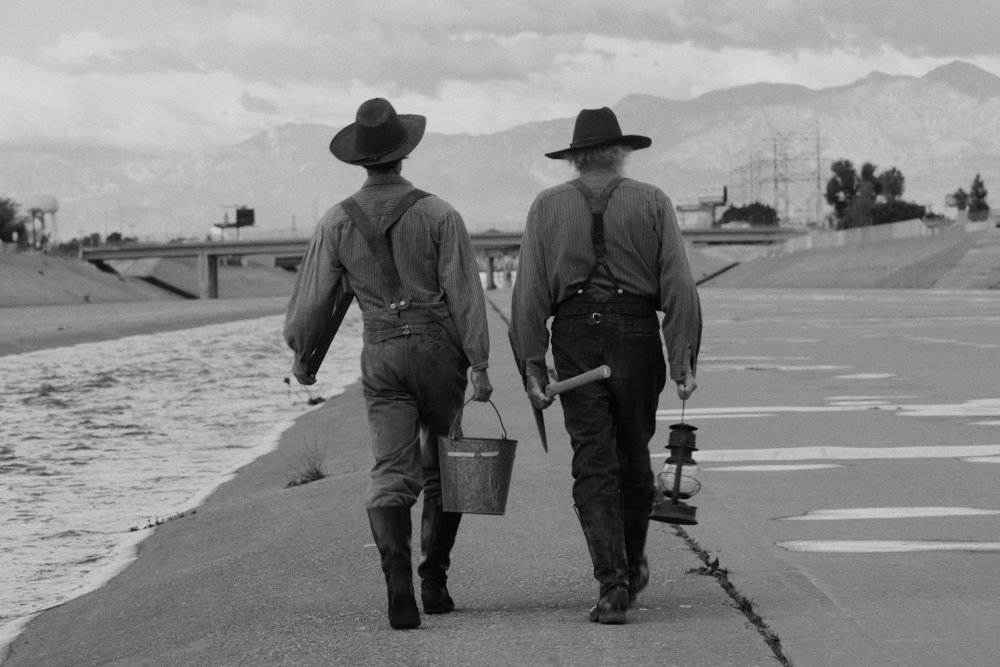
Joey Bueno Breese has been named the recipient of the $10,000 2026 Deutsche Bank Frieze Los Angeles Film Award for his film “El Rio Nuestro.” At the same time, Devin O’Guinn received the $2,500 Audience Award for his film “Julian.” Both winners were presented with their prizes during a special ceremony on Friday at Frieze Los Angeles at the Santa Monica Airport.
Now in its seventh year, the Deutsche Bank Frieze Los Angeles Film supports early-career filmmakers in Los Angeles and is produced in collaboration with Ghetto Film School.
Jury award jurors included Emmy- and Golden Globe–nominated actor and producer Connie Britton; Claudio de Sanctis, Head of Private Bank and member of the Management Board at Deutsche Bank; Ché Chisholm, Chief Executive Officer of Ghetto Film School; Oscar–winning director Orlando von Einsiedel; and Jorge Villon, founder of Grace Lab.
“In its seventh year, the Deutsche Bank Frieze Los Angeles Film Award continues to spotlight filmmakers whose work reflects the courage and imagination of this city,” Americas, Frieze director Christine Messineo said. “This year, the films respond to the theme of Renewal and Resilience in deeply personal and socially aware ways – from confronting histories to finding new purpose. The fellows remind us that storytelling is a vital tool for transformation, both for the artist and the community.”
“Julian”
The shortlisted films were presented online and at the fair. Since its launch in 2019, the Deutsche Bank Frieze Los Angeles Film Award has supported more than 40 fellows, serving as an incubator for next-generation talent within the industry.
“In celebrating the 2026 Deutsche Bank Frieze LA Film Awards, I extend my warmest congratulations to Joey Bueno Breese, this year’s Jury Award recipient, and to Devin O’Guinn, honored with the Audience Award,” de Sanctis said. “Their work leaves a lasting impression on all who engage with it. At Deutsche Bank, we are proud to champion artists whose creativity challenges and enriches cinematic expression.”
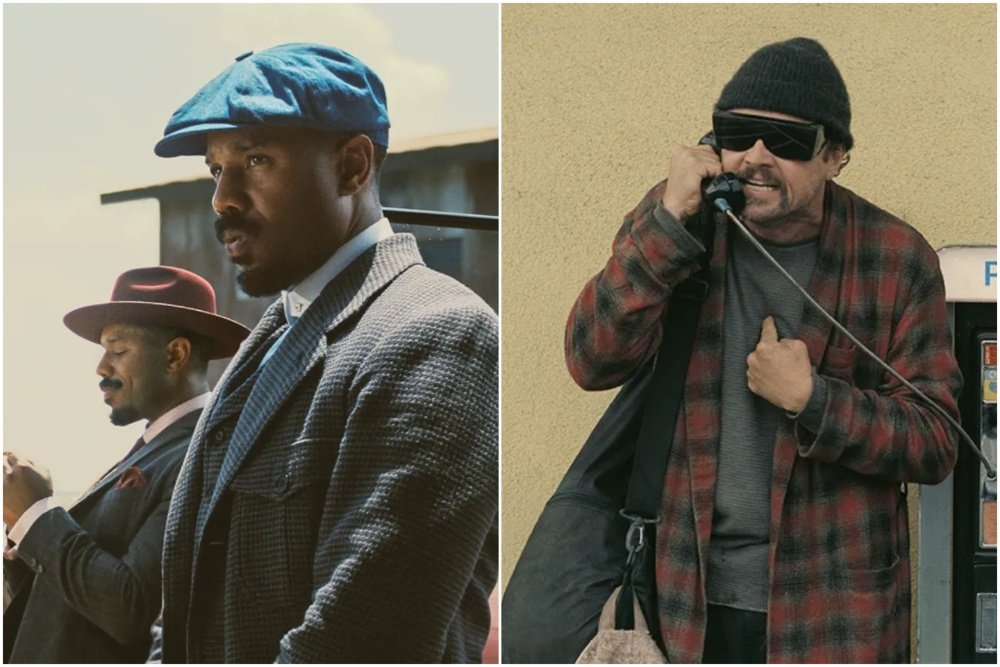
“Sinners” and “One Battle After Another” took home the live action feature awards at the 76th ACE Eddie Awards.
“Sinners” editor Michael Shawver said, “Ryan Coogler took a big risk, and I think gave audiences something that maybe they didn’t even know they were hungry for something new, different, fun, and total experience.”
“KPop Demon Hunters” took home the award for best edited animated feature film.
The awards were handed out Friday night at UCLA’s Royce Hall, and to Oscar watchers provided insight into the Oscars race for best editing. The winners in best film drama editing and best film comedy/musical editing has gone on to match the best editing Oscar 17 times in the past 26 years.
“The Perfect Neighbor” took home the award for best edited documentary. The Netflix documentary is also nominated for an Oscar in the best documentary category.
Damian Rodriguez who won best edited documentary series for “Pee-wee as Himself” – Part One dedicated his win to team and Paul Reuben. Rodriguez said, “We wouldn’t be here without him. He was such an amazing artist, and he influenced so many people, including myself. I wish he was here.”
On the TV side, “The Studio” and “The Pitt” won in their respective categories for best edited comedy and best edited drama.
The ACE Eddies recognize outstanding editing in film, television, documentaries, shorts and digital content. Ang Lee received the ACE Golden Eddie Filmmaker of the Year Award. Kim Larson & YouTube Will were honored with the ACE Visionary Award, and Film Editors Arthur Forney, ACE, and Robert Leighton were given ACE Career Achievement Awards.
Lee dedicated his award to his go-to editor Tim Squyres. “When you give me this award, you actually give me it to Tim Squyres.” Lee shared how Squyres had cut all his movies except “Brokeback Mountain.” “He missed that one because I told him, after ‘Crouching Tiger, Hidden Dragon,’ I’m retiring, I said ‘I had enough.’ So he took another movie.” Lee said he had stuck with Squyres for over 35 years.
Speaking about what editing means to Lee, he said, “It’s very hard to say, but let me put this way, my wife said, I can only do two things, right, making movies and cooking. So let me use cooking as a metaphor. Shooting is like buying groceries, and the real cooking is on the editing table. That’s how I feel about editing. I’ve feel I have this editing machine in my head when I’m making movies, every section, every setup, editing is at the center of my consciousness. Every working day I have to answer, hundreds of questions about what I want. The only reason I can give directions and put the whole movie together is because I have that editing table in my head.” Lee added, “We’re in a particularly difficult moment, challenging moment, in our life of cinema. But I do believe, as long as there is as long as there are moving images, there will be editors.”
Erin Casper who won best edited short for “All The Empty Rooms” that goes into the bedrooms of children killed in US school shootings, dedicated her win to the victims and the families “who opened their doors to us and welcomed us into their sacred spaces of their child’s bedroom preserved just as it was since the last day they saw their child alive.” She went on to say, “The word gun is never mentioned in our film, and this was intentional on our part, because we’ve all grown so numb to this epidemic.”
She said their goal was to center the humanity and “the life that was in these rooms.”
“South Park’s” Twisted Christian episode won best edited animated series. During his acceptance speech, editor David List said, “It was especially gratifying to work on these last 10 episodes because Trey and Matt really, really went for it. They challenged the boundaries of censorship and how far all of us can exercise our First Amendment rights, whether it’s political commentary, mocking celebrity or that expertly timed fart joke.” He added, “Our freedom of speech should ultimately be protected and celebrated regardless of political party affiliation.”
Full list of winners below.
EDITED FEATURE FILM (Drama, Theatrical) “Sinners” Michael P. Shawver
BEST EDITED FEATURE FILM (Comedy, Theatrical) “One Battle After Another” Andy Jurgensen
BEST EDITED ANIMATED FEATURE FILM “KPop Demon Hunters” Nathan Schauf
BEST EDITED DOCUMENTARY FEATURE “The Perfect Neighbor” Viridiana Lieberman
BEST EDITED DOCUMENTARY SERIES “Pee-wee as Himself – Part One” Damian Rodriguez
BEST EDITED MULTI-CAMERA COMEDY SERIES “Frasier” (Murder Most Finch) Russell Griffin, ACE
BEST EDITED SINGLE CAMERA COMEDY SERIES “The Studio” (The Promotion) Eric Kissack, ACE
BEST EDITED DRAMA SERIES “The Pitt” (6pm) Mark Strand, ACE
BEST EDITED FEATURE FILM (NON-THEATRICAL) “A Winter’s Song” Yvette M. Amirian, ACE
BEST EDITED LIMITED SERIES “The Penguin” (A Great or Little Thing) Henk van Eeghen, ACE
BEST EDITED REALITY SERIES “Conan O’Brien Must Go” (Austria) Matthew Shaw, ACE Brad Roelandt
BEST EDITED VARIETY TALK/SKETCH SHOW OR SPECIAL “Saturday Night Live 50th Anniversary Special” Paul Del Gesso Christopher Salerno Ryan Spears Sean Mcilraith, ACE Ryan Mcilraith Daniel Garcia
BEST EDITED ANIMATED SERIES “South Park” (Twisted Christian) David List Nate Pellettieri
BEST EDITED SHORT “All The Empty Rooms” Erin Casper, ACE Stephen Maing Jeremy Medoff
ANNE V. COATES AWARD FOR STUDENT EDITING Luis Barragan – California State University, Fullerton
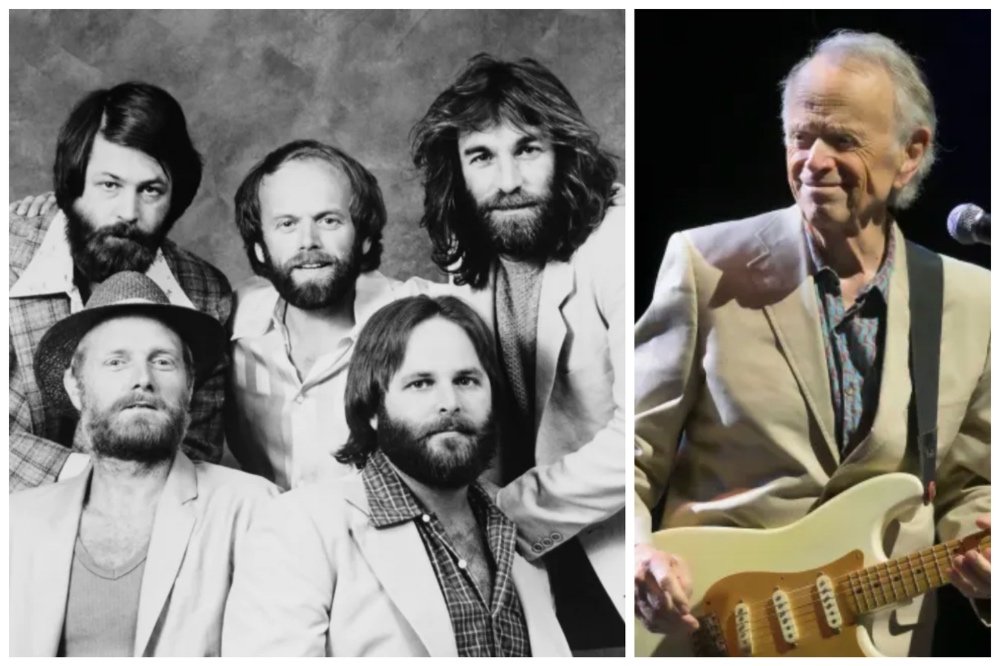
Is the 1977 album “The Beach Boys Love You” a classic and essential part of this great American band’s catalog, or a lark? It’s so different from virtually every other album the group ever recorded over a nearly 50-year period, there will always be some split over that — maybe even internally, because even core member Al Jardine says he wasn’t that high on the record until relatively recently. But it’s fair to say that if you are really, really, really into the recorded output of Brian Wilson, there’s an outstanding chance you have consumed whatever Kool-Aid is necessary to have joined the choir of fans who have been singing the praises of “Love You” ever since it came out and flopped.
Now, it’s getting its due and then some. Al Jardine and the Pet Sounds Band — which is essentially the group that toured with Brian Wilson as a solo artist for many years — have been doing tour dates where they’ve performed most of the “Love You” album live. On Friday night, for the very first time ever, the ensemble will play the entire record, not leaving out a single track. Anyone who has heard them perform any of this material live will know it’s well worth the pilgrimage… as is any set of theirs that’s mostly limited to the core canon, given how faithfully they have been bringing any Brian song to full-fleshed life for decades before and months since the pop genius’ death.
Before a different SoCal show recently, Variety caught up backstage with Jardine and one of the key architects of the Brian Wilson/Pet Sounds Band, Darian Sahanaja, who was known as a member of the L.A. group the Wondermints before he began training virtually all his passion onto the Wilson ouevre. Following is an edited version of that conversation.
In the meantime, for anyone reading this before Friday night’s show, it takes place at the United Theater on Broadway in downtown L.A. at 8 p.m. Tickets can be found here. For an itinerary of other upcoming shows, in which a good chunk of “Love You” might still be played, check here.
(For those who can’t make it to a show — or those who can — there is also a new boxed set out from UMe that focuses on the “Love You” album and its outtakes, along with material from right before and after that project. Read more about that collection in Variety‘s previous coverage here.)
Al Jardine: We should bring in some of the fellas in the band, because it’s fascinating from their point of view. They’re the ones that talked me into doing this “Love You” album. It’s a pretty big deal. They call Darian the librarian. He’s got all this stuff in the back of his head, and he wanted to do this in a bad way. And I thought it was a great way to put the band back together, after Brian passed. Well, even before Brian passed, we’d been trying to get the band back together.
Did it help, in reforming Brian’s band, to have kind of an excuse to do something different than what you were doing when he was around?
Jardine: Yeah, it gave us a focus a priority, this long-awaited completion of the idea to do the “Love You” album and bring it to the forefront of our activity, musically. The band hadn’t worked since ’22, and I just wanted to to get it back together. Thanks to Darian, we’d been sharing this idea for quite a while, but for some reason, it just never happened while Brian was with us, even though it was a very personal thing for him, especially. Who knows why. But it’s happening. [To Darian] I’m so glad you convinced me, because we kept going back and forth. He said, “If you do this, if we accomplish this, people are gonna come out of the cities, they’re gonna come out of the woods, Al…”
Darian Sahanaja: Yeah, you were doubtful. I think you were kind of like, “Really? People like that album?”
Jardine: Well, it was very, very understated, and my participation in it was (just) as a vocalist, coming out of the woods in Big Sur to come down to do a session. It was a major thing in itself, just physically and mentally getting into the process of recording it, and it didn’t sound like a Beach Boy album to me. It was great, but it seemed like more of a Brian project, which of course it was. It was dedicated to him by his brothers, and particularly Carl (Wilson). Carl was the de facto producer, really, and pulled us all together so that Brian would be at ease, writing these songs.
Sahanaja: He was coming out of an era when he was sort of hiding out in his room and not really doing much. Well, there was that whole “Brian’s back” campaign, right?
Jardine: With “15 Big Ones” [the album immediately preceding “The Beach Boys Love You”]. And he wasn’t really entirely back. It was a big promotion that Mike (Love) put together with his brother, trying to make something out of nothing, quite honestly.
Sahanaja: But the way you described how Brian put this music together and brought you guys in sort of in the late stage to sing on it, I don’t know why, but I see that as a very similar — maybe in a completely different context —to the way you did “Pet Sounds” [in the mid-‘60s]. Because in the same way, you guys were on tour, so it was very personal for Brian at the time. He put all the tracks together, and then the guys came into town and you laid down the tracks. I almost see that as a similar approach for Brian. And that’s why I consider “Love You” probably Brian’s second-most-personal album, after “Pet Sounds,” because basically, he wrote all the songs. I mean, even more personal in a way, because he wrote most of the lyrics. With “Pet Sounds,” he had Tony (Asher as lyricist), as you know.
Jardine: Of course, Mike and I did write a couple songs, but they pale in comparison to his personal stuff. It’s just remarkable. And I admit I didn’t really appreciate it, because we were in the hit mode. We were on tour all the time. We were like, “We gotta have another hit. We gotta have another single.” And this wasn’t about that.
Sahanaja: Well, that’s why Brian is an artist. He takes risks, he does things… If they fail, they fail. If they’re successful, they’re successful.
Jardine: I mean, I don’t even remember singing some of this stuff. I don’t remember singing on “Solar System,” for instance.
Sahanaja: You are in that vocal stack.
Jardine: Am I? Are you sure? You would know. He (Sahanaja) knows how to pull this stuff out. But who writes a song with that kind of context, about the planets? t’s just beautiful.
Sahanaja: Very sincere, very childlike.
Jardine: You know, “Airplane.” Oh my God. “Airplane” is one of my favorites of all time.Now I’m completely…
Sahanaja: Well, this was my favorite thing in the process of all this, is how he was skeptical at first, and just to watch him become reoriented with this music again and discovering it… maybe because the first time, it wasn’t successful, so onto the next… I love seeing him getting really, really into the music and realizing, “God, these are really, really beautiful songs.” And of course, in the wake of us losing Brian, it’s just his soul and his spirit are with us…
Jardine: He’s right there. He’s right there.
Sahanaja: That’s how we feel on stage. Every time we play these songs. I’m just like, ahhh, you can feel Brian’s soul.
Al Jardine and the Pet Sounds Band at Cerritos Center
Chris Willman/Variety
Jardine: The guys in the band carry these leads really well, and do it justice. You carry Carl’s leads amazingly. How you do that? “God, please let us go on this way…” You won’t believe that, his performance, how he carries the spirit of Carl. Dennis (Wilson)…
Sahanaja: I don’t do Dennis. “I Want to Pick You Up”… I can’t really sing that like Dennis. … To be fair, I’ve met people who maybe are not big fans of the record for one reason or another, but I would imagine a lot of it is because the way it’s executed is very raw…
Jardine: Well, the amazing thing, it’s a synth-driven record, right? And your peers relate to that. Brian was in the forefront of all that stuff. He didn’t use bass guitars on this. He had a Moog synthesizer [as the bass]. It was a different style of production than the Beach Boys were accustomed to. And he literally brought that world to us, and so I’m sitting there with a guitar and going, “What the hell am I supposed to do?” So I really didn’t relate in that sense musically to it at first. Now I get it, because it’s so cleverly written.
Sahanaja: With all the synths and really odd sort of production decision-making on it, I think it appealed to that next generation, especially going into the ‘80s and beyond, because it’s got that synth-pop thing going on. But, typical Brian: he wasn’t intellectualizing it at all. He wasn’t calculating it. He was like, “This sounds good to me and I could do this. I can just grab a keyboard and play these notes, and there it is. I’m happy.” But the way it all came together in that sort of DIY approach, little did he know…
Jardine: But at the same time, he writes a song called “Roller Skating Child,” which is totally Beach Boys. That almost harkens back to the days. And “Honkin’ Down the Highway,” those two that are like that, I could relate to, and I sing the lead on (“Honkin’”). It just feels natural to me when you feel Brian’s.ability to go backwards and forwards, or retro and future. Amazing. I learned a new chord, by the way, the other day, in my book. Did you know there’s a sus4 in “Roller Skating Child”?
Sahanaja: Is there?
Jardine: That’s what it says. I found a little book in my stack of memorabilia called “The Beach Boys: Volume One.” It’s got all the songs that we wrote, and “The Beach Boys Love You” is in it, of all things. So, look at me. showing him some new chords.
Sahanaja: I’ve gotta take a look.I’ll have to check that. Because Brian didn’t like sus; he didn’t like sustained chords.
Jardine: Well, maybe the book’s wrong, then!
Darian Sahanaja
Scott Dudelson
When you guys are playing the “Love You” songs now, have you rearranged it to fit in a little more with the other classic Beach Boys stuff that doesn’t sound anything like that, or are you trying to recreate the original synthy sounds?
Sahanaja: It’s one thing is to say recreating. Another thing is just to embody the spirit and feel of the record, the original sensibilities of the record, which was Brian’s … It’s like when we do “Pet Sounds.” You can cut corners and simplify the chords and all that, but that’s not what Brian wrote, and that’s not what he came up with in the studio. So you can say, “Yeah, let’s get the exact paint-by-numbers thing,” but if you do paint by numbers but if it’s not done with the right feel and the spirit of it…
Jardine: They nail it. This band, they nail it.
Paul Von Mertens (multi-instrumentalist and musical director): I remember during “Pet Sounds” (on a tour performing that entire album), we would even debate in rehearsal … There’s a funny banjo entrance. You know, is that a mistake or intentional? “No, let’s keep it because it’s on there.”
Sahanaja: And even one in this record. How about “Johnny Carson”? It’s so clearly a mistake. There’s this errant symbol crash that’s completely not (right), and we just love it, because, again, I picture Brian just going, “Pssssh, that’s it! That sounds great.Keep it.”
Jardine: Well, how about in the third verse? Is it the third verse where he goes “da-da-da” and he does the resolve.
Sahanaja: Yes, yes, you’re right.
Jardine: And Bob (in the Pet Sounds Band) plays it just like it! He plays the mistake, perfectly.
Sahanaja: I gives it an out-of-the-box feel. It’s just like, what? But when you listen back to even the golden-era Beach Boys recordings of Brian conducting the studio musicians (in the mid-‘60s), many times they’ll play something and say, “Is that right?” And Brian will go, “Yeah, that’s great. Just keep that,” because he just loves the vibe of it.
Al Jardine and the Pet Sounds Band joined by Weird Al Yankovic and Eric Idle in concert in Cerritos, Calif, with Rob Bonfiglio.
Scott Dudelson
It feels like there might be different audiences coming to shows like this. There are some people coming who really just want to hear “The Beach Boys Love You.” And then at most of these shows, there will be people who don’t know the albu at all. Do you feel like there’s kinda like two audiences that you’re playing for?
Jardine: Probably, I’m sure.
Sahanaja: I don’t know. In the spirit of Brian Wilson, I like the idea that we just forge ahead and be bold.
Von Mertens: I think that the idea is partly to bring the audience along with us. I can remember on the “Smile” tour, we were playing a festival in Belgium, and it was kind of drizzling on a soccer field, and there were beer stands encircling the entire field where the audience was. We hadn’t been playing “Smile” for very long. and we’re playing this outdoor festival and people are sliding around in the mud. And I remember the whole band — Jeff (Foskett) in particular — was like, “We can’t do ‘Smile.’ They’re gonna kill us! They’re gonna hate it.” And finally we just like bit the bullet and said, “OK, we’re gonna do it and we’re just gonna throw down like we always do.” When we finished the set, we left the stage and the audience was singing that soccer chant that they do that’s like an audio equivalent of a standing ovation. They were all going, “Ohhh-wayyyy-ooh,” and we were like, “OK. I guess, I guess it worked.”
Sahanaja: Exactly. I always believe that if the material is really good and it’s performed well with love and care, it doesn’t matter if an audience is familiar with the music. I think they walk away feeling like, “Wow, that was really good.”
Jardine: But I do like the first note of the show… It’s an anthem, “California Girls,” and as soon as you hit that first ding.
Sahanaja: You’re making me sentimental because, because our dearly departed guitarist, Nick Walusko, I remember when I met him in 1983. And Nick would always say, “What Brian could do with just one note. Like the intro of ‘California Girls,’ listen, I know it’s one note, but it’s like a whole atmosphere in that one note.” And I totally understood that.
How many members of the Brian Wilson Band have carried over to this band now?
Jardine: There’s 12 on stage. All of us.
Sahanaja: Almost everybody; one of us, Probyn (Gregory), couldn’t do this tour because he was out with “Weird Al” Yankovic on that incredible, successful tour. So we have another fellow filling in for him named Emeen Zarookian, who plays with Micky Dolenz. It’s been really fun. … Just to go back really quickly to the audiences: I love that this new music, us performing the “Love You” material, is just because of its kind of DIY approach in the synths, and we’re getting a lot of young people coming out to the shows, and freaking out. We just see them chanting and jamming along and jumping and up and down. It’s insane. It’s great, because I know what they’re excited about: Brian being Brian, which is somebody eccentric…
Jardine: The big sing-along is a tune called “Ding Dang.” You know the album. It’s 52 seconds long, right? But it gets the audience; they go crazy immediately with the biggest reaction, and they start going “woo” with this, just carrying on like a bunch of kids. It’s really a childlike experience. We add a little extra, actually, at the end. We actually have a chord change now. We will surprise you with it.
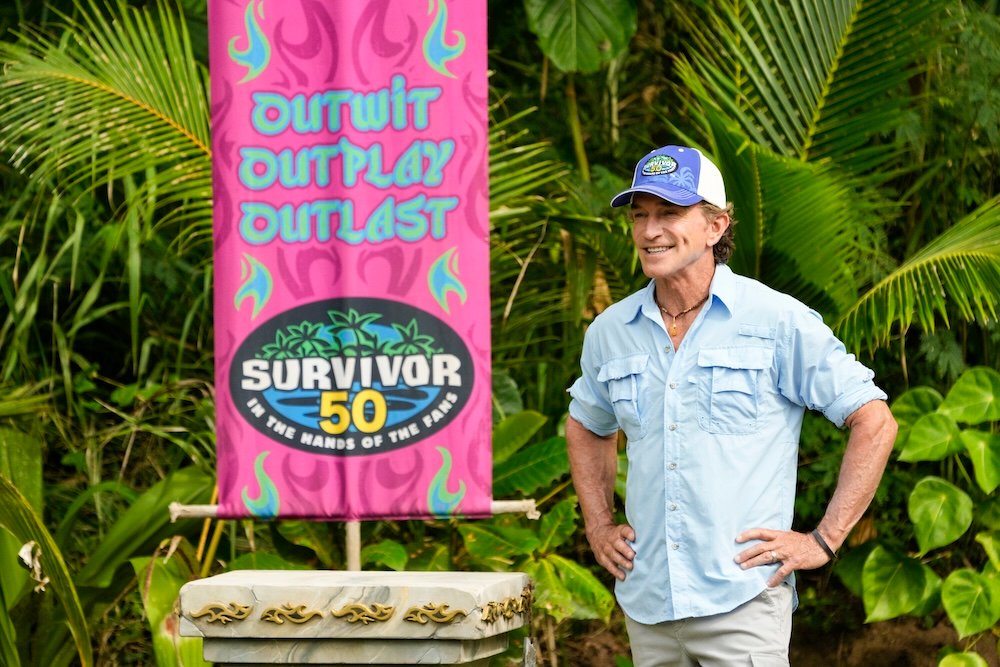
The official “Survivor” podcast is hitting pause for Season 50.
“‘Survivor’ 50 was designed as a celebration, and it features one of the most exciting game designs we’ve ever done,” Probst said in a statement to Variety. “Because of that, we made a conscious decision not to immediately pull back the curtain while it was happening. We wanted fans to discover it on their own and experience it in real time. Then at the live finale, we’ll have the opportunity to reflect on all parts of the season together.”
“On Fire With Jeff Probst” debuted at the start of Season 44 in 2023. Each week, directly after a new episode aired on CBS, a new episode would reveal Probst giving listeners a look behind the curtain at the making of “Survivor,” sharing his view as the executive producer, showrunner and host.
Rick Devens joined Probst and producer Jay Wolff as co-host for Season 45; Dee Valladares co-hosted for 46; Charlie Davis joined for Season 47; Rachel LaMont took over for 48; and Jeremy Collins joined for 49.
“Survivor” 50 premiered on Feb. 25 and averaged 5.06 million viewers over its three-hour debut — the biggest same-day audience for Season 45’s penultimate episode in December 2023. It became CBS’ best Wednesday night performance since the Season 42 finale of “Survivor” in 2022.
The milestone “Survivor” is a huge one for CBS and Probst, as they introduce new twists, fan voting and celebrity twists. During the premiere, a Billie Eilish idol was revealed; a Jimmy Fallon twist and integration of Zac Brown and Mr. Beast will come later in the season — but the game won’t change, Probst promises.
“I think it’s a legitimate concern when you start adding layers like celebrities, that they can overshadow the game and take it off course,” he told Variety. “Our job was to make sure that we stayed true to what we’re doing on ‘Survivor,’ which is exploring this continuous social experiment. And now we’re adding another layer.”
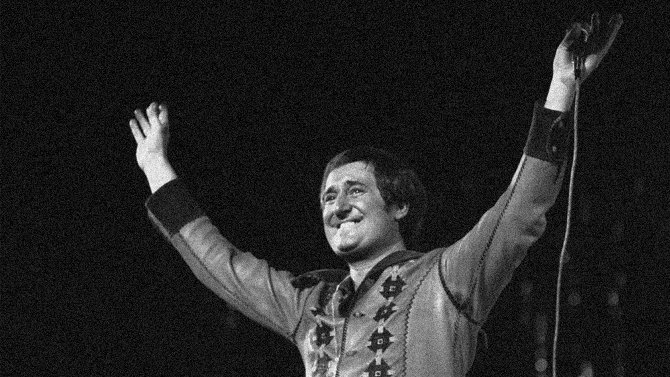
Neil Sedaka, legendary singer-songwriter behind hits like “Breaking Up Is Hard to Do,” “Bad Blood,” “Laughter in the Rain” and “Calendar Girl,” has died, a rep confirms to Variety. He was 86.
“Our family is devastated by the sudden passing of our beloved husband, father and grandfather, Neil Sedaka,” a statement from the family reads. “A true rock and roll legend, an inspiration to millions, but most importantly, at least to those of us who were lucky enough to know him, an incredible human being who will be deeply missed.”
A Brooklyn native and a veteran of the legendary “Brill Building” hit factory of the early ’60s, Sedaka scored three No. 1 hits on the Billboard Hot 100 and nine in the Top 10, primarily during his peak years in the early 1960s and a mid-’70s comeback assisted by Elton John (who performed with him on the 1975 No. 1 “Bad Blood”).
Sedaka also wrote many songs that were hits for other artists, most notably Connie Francis’ 1958 hit “Stupid Cupid” and, 17 years later, the Captain and Tennille’s breakthrough chart-topper “Love Will Keep Us Together.” He continued to tour and record for many years after his commercial peak.
Over the course of his six-decade-plus career, Sedaka was nominated for five Grammy awards (including one at the second-ever edition of the show in 1959). In 1983, he was inducted into the Songwriters Hall of Fame and in 1978 received a star on the Hollywood Walk of Fame.
“This is a gift I was born with,” Sedaka wrote on his website. “My main objective is to always top the last collection, raise the bar and reinvent Neil Sedaka.”
A member of the same Brooklyn generation that produced Barbra Streisand, Neil Diamond, Carole King and many others, Sedaka was born on March 13, 1939 and grew up in the borough’s Brighton Beach neighborhood. He showed early musical aptitude and his second-grade teacher recommended piano lessons; within a couple of years he had successfully auditioned for a scholarship to the Juilliard School of Music’s Preparatory Division for Children, which he continued to attend.
While he initially pursued classical music, he was bitten by the pop music bug as a teen. At the age of 13, a neighbor heard him playing piano and introduced him to her son, Howard Greenfield, who was three years older. However, the pair began a songwriting partnership that was to take them to the top of the pop charts multiple times over the following 25 years.
More to come…
Sedaka is survived by his wife, Leba Strassberg, whom he married in 1962, and his two children, Marc and Dara Sedaka.
SPOILER ALERT: This article contains major spoilers for “Under Salt Marsh,” which had its season finale on Friday.
“Under Salt Marsh” is one of Sky Atlantic’s biggest non-HBO drama pushes in recent years. The original six-part series (Sky has yet to confirm where it’ll land in the U.S.) stars “Yellowstone’s” Kelly Reilly as Jackie, a detective turned teacher with an unfinished case that comes back from the dead when, late one night after a secret tryst, she stumbles across the lifeless body of one of her pupils in a ditch. Soon, it’s confirmed that he’s been murdered, making him the second child to die in the small Welsh community of Morfa Halen in three years. With a storm threatening to destroy vital evidence – as well as the coastal village itself — Jackie teams up with her old police partner, Detective Eric Bull (Rafe Spall), to try and find the killer.
Ahead of the season finale on Feb. 27, Claire Oakley, who created, co-wrote and co-directed the series, sat down with Variety to talk about her inspiration for “Under Salt Marsh,” if Mac was always going to be the killer and whether audiences will see Jackie and Bull team up again for a second season.
Where did the idea for the show originate?
I really wanted to set something [in North Wales], because I’d really fallen in love with the area, and particularly the salt marshes. They’re such a rare and unique environment.
And I came up with the idea that if we had a detective series, then we could get really into the fine detail of these marshes, and suddenly the ecology and the salt content in the water and all of these little things would become really vital.
This is a bit conceptual, but the salt marshes protect us. They protect us from the sea level rise from the storms. So they’re very important if we want to continue living here, because our island is getting smaller. And so [there as] this idea of protection and “What if we don’t protect the things that we need to?” What if we don’t protect the future generations against potential horrors? I started to think about the plot in that way, like, how would this detective story, this murder mystery, reflect that idea?
Claire Oakley and Kelly Reilly on the set of “Under Salt Marsh” (Courtesy of Sky Atlantic)
One early scene a lot of viewers have discussed is in Episode 1, when Jackie insists on telling Cefin’s parents about his death rather than letting the police do it. Why did you make that choice?
I liked the idea that Jackie is often acting on instinct and that is probably what made her ultimately leave the police and perhaps not be the best type of person to join the force. In some ways, she’s a very good detective. In other ways […] she can’t cope when things get personal. And I wanted to put her in a position early on where, as a human being, maybe she felt it was right that she had to tell the parents as soon as she could, they were going to be the first people that she would go to and she wasn’t going to wait for the police, who, in this particular community, might take quite a long time to get there. But as it’s happening, [she’s] realizing, like, “oh […] it’s kind of a very irresponsible thing to do.” I was interested in these moments where she’s not responsible, but she’s responsible emotionally, on a human level.
I also really liked in that scene the idea that she turns up covered in mud and shell-shocked and pale and obviously in distress. And their response to her is like, maybe that’s not abnormal [for Jackie]. Like, “We thought you were doing well, Jackie. Sit down and I’ll call your dad.” It was a way to understand that she had a complicated past.
Viewers have also been remarking on Jackie’s big age gap relationship with Dylan (played by Harry Lawtey). Was that written into the script or was it a result of casting Lawtey?
It was written in. I felt that [worked] for Jackie, the idea of a younger boyfriend who might not demand from her all the things that someone her own age might demand — Like, are we going to move in together? What’s going to happen? Is this a real relationship?
She could get love and passion and sex from this person, while also not having to give much of herself and not have to take responsibility in that way.
Was there a particular intention behind making Jackie pregnant?
I liked this idea that she’s stuck in the past. She can’t move on until she finds out what happened to Nessa — a little bit like the whole community, they’re already eroded by this awful thing that has happened — but she, in particular, can’t. On the surface she’s got a new job, she’s got a new career, she’s doing it. But the pregnancy allowed me to suggest that all is not quite well. If you are happy and you feel steady about your future, there’s no reason not to tell your boyfriend that you’re pregnant or really anyone else.
I was actually also pregnant as I was writing it, so that almost certainly gave me some insight.
In Episode 6 where the storm has hit the village and Jackie is chasing after Dylan, there’s a huge wave that hits his car. How did you create that scene?
We built the whole center of the village. The chip shop, the butcher and that whole T-junction, where that wave occurs, is all a set in Dragon Studios in Cardiff. It was all built outside on the back lot of the studios, and we had to create this special concrete pad that had to take the weight of all of the set and also the water.
We had a first level of water. When Jackie and Dylan are there, it’s kind of knee-high. The cars can still drive through it. So that was the first level of water and we were working in that water. It was January. There were like 1,000 conversations about, “What if the water freezes?”
But we couldn’t heat the water because then it starts to steam. Then there were endless conversations about, “How long could someone — either a member of the cast or crew — be stood in this almost freezing water at a time? Were we going to be able to shoot a 6-page dialogue scene?”
And then that wave. We had this huge kind of slide, essentially, with massive buckets of water at the top on cranes, and we tipped them down, and so they shot out across. The car was rigged on a winch. So as the water came, we winched the car backwards, because the water was never going to be powerful enough to move the car in reality.
A lot of what you see was done in camera but then the water was augmented to be slightly bigger — so that we could believe it would push the car — in VFX.
Rafe Spall as Detective Eric Bull in “Under Salt Marsh” (Courtesy of Sky Atlantic)
And what about the scene when Mac has locked Bull in the room, which is flooding with water, until James [Osian Emlyn] stumbles across him and lets him out?
That was actually two different sets. Inside the room, when it’s filling with water, we had a hydraulic set that was a three-sided room on a hydraulic platform that went up and down in a tank in like a big swimming pool. So as it’s filling with water, we’re just slowly lowering the set into the water as Bull does his take.
There was no door in that set. So the opening of the door was in another set that we built where it was the outside of the room, that kind of corridor-y bit and the stairs. And when [James] opened the door, in real life we had a stunt person.
Was Mac always going to be the murderer?
Not really, no. I was commissioned by Little Door to write the pilot, and that was before we took it to Sky. I hadn’t planned out the whole series. I think I had a brief outline […] and that these were the things I wanted to explore with the killer and it needed to be linked to the environmental reasons why he did it or she did it. But I didn’t have anyone pinpointed. And then Sky came on board and they wanted a second episode written before they decided on whether to greenlight it or not.
We did a small writers’ room. It was me and Jonathan Harbottle, who came on board to write Eps 3 and 5 at that point, and we sketched out just the first half, so the next two episodes, so Eps 2 and 3 together, and then I went away and wrote Ep 2, and we still didn’t know who the killer was. We still hadn’t addressed the second half of the series. And so I wrote Ep 2, had [my] baby, we got greenlit, John wrote Ep 3, and then we realized we had to figure out the second half of the series. And so we did another writers’ room, and that’s when Nikita Lalwani came on board, who wrote Ep 4. We did it in my sister’s house, she lives one street away from me, so that I could be brought the baby to breastfeed every three hours while we were doing the room. And I think we did 8 days and we planned out the second half of the series.
It wasn’t ideal, in a way. In some ways it meant it happened very organically, the story. In other ways, it made things hard, because we’d already had three eps written without really knowing the ending.
You then have to go back to the beginning, and re-work things in and feed things in. Like, we knew with Mac, once we’d settled on him, then it’s about protecting your reveal but when he’s finally revealed, I didn’t want people to say, like, “What the fuck?” I want people to say, “Of course, holy shit, it’s him. How do I not see that?” So it needs to add up and not be too wacky.
When you have a story about two kids being murdered, there’s the possibility it’s sexually motivated. But Nessa and Cefin are both killed – directly or indirectly – because of the toxic waste. Did you ever consider giving Mac a different motivation?
No, I definitely didn’t want to explore a sexually motivated crime, or even a crime of passion or a psychopath or those sorts of things. I was interested in exploring the idea that someone “normal,” if any of us were in that specific situation, we may have done the same thing. That it was just someone who was under a huge amount of pressure, whose idea of life had become skewed because of that. And it was a bit of a self-protection; he ultimately kills those children in order to protect his reputation and his status in the community and what he feels he’s doing for good. He’s building this seawall, he’s protecting this community, but at what cost? “But at what cost are we doing these things?” was the idea that I was trying to dig into. So I wanted the crime and the killer to represent those themes right from the beginning.
Is there a likelihood we’ll see Jackie and Bull reunite for a second season?
We’re exploring what a second season might look like. We’re looking at different options of how we could take it forward, if it got commissioned.
This interview has been edited and condensed for space and clarity.
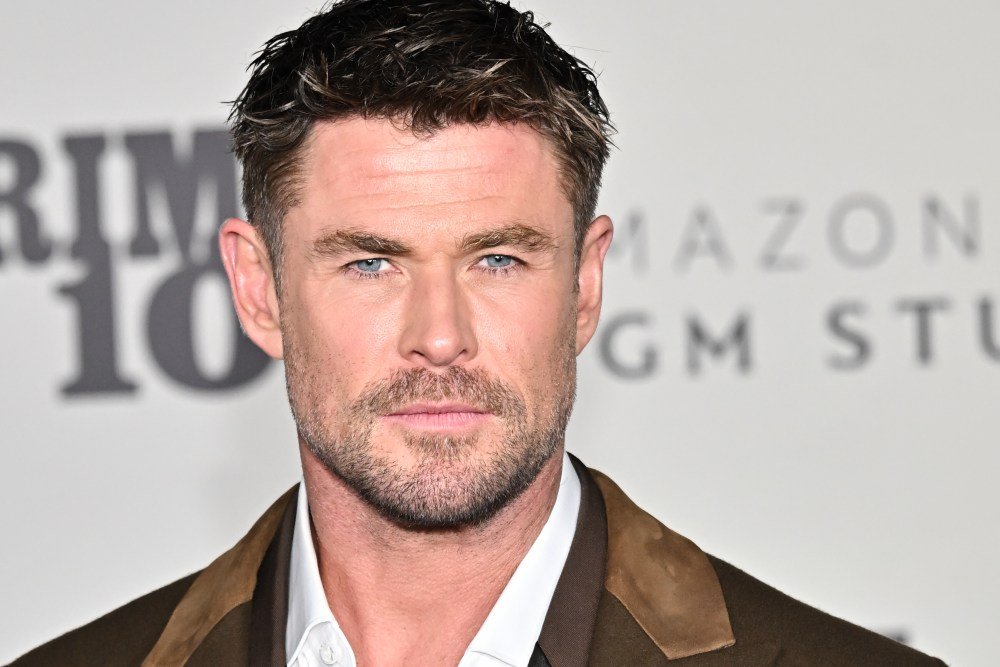
Chris Hemsworth appeared on a recent episode of the “SmartLess” podcast while continuing to promote his latest movie, Amazon MGM’s “Crime 101,” and spoke honestly about his decision to move out of Los Angeles with his family during the height of his Marvel fame. Hemsworth and his wife, actor Elsa Pataky, were five years into their marriage when they decided to leave L.A. and relocate their family to Hemsworth’s home country of Australia.
“It was right around the time my boys were born, and it was just, we kind of were set up in L.A. and not enjoying it, you know?” Hemsworth said. “Like nothing was shooting there. We were filming kind of everywhere else and then… you’d come home and paparazzi and all the sort of the trappings of, you know, living in that space.”
Hemsworth said moving out of L.A. was the “greatest decision,” one that did not disrupt his professional career as an actor since he was also traveling elsewhere to shoot a lot of his projects.
“You know, when you come back from work, you wanna go on a holiday? Like coming home for me is — it feels like a holiday,” Hemsworth said of living in Australia. “We have a big farm and horses and motorbikes and surf.”
The actor’s exodus from Hollywood was years before the COVID pandemic, and Hollywood strikes even further reduced the amount of productions being shot in Los Angeles. As Varietyreported last month, L.A. production days for film, TV and commercials fell 12.3% in the final quarter of 2025 compared to the previous one. That continued a downward trend that has persisted since 2022. For 2025 overall, production volume was about half what it was in 2019.
Hemsworth made his Marvel debut as Thor in 2011, two years after his Hollywood debut as George Kirk in J.J. Abrams’ 2009 “Star Trek” reboot. He had three Marvel sequels (“The Avengers,” “Thor: The Dark World” and “Avengers: Age of Ultron”) under his belt when he decided to leave L.A. for Australia. He continued to act in major Hollywood productions like 2016’s “The Huntsman: Winter’s War” and “Ghostbusters.” Hemsowrth will be back as Thor at the end of this year with December’s “Avengers: Doomsday.”
Listen to Hemsworth’s full interview on the “SmartLess” podcast in the video below.
When it rains reigning male pop superstars, it pours. The boys are back in town, and two of the three or four biggest guys in the recording business, Bruno Mars and Harry Styles, are coincidentally releasing albums on back-to-back weekends, as if teaming up to storm the barricades mostly held in recent years by pop’s girl bosses. So it’s interesting to see what these two alphas are bringing along as stylistic arsenals in their attempts to reassert some dominance, or at least parity. Coming next week is Styles’ intriguingly titled “Kiss All the Time. Disco, Occasionally,” and we’ll find out soon enough whether Harry means to use the D-word there literally or just figuratively.
But for Mars’ first solo album in 10 years, “The Romantic,” it is as if disco never happened. It is a time machine back to the mid-1970s, just before dance music took over, with a heavy, heavy emphasis on retro-soul balladry. The album ends with a song called “Dance With Me,” but it’s a song dedicated to slow dancing, just like the surprisingly slow-simmering track that opens the album. When the pace does get upped a couple of times, it’s to bring us up to the tempo of the O’Jays, not to snap us back to the time of J. Cole. There’s not a moment on the whole nine-song collection that sounds like it was minted any more freshly than 1976. It’s already been well-established that the album’s first single (and one of its few bangers), “I Just Might,” reminds folks a little of Leo Sayer’s “You Make Me Feel Like Dancing,” which came out that year. So, truly, here, Mars is Bicentennial Man.
Given how unhappy many people are with 2026, a trip headed exactly 50 years back into the past will be a welcome ride for a lot of hitchhikers. But will you ultimately find “The Romantic” compelling as anything much more than a mood ring… er, mood piece? The best predictor for that will be how much you loved or liked “An Evening With Silk Sonic,” the similarly throwback album Mars put out with Anderson .Paak four and a half years ago. (How time flies when you’re arresting it!) Paak has moved on, but Mars is remaining committed to the bit — really, really committed. It takes some nerve, after a full decade of not putting out a solo album, when that last solo record was a Grammy winner for album of the year (“24k Gold”), to return with something that is completely beholden to styles that went out of fashion before you were born. But it’s slightly less nervy if you think of it more in terms of sticking with the formula that last brought you an album-sized smash. This is “Silk Sonic II,” for most intents and purposes.
I am part of the target audience for “The Romantic,” as an admitted nostalgist who thinks the 1970s was a golden era for just about everything but gas lines. But I’m also not part of the target audience, inasmuch as I don’t prefer the homages to past eras to be completely hermetically sealed, without even slight nods to what has transpired since, let alone an attempt to bring them a little bit into the future. I think “The Romantic” is actually better than “An Evening With Silk Sonic,” in several quantifiable ways, including its bold emphasis on ballads, where you really get to hear Mars test what he can do with those pipes, which is a lot. And there’s something even craftier about how well he, his extremely talented co-producer, D-Mile, and his band, the Hooligans, have replicated the exact feel of a great era in record-making. But, among these two albums, it does have the disadvantage of coming second. The album is great as a stunt, but, slightly refined or not, it’s the second time in a row doing what amounts to the same stunt. You can admire his ability to reverse-engineer the cool sounds of his forefathers, but that doesn’t mean you’re going to be moved by it.
Especially when, once you get past admiring the encyclopedic knowledge of ’70s flourishes, you realize there’s not really much in the way of great songs here. Nearly everything sounds like a possible candidate for a followup single to “I Just Might,” but nothing jumps out as the pick. There’s actually a decent amount of sub-genre variation from song to song, but emotionally, it’s kind of a flat-line, with the most perfunctory lyrics you will hear on any album this year. There never seems to be even a remote possibility that Mars is telling us anything about his real life amid all the fill-in-the-blank cliches (“The fire don’t burn like it used to, girl”; “Let’s go to the moon a little later / Hope your wings get to fly”; “Turns out you don’t need a rocket ship, no / To find your own shooting star”). So, in the age of hyper-autobiographical pop, “The Romantic” feels weirdly and completely impersonal, unless you consider extreme pastiche a personality. It’s like a fun costume party where you never find out who actually attended. Although, to be fair, Curtis Mayfield is a hell of a mask, right?
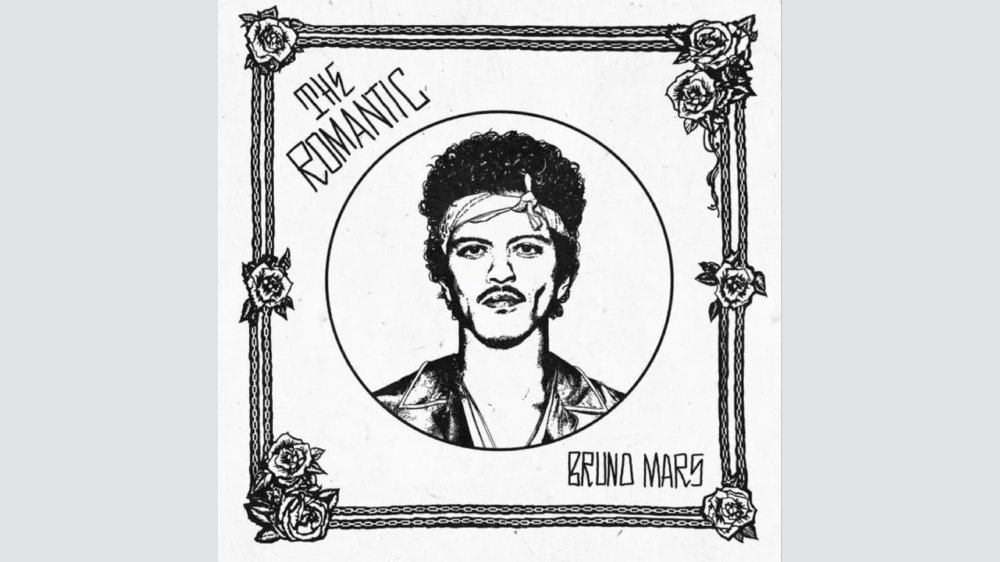
One thing that’s kind of interesting, though, is a Latin current that ebbs and flows through a few pieces of the record, starting with the album cover itself, which features hand-written lettering that is meant to remind oldsters of a golden age of Chicano rock. The first couple of tracks seem to be headed toward a concept album in that direction. “Risk It All” is the aforementioned kick-off that really does feel like a bit of a risk, not just because it starts off the album on a slow, pleading note with acoustic guitar plucking and some of Mars’ most supple vocals. There are horns through a lot of the record, but in this number, they’re played as mariachi horns. (It also has arguably the album’s most vapid lyrics — “I would swim across the sea just to show you / Sacrifice my life just to hold you,” et al. — but never mind those.) He ups the Latin quotient with the tenser rhythms and strings and congas of the second track, “Cha Cha Cha”; maybe the title is a giveaway. (On the non-Latin tip, it also interpolates Juvenile’s’s 2004 “Slow Motion,” a nice combo.) But these Latin flavors turn out not to be a constant through the rest of the album. They do return in one of the most up-tempo tracks, “Something Serious,” a fairly direct cop of “Oye Como Va,” which is fun until you start thinking about how the chorus is not that special and you’d rather be listening to “Oye Como Va.”
After the third number, “I Just Might,” snaps you to attention with its booty-shake-or-go-home machismo, the fourth, “God Was Showing Off,” is when it really settles into the groove where Mars is most comfortable these days, bridging the gap between Motown and Philly soul. “Why You Wanna Fight?” almost sounds like a parody of some of these genres, with a backing chorus repeatedly and dramatically cooing whyyouwannafight as a single word, in-between the singer’s more extenuated phrases. “On My Soul” and “Nothing Left” bring in some welcome electric guitar licks. Most of the tracks that follow will make you think of the kind of vintage Top 40/AC soul where it’s summertime and the listenin’ is EZ.
Overall, it’s an album that seems designed to be background music, which is not entirely meant as an insult; there’s an art to making music that can be put on at literally almost any party and suit the tastes of grandmas as well as kids, and serve that function for a couple of years or more. But if you were planning to foreground “The Romantic,” this one may have a more limited shelf life. As a leisure suit of a record, this is not really album-of-the-year material, like “24K Magic” was. It’s not even meant to be that kind of tour de force, to be fair, but it’s also probably not meant to be quite this in-one-ear-and-out-the-other. How can vocals be as bountifully impressive as Mars’ are here and still leave you thinking that there’s no lived experience in any of the songs?
This really is a “romantic” album, but what’s missing is the sensation that the material has any tangible connection to actual love. Unless love for early Kool & the Gang counts.
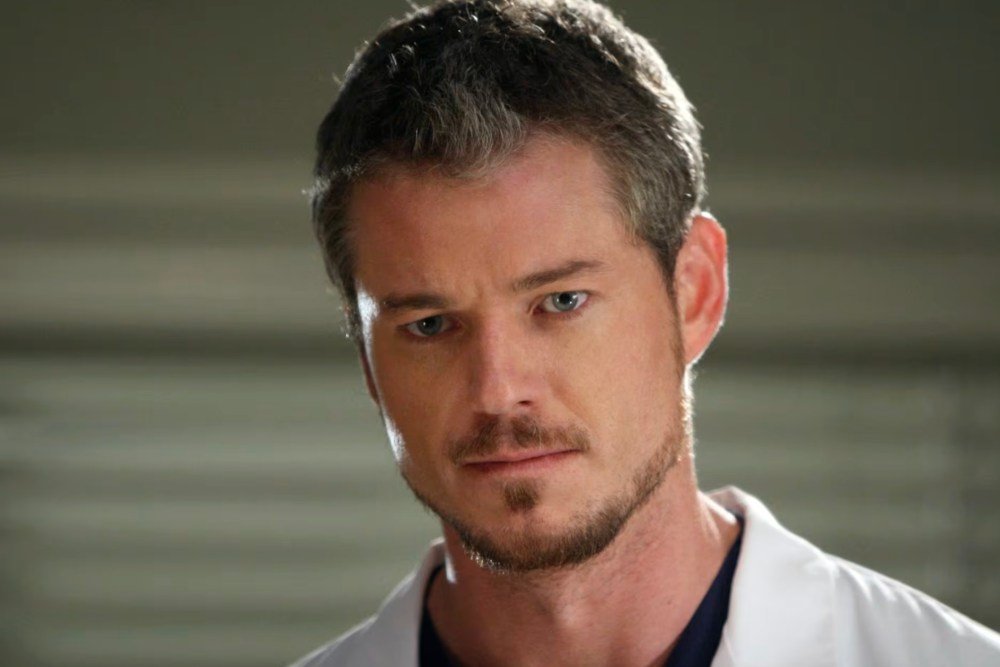
Former “Grey’s Anatomy” star Eric Dane died on Feb. 19, one week ago — and in Thurday’s episode of the long-running ABC drama, the show paid tribute to him and to his character, Dr. Mark Sloan, in a video at the end of the episode. The 65-second-long McSteamy montage was set to Tommee Profitt & Fleuries’ cover of Snow Patrol’s “Chasing Cars,” a song that was made iconic after being used in the show’s Season 2 finale when Denny (Jeffrey Dean Morgan) died and Izzie (Katherine Heigl) wouldn’t let go of him. Different versions of “Chasing Cars” have been used on “Grey’s” and in its promos ever since to great effect, always to underscore an emotional event. (The full video is below.)
Dane joined the cast of “Grey’s Anatomy” in Season 2, playing a plastic surgeon and a ladies’ man — Mark, nicknamed McSteamy, was the best friend of Derek Shepherd (Patrick Dempsey) whose affair with Derek’s wife Addison (Kate Walsh) had broken up that marriage. Mark Sloan proved to be a popular character, and Dane became a series regular in Season 3. He died during Season 8, after a bunch of the hospital’s doctors were in a plane crash. Nevertheless, Dane appeared in a few more times on the show, including with Meredith (Ellen Pompeo) in Season 19 when she was in a hallucinatory state from COVID, and characters who had died on the show visited her.
Dane was diagnosed with amyotrophic lateral sclerosis in 2025; despite his terminal illness, he played an ALS patient on NBC’s “Brilliant Minds” in the fall, and completed filming Season 3 of “Euphoria,” on which he played Cal Jacobs. “Euphoria” will premiere on HBO on April 12.
Dane’s death prompted an outpouring of grief from his colleagues at “Grey’s Anatomy,” from creator Shonda Rhimes to Heigl to Walsh and beyond, all of whom wrote loving tributes to him on social media.
The video, with “Chasing Cars” playing, begins with Mark’s earliest appearances, when he referred to himself and Meredith as the “dirty mistresses” through his becoming a father. Mark’s advice to Jackson (Jesse Williams) from his deathbed plays over a montage: “If you love someone, you tell ’em, even if you’re scared that it’s not the right thing. Even if you’re scared that it will burn your life to the ground, you say it. You say it loud.”
Watch the “Grey’s Anatomy” tribute to Eric Dane below.
“Sesame Street,” “Formula 1: Drive to Survive” and “Adolescence: The Making of Adolescence” are among early winners as the Producers Guild of America held its west coast PGA Awards nominee celebration on Thursday.
The majority of awards will be announced on Saturday at the annual Producers Guild Awards. But for Thursday’s event at The Aster in Hollywood, four awards were announced. The Children’s and Sports award winners were originally scheduled to be announced on Monday at an event in New York, until it was canceled due to the weather.
Here are the 2026 Producers Guild Awards winners in the sports, children’s, and short-form:
Outstanding Sports Program
WINNER: “Formula 1: Drive to Survive” “100 Foot Wave” “Big Dreams: The Little League World Series 2024” “Hard Knocks: Training Camp with the Buffalo Bills” “Surf Girls: International”
Outstanding Children’s Program
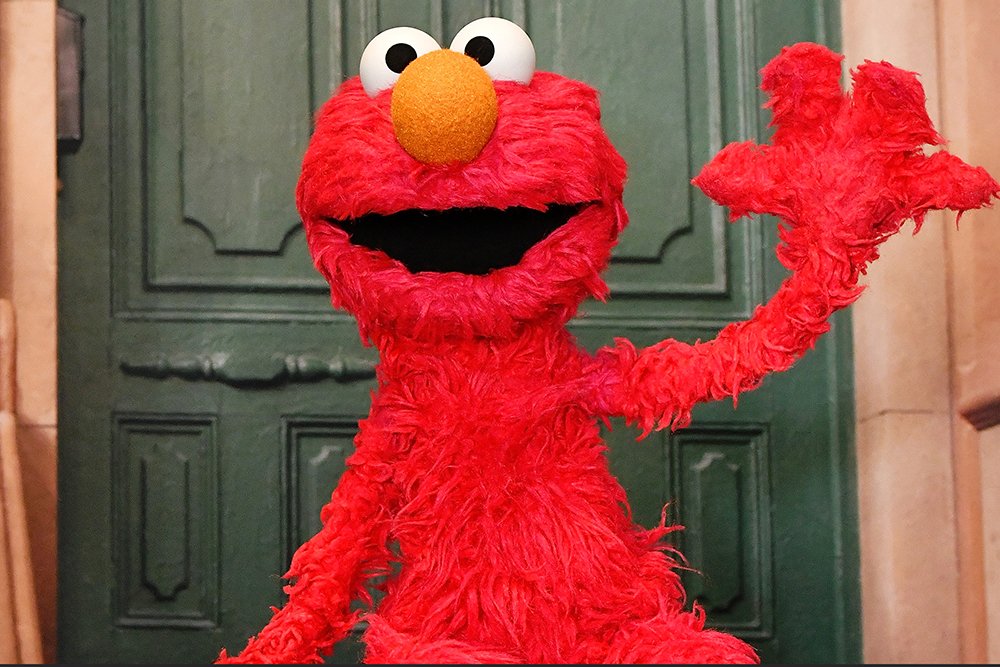
WINNER: “Sesame Street” “Lego Star Wars: Rebuild the Galaxy – Pieces of the Past” “Phineas and Ferb” “Snoopy Presents: A Summer Musical” “SpongeBob SquarePants”
Outstanding Short-Form Program
WINNER: “Adolescence: The Making of Adolescence” “The Daily Show: Desi Lydic Foxsplains” “Hacks: Bit By Bit” “Overtime with Bill Maher” “The White Lotus: Unpacking the Episode”
Also, the producing team for “The Wizard of Oz at Sphere” have received the PGA Innovation Award, “which celebrates outstanding entertainment endeavors across VR, AR, experiential and other emerging media.” The juried award was chosen by a jury led by AGBO chief creative officer Angela Russo-Otsot, Laurel Beach CEO Joanna Popper and Baobab Studios co-founder/CEO Maureen Fan.
And Lydia Dean Pilcher (“Queen of Katwe,” “Radium Girls”) has received the Vance Van Petten Entrepreneurial Spirit Producing Award, “for her nearly two decades of work championing sustainability in film and television, including chairing the PGA’s Sustainability Task Force,” presented by Tendo Nagenda; NYU MBA/MFA grad Jessica Li recieved the Debra Hill Fellowship supporting emerging producers, presented by Selection Chairs Deniese Davis and Lucienne Papon.
The 2026 Producers Guild Awards event chairs are Mike Farah and Joe Farrell; and the ceremony is produced by Anchor Street Collective. Branden Chapman is executive producer, and Carleen Cappelletti is co-executive producer.


![‘Under Salt Marsh’ Creator on Jackie’s Pregnancy, Possible Season 2 and Picking the Murderer: ‘I Want People to Say, “Of Course, Holy Sh-t, It’s [SPOILER]”‘](https://a.magazinaisle.com/wp-content/uploads/2026/02/under-salt-marsh-creator-on-jackies-pregnancy-possible-season-2-and-picking-the-murderer-i-want-people-to-say-of-course-holy-sh-t-its-spoile_69a213d3b46a8.jpeg)