If you have a pool, chances are you have a World Cup watch party or backyard barbecue on the books this summer. But pool ownership isn’t all fun and games — you have to keep it clean. Beatbot robotic pool cleaners are an easy and solid summer upgrade. From AI-powered tools and multi-surface cleaning capabilities to a handy app and an automatic water-clarification system, Beatbot will keep your pool sparkling so you can skip the manual labor.
Now through July 19, you can even score up to 38% off a cordless Beatbot pool cleaner. Here are just a few standouts that are on sale.
The Sora 10 automated pool cleaner (normally $699, now $449) is a three-zone machine that tackles floors, walls, and the waterline. Its powerful 6,800 gallons per hour (GPH) suction gulps up gunk and debris in a single pass.
The 7,800 mAh battery can handle up to 5 hours of floor-cleaning per charge, and the large, five-liter collection basket lets you focus on browning the burgers instead of constantly cleaning out the filter. It works with every type of home pool and on all surfaces. Snatch it up during the $250 price drop.
The Sora 70 (normally $1,499, now $1,149) is a feature-packed powerhouse that lets you enjoy your clean pool whenever you want. Its four-zone cleaning scrubs your pool’s floor, walls, water surface, and waterline. Featuring SonicSense AI obstacle avoidance, it’s also a keen navigator that touts a six-liter debris capacity.
Powerful 6,800 GPH suction lifts up both ground-in dirt and debris. Additionally, it excels at navigating shallow tanning ledges, making it an excellent pick for complex pool layouts. The massive 10,000mAh battery runs for up to seven hours on a single charge.
If you’re looking for the pinnacle of hands-off pool maintenance, the AquaSense 2 Ultra (normally $3,150, now $2,199) is it. Its five-zone system and industry-first side brushes excel at multi-level floor cleaning, wall, waterline, and corner scrubbing, and surface skimming. HybridSense Pool Mapping utilizes 28 sensors — including an AI camera and ultrasonic and infrared sensors — to map your pool’s unique layout, scan for debris, and clean uninterrupted.
A built-in ClearWater Clarification System dispenses a skin-friendly water purifier that clumps fine debris together so the vacuum can easily collect it. It cleans for up to 10 hours on one charge.
Ready to have a legendary summer? Jump on Beatbot’s summer sale and score up to 38% off a cordless pool vacuum until July 19.
Can I be honest? Ever since I got a taste of a remote lifestyle, every hour spent in an office feels like an eternity. But leveling up your digital nomad game isn’t about hoarding every gadget on the internet; it’s about scoring compact tech upgrades that keep you moving with zero friction. Walmart’s Deals of the Day are here to help you optimize your on the go persona by running epic discounts on essential tech. I have rounded up my top picks for you, so you can spend more time planning your next work-cation.
We are leading with a massive 53% discount on the HP 14-Inch AMD Athlon laptop, a nimble, travel-ready workstation rocking a 12.5-hour battery lifespan. Next up is an incredible 52% off the Fitbit Charge 6 fitness tracker, a slim health navigator engineered to beam Google Maps directions right to your arm while you explore a new timezone. Finally, we are locking in a 28% price cut on the Samsung Galaxy Tab S10 FE Android tablet to give you an ultra-rugged secondary touchscreen that can handle tropical splashes flawlessly. Let’s see what they’re made of.
HP 14-inch Windows Laptop Deal
HP 14-inch AMD Athlon Windows Laptop
AMD Athlon Silver 7120u, 4GB LPDDR5 RAM, 256GB SSD, Copilot AI key, HD privacy cam, Windows 11 home
The HP 14-inch laptop delivers responsive daily computing for simple workflows using an AMD Athlon Silver processor and 4GB of LPDDR5 RAM. It includes a dedicated Microsoft Copilot AI key for intelligent assistance, 256GB of fast SSD storage, a one-year subscription to Microsoft 365 Personal, and an HD webcam with a physical privacy shutter. Plus, with a battery that runs up to 12.5 hours, you’re always connected. At $259 right now, down 53% from its actual value of $559, this deal is nothing short of wonderful.
The Fitbit Charge 6 tracker upgrades your health routine with heart rate tracking that is 60% more accurate during intense activities. It features built-in GPS, YouTube Music controls, Google Maps, and Google Wallet integrations on a vibrant color touchscreen. You get a water-resistant band that tracks over 40 sports, monitors sleep profiles, and delivers seven days of battery life.
It got an “Outstanding” rating from PCMag expert Angela Moscaritolo, and also won our Editors’ Choice award for the best fitness tracker. As Angela said in her in-depth review, “With improvements like the new Google lifestyle apps, Bluetooth integration with gym equipment, and a refreshed companion app, the affordable Fitbit Charge 6 remains the best fitness tracker on the market.” You can get it now for $75.99, which is a huge 52% off its actual price of $159.95. Take charge of your health, and get one now.
More Deals on Fitness Trackers
*Deals are selected by our commerce team
Samsung Android Tablet Deal
Samsung Galaxy Tab S10 FE Android Tablet
10.9-inch screen w/ S Pen, IP68 water resistance, circle to search, Math Solver, 20-hour battery
The Samsung Galaxy Tab S10 FE features a spacious 10.9-inch display paired with an included, responsive S Pen for real-paper writing precision. Built tough with IP68 water- and dust-resistance, it packs smart tools like Handwriting Assist to clean up sloppy notes and a Math Solver, and gives you up to 20 hours of continuous battery life. Right now, it’s available for $395, which is 28% lower than its actual price of $549.99. Feel the power of the Galaxy with this deal.
Of all the ways in which people have decided to celebrate the 250th anniversary of the United States of America, few are as left-field as a sketch comedy collaboration between Larry David and President Barack Obama.
Jeff Schaffer, David’s frequent writing partner and showrunner of Life, Larry and the Pursuit of Unhappiness, seems as aware of this as anyone. But when the Obamas and their Higher Ground productions company expressed an interest, who was he to turn them down? The fruits of their labor, a seven-episode exploration of American history through David’s curmudgeonly eyes, is already halfway through its HBO run. And, yes, it’s even a little educational. “I enjoy history, but I like ancient history — Greek and Roman stuff,” says Schaffer. “But Larry’s American history knowledge was astounding. He wanted to do something on winning the popular vote but losing the election, and he goes ‘You know, like Samual J. Tilden.’ Who? He could have been a country music star for all I knew.”
During a recent episode of The Hollywood Reporter podcast, I’m Having an Episode (Spotify, Amazon Music, Apple), Schaffer talked about collaborating with a former president and making a production schedule that would accommodate the erratic behavior of the sitting one. (And, for good measure, he discussed one of the more unlikely gems of his long comedy career: “Scotty Doesn’t Know.”)
He’s at the methadone clinic right now. He’s all fucked up, but we still love him. So we’re gonna celebrate him and we hope he gets better soon.
Especially before they shut down the methadone clinics.
I hope our friend doesn’t live in a rural area.
For many, this was not a “rah rah” Fourth of July. But, also, it’s a time to acknowledge the country’s history and you’re working with a beloved former president. [The series is produced by Barack and Michelle Obama via their production company, Higher Ground.] How does that mix of variables color the experience?
That’s the yin and the yang of the American experience, right? Larry’s there to grouse about it, and President Obama’s there to say, “Hey, no matter how sticky things get, we can still find inspiration in each other.” It’s a comedy, so there’s a lot of Larry in here. But there are also times, especially in the beginning and the end, where we want to make sure that we’re actually saying something, too. We can get through this. And this messy, weird experiment in democracy is still is still working. We’re celebrating America, warts and all. And right now there’s a saggy orange wart that we wish would go away as quickly as possible. But the body’s still okay.
So, Larry and President Obama know one another, but this is still such a strange pairing. How did this happen?
Higher Ground and the Obamas wanted to do something to celebrate the 250th. Larry — who says “no” to everything, like you and I breathe — he’s such an American history buff. It intrigued him. I think really the the genesis of Larry’s interest starts four years ago, when Larry and I did a commercial where he played someone who was basically crapping all over the best inventions of humanity. We did it for FTX. I wonder whatever happened to them. They were so nice. (Laughs.) Anyway, remembered how much fun he had being in costume — and he forgot how much he hated being in wigs. So we just started talking about events and other things and we had some funny ideas.
I realize the president wasn’t in the writers room with you two, but what was the dynamic when the three of you were talking about the series?
The most amazing part of this was getting to see Larry and President Obama together. The first meeting we had — I’ve never met the president before — and he just says, “Do you play golf?” Not really. Then he he points to Larry and he goes, “This guy’s better than you’d think he’d be, but he wears so much sunscreen.” Obama’s just crapping all over Larry. And Larry goes, “I’m sorry my dad’s not from Kenya.” And this is minute one. These two are so funny together. So my big mission was just like, I just need to get them on screen together. That’s all I want. And when you see them on screen together, they’re so funny. It’s a very interesting odd couple.
How contemporary did you want to get with this? I think the closest to today that I’ve seen was Rosa Parks.
We go all the way up to almost today, but one thing that we really tried to do was talk about things that are happening now through a historical lens. There’s a sketch where we talk about vaccinations, but we’re not talking about vaccination issues that are happening right now. We’re talking about when the polio vaccine first came out. When you look at the history of America is that we’ve made a lot of the same mistakes again and again. We really have learned very little.
Larry David and Jerry Seinfeld in Life, Larry and the Pursuit of Unhappiness: An Almost History of America.
HBO
Was that helpful for you to realize, given our current strife?
We’re still around! There was a a tremendous amount of suspicion about polio vaccine when it came out. And now we’re doing that again? It’s a two steps forward, one step back progress — this American experiment. Selfishness and pettiness are not twentieth century inventions. There are cracks at Trump in there, without any direct hits. One sketch in particular has Jimmy Kimmel playing a man who can’t fathom a president trying to seek more than two terms. Were jokes like that cathartic?
We shot that sketch in November 2025, and we knew that Trump was going to do more insane evil things between when we shot and when we aired. So we basically left spaces so we could come back and chronicle each new horror of the madness of King Trump. We know that if you give this guy a few months, he’s gonna do something else completely diabolical and stupid that we weren’t even expecting: things like sending troops into American cities to harass and even kill American citizens. That was in between starting wars with foreign countries to deflect from the fact that you’re best friends with a pedophile. We left space to come in and and refill.
You and Larry work with a lot of artistic liberty, but you’re still making this with another production company on this. What is an Obama note like?
We had one meeting, and President Obama had read roughs of the sketches. He was very complimentary. And I remember he had a note about a particular sketch and Larry just goes, “Yeah, yeah, we’ll we’ll take care of it.” And Obama just goes, “I see how this is gonna be. You know, when I was in the Oval Office, I like to think that I listened to my advisors and I took advice from them. And I was president of the United States. That’s when Larry just goes, “Yeah, but I’m president of this.” Obama spent a half an hour telling [him] how funny I think this is. One note and [he] gets into a defensive crouch.” But they did give very good notes. And for certain sketches, which we haven’t gotten to yet, they were their knowledge was instrumental.
Looking at your long résumé, what is something that you worked on that you thought should have hit bigger than it did?
There are things like like EuroTrip. Alec Berg and Dave Mandel and I wrote that, and I directed. When it came out, not that many people saw it. But thanks to DVD, it has had this life. The song “Scotty Doesn’t Know” is like having some sort of renaissance that I don’t understand. A lot of my friends’ kids are in college, and they’re sending me stuff of bars singing “Scotty Doesn’t Know” when it comes on. I guess that we were disappointed that more people didn’t see it when it came out. But it’s had the life that we wanted it to have. We wanted to make a movie for teens to watch together in their parents’ basement while stealing their parents’ liquor. That’s happened.
That movie came out when I was mid-college and, by senior year, “Scotty Doesn’t Know” was playing at most parties.
There’s a gold record right here. We got a gold record from the single.
We’ve never spoken about this, so can you tell me how that all came together? Matt Damon making a cameo as a pop-punk frontman was an unexpected way to start that movie.
Alec, Dave and I, along with the band Lustra, wrote the lyrics. Obviously, the band came up with an amazing hook. We were shooting this movie in Prague during SARS and the [Iraq] war. We didn’t have a lot of money. We couldn’t be flying people in. Matt was shooting The Brothers Grimm in Prague. His head was shaved because he was wearing a wig the whole time. He’d quit smoking, so, in his words, he had swelled up like a tick. So we were like, “Hey, do you want to do this?” He had one one night available, which was the shortest night of the year. It was literally June 21st. There’s like five hours of nighttime to get this thing done. But he was so fun, and we just raced to get it. It’s crazy that it even existed. If Matt hadn’t been there. If he hadn’t looked like that. It just all came together. I was talking to Matt a little while ago, and he was like, “I was Private Ryan and Saving Private Ryan. I was Ripley and The Talented Mr. Ripley. I was Will Hunting in Good Will Hunting. And I walk down the street, and people just go, “Scotty Doesn’t Know!”
***
Life, Larry and the Pursuit of Unhappiness releases new episodes Fridays on HBO Max.
One of the breakout stars for the U.S. at this year’s FIFA World Cup has secured new representation for his off the pitch endeavors.
Folarin Balogun, the striker for the U.S. men’s national team and the Ligue 1 club Monaco, has signed with Klutch Sports Group. Balogun was a breakout for the U.S., scoring three goals to help lead the team to the round of 16.
“Folarin Balogun is one of the most talented and influential players in global football today. His relentless ambition and cultural impact represent the standard of excellence we hope to continue to bring to the sport,” said Rich Paul, Founder and CEO of Klutch Sports Group. “We are incredibly proud to welcome him to KLUTCH and excited about everything we can build together.”
Klutch first entered the global soccer business when it acquired the football-focused European agency ROOF two years ago. Balogun however is the first soccer star to sign with Klutch directly.
The high profile of the World Cup and a newfound excitement for soccer could lead to new opportunity for the 25 year old, who also found himself at the center of one of the tournament’s more memorable storylines after President Donald Trump called FIFA chief Gianni Infantino in an effort to get a red card issue to Balogun reviewed. He was ultimately allowed to play in the round of 16 matchup against Belgium.
With athletes becoming many of the worlds biggest celebrities, the opportunities for off the field work continues to grow. That includes entertainment in the form of docuseries and scripted fare, but also high-profile endorsement deals across seemingly every category.
It’s an area that Klutch, which counts superstars like LeBron James and Jalen Hurts on its roster, knows well.
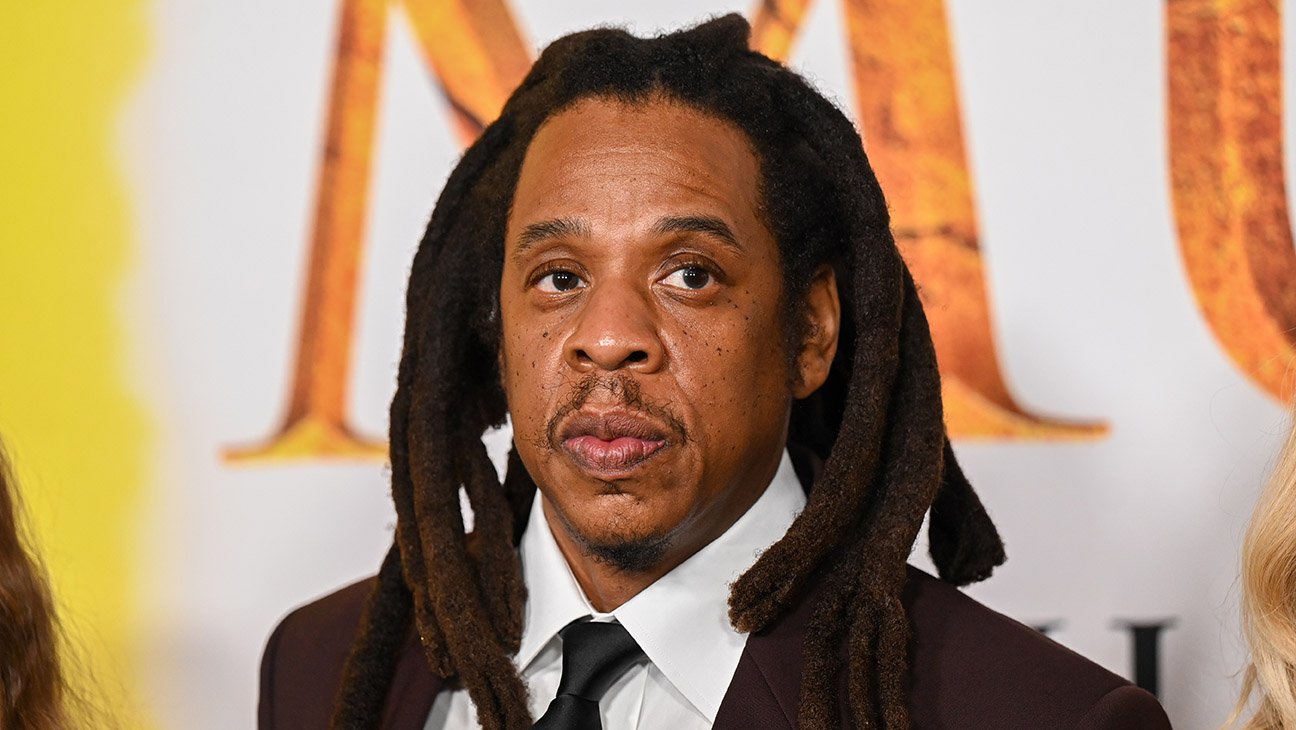
Jay-Z fans were caught on video rushing an entrance to Yankee Stadium on Sunday night ahead of the veteran rapper’s third and final performance of three shows at his hometown stadium, which was delayed roughly three hours as security navigated the massive crowd that had gathered outside, admitting those with tickets, as the already packed audience within the venue were told Jay-Z was waiting to take the stage until everyone who had purchased a ticket could get in.
Early in his performance, which was scheduled for Sunday night but began after midnight on Monday, Jay-Z apologized for the delay and told the sold-out crowd at the 46,000-seat stadium in the South Bronx that, “like, 10,000 people” were outside, so security “closed all the doors, and somebody rushed the door. They closed the door for you guys’ safety and everyone’s safety outside.”
Video posted to X seems to confirm the breach of at least one turnstile at the stadium. In footage posted by users @HipHopKlipz36 and @TheRocSupremacy, several young concertgoers are seen breaching a turnstile, and a bottleneck quickly forms, with several individuals becoming stuck in the entryway as a heaving crowd seems to be pushing them forward.
⚠️This was part of the issue that caused the delay at the Jay-Z show – @yankeestadium please improve security and organization as this could have been dangerous for those outside and inside the stadium‼️ pic.twitter.com/WW6WcCfQgT
While certain elated fans jump up and down, excited to have gotten past the turnstile, several others are soon in peril behind them. It’s unclear if those seen in the video are ticketholders or if they are unticketed fans attempting to gain entry.
What caused the delay of the JAY-Z show. This happened in multiple entrances. Some had no tickets, nobody was checked. Luckily everyone made it out safe. pic.twitter.com/McBULCNDKl
After about a minute of this dangerous situation unfolding, security and New York Police Department officers are seen rushing over to the entrance to stop a potential stampede. There have been no injuries reported during the concert.
It is unclear if this was an isolated incident or if reported similar breaches of security did in fact occur around the stadium’s many entrances.
Sunday night’s show was the third and final performance of Jay-Z’s historic three-night Yankee Stadium run, a celebration of the 30th anniversary of his seminal album Reasonable Doubt and the 25th anniversary of The Blueprint, with the third night more of an overarching career retrospective. Like the first two nights, it was a star-studded event. Beyoncé, Rihanna, Teyana Taylor, Usher and Pharrell Williams all graced the stage at the show, which wrapped at 2:45 a.m. Monday.
On Monday, the baseball team, Jay-Z’s company, and the promoter of the event released a joint statement after the show, saying: “The Yankees, Roc Nation and Live Nation express our deep gratitude to the NYPD and to Yankee Stadium security personnel for their leadership and direction throughout the evening, putting the welfare of attendees above all other considerations.”
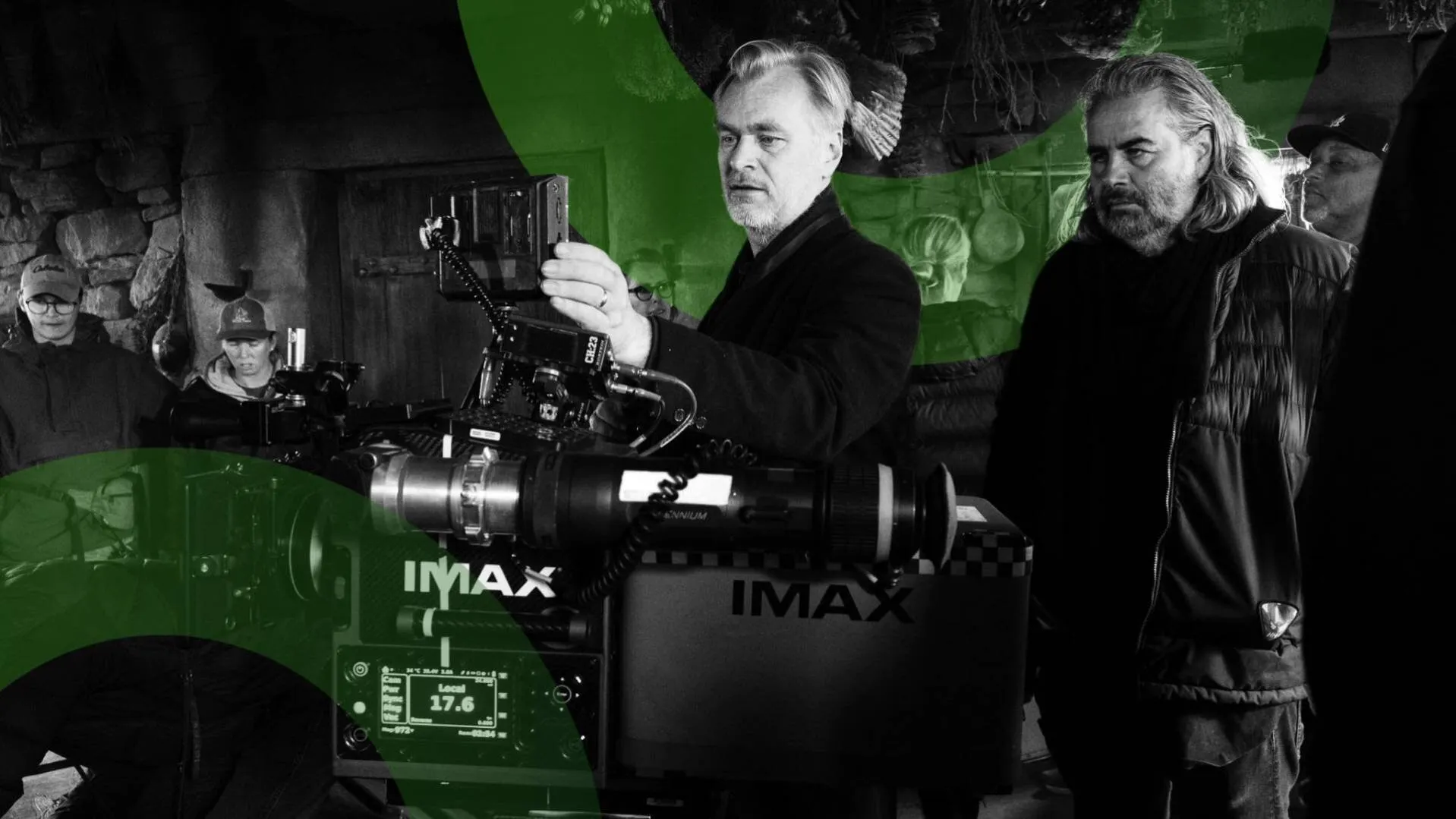
“The Odyssey” director Christopher Nolan has warned that younger film audiences are “utterly rejecting” generative AI.
He argued that in filmmakers are showing a “renewed interest” in tactile storytelling after years of “heavily virtual environments.”
The emergence of generative AI has divided the top rank of filmmakers, with some embracing the technology and others rejecting it outright.
“The Odyssey” director Christopher Nolan famously doesn’t use a smartphone, so it’s perhaps unsurprising that he isn’t on board with the latest tech buzzphrase.
On the press tour for his latest effort, Nolan told The Telegraph that young audiences are “utterly rejecting” generative AI, adding that, “I’ve never seen a more rapid wholesale dismissal of a supposedly foundational jump in technology in my lifetime.”
He pointed to the reaction of his four children, in their late teens and early 20s. “Their judgment of AI slop has been immediate and harsh,” Nolan said. “They see it for what it is very quickly—and it’s much easier for them to identify it—because it grew out of an online world they know really well.”
The technology has hit at “exactly the wrong time” for filmmaking, he argued, pointing to a “renewed interest in more tactile, more real forms of storytelling” after a glut of films featuring virtual environments.
Nolan’s own blockbusters have become famous for their spectacular in-camera effects work, whether crashing a 747 into a building for “Tenet,” landing a Spitfire on a beach for “Dunkirk” or planting entire crops of corn for a chase scene in “Interstellar.”
That said, he’s not averse to using computer-generated VFX himself, like Two-Face’s scarred visage in “The Dark Knight,” and he conceded that not every aspect of generative AI is necessarily “useless or meaningless.”
Generative AI and filmmaking
Generative AI has caused a rift in the film industry, with some creatives openly coming out against the technology and others embracing it. Among the former camp are “Pan’s Labyrinth” director Guillermo del Toro, who has led chants of “fuck AI” on stage, and Steven Spielberg, who has dismissed the technology as an “empty chair with a laptop on it.”
On the other side of the fence are the likes of Martin Scorsese, who has joined AI firm Black Forest Labs as an adviser, and “Terminator 2” director James Cameron, who sits on the board of Stability AI. Ben Affleck has become a convert to the technology, having sold his AI startup InterPositive to Netflix after previously doubting that the technology would be able to “write anything meaningful” or create films “from whole cloth.”
While filmmakers debate among themselves, AI companies are pressing ahead with video creation tools like Utopia’s PAI, which aims to maintain consistency of output across cuts and scenes.
Daily Debrief Newsletter
Start every day with the top news stories right now, plus original features, a podcast, videos and more.
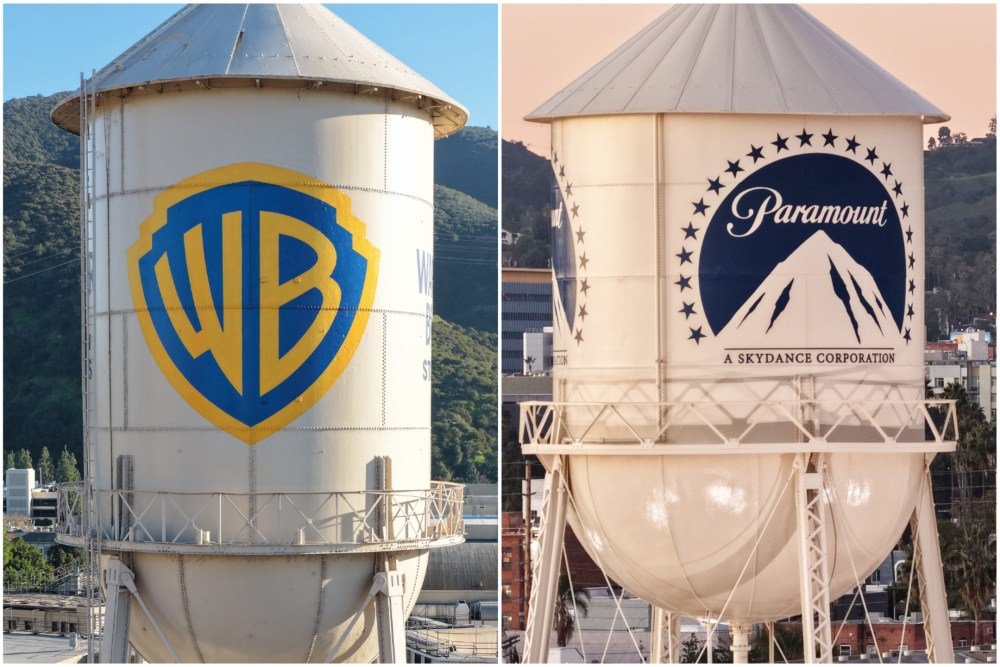
The lawsuit filed by the state AGs “distorts settled antitrust law and is based on a misrepresentation of competition in the entertainment industry today,” Paramount said Monday, after the suit was filed. The company, formed by Skydance Media’s takeover of Paramount Global in August 2025, said it will “vigorously defend the transaction.”
The company repeated its claims that the $111 billion deal to merge Paramount and Warner Bros. “creates a stronger competitor against dominant streaming and technology platforms who have harmed the market for theatrical exhibition and jobs in the entertainment industry.”
“The lawsuit filed by the state attorneys general, in the most generous light, reflects a fundamentally flawed application of the antitrust laws and is wrong on both the facts and the law,” Paramount’s statement said. “Delaying this transaction will only harm entertainment workers who have already suffered over recent years as technology has disrupted their livelihood and cost California tens of thousands of entertainment jobs.”
The company’s statement continued: “The practical effect of this lawsuit is to shield those dominant streaming platforms like Netflix and technology companies from much-needed competition while preventing the significant benefits this transaction will deliver for consumers, creators, workers and the broader Hollywood economy. We will continue to fight against any attempt to derail a deal that strengthens competition, expands opportunity, and positions the combined company to compete in an increasingly competitive global media landscape.”
Paramount says its takeover of WBD has been cleared by regulators in 24 jurisdictions. That includes a green light from the U.S. Justice Department in mid-June, which did not impose any requirements for divestitures or other concessions on the part of Paramount Skydance. The deal is still pending regulatory approval in the U.K., where officials have said they are likely to intervene.
Paramount has said it anticipates closing the WBD deal in the third quarter of 2026. The company has committed to paying a “ticking fee” of 25 cents per share to shareholders for every quarter the deal isn’t completed after Sept. 30 — equivalent to approximately $650 million cash value each quarter.
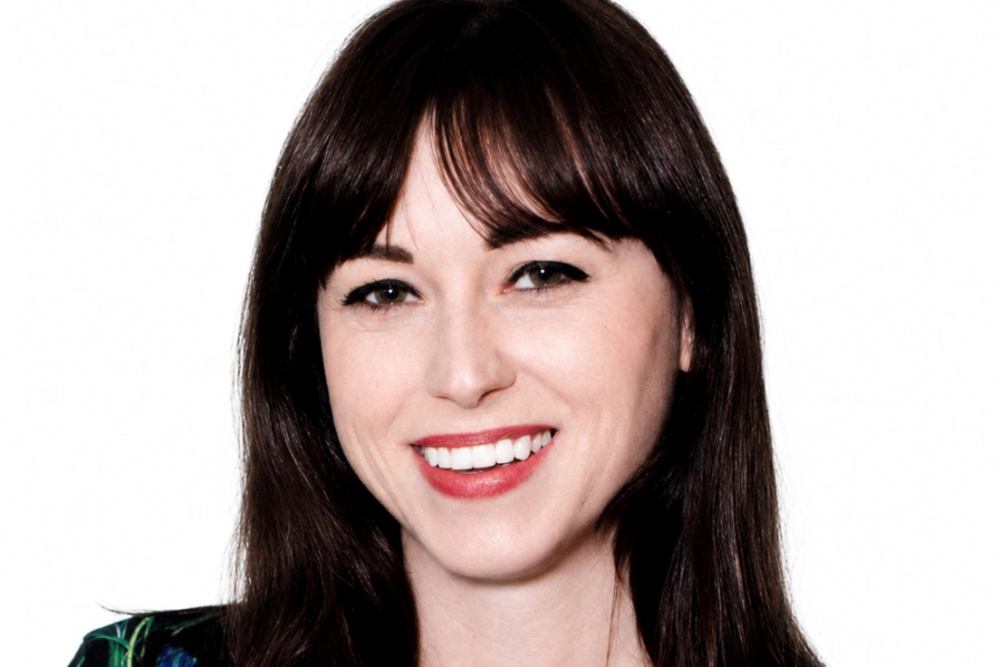
NowThis, the digital-first and social news outlet that targets Gen Z audiences, has hired producer Georgie Guinane as head of studio, L.A.
In the new role, Guinane will lead NowThis’ Los Angeles studio, in charge of the company’s slate of original digital series. She reports directly to editor in chief Michael Vito Valentino.
Guinane joins the company from Flighthouse Media, a media publisher, creative agency and content studio that says it bridges “the gap between brands and Gen Z.” She worked at Flighthouse for five years as director of content, overseeing creative vision and strategy for the company’s owned-and-operated channels, as well as branded integration content across all platforms. Earlier in her career, Guinane was a senior producer at viral-video company Jukin Media and was a producer and writer for Clevver Media.
“What makes Georgie the right fit for L.A. is the combination of editorial instinct, relationship-building and operational know-how she’s spent her career developing,” Valentino said in a statement. “She has an impressive track record of format-first programming, and now she’ll be applying that same thinking to building out our studio infrastructure and connecting it to the relationships across studios, talent and creators that make L.A. work.”
Guinane commented, “NowThis has built a standout slate of content that consistently resonates with Gen Z women, and I couldn’t be more excited to join the team at such a pivotal moment. From Los Angeles, I look forward to building original formats and franchises that bring together entertainment, talent and internet culture in ways that create new opportunities for growth and keep audiences coming back.”
NowThis, based in New York City, first launched in 2012. It was spun off from Vox Media in 2023 through a deal with the Accelerate Change not-for-profit advocacy network. NowThis says it has 92 million followers across internet platforms and generates hundreds of millions of monthly views.
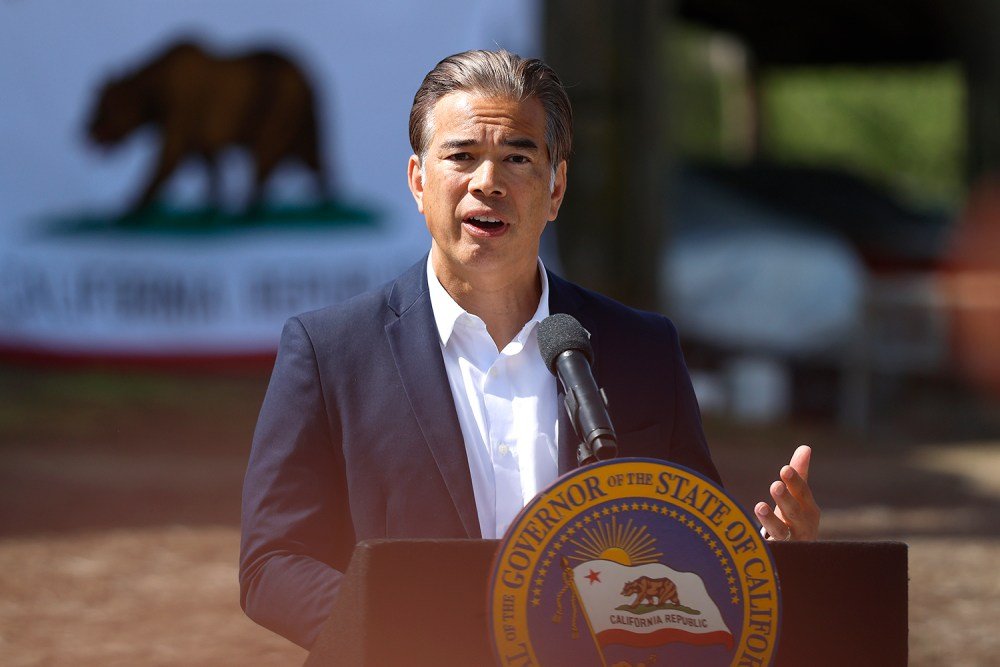
Paramount Skydance CEO David Ellison may think the promise of the Paramount Warner Bros. Discovery mega-merger is an offer we can’t refuse, but I’m here to say: He’s wrong.
I am leading a coalition of 12 state Attorneys General in taking Paramount and Warner Bros. to court to stop this unlawful merger.
The entertainment industry doesn’t exist simply to hawk movies and TV shows like they’re any other commodity. It exists to tell stories, spark ideas and curiosity, inspire and inform, and open our eyes to new perspectives that we may never have encountered otherwise.
It’s why movies and shows so often play a starring role in our lives — in first dates and last dates, cherished family memories, debates over dinner, moments of quiet self-care, and moments that bring communities together, as we’ve seen throughout the World Cup.
Whether it’s the living room TV, the big screen, or the small devices we carry everywhere we go, there is no doubt that the entertainment industry touches the lives of Americans daily.
That is why we should all be concerned about the $110 billion proposed merger between media giants Paramount Skydance and Warner Bros.
By combining two of the five largest film distributors and two of the five largest basic cable channel owners, the resulting media behemoth would control nearly one-third of theatrical movie distribution and nearly one-third of basic cable channels. It would control more than 30% of the blockbuster release distribution that buoys the movie theater business and 50 of the most popular cable TV channels, spanning an unrivaled slate of news, sports, entertainment, kids, family, factual, and lifestyle content.
Giving that much power to one media company would wipe out competition, jack up prices, hurt the quality of content we’re offered, and bring fewer movies and shows to our screens. Combining cable news channels would mean fewer journalists informing our electorate and fewer opportunities for Americans to hear the full breadth of information and opinions on a subject. Consolidation would mean fewer voices speaking truth to power and fewer documentarians, filmmakers, showrunners, producers, writers, and artists shedding light on important stories that too often go untold.
That’s a death knell for the film and TV industry — and for our democracy.
For more than a century, Paramount and Warner Bros.’ fierce competition has fueled powerful projects that have stood the test of time. We’re talking about “Titanic,” “The Godfather,” “The Matrix,” “Barbie,” “Harry Potter,” “Lord of the Rings” and “Casablanca” — just to name a few.
If we allow them to extinguish the flame of competition, they will no longer have the same incentive to distribute their best, most creative work, to innovate, to greenlight interesting and risky projects, and to offer viewers fair prices.
Competition is the heartbeat of a vibrant entertainment industry, just as it is the lifeblood of a healthy economy.
Competition ensures that companies rise to the top based on what they put in the market, not based on backdoor deals. And, it ensures that consumers have an array of choices in both product and price. History has shown us that consolidation in markets at the center of American economic life does not serve our economy, consumers, or competition well. Instead, it leads to increased unaffordability, a loss of good-paying job opportunities, and fewer choices for consumers. Just think of the robber barons of the Gilded Age who dominated the oil, railroad, and steel industries, pocketing obscene profits while exploiting workers, corrupting the political system, and squashing potential rivals.
Monopolies give too few too much power. That’s why we have antitrust laws to prevent them and control mergers. Laws like the Clayton Act, which this proposed merger violates. Antitrust enforcement is democracy’s check on oligarchy. It’s a check on wealthy businesses seeking to game the system and cheat to knock out competition. It’s a check on billionaires currying favor with the president so he’ll do their bidding and hand-pick winners and losers, bypassing the law and the meritocracy that makes our economy thrive. And it’s a check on the elite few who think they’re above the law, when they’re not.
No one is. No company is.
If you need proof that antitrust enforcement fuels a healthy economy, just look at California. We’ve got some of the strongest antitrust and consumer protections on the books — protections we are not afraid to uphold. And, at the same time, we’re the fourth largest economy in the world, home to more Fortune 500 companies than any other state, and home to nearly two-thirds of all U.S. venture capital investment. That’s no accident.
Americans deserve fair prices and a fair market. They deserve options. They deserve to know that they’re not being cheated by corporations that break the law, and take advantage of workers and consumers to fill their coffers.
We are taking Paramount and Warner Bros. to court to preserve an industry that has the power to make us laugh, cry, question, and take action. To protect an industry that helps shape who we are, how we see the world, and what we care about.
As Attorney General of the Golden State, I am proud to stand up for an industry deeply ingrained in California’s history, identity, and economy.
With this lawsuit, we are standing up for a free and fair market, not a rigged market. Because America has no kings in government or our economy.
L2Beat, an analytics platform that tracks Ethereum layer-2 networks, announced that it has excluded approximately $7 billion worth of non-circulating tokens held in multi-signature wallets controlled by the $RAIN team from Arbitrum’s Total Guaranteed Value (TVS) calculation.
Despite the adjustment, the value of $RAIN tokens within TVS on Arbitrum remains at approximately $2.6 billion. This figure makes $RAIN the largest asset on Arbitrum, surpassing USDC and Ethereum (ETH).
L2Beat researchers described the resulting picture as “clearly illogical,” arguing that they believe the $RAIN token has been “heavily manipulated.” The platform noted that a more comprehensive investigation into the token’s valuation and Arbitrum’s impact on the TVS metric is underway.
Related NewsAfter Strategy, Is Tether Next? Activity Is Being Observed in Bitcoin Wallets
The TVS metric is used to measure the total value of assets secured by a blockchain or layer-2 network. However, including tokens that are not in circulation and are held in wallets controlled by the project team can make the network’s true economic size appear higher than it actually is.
Developed on the Arbitrum platform, $RAIN operates as a protocol focused on prediction markets. In May, the project announced a $100 million liquidity commitment, briefly becoming one of the top three prediction market protocols by valuation.
L2Beat’s review raised new questions about $RAIN’s market capitalization, as well as the transparency of the team-controlled token supply and Arbitrum’s impact on TVS data.