Ripple Expands Its Institutional Tokenization Infrastructure
Ripple President Monica Long outlined the company’s broader strategy on Aug. 4 after Ripple announced strategic investments in Zilo and Licuido to expand institutional capital markets infrastructure connected to the $XRP Ledger. She described a rapid transition from bank pilots toward production-grade activity and positioned Ripple’s digital asset stack across the full tokenized asset lifecycle.
“In the last year, we’ve seen the veritable light switch flip – from bank pilots to production, from issuing tokenized assets like money market funds and liquidity funds to using them! Institutional capital markets are moving in one direction — onchain 24/7,” Long stated on X, adding:
“At Ripple, our goal remains to provide the full stack of digital asset infrastructure – allowing institutional participants to take advantage of the entire lifecycle of a tokenized asset on the $XRP Ledger.”
Those investments in ZILO and Licuido add fund tokenization and institutional liquidity infrastructure to Ripple’s broader capital markets strategy, supporting fund issuance, trading, and settlement on the $XRP Ledger.
Ripple’s Mint platform complements that strategy. Launched on July 23, it provides financial institutions with a unified interface to access, mint, redeem, and manage Ripple USD, or $RLUSD, while issuing and transferring the stablecoin across fiat and blockchain settlement systems.
Institutional issuers can also use Ripple’s tokenization platform to create securities, stablecoins, fund units, bonds, commodities, and other real-world asset (RWA) tokens. Its infrastructure combines issuance, redemption, compliance screening, transfer restrictions, audit trails, freeze controls, clawbacks, and multichain distribution.
Tokenized Funds Move Into Trading, Lending, and Yield
A partnership among DBS, Franklin Templeton, and Ripple shows how tokenized assets can support continuous portfolio management after issuance. The arrangement allows eligible DBS clients to trade $RLUSD for Franklin Templeton’s tokenized money market fund within minutes while retaining access to yield.
DBS also plans to explore accepting these tokenized fund units as collateral through bank repurchase agreements or third-party lending platforms. That structure would let institutional investors move between a stable settlement asset and an income-producing instrument throughout the day.
Real-world asset tokens can represent bonds, funds, commodities, and property on blockchain networks, opening those assets to faster transfers and around-the-clock settlement.
Credit Infrastructure Could Extend the XRPL Stack
The proposed XRPL Lending Protocol would add standardized institutional lending to the network’s tokenization infrastructure. The design keeps underwriting and compliance decisions offchain while managing servicing, repayments, interest, and defaults onchain for treasuries, stablecoins, commodities, money market funds, and private credit.
Separate XRPL infrastructure is connecting $XRP and $RLUSD liquidity with tokenized U.S. Treasury products offering regulated, reserve-backed yield. A Doppler Finance and Openeden partnership plans to integrate Openeden’s TBILL token and yield-bearing USDO stablecoin into an XRPL-native protocol using audited reserves, regulated custody, and compliance controls.
The Bank for International Settlements (BIS) identified tokenization as a potential source of faster, programmable payments and more efficient financial intermediation. The organization’s 2026 assessment also called for trusted settlement instruments, coordinated oversight, and stronger safeguards, while warning that current stablecoin structures present financial-integrity and monetary risks.
Ripple’s next expansion point rests with validator decisions on the proposed lending standards, which would determine whether tokenized XRPL assets can support protocol-level institutional borrowing.
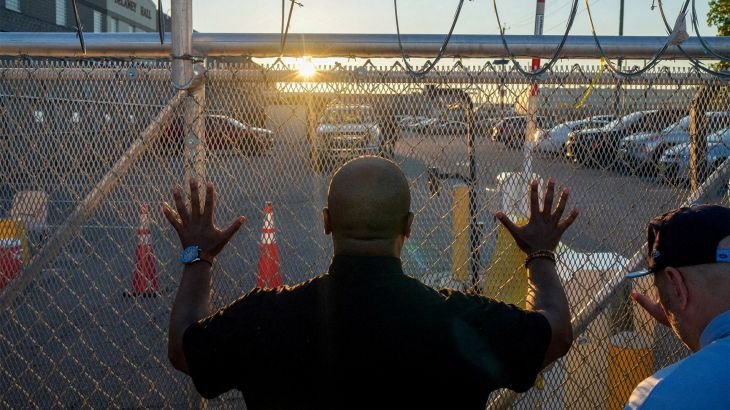
Anger is growing after a 41-year-old Salvadoran man named Edwin Lopez-Cornejo died after he suffered a medical emergency while detained at ICE’s Delaney Hall in Newark, New Jersey.
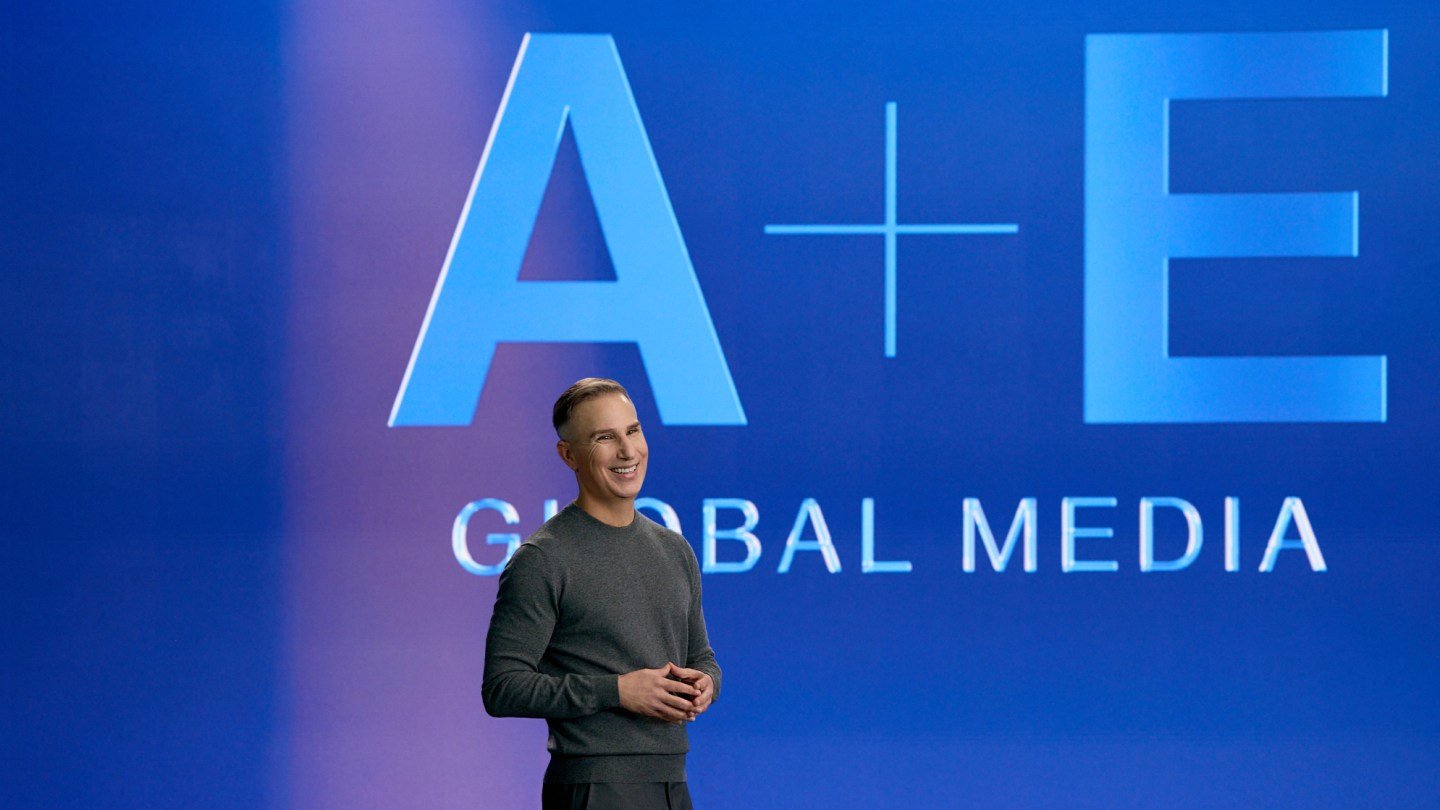
The Walt Disney Co. has sold its 50 percent equity stake in A+E Global Media to Hearst for $1.2 billion in cash, ending the joint venture that was first created in 1984.
The deal will see Hearst take full control of the media company formerly known as A+E Networks, which owns brands like A&E, History and Lifetime, including cable TV channels, content studios, and streaming offerings. A+E has also invested in companies like Vice, Propagate Content, Atlas Obscura and Philo TV.
A+E will become a part of Hearst’s entertainment group upon closing later this year.
“We thank our Disney colleagues for decades of successful partnership,” said Steven R. Swartz, president and CEO of Hearst. “We look forward to supporting Paul Buccieri and A+E Global Media’s leadership team as they continue to make must-see programs and innovate around the great HISTORY, Lifetime and A&E brands.”
Paul Buccieri has led A+E since 2018.
“In a media environment defined by fragmentation, A+E Global Media’s advantage is the strength and versatility of our brands, our strong partnerships and our vast library of owned assets,” added Buccieri, president and chairman of A+E Global Media. “As we continue extending our storytelling globally across all platforms with IP that travels to every screen and form-factor, we believe we are well suited for whatever opportunities may come next. I also want to express my deepest thanks to Hearst, The Walt Disney Company and to our board members — both recent and past — for their guidance and support over the years.”
The company was founded in 1984 (the Arts & Entertainment Network was its original cable brand), with Hearst and ABC each owning a slice alongside other investors. NBC obtained a minority stake in 1993. The company expanded with an acquisition of Lifetime Networks in 2009. Lifetime was also a JV of Disney and Hearst.
Disney and Hearst had been equal partners in A+E since 2012, when they bought out NBCUniversal’s minority stake. The company had begun to explore its options a year ago, hiring Wells Fargo to market it. Since then, of course, Comcast spun out its cable channels into Versant while Warner Bros. Discovery has inked a deal to sell itself to Paramount Skydance.
Paramount reported mixed second-quarter earnings Tuesday as its takeover of Warner Bros. Discovery remains in limbo.
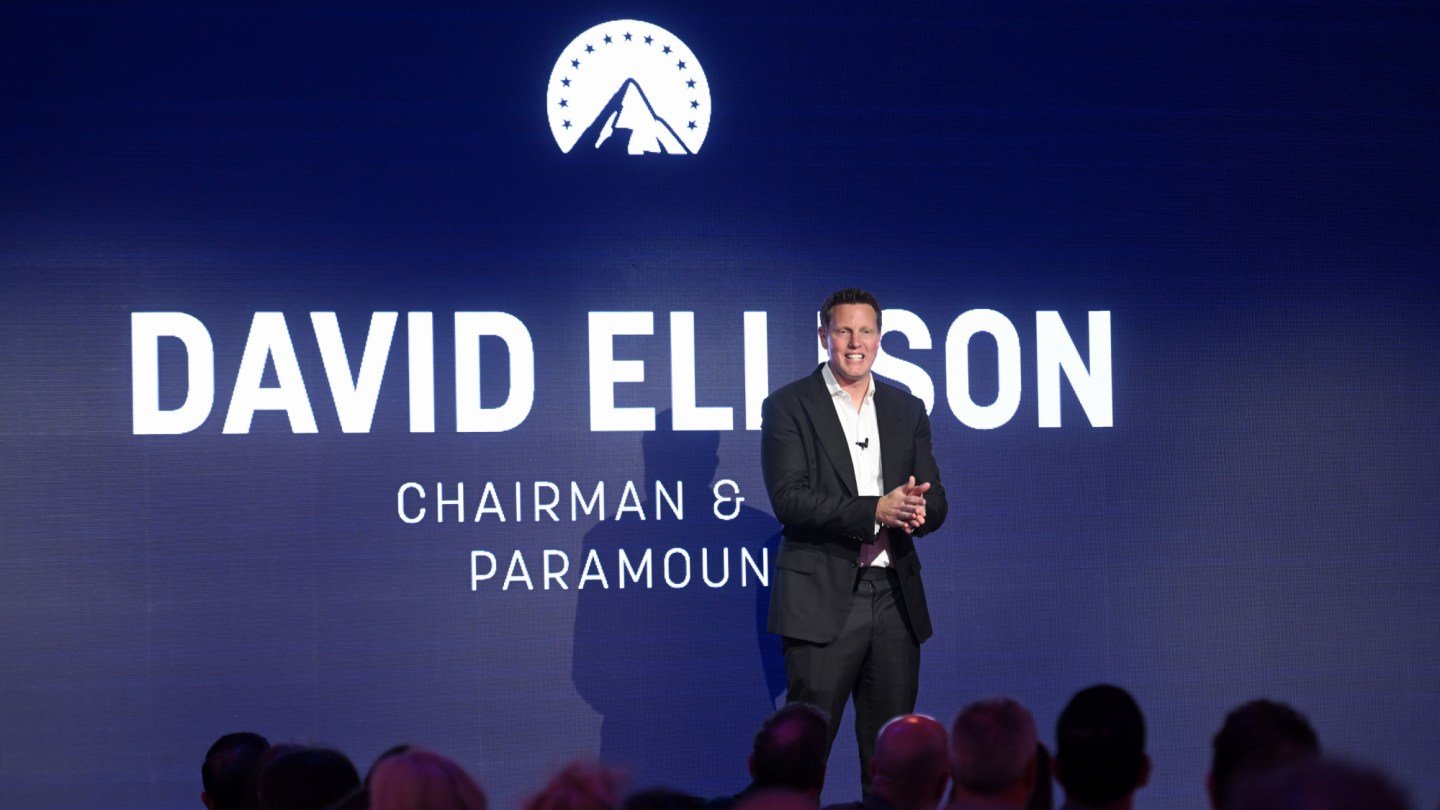
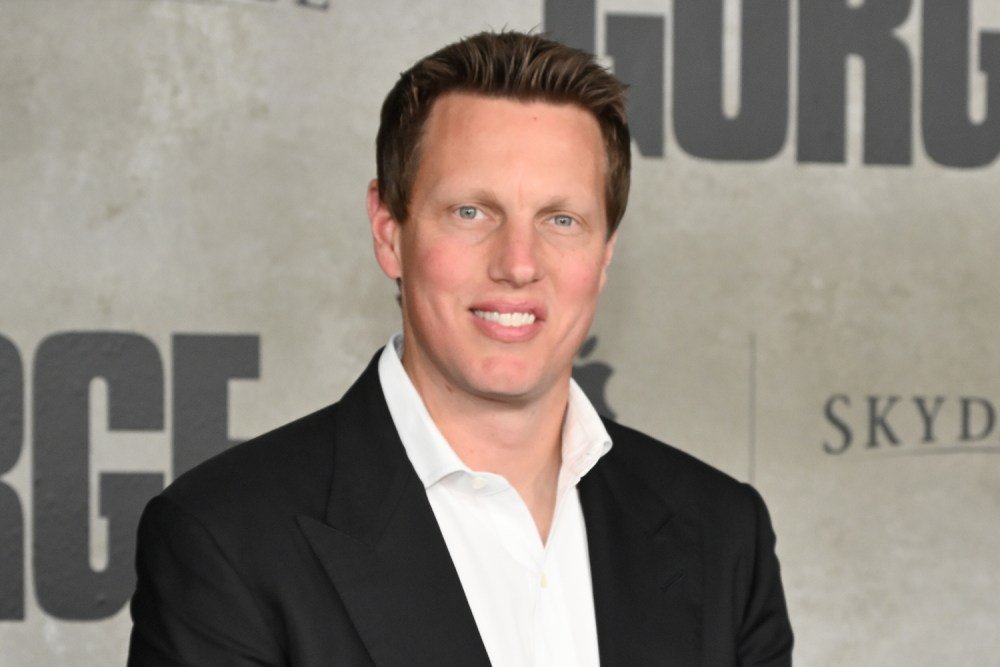
Still, CEO David Ellison sought to reassure shareholders in the letter saying, “We continue to prepare for our proposed combination with Warner Bros. Discovery, while staying focused on executing our standalone strategy and delivering strong results.”
The company reported revenues of $6.9 billion, up 1 percent from its predecessor company a year ago, while net earnings fell to $41 million, or four cents per share after $57 million, or eight cents a share, a year ago.
Paramount’s TV media segment, which includes CBS and its cable networks, continued to fall, dropping 9 percent year-over-year to $3.1 billion, while direct-to-consumer revenue rose 9 percent to $2.5 billion. Studio revenue rose 16 percent to $1.3 billion, thanks to content licensing deals and TV production arm as well as the success of Scary Movie.
Revenue at Paramount+ rose 16 percent to $2.1 billion, as the company said Q2 was its best quarter for retention ever on Paramount+ thanks to Dutton Ranch, UFC and the FIFA World Cup. The streaming services added 2 million new subscribers to hit 81.6 million worldwide, up 6 percent year over year.
Paramount is raising its full-year outlook range to $3.8 billion to $3.9 billion in adjusted EBITDA and now expects free cash flow conversion of at least 10 percent. The company added that it had seen “double-digit growth in commitments” across the company after its Upfronts presentation, but did release further specifics.
“We continue to make progress on our transformation at Paramount, and we now expect to deliver over $2.7 billion of run-rate efficiencies by the end of 2026 versus $2.5 billion previously, and continue to expect $3 billion-plus in efficiencies from the Skydance-Paramount combination,” the letter continues.
Paramount won the bidding war for Warner Bros. Discovery in February with its $111 billion offer, after Netflix declined to raise its offer. But the merger is currently on pause, as Paramount has since been hit with several lawsuits, including from 12 state attorneys general who claim the acquisition will kill competition in the film and television industries. The company has agreed to delay the billion takeover of Warner Bros. Discovery until June 1, 2027, or until the antitrust lawsuits brought by state attorneys general are resolved. Ellison has told staff he remains “highly confident” in the completion of the merger.
But just after earnings were released Tuesday, the judge overseeing the states’ lawsuit scheduled the trial to start in March, rather than November as the studio had requested. Starting Oct. 1, Paramount will have to pay a ticking fee of roughly $7 million per day to Warners shareholders until the deal closes.
The earnings also come the same day that an op-ed from Ellison appeared in The New York Times, in which the executive argued that his political leanings and proposed takeover of CNN are the root cause of the lawsuits filed by a dozen state attorneys general and the Writers Guild of America.
“I believe this fight is not really about market share … I believe a plainer worry sits beneath the briefs and the news releases: the news. The issue is whether I can be trusted as a steward of Warner’s CNN. There has been speculation about my politics, my loyalties, my intentions,” Ellison wrote. “Unfortunately, I can’t give anyone a view into my heart and mind, but I can share this: I have regularly voted for candidates of both parties; I hold some views that would be called conservative and others that would be called liberal, just like most Americans; and when it comes to our news operations, I do not aspire to lead these companies to bend their newsrooms to my views. I believe that news should be based on facts and truth.”
All players know that once you max out your skills in the game, one of the best ways to open the threshold for more record-breaking sessions is to upgrade your hardware. More refresh rates and faster response times create space to make you a better gamer and improve the picture and graphics of your game time, too.
Although upgrading your setup is expensive, especially when it comes to hardware outside your rig. Monitors are the kind of equipment that can make or break your experience, but they often demand a premium. Take this $600 monitor from Samsung, for example: it’s a 27-inch gorgeous OLED screen that makes gaming gorgeous and feel ultra-smooth. But wait—what’s that? Amazon has it for a massive 33% off right now, slashing $200 off the $599.99 list price.
The Odyssey G6 Gaming Monitor kicks off with 27 inches of dazzling QD-OLED screen space that delivers Pantone-validated color for the most vibrant on-screen picture. It reaches up to 400 nits of brightness with a million-to-one contrast ratio, thanks to HDR10 technology. Between color and contrast, rest assured that visuals will be lifelike yet discernible (and you won’t get picked off by a bad agent hiding in the shadows).
Speaking of action, the Odyssey OLED G6’s lightning-fast 240Hz refresh rate will ensure you won’t miss a single frame of it. The monitor also uses variable refresh rates that adjust on the fly based on the game you’re playing and uses AMD FreeSync Premium to prevent screen tearing and lag almost entirely. Between that and the 0.03ms response time, there’s plenty of overhead to build up your own reaction time to blistering speeds.
You aren’t limited to using this monitor for just gaming, too. If you moonlight as a player and spend the day as a remote professional, the Odyssey G6 is 54% less glossy than anti-reflective film, which makes it ideal for office spaces with ambient lighting, and it employs Samsung’s own OLED safeguard system to prevent burn-in and keep temperatures low to preserve longevity. The cherry on top is its height-adjustable stand, which lets you personalize it to your desk space.
Recommended by Our Editors
Gaming monitors aren’t cheap, especially this Odyssey G6 on a regular day. But for 33% off on Amazon right now, it’s a solid steal for players looking to up their game. But if you’re looking for something different, check out our experts’ picks for the best gaming monitors for 2026!
Paramount Skydance said second-quarter profit fell, even as the company was boosted by its streaming media and studios operations, while its large TV division shed ad dollars and subscribers. David Ellison, the company’s CEO, vowed that its deal to acquire Warner Bros. Discovery would close, despite legal setbacks that have slowed the transaction.
“While there is still significant work to be done, our confidence in the opportunity continues to grow, and we’re excited for the future of this company powered by storytelling and accelerated by technology,” Ellison said in a letter to shareholders Tuesday.
Paramount said net earnings fell to $41 million, or four cents per share, in the second quarter, compared with $57 million, or eight cents a share, in the year-earlier period. Revenue rose 1% to $6.91 billion, compared with nearly $6.85 billion a year earlier.
In the company’s TV operations, the largest part of its business, revenue fell 9%, to $3.12 billion, compared with $3.45 billion a year earlier. Ad revenue fell 14%, due in part to difficult comparisons with 2025 that involved more NCAA advertising. Distribution fees fell 6%, due in large part to erosion of linear subscriptions.
Revenue from streaming operations rose 9% to $2.5 billion, with revenue from Paramount+ rising 16%. The service added 2 million subscribers in the second quarter, ahead of expectations. The company cited FIFA World Cup telecasts in certain Latin American nations as as UFC broadcasts in the U.S., and said Paramount+ had its “lowest churn quarter” since launch.
Revenue from the company’s studios rose 16% year-over-year to $1.3 billion, owing in part to films such as “Scary Movie” and programming for third parties from its TV production operations.
Paramount said its upfront sales process had ended, and it had secured “double-digit growth in commitments across the company,” without offering further details about volume or pricing.
The company projected revenue in the third quarter would grow between 4% to 7%, increasing to $6.95 billion and $7.15 billion, with more growth from studios and streaming and “moderating declines” from TV. Subscribers to Paramount+ are seen as “flattish.”
Despite a recent legal setback that will delay the closing of its deal for Warner, Ellison said he remained optimistic it would eventually close. “We remain confident the transaction will be completed, creating a stronger, more competitive media company,” he said, describing the combined entity as a smaller player when compared with “tech giants such as Netflix, Amazon, Apple, and others.”
The judge overseeing a lawsuit from a coalition of 12 states looking to block Paramount‘s $111 billion takeover of Warner Bros. Discovery has scheduled a trial to start in March.
The decision marks a blow for the studio, which pushed to start the trial in November. Starting on Oct. 1, Paramount will have to pay a ticking fee of roughly $7 million per day to Warners shareholders until the deal closes. It’ll likely be on the hook for upwards of $1.5 billion, accounting for the time it takes for the court to issue a ruling on the antitrust trial.
Last week, Paramount urged the court to start the trial in November while the states proposed to set it for April.
The trial will last 12 days, beginning on March 2 and ending on March 19. It will run from 8:30 am to 1:30 pm. The final pretrial conference will be held in February, with both sides completing briefing by the beginning of April.
Paramount’s legal team is led by Beth Wilkinson, who successfully defended Microsoft’s bid to acquire Activision Blizzard after the FTC sued. She joined last month a deep bench of lawyers for Paramount that includes Jeffrey Kessler and Paul Clement.
Facing lawsuits from the states, the Writers Guild of America and Paramount shareholders looking to stop the deal, Paramount’s bid to acquire the legacy studio is in limbo. In a New York Times op-ed, Ellison stressed that the merger has been politicized, with the states primarily looking to stop him from owning CNN.
“I believe this fight is not really about market share … I believe a plainer worry sits beneath the briefs and the news releases: the news. The issue is whether I can be trusted as a steward of Warner’s CNN. There has been speculation about my politics, my loyalties, my intentions,” Ellison wrote. “Unfortunately, I can’t give anyone a view into my heart and mind, but I can share this: I have regularly voted for candidates of both parties; I hold some views that would be called conservative and others that would be called liberal, just like most Americans; and when it comes to our news operations, I do not aspire to lead these companies to bend their newsrooms to my views. I believe that news should be based on facts and truth.”
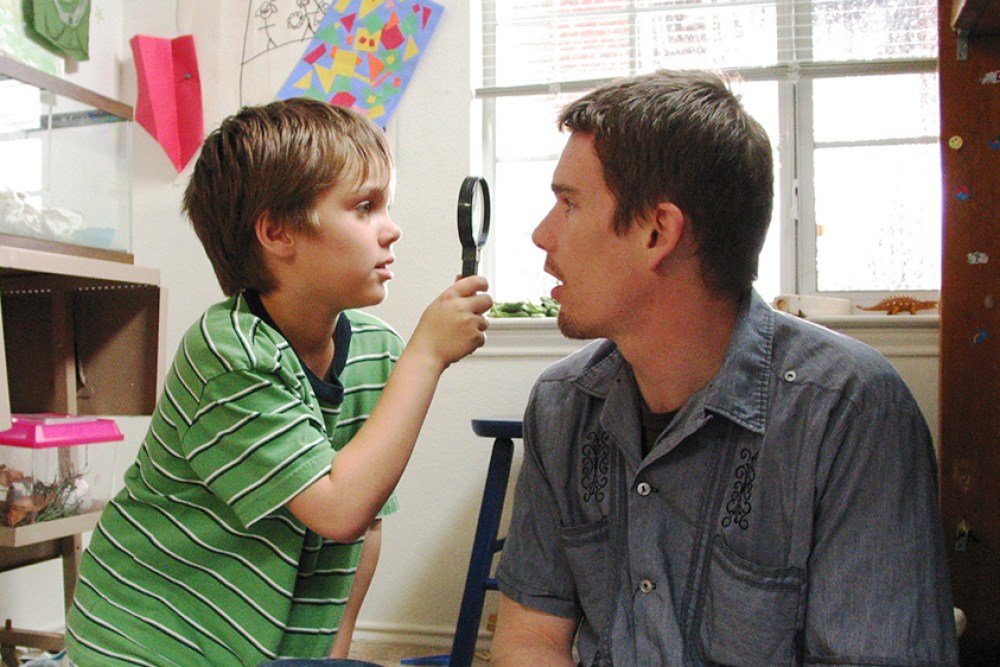
When Richard Linklater released “Boyhood” in 2014, moviegoers had never seen anything quite like it. Filmed over the space of 12 years, the coming-of-age classic followed a Texas family living through divorce, moving and growing up, with the cast returning at intervals to film episodes as the children grew up. The groundbreaking result came thisclose to winning the Oscar for best picture, with Patricia Arquette, who played the family’s mom, winning best supporting actress, and Ethan Hawke, who played the father, nominated for supporting actor. But what happened to the boy of “Boyhood” — Ellar Coltrane — and Lorelei Linklater, who played his sister?
Lorelei Linklater, the director’s daughter, is a painter and actress who has appeared in several independent films since “Boyhood.” Coltrane, now 31, says he lives “in the middle of nowhere,” and is pursuing several interests: He’s a volunteer fireman, he’s doing EMT training and is gets involved in occasional independent films. But though he’s had a few roles such starring in the indie “Shoplifters of the World Unite,” he’s not driven to pursue film and TV stardom. “I’ve moved on,” he says.
Unlike many child actors who experienced too much fame too early, Coltrane thinks he was spared that kind of pressure because the world didn’t see the finished product until he was 18 — although even then the amount of attention was somewhat overwhelming.
Independent Film Company’s 12th anniversary release of “Boyhood” (representing the 12 years of filming) is currently playing in more than 100 theaters across the U.S. and in Canada through Mongrel, with a special filmed Q&A included this week. Additional live Q&As and special screenings will roll out throughout August.
Coltrane looked back on the experience of shooting “Boyhood” over 12 years, remembering the fun, scary and embarrassing moments along the way.
Ethan Hawke, left, and Ellar Coltrane onstage during the “Boyhood” 12-Year reunion Q&A in Austin.
Kelly Zhu
As a child, you went to theater classes through Zach Theater in Austin, and then met your aunt’s agent who became your agent. How did you end up auditioning for “Boyhood”? Do you remember much about what they told you when you were just 6 years old?
What I remember is meeting Richard. Both of my parents are performers, so I think they were definitely supportive and understood the idea of me going into performing arts, but it wasn’t something that they set up or pushed me into. It all just kind of happened. I remember them telling me about who Richard was to them, being artists in Austin. They knew a lot of people that were in “Slacker” and he was a real hometown hero. I remember them telling me, this is really cool, this is different than the other auditions you’ve gone to. I don’t know how many callbacks it was, but it was several, and there was no script at that point, so it wasn’t at all a traditional audition where I’m reading sides. I think he was just kind of getting to know me more than anything.
Do you think he had other kids he was considering?
It was an open casting call, so there probably hundreds of kids that they were considering. There were a number of homeschool kids that were being considered specifically, because he knew it would be easier to work with a kid who didn’t have to be in school five days a week. I remember in one of the callbacks, he asked me to bring in some of my art, my drawings. The piece of the drawing that I brought in was on the back of a poster for a band called Joe Rockhead that my dad played in, in the ’80s and ’90s in Austin. And Richard was a fan, and so I remember him looking turning the page around and being like, “What is this? Why do you have this poster? And I’m like, that’s my dad’s old band.
When did it dawn on you that you were going to keep returning every year, every couple years? Like, did you understand that at first, or did it take a little while to really get that?
I was a smart kid. I understood as much as a 6-year-old can. I understood that I would be returning every year, but there was no way for me to comprehend what 12 years is, or what that really represents in my life. It was much later, once I was 17 or 18, that I started to understand like how just how significant it was in my life. It was fun. It was like a summer camp. It never felt like a burden really.
What was working with Richard like? Were you ever scared or felt pressured?
Richard is very much an actor’s director, and he and Ethan had such an industrious working relationship at that time, writing the “Before” movies and they had a really powerful collaborative dynamic that they had built together, and it was really wonderful to be invited into that, and be taught how to partake in that process of writing collaboratively.
Did you get to improvise?
There was very extensive workshopping every year. There was some improvisation in the writing room, but more so just a lot of requests for my input. So even if I wasn’t improvising in the moment, I was often using my words, and using pieces of my experience and what I was going through in the different years, and I was encouraged to manipulate my dialogue to be more natural for myself to speak as a child.
There were a lot of pretty tense scenes — do you remember being worried about the adults arguing, particularly with the alcoholic stepfather?
I grew up in a pretty tumultuous household, so it didn’t seem shocking at all to me. That was kind of just how adults were. The big one was the violence at the dinner table with Marco’s character. I remember that moment, with the dinner plate and just how viscerally scary that was. Even though I knew it was acting, and everybody laughs in between takes. There was a lot that was done, probably for our benefit, for the kids to try to break up the tension, and I think we didn’t do very many takes of that.
I rewatched the film for the first time in a number of years a couple weeks ago at the Austin Film Society reunion screening, and there were lots of things that I was stricken by that landed differently now. That scene definitely affected me more watching it than it ever has before, and I was a lot more aware of myself as a vulnerable child experiencing this traumatic thing. Even within the artifice of the film, it’s still scary.
Was there ever a time you wanted to quit? I know Lorelei wanted to be written out at one point.
No, not at all. I mean, when it released, when I became famous and was going around doing a million Q&A’s and parties, I didn’t enjoy that part so much. But I never wavered in production. I loved it. It was a really wonderful experience for me.
You said it was like summer camp, did you play with the other kids and make friends?
Really just Lorelei. All the other kid characters are so transient. More so Richard and Ethan and Patricia. I was such an odd kid. I I didn’t have a lot of friends my own age, even in my personal life, just being homeschooled and being raised by the arts community in Austin. Also Rodney Becker, the production designer. I went on to work under him in the art department for a number of years after “Boyhood” released.
What was it like as you got to be a teenager, since teenagers are figuring out so much stuff — were you ever self-conscious about growing up on-screen?
I was a pretty cocky teenager. Like around 14 or 15, when I have the bangs and everything, that was a pretty awkward phase. I think I was pretty self-conscious. But even still, with the kissing, I’m kissing Megan Devine in that in that episode, and I was pretty confident in that. One of the funny things about that phase of the film for me is that I was a really wild teenager, I was getting into a lot of trouble, and that is so peripheral in the film. It’s just kind of implied that there’s other stuff going on that we’re not seeing, that this person is experimenting with drugs and whatever else, but it’s not really in the film.
But I do remember I showed up to set probably when I was 17, very high on marijuana one time, and was extremely anxious and self-conscious, and that scene is terrible. Needless to say that scene did not make it into the final cut. I never did that again.
Was Linklater’s idea for Mason to be into photography, or yours?
That was me. It’s kind of funny because (unit photographer) Matt Lankes, rest in peace, outside of set, he gave me photography lessons and was a big part of that developing in my life before I was ever in the film. My interest in photography definitely was fueled, if not initially inspired, by being on set and watching Matt work. He made the book and so we would do those portraits every year and he was always working with antique film equipment and his work practice was very intricate, and I found that really inspiring.
What do you think about this experience of making a movie over so many years? It’s pretty unusual.
It’s fantastic. It’s magical. It’ll be interesting to see what comes of Richard’s new long-term project (“Merrily We Roll Along”), and if other people try to emulate that. Because it’s a gimmick in a way, and it also very much works.
It’s also kind of a crazy thing to sign a child up for.
Exactly — as smart as a kid as you were, how could you have really known what you were agreeing to?
I think I did pretty well in terms of navigating that and coming out the other side not too damaged, but it’s a lot. Being a child actor is always a strange thing. A big saving grace for me, in that context of being a child actor, and later interacting with the Harry Potter kids and other people who starred in a long-term project or started a career around the same time, for them there was something released to the world also in childhood. I didn’t have to experience that and I am grateful for that, because when I did experience celebrity, it was a lot. It allowed me to have the experience of acting and learning to do all these things and being on set. It allowed me to avoid being a child star, which is really difficult for a lot of people. I have a lot of compassion for people who really struggle with fame early in life.
Catch us up on what kind of things you’re pursuing now?
I live in the middle of nowhere, and I’m pretty far away from film. I’ve acted in a couple of short films. One called “El Fantasma,” which we filmed in Mexico City, where I play Lee Harvey Oswald, that’s really cool. And then I did a film in El Paso two years ago, a short film called “So, Who Was It This Time?” I’ve become kind of integrated with the independent film community in El Paso, which is really wonderful. I’m really inspired by the energy there and what my friends are up to. It reminds me of Austin 20 years ago. Really, in my life I’ve moved on. I do manual labor, and I’m a volunteer firefighter, and I’m working on my EMT license right now. But being back in Austin at the AFS event, interacting with film people again, I am missing being on set, missing collaborating.
I do very well collaborating with a director who has a passion project. When I can get into that head space with an artist and work closely with them to figure out how I can express what they’re trying to express, I think I can do really good work. But just showing up on a big set with a million producers as an actor, I don’t know how to do that. I was never really trained as an actor. I was trained by Richard and Ethan as a collaborator and part of the machine of the film. So I’m hoping for more small, independent passion projects that I can be a part of, because I have a lot to offer.
Jim Cramer says he is selling his Bitcoin after IBM CEO Arvind Krishna told him to get “paranoid” about crypto’s cryptography within three or four years.
The warning follows a July 30 IBM and University of Chicago demonstration of verified quantum advantage.
Traders invoked the “Inverse Cramer” trade, a pattern so established that a fund once existed purely to bet against his picks.
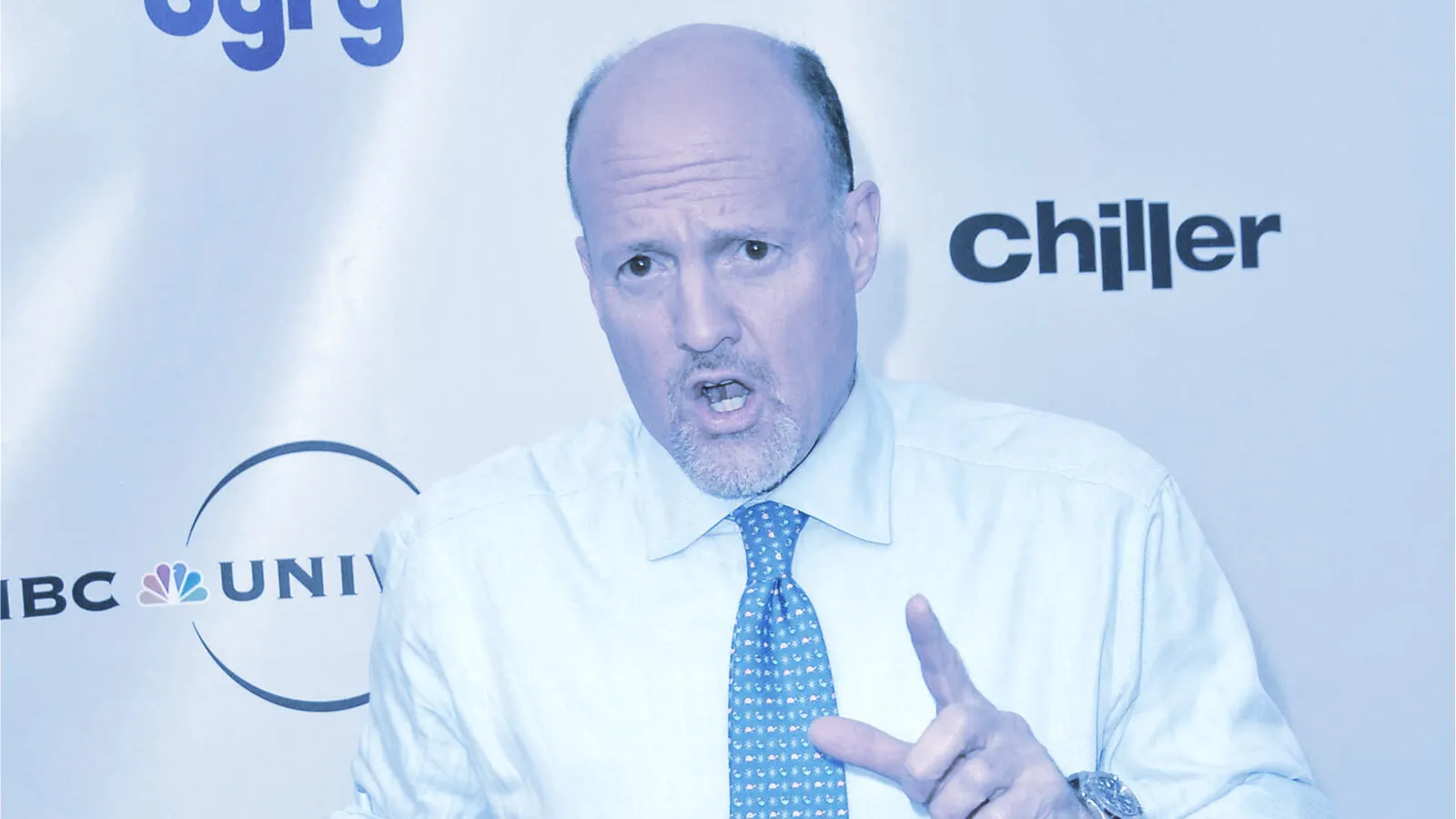
CNBC host and long-time crypto critic Jim Cramer is out on Bitcoin—again. This time it’s over fears of the coming quantum computing threat, and it sounds like he might be out for good. Which is music to the ears of Bitcoin investors everywhere who prefer to be on the opposite side of the “Cramer trade.”
“Should I be more careful?” Cramer asked late last week while interviewing IBM CEO Arvind Krishna, worried about whether quantum computers would be able to steal his coins.
“I think that you should give yourself three or four years,” Krishna replied, “and at that point, I would get rather paranoid about it.”
Cramer did not wait three or four years. “I realize I’m waiting. Ethereum, really, maybe even worse. So I think that people have to take this man seriously because they’re doing commercial quantum,” he said while commenting on his interview. “Arvind Krishna knows quantum incredibly. He knows Bitcoin and quantum. And I’m going to sell mine.”
“He’s the man,” Cramer continued. “Three, four years. David, you know when three, four years is going to happen? Like tomorrow.”
The clip went around fast, pulling 89,000 views on X, and over 9,000 views on YouTube.
“Thank you Jim!” read one of the top replies. “Letssss goooooooooooo,” went another. One user simply asked: “I thought he already did.”
That gratitude isn’t sarcasm so much as strategy. Traders have spent years tracking the “inverse Cramer” pattern—the running joke that the reliable move is whatever he didn’t say.
Somebody built a fund on it. Tuttle Capital launched the Inverse Cramer Tracker ETF in 2023, betting against his picks, alongside a Long Cramer fund betting with them. Both closed. The long version died first, the short version followed in February 2024 with $2 million in assets.
“We started it in order to point out the danger of following TV stockpickers, Jim Cramer specifically, and the total lack of accountability,” portfolio manager Matthew Tuttle said. “We feel like we have accomplished that mission.”
The Bitcoin record is why the meme stuck. Cramer said he’d sold everything and wouldn’t touch crypto “in a million years” in December 2022, with Bitcoin at $16,796. It gained more than 400% over the next three years.
Bitcoin rose about 1.6% on the day he announced the sale.
It’s worth noting, though, that no one we’re aware of has confirmed the size of his position, or that it even exists. Cramer hasn’t publicly shared any Bitcoin wallet addresses, so there’s no way to check.
The part that isn’t a joke
The underlying research behind quantum is real, even if the timeline is arguable.
On July 30, IBM and University of Chicago researchers demonstrated quantum advantage with something previous milestones lacked—verification. Using 70 logical qubits and a new error-correction method, they ran a computation in about 15 minutes that classical methods can’t feasibly reproduce, and proved the answer was right. That’s the “Chicago study” Cramer kept referencing, and Decrypt covered what it means for Bitcoin.
Sampling circuits is not breaking elliptic curve cryptography. Those are different problems, and the second one needs machines far beyond anything demonstrated.
But the exposure is genuine. Coinbase’s quantum advisory council estimates roughly 7 million Bitcoin could eventually be vulnerable through exposed public keys and address reuse. Ark Invest and Unchained call the threat real but not imminent. Post-quantum standards exist, and Bitcoin developers have been arguing about how to adopt them for years.
So Cramer picked a legitimate risk and doubled down on a timeline that remains debatable.
The market’s response was to buy his exit. We’ll see who’s right.
Daily Debrief Newsletter
Start every day with the top news stories right now, plus original features, a podcast, videos and more.
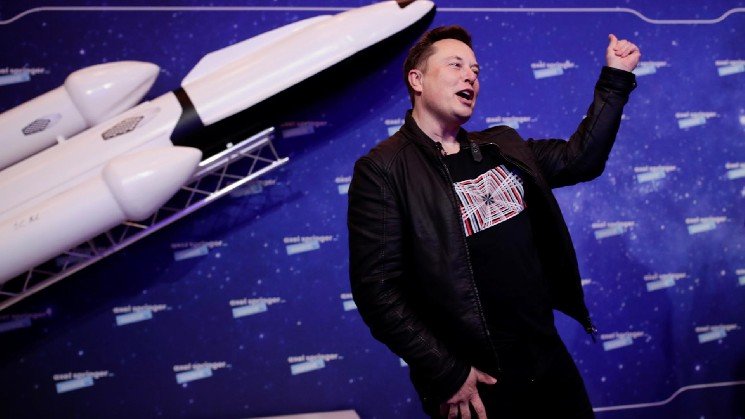
SpaceX (SPCX), Elon Musk’s space technology company, reported its first quarterly results as a public company on Tuesday, announcing second-quarter revenue of $7.8 billion.
That figure topped Wall Street expectations of $6.9 billion, while narrowing its quarterly loss to to $541 million as growth accelerated across its launch, Starlink and AI businesses.
The company reported a net loss of $541 million, an improvement from a $1.0 billion loss a year earlier, while adjusted EBITDA nearly tripled to $3.5 billion.
Crypto investors were also watching for changes to SpaceX’s bitcoin BTC$64,089.16 holdings.
The company reported $1.10 billion in digital assets at the end of the second quarter, down from $1.64 billion at the end of 2025.
SpaceX’s IPO filing disclosed that it held 18,712 bitcoin as of March 31, acquired for about $661 million and valued at $1.29 billion at the time. Tuesday’s earnings release reported only the value of its digital asset holdings and did not disclose the number of bitcoin held or explain the decline.
SPCX was down 6% immediately following the report after closing the session nearly 10% higher on the day’s trading, while the Nasdaq 100 gained 3.3%.