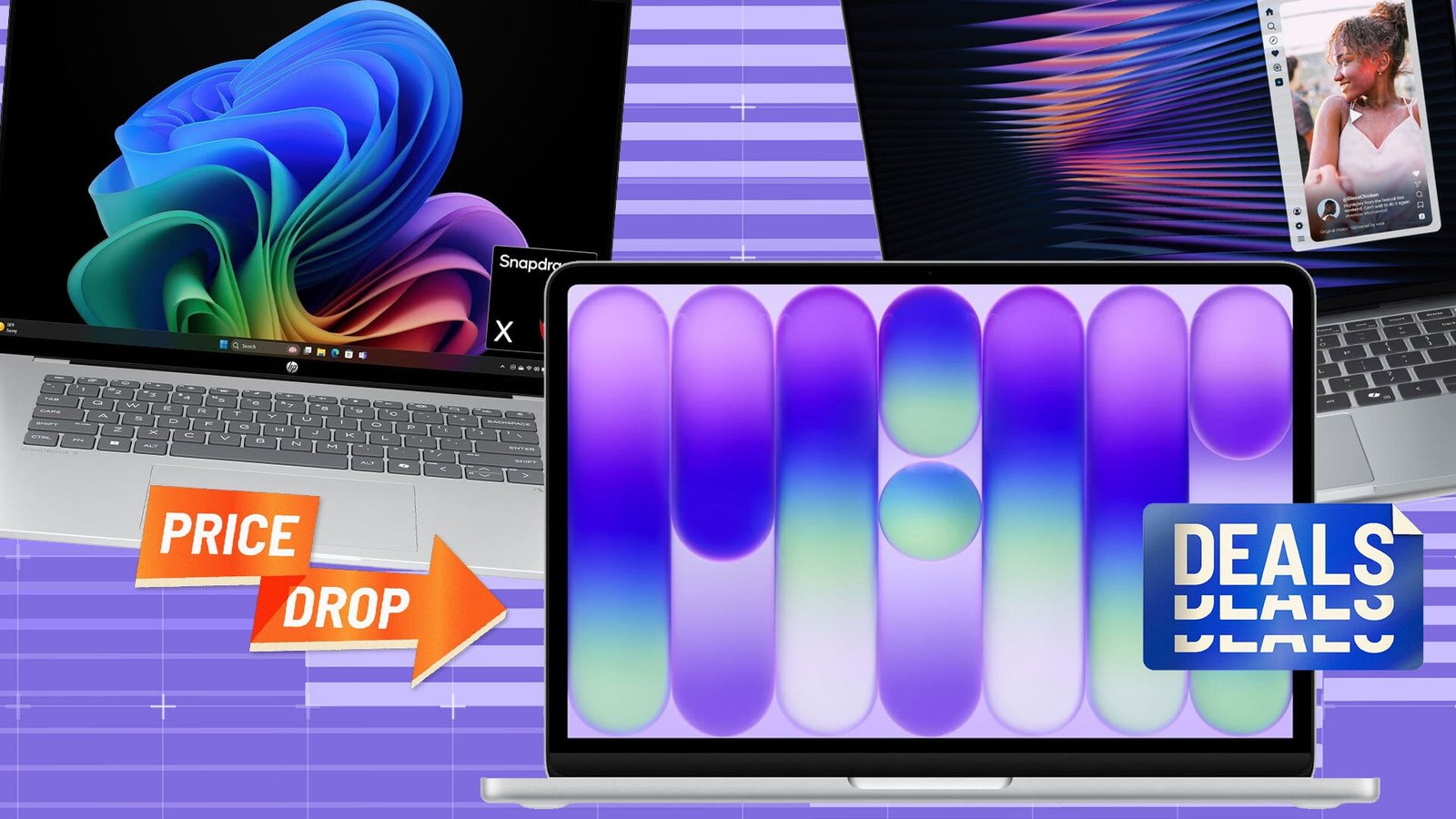
Back-to-school season is here, and you can never be too prepared (to save money). From laptops to tablets to eReaders, we’ve gathered some of the best discounts over at Best Buy that’ll help you (or your student) to succeed in the classroom. There are some notable brands, including Amazon, HP, Lenovo, and more. We’ll be updating this list regularly as the weeks go on, so be sure to check back in!
The HP OmniBook X Flip 2-in-1 laptop sports a 16-inch 2K touchscreen, allowing you to interact with it in different ways, whether you’re taking notes in class or watching video lectures. You can also use Copilot to enhance your productivity by getting quick answers to questions. It’s also powered by Intel, where the top-tier performance and media generation tools help make your presentations stand out amongst everyone else. The laptop is lightweight and sleek, coming in at under five pounds and less than an inch thick. It fits perfectly in your bag and is easy to carry with you as you walk towards your classroom. And with up to 23 hours of battery life, it’ll last you through the entire school day.
PCMag contributor Jorge Jimenez awarded the 14-inch version a “Good” rating. In our in-depth review. “HP’s OmniBook X Flip 14 is a well-designed 2-in-1 laptop with a lovely 120Hz OLED display,” he said. “Its battery life and graphics performance don’t impress, but when discounted, this convertible is worth a look.”
This Android-powered tablet has a bright 12-inch display with up to 800 nits for maximum brightness. Wherever you go, you’ll be able to see what clearly. It also has Gemini integration so you can be more productive, whether it’s writing up notes, planning school events, and more. Along with that, Lenovo AI Notes helps organize your notes by suggesting sentences rephrases and quick summaries so you can get ahead on your lessons. No need to play catch up during class! This tablet’s compact form factor easily lets it slip into your bag and you can pull it out anywhere, especially between classes or in the middle of one.
Our mobile expert Kim Gedeon awarded it a “Good” rating. In our in-depth review, she said, “The Lenovo Idea Tab Plus Android tablet impresses, thanks to its large, bright display, quality design, and low price, making it a good choice if you’re seeking a slate for basic browsing and media consumption.”
More Tablet Deals
*Deals are selected by our commerce team
Amazon Deals
Kindle Colorsoft Signature Edition
Kindle Colorsoft Signature Edition
8-week battery life, 7-inch display, 32GB Storage
This Kindle‘s seven-inch screen is glare-free and has an auto-adjusting front light that adapts to both sunlit and late night environments so you can comfortably read. It provides high contrast and you can even highlight passages with different colors when annotating in order to keep your notes organized. With 32GB of storage, you’ll be able to carry your library with you as this lightweight device is easy to take with you. Plus, it’s waterproof, so you won’t have to worry about pages getting wet, unlike a physical book. This eReader also lasts up to eight weeks on a single charge, so you’ll be able to get through many different books before having to plug it back in again.
Recommended by Our Editors
Our mobile expert Sarah Lord awarded it a “Good” rating. In our in-depth review, she said, “The Kindle Colorsoft delivers most of the Signature Edition’s perks at a lower price, making it a better choice for Amazon readers who don’t need extra storage or wireless charging.”
More eReader Deals
*Deals are selected by our commerce team
Be sure to also check out our other Best Buy deals and other amazing new tech deals as they come in. We’ll also continually update this list, so come back soon!
Summer break is flying by (boooo), and in some states, students head back to the classroom in just a matter of weeks (even bigger booooo). The cost of that back-to-school list can add up quickly, and that’s why we’re here to help you save some money on those academic necessities.
We’ve analyzed all the portable PCs that excel in the classroom and picked the best that are on sale right now. To learn more about what we look for in an education-focused laptop, check out our rundown of the best laptops for college students, and I’ll update this roundup when new deals pop up.
Apple MacBook Neo Back-to-School Deal
Apple MacBook Neo
13-inch Liquid Retina display, Apple A18 Pro CPU, 8GB RAM, 256GB SSD
Apple’s MacBook line has long been the gold standard for luxe laptops, with sleek industrial design and competitive performance. They’re not cheap, though, which is why the introduction of the MacBook Neo earlier this year was such a seismic event. A budget-priced MacBook is a tough order, but this is a very capable machine that we thoroughly tested in our review. The verdict: Editors’ Choice-winning productivity speeds, graphics performance, and display quality. It redefines what a budget laptop can be. Other retailers have this base model on sale for the full $699 retail price, but buying directly from Apple can save you $100 if you qualify for the educational pricing.
Other manufacturers aren’t taking the MacBook Neo challenge lying down, though. Dell just unleashed its ultralight and budget-priced XPS 13 laptop on the market, and students and teachers can snag a $100 discount through its education program. While we haven’t finished a full review of this model, we do have early impressions from the Computex trade show, where we noted that it’s slimmer and lighter than the Neo at just 2.2 pounds, boasts a larger touch-enabled screen, and has a backlit keyboard. Under the hood, you get an Intel Core 5 processor from Intel’s new Wildcat Lake platform that’s more than enough for schoolwork and entertainment, and the newly designed compact charger makes it even more convenient.
The advent of on-device AI in Windows 11 with Copilot spurred hardware makers to develop chips that are optimized for it, and Qualcomm was first out of the gate with the Snapdragon X Plus line. HP’s OmniBook 5 laptop uses that chip to deliver speedy performance and impressive visuals. We have a review of the 14-inch version of this laptop, where we raved about its exceptional battery life and class-leading 2K OLED display with HDR video support. At just 2.98 pounds, it’s light enough to carry from class to class all day, and the keyboard and touchpad are both comfortable and responsive. Amazon has this loadout on sale for 15% off right now, but we’re not sure how long it will last at that price.
Recommended by Our Editors
More Laptop Deals
*Deals are selected by our commerce team
Want to save even more on tech for students, teachers, and everybody else? Our deals page gets straight As.
About Our Expert
K. Thor Jensen
Contributing Writer
Experience
K. Thor Jensen is a writer and cartoonist living in the Pacific Northwest. He has contributed to dozens of prestigious outlets, including PCMag, Tested, Clickhole, and Newsweek. His second graphic novel, Cloud Stories, was released in 2017.
How to watch for free: Today’s World Cup final will air for free on global channels like BBC iPlayer/ITV. You can use a VPN like ExpressVPN, our pick for location spoofing, to connect to a UK server to tune in for free. You may also be able to watch for free with a streaming trial from DirecTV, FuboTV, or YouTube TV.
UPDATE 7/19, 4:06 p.m. ET: It’s half-time, and the World Cup final is currently tied 0-0. Spain has dominated possession in the first half, and both Lionel Messi and Lamine Yamel have created opportunities to score. This tight match is sure to be fierce in the second half, especially if Messi hopes to take home the Golden Boot (he’s two goals behind). You won’t want to miss this action-packed second half, which is set to resume in minutes.
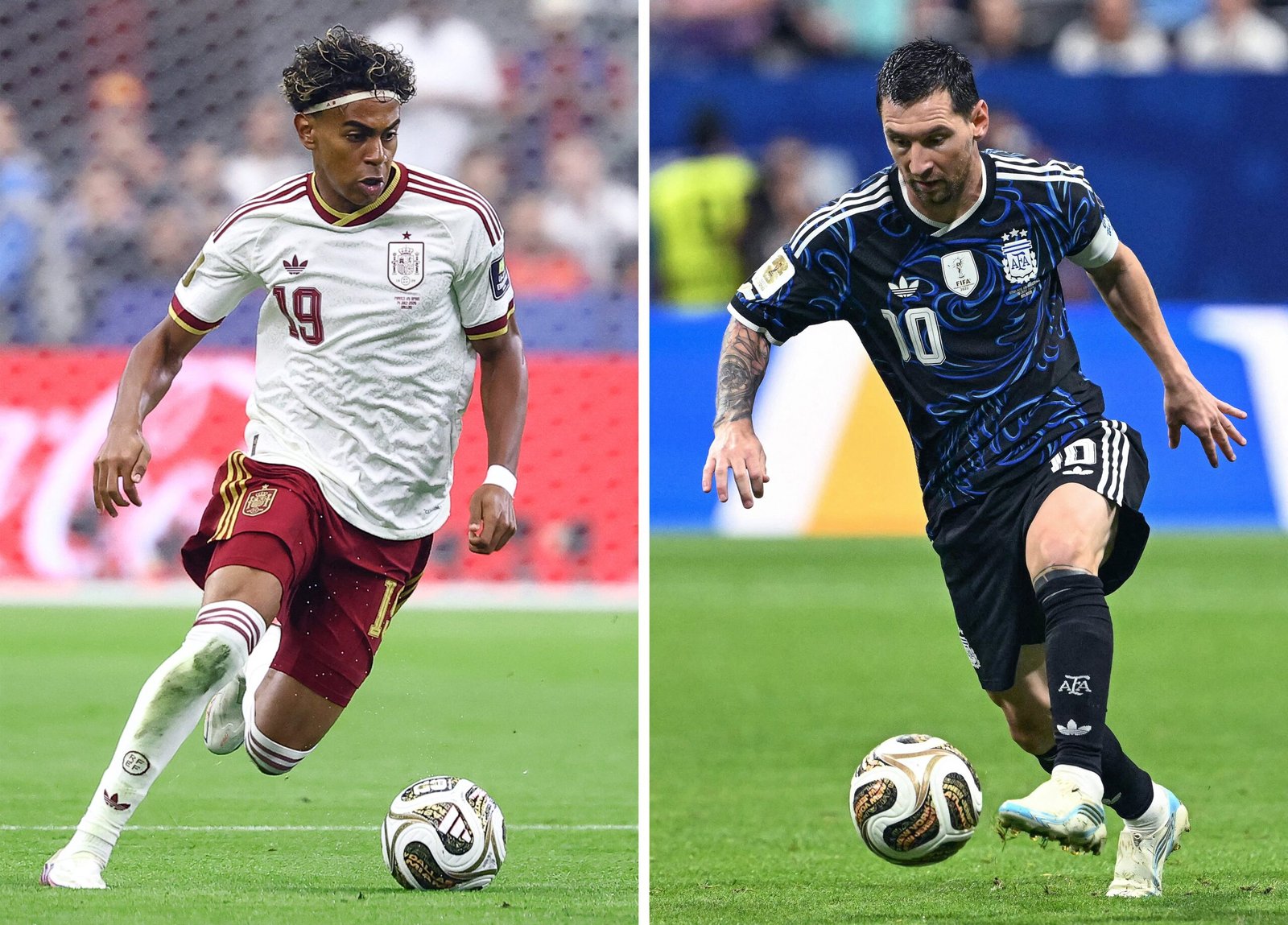
It all comes down to this. After weeks of thrilling contests, endless drama, and high-quality soccer, the 2026 FIFA World Cup is finally ready to crown its next world champions. Today’s final is expected to be the most-watched sporting event on the planet, and we’re sure to get a fierce show between Spain and Argentina. Spain are the reigning European champions, while Argentina are the current World Cup and Copa América champions.
A win today would hand Spain their second FIFA World Cup title, adding to the one they won in 2010. For Argentina, a win would secure a fourth World Cup title and make them the first nation since Brazil in 1958 and 1962 to successfully defend the trophy.
The build-up to the game has been about Spain’s Lamine Yamal and Argentina’s Lionel Messi, but both teams are lined with world-class performers. And, yesterday, France’s Kylian Mbappé pulled ahead of Messi in the Golden Boot competition. Can Messi close the two-goal gap between them? Here’s how to watch the FIFA World Cup final live, either with a paid streaming subscription, a free trial, or a VPN.
When Is the Spain vs. Argentina FIFA World Cup Final?
The World Cup final between Spain and Argentina kicks off at 3:00 p.m. ET on Sunday, July 19, at the New York New Jersey Stadium in East Rutherford, New Jersey.
2026 World Cup Half-Time Show and Ceremonies
For the first time ever, FIFA has organized a half-time show between the two 45-minute halves. The show is curated by Coldplay’s Chris Martin and will feature performances by Shakira, Madonna, and BTS. With the kick-off at 3 p.m., you can expect the show to start just after 3:45 p.m. ET.
The final’s presentation ceremony will be attended by President Donald Trump, who is expected to hand over the first-ever American-style championship rings to the FIFA World Cup winners. However, the ultimate prize remains the iconic 13.6-pound,18-karat gold trophy, which will eventually be given to either Argentina captain Lionel Messi or his Spain counterpart, Rodri.
The ceremony will also see individual honors being presented. The best player of the tournament will receive the Golden Ball, the top-scorer will receive the Golden Boot, the best goalkeeper will receive the Golden Glove, while the best young player award will be given to the best performer aged 21 or below.
How to Watch Spain vs. Argentina Live in the US
You can watch the Spain vs. Argentina final live on Fox or Telemundo. If you don’t have cable and you live in the US, you can watch with a sports streaming subscription, such as DirecTV, Fox One, Fubo, Peacock, Sling, YouTube TV, and more. If you don’t have a live TV or streaming service, you may be able to watch the game with a free trial:
How to Watch Spain vs. Argentina Online for Free
The Spain vs. Argentina World Cup final will air live for free on several streaming platforms across the globe, including:
These platforms are geo-locked to their respective countries, but you can use a virtual private network (VPN) to watch matches for free from the US or elsewhere. For the Spain vs. Argentina World Cup final, we recommend ExpressVPN, our top pick for location spoofing. ExpressVPN has servers across the globe, making it easy to mask your actual location so you can access region-locked content. Additionally, ExpressVPN is an official supporter of the 2026 FIFA World Cup.
Editors’ Choice
4.0
Excellent
What Our Ratings Mean
5.0 – Exemplary: Near perfection, ground-breaking
4.5 – Outstanding: Best in class, acts as a benchmark for measuring competitors
4.0 – Excellent: A performance, feature, or value leader in its class, with few shortfalls
3.5 – Good: Does what the product should do, and does so better than many competitors
3.0 – Average: Does what the product should do, and sits in the middle of the pack
2.5 – Fair: We have some reservations, buy with caution
2.0 – Subpar: We do not recommend, buy with extreme caution
1.5 – Poor: Do not buy this product
1.0 – Dismal: Don’t even think about buying this product
Note: If you’re new to BBC, you may be asked to create an account to access iPlayer. Add a UK postal code on the sign-up page to avoid possible disruptions. I tested this earlier this week to make sure it was still working.
Usually, the top VPNs that let you connect to servers in other countries aren’t free. But if you already have a VPN subscription or qualify for a free trial, you may be able to use one to watch the FIFA World Cup semifinal between Spain and Argentina at no additional cost.
Spain: Road to the Final, Key Players
Spain’s playing XI versus France on 14 July, 2026 (Credit: Kyle Rivas – FIFA/FIFA via Getty Images)
Group Games: Drew Cabo Verde 0-0; Beat Saudi Arabia 4-0; Beat Uruguay, 1-0
Round of 32: Beat Austria, 3-0
Round of 16: Beat Portugal, 1-0
Quarter-final: Beat Belgium, 2-1
Semi-final: Beat France, 2-0
Top Scorer: Mikel Oyarzabal (5 goals) | Most Assists: Marc Cucurella (2)
Spain made a slow start compared to their Euro 2024-winning campaign but gradually found their rhythm. Their semi-final against France was a masterclass in how to move the ball with pace and accuracy. Whenever Spain had the ball, it seemed like they had a player everywhere on the pitch. When France were in possession, every passing lane appeared closed. This is a testament to Spain’s tireless work rate, which has made them extremely potent in both attack and defense.
Surprisingly, Spain have conceded just one goal in the tournament so far, and lot of credit must be given to goalkeepr Unai Simón, center-backs Pau Cubarsí and Aymeric Laporte, and midfield maestro Pedri. They have been entertaining in attack, too. Marc Cucurella and Pedro Porro have stretched defenses from the flanks, while Lamine Yamal has confused them with his trickery. Up front, Mikel Oyarzabal has delivered some clinical finishes, while Dani Olmo and Álex Baena have played their supporting roles to perfection.
Against Argentina, all eyes will be on defender Cucurella. If he can keep Messi quiet until the referee blows the final whistle, Spain will most likely win their second World Cup title.
Expected lineup: Spain were exceptional in their last game, and Luis de la Fuente has no injury or suspension concerns. He may look to add Pedri in the midfield if he feels Cucurella can’t handle Messi alone. That concern aside, here’s what Spain’s playing XI could look like: Simón in goal; Porro, Cubarsí, Laporte, and Cucurella in defense; Rodri, Ruiz/Pedri, and Olmo in the midfield; and Yamal, Oyarzabal, and Baena in the forward line.
Argentina: Road to the Final, Key Players
(Credit: Buda Mendes/Getty Images)
Group Games: Beat Algeria 3-0; Beat Austria 2-0; Beat Jordan 3-1
Round of 32: Beat Cabo Verde, 3-2
Round of 16: Beat Egypt, 3-2
Quarter-final: Beat Switzerland, 3-1
Semi-final: Beat England, 2-1
Top Scorer: Lionel Messi (8 goals) | Most Assists: Lionel Messi (4)
Argentina’s play hasn’t always looked pretty, but their passion has brought them to yet another World Cup final. The team relied heavily on Lionel Messi’s playmaking and scoring abilities in the early part of the tournament, but of late, we’ve seen significant contributions from the likes of Alexis Mac Allister, Julián Alvarez, Enzo Fernández, and Lautaro Martínez.
Argentina’s greatest strengths lie in their infectious unity and fierce mentality. While most teams lose their composure in chaotic situations, Argentina revels in them. They have scored 11 of their 19 goals (tournament’s highest) after the 79th minute of the game.
The player to watch out for is still Lionel Messi. At 39, he is showing the world that he is still among the best. One more World Cup title, and Messi will become a part of the conversation for the greatest athlete of all time, alongside Michael Jordan, Tom Brady, Michael Phelps, and the like.
Expected lineup: Argentina performed exceptionally well against England, so Scaloni may not be tempted to make changes. The only likely change is the return of Rodrigo De Paul, in case Scaloni doesn’t need the lightning pac of Giuliano Simeone anymore.
That said, here’s how Argentina could line up in the final: Martinez in goal; Molina, Romero, Martinez, and Tagliafico in defense; Paredes, Fernández, Mac Allister, and De Paul/Simeone in the midfield; and Messi and Alvarez in the forward line.
Spain vs. Argentina: In the News This Week
If you have been on social media anytime this week, you may have seen a photo of a young Lionel Messi bathing a baby. That viral photograph was taken by UNICEF in 2007, and the baby in the picture is a 5-month-old Lamine Yamal. Messi was just 20 years old then. Little could he have imagined that the baby in his arms would face him in a World Cup final 19 years later. In another remarkable twist, Messi wore the No. 19 shirt in 2007, and today, Yamal wears No. 19 for Spain.
Another fascinating storyline heading into this FIFA World Cup final revolves around FC Barcelona. Yamal currently plays for the Catalan club, while Messi is the club’s all-time top scorer. Seven other players of the club, including Pedri, Olmo, and Cubarsi, are also part of Spain’s squad for this World Cup, making the final a win-win situation for Barça fans.
Atlético Madrid are another Spanish club with a large participation in the final. Llorente, Baena, Pubill, and Grimaldo are part of Spain’s squad, while Musso, Molina, Alvarez, Simeone, Gonzalez, and Almada are part of Argentina’s squad.
FIFA World Cup: Previous Champions
Only eight nations have won the FIFA World Cup so far, and here’s how many times each of them has won it:
Brazil: 5 (1958, 1962, 1970, 1994, 2002)
Italy: 4 (1934, 1938, 1982, 2006)
Germany: 4 (1954, 1974, 1990, 2014)
Argentina: 3 (1978, 1986, 2022)
Uruguay: 2 (1930, 1950)
France: 2 (1998, 2018)
England: 1 (1966)
Spain: 1 (2010)
When Is the Next FIFA World Cup?
The next FIFA World Cup will be played between June 8 and July 21 in 2030. Spain, Morocco, and Portugal will co-host the tournament, with select matches commemorating the 100th anniversary of the first edition, to be played in Argentina, Paraguay, and Uruguay.
The World Cup Has a Secret AI Command Center
About Our Expert
Experience
Jibin is a tech news writer based out of Ahmedabad, India. Previously, he served as the editor of iGeeksBlog and is a self-proclaimed tech enthusiast who loves breaking down complex information for a broader audience.
Today’s the last day to get this price, so don’t wait on this one. Windows 11 Pro is $9.97, down from its $199 MSRP, and the offer closes tonight.
You don’t need new hardware to get a faster, more secure PC. A Windows 11 Pro license does most of that work on its own, and right now it costs less than a fast-food combo meal. Windows 10 no longer receives security updates or patches, which makes this one of the cheaper ways to keep a machine current.
Upgrades in Windows 11 Pro
DirectX 12 Ultimate for ray-traced graphics and higher frame rates
Auto HDR, which adds contrast and color even to older games
DirectStorage for faster game load times on compatible hardware
Improved window management and snap layouts
Faster boot speeds and a cleaner, more intuitive interface
It’s built to make better use of the hardware already in your machine rather than demand an upgrade to run.
Prices subject to change. PCMag editors select and review products independently. If you buy through StackSocial affiliate links, we may earn commissions, which help support our testing.
About Our Expert
StackCommerce Team (Sponsored)
Experience
Products featured in these stories are selected by our partners at StackCommerce. If you buy something through links on our site, PCMag may earn an affiliate commission.
How to watch for free: Today’s bronze final will air for free on global channels like BBC iPlayer/ITV. You can use a VPN like ExpressVPN, our pick for location spoofing, to connect to a UK server to tune in for free. You may also be able to watch for free with a streaming trial from DirecTV, FuboTV, or YouTube TV.
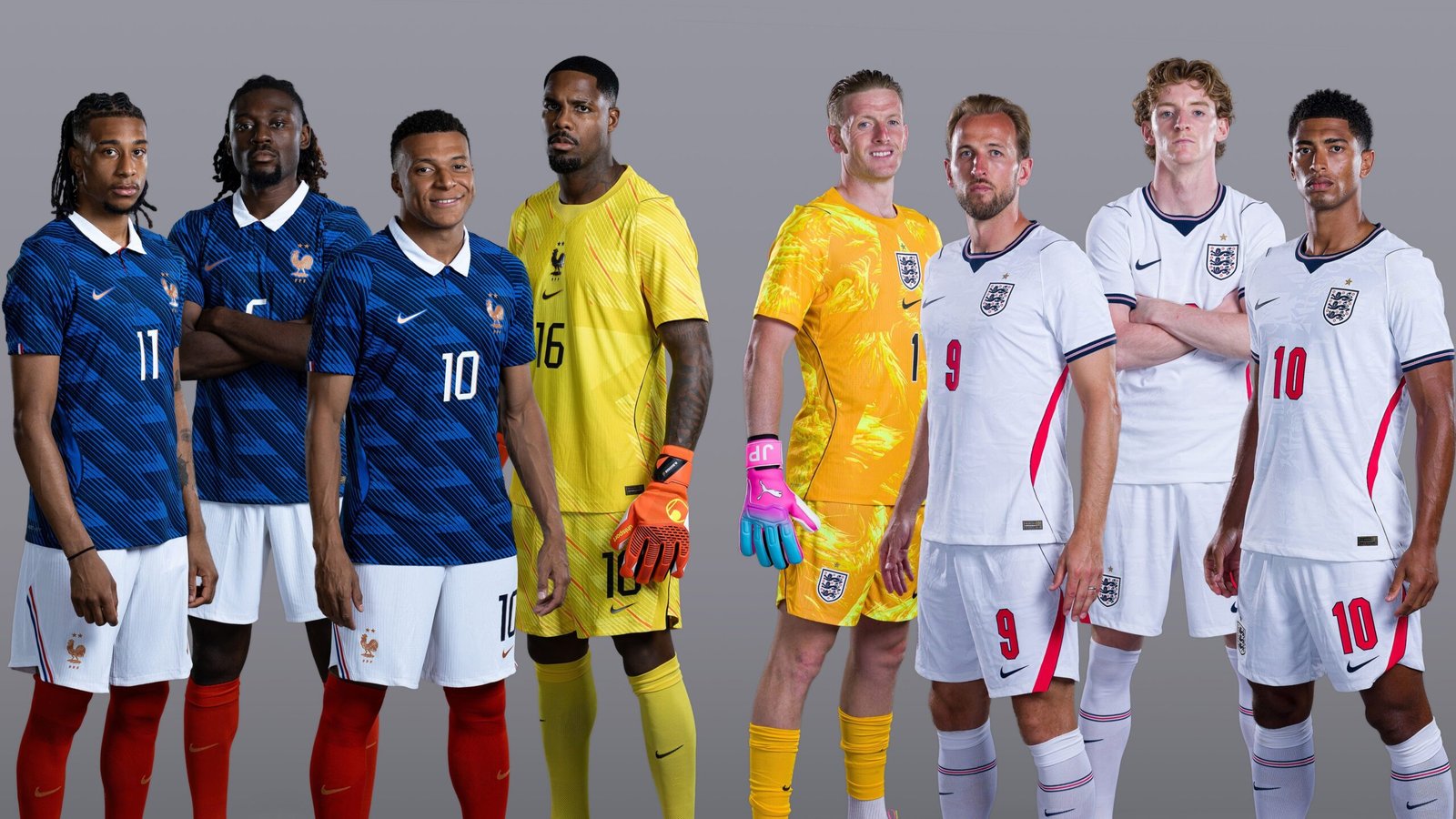
After a month of adrenaline-pumping action, the 2026 FIFA World Cup draws to a close this weekend with two exciting finals. Argentina and Spain will fight for the sport’s ultimate achievement on Sunday, while France take on England in the bronze final today.
There have been debates about whether FIFA should continue its third-place competition, but today we’ll find out whether France or England will take home the bronze. It’s also a chance for France’s Kylian Mbappé, England’s Harry Kane, and Jude Bellingham to still aim for the Golden Boot. Mbappé is tied with Lionel Messi at eight goals, while Kane and Bellingham are just behind with six goals each.
It will be interesting to see if all of them start, as coaches do have a habit of playing rested players for this dead rubber. Whether you’re tuning in to back your team or to see how the Golden Boot race unfolds, here’s how you can watch the France vs. England third-place playoff live using a streaming subscription or for free using a VPN or free trial.
When Is the France vs. England Third-Place Play-Off?
The FIFA World Cup bronze final between France and England kicks off at 5:00 p.m. ET on Saturday, July 18, at Miami Stadium in Miami, Florida.
How to Watch France vs. England Live in the US
You can watch France vs. England live on Fox or Telemundo. If you don’t have cable and you live in the US, you can watch with a sports streaming subscription, such as DirecTV, Fox One, Fubo, Peacock, Sling, YouTube TV, and more. If you don’t have a live TV or streaming service, you may be able to watch the game with a free trial:
How to Watch France vs. England Online for Free
The France vs. England bronze final will air live for free on several streaming platforms across the globe, including:
These platforms are geo-locked to their respective countries, but you can use a virtual private network (VPN) to watch matches for free from the US or elsewhere. For the France vs. England World Cup bronze final, we recommend ExpressVPN, our top pick for location spoofing. ExpressVPN has servers across the globe, making it easy to mask your actual location so you can access region-locked content. Additionally, ExpressVPN is also an official supporter of the 2026 FIFA World Cup.
Editors’ Choice
4.0
Excellent
What Our Ratings Mean
5.0 – Exemplary: Near perfection, ground-breaking
4.5 – Outstanding: Best in class, acts as a benchmark for measuring competitors
4.0 – Excellent: A performance, feature, or value leader in its class, with few shortfalls
3.5 – Good: Does what the product should do, and does so better than many competitors
3.0 – Average: Does what the product should do, and sits in the middle of the pack
2.5 – Fair: We have some reservations, buy with caution
2.0 – Subpar: We do not recommend, buy with extreme caution
1.5 – Poor: Do not buy this product
1.0 – Dismal: Don’t even think about buying this product
Note: If you’re new to BBC, you may be asked to create an account to access iPlayer. Add a UK postal code on the sign-up page to avoid possible disruptions. I tested this earlier this week to make sure it was still working.
Usually, the top VPNs that let you connect to servers in other countries aren’t free. But if you already have a VPN subscription or qualify for a free trial, you may be able to use one to watch the FIFA World Cup third-place play-off between France and England at no additional cost.
France: Road to Third-Place Playoff, Team News
(Credit: Omar Vega/Getty Images)
France were the team to beat at this World Cup and played every game until the semifinal as if they were here to rule. In the semifinal, however, they were outclassed, outrun, and left stunned by a Spanish team that had mastered the art of moving the ball with pace and accuracy.
That said, they have plenty of positives to take from this campaign, especially with regard to their roster’s potential. Kylian Mbappé, their best player, is still just 27 years old. He is second on the all-time World Cup scorers list, has already won the trophy once, and could end up being the greatest World Cup performer ever. Michael Olise, aged 24, is another young player who set the tournament on fire and could serve the country for many years to come. Similar hopes can be rested on several other young talents, such as Bradley Barcola, Aurélien Tchouaméni, William Saliba, Jules Koundé, Désiré Doué, and Manu Koné.
Top Scorer: Kylian Mbappé (8 goals) | Most Assists: Michael Olise (5)
Expected lineup: As mentioned earlier, coaches often rotate their squad for this game, so all regulars may not start. That said, this is also Didier Deschamps’ final game as head coach. He is the only Frenchman to win the World Cup both as a player (1998) and a coach (2018), and he may want to wrap up his national career with yet another meaningful achievement.
If that’s the case, he could play Maignan in goal; Koundé, Upamecano, Lacroix, and Hernández/Digne in defense; Tchouaméni/Kone and Rabiot in defensive midfield; Dembélé, Olise, Doué/Barcola as attacking midfielders; and Mbappé as the lone striker.
England: Road to Third-Place Playoff, Team News
(Credit: MAURICE VAN STEEN / ANP via Getty Images)
England put up some stellar performances throughout the tournament, with Harry Kane and Jude Bellingham in the form of their lives. Against Argentina, though, soccer pundits say that coach Thomas Tuchel made some tactical errors that led to their defeat. England took the lead in the 55th minute with a clinical finish from Anthony Gordon, but Tuchel’s substitutions thereafter focused on guarding their narrow lead instead of increasing it. Argentina then attacked persistently and were rewarded with two goals that clinched a spot in the final.
Looking back at England’s campaign, this felt like one of the few World Cups where it indeed looked like “it’s coming home.” If it wasn’t for the genius of Lionel Messi, they probably would be in the final with Spain.
Group Game 1: Beat Croatia 4-2; Drew Ghana 0-0; Beat Panama 2-0
Round of 32: Beat DR Congo, 2-1
Round of 16: Beat Mexico, 3-2
Quarter-final: Beat Norway, 2-1
Semi-final: Lost to Argentina, 2-1
Top Scorers: Jude Bellingham, Harry Kane (6 goals) | Most Assists: Bukayo Saka, Anthony Gordon (3)
Expected lineup: Tuchel will have the services of Jarell Quansah again, following his two-game suspension for dangerous play against Mexico. If the coach picks Quansah, here’s what the playing XI could look like: Pickford in goal; Quansah, Stones, Guéhi, and Spence in defense; Rice, Anderson, and Bellingham in the midfield; and Rogers, Gordon, and Kane up front.
2026 FIFA World Cup Schedule
The 2026 FIFA World Cup runs from June 11 to July 19 and will be co-hosted by the US, Canada, and Mexico. This year, the tournament has expanded to 48 participating nations for a total of 104 games.
June 11 to June 27: Group stage
June 28 to July 2: The knockout stage begins with the first-ever Round of 32 at a FIFA World Cup. The eventual champion will have to win five consecutive knockout games, instead of the former four.
July 3 to July 7: Round of 16
July 9, 10, 11: Quarterfinals
July 14-15: Semifinals
July 18: Bronze final
July 19: Final
We’ll be following the World Cup through this weekend, so stay tuned for more.
The World Cup Has a Secret AI Command Center
About Our Expert
Experience
Jibin is a tech news writer based out of Ahmedabad, India. Previously, he served as the editor of iGeeksBlog and is a self-proclaimed tech enthusiast who loves breaking down complex information for a broader audience.
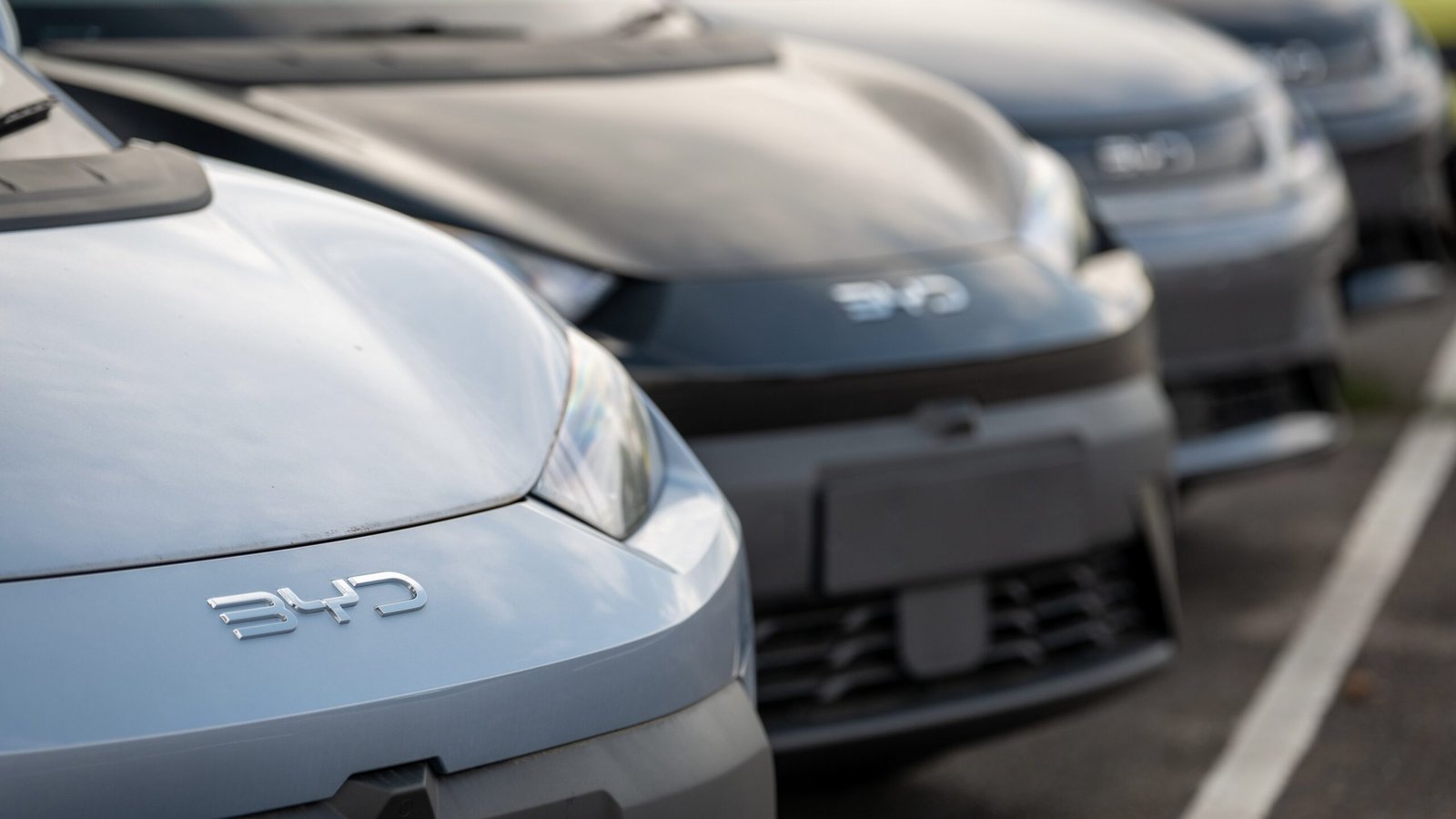
A bipartisan group of legislators is trying to advance a bill that would essentially put square wheels on Chinese cars in the US.
The Connected Vehicle Security Act of 2026 would go miles beyond past moves to make China’s booming auto industry unwelcome in the US and ban the “importation, manufacture, sale, resale, or introduction into interstate commerce” of connected cars made or designed by firms in the PRC as well as Iran, North Korea, or Russia.
Backers of this measure–starting with Sens. Bernie Moreno (R-OH) and Elissa Slotkin (D-MI), who introduced it as S.4429, and Reps. Debbie Dingell (D-MI) and John Moolenaar (R-MI), who then sponsored a companion bill as H.R.8730–invoke the risk of the Chinese Communist Party requiring surveillance through these vehicles and its history of subsidizing its auto industry.
“These cars have enormous amounts of data-collection capabilities,” Moreno said on a panel hosted Monday at the American Enterprise Institute in Washington, moderated by AEI fellow Chris Miller. “Imagine TikTok, but on steroids.”
(Allegations of Chinese surveillance via the social platform now controlled by a US-led group of investors remain unproven; the Supreme Court only held those concerns credible last January when it upheld a law banning app-store and hosting transactions with TikTok.)
Citing scenarios of Beijing directing Chinese carmakers to exfiltrate data from connected cars or take control of them remotely, Moreno called these vehicles “obviously an insane national security threat.”
Sitting alongside Moreno, Moolenaar backed up his risk assessment. “Their national security laws basically require anyone to do the bidding of the CCP,” he said of Chinese carmakers.
A May 15 AEI report noted a report by Norwegian researchers who found that Chinese-made battery-electric buses in use in that country had a component allowing remote shutoff. That conservative think tank highlighted restrictions imposed on Chinese cars by the UK, Israel, Norway, and Poland–for example, barring them from the vicinity of military bases–but did not call for a ban on their import.
An Unyielding Statute
The Connected Vehicle Security Act, like the existing connected-car rule, would allow the Secretary of Commerce to issue waivers to the ban. But at AEI, Moolenaar and Moreno did not suggest that any would be forthcoming as long as China’s current government holds power.
“We hermetically seal our market,” the senator said. “We go way beyond the current connected vehicle rule to go through the entire supply chain.”
Moreno brought up Waymo as one company that would have to comply by parking its new Ojai minivans, based on Geely’s Zeekr model. “We’ve had great conversations with Waymo,” he said. “I think as a result of this bill they’re going to shift gears, hopefully […] to a Detroit-based vehicle.”
Waymo declined to comment on the record, but that Alphabet subsidiary has already emphasized how connected parts in its robotaxis don’t come from or talk back to China.
“The technology that collects data and makes our vehicles autonomous—the software, sensors, and computing systems—is developed in the US,” spokesperson Sandy Karp told PCMag contributor Rakesh Agrawal as part of an Ojai test drive in San Francisco last month. “Waymo installs the autonomous driving technology on stripped-down, disconnected OEM-provided vehicles in our Arizona manufacturing facility.”
The seal that Moreno described would meet land borders with Canada and Mexico, since the statute uses a legal definition of “import” that includes “any bringing in” of a product. The senator said a driver rolling up to a US border crossing in a Chinese vehicle would meet a U-turn sign: “They’ll have to buy another car, because their car will not be allowed in the United States of America.”
A separate bill, the Protecting America from Chinese Cars Act introduced by Slotkin and Rep. Haley Stevens (D-MI), would make that no-crossings rule explicit, but it has yet to draw more sponsors.
Cooling Towards China
Chinese vehicles are off to a fast start in Mexico, with estimates putting the share of PRC-manufactured vehicles in 2025 at 15% to 19% of the total market. But those imports have since plunged after Mexico imposed a 50% tariff starting in January.
In Canada, meanwhile, Prime Minister Mark Carney has responded to US unfriendliness–including tariffs on its exports and repeated threats of annexation by President Trump–by inking new deals with China that include allowing the import of 49,000 Chinese EVs at a 6.1% tariff.
Moreno called Canada’s slight opening of its EV market a “totally crazy move” but did not mention the things Trump has done to earn Canadian ire.
Canada had begun charging a 100% tariff on Chinese vehicles in 2024, matching President Biden’s imposition of the same rate earlier that year. Governments have usually cited China’s auto subsidies as the reason for these taxes, and Moolenaar and Moreno agreed that they represent unfair competition. “They’ll use trade practices to drive our businesses out of business,” the congressman said.
In Europe, the continued growth of Chinese EVs has recently led to calls for higher tariffs for the same reason.
Moreno, however, suggested that China’s success in EVs was part of a plot to make American expertise in building internal combustion engines irrelevant: “They pulled off the greatest scam on Earth.”
A 2023 report by Mozilla flunked all 25 car brands evaluated on privacy standards, and a 2024 investigation by researchers for Sens. Ron Wyden (D-OR) and Ed Markey (D-MA) found weak data-protection practices across the industry, including at American automakers.
Neither lawmaker at AEI mentioned this, so I asked if they had plans to address those anxieties.
“We should have guardrails to make sure we’re protecting people’s privacy,” Moolenaar said. “But there’s a huge difference between the American government and the Chinese government.”
Moreno decried defaults that require a customer to “go through 17 different screens” to opt out of having their data circulated. “It should be no unless I actually say yes,” he said. “Let the person choose.”
Rob Pegoraro writes about interesting problems and possibilities in computers, gadgets, apps, services, telecom, and other things that beep or blink. He’s covered such developments as the evolution of the cell phone from 1G to 5G, the fall and rise of Apple, Google’s growth from obscure Yahoo rival to verb status, and the transformation of social media from CompuServe forums to Facebook’s billions of users. Pegoraro has met most of the founders of the internet and once received a single-word email reply from Steve Jobs.
TL;DR: New users can lock in one year of Rosetta Stone Sapphire—access to all 25 languages—for $127.20 (MSRP $159).
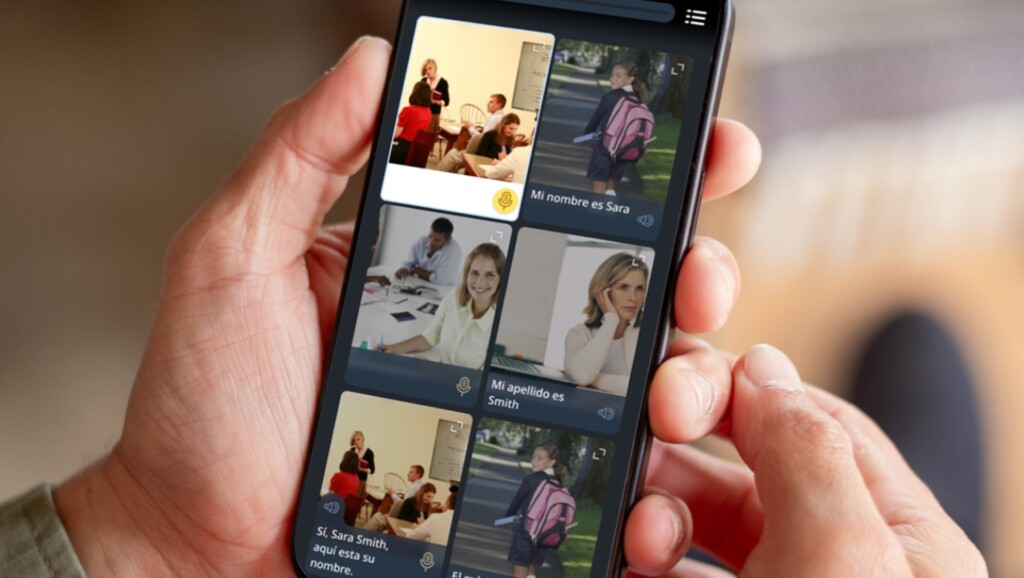
Rosetta Stone recently launched its new Sapphire platform, and a one-year subscription is 20% off right now. New users can explore languages such as Spanish, French, Italian, German, Japanese, Korean, Arabic, and Mandarin through immersion learning rather than drills and flashcards.
Their Dynamic Immersion® method teaches languages the way people naturally learn them: through context, repetition, listening, reading, and speaking. It’s designed so students build the confidence to actually use a language in real-world situations, not just recognize it on a menu or in passing.
Rosetta Stone also supports learning with TruAccent™ speech recognition technology, which analyzes pronunciation and provides feedback as you practice speaking. Interactive Chat Missions simulate real-life conversations, while personalized Sapphire Studio activities allow learners to focus on topics that matter most to them.
With lessons available across desktop, mobile, and tablet devices, users can learn whenever it fits their schedule. Rosetta Stone’s structured system helps learners move beyond memorization toward genuine communication.
Prices subject to change. PCMag editors select and review products independently. If you buy through StackSocial affiliate links, we may earn commissions, which help support our testing.
About Our Expert
StackCommerce Team (Sponsored)
Experience
Products featured in these stories are selected by our partners at StackCommerce. If you buy something through links on our site, PCMag may earn an affiliate commission.
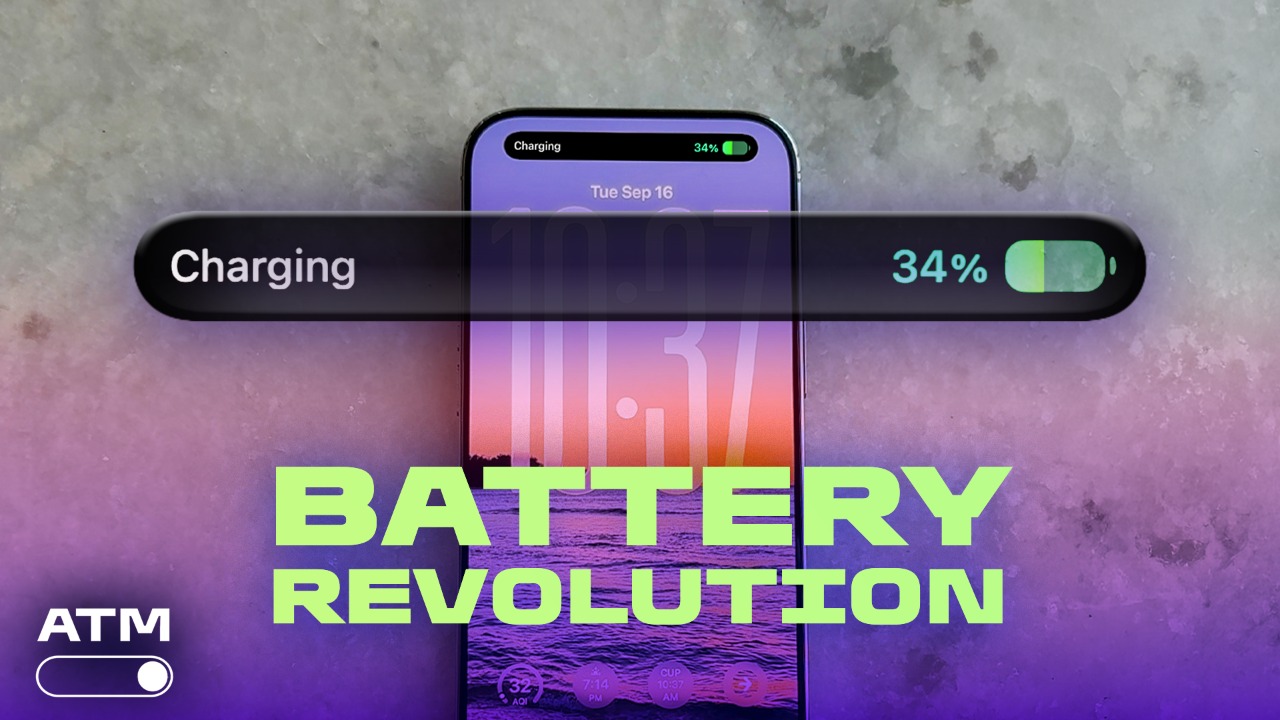
As long as we’ve had smartphones, we’ve wanted to charge them faster. Each year, the newest phones come out with incredible advancements in fast charging technology. While a 30W charger used to feel incredibly fast, it’s now a pretty standard charging speed, replaced by blistering figures over 100W in the fastest phones. A few years back, Realme debuted a 150W phone capable of charging to 50% in just five minutes. The iPhone 17 Pro Max’s 40W charger can reach a 50% charge in 20 minutes.
But as phone makers experiment with faster charging, concerns about overheating and battery degradation have risen. Is the device in my pocket just one fast charge away from exploding? In short: probably not, but there are still a few things to know.
Why Phone Batteries Lose Charge Capacity Over Time
Ever wonder how a phone actually charges? Lithium-ion batteries (the type used in iPhone and Android devices) have two layers—lithium cobalt oxide and graphite. When lithium ions move from the graphite layer to the lithium cobalt layer through an electrolyte solution, electrons get released. When you charge the battery, the ions move back in the other direction and are stored to be released later.
Your Phone’s Battery Sucks. Here’s How to Fix It
That release of energy creates the heat you may feel radiating from the back of your phone after a long charging session or heavy use. And, yes, that heat can damage the battery in the long term. However, I need to stress that li-ion batteries have become smaller and more efficient over the years. They can handle more charge cycles—going from depleted, to full, and back down again—before they begin to lose their charge capacity.
For a visual breakdown, I think the below video from tech YouTube channel Branch Education offers a helpful representation.
As your smartphone goes through charge cycle after charge cycle, it degrades naturally. This is unavoidable. Over time, the salts in the electrolyte solution within the battery can crystallize, forming solids that block the transmission of ions through the solution. If fewer ions get through, fewer electrons are released, and the battery can’t provide as much power as it did when it was new.
Additionally, if you put more power into the battery than it’s designed to accept, it can disrupt the delicate balance inside a Li-ion cell. This can remove too many lithium ions from the battery’s internal structure. And once that lithium’s gone, you can’t really put it back.
These processes can happen more quickly if your phone is exposed to excessive heat, such as when you draw a lot of power from the battery at once with a fast charger. However, it’s worth noting that the same thing can happen just by leaving your phone in a car on a hot summer day.
(Credit: Samsung)
How Phones Mitigate Battery Damage
In the early days of fast charging, batteries got very hot when charging quickly. Phones weren’t built to vent excess heat from the battery effectively, so they were more prone to overheating. But guess what? Current phones are now much better at ventilation and don’t have this issue. For instance, phones now have heat shields, thermal layers, and even cooling pipes to move heat away from the battery. I’ve even seen some gaming phones with cooling fans.
Apple’s iPhone has battery optimization settings (Credit: Apple)
Plus, phones are now built with features that manage the flow of power going to the battery during a charge. Your phone will stop taking in power once the battery is full, even if it remains plugged in, which is why I’m not worried about my phone bursting into flames when I charge it overnight.
Adaptive charging features also help optimize things by “learning” your behavior so the phone holds off on charging to 100% until closer to when you actually need it. Multi-stage charging means more power is directed into the battery at first, but trickles off as it approaches 100%, so you’re not getting 80W of power the entire time.
Manufacturers are also always developing new charging protocols and battery designs to help get more juice to phone batteries in less time. In recent years, Apple has added a collection of battery performance settings and Google introduced a Battery Health Assistant to its line of Pixel phones that can automatically adjust voltage and charging speeds. More advanced batteries, cables, and power supplies will help manage heat and cut down on any adverse effects, too. So, really, don’t worry about using fast charging.
Older phones have fewer options, but if you have an iPhone 15 or later running iOS 17.4, I recommend checking Cycle Count, which can help you track how heavily the battery’s capacity has been used up. On iOS 26, you also get a redesigned Battery Settings page with improved battery usage statistics and a new feature to extend battery life.
Android users have fewer options. To see cycle counts, open Settings > About phone > Battery information on Google’s Pixel 8a and later. Samsung users will need the Samsung Members app to see cycle counts and other battery health information. If your device isn’t compatible, I recommend using one of several third-party diagnostic apps to find the information you need.
(Credit: Apple)
Should You Use Fast Charging?
So, is fast charging really that bad for your phone? Well, yes and no. It can be hard on your battery, especially if it runs for a long time at high power. But modern phones are now designed with battery charging management features to make serious damage far less likely. But keep in mind that, as YouTuber Marques Brownlee points out, a lot of these advancements are still too new to know whether they work the way they should in the long term.
Right now, I’m comfortable knowing my phone has features that are supposed to help keep it running as intended. However, I’ll admit that we do ultimately need more data to answer the question definitively, and not just take the manufacturer’s word for it. For now, if you take care of the battery (and follow our advice), this degradation will happen more slowly. Just remember this happens to all Li-ion batteries eventually, no matter what you do, so don’t beat yourself up too much over it.
About Our Expert
Experience
John is a writer/photographer currently based in Houston, Texas. He’s written on everything from politics to crypto wallets and worked as a photojournalist covering notable events like the Astros Victory Parade and the Day for Night Music Festival. Current hobbies include learning to shoot 35mm film, building Spotify playlists, and working his way through that menacing TBR stack on the nightstand.
Paying for Microsoft 365 every month is unnecessary. Microsoft Office 2024 Professional Plus offers a stupidly cheap route with a one-time purchase, installed directly on your PC, for less than $60.
Office 2024 Includes
Word, Excel, PowerPoint, Outlook, OneNote, and Access on one Windows 10 or 11 PC
A refined dark mode and a cleaner, more modern interface
Stronger security and compliance tools compared with older versions
Built for Reliability
Runs fully offline once activated, no internet connection needed to open a document or build a spreadsheet
Saves in standard Office formats (.docx, .xlsx, .pptx), so files open cleanly whether you share them with someone on Microsoft 365 or an older copy of Office
Installs locally, so there are no recurring payments, renewal reminders, or surprise price hikes down the line
The license key and download link arrive by email right after checkout
License ties to your device rather than a Microsoft account, so there’s no ongoing sign-in required just to keep using it
For anyone still deciding between renting Office each year and owning it outright, this is as low as the newest version gets.
Prices subject to change. PCMag editors select and review products independently. If you buy through StackSocial affiliate links, we may earn commissions, which help support our testing.
About Our Expert
StackCommerce Team (Sponsored)
Experience
Products featured in these stories are selected by our partners at StackCommerce. If you buy something through links on our site, PCMag may earn an affiliate commission.
Apple Music has hiked its subscription fee for the first time since late 2022, while the Apple One bundle is also getting more expensive.
In the US, Apple Music’s Individual plan jumped to $11.99 per month from $10.99. Apple Music’s Family plan also rose from $16.99 to $19.99, while its Student price increased from $5.99 to $6.99. In a statement to Music Business Worldwide, Apple chalked up the changes to “rising licensing costs.”
An individual subscription to Apple One, which grants you access Apple Music, Apple TV, Apple Arcade, and 50GB of storage on iCloud+, will remain unchanged at $19.95. But a Family plan will now cost you $27.95, up from $25.95, and a Premier plan will now cost you $39.95, up from $37.95. This is the bundle’s first price hike since October 2023.
Apple also announced similar price rises in the UK and the EU, and it’s expected they will soon apply to other regions as well.
But Apple isn’t the only music streaming giant making price hikes, though it still edges out its closest rival Spotify on price. In February, Spotify raised its Premium plan from $11.99 to $12.99 per month, just one dollar more than Apple Music, and its Student plan moved from $5.99 to $6.99.
Spotify’s Duo and Family plans also saw $2 price hikes. Its Duo plan now costs $18.99 per month, up from $16.99, while its Family plan now costs $21.99 per month, up from $19.99.
YouTube Music’s Individual plan now sits neck and neck with Apple’s offering from a cost perspective. In April, YouTube Music’s individual plan increased from $10.99 to $11.99 per month, and the family plan rose from $16.99 to $18.99 per month.
“Streamflation” remains a serious issue for consumers, prices for streaming services of all kinds are rising faster than the rest of the US economy. Streaming service inflation was 20% in December 2025 according to data from the Bureau of Labor Statistics, higher than any other category, rising over five times faster than essentials like food and utilities. Almost every major streaming service has announced price increases over the past year including Netflix, HBO Max, Prime Video and Disney+.
About Our Expert
Experience
I’m a reporter covering weekend news. Before joining PCMag in 2024, I picked up bylines in BBC News, The Guardian, The Times of London, The Daily Beast, Vice, Slate, Fast Company, The Evening Standard, The i, TechRadar, and Decrypt Media.
I’ve been a PC gamer since you had to install games from multiple CD-ROMs by hand. As a reporter, I’m passionate about the intersection of tech and human lives. I’ve covered everything from crypto scandals to the art world, as well as conspiracy theories, UK politics, and Russia and foreign affairs.