Netflix is offering global cinephiles a deeper dive into the work of Korean master Lee Chang-dong as it ramps up the awards-season rollout of his acclaimed new drama Possible Love.
Fresh off Possible Love’s Silver Lion Grand Jury Prize win at the Venice Film Festival over the weekend, the streamer said Monday that it is expanding the availability of all six of Lee’s previous features across various international markets. The rollout includes Green Fish (1997), Peppermint Candy (1999), Oasis (2002), Secret Sunshine (2007), Poetry (2010) and Burning (2018), although availability and timing vary by country.
Green Fish and Secret Sunshine began streaming in late August in Italy, the U.K., France, Australia and New Zealand, while Peppermint Candy and Oasis launched on Netflix in Italy and Spain on Sept. 4. Poetry and Burning are slated to become available on the service in markets including the U.S., Canada, Japan, Australia and New Zealand. Netflix says the films will be offered with subtitles in as many as six languages, depending on the territory.
Taken together, the films represent one of Korean cinema’s most beloved bodies of work. Lee made his feature debut with Green Fish in 1997, followed by Peppermint Candy, which screened in Directors’ Fortnight at Cannes in 2000. Oasis earned Lee the Silver Lion for best director at Venice in 2002, with star Moon So-ri receiving the festival’s Marcello Mastroianni Award. Jeon Do-yeon later won best actress at Cannes for Lee’s Secret Sunshine in 2007, and Poetry took Cannes’ best screenplay prize in 2010. And Lee’s most recent feature, Burning, competed for the Palme d’Or in 2018 and landed on many critics’ best-of lists that year.
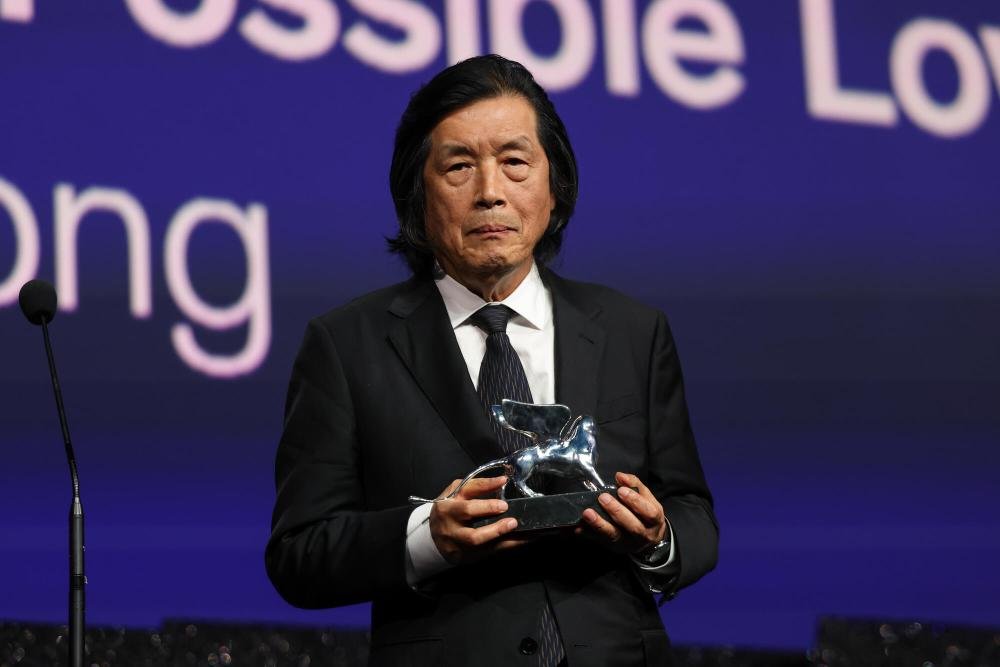
Possible Love premiered to widespread acclaim in Venice before taking the festival’s Silver Lion Grand Jury Prize Saturday. The win marked the first time a South Korean film has received the honor and the first prize for a Korean film at Venice since Kim Ki-duk’s Pieta won the Golden Lion in 2012.
(From L) Director Lee Chang-Dong, actors Sul Kyung-gu, Jeon Do-yeon, Cho Yeo-Jeong and Zo In-Sung on the red carpet at the Venice screening of ‘Possible Love’.
Stefano Rellandini / AFP via Getty Images
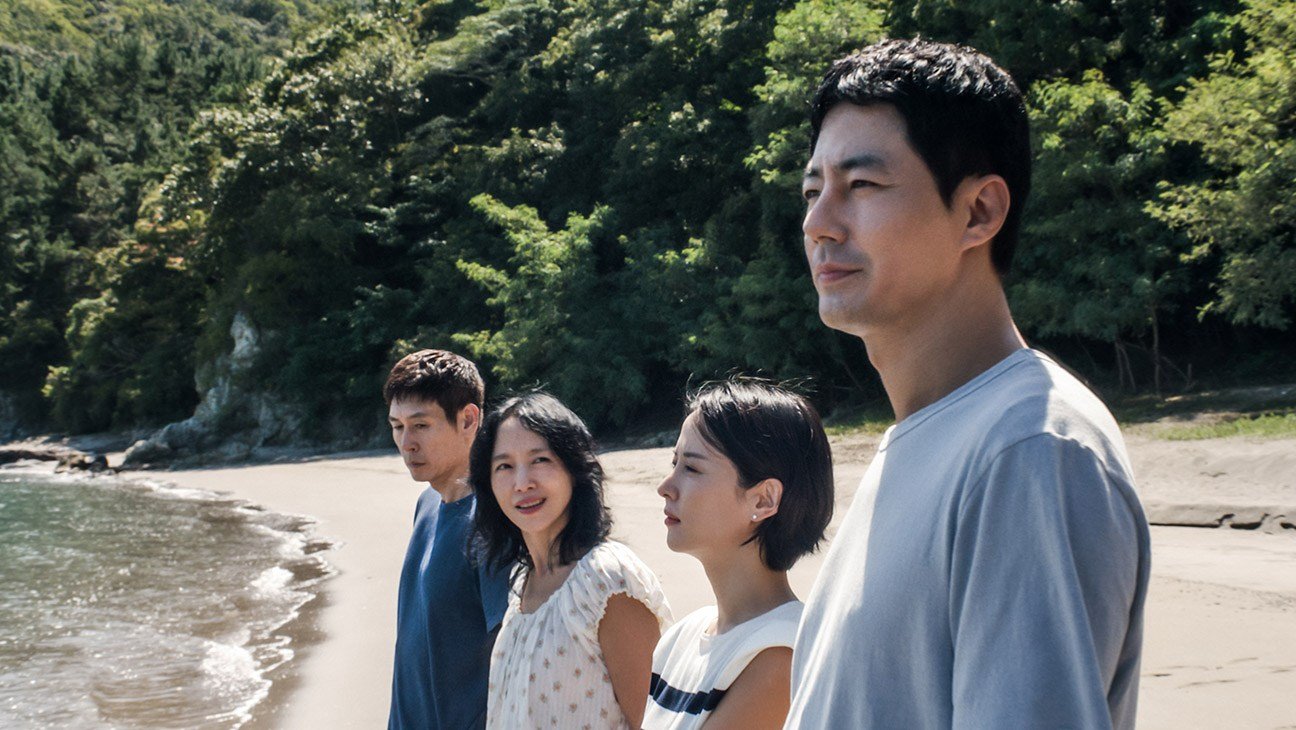
The searing drama reunites Lee with two of his most celebrated early collaborators: Jeon, the Cannes best actress winner from Secret Sunshine, and Sul Kyung-gu, who starred in Peppermint Candy and Oasis. They are joined by rising leading man Zo In-sung and Parasite co-star Cho Yeo-jeong.
Possible Love follows two married couples from opposite ends of Korea’s class divide whose lives become unexpectedly intertwined. Blue-collar Ho-seok (Sul), a man traumatized by losing his factory job after a workers’ strike, lives a quiet life with his determinedly optimistic wife, Mi-ok (Jeon). A chance encounter brings them into contact with Ye-ji (Cho), a documentary filmmaker working on a project about displaced laborers, and her affluent husband, Sang-woo (Zo). The two wives soon strike up a tentative friendship as Ye-ji expresses interest in telling Ho-seok’s story — but the group dynamic grows increasingly complicated by their extreme class differences and subtly conflicting desires.
South Korea selected Possible Love as its submission for the best international feature Oscar, and Netflix is positioning the film as one of its major awards contenders of the season.
The film opens theatrically in South Korea on Sept. 23, followed by Australia and New Zealand on Oct. 22 and the U.K., Japan, U.S. and Canada on Oct. 23. It will launch globally on Netflix on Nov. 6.
CA7RIEL & Paco Amoroso are on their Free Spirits World Tour until November, but they’ll be hitting the state again in 2027 for one of the biggest milestones of their career. On Thursday, Harry Styles dropped the dates for his Together, Together 2027 tour, and fans quickly noticed the Argentine duo’s name.
CA7RIEL and Paco Amoroso are one of the most unique acts in music right now
Styles will be in six cities on the North American leg of the global stadium tour before heading to Europe. CA7RIEL & Paco Amoroso will be joining them on April 9 and April 10 for their shows in Dallas, Texas, at AT&T Stadium.
The duo met in first grade after sitting next to eachother by chance
The duo, often mistaken for brothers due to their shared surname, consists of Catriel Guerreiro (aka Ca7riel) and Ulises Guerriero (aka Paco Amoroso). They met way back in primary school when they were six.
Catriel said in an interview with Arte that they sat next to each other. “It was first grade. Just one of those f***ing coincidences in life; we ended up sitting next to each other,” he explained.
Since the beginning, people thought they were siblings, and they started trolling together immediately. “The teacher was taking attendance and said, ‘Okay, Ulises Guerriero?’ He raised his hand. ‘Catriel Guerreiro.’ I raised my hand. “Oh, are you brothers?” she asked. And we said yes,” he said.
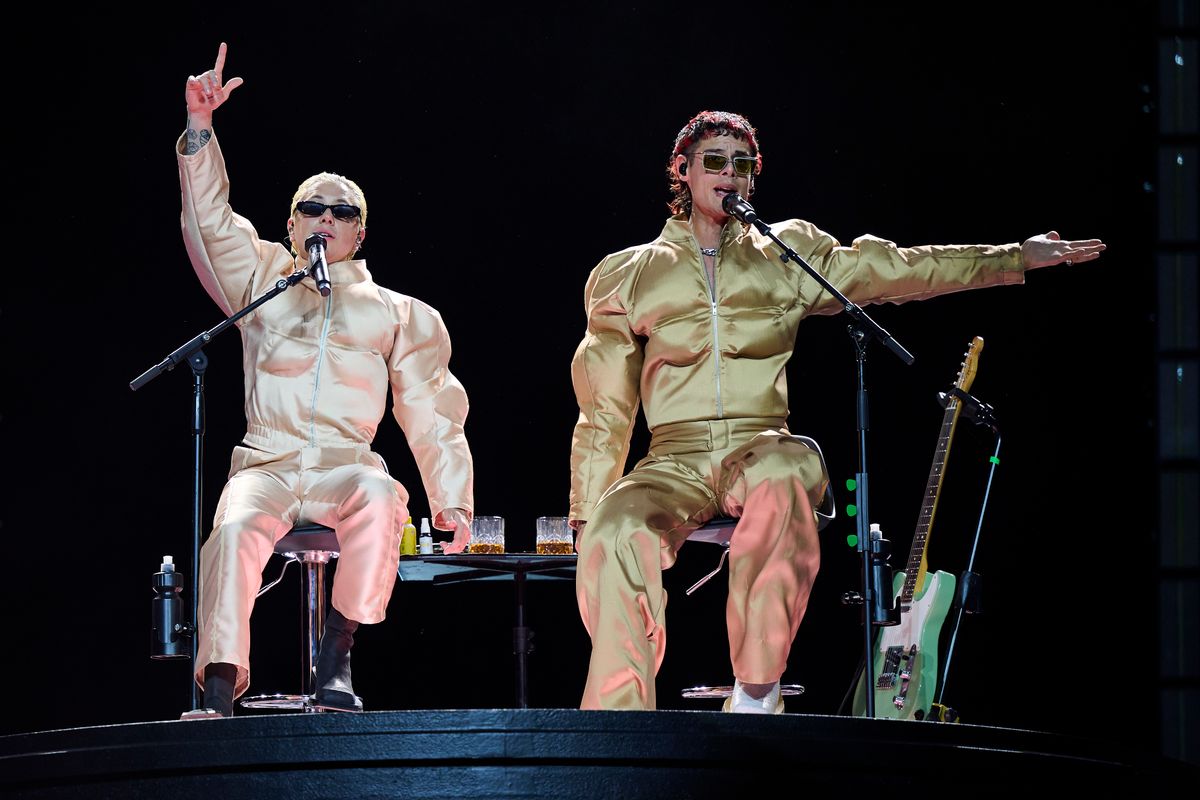
CA7RIEL & Paco Amoroso performs on stage at Movistar Arena on May 28, 2025 in Madrid, Spain
They sat in music workshops together, one strumming guitar, the other violin, eventually forming a rock band called Astor y las Flores de Marte in 2010. They officially became a duo in 2018, shifting into the experimental-trap/funk/hip-hop/pop world, and are among the first wave of Urban musicians in Argentina.
Now, they’ve practically become blood. “We’re not brothers, but we’re basically brothers,” Catriel told Arte.
They dropped their debut studio album, Baño María, in April 2024. But everything changed when they lit up the international scene with their viral Tiny Desk session, released on October 4, 2024, which has garnered over 55 million views at the time of this publication.
Riding the wave of success, they went on tour, opened for Kendrick Lamar, and have played at the world’s biggest music festivals, venues, and stadiums.
The artists won 5 Latin GRAMMYS
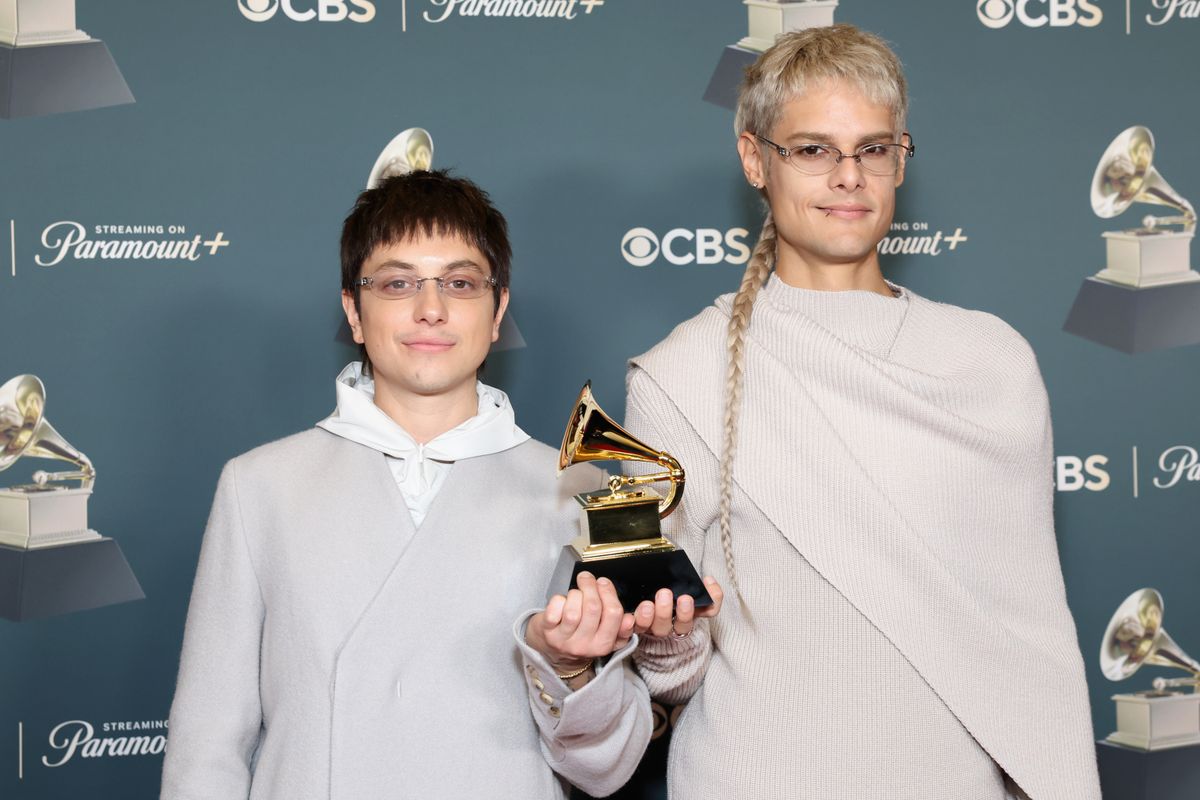
In 2025, they were the stars of the show at the Latin GRAMMYS. Tied with Mexican legend Edgar Barrera for the second most nominations after Bad Bunny, they won 5 awards at the Latin GRAMMY Premiere Ceremony: Best Alternative Song, Best Long Form Music Video, Best Alternative Music Album, Best Short Form Music Video, and Best Pop Song. They also made out.
The expansion will let viewers everywhere explore titles including “Secret Sunshine” and “Peppermint Candy.”
“Possible Love,” Lee’s first film in eight years, opens in South Korean theaters Sept. 23, followed by Australia and New Zealand on Oct. 22 and the U.K., Japan, the U.S. and Canada on Oct. 23. The film will premiere globally on Netflix on Nov. 6.
Netflix has also been adding earlier Lee titles to its library in additional countries alongside the new release. “Green Fish” and “Secret Sunshine” began streaming in late August in Italy, the U.K., France, Australia and New Zealand. “Peppermint Candy” and “Oasis” joined the platform in Italy and Spain on Sept. 4. “Poetry” and “Burning” are also planned for release in markets including Japan, the U.S., Canada, Australia and New Zealand.
Rollout timing differs by market, and some territories will get the films with subtitle options covering as many as six languages, Korean among them.
Lee debuted as a director with “Green Fish” in 1997, going on to build a filmography that also includes “Peppermint Candy,” “Oasis,” “Secret Sunshine,” “Poetry” and “Burning.” His work has drawn top honors on the festival circuit: “Oasis” earned him a directing prize at Venice in 2002, and “Poetry” took the screenplay award at Cannes in 2010. Lee’s newest distinction came at the Toronto Film Festival‘s 51st edition, where he became the first Korean filmmaker to receive its Ebert Director Award.
“Possible Love” centers on two couples: one formed by a man who has lost his job and his wife, the other by a woman who directs documentaries and her husband. Their lives intersect during the making of a documentary, drawing out desires and struggles each had kept hidden. The film stars Jeon Do-yeon, Sul Kyung-gu, Zo In-sung and Cho Yeo-jeong, and is South Korea’s submission for the best international feature film category at the 99th Academy Awards.
The 31st Busan International Film Festival (BIFF) has unveiled the lineup and schedule for three of its fan-facing programs: Open Talk, Outdoor Stage Greeting and Talk-to-Talk. Held at the Busan Cinema Center Roof Theater and the HANMAC Smooooth Lounge, the sessions give audiences a chance to meet directors and cast members from a wide range of Korean and international selections.
Open Talk opens Oct. 7 with director Lee Chang-dong and stars Jeon Do-yeon, Sul Kyung-gu, Zo In-sung and Cho Yeo-jeong for “Possible Love,” followed by “Cattle Run,” bringing director Kim Ji-hyun together with Ryu Seung-ryong, Park Hae-jun, Ong Seong-wu and Lee Sang-hee, and “The Table: Day and Night,” pairing director Kim Jong-kwan with Kim Min-ha, Joo Jong-hyuk, Han Sun-hwa, Shim Eun-kyung, Jeon So-young and Kim Dong-hwi.
On Oct. 8, “Sapiens” brings out director Lee Hu-bin with Jung Sung-il, You Chea-myung and Ryu Hyunkyung, while “Dead-End Job” pairs director Kim Da-min with Kim Min-ha and Choi Hyun-wook. Oct. 9 sessions include “The Blue Road,” with director Han Jun-hee alongside Son Sukku, Nagayama Eita and Kim Shin-rok; “Ugly Duckling Ms. Maeng,” with director Lee Yong-jae and stars Lee Sun-bin, You Chea-myung, Jun Suk-ho and Kim Young-min; and “The Sorry Generation,” with director Kim Sung-yoon and actors Jung Jae-young, Kim Joo-ryoung, Lee Yi-kyung and Kim Ah-young.
A “BIFF Discoveries: Rising New Talents” session on Oct. 10 features Jeon So-young and Kim Dong-hwi from “The Table: Day and Night” alongside Sim Su-bin, who appears in both “The Birds” and “The World Before.” The program closes Oct. 13 with Isabelle Huppert and director Marc Fitoussi discussing their collaboration on “All About Corinne.”
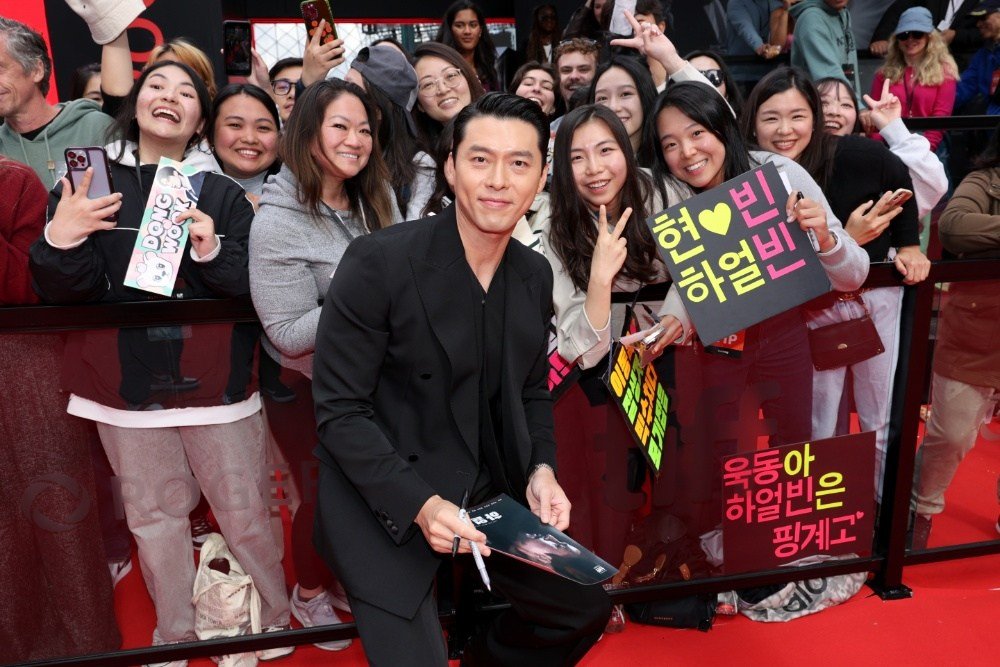
Outdoor Stage Greeting runs Oct. 7 through Oct. 11 and covers dozens of titles. On Oct. 7, director Stephanie Ahn appears with Moon Choi and Son Sukku for “Bedford Park”; director Fujii Michihito and actor Yokohama Ryusei present “You, Like a Star”; director Sato Sakichi brings Sawajiri Erika and Maruyama Ryuhei for “The Chain of Roses”; director Hur Jin-ho appears with Yoo Hai-jin, Park Hae-il and Lee Min-ho for “The Assassin(s)”; director Feng-I Fiona Roan brings Shuhua Yeh, Xuan Chen and Kent Tsai for “Happily Ever After”; director Woo Min-ho appears with Hyun Bin, Jung Woo-sung and Woo Do-hwan for “Made In Korea” Season 2; and director Kore-eda Hirokazu presents “Look Back” with Deguchi Natsuki, Makita Aju, Nanase Furi and Okada Rokka.
Oct. 8 brings director July Jung with Kim Doyeon and Choi Wonyoung for “Dora”; director Kim Joung-hoon with Kim Jae-won, Cho Yi-hyun, Kang You-seok and Bae Gang-hee for “Final Interview”; a second “BIFF Discoveries” session featuring Kim Doyeon from “Dora”; director Hong Sung-min with Jung Sung-il and Park Ji-hyun for “Sinner”; director Song Il-gon with Kim Hye-ja, Park Seo-kyung, Choi Ju-eun, Moon Seong-hyun and Lee Seyoung for “Still Shining”; director Kamila Andini and producer Ifa Isfansyah with Putri Marino, Christine Hakim and Arya Saloka for “Four Seasons in Java”; director Takemura Kentaro with Michieda Shunsuke and Anzai Seira for “In the Clear Moonlit Dusk”; and actors Michelle Mao and Jin Ha for “zi.”
Oct. 9 features director Yeon Sang-ho with Kim Hyun-joo for “Paradise Lost”; director Wang I-fan with Fukushi Sota and Han Ning for “The Scar-Faced Cat: Way of Asura”; and director Yoon Dan-bi with Sim Su-bin and Kim Eo-jin for “The World Before.” Oct. 10 brings actors Shin Mina, Ju Jihoon, Lee Jongsuk and Lee Seyoung for “The Remarried Empress,” plus Kwon Haehyo and Park Miso for “Nowhere to Lay My Eyes.”
The section wraps Oct. 11 with an “Italy’s Fearsome New Directors” session pairing “Föa – Once Upon a Future” director Margherita Ferrari and producer Raffaele Perillo with “Deep Blue” director Ernesto Maria Censori, actor Andrea Arcangeli, producer Giorgio Gucci, screenwriter Lorenzo Marinelli and editor Chicchi Tadeucci; “Inherit,” with director Banjong Pisanthanakun and actors Davika Hoorne and Thitiya Jirapornsilp; and a joint stage greeting for Flash Forward section directors Rhys Marc Jones, Jannis Lenz, Fernanda Tovar, Jacqueline Lentzou, Emmanuel Marre, Manuel Wetscher, Margherita Ferrari, Grzegorz Dębowski and Manuela Martelli.
Talk-to-Talk splits between the Roof Theater and the HANMAC Smooooth Lounge. At the Roof Theater on Oct. 10, “Women Directors: Taking the Scene” gathers Margherita Ferrari, Marjan Khosravi, May El-Youkhy, Michelle Zhou, Zainab Entezar, Jacqueline Lentzou and Julie Lecoustre. At the HANMAC Smooooth Lounge, Majid Majidi discusses his career from “Children of Heaven” to “Midday Meal” on Oct. 9, followed by four “Vision Korea” panels on Oct. 10 and Oct. 11 connecting directors and actors from “Things I Left at the Theater,” “Not for You” and “The Flower”; “Earbug,” “Some Detective” and “Nothing Has Happened Yet”; “The Birds,” “Space” and “Cosmic Trace”; and “Baler,” “Beyond Love’s Horizon” and “Full Moon.”
A session titled “Asian Cinema Through Global Eyes” brings together Martine Therouanne of the Vesoul International Festival of Asian Cinema, Sabrina Baracetti of the Udine Far East Film Festival, Jeon Hyejung of the London East Asia Film Festival, Samuel Jamier of the New York Asian Film Festival and Teruoka Sozo of the Osaka Asian Film Festival. Directors Marco Nguyen and Nicolas Athané appear for “The Hottest Virus of the Year, ‘Jim Queen,’” and the program closes Oct. 13 with Kim Ah-young and Kim Seulki discussing their move from “SNL Korea” to film.
The 31st Busan International Film Festival will run Oct. 6-15 at the Busan Cinema Center and venues throughout Busan, with the 21st Asian Contents & Film Market held Oct. 10-13.
In September 1992, musician Eric Clapton invited 16-year-old Sarah Mitchell, who was deaf, onstage at a concert in Birmingham, England, and performed for her.
Rating:
In September 2026, social media users recirculated a story alleging that musician Eric Clapton once interrupted a concert for a deaf teenage fan.
One Facebook post with the story read, “Eric Clapton was lost inside a guitar solo when something in the crowd pulled him out of the music,” directing readers to an article that started:
Eric Clapton Stopped Mid-Song for a Deaf Girl Who Could Feel His Music
Eric Clapton was lost inside a guitar solo when something in the crowd pulled him out of the music.
Twelve thousand people filled the National Exhibition Centre in Birmingham. They were standing, shouting, clapping, moving as one body under the lights. The noise was overwhelming. The energy was electric.
And in the middle of it all, one teenage girl sat completely still.
It was September 23, 1992. Clapton was deep into his Journeyman tour, riding the momentum of sold-out arenas and roaring applause. He had already played through fan favorites, the band locked in, the night unfolding exactly as expected.
Except for her.
Third row. Center section. A young girl who wasn’t clapping. Wasn’t swaying. Wasn’t reacting at all.
Her name was Sarah Mitchell. She was sixteen years old. And she was profoundly deaf.
Born without hearing, Sarah had never experienced music the way most people did. She had never heard a guitar string vibrate through air. Never heard applause. Never heard her own voice.
(Facebook user Youness ER)
The article further claimed that during a show in Birmingham, England, on Sept. 23, 1992, Clapton stopped midsong and brought a “profoundly deaf” 16-year-old named Sarah Mitchell onto the stage. Clapton supposedly positioned an amplifier behind her chair so she could feel the music’s vibrations and then played a song for her as the arena fell silent.
Over the months, the story spread on numerous social media platforms, including X, LinkedIn and YouTube. Some posts featured links leading to articles on advertisement-filled websites.
Snopes readers also searched our website for information about whether the claim was true.
However, the story about Clapton amounted to fiction. Searches of Bing, DuckDuckGo, and Yahoo found no credible media outlets reporting about such an event, and several key details in the story conflicted with well-documented information about Clapton’s tours and Birmingham performances in 1992.
The fabricated story resembled glurge, which Dictionary.com defines as “stories, often sent by email, that are supposed to be true and uplifting, but which are often fabricated and sentimental.” It was one of hundreds of similarly fake stories about celebrities on Facebook that aim to generate views and advertising revenue via websites linked in posts.
Timeline doesn’t match tour records
The story placed the alleged moment on Sept. 23, 1992, at the National Exhibition Centre in Birmingham. However, Clapton’s official timeline shows the Journeyman World Tour opened at the NEC on Jan. 14, 1990 — not September 1992 — and ran for three consecutive nights. Fan-compiled tour listings corroborated the dates and location. Moreover, the posts framed the alleged moment as part of Clapton’s Journeyman tour, which ended in March 1991 and did not extend into September 1992.
Clapton did play in Birmingham in early February 1992, but those shows were at the National Indoor Arena, not the NEC. He later returned to the NEC for a series of benefit concerts in October 1992— dates that don’t match the rumored Sept. 23 appearance.
The story also isn’t mentioned in “Eric Clapton: The Autobiography,” first published in the United Kingdom in 2007. Because the book covers key moments from Clapton’s career and touring life, the encounter described in the social media posts would likely have been included if it had actually happened.
AI-generated content helped spread story
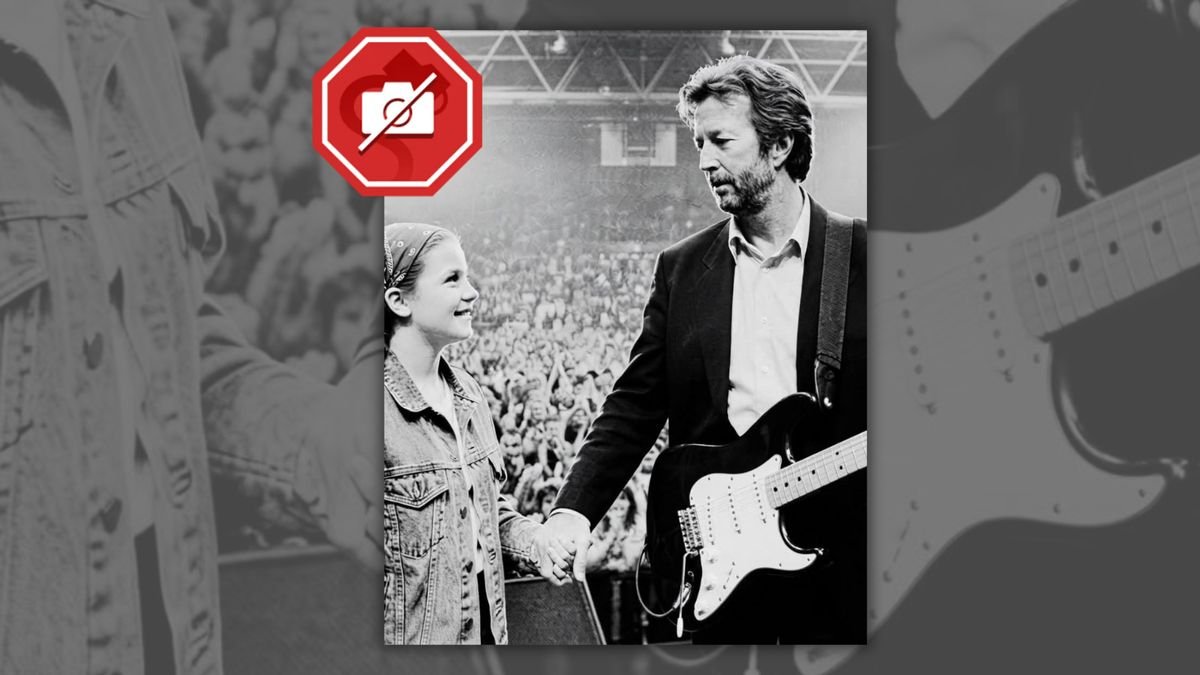
The claim frequently circulated alongside an image showing Clapton with a teenage girl that appeared to have been generated using artificial intelligence. Hive Moderation, an online AI detector, determined that the image was highly likely to be AI-generated.
(Facebook user Dena Wells)
In August 2026, a nearly-identical image spread with the story, but this time with a black-and-white filter and a “Curiously Unusual Wonders” watermark:
(Facebook user Amila K Madige)
Similarly, most of the accompanying text was likely AI-generated, according to the AI detector ZeroGPT. (Research shows AI-detection software is imperfect. Readers should consider the tools’ results with skepticism.)
(ZeroGPT)
The text’s tone, structure and emotional language further pointed to AI authorship.
Finally, the story appears to have originated from a YouTube channel presenting itself as a source of “true stories About Eric Clapton that will restore your faith in humanity,” but the video provided no verifiable evidence of the event. The channel’s other content follows the same clickbait pattern, with sensational, vague titles and attention-grabbing thumbnails designed to generate clicks. Many of the thumbnails also appear to be AI-generated or heavily manipulated, which is consistent with a channel producing content that’s primarily focused on generating views:
5 February 1992 – Eric Clapton & His Band – Where’s Eric! https://whereseric.com/tour/1992-5/. Accessed 19 Jan. 2026.
14 January 1990 – Eric Clapton & His Band – Where’s Eric! https://whereseric.com/tour/1990/. Accessed 19 Jan. 2026.
AI Detector – Trusted AI Checker for ChatGPT, GPT5 & Gemini. https://www.zerogpt.com/. Accessed 19 Jan. 2026.
Eric Clapton : The Autobiography. With Internet Archive, London : Arrow Books, 2007. Internet Archive, http://archive.org/details/ericclaptonautob0000unse.
Kar, Sujita Kumar, et al. “How Sensitive Are the Free AI-Detector Tools in Detecting AI-Generated Texts? A Comparison of Popular AI-Detector Tools.” Indian Journal of Psychological Medicine, vol. 47, no. 3, May 2025, pp. 275–78. PubMed Central, https://doi.org/10.1177/02537176241247934.
“Timeline (1990s).” Eric Clapton, https://ericclapton.com/pages/timeline-1990s. Accessed 19 Jan. 2026.
Winter, Emery. “Did Stephen Colbert Launch Sanctuary for Abandoned and Abused Dogs?” Snopes, 30 Dec. 2025, https://www.snopes.com//fact-check/colbert-animal-sanctuary-dogs/.
Wrona, Aleksandra. “Bogus Story Claims Trumps Volunteered at Pennsylvania Orphanage on New Year’s Day.” Snopes, 11 Jan. 2026, https://www.snopes.com//fact-check/donald-melania-trump-orphanage/.
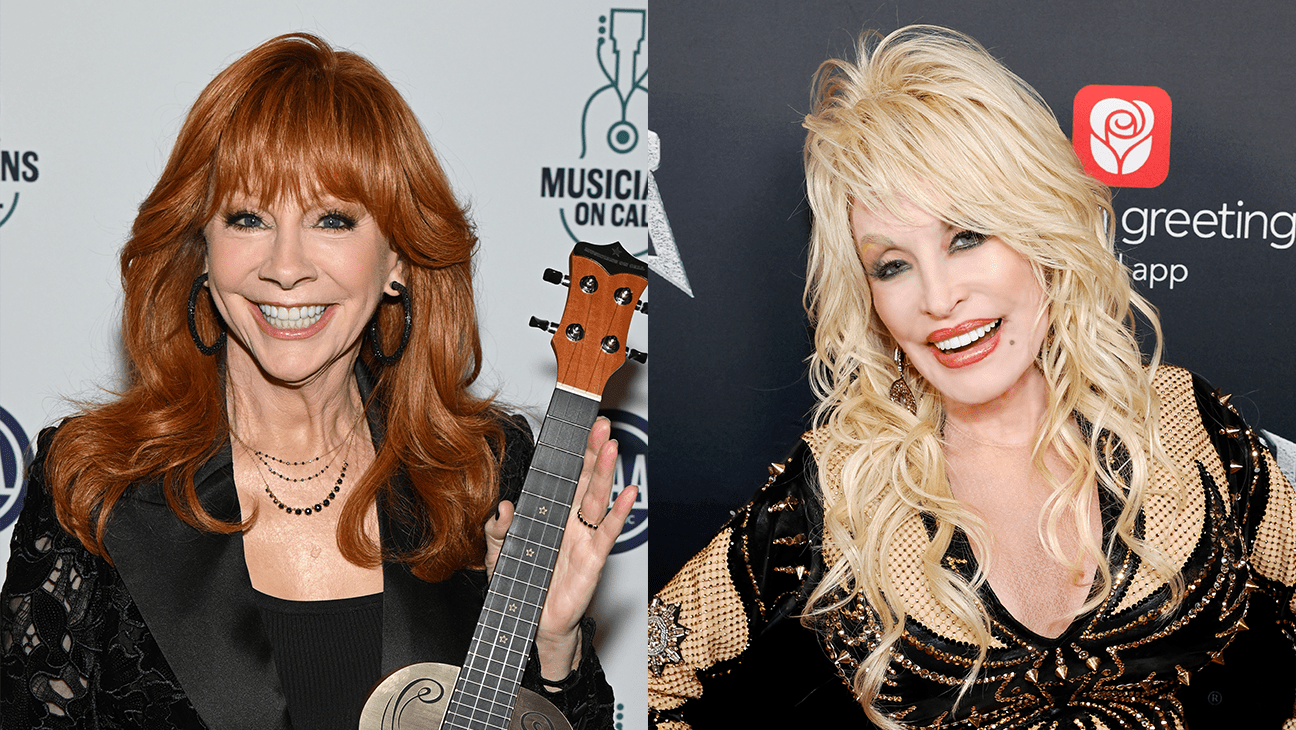
Reba McEntire has been tapped to perform a special tribute to the late Dolly Parton during the 2026 Emmy Awards on Monday night, The Hollywood Reporter has learned.
The Grammy winner is expected to sing a song by the Queen of Country Music, who died last month at age 80 after a brief battle with cancer. In addition to McEntire’s performance, New York Knicks point guard Jalen Brunson is also expected to make a guest appearance during a pre-taped segment at the beginning of the telecast.
It’s no secret that host Mariska Hargitay is a longtime Knicks fan, regularly spotted sitting courtside at games at Madison Square Garden. However, when THR caught up with Hargitay ahead of the ceremony, she wouldn’t confirm whether Brunson would make a special appearance.
“Not sure, but maybe OG will come flying in with 1.2 seconds left,” Hargitay said at the time.
It was previously announced that the awards ceremony will also feature a performance by Noah Kahan for the In Memoriam segment, as well as celebrations for the 30th anniversary of Buffy the Vampire Slayer with David Boreanaz and Sarah Michelle Gellar and the 50th anniversary of Charlie’s Angels with Kate Jackson, Cheryl Ladd and Jaclyn Smith.
Heading into the ceremony, HBO Max‘s The Pittleads the Emmy nominees with 25 nominations, followed by HBO Max’s Hacks (with 24 nominations), Apple TV+’s Widow’s Bay (19), Apple TV+‘s Pluribus (18 nominations), Netflix’s Beef (16), HBO Max’s DTF St. Louis (13) and NBC’s Saturday Night Live and Amazon Prime Video’s Spider-Noir with 11 nominations each.
Chris Rock revealed on Sunday that filmmaker Paul Thomas Anderson provided feedback on his latest directorial project, Misty Green.
The comedian mentioned during the film’s premiere at the Toronto International Film Festival on Saturday that Anderson watched the movie, which Rock wrote and directed, before telling The Hollywood Reporter that he watched Misty Green as a friend and critic.
“Both,” Rock said when asked if Anderson watched as “a bud” or to give notes. “But it’s always for notes. It’s like, what do I have you — what’s the use of having a friend like you who can’t help me?”
Rock would say not what Anderson changed or where in the film audiences may see his changes but did share that the Oscar-winning director provided “a tweak here or there.”
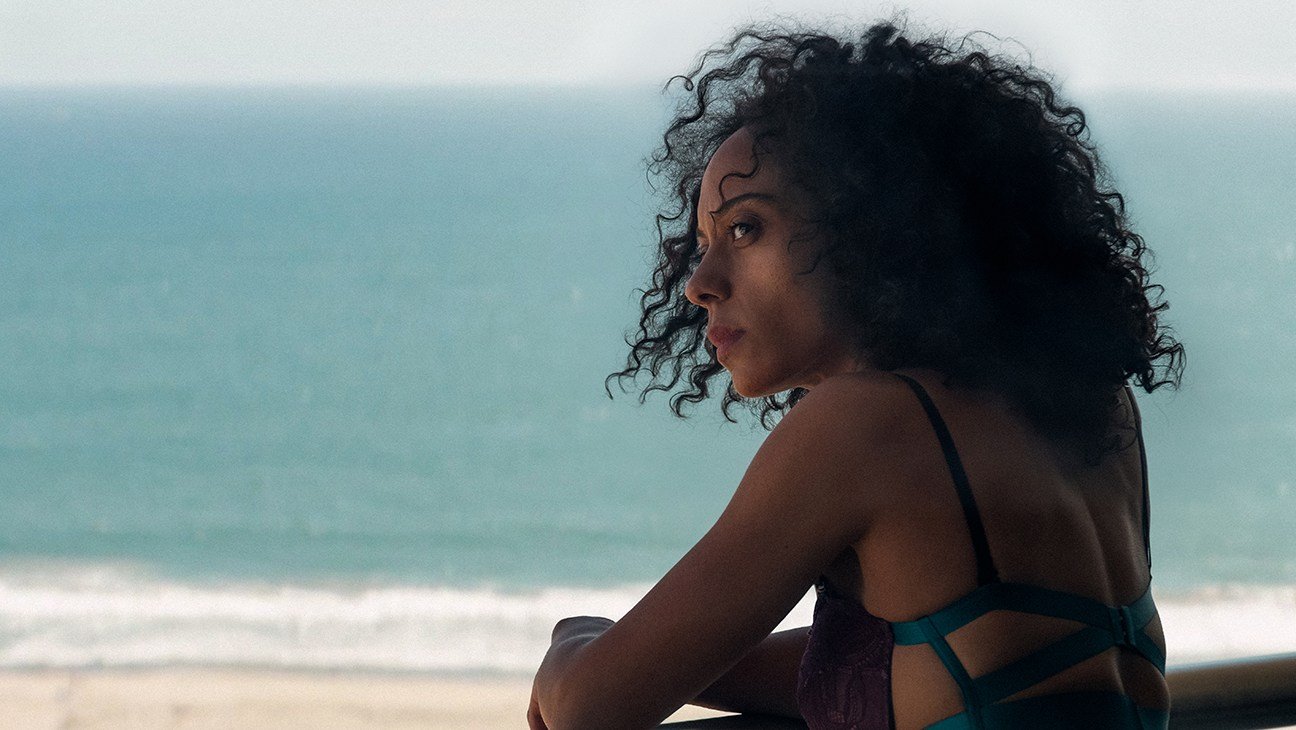
Distributed by A24, Misty Green follows an award-winning actress (Rosalind Eleazar) whose career has faded. Determined to make peace with her past, Misty attempts a career comeback after reconnecting with her former talent agent (Topher Grace). In addition to Eleazar and Grace, the comedy-drama also stars Adam Driver, Daniel Kaluuya, Anna Kendrick and Rock in a small role.
Rock told THR he was inspired to write the film after watching a former A-list actress perform in a “loop group,” an ensemble of voice actors who provide sound effects or background conversations for film and TV.
“ I was editing a movie, or something, and I was doing a loop group,” Rock explained at The Hollywood Reporter’s Studio at 1 Hotel during TIFF, presented by sponsor Canada Goose. “ You’re almost done with the movie, right? And you need extra sound effects, [so] you ask for a loop group. In the loop group was a formerly famous actress. I was like, ‘Wow, what is she doing here?’ Because you don’t really get paid for loop group.”
Rock said that he’s “never” going to share who the actress was, but “something about watching her sparked the initial [idea].”
“Like, ‘oh, this is a whole movie here,’” Rock added. “What happened in her life that she’s here at the loop?”
Misty Green is scheduled to be released in theaters on Oct. 9.
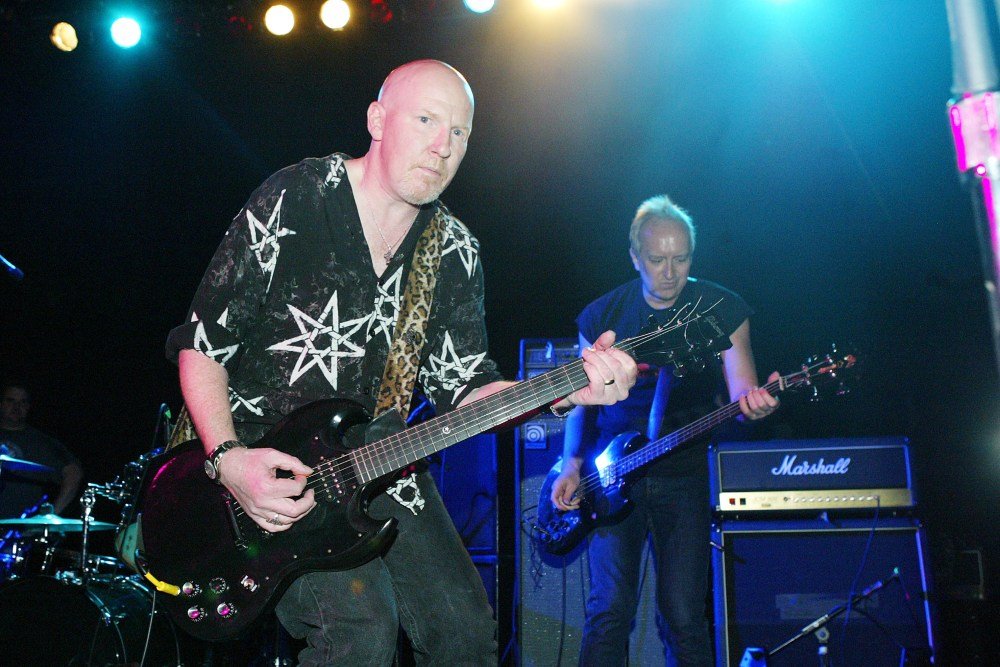
“We are incredibly sad to announce the news of the passing of our beloved friend and bandmate Cheetah Chrome,” the band wrote in the post. “Cheetah was a true original, an architect of the punk rock movement. A one-man hurricane tearing up the musical landscape with his feral guitar riffs and manic energy. Beyond all that Cheetah was also just a really sweet guy that loved rock-roll. We extend our deepest condolences to Cheetah’s family, friends and fans around the world. His music lives on and will continue to inspire others for generations to come. We ask for privacy during this difficult time. Godspeed Cheetah. Tony, Chris, Mark and the entire Dead Boys family.”
Cheetah Chrome was a Cleveland, Ohio-born punk-rock musician based in Nashville. He started as a guitarist in Rocket from the Tombs in 1974 before starting Frankenstein with Dead Boys members Stiv Bators and Johnny Blitz. The band quickly evolved into Dead Boys.
The three-piece band released their first album, “Young, Loud and Snotty,” in 1977 and their second, “We Have Come for Your Children,” in 1978 before breaking up a year later. The band reunited for a series of live performances over the years, but never put out another studio album. In honor of its 50th anniversary, the band had plans to tour their debut album in 2027.
O’Connor is survived by his wife, Anna O’Connor, and his 14-year-old son Rogan, who reside in Nashville.
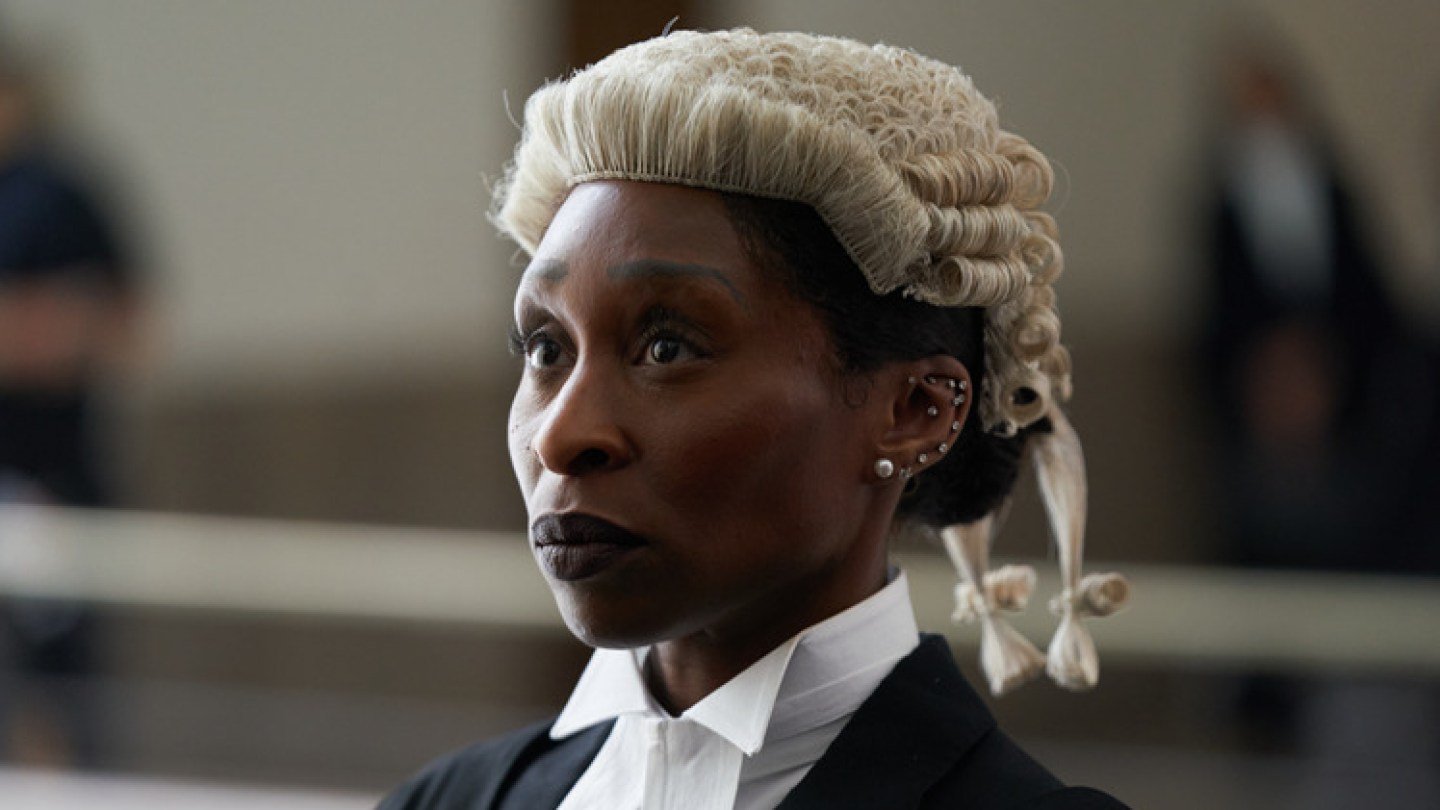
Prima Facie carries a bracing, important, timely lesson about getting justice for victims of rape. Cynthia Erivo plays Tessa Ensler, a rising star among British barristers, who often deals with assault cases, and whose world crumbles along with her belief in the legal system when she herself is assaulted by a colleague she was dating. Suzie Miller wrote the screenplay, expanding on her one-woman stage version, which won the 2023 Olivier for Best New Play, along with the Best Actress Olivier and a Tony for Jodie Comer, and its easy to see how well it might have worked in the theater with a galvanizing performance. But there is no use sugar-coating the huge disappointment the film turns out to be.
As a message, Prima Facie is still a howl of rage and a plea for change. But as a film it is a near-total muddle, from the clunky recurring voiceover to the cringey, obvious visuals and a preachy ending, with only some stunning supporting performances and a brief, powerful middle section to redeem it.
Prima Facie
The Bottom Line
A well-intentioned mess.
Venue: Toronto International Film Festival (Gala Presentations) Cast: Cynthia Erivo, Daniel Ings, Toheeb Jimoh, Noma Dumezwemi Director: Susanna White Writer: Suzie Miller
1 hour 46 minutes
Directed by Susanna White, whose smart works include the series Generation Kill and the thriller Our Kind of Traitor, the film opens with some of its heaviest-handed imagery. As Tessa bounces up the steps of the Old Bailey courthouse, already wearing her robe and white courtroom wig, the camera focuses on her out-of-place black-sequined sneakers. She steps into a room full of sleek, posh-looking women lawyers and in the first of her voiceovers, many taken directly from the play, says, “Thoroughbreds, that’s how I see them.” The film then cuts to images of — really, it’s this literal — horses.
She goes on to say, “But I’m here too.” Although she’s a working-class girl who got through Cambridge on a scholarship, she fits in well with her colleagues. As they walk out for drinks together, she explains to a young coworker — in clumsy exposition and foreshadowing that is really for us — that legally it doesn’t matter if an assault victim didn’t consent, as long as the accused believed there was consent.
Before long she has sex in the office with another rising-star lawyer, the privileged Julian. “I want this,” her unnecessary voiceover says. Julian is played with winning charm by Daniel Ings in a role that stretches him from his usual parts, like the buffoonish screw-up brother in the series The Gentlemen. Casting is not one of this film’s problems.
A shrewd element of Miller’s story is that she sets up the rape to be as legally thorny as possible. After a terrific date and sex with Julian, Tessa feels ill from too much wine and food, and refuses when Julian wants sex again. There is no doubt that what happens next is a violation. It is also another example of how little White trusts the audience to grasp anything. The focus blurs, Julian’s expression becomes furious and we see images of shattered glass. In a director’s statement, White says she wanted the images and sound throughout to express Tessa’s inner thoughts, which seems like a fine idea on paper but lands on screen with as much of a thud as the thumping sound effects that hammer home the point during the attack. And the surreal touches, appearing sporadically, are an odd fit with the pedestrian voiceover.
After the rape, the film temporarily gains the impact it should have. Erivo walks stiffly through the first section, but here eloquently displays the pain and self-doubt Tessa is feeling when she goes to a police station to report the assault. The camera stays close on her face as she answers the officers’ questions, and for once the voiceover works effectively to tell us what she doesn’t say out loud: that she knows she was foolish to have taken a shower and washed away the evidence, that she should not have deleted a text from Julian, that she had been drinking. She has been on the other side of this kind of case, and knows she is not in a strong position to prove what happened.
But the film quickly moves on to become a courtroom drama with blurrier focus, with Tessa on the stand giving the kind of speech that is a cliché of the genre. Erivo delivers a monologue, as Tessa makes the point that expecting logic and consistency from rape victims runs counter to their experience. They know what happened, but the details can be foggy due to the trauma, she says, and the legal system ought to account for that. Despite her visceral anger, what should have been a stirring dramatic moment seems stage bound.
In opening up the film, Miller deftly brings to life characters only mentioned in the play. Noma Dumezwemi, so strong in so many supporting roles, notably in The Undoing, is moving as Tessa’s mother, a cleaning woman who has little grasp of her daughter’s world but who stands solidly by her side, even as she worries that reporting the rape will ruin her brilliant future. Toheeb Jimoh (Sam on Ted Lasso) adds to the effective picture of class difference as Tessa’s brother, whose response to learning about the rape is to try to beat up Julian. Like everyone else involved in this well-meaning dud, they deserved so much better.
CA7RIEL & Paco Amoroso are on their Free Spirits World Tour until November, but they’ll be hitting the state again in 2027 for one of the biggest milestones of their career. On Thursday, Harry Styles dropped the dates for his Together, Together 2027 tour, and fans quickly noticed the Argentine duo’s name.
CA7RIEL and Paco Amoroso are one of the most unique acts in music right now
Styles will be in six cities on the North American leg of the global stadium tour before heading to Europe. CA7RIEL & Paco Amoroso will be joining them on April 9 and April 10 for their shows in Dallas, Texas, at AT&T Stadium.
The duo met in first grade after sitting next to eachother by chance
The duo, often mistaken for brothers due to their shared surname, consists of Catriel Guerreiro (aka Ca7riel) and Ulises Guerriero (aka Paco Amoroso). They met way back in primary school when they were six.
Catriel said in an interview with Arte that they sat next to each other. “It was first grade. Just one of those f***ing coincidences in life; we ended up sitting next to each other,” he explained.
Since the beginning, people thought they were siblings, and they started trolling together immediately. “The teacher was taking attendance and said, ‘Okay, Ulises Guerriero?’ He raised his hand. ‘Catriel Guerreiro.’ I raised my hand. “Oh, are you brothers?” she asked. And we said yes,” he said.
CA7RIEL & Paco Amoroso performs on stage at Movistar Arena on May 28, 2025 in Madrid, Spain
They sat in music workshops together, one strumming guitar, the other violin, eventually forming a rock band called Astor y las Flores de Marte in 2010. They officially became a duo in 2018, shifting into the experimental-trap/funk/hip-hop/pop world, and are among the first wave of Urban musicians in Argentina.
Now, they’ve practically become blood. “We’re not brothers, but we’re basically brothers,” Catriel told Arte.
They dropped their debut studio album, Baño María, in April 2024. But everything changed when they lit up the international scene with their viral Tiny Desk session, released on October 4, 2024, which has garnered over 55 million views at the time of this publication.
Riding the wave of success, they went on tour, opened for Kendrick Lamar, and have played at the world’s biggest music festivals, venues, and stadiums.
The artists won 5 Latin GRAMMYS
In 2025, they were the stars of the show at the Latin GRAMMYS. Tied with Mexican legend Edgar Barrera for the second most nominations after Bad Bunny, they won 5 awards at the Latin GRAMMY Premiere Ceremony: Best Alternative Song, Best Long Form Music Video, Best Alternative Music Album, Best Short Form Music Video, and Best Pop Song. They also made out.