Plus, the festival said that it would wrap up its multi-year program “Dead Angle” with a focus on the theme Common Ground, following Borders in 2024 and Institutions in 2025.
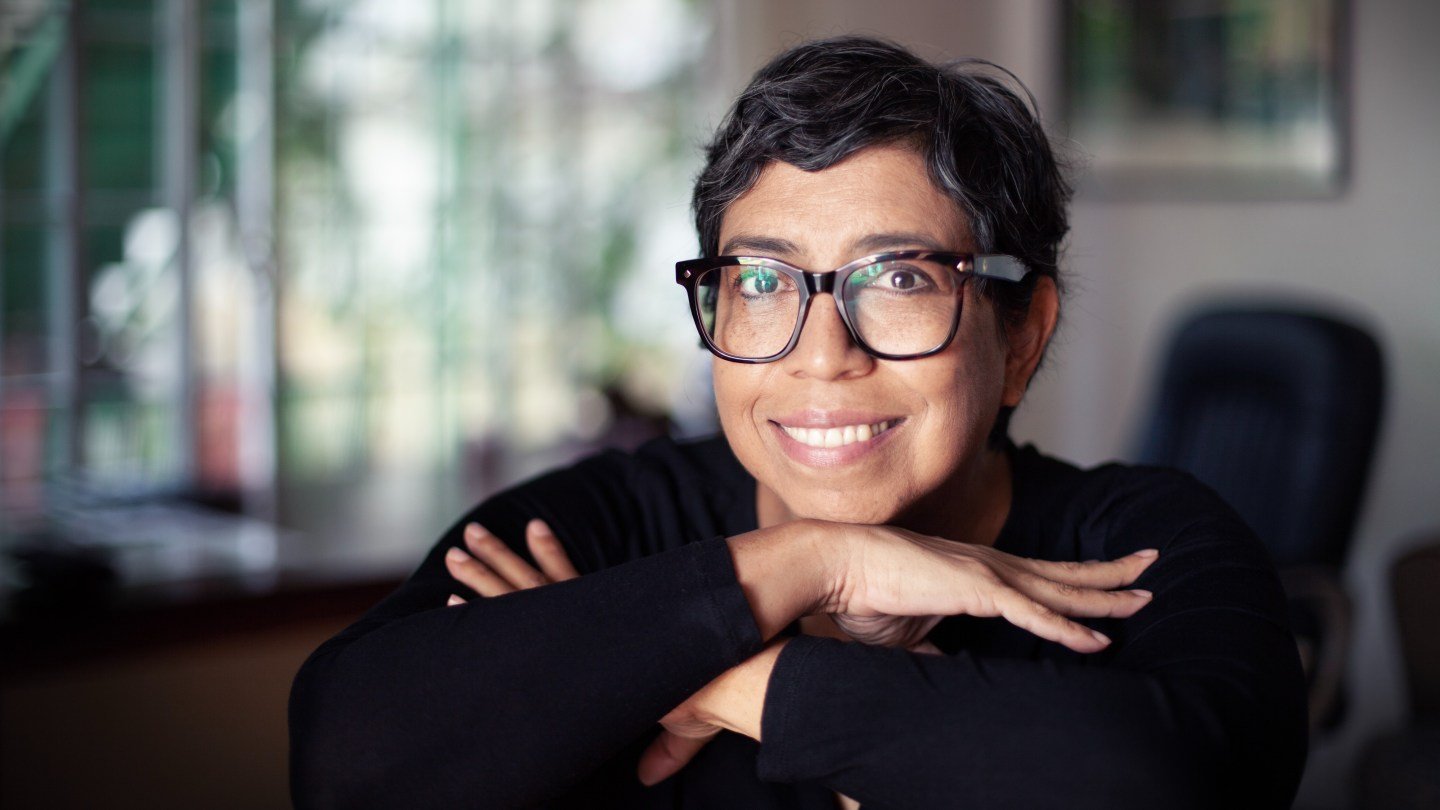
IDFA said that its 2026 edition will also feature Huezo’s personal top 10 film selection and a talk featuring the filmmaker. Born in El Salvador and raised in Mexico, she “has developed a distinctive body of work that moves between documentary and fiction, exploring how the violent consequences of organized crime and political turmoil shape the intimate lives of local families and communities,” fest organizers said. “Her cinema is rooted in close observation and shaped by a highly attentive visual and sonic language – allowing memories and experience to surface through atmosphere and deeply personal stories.”
Huezo first gained international recognition with her feature-length debut The Tiniest Place (2011), a portrait of a remote Salvadoran village whose inhabitants carry the memory of a massacre during the country’s civil war. Her fiction debut, Prayers for the Stolen (2021), is a coming-of-age story about girls growing up in the mountains of Mexico under the threat of human trafficking by local drug cartels.
The spotlight on Greaves (1926–2014) is designed to bring “a rediscovered voice in cinema back into view,” IDFA said. Across a formally inventive filmography shaped by sharp observation of social and political life, Greaves explored Black history and culture.”
The spotlight program includes Once Upon a Time in Harlem (2026), capturing a 1972 reunion of key Harlem Renaissance figures in Duke Ellington’s apartment, completed posthumously by Greaves’ son and granddaughter David and Liani Greaves. Also featured are Symbiopsychotaxiplasm: Take One (1971), which turns a fiction shoot in Central Park into a self-reflexive study of a film crew in revolt, and a director’s cut of The Fight.
About the Dead Angle: Common Ground focus, meanwhile, will be “exploring the many ways people come together – from extraordinary acts of solidarity and collective resistance to the everyday life of communities and quintessential function of public space,” IDFA highlighted. Among confirmed titles exploring solidarity in times of crisis are Everybody to Kenmure Street (2026) by Felipe Bustos Sierra, Shinsuke Ogawa’s The Battle Front for the Liberation of Japan – Summer in Sanrizuka (1968) and Barbara Kopple’s Oscar-winning American Dream (1990).
Finally, IDFA DocLab returns this year with the exhibition of what the fest described as “a diverse lineup of interdisciplinary immersive art and anniversary highlights to be revealed in the coming weeks.”
Does Spotify think you absolutely love “Baby Shark” because your kids have listened to it hundreds of times — and as a result recommends similar stuff? If you’ve ever encountered this conundrum, here’s good news: Spotify is finally letting parents keep nursery rhymes, Disney princess songs and other kiddie tunes out of their own music recommendations.
Starting Sept. 15, Spotify is giving parents the ability to exclude kids and family music from their recommendations, including the annual Wrapped marketing campaign. In promoting the new feature, the company is telling subscribers to “Keep your recommendations yours.”
“Parents love using Spotify to play music for their families. But parents don’t always share the same taste as their young children,” the company noted (rather obviously) in announcing the feature.
The new ability to toggle off kids and family music from influencing a Spotify user’s taste profile is rolling out globally on mobile to Free and Premium users. When you turn the setting off, “you can still search for, listen to, and build playlists of kids and family music — but those streams won’t affect what Spotify suggests for you,” per Spotify. “That means experiences like Discover Weekly, Daily Mix, and Wrapped more accurately reflect your taste.” The feature also applies retroactively, so kids’ music you’ve already listened to won’t be factored into your Wrapped top song or artist, for example.
Kids and family music on Spotify includes the following, according to the company: animated and live-action film soundtracks; theme songs and music from family TV shows; music from family entertainment brands and characters; family-friendly covers of popular songs; nursery rhymes and lullabies; sing-along, educational and activity music; and novelty and parody tracks for families.
The new feature is “the latest step in our ongoing efforts to give parents and guardians more control over how they and their kids listen,” according to Spotify.
The company’s existing tools provide the ability to exclude specific tracks or playlists from your taste profile. Meanwhile, in 2024, Spotify first launched managed accounts, designed to let parents with kids 13 and under their own space to discover music while maintaining control over their listening environment. In addition, the company offers the stand-alone Spotify Kids app, available to Spotify Premium Family plan subscribers, which provides a walled-off experience for young children.
Here’s how to toggle off kids and family music from your Spotify profile:
Navigate to “Settings and privacy” by tapping your profile picture in the top left corner of the app.
Select “Content and display.”
Switch off the toggle next to “Include kids and family music in taste profile.” (It may take up to 48 hours for the change to be reflected in personalized recommendations.)
And here’s an image from Spotify’s publicity campaign about the new feature:
The Hawai’i International Film Festival presented by Halekulani will open its 46th edition, HIFF46, with the world premiere of “The Navigator,” directed by Jordan Manley, at the historic Hawai’i Theatre Center.
“The Navigator” is a made in Hawai’i documentary centered on Nainoa Thompson, who nearly half a century ago became the first Native Hawaiian in 600 years to sail from Hawai’i to Tahiti using no modern instruments. The documentary follows him on a 2,400-mile return voyage accompanied by a new generation of trainee wayfinders, drawing on wisdom instilled by master navigator Mau Piailug. The screening also marks HIFF’s first opening night held at the Hawai’i Theatre Center since the COVID-19 pandemic began.
“It is a tremendous honor for HIFF to open our 46th Festival with the world premiere of ‘The Navigator,’ a film that could not be more deeply connected to Hawai’i and to who we are as a festival,” said Jean H. Lee, HIFF executive director. Lee added that Nainoa Thompson’s legacy “represents the reclamation and perpetuation of ancestral knowledge, a living connection across Oceania, and the responsibility to pass that knowledge to the next generation.”
HIFF46’s centerpiece presentation is the Hawai’i premiere of “Drifter,” the feature directorial debut of actor and filmmaker Sung Kang, who also wrote, produced and stars in the film. Set against the drifting subculture, the story centers on a lone racetrack janitor carrying old wounds, who gets one shot at redemption behind the wheel if he can learn to trust those around him.
The festival features 84 films in total, including 34 world premieres, six North American Premieres, 12 U.S. premieres and three international premieres, alongside selections from Cannes, Sundance, Berlin and Busan. The program also includes 86 short films; HIFF is the only Academy Award-qualifying film festival in the state of Hawai’i for short films.
The festival’s 24 individual premiere titles include world premieres “Beyond the Smiles: Yani Tseng,” “Making the Line,” “Niu Forever,” “Orphan Myth,” “Sukiyaki” and “Protecting Kahoʻolawe: 50 Years of Aloha ʻĀina”; North American premieres “The House on the Moon,” “The Mage,” “Ugly Duckling Ms. Maeng” and “Will You Still Be My Friend?”; U.S. premieres “Big Little Things,” “Chura Vita,” “Fruit Gathering,” “Lomu,” “Los Vampires,” “Satoko Always,” “Sgt. Haane,” “Sukundimi Walks Before Me,” “We Are Born Good” and “You Are the Film”; and international premieres “2 Valid IDs,” “Guided by Horses” and “Shadow Work.”
The lineup also brings in festival selections from Cannes, Sundance, Berlin and Busan, including “Josephine,” “Bedford Park,” “Take Me Home,” “All of a Sudden,” “Coward,” “Fatherland,” “La Bola Negra,” “Minotaur,” “The Station,” “9 Temples to Heaven” and “We Are Aliens,” alongside a studio slate featuring Netflix’s “Ink,” “14th” and “Possible Love”; A24’s “Club Kid” and “The Debut”; IFC Films’ “Tangles” and “Mouse”; Searchlight Pictures’ “Behemoth!” and “Wild Horse Nine”; Amazon MGM Studios’ “I Play Rocky”; and Neon’s “Once Upon a Time in Harlem” and “Clarissa.”
Alongside its film program, HIFF46 presents the second annual HIFILM industry conference, featuring conversations with filmmaker Destin Daniel Cretton, “Romanticals” creator Jonah Feingold, producer Walter Hamada, Desert Eclipse CEO Jason Chen, actors Holt McCallany, Henry Ian Cusick, Alex Tarrant and Amy Hill, and writer-producer Dana Ledoux Miller, among others.
“At its core, HIFF has always been about where we are,” said Anderson Le, HIFF artistic director. Le noted that the festival can present “an awards contender from Cannes or Sundance one night, a world premiere from Hawai’i the next, and then a new filmmaker from Korea, Japan, the Philippines, Taiwan, Hong Kong, Aotearoa or across Oceania – and they all belong in the same conversation.”
The festival runs Oct. 21-Nov. 5 on Oahu and continues through Nov. 15 on Maui, Molokai, Lanai and the Big Island of Hawai’i.
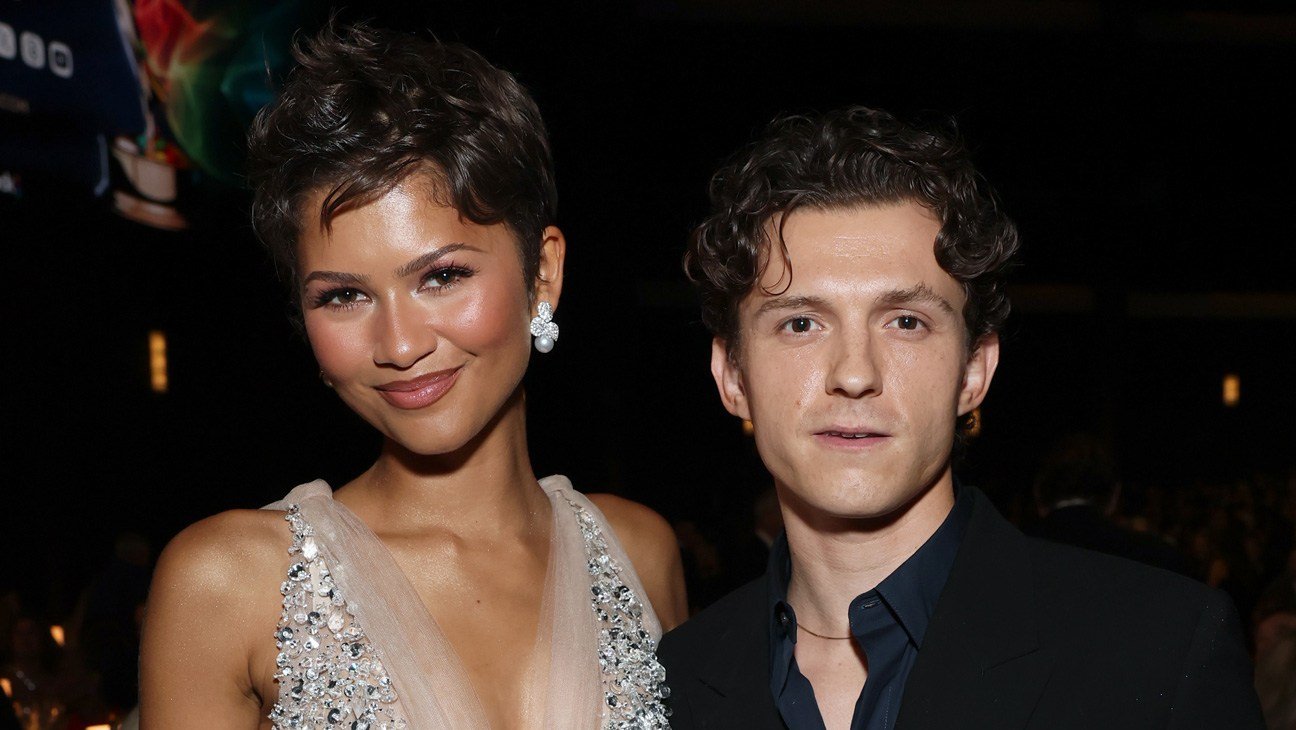
While Zendaya didn’t go home with an award at the 2026 Emmy Awards, it appeared the star had a fun date night with Tom Holland.
Zendaya first hit the blue carpet solo, sporting a new pixie haircut and wearing Prada with Mikimoto jewels.
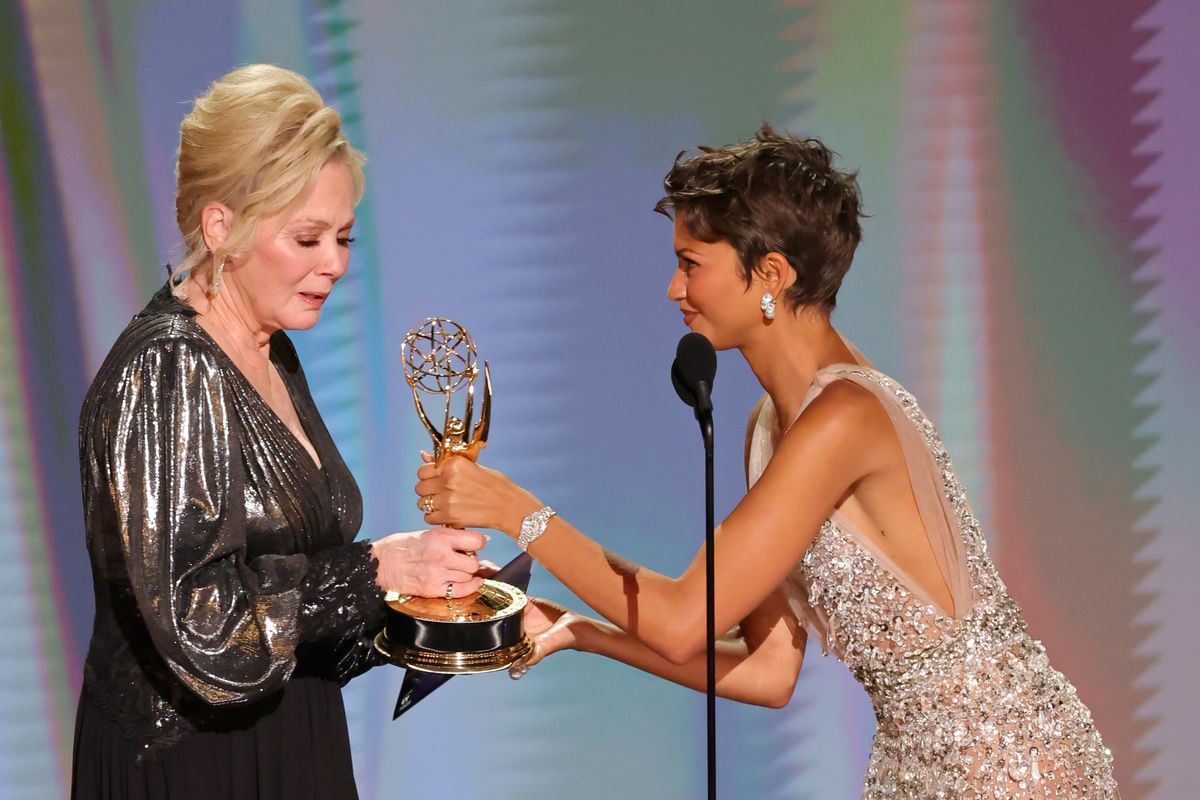
Inside Los Angeles’ Peacock Theater, Zendaya was both a presenter and nominee. She took the stage to present the award for lead actress in a comedy series, which ultimately went to Jean Smart for her fifth Emmy win for Hacks.
Later in the night, Zendaya was spotted chatting with Mark Ruffalo, Odessa A’zion, Quinta Brunson, Ayo Edebiri, Chase Infiniti and others, while Holland was by her side.
“I wanna say hi to Zendaya! You’re a beast and you’re amazing, and I saw you and I wanted to play it cool and I’ve decided I can’t do that. So I would like to invite you and Spider-Man to have dinner at my house,” Hernández said, as Zendaya and Holland laughed.
Zendaya was also nominated for best actress in a drama series for the third and final season of HBO’s Euphoria, in which she plays Rue Bennett. Her fellow nominees included Carrie Coon (The Gilded Age), Chase Infiniti (The Testaments), Keri Russell (The Diplomat) and Rhea Seehorn (Pluribus), with Seehorn taking home the award.
This marked the third time Zendaya was nominated in the best drama actress category at the Emmys. The 30-year-old previously won the award in 2020 and 2022.
In addition to Euphoria season three’s premiere in March, Zendaya is coming off a stacked year of releases with The Drama, The Odyssey and Spider-Man: Brand New Day, the latter two of which also star Holland. Up next, she will be seen in Dune: Part Three, set to release in theaters Dec. 18
If you’re producing an awards show and you’re running short as you head into the final category of the evening — this is a thing that has never happened before, so it’s a strange hypothetical — it must be a blessing to have Matthew McConaughey and Woody Harrelson as your last presenters.
The longtime pals, collaborators and possible siblings have an undeniable rapport and a total lack of shame. So if you tell them, “Go out there and vamp,” they’re more than capable of babbling incoherently for five or 10 minutes, and there’s almost no risk that they’re going to wake up in the morning and feel any regrets or have any memories of what they said.
Actually, I have no memory of what McConaughey and Harrelson said either. I think they set up the premise of their upcoming Apple TV comedy Brothers?
I was too busy pondering how an awards telecast in 2026 could possibly fail to fill a three-hour programming block, as I flashed back to choices like moving several not-insignificant awards — acting prizes for David Harbour and Linda Cardellini, mostly — to the Creative Arts Emmys last weekend and the bizarre decision to start playing Lead Actress in a Drama winner Rhea Seehorn off when her speech threatened to go a few seconds long.
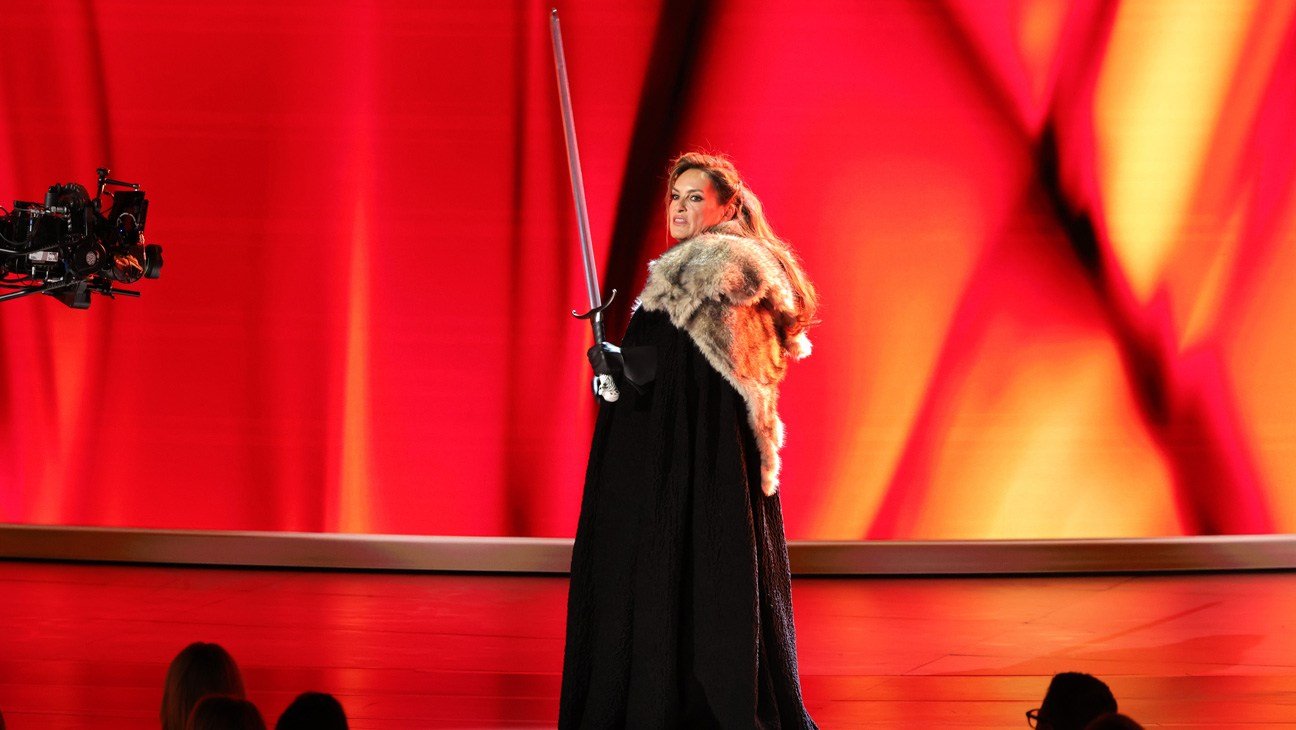
Look, there were things I loved in Monday’s NBC broadcast of the 78th Primetime Emmy Awards. But if your show concludes five minutes early with Mariska Hargitay standing around awkwardly, and that’s despite giving Hargitay not one, but two musical numbers, plus a seemingly endless filmed sketch (eventually featuring a game Taylor Swift), plus an extended tribute to Dolly Parton that somehow managed to exclude mention of anything Dolly did on television in a career that actually featured a lot of work on the small screen … something very, very strange has occurred.
Normally I don’t seek out the post-mortem “victory lap” interviews that award show producers do in publications like ours, but things happened behind the scenes of Monday’s telecast and I’ll be very curious if there are clear answers on what went askew — I’m hesitant to say “wrong,” though it clearly wasn’t “right” — with the telecast.
It was an ungainly and ill-flowing night.
I came into the show invested in three potential winners: Kate O’Flynn for supporting actress in a comedy, Rhea Seehorn for lead actress in a drama (even though Pluribus is a dark comedy) and Harrison Ford for supporting actor in a comedy. By 42 minutes into the telecast, all three categories had been presented, with the first two winning and Ford losing to Stephen Root as part of the Widow’s Bay juggernaut. It’s the second straight year that Ford has lost an Emmy that, in my opinion, he deserved to win, which would normally make me grouchy except that Root is a national treasure and should have won an Emmy for NewsRadio and Jeff Hiller is well and truly beloved in the creative community for good reason.
By 90 minutes in, almost all the awards had been presented. Somebody made the choice in structuring the telecast that the first half of the show would be awards and speeches (under the threat of truncation, though only Seehorn was impacted) and the second half would be tributes, memorials and other stuff to make people cry.
Was the assumption that the tributes would go longer? That the standing ovations would be more extended? Were there comic bits that got cut? Additional tributes that got trimmed? Somehow, the show simply got away from the producers and they were left with Harrelson and McConaughey giving an accurate simulation of what it would be like to be sober and sitting in the corner of their porch watching them riff. The audience in the theater was either amused or confused, but at that point, who could say for sure? I don’t know if there was a stage manager off to the side giving them the, “Keep on spinning!” signal or if whoever occupied that capacity had surrendered and gone to an afterparty already.
Positive guy that I am, I want to offer some praise before I return to scratching my head.
I loved the tribute to Michael J. Fox, winner of the Bob Hope Humanitarian Award.
I will never understand why the Academy Awards decided that the lifetime achievement awards should be given in some obscure secondary ceremony rather than as a centerpiece of the main telecast. These shows are the industry patting itself on the back; why would that not include annual celebrations of industry legends, front and center?
The extended standing ovation for Fox, whose clip package leaned heavily and inexplicably into his film work, is what a back-patting ceremony should be about. You can’t undersell the significance of Fox’s career in television and the significance of Fox to the multiple generations who grew up alongside him and entertained by him, but it would be just as wrong to undersell the significance of Fox’s appearance in terms of Parkinson’s visibility and disability awareness. Putting that man — on the “Nobody can say a single bad thing about them” Mt. Rushmore along with the likes of Betty White and Dolly Parton — in that spotlight and on as many televisions as were still on was important and powerful, and I do not get why every single award show doesn’t have a comparable moment.
The Emmys tried to shoehorn several of those moments into the telecast, with uneven results.
David Boreanaz and Sarah Michelle Gellar were on-hand to subtly chide Hulu for not picking up the Buffy the Vampire spinoff, obliquely mention the recent deaths of several Buffy the Vampire Slayer cast members (but not Buffy producer Dolly Parton) and ostensibly celebrate the show’s 30th anniversary. But with no clips and only two cast members, it wasn’t much of a reunion. And the show’s 30th anniversary is next year anyway.
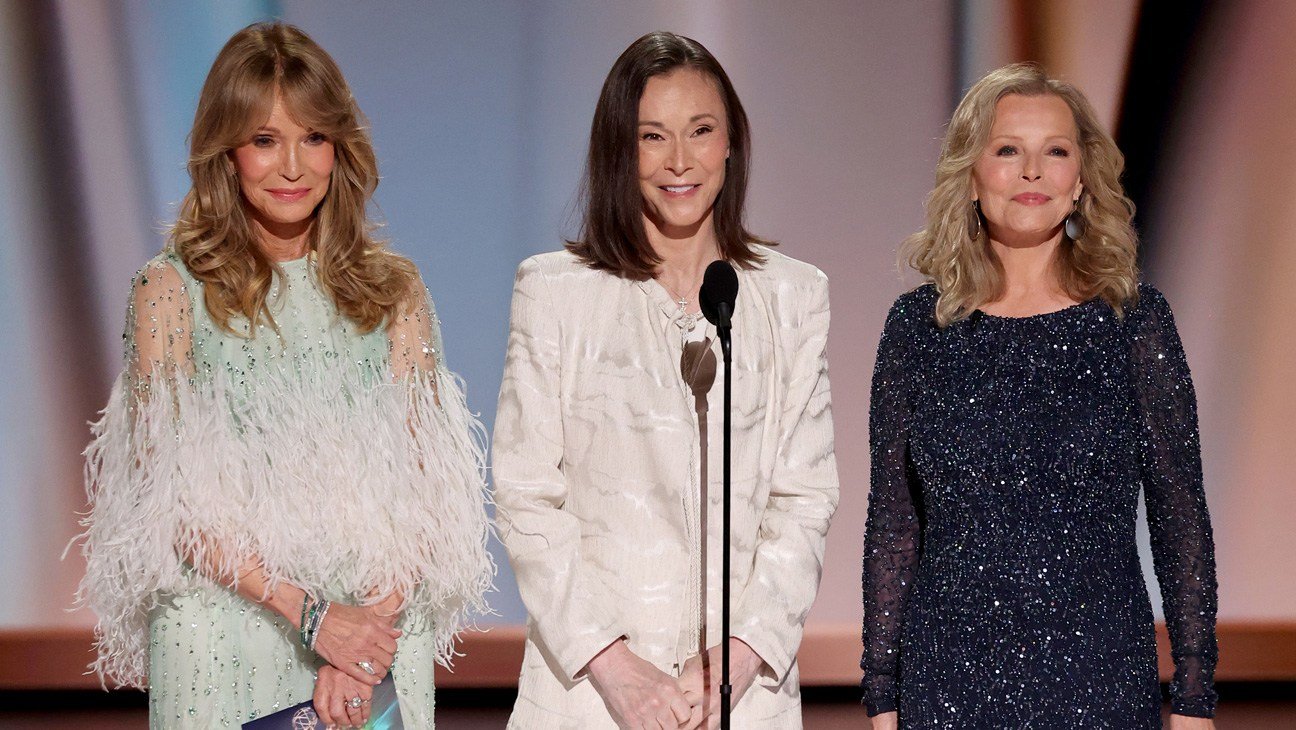
Jaclyn Smith, Cheryl Ladd and Kate Jackson showed up to acknowledge the 50th anniversary of Charlie’s Angels, but they weren’t given anything to do and, again, there were no clips or tangible celebrations of the show.
Normally, you don’t find me wishing for a 90-second clip package as part of an award show, but normally award shows don’t require Woody Harrleson and Matthew McConaughey to kill time.
I liked Reba McEntire’s performance of “Appalachian Memories” in tribute to Dolly Parton. But by ignoring so much of what Parton actually did on television — The Porter Wagoner Show, a wide assortment of TV movies, the aforementioned Buffy — it felt like the TV Academy was paying tribute to Parton out of fear that there would have been criticism if they didn’t, rather than because she warranted that tribute. Which she did.
Macaulay Culkin, Annie Murphy and Dan Levy sweetly honored Catherine O’Hara, while Jamie Lee Curtis gave rushed tributes to both James Burrows and Rob Reiner. But if you told me that the Burrows/Reiner tributes were wholly unplanned and somebody had just pushed Curtis out onto the stage and told her to do the best she could, I’d believe you.
Almost all those moments came in the second half of the show — a half that also featured a more traditional, but well-executed necrology with Noah Kahan doing “Bridge Over Troubled Water” and the audience blissfully muted through the entire segment.
The second half of the show and the first half felt completely disconnected, as if to acknowledge that some viewers watch award shows for silly comedy bits and some watch for sincerity, while implying that nobody watches for both. This is not true. The artistry of award show producing is creating an emotional ebb and flow stretching across three+ hours. That’s a standard by which the Emmys were a total failure.
It’s normally the host’s responsibility to establish the flow, to bridge sad and silly and uncomfortable moments with a consistent voice and presence.
Mariska Hargitay was never going to be a traditional award show host. She’s not a comedian, and she isn’t an experienced improviser of the sort that the job normally requires. What she is, fortunately, is a good sport, and she maintained her own energy admirably throughout — which is not the same as maintaining the show’s energy, I’m afraid.
Hargitay had an okay, if completely forgettable, monologue that was admirably brief, and a few pieces of crowd work that succeeded based on how well-liked she is, which comes from nearly 30 years of steady work in broadcast television.
She was also stuck in two dreadful music numbers, either of which could easily have been cut. Except that then the show would have been 2.5 hours and NBC’s affiliates would have revolted.
OK, you couldn’t have cut the “I Love TV Screens” number set to “I Love Rock ’n’ Roll,” because the sponsors — United Airlines and Marriott in particular — would have freaked out. But does anybody even remember anything about the limp parody of Supertramp’s “Goodbye Stranger”? It related to TV shows that ended during this Emmy cycle, except it included The Bear, which will still be eligible at next year’s telecast. Look, you can’t use one calendar to justify a premature 30th anniversary for Buffy and a different one for the end of The Bear.
Hargitay was enthusiastic and willing to joke about her limitations and, in truth, I blame almost all her failings on the writing. She was at the mercy of what she was given, as opposed to John Mulaney who came out and did John Mulaney things for five minutes, reminding us what a tight, carefully considered set feels like in this context. I don’t know if Mulaney is hesitant to take on the responsibility of a full hosting stint or if the Oscars, Emmys, Grammys, Globes and Tonys are hesitant about him, but it’s mighty obvious he can do the job.
Outside of what the producers could control, the show was fine. There were a lot of well-deserving winners throughout, including the near-sweep for Widow’s Bay, multiple wins for Matthew Rhys, record-tying triumphs for Jean Smart and Allison Janney, the limited series win for DTF St. Louis, Seehorn’s long-overdue first Emmy and a surprising fifth win for Vince Gilligan.
For better or worse, depending on your ideological perspective, it was a bizarrely politics-free evening, which I guess is what happens when Noah Wyle beats Mark Ruffalo and Kate O’Flynn tops Hannah Einbinder. Sally Field, taking home her fourth Emmy for a Netflix movie with an octopus, was the only person to express veiled caution about the Paramount/Warner Bros. deal and one of a few winners to get applause by mentioning Canada. There were some salutes to human creativity, presumably at the expense of AI, but nobody wanted to say “AI.”
But Tom Pelphrey likably celebrated pregnant partner Kaley Cuoco, Stephen Colbert received a fully expected final send-off win for The Late Show, and Widow’s Bay creator Katie Dippold gave folks on social media several opportunities to share her famous/notorious Babadooktweet.
And with an early-ending show, I filed ahead of my deadline. So there’s that.
Warner Bros.’ “Practical Magic 2” cast a winning spell over the U.K. and Ireland box office, dethroning “Spider-Man: Brand New Day” after a six-week reign to claim the top spot with an opening weekend of £2.7 million ($3.7 million).
Disney followed closely in second position with the cinema rollout of “Oasis: Don’t Look Back in Anger,” which captured $3.5 million across its debut frame. 20th Century Fox’s thriller “Pressure” rounded out the new release trio at the summit, taking third place with $2.7 million.
Universal’s “The Odyssey” held firm in fourth place during its ninth week on release, collecting $1.2 million. The tentpole pushed its cume to $114.3 million.
Sony’s superhero juggernaut “Spider-Man: Brand New Day” moved to fifth position in its seventh frame, generating $1.1 ,illion. The blockbuster’s running total reached $132.7 million, overtaking “Spider-Man: No Way Home,” “Avatar,” and “No Time to Die” to claim the No. 3 spot on the all-time U.K. and Ireland box office chart, trailing only “Star Wars: The Force Awakens” and “Skyfall.”
Signature Entertainment’s survival sequel “Fall 2” opened in sixth place with $648,421. “Insidious: Out of the Further,” distributed by Sony, followed in seventh position in its fourth week, adding $619,084 to raise its running total to $9.9 million.
Entertainment Film Distributors’ action thriller “Runner,” starring Alan Ritchson and Owen Wilson, bowed in eighth place with $517,727. Paramount landed the ninth spot with the 45th anniversary 4K re-issue of “Raiders of the Lost Ark,” which grossed $326,263. Altitude Film Distribution’s “Coyote vs. Acme” rounded out the top 10 in its fourth frame, collecting $188,463 to push its cume to $2.6 million.
Looking ahead to the upcoming theatrical frame, rollouts begin mid-week with Seventh Art Productions’ “Exhibition On Screen: James McNeill Whistler 2026,” followed Move Over Productions’ documentary “The Route to Cappyness.”
Wide commercial openings on Friday across 300+ locations are led by “Resident Evil,” distributed by Sony, and Paramount’s “Bad Apples,” starring Saoirse Ronan.
Releases also include Screenbound Pictures’ music documentary “50 Years of Punk,” Entertainmeny Film Distributors’ “De Gaulle: Part 2 – Liberté,” Aardman’s “Shaun the Sheep: The Beast of Mossy Bottom,” from Studiocanal, Dogwoof’s “The Cycle of Love,” Curzon’s “Queen at Sea,” Other Parties’ “Barrio Triste,” Sonorous Films’ “Premature,” Shane O’Sullivan’s documentary “The Watergate Caper: Richard Nixon and the Death of the American Dream,” from E2 Films, Mubi’s “Pulp: What Do You Do For An Encore?” and Anime Ltd’s “Whisper of the Heart.” The weekend concludes on Saturday with the event cinema broadcast of “Twenty Years of the Met in Cinemas: An Anniversary Celebration” from Trafalgar Releasing.
The stars of Charlie’s Angels reconvened at the 2026 Emmys, where they paid homage to the late Farrah Fawcett.
Kate Jackson, Cheryl Ladd and Jaclyn Smith were onsite to celebrate the show’s 50th anniversary, and present the Emmy for best drama series, which ultimately went to The Pitt. “It’s an honor to be here tonight to present the Emmy for drama series and to celebrate the 50th anniversary of Charlie’s Angels,” Jackson began, before Smith paid tribute to Fawcett.
“I would like to acknowledge someone not standing with us tonight, and that’s my friend Farrah Fawcett. As I’ve said many times, charisma doesn’t need a second season,” Smith said, a reference to her starring turn in only the first season of Charlie’s Angels. “As I said many times, she’s here with us in everyone’s collective memory.”
Jackson continued of their co-star, “Farrah was the shiniest angel of all, and she was loved by millions of people all over the world, and she still is today. And they’ll never forget her and neither will we, and I’m sure you won’t either.”
“And her iconic poster lives in the minds, and the garages, of many a man,” Ladd added before they announced The Pitt as the best drama Emmy winner.
Charlie’s Angels debuted on Sept. 22, 1976, created by Ivan Goff and Ben Roberts. Jackson, Smith and Fawcett starred in season one as three investigators who worked for their boss, Charlie. Fawcett departed as the first installment, and Ladd joined the cast.
Heading into this year’s Emmys, The Pitt led the nominees with a total of 25 nods, followed by Hacks with 24 (which set a record for a comedy series nominations in a single year) and Widow’s Bay with 19.
The 78th Emmy Awards telecast live from the Peacock Theater at L.A. Live in Los Angeles Monday night on NBC, streaming on Peacock. Mariska Hargitay served as the night’s host, after last week winning two Emmys at the Creative Arts ceremony.
Value-driven Finnish outfit Gutsy Pictures headed by Marika Makaroff (“Moominvalley,” “L/Over”) has secured a greenlight from MTV Finland and added co-producers Zeitsprung in Germany and Götafilm in Sweden for the psycho-thriller “Dangerous Woman.”
Already pre-bought by TV4 in Sweden, the six-parter created by Makaroff will be directed by the established Zaida Bergroth, credited for the crowd-pleaser and Finnish Oscar entry “Tove.” Joining the key creatives are BAFTA-winner Kevin Rundle (“Gangs of London,” “The Thaw,” “Eastenders”), who reunites with Gutsy after their successful collaboration on the Canneseries selected “L/Over,” one of MTV’s biggest hits earlier this year.
The story centers on Laura, a middle-aged woman at the peak of her career, caught violently attacking a male visitor at an interior design fair. Once arrested, bigger secrets begin to surface. The woman who’s been hiding under a different identity for years, is also linked to an unsolved murder case. As the story of her life unwraps across three timelines, we start to question if it’s her where the real danger lies.
“I’ve wanted to tell this story for 10 years, but when I first wrote it, the idea felt almost too extreme,” Makaroff said, before adding: “Today, hatred has become increasingly normalized, and I wanted to explore what happens when it moves beyond words and becomes physical.”
Makaroff, who opened up about her own experience of abuse while promoting “L/Over” in 2025, said she’s approached the character of Laura in “Dangerous Woman” “with compassion”. “She [Laura] has spent a lifetime being belittled, dominated and abused, and eventually reaches her breaking point. Through her, I’m asking a difficult question: can violence or revenge ever be justified? And if we become those we hate, who does that serve?”
“The series is a mix of dark humor, psychological thriller and social drama, but ultimately it is a story about humanity, grace and forgiveness,” she observed.
Added Janne Vakio, commissions and content development manager at MTV, “At MTV, we believe great stories become even stronger through great partnerships. ‘Dangerous Woman’ brings together a bold creative vision, top-tier talent and producers from three markets with a shared ambition: to create a distinctive Nordic drama that can resonate both at home and internationally.”
The series is due to go into production later this year.
“Dangerous Woman” is one of 11 international premium dramas selected for the co-production pitch showcase Mind the Gap, hosted by Serielizados Pro (Oct 21-24), the industry sidebar of Barcelona’s series festival Serielizados.
Acclaimed Catalan filmmaker Carlos Marques-Marcet (“10,000 km,” TIFF Platform winner “They Will Be Dust”), with his first showrunning gig, and sisters Mireia and Joana Vilapuig (“Selftape”) will rub shoulders with creators from Galicia, Finland, Iceland, Latvia, Mexico and Portugal at the second edition of iSerielizados Mind the Gap co-pro series contest.
The international series pitch, due to unspool Oct 21 in Barcelona, is the pièce de résistance of series festival Serielizados’ fast-expanding industry confab Serielizados Pro, running Oct. 21-24.
On the heels of last year’s flawless launch of Mind the Gap, set up to boost top-tier series in their financial stage of financing, more than double the number of projects from a bigger geographical spread were submitted this year.
Out of the 11 selected titles, eight came from open calls, and three were invited by European industry partners Seriencamp, ECAM Forum and Iberseries.
Victor Sala
Credit: Victor Parreno
“It’s been more challenging for our selection committee but also extremely exciting,” said Victor Sala, Serielizados Pro honcho who welcomed new collaborations with the Baltics, through Latvia’s entry “The Man Behind a Mask,” and the sustained ‘love affair’ between Finland and Spain.
“Apart from Spain – obviously!, we received the largest number of projects from Finland – five or six”, said the industry chief who picked with his team the Finnish ‘crime “Bloodwine” from Helsinki-filmi (“The Summer Book,” “Codename-Annika”) and psycho drama “Dangerous Woman” from Gutsy Pictures (“L/Over”). Sala also underscored Helsinki-based Tekele’s involvement in the Spanish dramedy “Not Girls”, first original series produced by top Catalan banner Fasten Films (“The End of It”).
“We are really happy that renowned Catalan directors and showrunners trust Mind the Gap as a place to find partners,” added Sala, referring to “Callback,” co-penned by the Vilapuig sisters with Diego Vega, and “Act of Faith,” the first TV show created by Goya and Toronto Platform winning helmer Marques-Marcet.
While “Callback” deals with “the grey areas of abuse where aggression is subtle and it’s difficult to establish clear roles between victim and agressor,” according to Jordina Casals from Funicular Films (“This is Not Sweden”), “Act of Faith” offers a new twist to the political thriller. Indeed, the show centers not on the real cases of undercover cops that infiltrated social movements in Spain, but on the victims, friends and lovers who felt betrayed.
“Storytellers remind us that the world is not easy to grasp, that reality is more complex than we initially thought,” noted Sala, himself co-writer of Serielizados’ opener “In Vitro (HBO Max-3Cat) which offers a kaleidoscopic – even ironic – look at fertility in the 21st century.
This year’s international jury which will hand out the €5,500 ($6,300) prize for Mind the Gap best project takes in Mubi’s Ben Driscoll, Movistar Plus’ Susanna Herreras, Beta Film’s Peter Lohner, ZDF Studios’ Susanne Frank and Arte France’s Virginie Béjot. An additional €2,000 ($2,300) Konga Music Agency Award will be bestowed to the best Spanish project.
Movistar PlusRodrigo Sorogoyen’s regular writing partner Peña and Villanueva will discuss their latest show — the Movistar Plus Original “El Castillo” which will bow in Barcelona on the heels of its world premiere out of competition in San Sebastian.
El Castillo
Courtesy of Movistar Plus
In another inspiring session sponsored by Seriel Eye, German creator and showrunner Alexander Lindh will discuss a world without prisons, portrayed in his high-end show ”A Better Place,” competing at Serielizados for best international series.
Tracker of market trends and networking facilitator, the boutique Serielizados Pro will also host discussions about the state of European series development, production, distribution, new digital strategies, with key industry players including The Mediapro Studios’ Béatrice Nouh, DR Sales’ Ella Glantz, Oble’s Katia Sol, RTVE Play’s Alberto Fernández and Tallinn TV Beats’ Roosa Toivonen among others.
Turning the lens on the thriving Catalan audiovisual industry, Serielizados organisers will invite the 300-plus attendees to a session on the state of series production in the region, and a case study on the two successful co-productions “In Vitro,” (3Cat-HBO Max) and “Segunda temporada” (Filmin), the festival’s opening and closing bets.
To honor the best of the best Spanish series, a new Audiovisual 451 Award will be handed out for its inaugural session to HBO Max’s acquisition and 3Cat’s drama departments for their joint efforts to deliver “some of the most relevant series in recent years, such as “Pubertat,” “Ravalear” and this year’s “In Vitro,” distinguished by their compelling themes and high production values,” said Audiovisual 451 journalist Irene Jiménes. ” In times of fierce industry competition, budget constraints and editorial cancellations, it is admirable that a global platform and a public broadcaster have overcome their differences to make these co-productions a reality,” she added.
Serielizados Pro is backed by ICEC (Catalan Institute for Cultural Companies), DAMA, Triodos Bank, PROA, Konga Music Agency, Sarao Music, Serial Eyes, and Antaviana and AVisual Pro.
The 13th edition of the series festival will run Oct.19-28 in Barcelona and on the upscale streamer Filmin Nov. 10-22.
A Full rundown of Mind the Gap Projects, 2026:
“Act of Faith,” (“Acte de fe,” 4X45’, Spain) Written, directed by Carlos Marques-Marcet Produced by Suica Films and Abacus
In his first series as a creator, multi-awarded Catalan auteur Marques-Marcet has taken as starting points real cases of left-wing pro-independence activists who were infiltrated by undercover cops in Spain, to deliver a suspense drama about intimacy, trust and betrayal. “At its heart lies a question we have all asked ourselves: Do I really know the people I love?”, says Suica Films’ Alba Bosch.
“Bloodwine,” (“Veriviini,” 6X45’, Finland, France) Written by Katri Järvelä, Tua Harno Produced by Helsinki-filmi, Finland for MTV Finland, with France’s CineFrance
“Bloodwine” is a delicious crime series set in the lush world of French vineyards, exquisite palates, and the unique million-dollar business wine fraud. We want the audience to watch the series and then look at their glass of wine thinking: what’s actually in my glass,” says Helsinki-filmi head of drama Mia Ylönen,
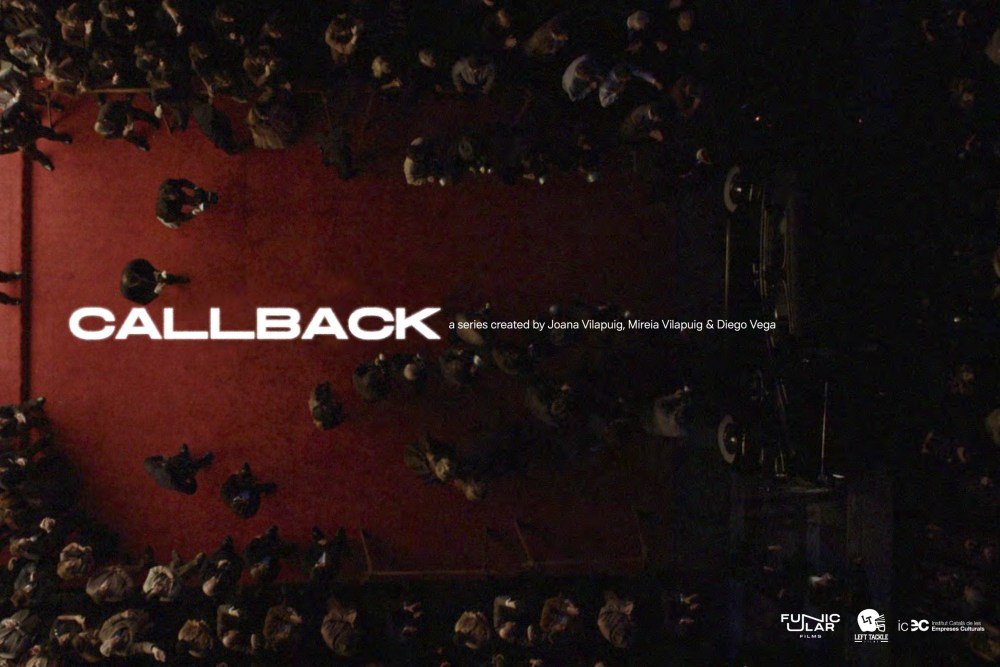
“Callback,” (4X40’, Spain) Created and written by Joana Vilapuig, Mireia Vilapuig and Diego Vega, Produced by Funicular Films (“This is Not Sweden”) and Left Tackle Films.
In their second series set in show business after “Selftape,” the Vilapuig sisters focus on Fran, a filmmaker who accuses Román, her actor and producer of abuse, in the middle of the premiere of her directorial debut at a European Film Festival. “At its core, ‘Callback’ explores a relationship marked by an abuse of power and how a personal conflict can become a broader social and political debate,” says Funicular Films’ Jordina Casals.
“Dangerous Woman,” (6X42’, Finland) Written by Kevin Rundle from an idea by Gutsy Pictures founder Marika Makaroff Produced by Gutsy Pictures
After the Canneseries 2025 entry “L/over” which turned on coercive control and its dramatic effects, Gutsy Pictures’ new psychological drama looks at a woman’s track record as a violent person. But is she really a villain or a victim?
“El Observatorio,” (6X45’, Spain) Project selected at ECAM Forum 2026 where it won the Serielizados Award Created-written by Laura Roqué, Eloy Zamora and Luis Sorolla
A drama comedy set in Andalusia, 2011. In a small village of a Sierra Morena threatened by depopulation, sheep graze alongside a colossal astronomical observatory. The only people working there are astrophysicists Sara and Gabi. When a light suddenly appears in the sky, Sara believes the light could be her late father communicating with her. “Our project explores what happens to us when our belief system enters into a crisis,” says Roqué who is seeking a producer and financial partners.
“Gusgus,” (6X55’, Iceland, Benelux) Project selected at Seriencamp where it scooped the Co-Production Pitch Award. Created and written by Arni & Kinski, Lawrence Inglee
Produced by Truenorth Nordic for RÚV, in co-production with Lumière, Benelux A semi-autobiographical show about electronic band GusGus. How nine young artists set out to become the biggest band in the world, until one member’s private tragedy fractures their ascent. “Against our lead characters deeply personal journey through grief is the extraordinary world of Iceland in the 1990s: a small, isolated island where musicians, filmmakers and artists seem to be inventing a new reality,” says band co-founder Stefan Arni.
“Historia de Espías, The Obedient Assassin,” (6X60’, Mexico, Spain) Project selected at Iberseries Created and written by Salvador Rizo, with co-writer Alessandro Pederzoli Directed by Horacio Alcalà
Produced by The Maestros, Mexico, with The Aurora Project, a Spanish anthology TV show based on the spy book series by John P. Davidson. In Season 1, “The Obedient Assassin,” the story turns on the former Soviet Union agency NKVD’ s efforts to assassinate Leon Trotsky in exile in Mexico. “Our ambition is to build a map of real espionage across nationalities and decades, with a different story every time,” says producer Pederzoli.
“Karbo FC,” (6X45’, Spain) Created by Sonia Méndez Produced by Cósmica Productions, Accidental Films
Karbo FC
Courtesy of Cósmica Productions
A first TV drama produced by Galicia-based Cósmica, based on an idea by the banner’s co-founder, football fan, writer and director Sonia Mendez (“As Neves”). A feelgood coming of age tale based on true events, about a group of working class girls who defy prejudice in 1980s Spain to live their dream-playing football for the Karbo FC.
“Line,” (“Linha,” 6X30′, Portugal) Created by Hermano Moreira Produced by Manilha Filmes (Hotel Amor”) and SPi (“Cold Haven”)
At an ecstatic dance festival, almost nothing is what it seems. The lines between racism, sexual harassment and drug addiction are very thin and shift depending on the perspective from five different characters.
“The Man Behind a Mask,” (Latvia) Created by Anna Kalnina, Serge Serpuhovs Produced by Baltic Pine Films, Latvia
Based on the true story of a Latvian doctor, a medical pioneer, innovator and rule-breaker whose career intersected medicine, politics and power. “At its core, ‘The Man Behind a Mask’ is about a healer forced to become an instrument of the state, a man torn between his calling to heal and his duty to serve the system,” says Serpuhovs, executive producer at Riga-based production and servicing outfit Baltic Pine Films.
“Not Girls,” (“Noies no,” Spain, Finland) Written by Indigo Carbajal, Jana Jubert, Tomàs Bayo Directed by Celia Giraldo Produced by Fasten Films, Spain for 3Cat, in co-production with Tekele, Finland
The first original series from top Spanish banner Fasten Films present at Cannes this year with “The End of It,” “Strawberries,” “Rehearsals for a Revolution.” A bold contemporary dramedy set in Barcelona’s vibrant music and cultural scene in which members of a pop-rock band learn to deal with ambition, jealousy, desire and belonging.
The biggest night in television is here. The 78th Emmy Awards are celebrating another year of television’s biggest stars, breakout performances, and shows that had everyone talking.
Jean Smart accepts the Outstanding Lead Actress in a Comedy Series Award for “Hacks” from Zendaya
Hosted by Mariska Hargitay, the ceremony is taking place at the Peacock Theater in Los Angeles, with the night’s biggest categories honoring the best of drama, comedy, limited series, reality, and more.
Some of the biggest names heading into the ceremony include Zendaya, Noah Wyle, Jean Smart, Quinta Brunson, Ayo Edebiri, JasonSegel and Martin Short, while shows including The Pitt, Hacks, Widow’s Bay and The Bear are among the year’s major contenders.
The Creative Arts Emmys already gave us some major winners, with Widow’s Bay leading the early pack with eight awards, followed by DTF St. Louis with six and The Pitt with four. Bad Bunny also picked up his first Emmy for his Super Bowl LX halftime show, while Mariska Hargitay won two Emmys for her documentary My Mom Jayne.